Yamaha MT-125 reliability is genuinely strong for a 125cc learner bike, provided the bike has been serviced on schedule and not neglected by a previous owner. The headline evidence is encouraging but thin: MCN’s owners rate the 2020-on bike 5 out of 5 for reliability, but that score comes from only 2 owner reviews, so this Yamaha MT-125 reliability guide treats it as a promising signal rather than proof. This guide covers what actually wears out, the full service schedule, realistic running costs, and how to keep a used example dependable. Prices here are UK figures: the MT-125 is not sold in the USA.
Yamaha MT-125 Reliability Overview
Start with what the evidence can and cannot support where Yamaha MT-125 reliability is concerned. Yamaha MT-125 reliability looks excellent in the small amount of owner data available, and the bike’s mechanical simplicity supports that picture,
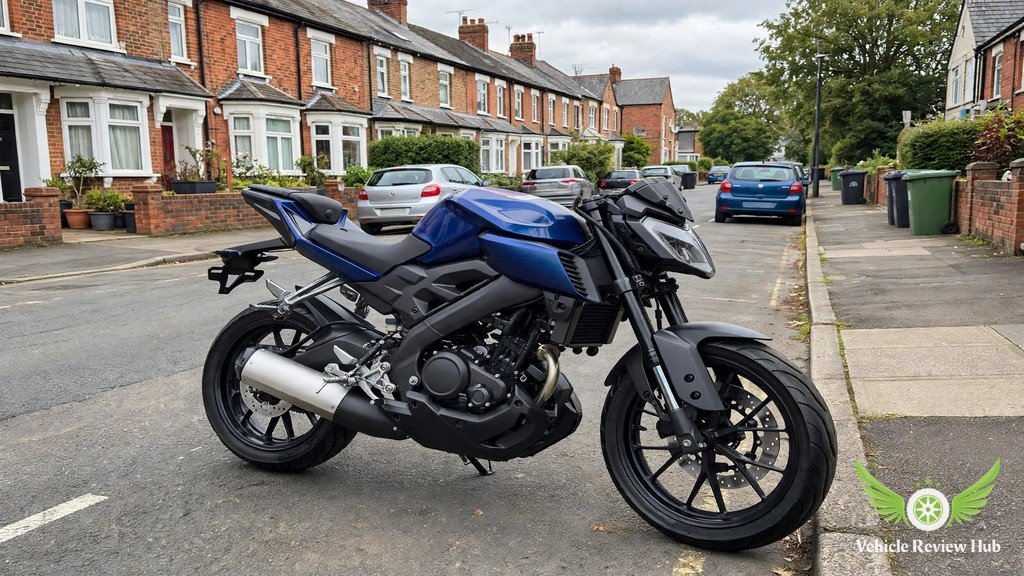
MCN Owners 5 Out of 5 From Only 2 Reviews: Evidence Limits Explained
MCN’s page for the 2020-on MT-125 lists an owners’ reliability rating of 5 out of 5, and that figure deserves an immediate qualification: it comes from only 2 owner reviews. Two happy owners cannot prove that every MT-125 is faultless, and Yamaha MT-125 reliability should never be sold on that number alone. The broader context is more useful. The earlier 2014–2019 MT-125 carries an owners’ reliability rating of 4.4 out of 5 from 14 reviews, a much larger sample that still reads as good rather than perfect. That larger sample is a useful cross-check on Yamaha MT-125 reliability, as shown on the MCN 2014–2019 MT-125 ratings page. The MCN MT-125 owners’ ratings page is the source for both figures, and any buyer checking them should note the sample sizes before quoting the scores. In short, Yamaha MT-125 reliability is best described as strong with limited evidence, not proven by a landslide of owner data.
How Mileage, Maintenance History and Previous Use Affect Reliability
On a 125cc bike, how it was used matters more for Yamaha MT-125 reliability than the badge on the tank. A low-mileage bike with no service stamps can be a worse buy than a higher-mileage bike with a full dealer history, because oil, coolant, and brake fluid age with time as well as distance. Yamaha MT-125 reliability depends heavily on the 3,000 km oil-change rhythm described below: a bike that missed oil changes will show it in cam and gearbox wear long before anything dramatic fails. Previous use also shows up in the consumables. Check the MOT history for advisories on tyres, brakes, and corrosion, and treat a complete service record as the single best predictor of future Yamaha MT-125 reliability.
Yamaha MT-125 Common Problems and Wear Items
No consistent pattern of major failures is documented for the MT-125, which is itself a useful finding for Yamaha MT-125 reliability. The issues that do appear are the ordinary wear items of any small chain-driven motorcycle, Yamaha MT-125 reliability problems, where they exist, are almost always maintenance problems first.
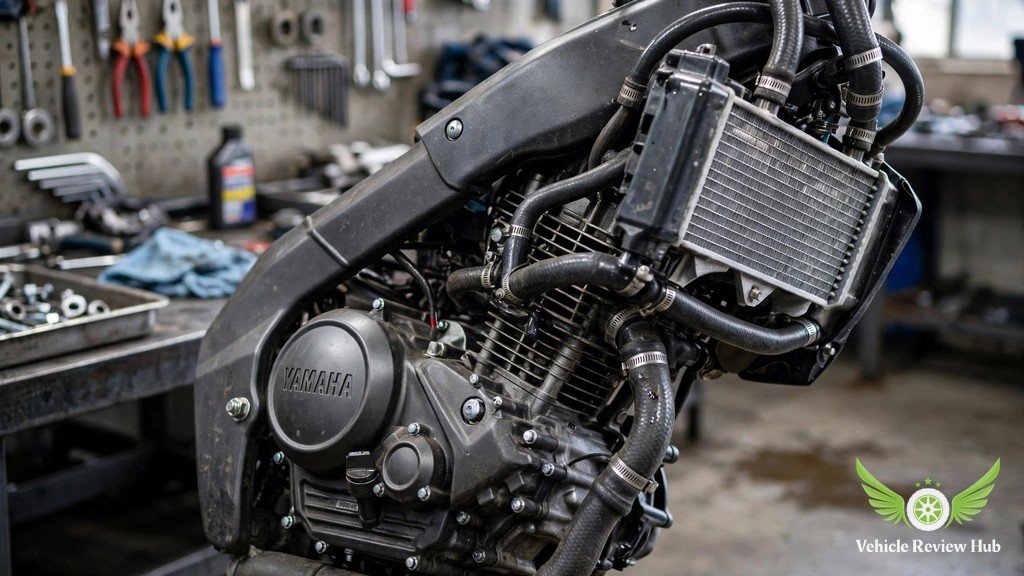
Engine, Cooling System and Fuel System Inspection Points
The 125cc liquid-cooled single is a proven unit, but its cooling system still needs watching. Check the coolant level in the reservoir, look for white staining or weeping around hose joints and the water pump, and confirm the radiator fins are straight and free of stone damage and packed mud. Those checks are basic Yamaha MT-125 reliability practice. A bike that has run low on coolant can hide tired components, so a cold-start check matters: the engine should fire promptly, idle steadily, and show no smoke once warm. Yamaha MT-125 reliability benefits from fresh fuel, a clean air filter, and coolant changed on the manual’s three-year interval rather than left indefinitely.
Clutch, Gearbox, Chain, Sprockets and Electrical Checks
The six-speed gearbox and clutch are the hardest-working parts of a learner bike, and for Yamaha MT-125 reliability they show abuse first. A clutch that drags, slips under load, or has a lever with no free play needs adjustment or new plates, and a gearbox that jumps out of gear or crunches shifts has usually suffered missed shifts or a stretched chain. Yamaha MT-125 reliability is directly tied to chain care, because the chain is checked every 1,000 km for a reason. On electrics, check that the lights, indicators, horn, and starter all work cleanly, that the battery holds charge after standing, and that connectors under the seat and around the headstock are free of green corrosion. On 2023-on bikes, which add a 5-inch TFT display and MyRide connectivity, confirm the display is bright and responsive and the traction control switches as expected.
Yamaha MT-125 Maintenance Schedule and Servicing
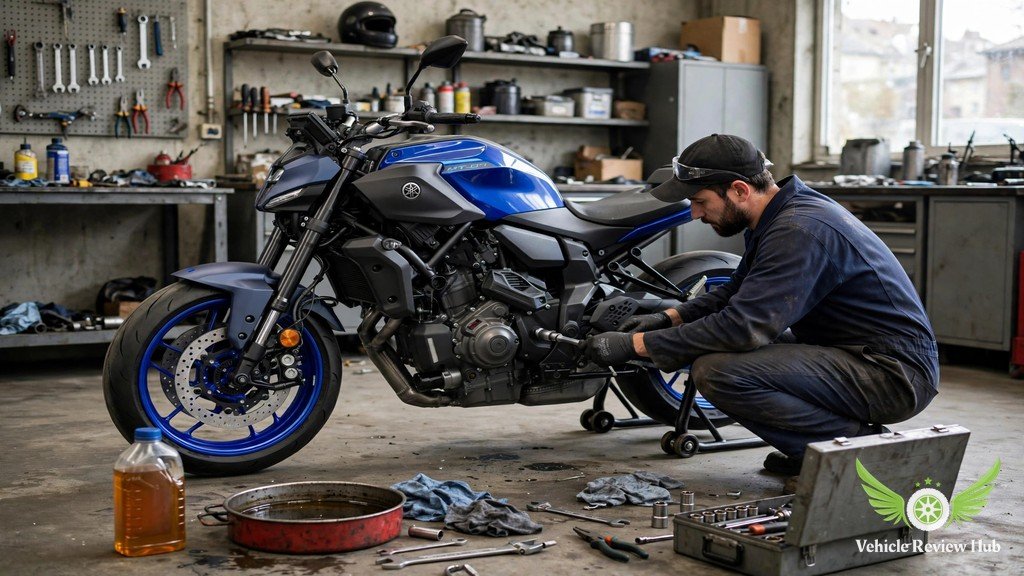
The service schedule is the backbone of Yamaha MT-125 reliability, and it is refreshingly short. The pattern is a first service at 1,000 km, then major service points every 6,000 km, with oil changes twice as often as the big services and a chain check at every 1,000 km.
Services at 1,000 km Then Every 6,000 km, Oil Every 3,000 km
From there, the 2025 MT-125 owner’s manual schedule places major checks at 6,000 km, 12,000 km, 18,000 km, and 24,000 km, repeating from the 6,000 km interval after 30,000 km. Engine oil is changed at the 1,000 km service and then every 3,000 km, the single most repeated rule in Yamaha MT-125 reliability, with the oil filter element replaced at every other oil change. The specified oil is 10W-40, and the quantities are small: about 0.85 litres for an oil-only change on the 2024 model, or 0.95 litres with the filter removed, so a DIY oil change is cheap as well as simple. The specified spark plug is NGK MR8E9, replaced every 12,000 km. The video below shows the oil-change process on a 2021 bike:
Note that this is an owner-made DIY video, not a Yamaha factory tutorial, so treat its torque settings and quantities as a visual guide and, for Yamaha MT-125 reliability, confirm them against your own manual before working on your bike.
Chain Check Every 1,000 km, Coolant, Brake Fluid and Valve Checks
The drive chain needs checking every 1,000 km, and for Yamaha MT-125 reliability the manual is specific about how: clean it with kerosene and a soft brush, never with steam cleaners, high-pressure washers, or solvents that damage the O-rings, then wipe it dry and lubricate it thoroughly with a special O-ring chain lubricant, never engine oil. Beyond the chain, the time-based items are easy to forget and expensive to ignore: brake fluid is DOT 4 and is changed every 2 years, brake hoses every 4 years, and coolant every 3 years. The MT-125 owner’s manual details confirm the chain slack, tyre pressures, and oil quantities quoted in this Yamaha MT-125 reliability guide. The service table below summarises the schedule:
| Item | Interval | Notes |
|---|---|---|
| First service | 1,000 km | Running-in check, first oil change |
| Major service points | Every 6,000 km | 6,000 / 12,000 / 18,000 / 24,000 km |
| Engine oil (10W-40) | Every 3,000 km | Filter element every other oil change |
| Chain check and lubrication | Every 1,000 km | Slack 35–45 mm, O-ring lube only |
| Spark plug (NGK MR8E9) | Every 12,000 km | Emission-control schedule item |
| Brake fluid (DOT 4) | Every 2 years | Sealed container only |
| Brake hoses / coolant | 4 years / 3 years | Time-based, not mileage-based |
Yamaha MT-125 Tires, Brakes and Suspension Maintenance
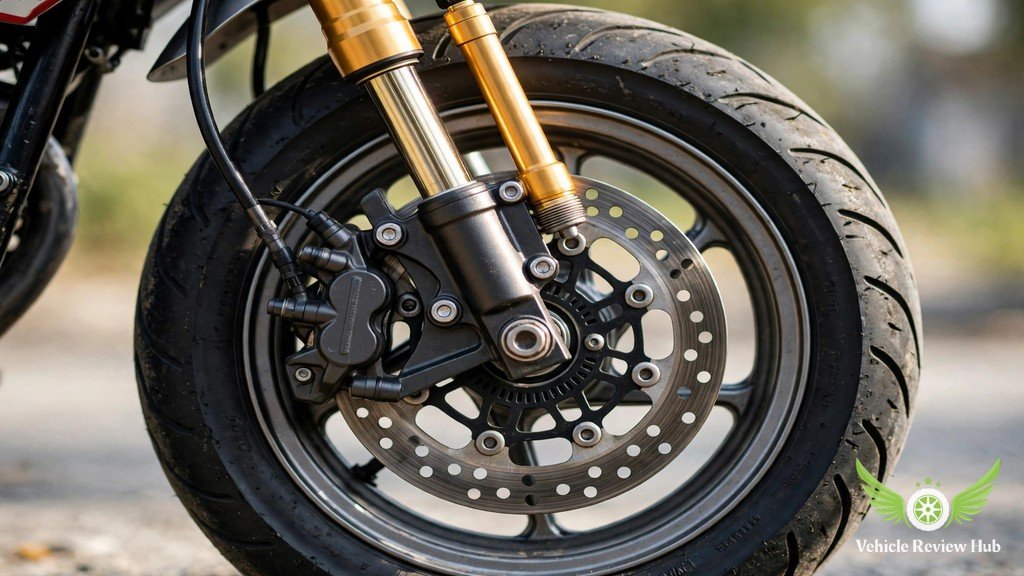
Tyres, brakes, and suspension are where a small bike’s safety lives, and where Yamaha MT-125 reliability is won or lost, and they are also where a neglected MT-125 shows its history fastest. The specification is simple — 100/80-17 front and 140/70-17 rear tyres, a 292mm front disc with a four-piston radial caliper, a 220mm rear disc, and a 41mm upside-down fork — Yamaha MT-125 reliability in daily use depends on these three systems more than on any engine statistic.
Tire Condition, Pressure, Tread Wear and Replacement
Check tyre pressures cold, against the manual’s figures rather than the maximum printed on the sidewall. The 2015 manual gives, for loads up to 90 kg, 180 kPa (26 psi) front and 200 kPa (29 psi) rear, rising to 225 kPa (33 psi) at the rear for loads of 90–180 kg, with the front unchanged. Under-inflation is the most common fault on learner bikes and a quiet enemy of Yamaha MT-125 reliability: it dulls handling, increases wear, and raises fuel consumption. Inspect the tread for cuts, embedded objects, and squaring-off from motorway miles. Yamaha MT-125 reliability also benefits from matching tyres:
Brake Pads, Brake Discs, Forks and Rear Suspension Checks
The front brake is the bike’s best safety feature and a key part of Yamaha MT-125 reliability: a single 292mm disc with a four-piston radial caliper and ABS, backed by a 220mm rear disc. Check pad thickness at both ends, look for scoring or blueing on the discs, and confirm the levers feel firm rather than spongy, which would point to air or old fluid. Brake pads on a 125 used in town wear quickly, so thin pads are not a disaster, but scored discs are a bigger bill and a bargaining point. The 41mm upside-down fork is non-adjustable, so the checks are simple: look for oil weeping past the fork seals, bounce the front end for dead or notchy damping, and check for pitting on the stanchions that would destroy new seals. Yamaha MT-125 reliability is helped by the simplicity here — no electronic suspension, no linked brakes, nothing to diagnose beyond the mechanical basics — but that simplicity only helps if the basics are actually checked.
Yamaha MT-125 Maintenance and Ownership Costs
Running an MT-125 is cheap by motorcycle standards, and the published figures back that up for Yamaha MT-125 reliability. The costs below are UK figures, since the bike is not sold in the USA, Yamaha MT-125 reliability costs stay low precisely because the service items are small and the parts are shared across the 125 family.
Fuel, Routine Servicing Around £160 a Year and Replacement Parts
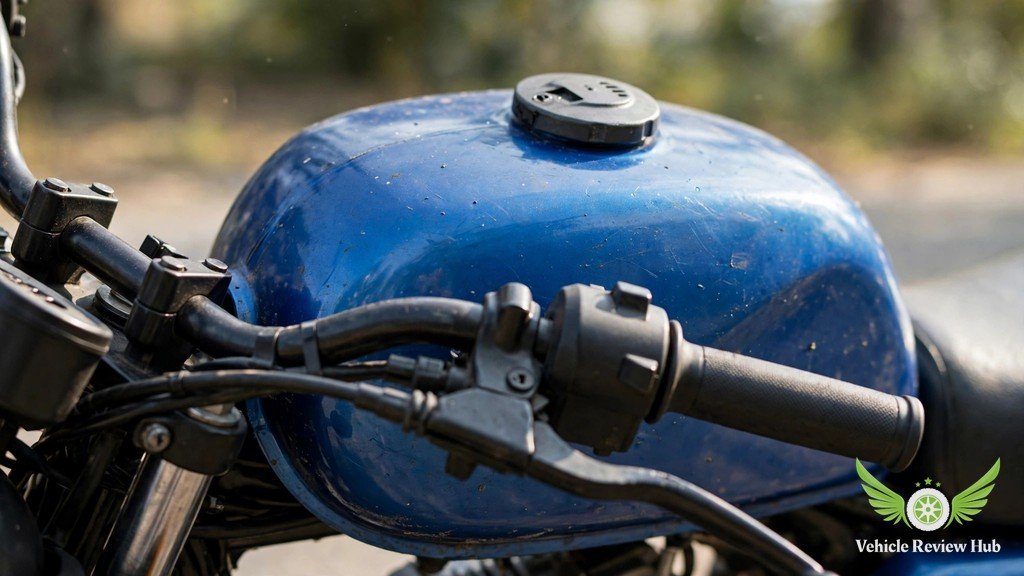
MCN lists average consumption at 133 mpg for the 2020-on bike, and with a 10-litre tank that gives a range approaching 290 miles, so a commuter doing 5,000 miles a year spends far less on petrol than on almost any other powered transport. MCN also lists the annual servicing cost for the 2020-on bike at £160, against £80 for the 2014–2019 bike, a difference that reflects dealer labour rates and the newer bike’s service content rather than any jump in parts prices. The MCN MT-125 running costs page is the source for the £160 servicing figure and the 133 mpg consumption. Yamaha MT-125 reliability is affordable to protect: the most expensive routine item most owners will face is a dealer valve-clearance check at a major service, and even that is a fraction of the equivalent job on a larger bike.
Repair Expenses, Parts Availability and Long-Term Ownership Costs
Parts availability is a genuine strength for Yamaha MT-125 reliability. The MT-125 shares its engine family with the YZF-R125, and Yamaha’s UK dealer network stocks the routine items, while pattern parts cover chains, sprockets, pads, filters, and tyres at lower prices. Long-term ownership costs stay predictable if the schedule is followed, but they climb fast on a neglected bike, which is why Yamaha MT-125 reliability depends on the schedule: a stretched chain takes the sprockets with it, old brake fluid corrodes caliper pistons, and missed coolant changes invite water-pump and seal trouble. The Yamaha MT-125 specifications confirm the 142 kg weight, 10-litre tank, and 2.1 L/100km consumption quoted across this Yamaha MT-125 reliability guide. The cost table below summarises typical annual figures:
| Cost item | Typical figure (UK) | Notes |
|---|---|---|
| Annual servicing (2020-on) | Around £160 | MCN figure; dealer rates vary |
| Annual servicing (2014–2019) | Around £80 | MCN figure for the earlier bike |
| Road tax (2020-on) | £27 a year | MCN listing |
| Fuel consumption | 133 mpg average | MCN figure; 10-litre tank |
| Oil change (DIY) | Under 1 litre of 10W-40 | Filter element every other change |
| Warranty | 2 years | Check remaining cover on used bikes |
For context, the MT-125 review covers pricing and specifications, the MT-125 performance figures explain the economy in detail, and the MT-125 buying guide covers used prices and inspection checks.
How to Keep a Yamaha MT-125 Reliable
Keeping an MT-125 reliable is mostly a matter of doing the small jobs on time and noticing the early warnings, and Yamaha MT-125 reliability comes down to exactly that. Yamaha MT-125 reliability rewards owners who treat the 1,000 km chain check and the 3,000 km oil change as non-negotiable.
Preventive Maintenance, Proper Lubrication and Regular Inspections
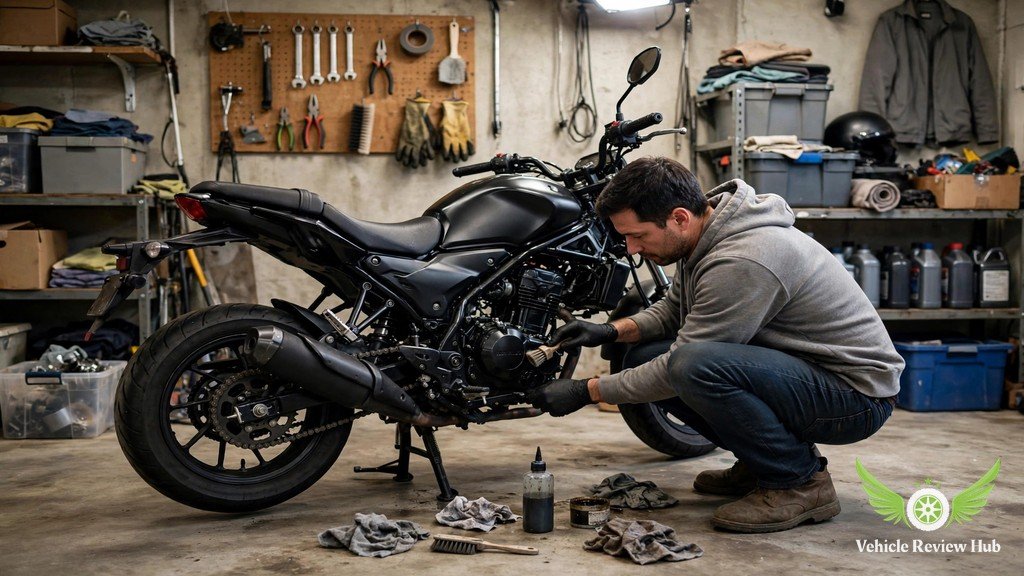
Build a short routine for Yamaha MT-125 reliability and stick to it. Before every ride, check tyre pressures when cold, chain slack and lubrication, brake lever feel, lights, and fluid levels. Every 1,000 km, clean and lubricate the chain properly with kerosene and O-ring chain lube, and adjust the slack to 35–45 mm with both adjusters even. Every 3,000 km, change the oil and check the filter schedule, and at every major service point, work through coolant, brake fluid, hoses, spark plug, and valve checks on the manual’s intervals. Yamaha MT-125 reliability is not about exotic care; it is about doing the ordinary jobs at the stated intervals and never letting a small item, like a dry chain or old brake fluid, become a large one.
Service Records, Warning Signs and the Unverified Fuse Recall Report
Keep every receipt and stamp, because on a 125 the service record is the bike’s resale value and the proof of Yamaha MT-125 reliability. Learn the warning signs that mean stop and investigate: a chain that needs adjusting every few hundred miles is worn out, not merely slack; brakes that feel spongy or pull to one side need fluid or caliper attention; an engine that rattles on start-up, smokes when warm, or loses coolant has a problem that will not fix itself. One item needs careful handling: an unverified report mentioning a fuse-related recall has circulated in connection with this bike, and this Yamaha MT-125 reliability guide treats it as unverified. No recall number has been confirmed, no official notice has been cited, and it must not be presented as a confirmed recall. The correct action is simple and free: run the bike’s VIN through Yamaha’s recall check and a dealer enquiry before buying, and do the same for any used MT-125 regardless of what reports circulate. Yamaha MT-125 reliability ultimately rests on that discipline — verify, service on schedule, and never let an unverified claim, good or bad, substitute for a VIN check and a careful inspection.
Yamaha MT-125 Reliability FAQs
These are the questions owners and buyers ask most often about Yamaha MT-125 reliability, answered directly from the verified figures and schedules in the sections above, so this guide stays consistent throughout.
Is the Yamaha MT-125 reliable?
Yes, on the available evidence. MCN’s owners rate the 2020-on bike 5 out of 5 for Yamaha MT-125 reliability, but from only 2 reviews, so treat that as encouraging rather than conclusive. The earlier 2014–2019 bike rates 4.4 out of 5 from 14 owners. Yamaha MT-125 reliability is best protected by following the service schedule, especially oil changes every 3,000 km and chain checks every 1,000 km.
What is the Yamaha MT-125 service schedule?
The first service is at 1,000 km, then major service points fall every 6,000 km (6,000, 12,000, 18,000, and 24,000 km). , brake fluid is changed every 2 years, brake hoses every 4 years, and coolant every 3 years.
How often should I change the oil on a Yamaha MT-125?
Every 3,000 km after the initial 1,000 km service, using 10W-40. The oil quantity is small, about 0.85 litres for an oil-only change on the 2024 model or 0.95 litres with the filter removed. The filter element is replaced at every other oil change, and the specified spark plug is NGK MR8E9, replaced every 12,000 km.
What are the common problems on a Yamaha MT-125?
No consistent pattern of major failures is documented for Yamaha MT-125 reliability. The usual issues are wear items: chains and sprockets worn by poor lubrication, brake pads worn by town use, tyres aged or squared off, batteries flattened by standing, and corrosion on fasteners and brake hardware after winter riding.
How much does it cost to service a Yamaha MT-125?
MCN lists annual servicing at around £160 for the 2020-on bike and around £80 for the 2014–2019 bike, with road tax at £27 a year for the 2020-on model. All figures are UK figures, since the MT-125 is not sold in the USA.
What tyre pressures should a Yamaha MT-125 run?
According to the 2015 owner’s manual, for loads up to 90 kg the pressures are 180 kPa (26 psi) front and 200 kPa (29 psi) rear, rising to 225 kPa (33 psi) at the rear for loads of 90–180 kg, with the front unchanged.
Is there a Yamaha MT-125 recall for a fuse problem?
Not as a confirmed recall. An unverified report mentioning a fuse-related recall has circulated, but no recall number or official notice has been confirmed, so this guide does not present it as a real recall. Before buying any used MT-125, run the VIN through Yamaha’s recall check and ask a dealer to confirm, which is free and settles the question for Yamaha MT-125 reliability on that specific bike.
Is the Yamaha MT-125 sold in the USA?
No. The MT-125 is a UK and European A1-licence bike and is not officially sold in the USA, so there is no US MSRP, no official US dealer support, and all prices in this guide are UK figures.