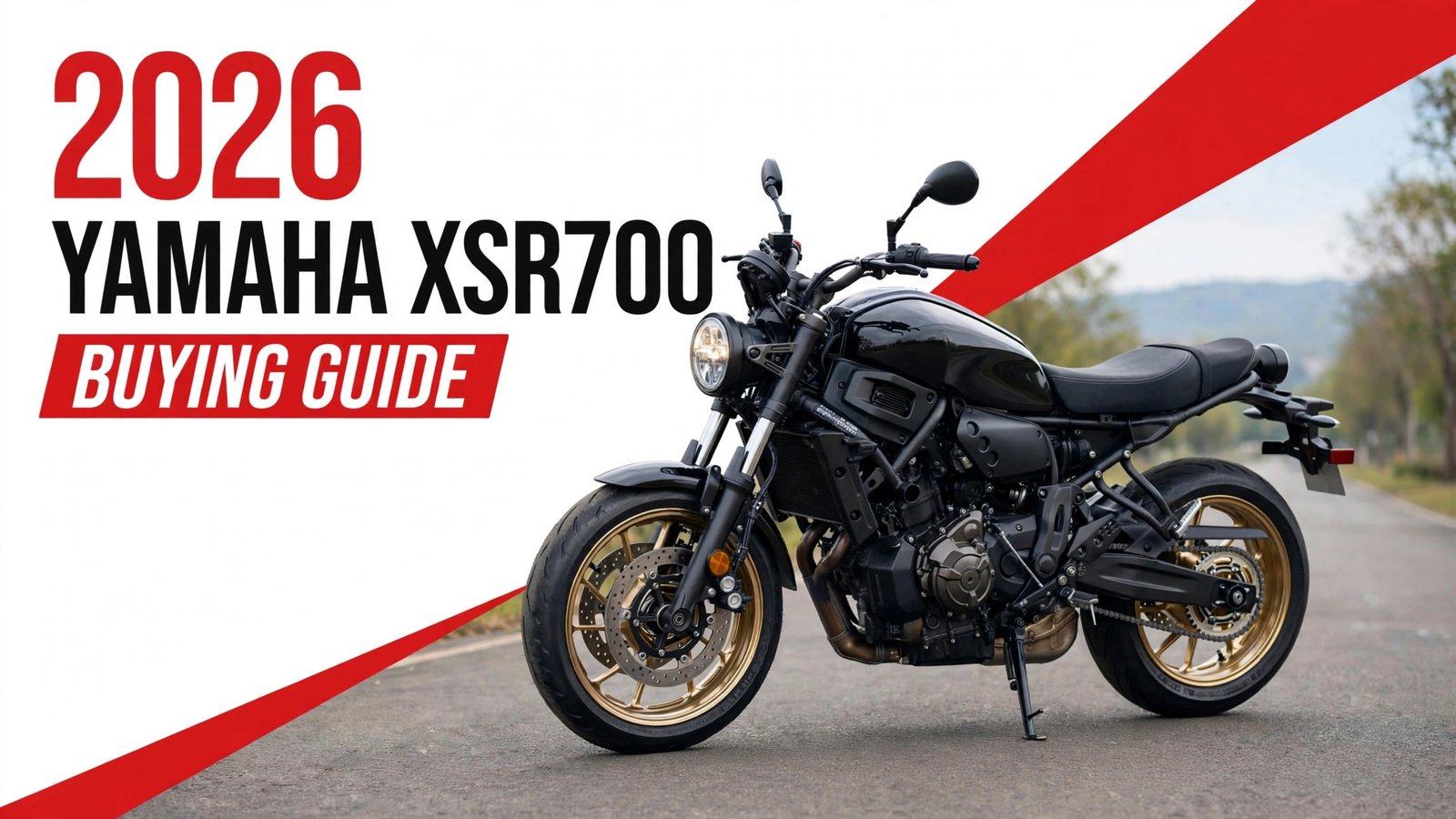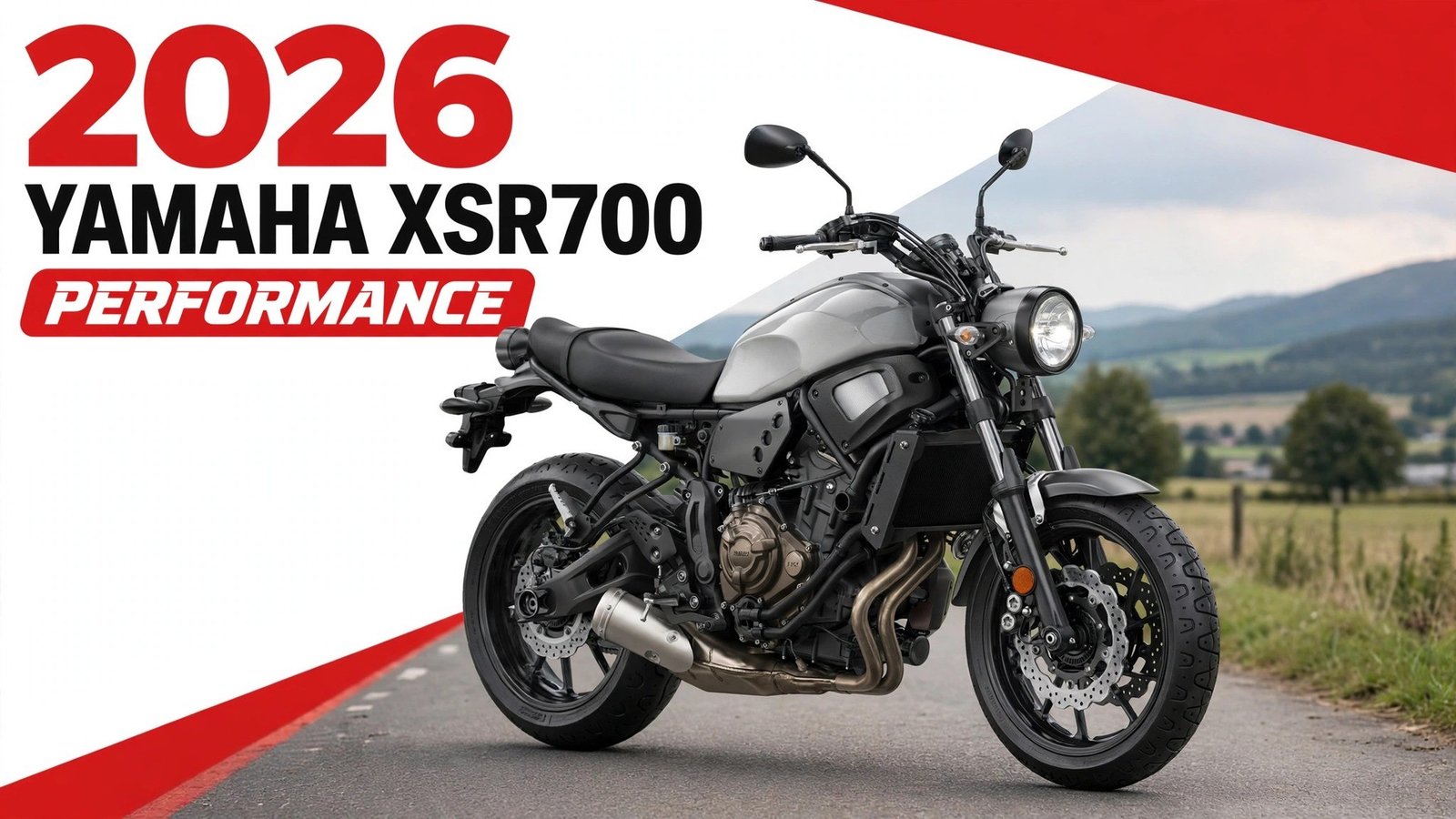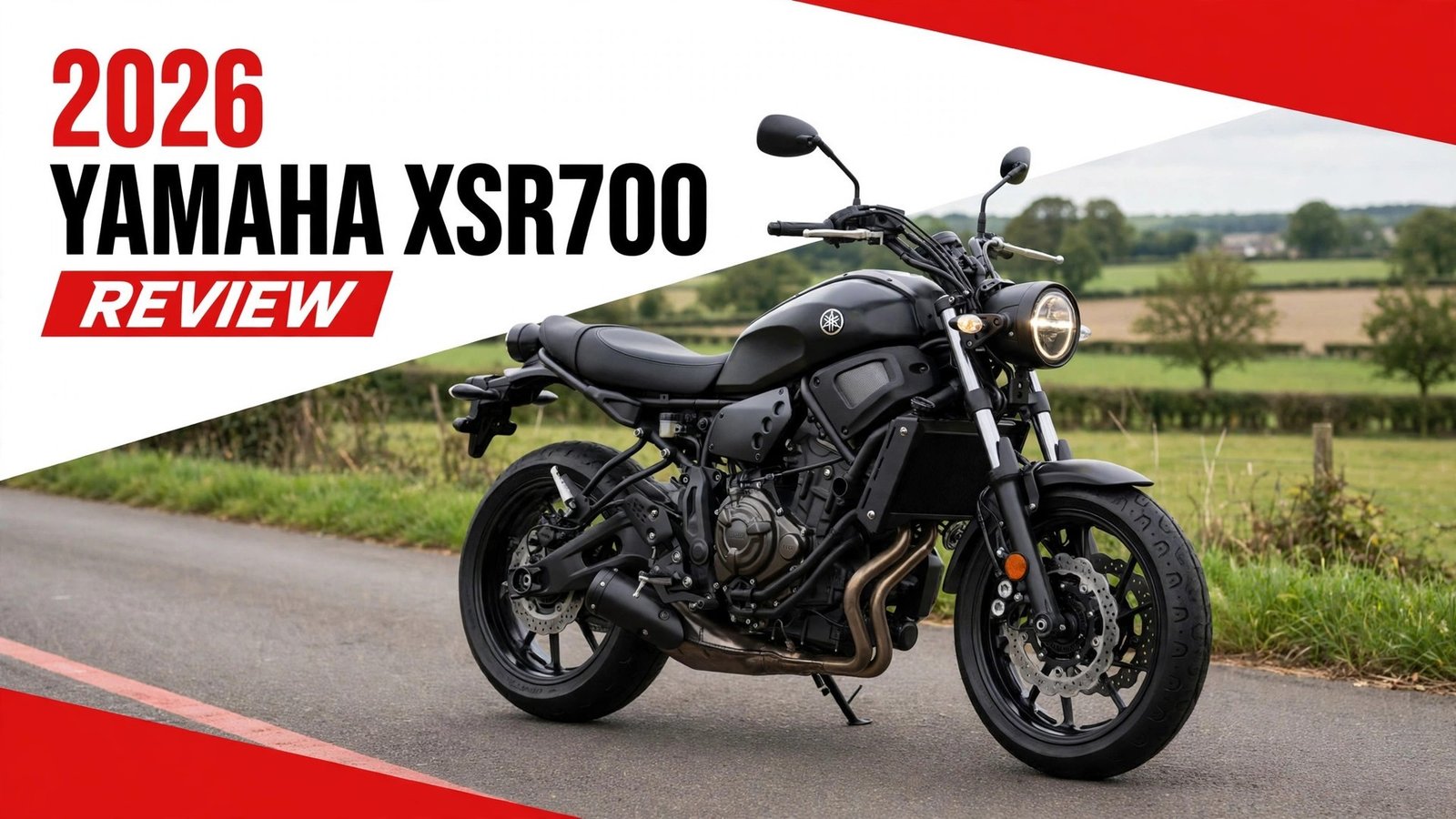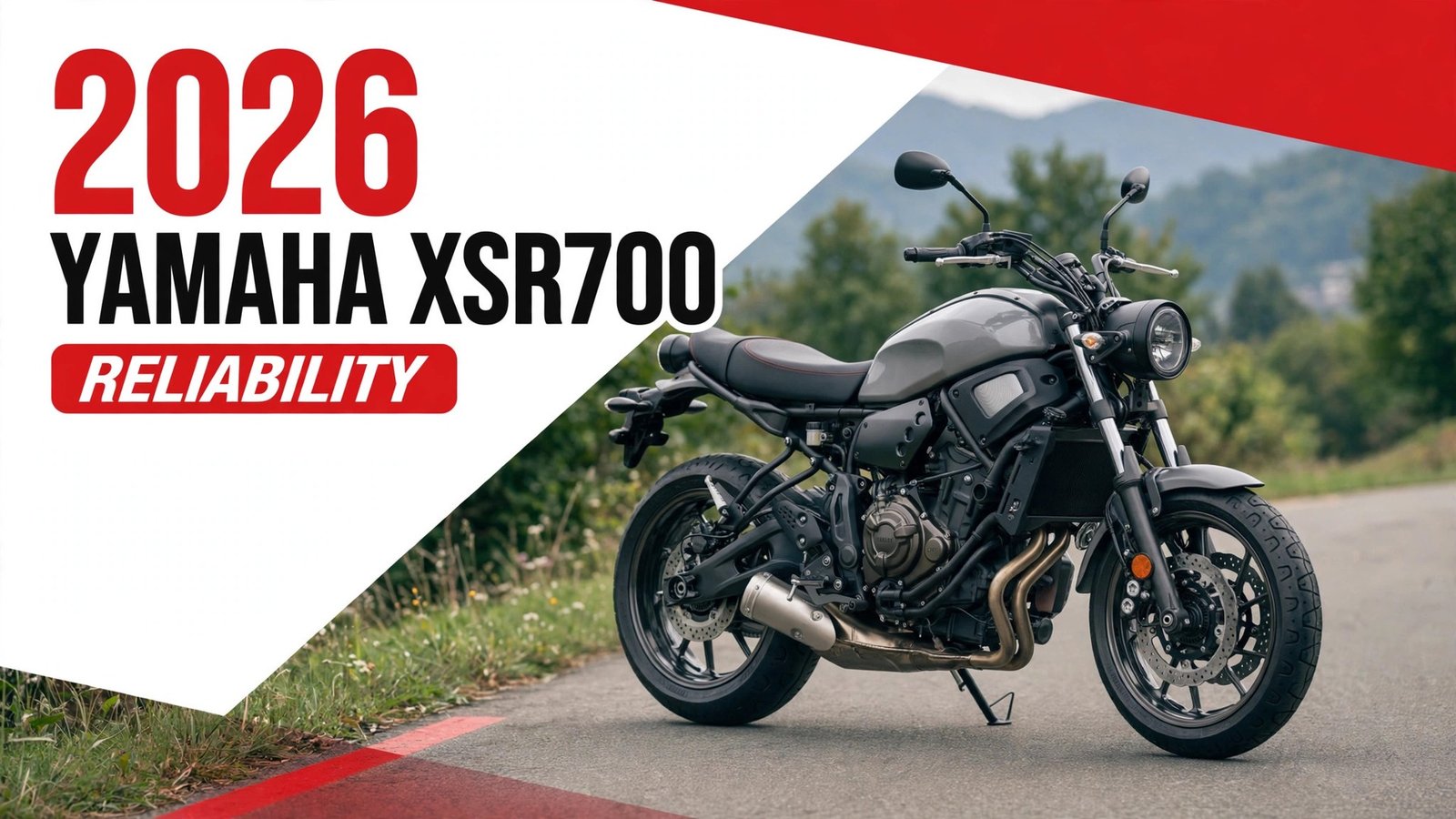
The Yamaha XSR700 has a reputation it mostly earns: a simple, tough retro twin that asks little and gives a lot, and this Yamaha XSR700 reliability guide explains where that reputation holds and where it needs a closer look. The headline evidence is encouraging but thin: MCN lists a 4.8-out-of-5 reliability rating for the XSR700, yet that score rests on only 9 owner reviews, so this Yamaha XSR700 reliability guide treats it as a promising signal rather than proof.
Yamaha XSR700 Reliability Overview
The CP2 twin under the retro bodywork is a proven Yamaha design shared with the MT-07, and that shared, high-volume platform underpins Yamaha XSR700 reliability. This Yamaha XSR700 reliability overview separates the engine’s strong record from the finish and small-component niggles that dominate owner complaints.
MCN Reliability 4.8 Out of 5 From 9 Owner Reviews Explained
MCN’s 2015–2021 XSR700 page lists an owners’ reliability rating of 4.8 out of 5, but it needs qualification every time it is quoted: the same page shows that score comes from only 9 owner reviews. Nine owners cannot prove every XSR700 faultless, so Yamaha XSR700 reliability should never rest on that number alone. Source: MCN’s XSR700 review. In short, Yamaha XSR700 reliability looks strong with limited owner evidence, and the CP2 platform’s record is the deeper reason for confidence. The XSR700 review covers the generations and equipment shaping those records.
How Mileage, Maintenance History and Previous Use Affect Reliability
Here, prior use matters more for Yamaha XSR700 reliability than the badge on the tank. A low-mileage bike with no service stamps can be worse than a higher-mileage bike with full dealer history, because oil, coolant and brake fluid age with time as well as distance. Yamaha XSR700 reliability depends heavily on the 4,000-mile rhythm detailed below: missed oil changes show up early in cam and gearbox wear. Check the service book against the odometer, look for crash evidence on bar ends, levers, engine cases and fork stops, and treat a complete record as the best predictor of future Yamaha XSR700 reliability. The XSR700 buying guide covers used prices and what to pay for each generation.
Yamaha XSR700 Common Problems and Wear Items
No consistent pattern of major engine failures is documented for the XSR700 — itself useful for Yamaha XSR700 reliability.
Swingarm Corrosion, Coolant Pipe Corrosion and Finish Inspection Points
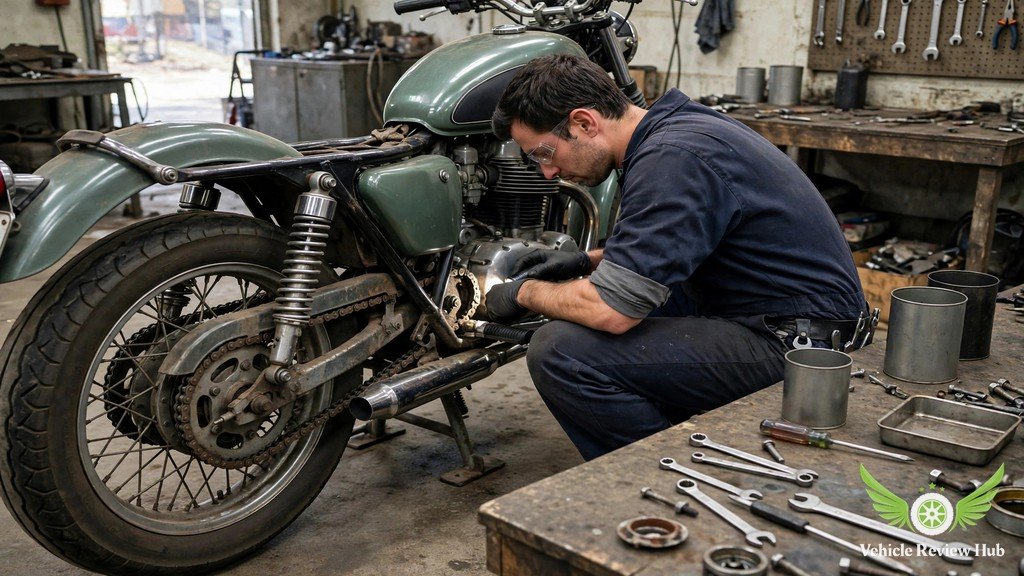
Corrosion is the XSR700’s best-known weakness, and Yamaha XSR700 reliability inspections should start there. MCN’s review is blunt: it is well known that CP2-equipped Yamahas suffer corrosion in a few shared areas, and for the XSR700 buyers should closely check the swingarm for rust, paying extra attention near the rear wheel axle. The coolant pipes alongside the debossed “CP2” marking on the right side of the engine are the second spot: their black finish turns spotty and eventually white well within 6 months if the bike is used often, and the pipes sit exposed where debris kicked up by the front tire accelerates the damage. None of this is a verified defect — it is owner-reported finish trouble — but for Yamaha XSR700 reliability it is the single most common reason a used bike looks older than its miles. A general used-bike check is covered by the MT-07 and XSR700 buyer’s guide, which lists the same corrosion points.
Clutch, Gearbox, Chain, Sprockets, Starter Switch and Electrical Checks
The six-speed gearbox and cable-operated wet clutch work hardest with this much torque, and for Yamaha XSR700 reliability they show abuse first. Note what the XSR700 does not have: no assist-and-slipper clutch on any year — the MT-07 gained one only in 2025, and it never transferred to the XSR700 — so clutch feel is heavier and more direct than on the latest MT-07. Yamaha XSR700 reliability is directly tied to chain care: a chain needing adjustment every few hundred miles is worn out, not merely slack, and tight links or hooked sprocket teeth mean a set is due. The handlebars are rubber-mounted on silent-block bushes, which by design allow a little fore-and-aft movement; as the bushes perish, that movement grows to an unnerving level, and owners commonly fit new Yamaha blocks or eliminator washers. And the starter switch on the right handlebar can stick in the start position, leaving the starter motor continuously activated even while riding — cleaning with electronics cleaner or lubricant often frees it, but sometimes the switchgear needs replacing. For Yamaha XSR700 reliability, test every switch, the starter, the lights and the horn before buying, and look for green corrosion on connectors under the seat and around the headstock.
Yamaha XSR700 Maintenance Schedule and Servicing
The service schedule is the backbone of Yamaha XSR700 reliability, and it is refreshingly short: first service at 600 miles, then a full service every 4,000 miles or 6 months, whichever comes first, with oil at every service. The XSR700 US service schedule is the source for the intervals quoted in this section, and it is an XSR700 schedule — not a borrowed MT-07 chart.
Service Every 4,000 Miles, Engine Oil, Filters and Routine Maintenance
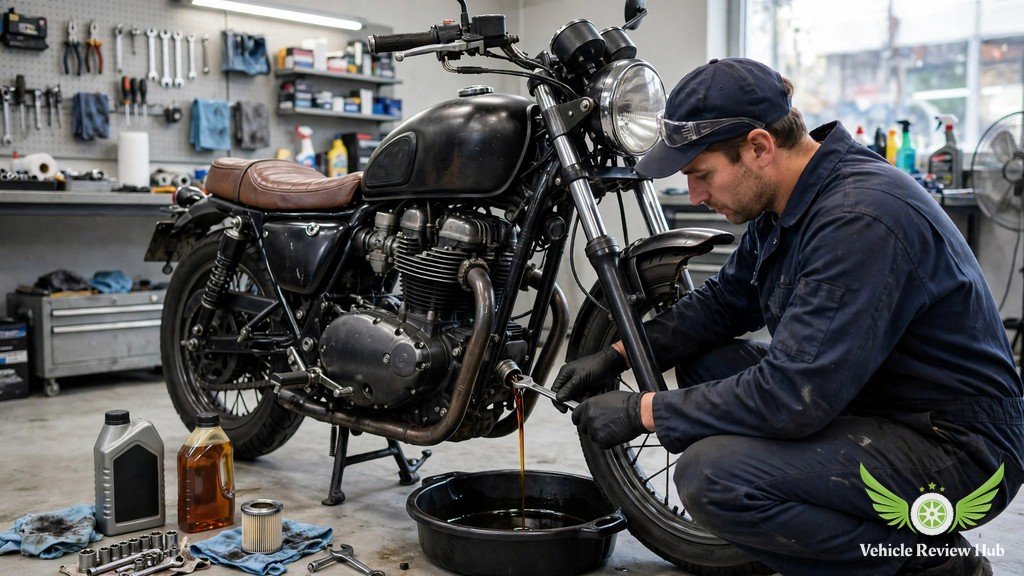
At every 4,000-mile service for Yamaha XSR700 reliability, change the oil warm with Yamalube 10W-40: 2.60 litres with a filter change, 2.30 litres without, with the drain bolt torqued to 43 Nm and a new gasket. The oil filter cartridge is replaced at every other service — the 600-mile, 8,000-mile and 16,000-mile pattern — torqued to 17 Nm with its O-ring lightly oiled. The video below shows the oil-and-filter job:
Note: this CycleCruza tutorial was filmed on an MT-07, not an XSR700, but the two bikes share the CP2 engine and the identical oil-change procedure, so every step transfers directly. It is a DIY video, not a Yamaha factory tutorial, so confirm torque settings against your own manual. Beyond oil, the US schedule runs: DOT 4 brake fluid every 2 years, brake hoses every 4 years, coolant at the 16,000-mile service, steering bearings at 12,000 miles, swingarm pivot bearings at 32,000 miles, and chain slack, alignment and lubrication every 500 miles, with slack held at 51–56 mm. The table below summarises the US schedule:
| Item | US interval | Notes |
|---|---|---|
| First service | 600 miles | Running-in check, first oil change |
| Full service | Every 4,000 miles / 6 months | Whichever comes first |
| Engine oil (Yamalube 10W-40) | Every 4,000 miles | 2.60 L with filter, warm engine |
| Oil filter cartridge | Every other service | 600 / 8,000 / 16,000 miles |
| Spark plugs (NGK LMAR8A-9) | Replaced every 8,000 miles | Gap 0.8–0.9 mm |
| Air filter element | 24,000 miles | Do not clean with compressed air |
| Brake fluid (DOT 4) / hoses | 2 years / 4 years | Time-based, not mileage-based |
| Coolant (ethylene glycol) | 16,000-mile service (US chart) | 1.60 L radiator + 0.25 L reservoir |
Valve-Clearance Checks Every 26,600 Miles in US Manuals
Valve clearance is checked and adjusted cold at 26,600 miles in the US manual — the most expensive routine job, and the one most often skipped on home-serviced examples. A Yamaha XSR700 reliability valve check is a dealer job for most owners — it needs shims, a cold engine and skill — so budget for it rather than deferring it. For Yamaha XSR700 reliability, the valve interval separates a bike that lasts from a merely cared-for one. The XSR700 performance figures show what a healthy CP2 delivers when the schedule is followed.
Yamaha XSR700 Tires, Brakes and Suspension Maintenance
Tires, brakes and suspension are where a fast naked bike’s safety lives, and where Yamaha XSR700 reliability is won or lost daily.
Tire Condition, Pressure, Tread Wear and Replacement
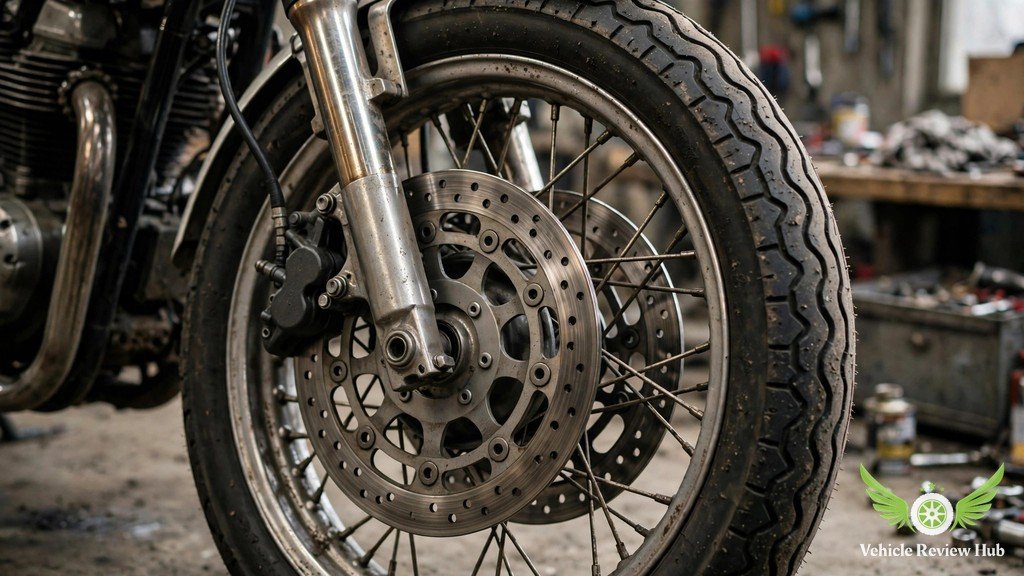
The XSR700 runs 120/70ZR17 front and 180/55ZR17 rear on cast 17-inch wheels, at 33 psi front and 36 psi rear measured cold — the same pressures for solo and two-up riding per the 2018 manual. Tire fitment splits by generation: 2018–2021 bikes left the factory on Pirelli Phantom Sportcomp tires, while 2022-on bikes wear Michelin Road 5 tires, a meaningful upgrade in wet grip and wear life. Check pressures cold, never the sidewall maximum: under-inflation is the most common big-naked fault and a quiet enemy of Yamaha XSR700 reliability, dulling handling and increasing wear and fuel use. For Yamaha XSR700 reliability, match your tires: a mixed-brand pairing changes handling balance on a light bike like this.
Brake Pads, Brake Discs, Forks and Rear Suspension Checks
The front brake is a pair of discs with opposed four-piston calipers and conventional ABS — not cornering ABS, which no US XSR700 has — backed by a single 245mm rear disc with a one-piston caliper. Cycle World’s XSR700 overview confirms the 2022 changes, including the larger discs and the switch from Pirelli Phantoms to Michelin Road 5 tires. For Yamaha XSR700 reliability, check pad thickness at both ends, disc scoring or blueing, and firm rather than spongy levers, which point to air or old fluid. The 41mm conventional telescopic fork is non-adjustable on every year with 5.1 inches of travel — never the MT-07’s 2025 inverted fork — so check fork seals for oil weeping, bounce the front end for dead or notchy damping, and stanchions for pitting that would destroy new seals. The rear is a single link-type shock with 9-position spring preload adjustment and 5.1 inches of travel; it is the bike’s weakest dynamic link, with MCN and owners both calling it soft and underdamped, and Yamaha itself sells an Öhlins upgrade unit.
Yamaha XSR700 Maintenance and Ownership Costs
Running an XSR700 costs less than most retros in its class — published figures back that up for Yamaha XSR700 reliability.

Fuel, Routine Servicing, Tires and Replacement Parts
Fuel is friendlier still: Yamaha estimates 58 mpg from the 3.7-gallon tank, and Rider’s 2018 test recorded 51.7 mpg for a 191-mile range, so this Yamaha XSR700 reliability guide budgets on the tested figure rather than the estimate. Routine parts are affordable for Yamaha XSR700 reliability because the CP2 platform is shared with the MT-07: filters, plugs, chains, sprockets, pads and tires are common stock at every dealer. Budget year one for tires, chain, fluids if dates are unknown, and Yamaha XSR700 reliability costs stay predictable. The new-bike context helps too: the 2018 bike launched in the USA at $8,499, per Total Motorcycle’s 2018 specifications, and the 2024 bike listed at $8,899 — modest money that keeps used values sensible.
Repair Expenses, Parts Availability and Long-Term Ownership Costs
Parts availability is a genuine strength for Yamaha XSR700 reliability. Long-term Yamaha XSR700 reliability costs stay predictable if the schedule is followed, but climb fast on a neglected bike: a stretched chain takes sprockets, old brake fluid corrodes caliper pistons, missed coolant changes invite water-pump and seal trouble, and ignored swingarm rust turns a cosmetic issue into a structural one. The US bike’s one-year limited factory warranty is long expired on early examples — buy on condition and records, not remaining cover. The cost table below summarises typical figures:
| Cost item | Typical figure | Notes |
|---|---|---|
| Annual servicing (UK, MCN figure) | £160 | UK dealer rates; US prices vary |
| Service interval | Every 4,000 miles / 6 months | US manual pattern |
| Valve-clearance check | At 26,600 miles (US) | Dealer job; ask for the receipt |
| Tires (pair, sport-compound) | Largest recurring consumable | Rear wears fastest |
| Warranty (US bike) | 1 year limited | Expired on early examples by now |
| Fuel tank / range | 3.7 gallons / ~191 miles tested | 51.7 mpg Rider test |
How to Keep a Yamaha XSR700 Reliable
Yamaha XSR700 reliability rewards owners who treat the 4,000-mile service and chain routine as non-negotiable, and who fight corrosion before it starts.
Preventive Maintenance, Proper Lubrication and Regular Inspections
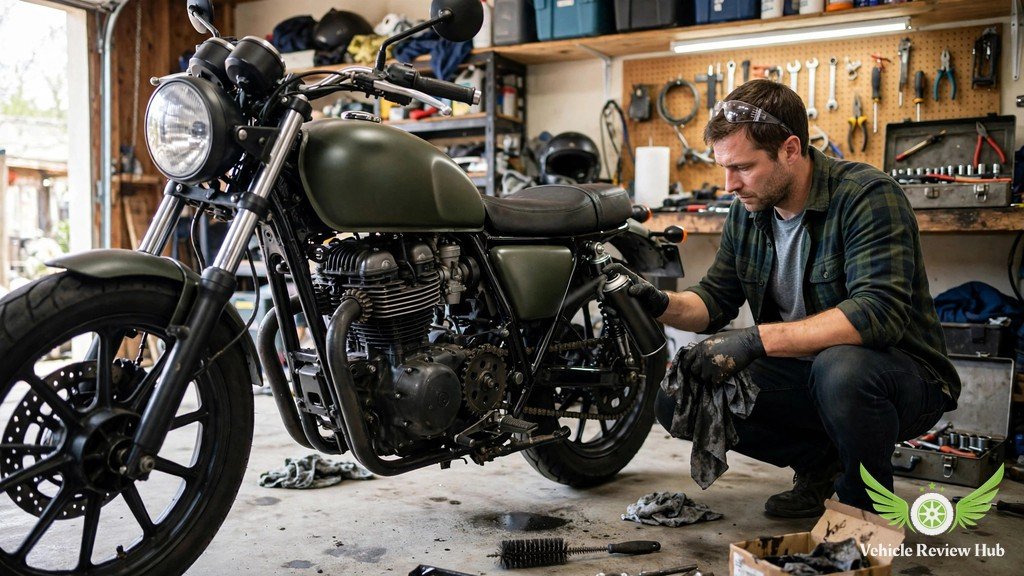
Build a short Yamaha XSR700 reliability routine and stick to it. Before every ride, check cold tire pressures, chain slack and lubrication, lever feel, lights and fluid levels. At every service, cover oil, filter, coolant, brake fluid, hoses, spark plugs and valve checks on manual intervals, and keep receipts — on a premium retro, the service record is resale value and proof of Yamaha XSR700 reliability. Wash corrosion-prone areas after wet or salty rides, dry the swingarm around the rear axle, and treat clean metal with a corrosion inhibitor before winter. Yamaha XSR700 reliability means ordinary jobs at stated intervals, never letting a small item become large.
Recall Checks: Chain Guard Bolts 2018 and Clutch Drag VIN Check Note
Two recall checks belong on every XSR700 purchase — do not confuse them, and do not add a third that does not exist. First, the chain-guard-bolt recall: Yamaha recalled certain 2018 MT-07J, MT-07JC, XSR700J and XSR700JC motorcycles because the bolts connecting the drive chain guard to the swingarm may loosen, possibly causing the chain guard to contact the drive chain and break, with a broken guard falling onto the road as a hazard. Remedy: dealers replace both chain-guard mounting bolts free of charge; the recall began August 3, 2018; Yamaha’s number is 990120; 3,493 units are affected across the MT-07 and XSR700 models named — the 18V483 chain-guard recall record confirms it. Check any 2018 bike’s VIN against that recall before buying. Second, the clutch-drag note: some owners report a dragging clutch feel, but no verified US recall or campaign number exists for XSR700 clutch drag — never accept an invented number, and never let a seller claim a factory clutch campaign; the only reliable action is a VIN check through Yamaha and a dealer enquiry. And two famous recalls do not belong here at all: 17V221, the FZ-09 and XSR900 handlebar-holder recall, never names the XSR700, and 25V248, the Hawaii TPS filing, covers MT-09, MT-10, XSR900 and Tracer GT models — never the XSR700. Yamaha XSR700 reliability rests on that discipline — verify, service on schedule, and never substitute an unverified claim for a VIN check and careful inspection.
Yamaha XSR700 Reliability FAQs
Questions owners and buyers ask most often about Yamaha XSR700 reliability, answered from the verified figures and schedules above.
Is the Yamaha XSR700 reliable?
MCN lists 4.8-out-of-5 reliability for the XSR700, but that score comes from only 9 owner reviews, so treat it as encouraging rather than conclusive. The CP2 engine’s long production run and the absence of a consistent major-failure pattern are deeper reasons for confidence in Yamaha XSR700 reliability.
What is the Yamaha XSR700 service schedule?
The Yamaha XSR700 reliability schedule in the US: first service at 600 miles, then every 4,000 miles or 6 months. Oil every service (Yamalube 10W-40, 2.60 litres with filter), filter every other service, plugs replaced every 8,000 miles, air filter at 24,000 miles, brake fluid every 2 years, hoses every 4 years, coolant at the 16,000-mile service per the US chart.
How often should the valve clearance be checked on an XSR700?
For Yamaha XSR700 reliability, check valve clearance at 26,600 miles in the US manual, cold. Europe states 40,000 km (about 24,855 miles) — follow your bike’s manual and ask for a receipt near the interval.
What are the common problems on a Yamaha XSR700?
No consistent pattern of major failures is documented for Yamaha XSR700 reliability. The usual issues are swingarm rust near the rear axle, coolant-pipe finish corrosion, a sticky starter switch, perishing handlebar silent-block bushes, and a soft rear shock — plus ordinary wear items: chains, sprockets, brake pads and tires.
Does the XSR700 have an assist-and-slipper clutch?
No. The XSR700 uses a cable-operated conventional wet clutch on every year. The assist-and-slipper clutch arrived on the MT-07 only in 2025 and never transferred to the XSR700, so Yamaha XSR700 reliability checks should expect a heavier, more direct clutch feel.
Does the XSR700 have a TFT display or traction control?
No. Every US XSR700 uses a round LCD display — repositioned and inverted on 2022-on bikes — with cable throttle and conventional ABS only. There is no TFT, no traction control, no ride modes, no IMU, no cornering ABS, no quickshifter and no cruise control on any US XSR700.
How much does it cost to service a Yamaha XSR700?
MCN lists annual servicing at £160 in the UK; US prices vary, so get a local quote. Tires are the largest recurring consumable, followed by chains and sprockets; for Yamaha XSR700 reliability, the valve-clearance check at 26,600 miles is the most expensive routine job.
What tire pressures should a Yamaha XSR700 run?
For Yamaha XSR700 reliability, the 2018 manual specifies 33 psi front and 36 psi rear, measured cold, for both solo and two-up riding. Confirm against your manual and the swingarm sticker.
Does the XSR700 have any recalls I should check?
One verified recall matters for Yamaha XSR700 reliability: 18V483 covers certain 2018 XSR700J and XSR700JC bikes (3,493 units total with the MT-07 models named, Yamaha #990120, free chain-guard bolt replacement). Clutch drag has no verified US campaign number — VIN check only. Neither 17V221 nor 25V248 names the XSR700.
Is there a Yamaha XSR700 clutch recall?
No verified US recall or campaign number exists for XSR700 clutch drag. For Yamaha XSR700 reliability, treat any claimed clutch campaign number as unverified and run the VIN through Yamaha’s recall check instead.
What changed on the 2022 XSR700?
The 2022 update brought an LED headlight borrowed from the XSR900, front discs enlarged from 282mm to 298mm, a revised fork, Michelin Road 5 tires, a repositioned reverse LCD and new switchgear, and a Euro5 engine. Yamaha XSR700 reliability fundamentals — the 4,000-mile service rhythm and 26,600-mile valve check — did not change.
What should I check when inspecting a used XSR700?
In this Yamaha XSR700 reliability guide, insist on a cold start, check the service book against the 600-mile then 4,000-mile schedule, inspect the swingarm and coolant pipes for corrosion, test the starter switch and handlebar bushes, check chain, tires, fork seals and brakes, and verify the 18V483 recall by VIN on 2018 bikes.