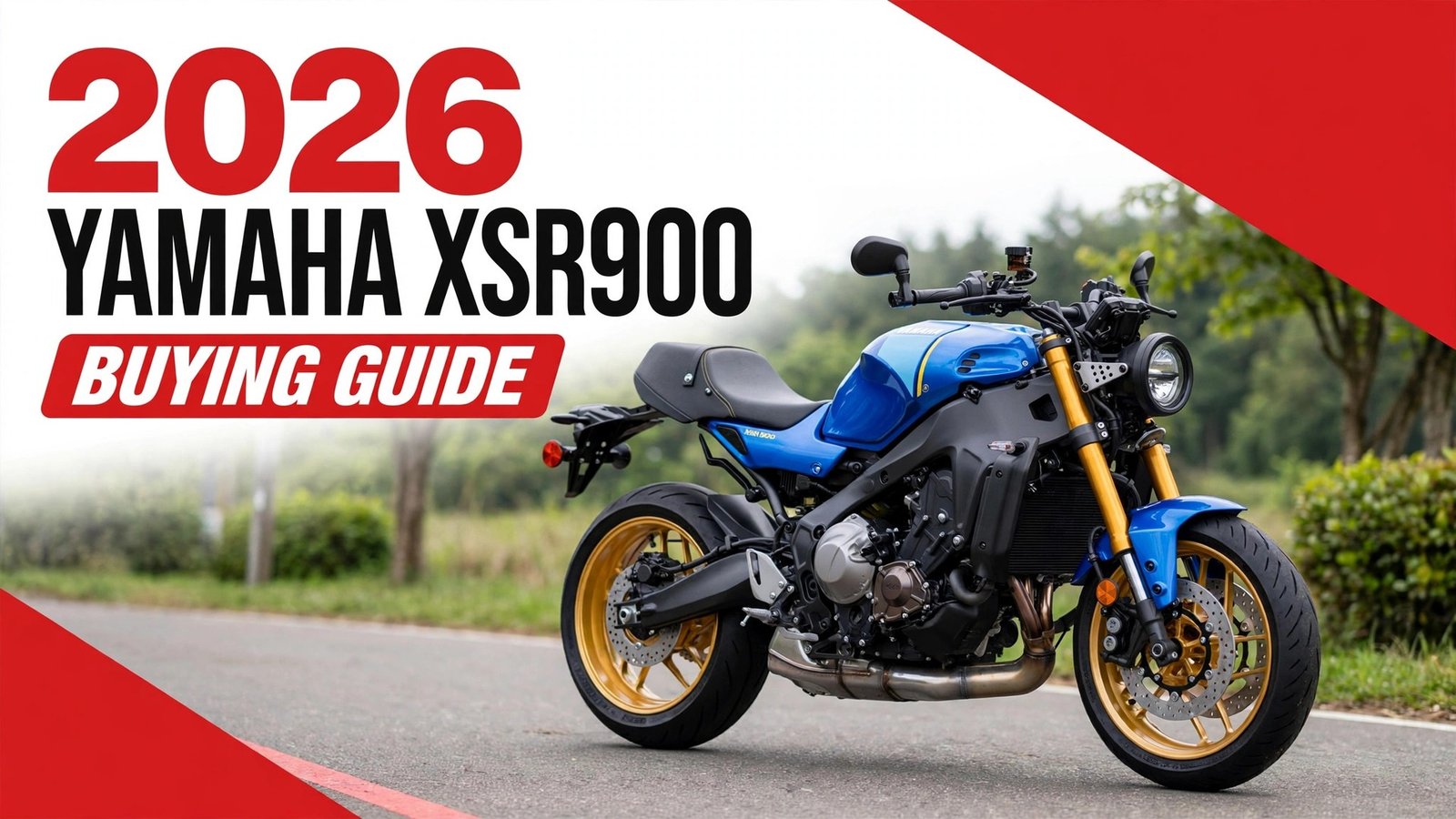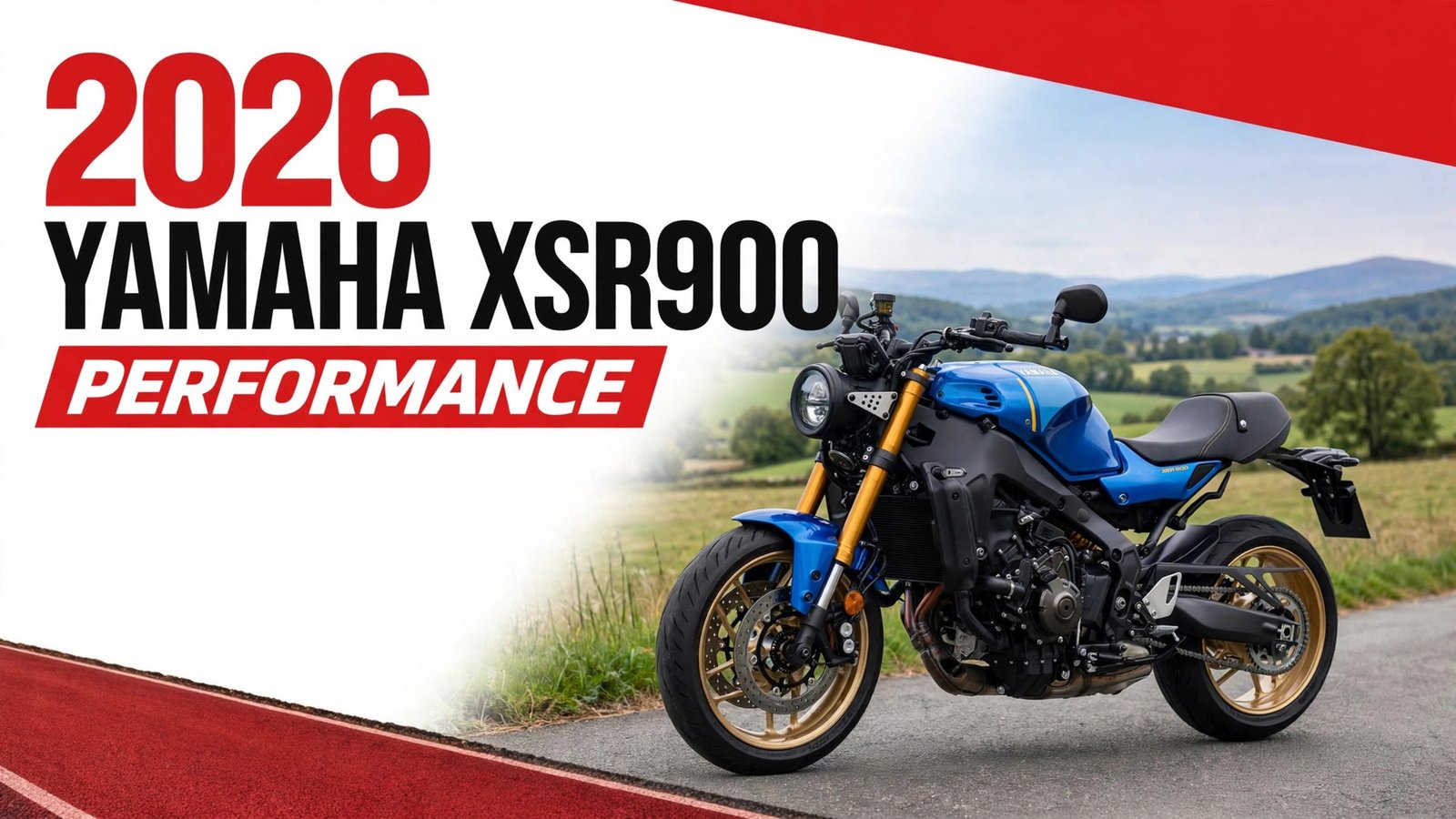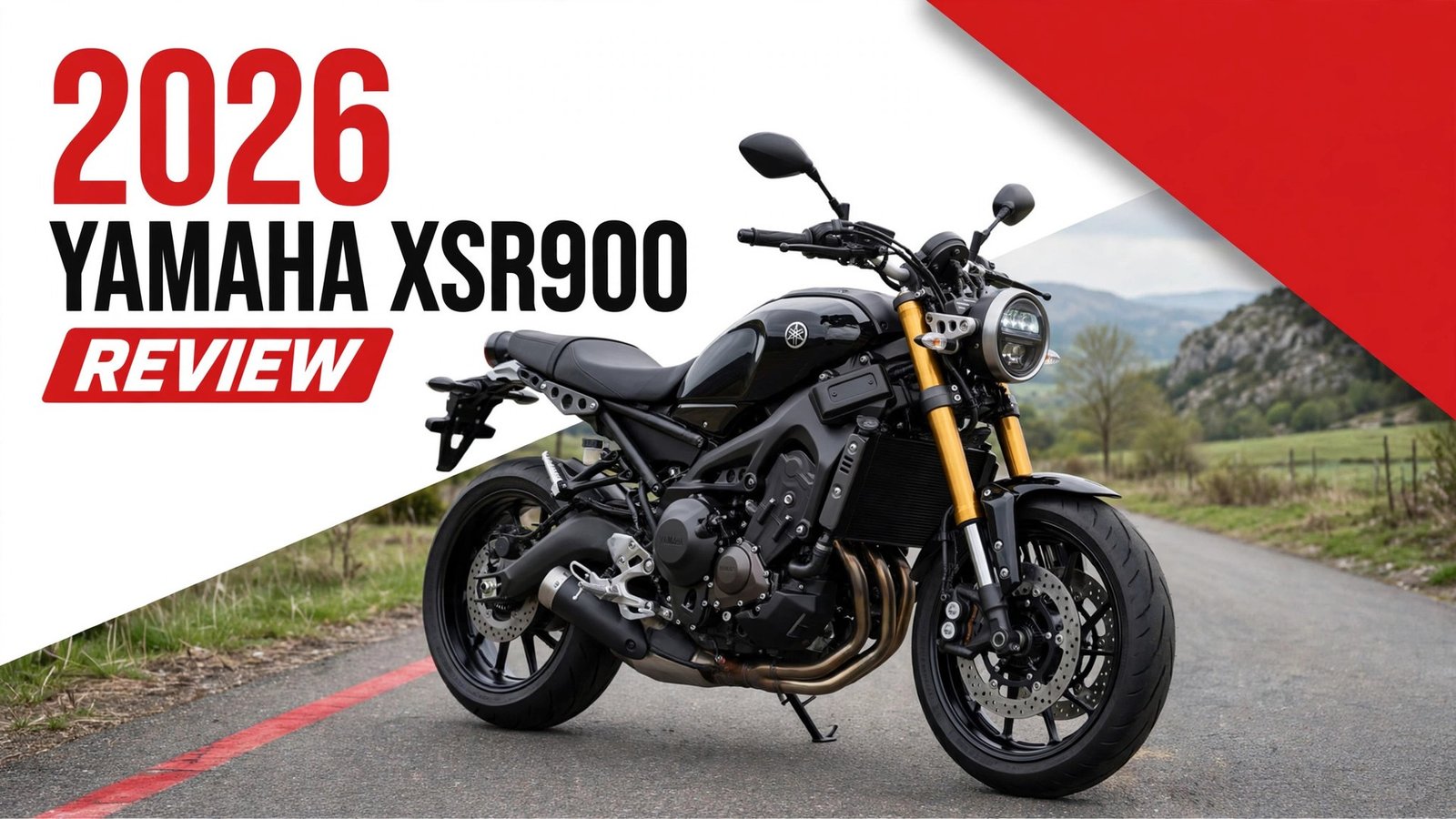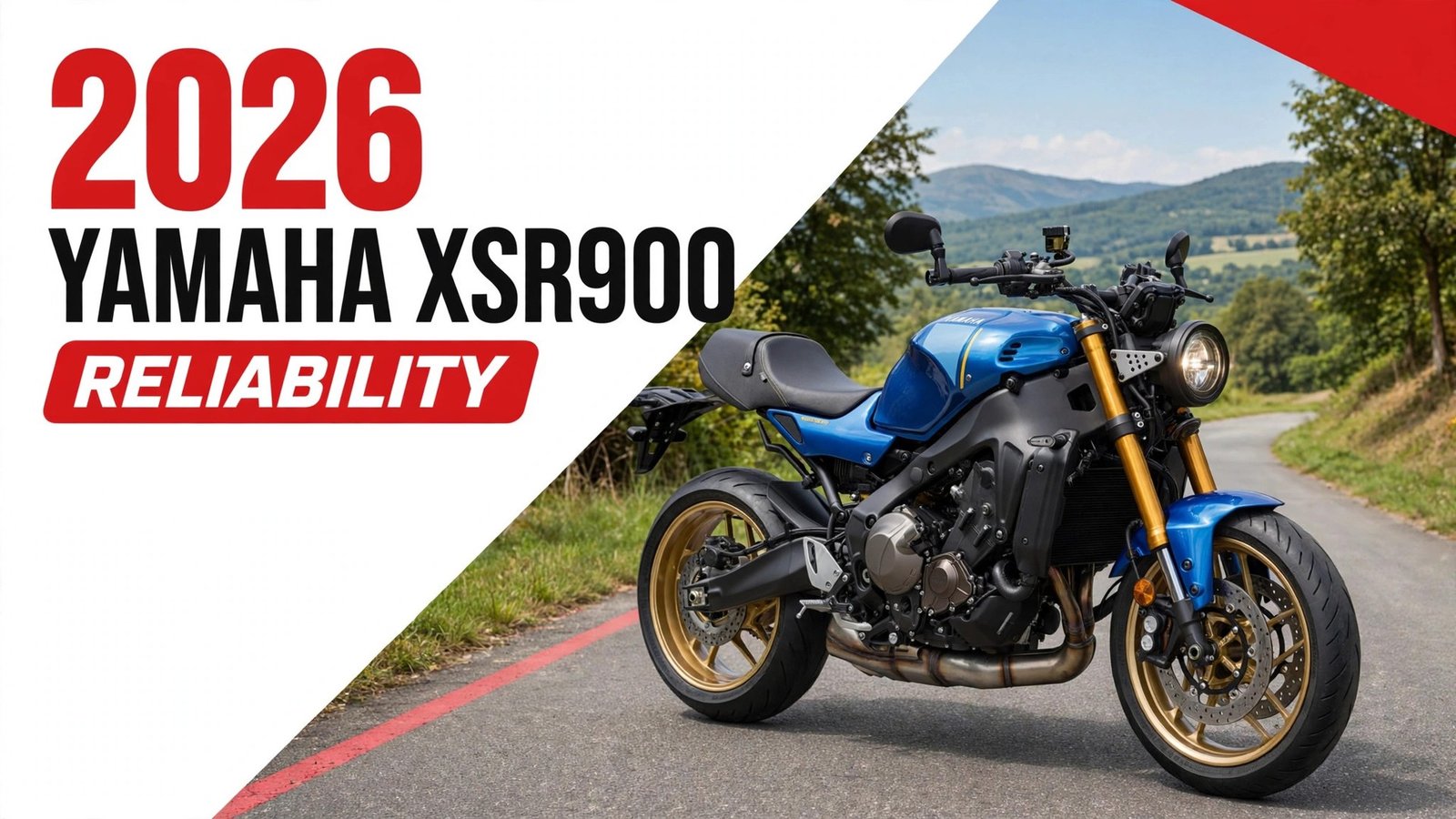
The Yamaha XSR900 is among the most dependable retro nakeds, and this Yamaha XSR900 reliability guide explains why. The headline evidence is thin: MCN lists a 5-out-of-5 reliability rating for the 2022-on bike, yet it sits beside an owners’ rating from only 4 reviews, so this Yamaha XSR900 reliability guide treats it as a promising signal, not proof. What follows covers wear items, the US service schedule, running costs, and the three recall checks every buyer must run before paying.
Yamaha XSR900 Reliability Overview
Start with what evidence can and cannot support. The CP3 triple under the retro bodywork is a proven Yamaha design shared with the MT-09; that shared, high-volume platform underpins Yamaha XSR900 reliability.
MCN Reliability 5 Out of 5 for 2022-On From Only 4 Owners Explained
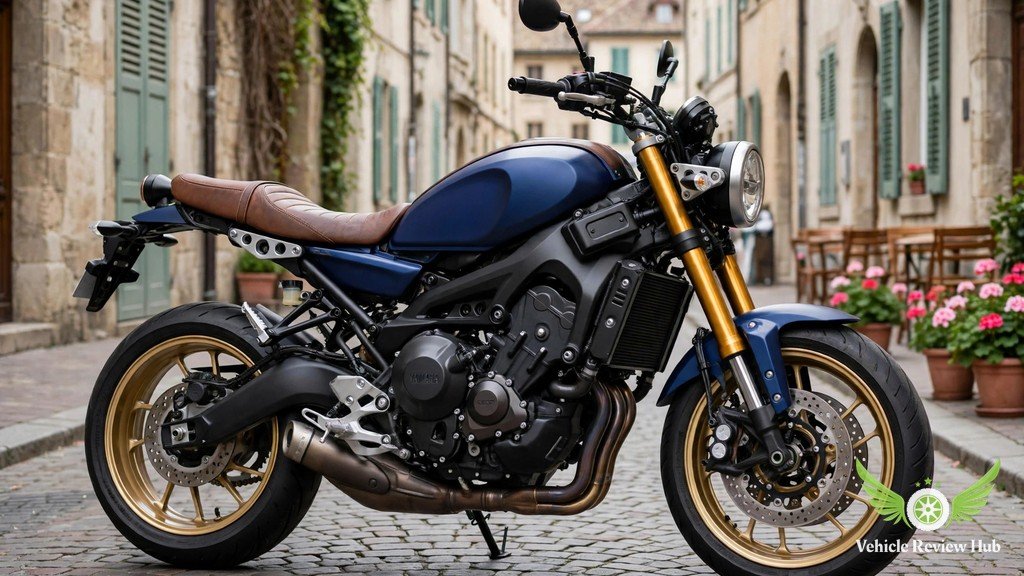
MCN’s 2022-on XSR900 page lists an owners’ reliability rating of 5 out of 5, but needs qualification: the same page shows 4.2 out of 5 from only 4 owner reviews. Four owners cannot prove every XSR900 faultless, so Yamaha XSR900 reliability should never rest on that number alone. More useful: MCN’s expert rating is 4 out of 5, annual servicing £380 in the UK, and its spec panel confirms 890cc, 117 bhp, 31.9-inch seat and about 426 lb. Source: MCN XSR900 ratings. In short, Yamaha XSR900 reliability is strong with limited owner evidence, and the CP3 platform’s long production run is the deeper reason for confidence.
How Mileage, Maintenance History and Previous Use Affect Reliability
Here, prior use matters more for Yamaha XSR900 reliability than the badge on the tank. A low-mileage bike with no service stamps can be worse than a higher-mileage bike with full dealer history, because oil, coolant and brake fluid age with time and distance. Yamaha XSR900 reliability depends heavily on the 4,000-mile rhythm below: missed oil changes show in cam and gearbox wear early. Check the service book against the odometer, look for track-day evidence like safety-wired fasteners or scrubbed tire edges, and treat a complete record as the best predictor of future Yamaha XSR900 reliability. The XSR900 review covers the generations and equipment shaping those records.
Yamaha XSR900 Common Problems and Wear Items
No consistent pattern of major failures is documented for the XSR900 — itself useful for Yamaha XSR900 reliability. Issues that do appear are ordinary wear items of any chain-driven motorcycle, plus two generation-specific notes.
Engine, Cooling System and Fuel System Inspection Points
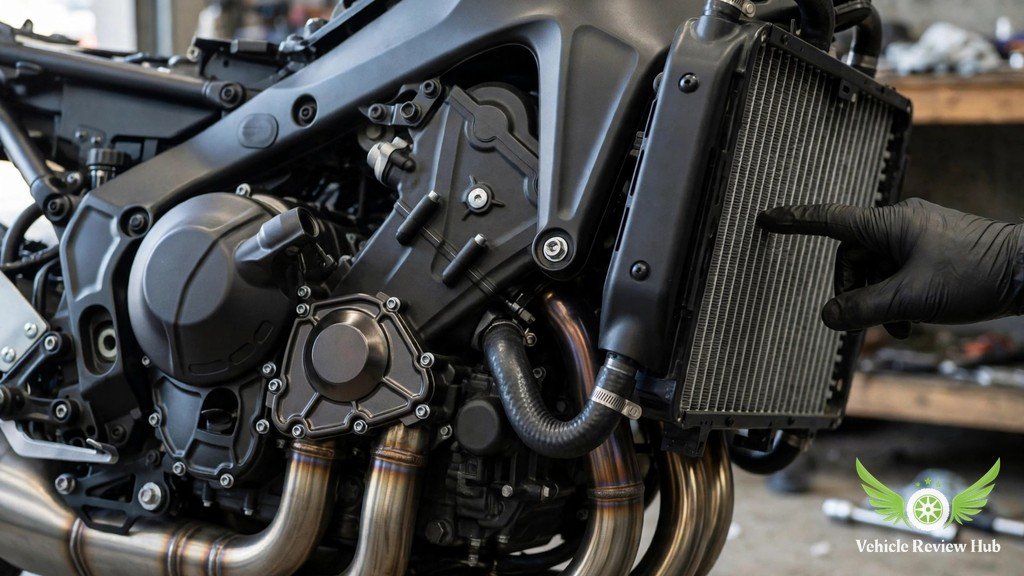
The 890cc CP3 triple at the heart of Yamaha XSR900 reliability is proven, but its cooling system needs watching. Check coolant level, hose-joint and water-pump weeping or white staining, and radiator fins straight, undamaged and mud-free. Cold-start check: the engine should fire promptly, idle steadily, and show no smoke warm. Check fuel hoses for cracks or damage at every service, and tank, cap seal and fuel lines for weeping. On 2022-on bikes, confirm a bright, responsive TFT, clean ride-mode switching, and no warning lights after start-up. Those checks are basic Yamaha XSR900 reliability practice; a stored fault light must be diagnosed before purchase, not panicked over.
Clutch, Gearbox, Chain, Sprockets and Electrical Checks
The six-speed gearbox and clutch work hardest with this much torque; for Yamaha XSR900 reliability they show abuse first. A dragging or slipping clutch, or one with no lever free play, needs adjustment or new plates, and a gearbox jumping out of gear or crunching shifts has usually suffered missed shifts or a stretched chain. Yamaha XSR900 reliability is directly tied to chain care: a chain needing adjustment every few hundred miles is worn out, not merely slack. Electrics: check lights, indicators, horn, starter, battery charge after standing, and green corrosion on connectors under the seat and around the headstock. Generation notes: the 2016–2021 cable throttle drew complaints about snatchy low-speed response, largely resolved by 2022 ride-by-wire, and some owners report clutch clunk and TFT pairing quirks — owner-reported, not verified defects. The XSR900 performance figures show what a healthy CP3 delivers.
Yamaha XSR900 Maintenance Schedule and Servicing
The service schedule is the backbone of Yamaha XSR900 reliability, refreshingly short: first service at 600 miles, then a full service every 4,000 miles or 6 months, whichever comes first, with oil at every service and the filter at every other one. The XSR900 US service schedule is the source for the intervals quoted in this section.
Service Every 4,000 Miles, Engine Oil, Filters and Routine Maintenance
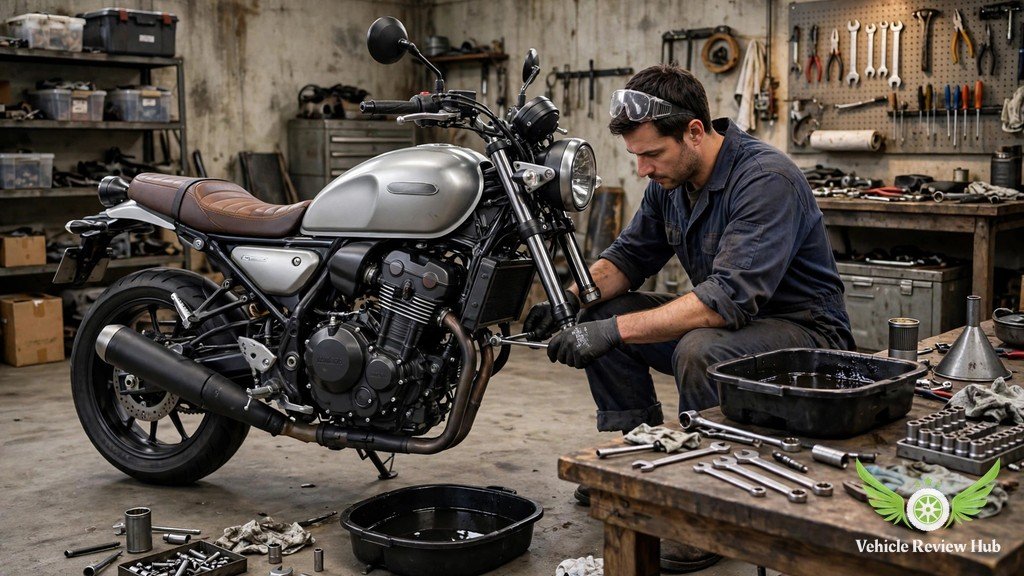
At every 4,000-mile service for Yamaha XSR900 reliability, change oil warm with Yamalube 10W-40, and replace the oil filter at every other service. NGK LMAR9A-9 plugs, gapped 0.8–0.9 mm, are checked at 4,000 and 8,000 miles, replaced at 12,000. Replace the air filter element at 24,000 miles; never clean it with compressed air. The video below shows the XSR900 oil-and-filter job:
Note: this Adrian of YouMotorcycle DIY video is not a Yamaha factory tutorial — confirm torque settings and quantities against your manual first. The DIY guide figure for the earlier bike is about 2.7 litres with a filter. Beyond oil, change DOT 4 brake fluid every 2 years with master-cylinder and caliper internal rubber; brake hoses every 4 years, coolant every 3 years. Repack steering bearings with lithium soap-based grease at 12,000 miles, swingarm pivot bearings at 32,000 miles. The table below summarises the US schedule:
| Item | US interval | Notes |
|---|---|---|
| First service | 600 miles | Running-in check, first oil change |
| Full service | Every 4,000 miles / 6 months | Whichever comes first |
| Engine oil (Yamalube 10W-40) | Every 4,000 miles | Change with engine warm |
| Oil filter | Every other service | 8,000 / 16,000 miles and so on |
| Spark plugs (NGK LMAR9A-9) | Replace at 12,000 miles | Gap 0.8–0.9 mm |
| Air filter element | 24,000 miles | Do not clean with compressed air |
| Brake fluid (DOT 4) | Every 2 years | Plus internal rubber parts |
| Brake hoses / coolant | 4 years / 3 years | Time-based, not mileage-based |
Valve-Clearance Checks Every 26,600 Miles and Manual Verification Note
Valve clearance is checked and adjusted cold at 26,600 miles in the US manual — the most expensive routine job, most often skipped on home-serviced examples. Manual verification note: the European schedule states the same check at 40,000 km, about 24,855 miles, not 26,600 — follow your bike’s manual; do not let a seller quote the longer-looking number to excuse a missed check. A Yamaha XSR900 reliability valve check is a dealer job for most owners — it needs shims, a cold engine and skill — so budget for it rather than deferring it. Ask for the receipt: on a used XSR900 approaching 26,600 miles, proof of a valve check beats a seller’s assurance. For Yamaha XSR900 reliability, the valve interval separates a bike that lasts from a merely cared-for one.
Yamaha XSR900 Tires, Brakes and Suspension Maintenance
Tires, brakes and suspension are where a fast naked bike’s safety lives, and where Yamaha XSR900 reliability is won or lost daily. The 2022-on Yamaha XSR900 reliability specification is strong, but only helps if basics are checked. The 2016–2021 bike shares the same brake-disc sizes without cornering ABS, so checks below apply to both generations.
Tire Condition, Pressure, Tread Wear and Replacement
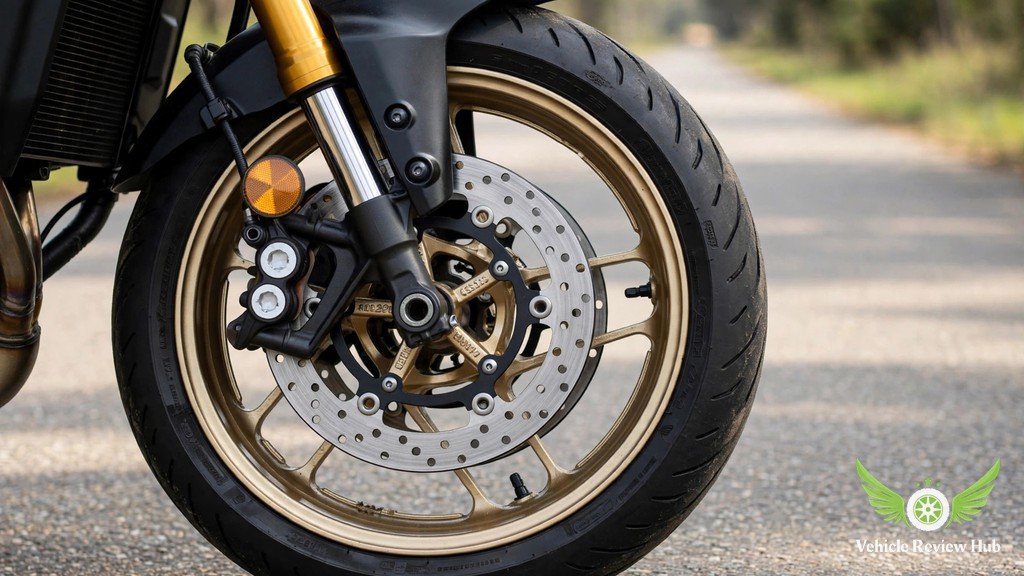
The 2022-on XSR900 ships with Bridgestone Battlax Hypersport S22 tires: 120/70ZR17 front, 180/55ZR17 rear, 36 psi front, 42 psi rear. Check pressures cold, not the sidewall maximum. Under-inflation, the most common big-naked fault and a quiet enemy of Yamaha XSR900 reliability, dulls handling and increases wear and fuel use. Inspect tread for cuts, embedded objects and highway squaring-off, and read date codes — deep tread with a five-year-old code is still old. The sport-compound S22 wears faster than touring rubber; heavy riders and hard brakers should budget for a rear tire every season. For Yamaha XSR900 reliability, match your tires: mixed brands or a sport front with a touring rear changes handling balance.
Brake Pads, Brake Discs, KYB Forks and Rear Suspension Checks
The 2022-on front brake: dual 298mm discs with four-piston radial-mount calipers, a Brembo radial master cylinder and lean-sensitive ABS, backed by a single 245mm rear disc. Note what is not here: no Stylema calipers, no Öhlins shock — those belong to the MT-09 SP, not the XSR900; any listing claiming them is wrong. For Yamaha XSR900 reliability, check pad thickness at both ends, disc scoring or blueing, and firm rather than spongy levers, pointing to air or old fluid. Thin pads are minor; scored discs are a bigger bill and bargaining point. The 41mm KYB upside-down fork adjusts for preload, compression and rebound (5.1 inches), and the rear shock for preload and rebound (5.4 inches); check fork seals for oil weeping, bounce the front end for dead or notchy damping, and stanchions for pitting that would destroy new seals. Record settings before changing anything. No electronic suspension needs diagnosing — the point of Yamaha XSR900 reliability care is checking basics.
Yamaha XSR900 Maintenance and Ownership Costs
Running an XSR900 costs more than a middleweight twin and less than a liter-class superbike — published figures back that up for Yamaha XSR900 reliability.
Fuel, Routine Servicing, Tires and Replacement Parts
MCN lists annual servicing for the 2022-on XSR900 at £380 in the UK; US prices vary, so get a local quote. Fuel is friendlier: the 3.7-gallon tank and real-world mid-40s mpg (US) give a range well past 150 miles; the XSR900 performance write-up covers economy in detail. Routine parts are affordable for Yamaha XSR900 reliability because the CP3 platform is shared with the MT-09: filters, plugs, chains, sprockets, pads, S22 tires are common stock. Tires are the largest recurring consumable, followed by chains and sprockets, which reward lubrication and punish neglect. Budget year one for tires, chain, fluids if dates are unknown, and Yamaha XSR900 reliability costs stay predictable.
Repair Expenses, Parts Availability and Long-Term Ownership Costs
Parts availability is a genuine strength for Yamaha XSR900 reliability. The XSR900 shares engine, gearbox and much running gear with the MT-09, Yamaha’s US dealer network stocks routine items, and pattern parts cover chains, sprockets, pads, filters, tires cheaper. Retro-specific parts — tank panels, seat hump, round headlight surround, badging — cost more and take longer to source, so bodywork crash damage costs more than on an MT-09. Long-term Yamaha XSR900 reliability costs stay predictable if the schedule is followed, but climb fast on a neglected bike: a stretched chain takes sprockets, old brake fluid corrodes caliper pistons, missed coolant changes invite water-pump and seal trouble. The 2022 US bike’s one-year limited warranty is long expired — buy on condition and records, not remaining cover. The cost table below summarises typical figures:
| Cost item | Typical figure | Notes |
|---|---|---|
| Annual servicing (2022-on, UK) | £380 (MCN figure) | UK dealer rates; US prices vary |
| Service interval | Every 4,000 miles / 6 months | US manual pattern |
| Valve-clearance check | At 26,600 miles (US) | Dealer job; ask for the receipt |
| Tires (S22 set) | Largest recurring consumable | Sport compound wears faster |
| Warranty (2022 US bike) | 1 year limited | Expired on 2022 examples by now |
| Fuel tank / range | 3.7 gallons | Mid-40s mpg (US) in real use |
The XSR900 buying guide covers used prices and inspection checks.
How to Keep a Yamaha XSR900 Reliable
Keeping an XSR900 reliable means small jobs on time and noticing early warnings. Yamaha XSR900 reliability rewards owners who treat the 4,000-mile service and chain routine as non-negotiable.
Preventive Maintenance, Proper Lubrication and Regular Inspections
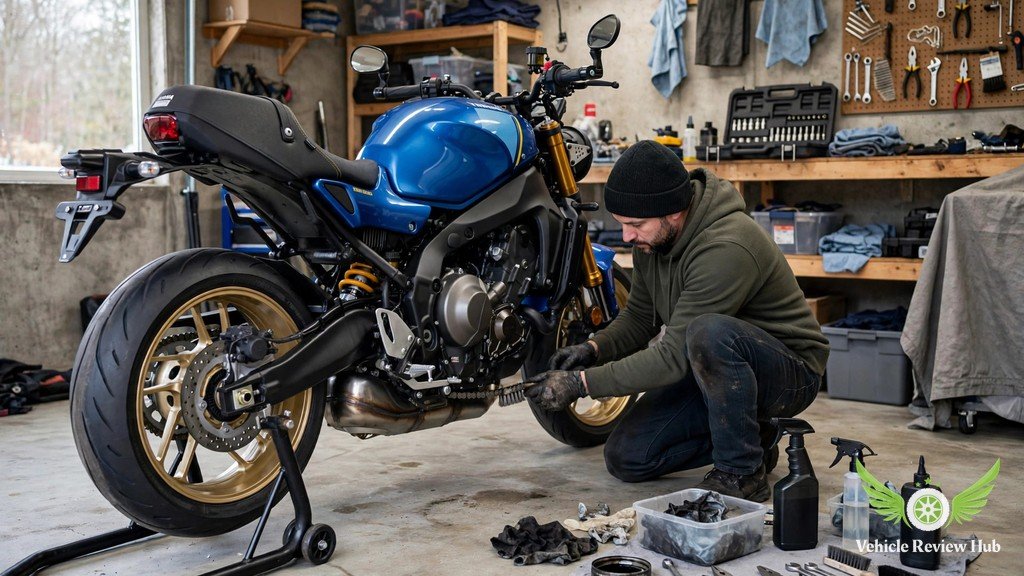
Build a short Yamaha XSR900 reliability routine and stick to it. Before every ride, check cold tire pressures, chain slack, lubrication, lever feel, lights, fluid levels. At every service, cover oil, filter, coolant, brake fluid, hoses, spark plugs and valve checks on manual intervals, and keep receipts — on a premium retro, the service record is resale value and proof of Yamaha XSR900 reliability. Clean and lubricate the chain with O-ring chain lubricant, never engine oil, and adjust slack to the manual’s figure with adjusters even. Yamaha XSR900 reliability means ordinary jobs at stated intervals, never letting a small item become large.
Recall Checks: Handlebar Holder 2016-2017, TPS Hawaii Filing and 22V130 Warning
Three recall checks belong on every XSR900 purchase — do not confuse them. First, the handlebar-holder recall: Yamaha recalled certain 2015–2017 FJ-09, FZ-09 and XSR900 motorcycles — the XSR900 portion certain 2016–2017 bikes — because the lower handlebar holder may loosen due to a painting issue and inadequate thread-locking agent, which could cause loss of control. Remedy: free holder replacement; recall began April 13, 2017; Yamaha’s number is 990114. The often-quoted 22,433 units is the TOTAL across all three models, never an XSR900-only figure — the 17V221 handlebar holder recall record confirms it. Second, the TPS filing: Pure Sports Distributing Inc. (Yamaha of Hawaii) recalls certain 2022–2024 XSR900 motorcycles, plus certain MT-09, MT-09 SP, MT-10, MT-10 SP and Tracer GT models, as throttle position sensor brushes may slide excessively from improper ECU programming, possibly causing unstable idling or stall. This is a Hawaii distributor filing, NOT a nationwide Yamaha recall, never SP-only; remedy is a free ECU reprogram plus TPS replacement, letters mailed May 6, 2025, only 216 units involved. The 25V248 TPS recall record confirms it. Third, the 22V130 warning: nationwide 22V130 (3,594 units, ECU reprogram, Yamaha #990158) covers certain 2021–2022 MT-09, MT-09 SP and Tracer 9 GT — it does NOT name the XSR900, as the 22V130 recall record confirms. A seller claiming an XSR900 had “the 22V130 fix” is mistaken. For all three, the free action is the same: run the VIN through Yamaha’s recall check and dealer enquiry before buying. Yamaha XSR900 reliability rests on that discipline — verify, service on schedule, and never substitute an unverified claim for a VIN check and careful inspection.
Yamaha XSR900 Reliability FAQs
Questions owners and buyers ask most often about Yamaha XSR900 reliability, answered from the verified figures and schedules above.
Is the Yamaha XSR900 reliable?
Yes, on available evidence. MCN lists 5-out-of-5 reliability for the 2022-on bike, but the owners’ sample is only 4 reviews, so treat that as encouraging, not conclusive. The CP3 platform’s long production run and absence of a consistent major-failure pattern are deeper reasons for confidence in Yamaha XSR900 reliability.
What is the Yamaha XSR900 service schedule?
The Yamaha XSR900 reliability schedule in the US: first service at 600 miles, then every 4,000 miles or 6 months. Oil every service (Yamalube 10W-40), filter every other service, plugs at 12,000 miles, air filter at 24,000 miles, brake fluid every 2 years, hoses every 4 years, coolant every 3 years.
How often should the valve clearance be checked on an XSR900?
For Yamaha XSR900 reliability, check valve clearance at 26,600 miles in the US manual, cold. Europe: 40,000 km (about 24,855 miles) — follow your bike’s manual and ask for a receipt near the interval.
What are the common problems on a Yamaha XSR900?
No consistent pattern of major failures is documented for Yamaha XSR900 reliability. Usual wear items: chains and sprockets, brake pads, aged or squared-off tires, flat batteries, winter corrosion. Generation notes: snatchy cable throttle on 2016–2021 bikes; owner-reported clutch clunk and TFT pairing quirks — not verified defects.
How much does it cost to service a Yamaha XSR900?
MCN lists 2022-on annual servicing at £380 in the UK; US prices vary, so get a local quote. Tires are the largest recurring consumable, followed by chains and sprockets; for Yamaha XSR900 reliability, the valve-clearance check at 26,600 miles is the most expensive routine job.
What tire pressures should a Yamaha XSR900 run?
For Yamaha XSR900 reliability, the 2022-on bike on Bridgestone S22 tires (120/70ZR17 front, 180/55ZR17 rear) runs 36 psi front and 42 psi rear, checked cold. Confirm against your manual.
Does the XSR900 have any recalls I should check?
Three Yamaha XSR900 reliability checks matter. 17V221 handlebar-holder recall: certain 2016–2017 XSR900 bikes (22,433 units total across FJ-09, FZ-09 and XSR900, Yamaha #990114, free holder replacement). 25V248 TPS filing: Hawaii distributor filing, certain 2022–2024 XSR900 bikes (216 units, free ECU reprogram plus TPS replacement). Nationwide 22V130 does NOT cover the XSR900. Run the VIN through Yamaha’s recall check before buying.
Is the 22V130 recall an XSR900 recall?
No. For Yamaha XSR900 reliability, note 22V130 covers certain 2021–2022 MT-09, MT-09 SP and Tracer 9 GT only (3,594 units, ECU reprogram, Yamaha #990158). Never call it an XSR900 recall; a seller claiming an XSR900 had “the 22V130 fix” is mistaken.
Is the 25V248 TPS recall nationwide?
No. 25V248 is a Pure Sports Distributing Inc. (Yamaha of Hawaii) filing, not a nationwide Yamaha recall. For Yamaha XSR900 reliability, it covers certain 2022–2024 XSR900 motorcycles among other models, with only 216 units total, never SP-only.
What changed on the 2022 XSR900 versus the 2016–2021 bike?
The 2022 redesign that shaped Yamaha XSR900 reliability brought the 890cc CP3 engine, Deltabox frame, ride-by-wire throttle, 6-axis IMU with lean-sensitive aids, cruise control, TFT display and third-generation quickshifter. The 2016–2021 bike: 847cc engine, cable throttle, no IMU, lean aids, cruise control or TFT.
Does the XSR900 have Öhlins suspension or Stylema brakes?
No. Yamaha XSR900 reliability rests on fully adjustable KYB suspension and four-piston radial-mount calipers with a Brembo radial master cylinder. Öhlins rear suspension, Stylema calipers and Smart Key belong to the MT-09 SP, not the XSR900.
How long does an XSR900 chain last?
Chain life depends on lubrication and riding style, not fixed mileage, which is why Yamaha XSR900 reliability advice centers on routine: clean and lubricate with O-ring chain lubricant, check slack against the manual’s figure, and replace chain and sprockets together when adjustment is needed every few hundred miles.
What should I check when inspecting a used XSR900?
In this Yamaha XSR900 reliability guide, insist on a cold start, check the service book against the 600-mile then 4,000-mile schedule, inspect chain, tires, fork seals and brakes, test TFT, ride modes and traction control on 2022-on bikes, and check three recall items by VIN.