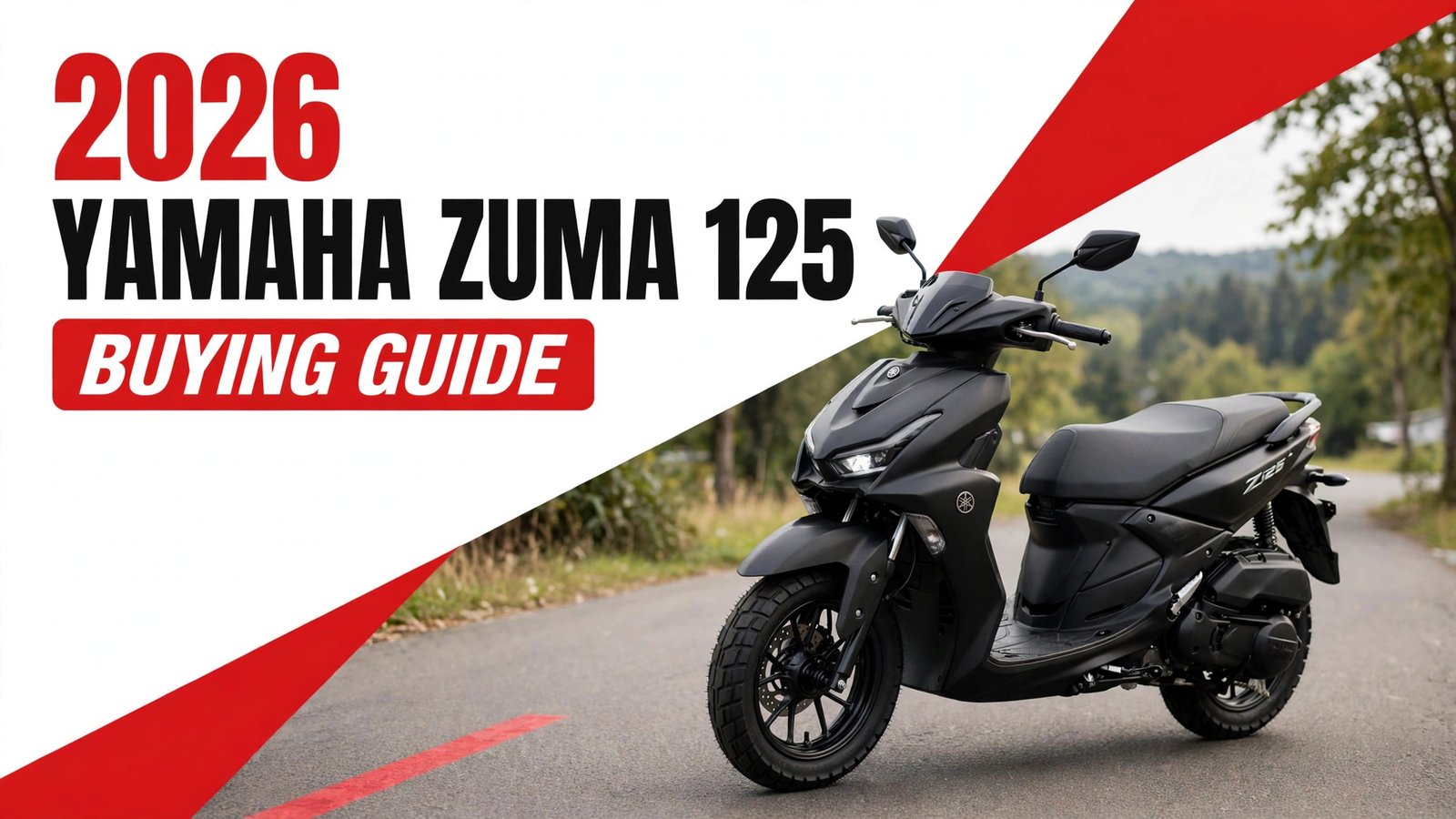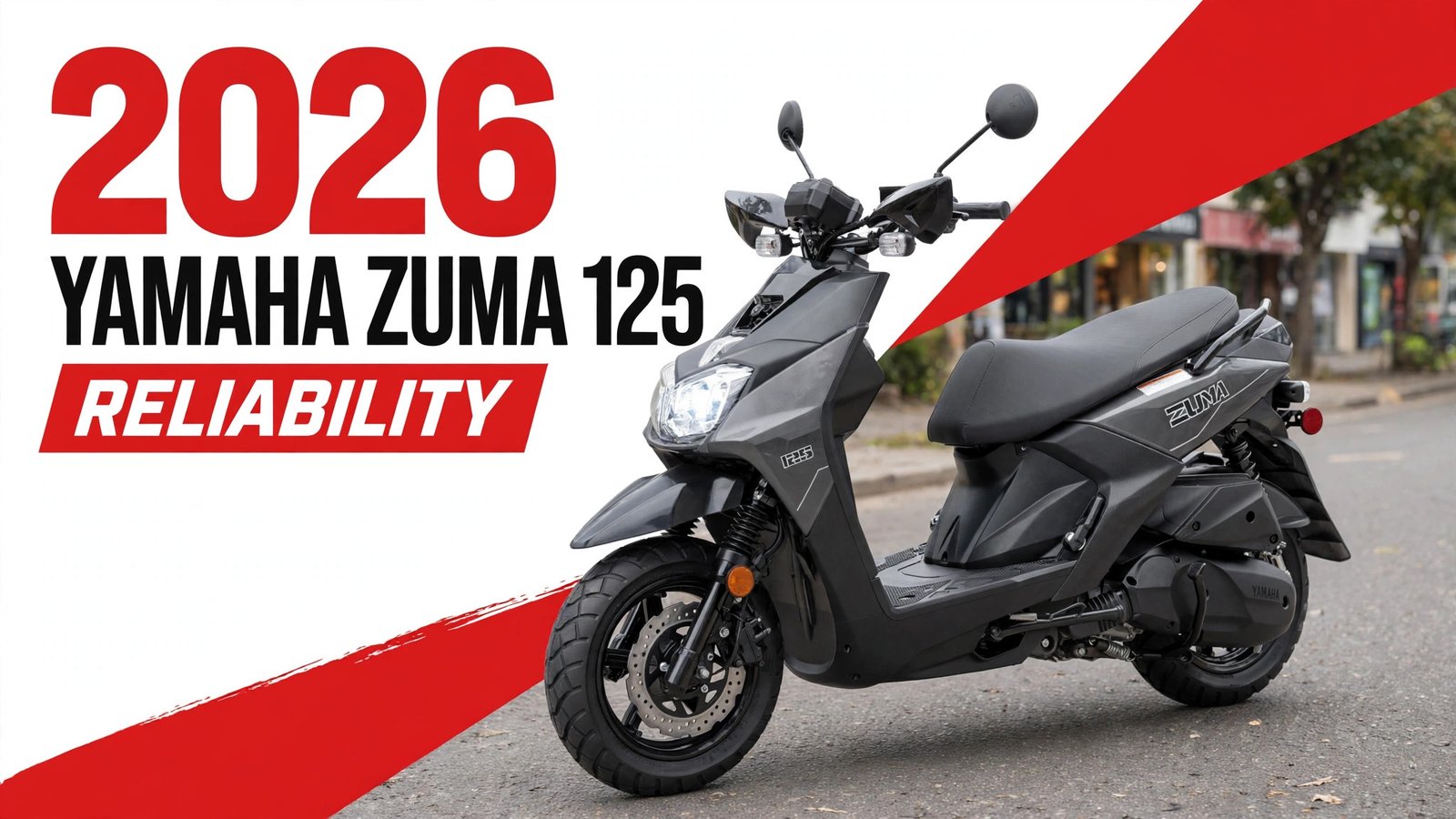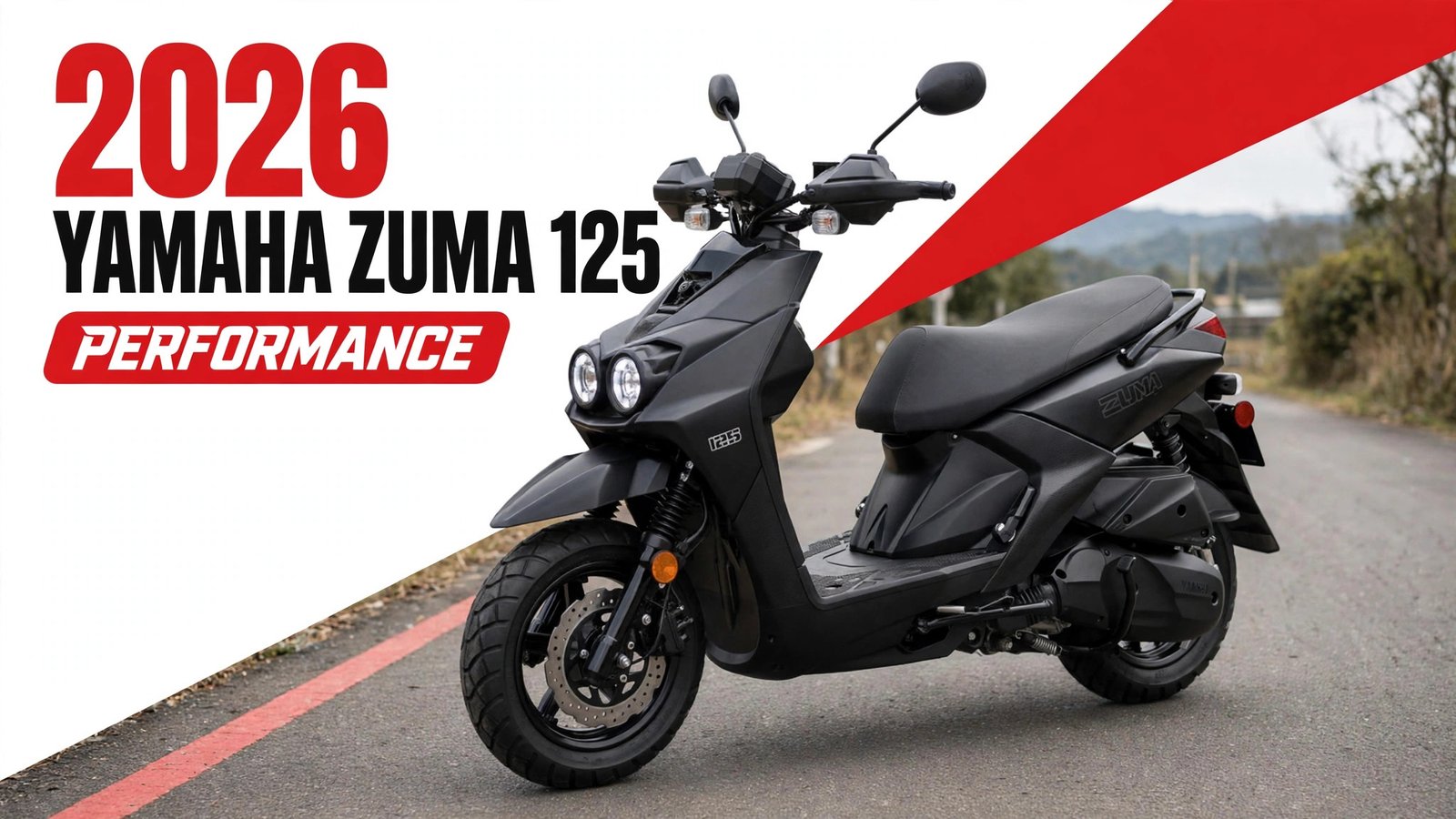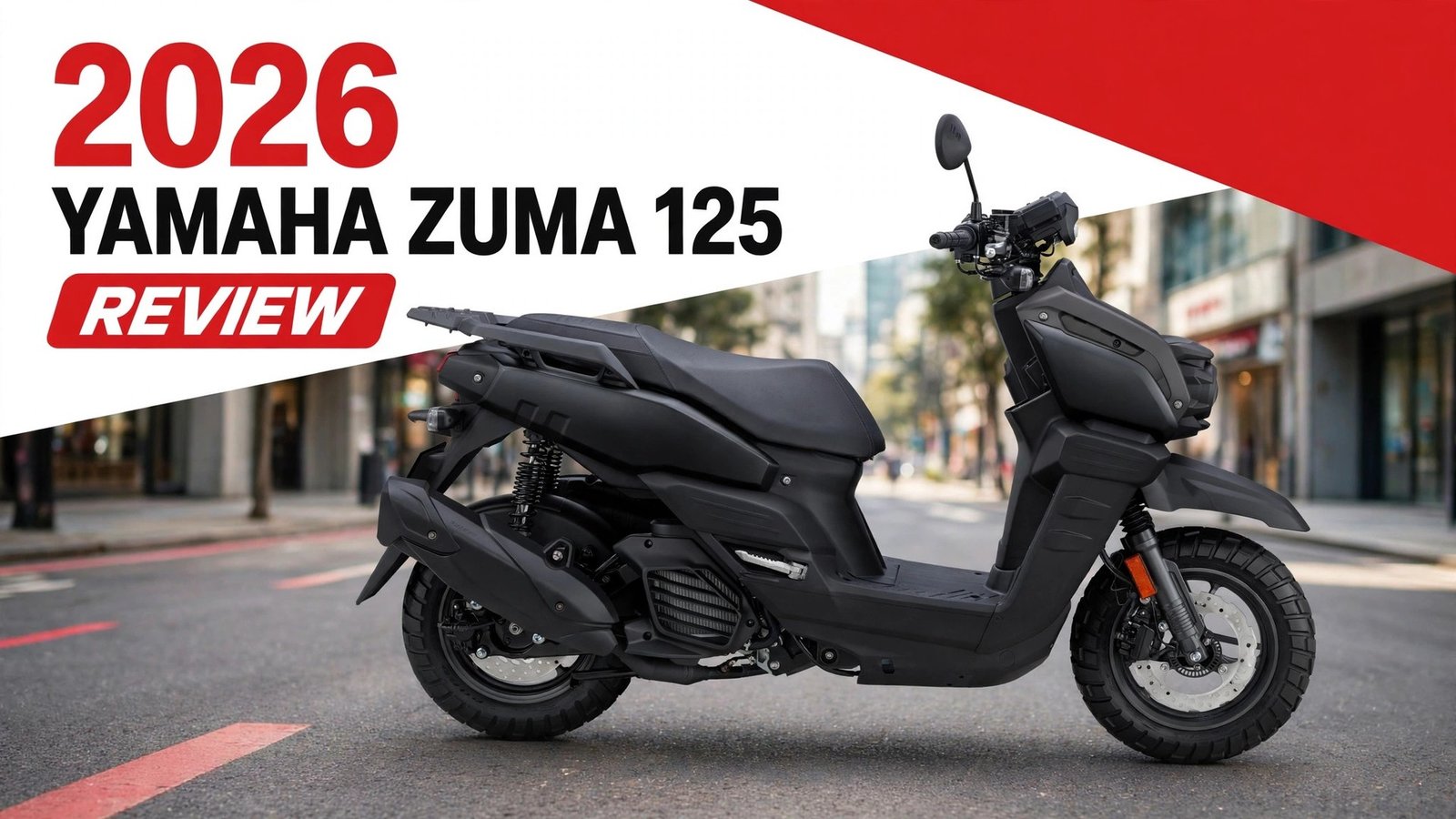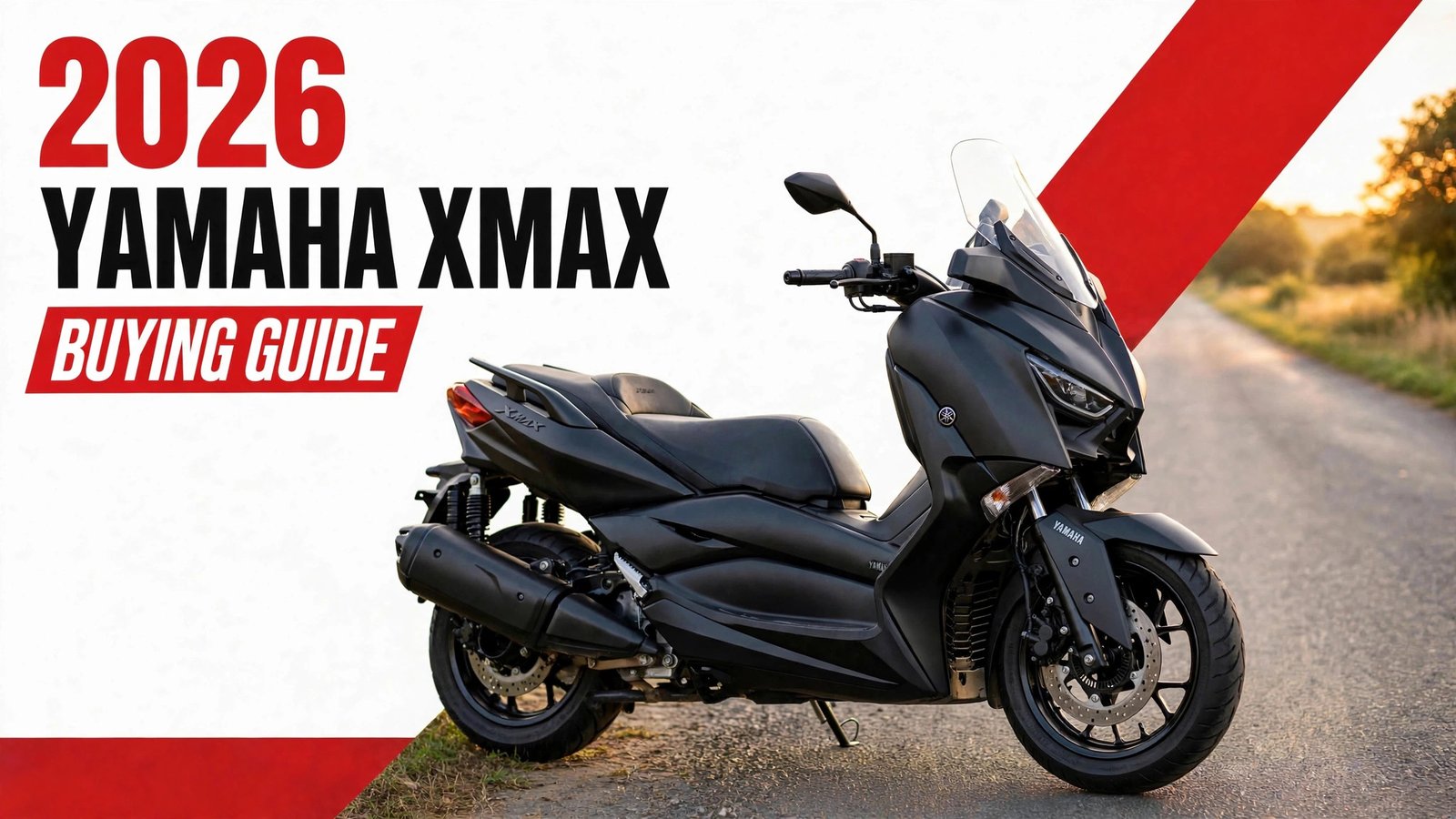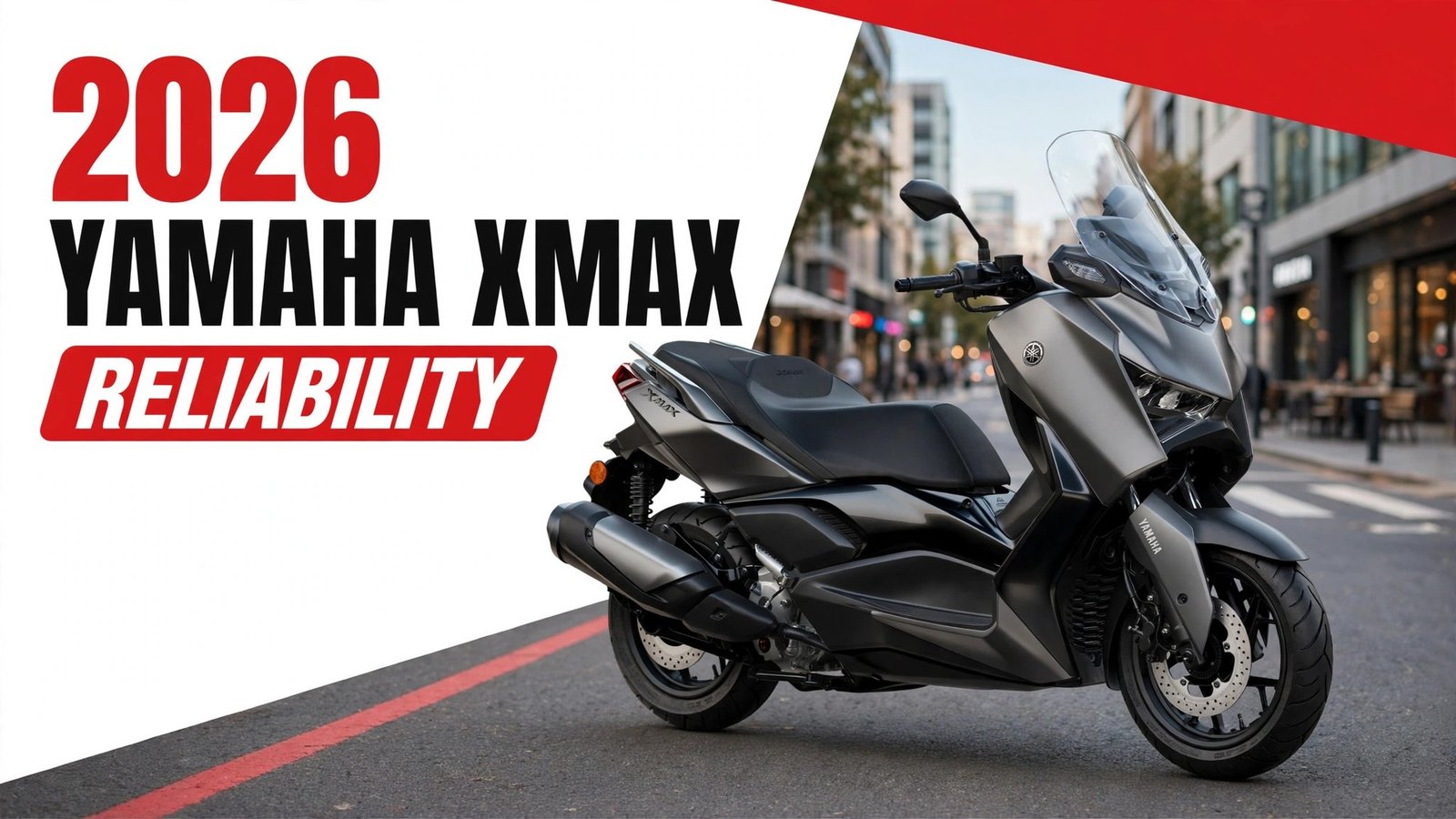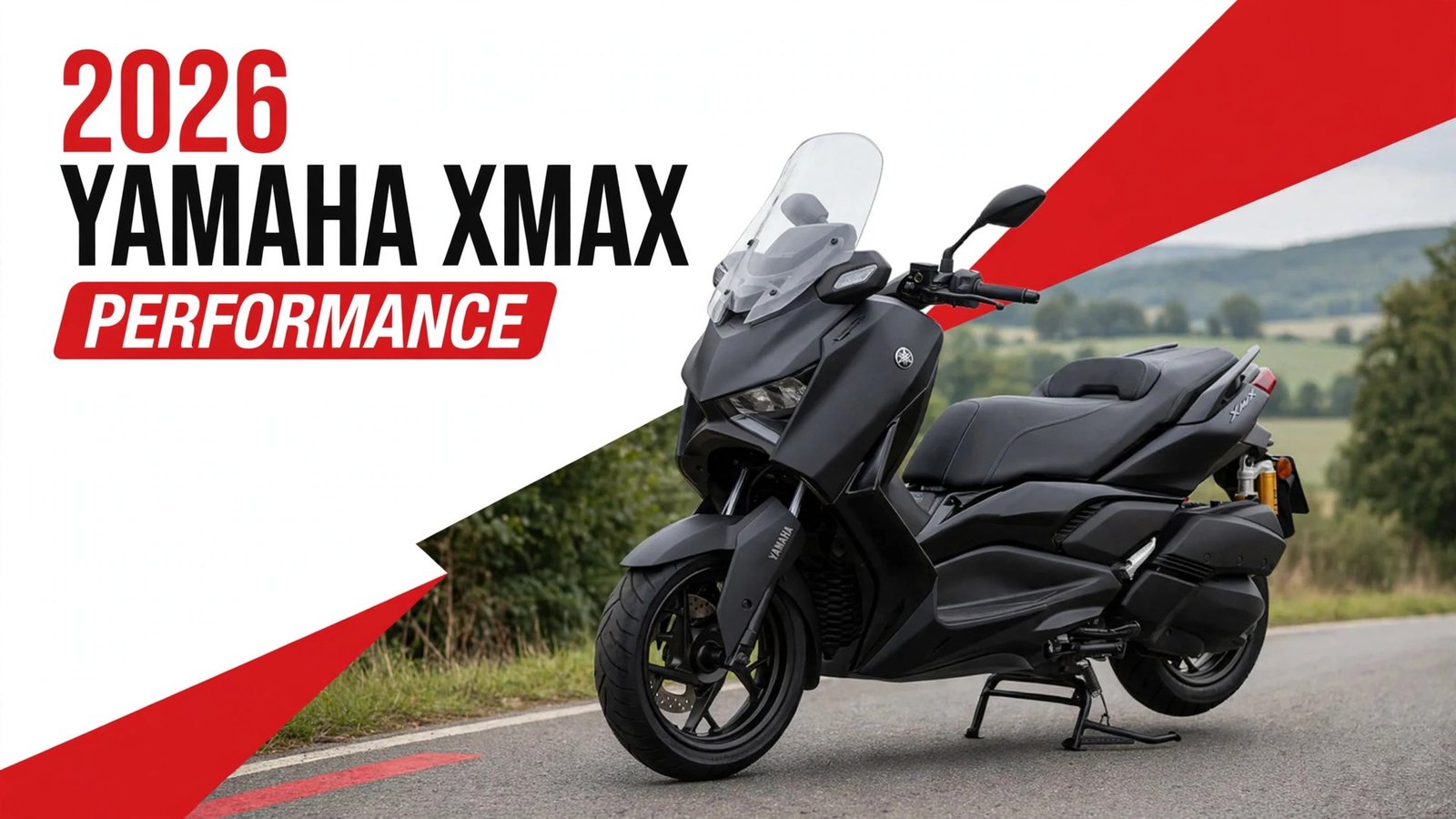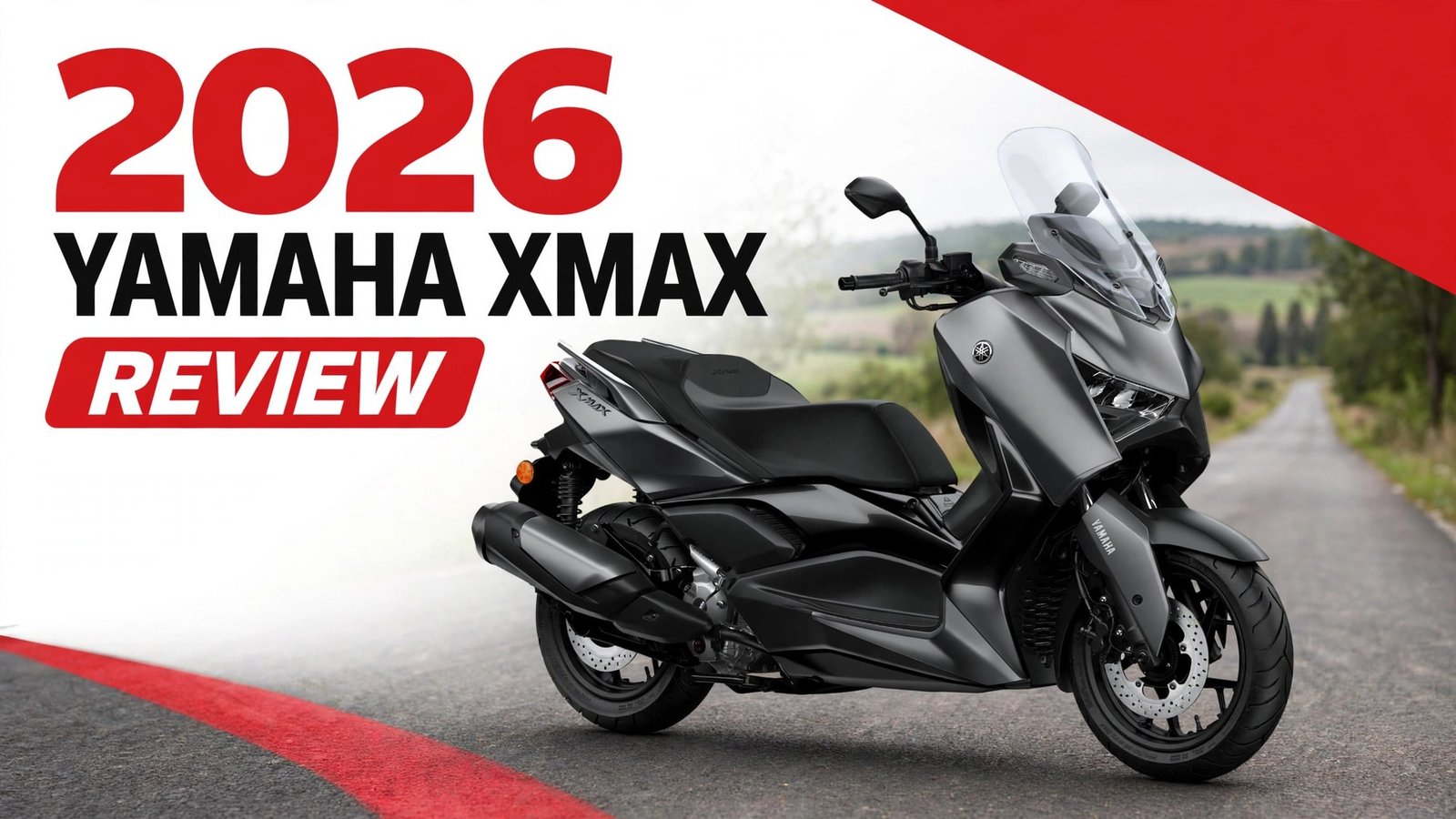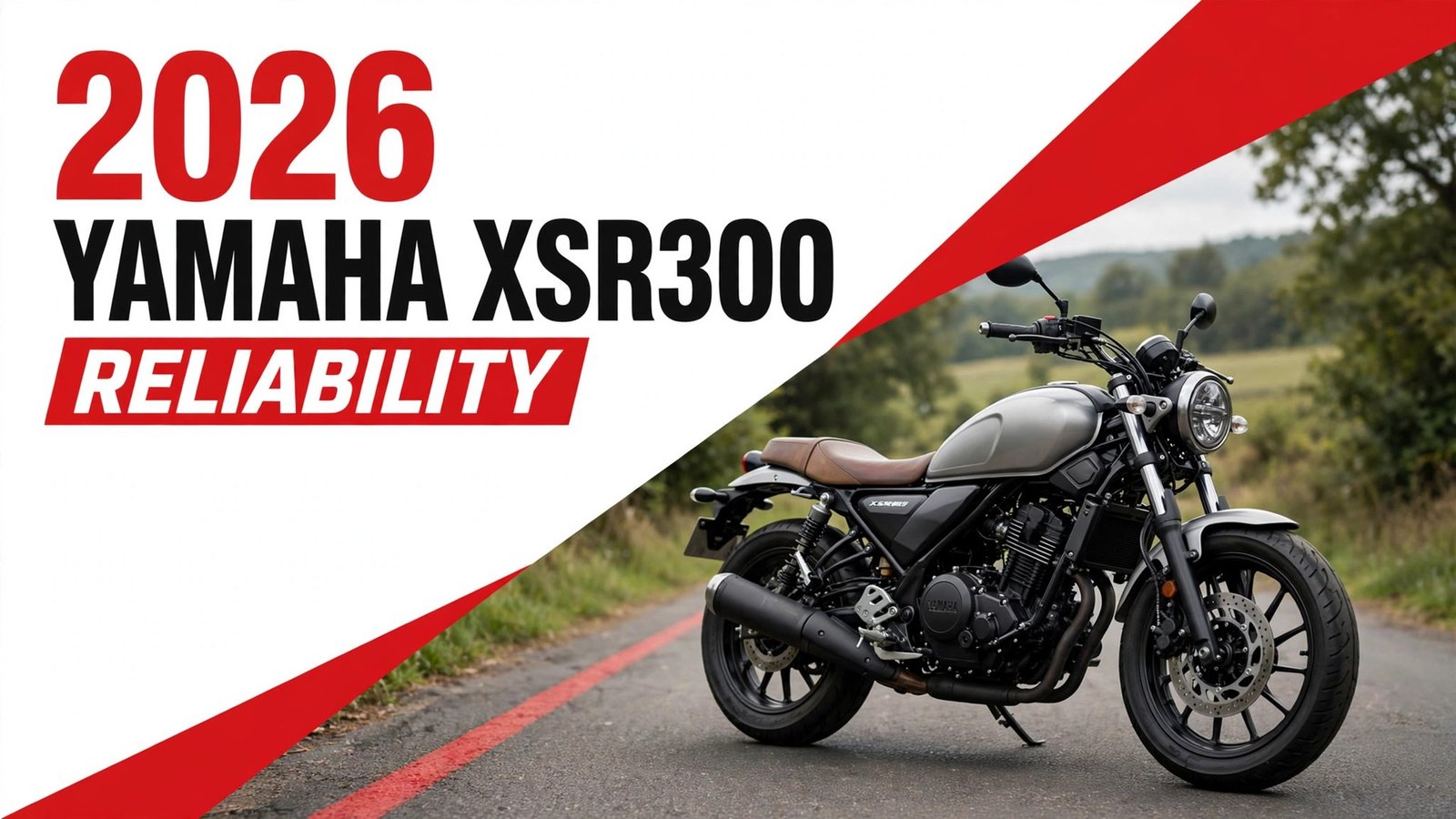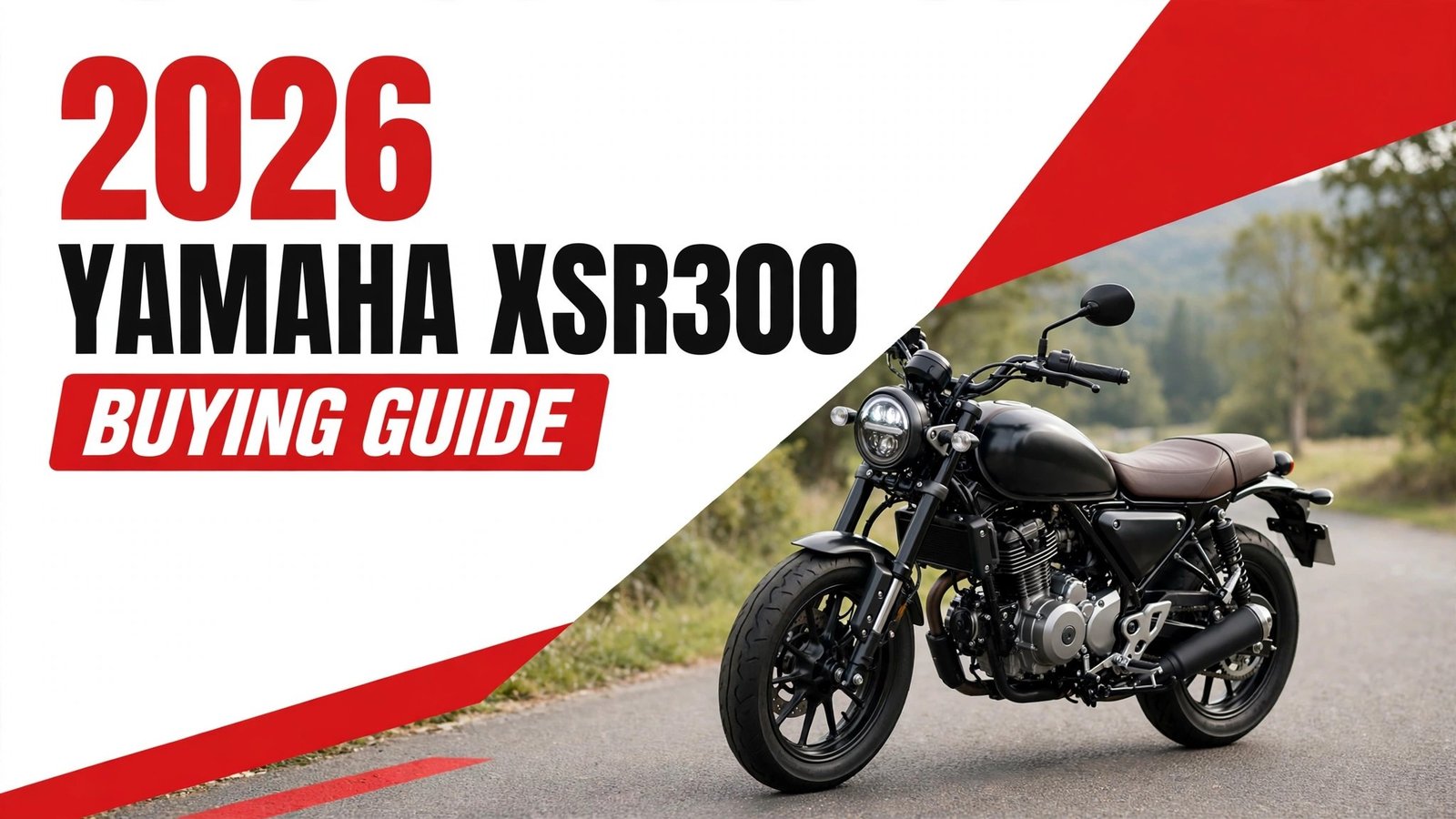
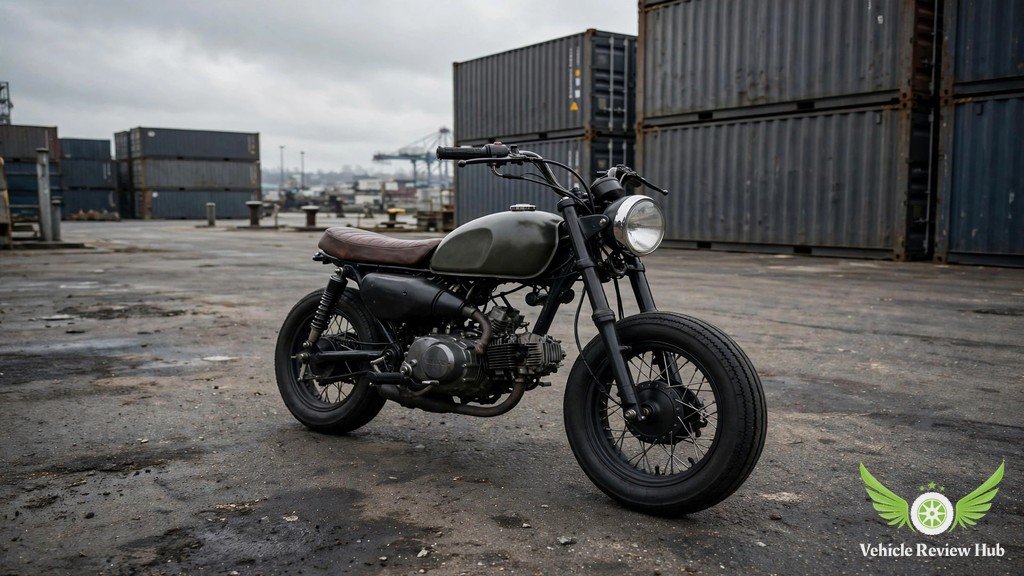
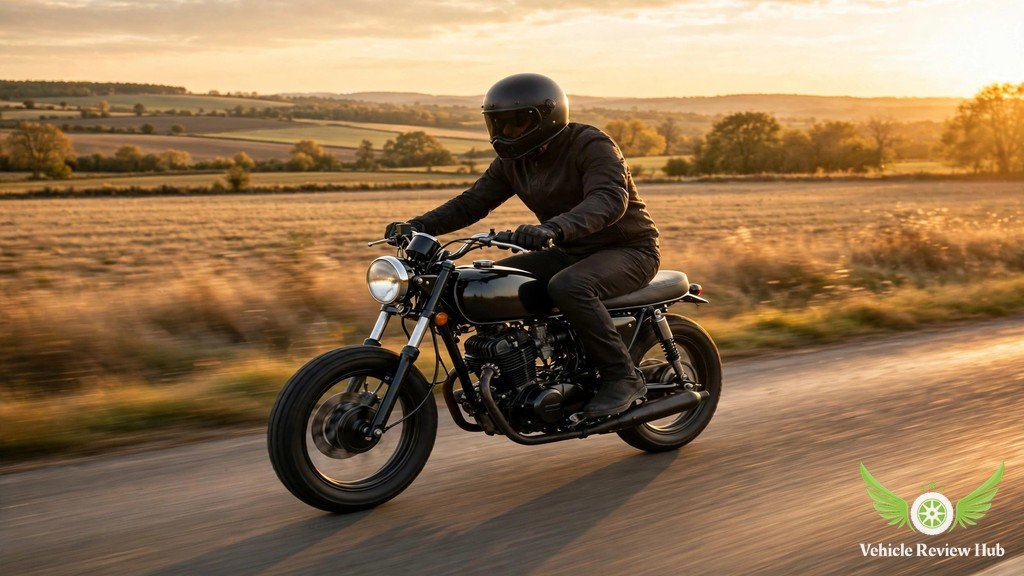
Here is the direct answer this Yamaha XSR300 buying guide opens with: there is no Yamaha XSR300 to buy. Yamaha has never listed, priced, built, sold, or tested a motorcycle called the XSR300 anywhere, so no genuine used prices, insurance quotes, reliability records, or dealer stock exist for it. Every listing presenting an XSR300 as real is built on a magazine render, copied MT-03 or R3 figures, a mislabelled bike, a custom build, or a scam. This Yamaha XSR300 buying guide exists to stop you paying real money for a motorcycle that does not exist, and to point you at real bikes with the retro style you want. All images in this Yamaha XSR300 buying guide are illustrative renders of a retro-styled small naked motorcycle, not photos of a real XSR300, because none exists to photograph.
Yamaha XSR300 Price and Market Availability
Price is where a fake listing hooks you, so this section of our Yamaha XSR300 buying guide starts with the fact that matters most: a motorcycle never built has no price. There is no MSRP, book value, or auction history for an XSR300; any number presented as one is invented or borrowed. This Yamaha XSR300 buying guide therefore treats every price claim as a claim to check, not a figure to trust. That stance runs through this Yamaha XSR300 buying guide.
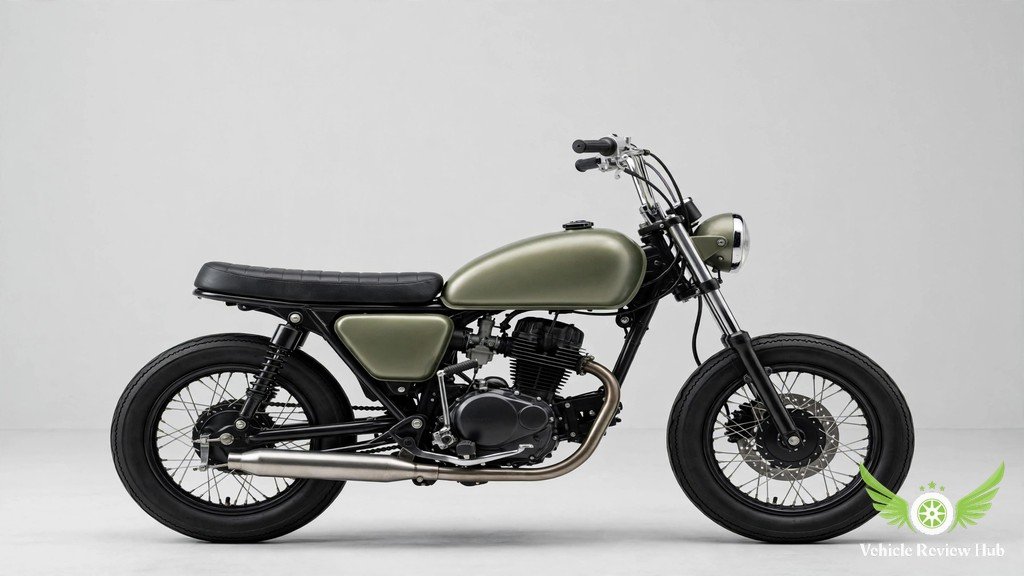
Why There Are No Used XSR300 Prices: No Bike Was Ever Sold
A used price needs a bike first sold new, ridden, then resold; none of that happened for the XSR300. Yamaha never assigned it a model code or shipped it to dealers, so no used pool exists for a market to price. A “used XSR300 price” is usually an MT-03 or R3 price with the name changed, or a seller’s invention. Our XSR300 review explains the render history in full; the buying consequence, and the first rule of this Yamaha XSR300 buying guide, is simple: ask anyone quoting a used price for the title showing “XSR300” as the model, because that document does not exist.
Is the Yamaha XSR300 Available Through Official US Dealers?
No. No US Yamaha dealer can order, stock, or service an XSR300; Yamaha USA has never listed the model. A dealer who claims otherwise is either confused by the XSR155 news discussed later in this Yamaha XSR300 buying guide, or is using the name to sell you a different motorcycle. Before paying any deposit, ask for the exact model name on the sales contract and VIN; “XSR300” will not appear on a genuine Yamaha contract. If a seller insists the bike is “on its way,” this Yamaha XSR300 buying guide says walk away: Yamaha announces real models through its own channels, and it has announced no XSR300.
| What the listing shows | What it actually is | What to do |
|---|---|---|
| “2023 Yamaha XSR300, low miles” | Usually a mislabelled MT-03 or R3 | Check the title and VIN first |
| “XSR300 specs: 321cc, 42 hp” | MT-03 and R3 platform figures, copied over | Treat as platform data, never XSR300 data |
| “Rare XSR300, deposit secures it” | A classic advance-fee scam | Never send a deposit; report it |
Yamaha XSR300 Insurance and Ownership Costs Discussion
Insurance is where the XSR300’s non-existence becomes practical: an insurer can only quote a motorcycle in its rating tables. This part of the Yamaha XSR300 buying guide explains why no quote is possible for the XSR300 itself, then gives clearly labelled MT-03 platform figures for estimating what the closest real bike costs to own, and that labelling is this Yamaha XSR300 buying guide’s promise.
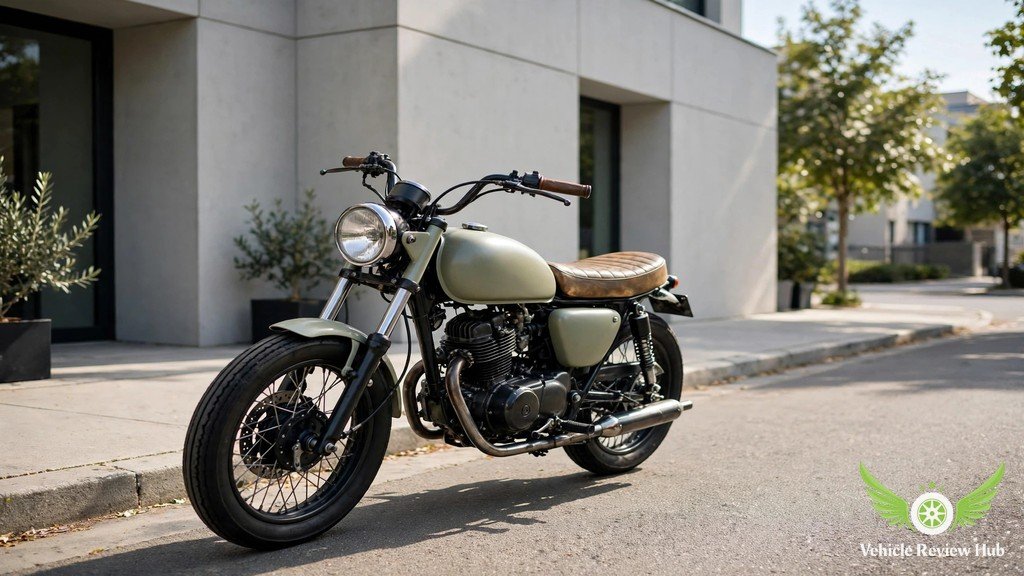
Why No Insurer Can Quote a Model That Does Not Exist
This Yamaha XSR300 buying guide starts insurance with a simple fact: a quote needs a model code, engine size, claims history, and parts catalogue, and the XSR300 has none of those. Type “XSR300” into any insurer’s quote tool and you will get an error, a “model not found” message, or a quote for a different bike the tool guessed at. Anyone claiming “arranged XSR300 insurance” has arranged cover for something else; ask which model name is on the policy before you pay.
How to Estimate Costs Using the MT-03 as the Closest Real Bike
The Yamaha MT-03 is the closest real motorcycle to the imagined XSR300, because the renders were based on its 321cc platform, and its ownership costs stand in well for a small retro Yamaha. Figures here are MT-03 platform data, not XSR300 data, and this Yamaha XSR300 buying guide labels them that way throughout. The MT-03 review gives the full picture; the headlines in this Yamaha XSR300 buying guide are a $4,999 new price, used asking prices roughly between $3,800 and $4,999, and beginner-bike running costs.
| MT-03 platform cost item | Estimate (labelled platform data) |
|---|---|
| New MSRP, USA | 2020–2021 $4,599; 2022 $4,799; 2023–2026 $4,999 |
| Used asking prices | 2020–2021 $3,800–$4,500; 2022–2023 $4,000–$4,900; 2024 $4,200–$4,800; 2025-on $4,300–$4,999 |
| Insurance, 40-year-old rider (MoneyGeek, October 2026) | About $141/yr liability; about $364/yr full coverage |
| Insurance, younger riders (MoneyGeek, October 2026) | About $820 at 25; $1,230 at 19; $1,446 at 16 |
| Fuel economy and tank (MT-03 platform data) | 56 mpg official (2020–2024); 62 mpg est. (2025–2026); 3.7-gal tank |
| Bottom line for budgeting | A real small Yamaha costs beginner money to buy, insure, and run; an “XSR300” costs whatever a scammer asks, which is why this Yamaha XSR300 buying guide refuses to print a fake price |
How to Inspect a Claimed Used Yamaha XSR300
When a seller insists their bike really is an XSR300, this section of the Yamaha XSR300 buying guide gives you the inspection routine that settles the question in minutes. The rule is blunt: paperwork beats paintwork, and that rule anchors this Yamaha XSR300 buying guide. A motorcycle is what its title and VIN say it is, not what its badges or listing say; every genuine Yamaha carries documents naming its real model.
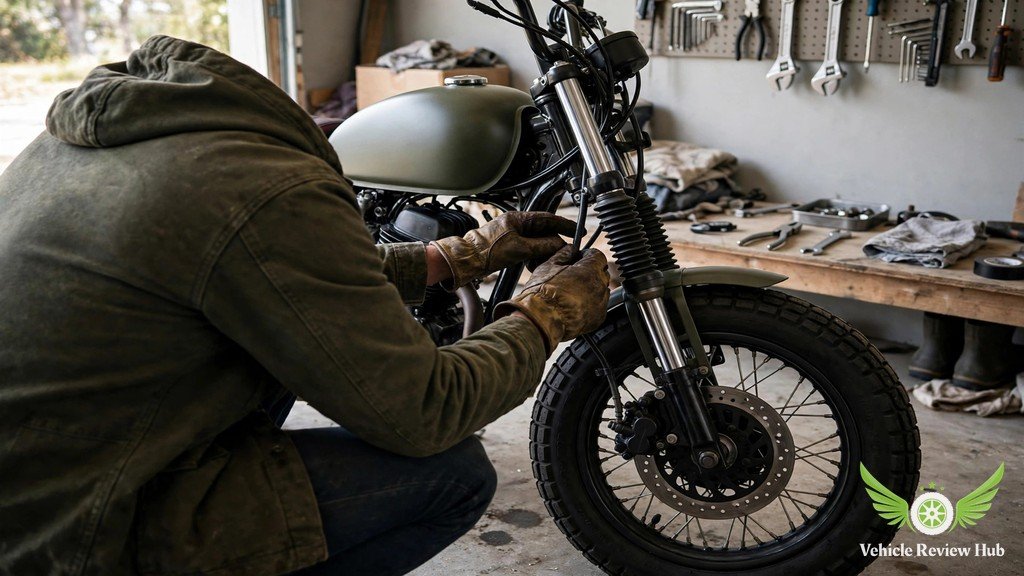
Checking Whether the Bike Is a Mislabelled MT-03, R3 or XSR155
This Yamaha XSR300 buying guide’s inspection starts with the title and the VIN plate on the steering head: read the model field before looking at anything else. An MT-03 title says MT-03, an R3 title says R3, an XSR155 title says XSR155; none says XSR300, and a seller who will not show the title is one to avoid. Then check the bike against the paperwork: a faired sportbike with clip-ons is an R3; a naked bike with a 321cc twin and MT-03 switchgear is an MT-03 in retro styling; a smaller bike with a 155cc single is an XSR155. Our XSR300 reliability guide explains why none of these bikes carries XSR300 reliability data: reliability data belongs to real models with real owners. If the bike is sound and honestly priced as its titled model, it may still be worth buying, but never at an “XSR300 premium.”
Inspecting a One-Off Custom Build: Frame, Title and Registration Papers
Some “XSR300” bikes are honest one-off customs, and this Yamaha XSR300 buying guide treats them as donor bikes, not rarities: a builder took a donor MT-03 or R3, fitted retro bodywork, a round headlight, and a bench seat, and the result looks like the renders. Those builds can be fun, but this Yamaha XSR300 buying guide urges three cautions. First, the bike remains legally the donor model, so title, insurance, and parts support follow the donor, and it resells below stock. Second, check the frame for cuts, welds, and relocated mounts: a conversion touching the steering head or subframe can affect safety, and poor welding is a walk-away reason. Third, confirm registration is current and matches the frame number: mismatched papers, a salvage brand, or “bill of sale only” can make a custom unregisterable.
Yamaha XSR300 Model Years and Features to Compare
There are no XSR300 model years, because a model year requires a model, so this section of our Yamaha XSR300 buying guide compares what actually exists: a rumour timeline with no launch, and a real small retro Yamaha heading toward the United States. That separation is this Yamaha XSR300 buying guide’s method.
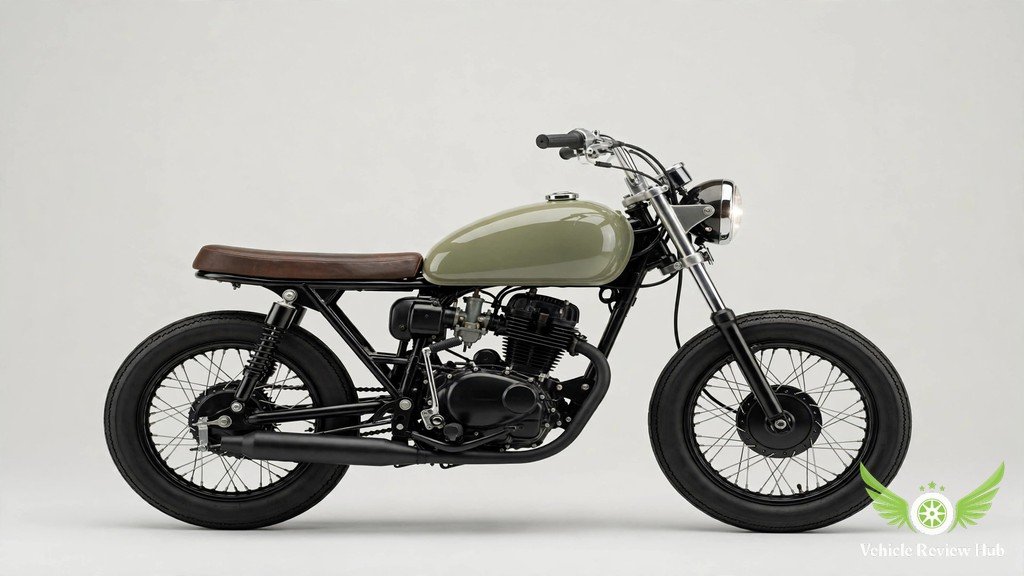
Rumour Timeline 2016 to 2020: Renders With No Launch in Any Year
The timeline this Yamaha XSR300 buying guide traces starts in 2016, when Japan’s Young Machine published a rendering of a retro naked it called the XSR300, styled like the XSR700 and XSR900 with an R25/R3 exhaust. Yamaha never confirmed it; no launch followed in 2016-2019. In April 2020, Indonesian designer Julak Sendie Design published a second wave of renders based on the XSR155 with R3 running gear; ZigWheels reported them plainly as renders, noting the XSR300 was “still far from reality.” A separate BikeDekho report made the same point: an independent designer’s images, not a Yamaha product. No launch followed in 2020 either. Our XSR300 performance guide covers the copied figures, but the timeline settles it: a decade of renders, zero launches, is a rumour.
XSR155 Coming to the US for 2027 Report: What the VIN Filing Shows
The one genuinely new development this Yamaha XSR300 buying guide found is not an XSR300 at all, but the smaller XSR155. Yamaha’s 2027 VIN filing lists the XSR155 alongside other Jakarta-built US models (MT-03, R3, XSR700, XSR900); Motorcycle.com notes 17.2 hp from the decoder data. A direct check of NHTSA’s VIN database confirms the XSR155 in Yamaha’s 2027 model list, evidence Yamaha intends it for US sale. What the filing does not show matters equally: Yamaha has not announced the XSR155 for the US, and the filing sets no price, on-sale date, or colours, nor guarantees shipment. This Yamaha XSR300 buying guide therefore treats the XSR155 as a promising report worth watching, not a bike you can order today, and certainly not an XSR300: a 155cc single aimed at a different buyer.
Importing a Yamaha XSR300 Into the USA
Importing sounds like a clever workaround for a bike Yamaha never sold in America, but for the XSR300 it solves nothing: no XSR300 exists in any other country either. This section of the Yamaha XSR300 buying guide explains that dead end first, then the import rules that matter for a real non-US Yamaha, so you can tell a knowledgeable seller from a chancer, which is the practical purpose of this Yamaha XSR300 buying guide.
Why There Is No XSR300 Anywhere in the World to Import
A grey import only works when a motorcycle exists in another market, and this Yamaha XSR300 buying guide confirms the XSR300 exists in no market at all. Never sold anywhere, it cannot be sourced, shipped, or cleared by a broker. Listings promising a “JDM XSR300” or “European XSR300 import” sell the same mislabels and renders described earlier in this Yamaha XSR300 buying guide, with shipping added as a reason to demand a large upfront payment. If a bike is absent from Yamaha’s global lineup, it cannot be imported.
NHTSA and EPA Rules That Would Apply to Any Non-US Yamaha Model
For a real non-US motorcycle, the American import system is strict; what follows in this Yamaha XSR300 buying guide is general information only, never legal advice. NHTSA decides eligibility by make, model, and model year; a nonconforming vehicle under 25 years old can only enter permanently if NHTSA finds it eligible and a registered importer, or a contractor of one, modifies it to meet FMVSS. A bond worth 150 percent of declared value must be posted at entry, and modifications completed within 120 days, or the vehicle must be exported or abandoned and the bond forfeited. A vehicle at least 25 years old can enter regardless of FMVSS compliance, the clock running from manufacture, while emissions is a separate EPA process via an independent commercial importer. The NHTSA importation and certification FAQs set this out in full. None of it helps with an XSR300, since no petition can succeed for a model never manufactured, but it matters for real bikes.
Is Buying a Used Yamaha XSR300 Worth It?
The verdict of this Yamaha XSR300 buying guide is simple: buying a “used XSR300” is never worth it as an XSR300, because the thing you would be paying for does not exist. What can be worth it, and what this Yamaha XSR300 buying guide recommends, is buying the real motorcycle behind the label, at its real price, or one of the genuine retro alternatives below.
Benefits and Risks: Scam Listings, Customs and Bikes With No Title History
The supposed benefits of an XSR300 are imaginary: retro XSR styling, light weight, a friendly price. Scam listings, the biggest risk this Yamaha XSR300 buying guide warns about, ask for deposits on bikes that will never arrive, and the “rare import” story explains why you cannot see the bike before paying. A bike with no title history cannot be registered, insured, or legally ridden, and a custom with a cut frame can be unsafe in ways a slow test ride hides. Even the best case, a well-built custom on a genuine MT-03 donor, is worth the donor’s value minus the modification, not an unmade-badge premium. If you have already paid a deposit, stop further payments, demand the title and VIN in writing, and report the seller if they do not match the listing.
US-Market Alternatives: MT-03, Speed 400, Hunter 350 and CB300R
The good news in this Yamaha XSR300 buying guide: the retro small-bike itch the XSR300 renders scratched is fully served by real motorcycles from real dealers today. The Yamaha MT-03 is the closest match, the platform the renders were based on: a 321cc twin, 373 lb wet, a 30.7-inch seat, $4,999 new, used from about $3,800, all clearly labelled MT-03 platform data in this Yamaha XSR300 buying guide. Our MT-03 buying guide covers that bike’s used market. Beyond Yamaha, the Speed 400 launched at $4,995 with retro styling and a 398cc single, the Hunter 350 lists at $4,299 for 2026 after a $3,999 launch, and the CB300R at $4,499. The video below is Motorcycle.com’s 2020 first-ride video review of the MT-03, the real alternative this Yamaha XSR300 buying guide recommends most.
| Real alternative | Engine | US price | Why it fits |
|---|---|---|---|
| Yamaha MT-03 | 321cc twin | $4,999 new; used from about $3,800 | The platform the renders were based on |
| Honda CB300R | 286cc single | $4,499 (2026) | Light neo-retro naked, cheapest new |
| Triumph Speed 400 | 398cc single | $4,995 at launch | Full retro styling, premium finish |
| Royal Enfield Hunter 350 | 349cc single | $4,299 (2026); $3,999 at launch | Lowest price, classic roadster character |
Yamaha XSR300 Buying Guide: Frequently Asked Questions
These are the questions buyers actually ask about the XSR300, answered directly by this Yamaha XSR300 buying guide. Every answer in this Yamaha XSR300 buying guide follows the same rule: if Yamaha never built it, the answer says so, and if a figure belongs to another motorcycle, the answer names it.
Is there a Yamaha XSR300?
No. The first fact of this Yamaha XSR300 buying guide is that Yamaha has never built, listed, priced, or sold a motorcycle called the XSR300. The name comes from magazine and designer renders, not Yamaha’s lineup.
Can I buy a used Yamaha XSR300?
No, and this Yamaha XSR300 buying guide is blunt about why: there are no used XSR300s in existence. Any listing using that name sells a mislabelled bike, a custom build, or nothing at all. Buy the bike for what its title says it is, at that model’s price.
How much does a Yamaha XSR300 cost?
It has no price, because it was never sold. Aggregator figures are MT-03 or R3 figures with the name changed, and this Yamaha XSR300 buying guide treats them as platform data only, never as XSR300 prices.
Why do websites list XSR300 specifications?
Because, as this Yamaha XSR300 buying guide explains, aggregator pages copy MT-03 and R3 figures and publish them under the XSR300 name. A spec sheet is not evidence a motorcycle exists; Yamaha’s own lineup is the only authority, and the XSR300 is not in it.
What was the 2016 Young Machine render?
It was a magazine illustration by Japan’s Young Machine, showing a retro naked styled like the XSR700 and XSR900 with R3 running gear. That render is where this Yamaha XSR300 buying guide’s timeline begins; Yamaha never confirmed or built it, and no launch followed.
Is the Yamaha XSR300 coming in 2027?
There is no evidence of an XSR300 for 2027 or any other year, and this Yamaha XSR300 buying guide found nothing suggesting one. The genuine 2027 news is the smaller XSR155 in Yamaha’s NHTSA VIN filing, a different 155cc motorcycle, not a 300.
What does the XSR155 VIN filing actually prove?
It proves Yamaha filed VIN decoding data for the XSR155 for the 2027 model year. This Yamaha XSR300 buying guide counts that as strong evidence the bike is intended for US sale. It sets no price, on-sale date, or colours, and Yamaha has not announced the bike, so it remains a promising report, not an orderable model.
What is the closest real bike to the imagined XSR300?
The Yamaha MT-03, and this Yamaha XSR300 buying guide recommends it first, because the renders were based on its 321cc platform. It weighs 373 lb wet, has a 30.7-inch seat, and costs $4,999 new, with used examples from about $3,800. Those are MT-03 platform figures, clearly labelled, not XSR300 data.
Should I buy an MT-03, a CB300R, a Speed 400, or a Hunter 350 instead?
This Yamaha XSR300 buying guide says: buy the MT-03 for the closest thing to the render, the CB300R at $4,499 for the lightest and cheapest new option, the Speed 400 for full retro styling with a premium feel, or the Hunter 350 at $4,299 for the lowest price and classic character. All four are real motorcycles with dealers, parts, insurance, and resale values, which the XSR300 cannot offer.