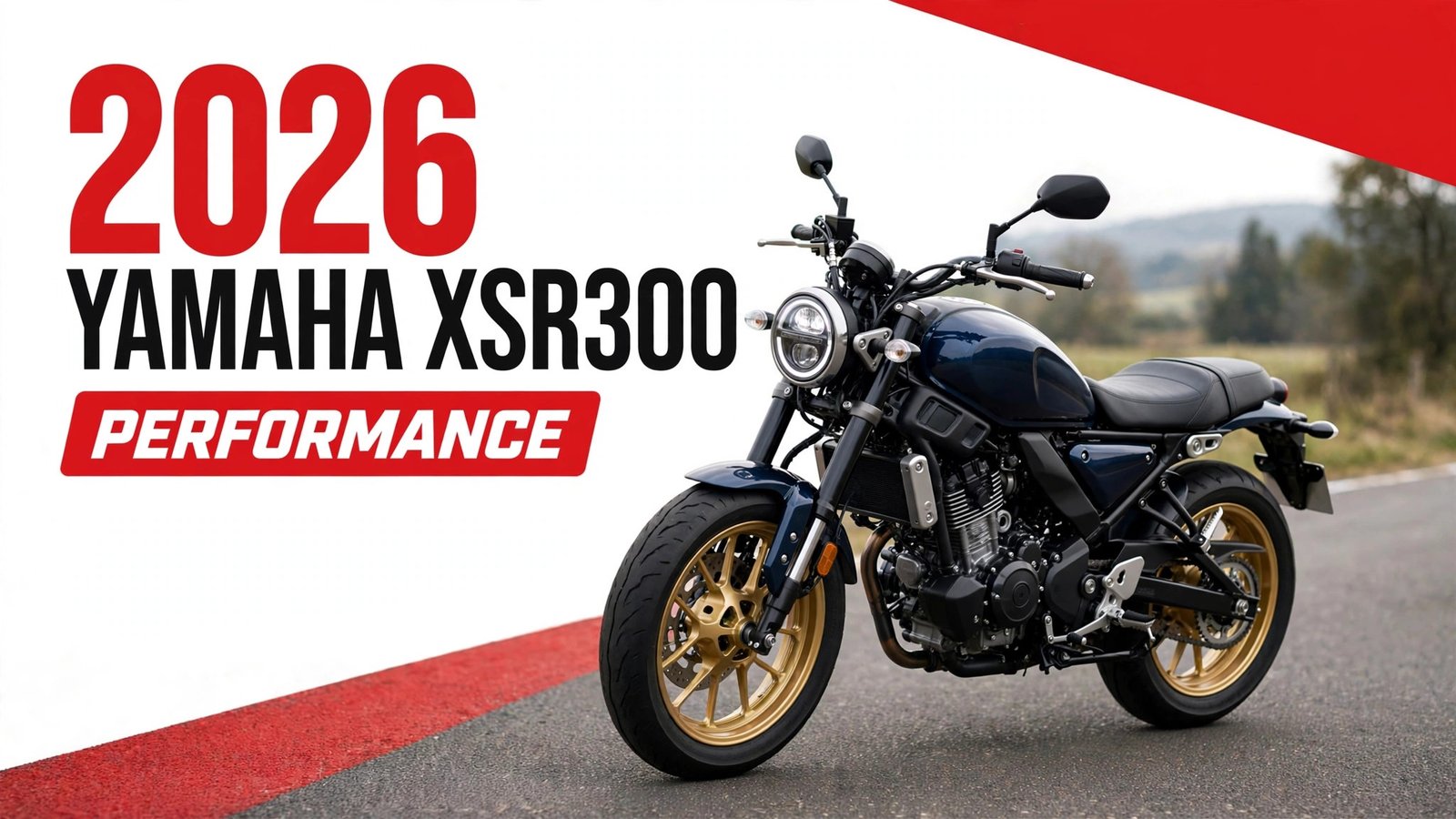
There is no Yamaha XSR300 performance data, because there is no Yamaha XSR300. Yamaha has never listed, priced, built, sold, or tested a motorcycle by that name, so no top speed test, dyno run, fuel-economy test, or acceleration figure for it exists. Every number attached to the name comes from somewhere else: a 2016 magazine render, an aggregator page copying MT-03 or YZF-R3 figures, a mislabeled MT-03, R3, or XSR155, a custom build, or a scam listing. Anyone searching for Yamaha XSR300 performance deserves that honesty first, because the rest of this article is only useful once you know which numbers are borrowed and which are invented.
Pages promising Yamaha XSR300 performance figures usually display the MT-03’s 321cc twin, its 37-horsepower dyno result, or its 62-mpg economy estimate without naming the source. Our XSR300 review tells the full story behind the name, including the render that started it. That is the only honest form Yamaha XSR300 performance coverage can take, and it is the standard every section below is held to.
Yamaha XSR300 Engine Performance and Power Delivery Claims
No engine was ever built for the XSR300, so no XSR300 power claim survives checking. The only honest way to discuss Yamaha XSR300 performance at the engine level is through the motorcycle whose figures are most often copied under the name: the MT-03 and its faired sibling, the YZF-R3, which share the same 321cc parallel-twin platform. Everything in this section is that platform’s data, labelled as such.
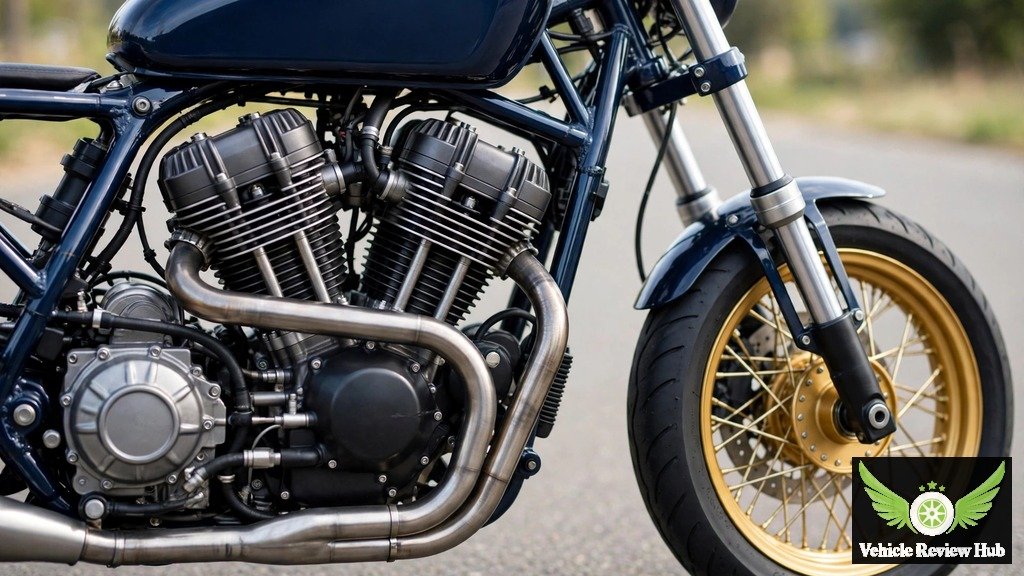
321cc MT-03 and R3 Platform Power Figures, Labelled as Platform Data
The MT-03 platform uses a liquid-cooled 321cc DOHC parallel twin. Yamaha publishes no horsepower figure for the MT-03 in the United States, and the factory figure most often quoted, 41.4 horsepower at 10,750 rpm with 21.8 lb-ft of torque at 9,000 rpm, is widely reported rather than officially published for the US market. The measured figure comes from Cycle World’s dyno test of a 2020 MT-03, which recorded 37.07 rear-wheel horsepower at 10,590 rpm and 20.22 lb-ft of torque at 9,010 rpm. Anyone quoting a Yamaha XSR300 performance horsepower figure is quoting one of these two platform numbers, whether they admit it or not, because no XSR300 was ever put on a dyno, and no Yamaha XSR300 performance dyno chart exists.
The engine’s character matters more than its headline number. It feels calm below 5,000 rpm and wakes up properly above 6,000 rpm, pulling cleanly toward a redline near 12,000 rpm. Its torque peak sits high, at 9,000 rpm, and its measured torque is just over 20 lb-ft. Any Yamaha XSR300 performance description promising strong low-end torque is inventing a different engine, because the donor twin simply does not make one, and Yamaha XSR300 performance writing that ignores the torque curve misleads new riders most of all.
Six-Speed Transmission and Power Delivery of the Donor Platform
The donor platform uses a six-speed gearbox with a cable-actuated clutch and chain final drive. On the 2020–2024 MT-03 there is no assist-and-slipper clutch; Yamaha added one, along with Y-Connect and a USB-A socket, from the 2025 model year onward. For Yamaha XSR300 performance discussion, the gearbox is the platform’s best feature: shifts are positive and sixth gear is a genuine overdrive. There is no ride-by-wire, no riding mode, and no traction control on the donor platform in any US model year, so the rider’s right hand is the only traction management on offer, and any Yamaha XSR300 performance claim involving riding modes is fiction.
Yamaha XSR300 Top Speed and Acceleration
The top speed section of an XSR300 page is usually where the fiction turns specific, with confident numbers quoted to a decimal place. The short version: no Yamaha XSR300 performance top speed exists, and the numbers circulating under the name are MT-03 test results with the label changed.
Why No Top Speed Test Exists for a Bike That Was Never Built
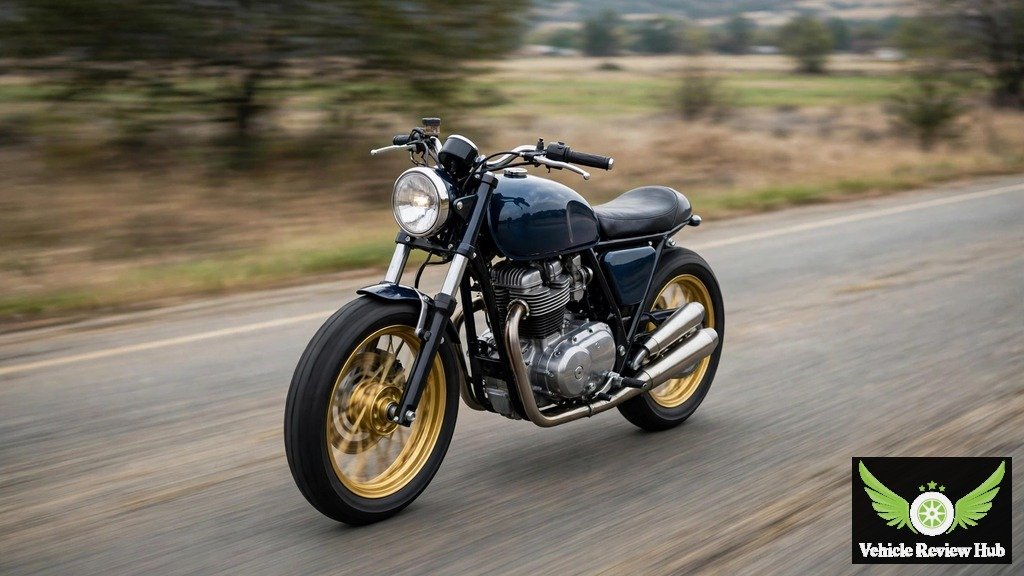
A top speed test needs a motorcycle, a rider, a road or track, and timing equipment. The XSR300 supplied none of those, because it was never manufactured. The 2016 render that started the story was an illustration in a Japanese magazine, not a prototype, and no journalist has ever ridden one, timed one, or run one against GPS. That is why this guide refuses to give a Yamaha XSR300 performance top speed figure: inventing one, or quietly borrowing the MT-03’s and renaming it, would mislead exactly the beginner riders this site is meant to help. The same logic covers acceleration: there is no XSR300 0–60 mph time, no quarter-mile slip, and no roll-on figure in any Yamaha XSR300 performance record, because there was never a bike to launch.
MT-03 and R3 Acceleration Data and Why It Must Not Be Relabelled
MotoStatz tested a non-US MT-03 and recorded 0–60 mph in 5.11 seconds, 0–100 km/h in 5.41 seconds, a quarter mile in 14.05 seconds at 92 mph, 0–100 mph in 18.82 seconds, and a top speed of 108 mph. Those are MT-03 platform data, and they carry two conditions. First, the test bike wore an aftermarket exhaust, which could have slightly reduced the top speed. Quoting 5.11 seconds or 108 mph as Yamaha XSR300 performance figures would strip away both conditions and present a modified, non-US donor result as a factory fact about a bike that does not exist.
Owner videos online have shown MT-03 speedometers plateauing around 111.8 mph, but a speedometer reading is not a GPS-verified test, and speedometers commonly read optimistic at high speed. The fair summary of Yamaha XSR300 performance discussion is that the donor platform is a genuine 100-mph-plus motorcycle, quick enough to out-accelerate almost any car from a traffic light, but not fast by middleweight standards. That is the real shape of Yamaha XSR300 performance talk, and it should never be mistaken for a test result.
Yamaha XSR300 Mileage and Fuel Economy
That number is real, but it belongs to a specific model year of a different motorcycle. This section traces it to its source and shows what range it implies, so you can spot the copy whenever Yamaha XSR300 performance economy figures appear elsewhere.
MT-03 Figure 62 MPG and 3.7-Gallon Tank: Where the Claim Comes From
The 62-mpg figure is the official economy estimate for the 2025–2026 Yamaha MT-03 in the United States, while the 2020–2024 MT-03 carried an official estimate of 56 mpg. The 3.7-gallon tank is the MT-03’s fuel capacity, shared with the YZF-R3. When an XSR300 page lists “62 mpg” and a “3.7-gallon tank” side by side, it has copied the current MT-03’s official figures and attached them to a motorcycle that was never rated by any authority. There is no XSR300 economy rating, no XSR300 tank, and no XSR300 range figure. Any Yamaha XSR300 performance article presenting 62 mpg as the bike’s own economy is repeating that copy, not reporting a test, and any Yamaha XSR300 performance economy table built from it is copied too.
| MT-03 platform figure (labelled platform data) | Economy | Tank | Implied range |
|---|---|---|---|
| 2020–2024 MT-03 official estimate | 56 mpg | 3.7 gal | 207 miles |
| 2025–2026 MT-03 official estimate | 62 mpg | 3.7 gal | 229 miles |
| Real-world riding, typical mixed use | 45–50 mpg | 3.7 gal | 167–185 miles |
Real-World MPG of the MT-03 Platform and Estimated Range Context
Official estimates are measured in gentle conditions, and the MT-03 platform in everyday hands returns less. Independent road tests and owner reports for the MT-03 and R3 commonly land in the mid-40s to low-50s mpg in mixed riding. A realistic planning figure for a 321cc naked bike is therefore around 45–50 mpg, giving roughly 167–185 miles from the 3.7-gallon tank before the low-fuel warning. But it is not a Yamaha XSR300 performance result, and any article turning this estimate into a tested XSR300 range is dressing up arithmetic as evidence. The only fuel figure that would count as Yamaha XSR300 performance data would come from a production XSR300, and no such motorcycle has ever been fuelled.
Yamaha XSR300 Real-World Riding Performance Discussion
Since no XSR300 can be ridden, this section is explicitly a discussion, not a review. Readers considering a real beginner bike should read it alongside the MT-03 performance figures for the motorcycle that actually exists, because Yamaha XSR300 performance expectations are only as good as the donor data behind them.

The video below is not an XSR300 test: it is carandbike’s real-world review of the MT-03 donor platform.
City Riding Expectations Based on the MT-03, Clearly Labelled
Expectation, clearly labelled: a 321cc retro naked on the MT-03 platform would be an easy city motorcycle. The donor bike weighs 373 lb wet, carries a low 30.7-inch seat, and steers with a light touch. These are MT-03 platform traits, and they would transfer to any retro-styled machine built the same way, but they remain expectations about a hypothetical motorcycle, not findings from a Yamaha XSR300 performance road test. That is the honest limit of Yamaha XSR300 performance city discussion.
Highway Riding, Overtaking Ability and Long-Distance Limitations
Expectation, clearly labelled: highway riding would be the donor platform’s weakest area, and a retro XSR300 would inherit that weakness. The MotoStatz roll-on data show the platform taking nearly 19 seconds to reach 100 mph. That limitation would apply to any Yamaha XSR300 performance discussion honestly built on the donor platform, and a rider who regularly rides long highway distances should look at a larger motorcycle rather than wait for a retro 300 that does not exist.
Yamaha XSR300 Handling, Braking and Stability Discussion
Handling is another area where aggregator pages invent confidence, describing an XSR300 chassis that was never engineered. The donor platform’s chassis is well documented, and it is genuinely good for a beginner bike, but every detail below is MT-03 platform context, not an XSR300 test result. That caveat is part of honest Yamaha XSR300 performance coverage, not a footnote to it.
MT-03 Chassis, KYB Fork, Tires and Cornering as Platform Context
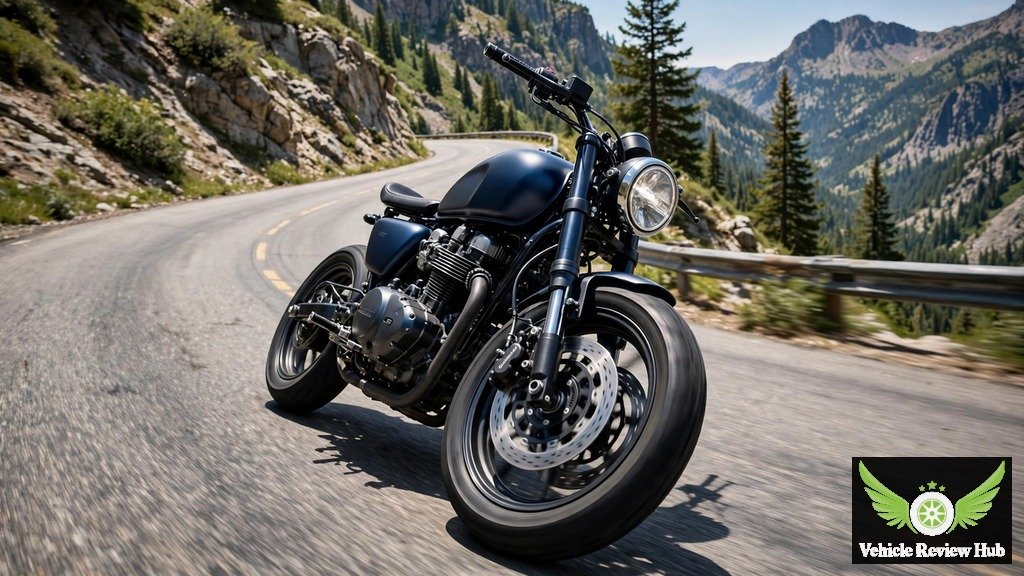
The MT-03 platform uses a diamond-type steel frame, a 37mm KYB inverted front fork, and a preload-adjustable rear shock, with a 54.3-inch wheelbase and Dunlop Sportmax GPR-300 tires in 110/70R17 front and 140/70R17 rear sizes. Road tests of the donor bike consistently praise its light, willing steering and its stability in corners. But a retro version’s wider bars, different seat, and altered riding position would change leverage and feel, so no reviewer can honestly promise identical cornering behaviour. The correct statement is that Yamaha XSR300 performance handling discussion starts from a capable donor chassis, not that an XSR300 has been cornering-tested, because it has not, and no Yamaha XSR300 performance handling test will exist until Yamaha builds the bike.
Braking and ABS of the Donor Platform, Not an XSR300 Test Result
The donor platform brakes with a single 298mm front disc and a two-piston caliper, plus a 220mm rear disc, with conventional ABS on both wheels. There is no cornering ABS, no linked braking, and no electronic rider aid beyond that basic ABS. Rider Magazine’s first ride of the 2020 MT-03 described the front brake as needing a solid pull with little feedback, and that is a useful expectation for a beginner: the brakes will stop the bike safely, but they will not flatter a panicked grab the way a larger bike’s radial brakes might. It is donor platform data, included because braking is the one area where a copied spec sheet can genuinely mislead a buyer: a page claiming an XSR300 braking distance is inventing a Yamaha XSR300 performance test that never happened. The XSR300 reliability discussion covers what else a buyer should check before trusting any listing that uses this name.
Yamaha XSR300 Performance Compared With Real Beginner Bikes
The fairest way to judge a motorcycle that does not exist is to compare the platform behind it with motorcycles a beginner can actually buy today. This section does that, using the donor platform’s real figures against two real rivals, and then answers the question every reader of this guide is really asking: is waiting for Yamaha XSR300 performance figures worth it?
Platform Comparison With Triumph Speed 400 and KTM 390 Duke
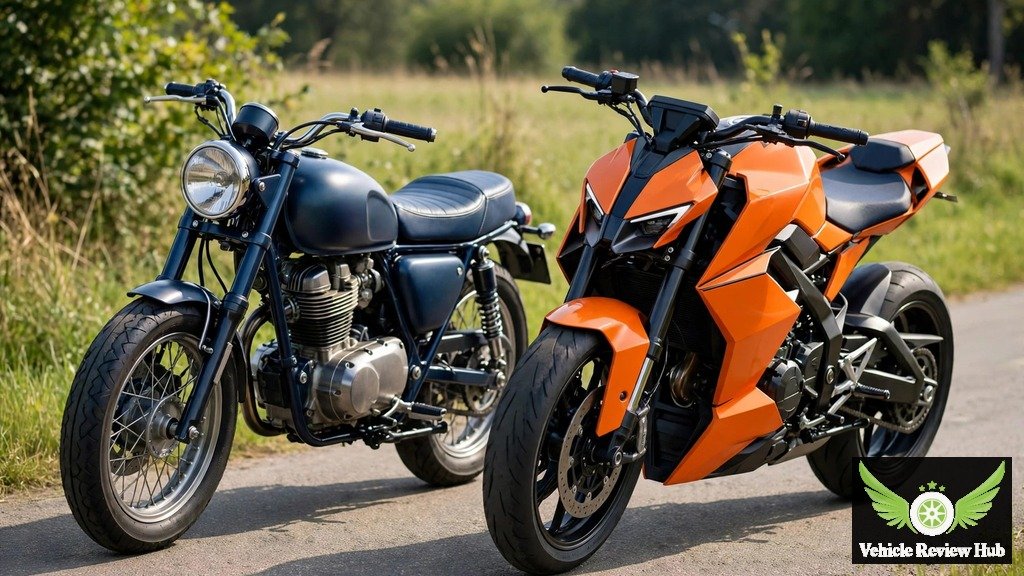
Against the Triumph Speed 400, the donor platform gives away displacement, and the Triumph’s 398cc single delivers its torque lower in the rev range. Against the KTM 390 Duke, priced at $5,899 for 2026, the donor platform is the calmer, more forgiving machine, while the KTM is sharper, more aggressive, and more demanding of a new rider. The MT-03 platform’s advantages are its light weight, its low seat, its Yamaha dealer network, and its proven 321cc twin, which has years of parts and service history behind it. A buyer holding out for Yamaha XSR300 performance figures cannot, because there is nothing to compare: the XSR300 column in any comparison table is blank, and any table that fills it has copied the MT-03 column and changed the heading.
| Beginner bike (real motorcycles only) | Engine | Measured or claimed power | 2026 US price context |
|---|---|---|---|
| Yamaha MT-03 (donor platform, labelled) | 321cc twin | 37.07 RWHP, Cycle World dyno | $4,999 |
| KTM 390 Duke | 399cc single | Stronger low-end torque than the twin | $5,899 |
| Yamaha XSR300 | Does not exist | No data | No price |
Is Waiting for the Yamaha XSR300 Worth It for Beginner Riders?
No, and the reasoning is simple. Waiting means postponing riding for a motorcycle Yamaha has never announced, while real alternatives already exist: the MT-03 itself, the XSR155 outside the US, and the Speed 400 or 390 Duke. Until then, any Yamaha XSR300 performance claim used to justify waiting is marketing built on a render. Our XSR300 buying guide covers how to spot listings that exploit the name, and the MT-03 review covers the real motorcycle that delivers the performance discussed here. Buy the motorcycle that exists, and let the render stay a render.
Yamaha XSR300 Performance: Frequently Asked Questions
These answers repeat the central rule of this guide in each case: if a figure is given, it is labelled MT-03 platform data, and if no figure is given, that is because no XSR300 figure exists.
What is the top speed of the Yamaha XSR300?
There is no Yamaha XSR300 performance top speed, because the motorcycle was never built or tested. The 108 mph figure often quoted under the name is MotoStatz’s result for a non-US MT-03 with an aftermarket exhaust, not a factory figure for an XSR300. That absence defines Yamaha XSR300 performance coverage: every top speed number traces back to the donor platform.
What is the 0–60 mph time of the Yamaha XSR300?
No XSR300 0–60 mph time exists. The 5.11-second figure attached to the name is MotoStatz’s MT-03 platform data, measured on a non-US bike with an aftermarket exhaust. It is a useful guide to what a 321cc naked bike can do, but relabelling it as Yamaha XSR300 performance data would be false, and any Yamaha XSR300 performance page that prints it without the donor label is misleading its readers.
How much horsepower does the Yamaha XSR300 make?
An XSR300 horsepower figure does not exist. The donor platform’s measured figure is 37.07 rear-wheel horsepower at 10,590 rpm from Cycle World’s 2020 MT-03 dyno test, while the widely reported factory claim is 41.4 horsepower at 10,750 rpm. Any page giving a different Yamaha XSR300 performance number is either copying one of these or inventing its own, and neither case counts as an XSR300 result.
What mileage does the Yamaha XSR300 get?
There is no XSR300 mileage rating. The 62-mpg figure is the official estimate for the 2025–2026 MT-03, real-world mixed riding on the donor platform typically returns around 45–50 mpg. On the donor’s 3.7-gallon tank that means roughly 167–185 miles of realistic range, not a tested Yamaha XSR300 performance range, and any Yamaha XSR300 performance economy claim beyond that is copied arithmetic.
Can the Yamaha XSR300 handle highway riding?
Since the bike does not exist, the honest answer comes from the donor platform: the MT-03 can hold highway speed, but it works hard there, with high revs, constant wind blast, and slow roll-on acceleration above 80 mph. Riders planning regular long highway trips should choose a larger motorcycle instead of waiting for Yamaha XSR300 performance that may never arrive.
Where did the Yamaha XSR300 story come from?
The story traces to a 2016 render published by the Japanese magazine Young Machine, showing what a small XSR-styled machine might look like. No Yamaha announcement, prototype, or production filing has ever followed the render, which is why every Yamaha XSR300 performance page traces back to the same illustration.
Are Yamaha XSR300 listings for sale real?
A listing that offers an XSR300 for sale is either mislabeling a different motorcycle, such as an MT-03, R3, or XSR155, or it is a scam. Yamaha has never sold an XSR300 in any market, so there is no genuine used market, no used price, and no ownership history to check. That is why no Yamaha XSR300 performance listing can be genuine: there is no genuine motorcycle behind it.
Should I wait for Yamaha to launch the XSR300?
No. There is no announcement, prototype, or credible production report behind the name, and the MT-03 itself is already on sale. Until Yamaha itself publishes Yamaha XSR300 performance specifications, waiting is waiting for nothing.
What beginner bike should I buy instead of waiting?
Buy the motorcycle that exists and matches your priorities: the MT-03 for the light, forgiving 321cc twin, the Speed 400 for stronger low-end torque with retro styling, or the 390 Duke for a sharper beginner naked at $5,899. Each one has real specifications, real tests, and real dealer support, which is more than any Yamaha XSR300 performance claim can offer.