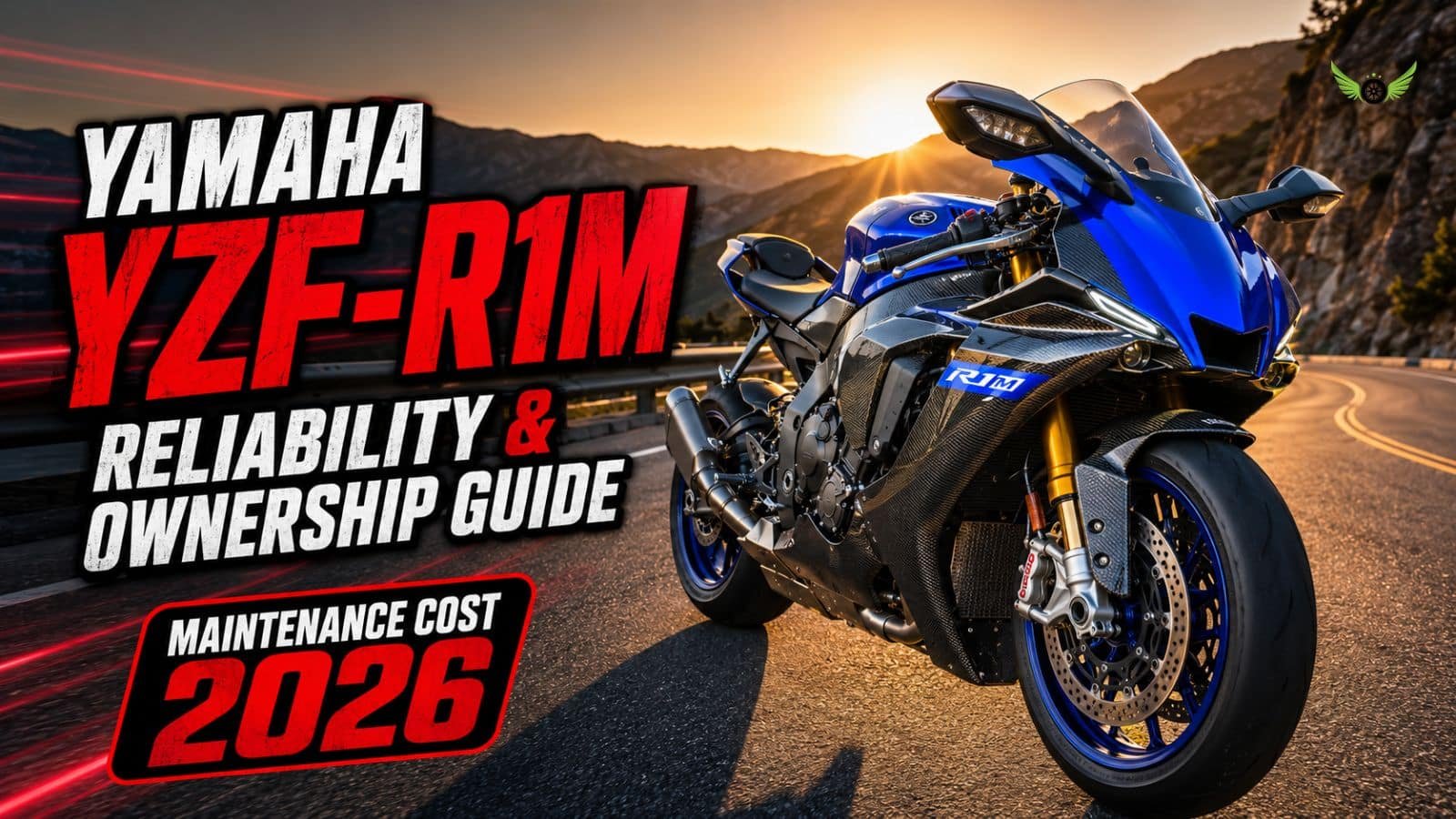
If you’re planning to buy a premium superbike in 2026, understanding Yamaha YZF-R1M Reliability, Maintenance Cost & Ownership Guide is just as important as checking its horsepower or top speed. The Yamaha YZF-R1M is built with MotoGP-inspired engineering, advanced electronic rider aids, Öhlins electronic suspension, and Yamaha’s proven 998cc CP4 crossplane engine. While it delivers exceptional track performance, many riders also want to know whether it is dependable enough for long-term ownership and how much it costs to maintain in the United States. Yamaha continues to back the 2026 model with a 1-year limited factory warranty, while the bike delivers an estimated 33 mpg and a wet weight of 452 pounds.
This guide answers those questions with practical, research-backed information. We’ll explore Yamaha YZF-R1M Reliability, expected maintenance expenses, routine service intervals, tire and consumable costs, insurance and fuel expenses, and the total annual cost of ownership. You’ll also learn whether the Yamaha YZF-R1M Maintenance Cost is reasonable for a high-performance liter bike, how it compares in long-term value, and whether buying a new or used model makes more financial sense in today’s U.S. market.
Whether you’re an experienced track rider or purchasing your first flagship supersport, this Yamaha YZF-R1M Ownership Guide will help you understand what it really takes to own, maintain, and enjoy Yamaha’s most advanced production motorcycle.
Yamaha YZF-R1M Reliability
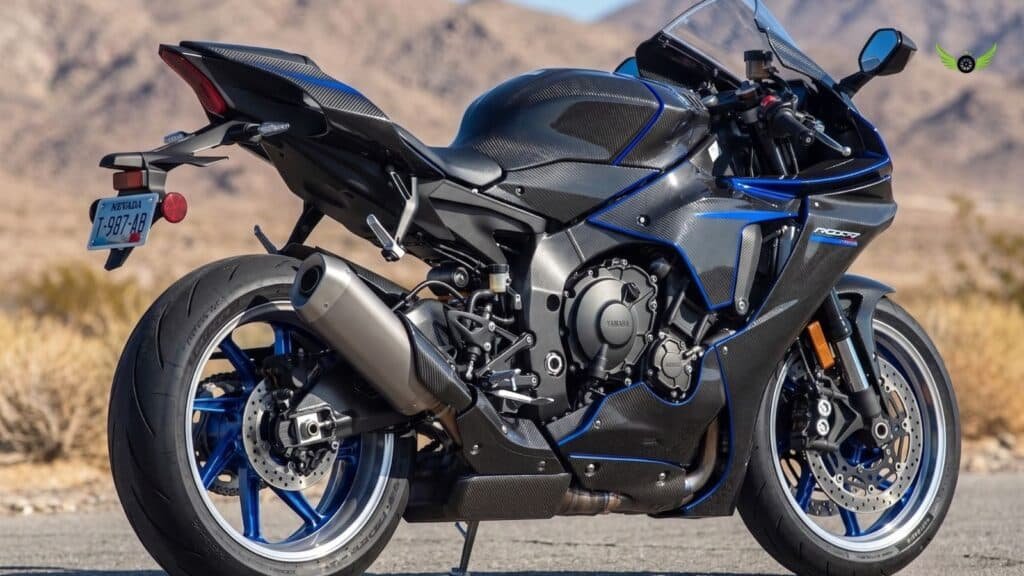
The Yamaha YZF-R1M has an excellent reliability record when maintained according to Yamaha’s service schedule. Its 998cc CP4 crossplane engine has been used for several years with only incremental updates, giving it a proven track record for durability. Most long-term issues reported by owners are related to missed maintenance, track abuse, or heavy modifications rather than inherent engine defects. Yamaha has also addressed known issues through official recall campaigns when necessary.
Common Problems
The table below summarizes the most commonly reported issues. These are not widespread defects, but they are worth checking, especially when buying a used motorcycle.
Issue | What to Check | Severity |
Electronic suspension | Ensure the Öhlins electronic suspension changes modes correctly and shows no warning lights. | Medium |
Clutch wear | Bikes used frequently on track may show faster clutch wear. | Medium |
Carbon fiber bodywork | Inspect fairings for crash damage, as replacement parts are expensive. | High (repair cost) |
ECU recall (certain older models) | Confirm recall work has been completed by checking the VIN with a Yamaha dealer. | Important |
Yamaha issued an ECU software recall for a limited number of 2020–2021 YZF-R1 and R1M models, so buyers of those model years should verify that the update has been completed.
Long-Term Reliability
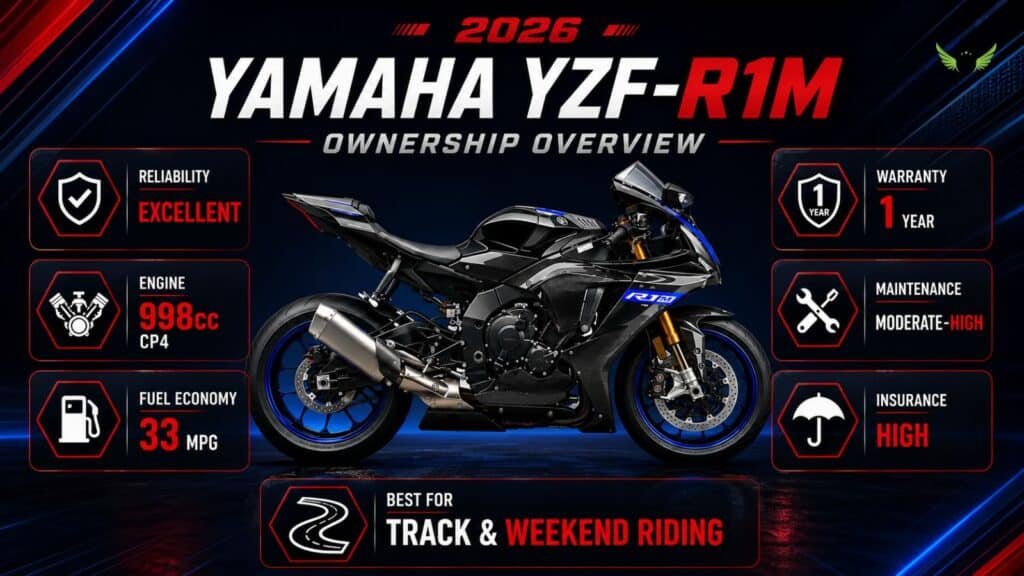
With regular oil changes, scheduled valve inspections, and quality replacement parts, this flagship superbike is capable of covering 30,000–50,000+ miles without major engine repairs according to long-term owner experiences. Community feedback consistently shows that motorcycles with complete service records are far more dependable than heavily modified or poorly maintained examples.
For long-term ownership, the most important factors are:
- Follow Yamaha’s maintenance schedule.
- Keep the engine stock or use proven aftermarket parts.
- Check recall history before purchasing a used bike.
- Inspect suspension electronics and maintenance records before buying.
Yamaha YZF-R1M Maintenance Cost
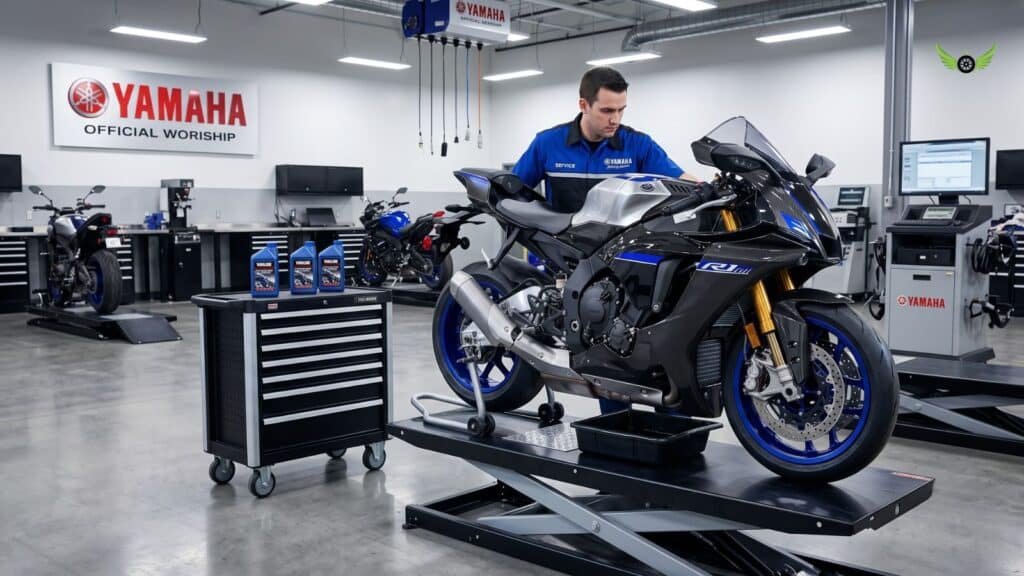
The Yamaha YZF-R1M costs more to maintain than a standard sportbike because of its premium components, including the Öhlins electronic suspension, Brembo braking system, and high-performance tires. Routine servicing is predictable, but consumables wear faster if the motorcycle is used on track. For most U.S. owners who ride primarily on the road, annual maintenance costs typically range from $700 to $1,500, excluding insurance and unexpected repairs.
Service Schedule
Yamaha recommends following regular service intervals to keep the CP4 engine and electronic systems performing reliably. The exact schedule may vary slightly depending on riding conditions.
Service Item | Recommended Interval |
Engine oil & oil filter | Every 4,000–6,000 miles or annually |
Air filter inspection | Every 12,000 miles (replace if needed) |
Spark plugs | Around 8,000–12,000 miles |
Valve clearance inspection | Around 26,000 miles |
Brake fluid | Every 2 years |
Coolant | Every 3 years |
Chain cleaning & lubrication | Every 500–600 miles or after riding in wet conditions |
Riders who frequently attend track days often shorten oil and brake fluid service intervals because of the higher operating temperatures.
Routine Maintenance Costs
Routine service expenses depend on whether the work is completed at home or by a Yamaha dealership. Labor rates in the U.S. vary, but the estimates below reflect typical dealership pricing.
Maintenance Item | Typical U.S. Cost |
Oil & filter service | $70–$120 |
Air filter replacement | $40–$90 |
Spark plug replacement | $120–$250 |
Valve clearance inspection | $500–$900 |
Brake fluid service | $80–$150 |
Coolant replacement | $100–$180 |
The valve clearance inspection is usually the most expensive scheduled service because it requires significant labor to access the engine.
Tire and Consumable Costs
The motorcycle leaves the factory with premium performance tires, which provide excellent grip but generally wear faster than sport-touring tires. Tire life depends heavily on riding style and track use.
Consumable | Typical U.S. Cost | Average Life* |
Front tire | $180–$280 | 5,000–8,000 miles |
Rear tire | $250–$380 | 3,000–5,000 miles |
Brake pads (set) | $120–$250 | Varies by riding style |
Chain & sprocket kit | $250–$450 | 15,000–20,000 miles |
*Track riding can reduce tire and brake life significantly.
Owners who ride aggressively or spend time on race circuits should expect higher annual maintenance costs because tires, brake pads, and chain components wear considerably faster under those conditions.
Yamaha YZF-R1M Ownership Costs
Owning the Yamaha YZF-R1M involves more than scheduled maintenance. Insurance, fuel, registration, and normal wear items make up the largest recurring expenses. Since it is a liter-class superbike, insurance premiums are typically higher than those for middleweight or sport-touring motorcycles, while fuel costs depend largely on annual mileage and riding style.
Insurance Costs
Insurance is usually the biggest annual expense after depreciation. Premiums vary based on age, riding history, ZIP code, coverage level, and whether the motorcycle is financed.
Coverage Type | Typical Annual Cost (USA) |
Liability only | $150–$500 |
Full coverage | $900–$2,000+ |
Because the R1M is a high-performance superbike, younger riders or those with limited riding experience often receive quotes at the upper end of the range. Comparing quotes from multiple insurers can significantly reduce ownership costs.
Fuel Costs
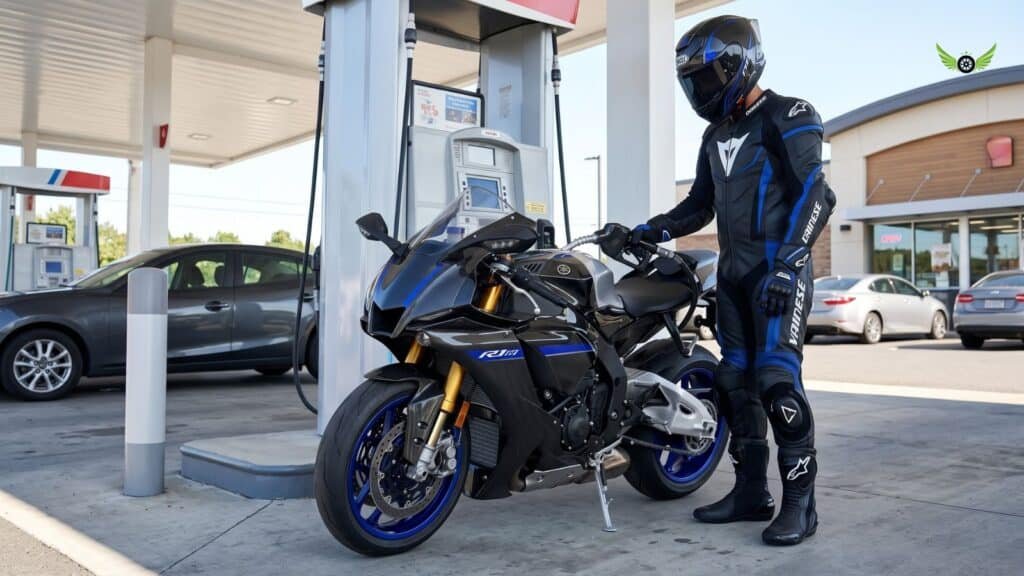
Yamaha estimates fuel economy at approximately 33 mpg for the current R1 platform. Actual mileage varies with riding style, traffic, and track use.
Using an average U.S. premium gasoline price of $4.00 per gallon, the estimated yearly fuel cost is:
Annual Mileage | Estimated Fuel Cost |
3,000 miles | ≈ $365/year |
5,000 miles | ≈ $610/year |
8,000 miles | ≈ $970/year |
Aggressive riding or frequent track days will increase fuel consumption.
Annual Ownership Costs
For a typical street rider in the U.S., the estimated annual ownership costs are:
Expense | Estimated Annual Cost |
Insurance | $900–$2,000+ |
Fuel | $365–$970 |
Routine maintenance | $700–$1,500 |
Registration & miscellaneous fees | $100–$300 |
Estimated Total | $2,100–$4,700+ per year |
These estimates exclude financing, depreciation, crash repairs, performance upgrades, and track-day expenses. Riders who cover fewer miles or perform basic maintenance themselves may spend less, while frequent track use can increase annual ownership costs substantially.
Is the Yamaha YZF-R1M Expensive to Own in 2026?
The 2026 Yamaha YZF-R1M belongs to Yamaha’s flagship supersport lineup, so ownership costs are naturally higher than those of entry-level or middleweight motorcycles. The motorcycle has an official MSRP of $27,899, and that price reflects the inclusion of premium components such as carbon-fiber bodywork, Öhlins Electronic Racing Suspension, Brembo braking hardware, and a comprehensive electronics package. These factory-installed components improve performance but also increase replacement and servicing costs over time.
Cost vs Value
The purchase price is high, but buyers receive a motorcycle that already includes many premium features which riders often add separately on other superbikes.
Factor | Assessment |
Purchase price | High |
Standard equipment | Premium |
Maintenance costs | Above average |
Long-term durability | Strong with scheduled maintenance |
Resale demand | Good for clean, well-maintained examples |
Best suited for | Track riders and performance enthusiasts |
From an ownership perspective, the R1M delivers its strongest value to riders who regularly use its advanced suspension, electronics, and chassis performance. If those features are unlikely to be used, a less expensive supersport may provide a better overall ownership experience for the money. Current U.S. listings also show that well-maintained R1M models continue to command strong resale prices, indicating stable demand in the used market.
New vs Used Buying Advice
A new motorcycle provides the latest factory specification and warranty protection, while a used model can reduce the initial purchase cost if it has been properly maintained.
New 2026 Model | Used Model |
Full Yamaha factory warranty | Lower purchase price |
No previous owner history | Better value after initial depreciation |
Latest factory specification | Confirm complete maintenance records |
No hidden crash or modification history | Inspect suspension, electronics, and carbon-fiber panels carefully |
Before purchasing a used example, verify the VIN, review the service history, and inspect the motorcycle for evidence of crash repairs or extensive track use. A documented maintenance history is generally a better indicator of long-term ownership quality than mileage alone.
FAQs About Yamaha YZF-R1M Reliability, Maintenance, and Ownership
Before buying a high-performance superbike, it’s natural to have questions about long-term reliability, maintenance expenses, insurance, fuel economy, and overall ownership costs. The answers below address the topics riders search for most, helping you make a more informed buying decision.
Is the Yamaha YZF-R1M reliable in 2026?
Yes. As of 2026, there are no widely reported model-specific reliability problems. With routine maintenance and genuine replacement parts, the CP4 engine has a strong reputation for long-term durability.
What are the most common Yamaha YZF-R1M problems?
The current model has no known widespread factory defects. For used motorcycles, buyers should inspect the electronic suspension, clutch condition, carbon-fiber bodywork, and service history before purchasing.
How much does it cost to maintain a Yamaha YZF-R1M?
Routine maintenance typically costs $700–$1,500 per year in the U.S., depending on annual mileage, dealership labor rates, and riding style. Track use usually increases maintenance expenses.
How often does the Yamaha YZF-R1M need servicing?
Oil and the oil filter are normally replaced every 4,000–6,000 miles or once a year. Yamaha also recommends scheduled inspections for valve clearance, coolant, brake fluid, chain, and other wear items.
Is the Yamaha YZF-R1M expensive to insure?
In most cases, yes. Insurance premiums are generally higher than average because it is a premium liter-class superbike. The final premium depends on the rider’s age, location, riding history, and coverage level.
How much does the Yamaha YZF-R1M cost to fuel?
The motorcycle is rated at approximately 33 mpg. Fuel costs vary with annual mileage and riding style, but owners who ride aggressively or attend track days should expect higher fuel expenses.
Is the Yamaha YZF-R1M expensive to own?
Ownership costs are higher than those of most motorcycles because of premium insurance, high-performance tires, and specialized components. However, riders who regularly use its advanced suspension and electronics often find the overall ownership experience worthwhile.
Is a used Yamaha YZF-R1M worth buying?
Yes, if it has a complete maintenance history and passes a professional inspection. Always verify the service records, inspect the suspension electronics, and check for crash or heavy track damage before buying.
Does the Yamaha YZF-R1M hold its resale value?
Generally, yes. Well-maintained motorcycles with low mileage, complete service records, and original factory parts usually retain their value better than heavily modified examples.
Who should buy the Yamaha YZF-R1M?
The R1M is best suited for experienced riders who want a premium superbike for spirited road riding or occasional track use. Riders looking for lower ownership costs or everyday commuting may be better served by a less specialized motorcycle.