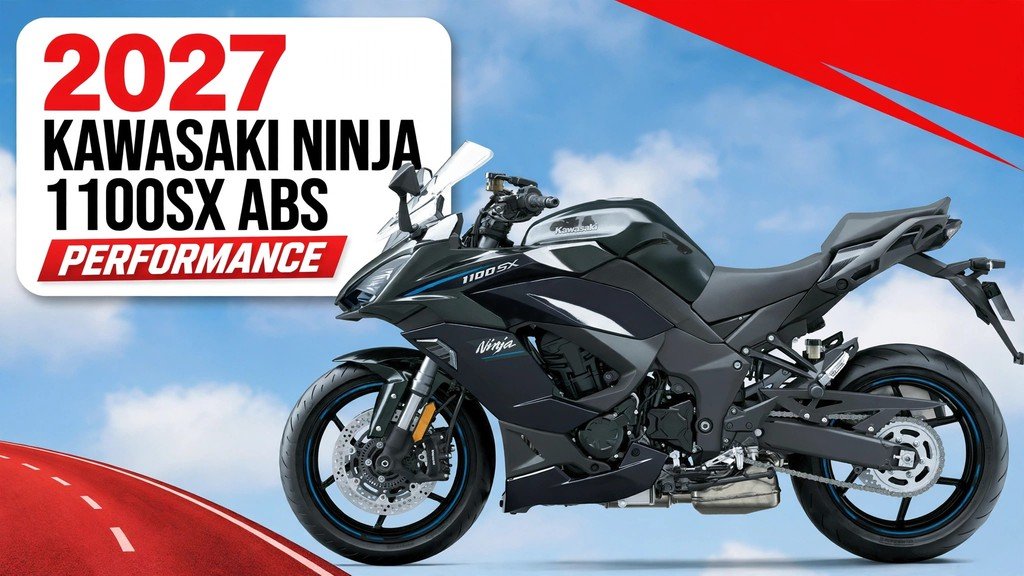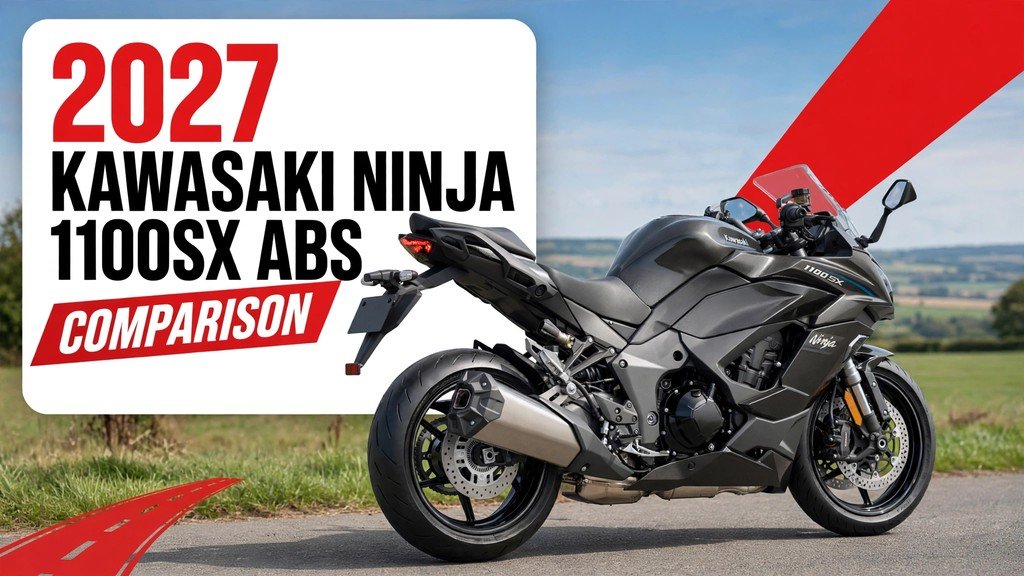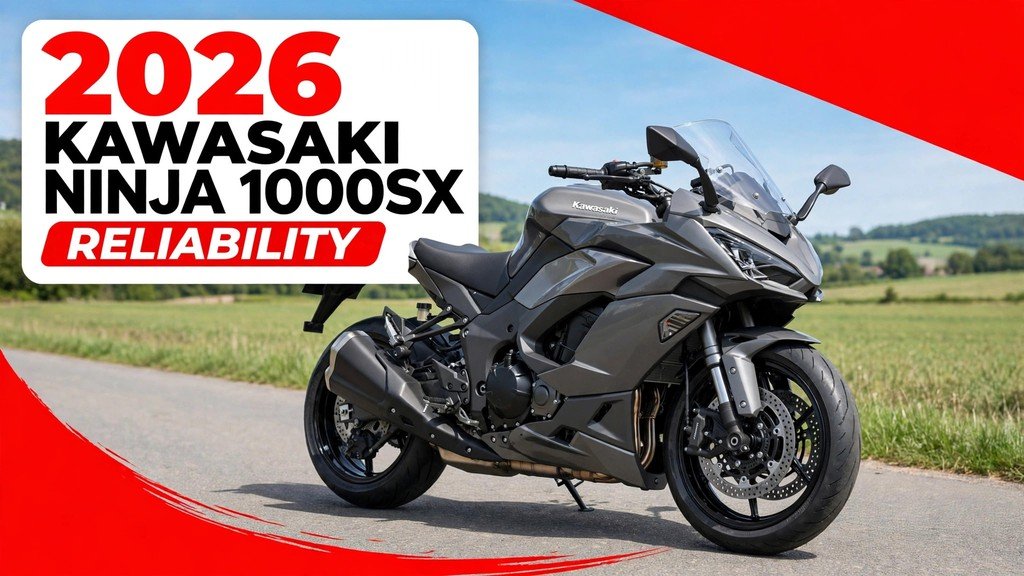
The short answer is yes: the Kawasaki Ninja 1000SX has a clean official record, with zero recalls and zero complaints on file with NHTSA across every model year checked, and a service schedule that asks for oil and plugs every 7,600 miles and a valve check every 15,000 miles. This Kawasaki Ninja 1000SX reliability guide separates the verified record from the forum rumours, because the two tell different stories. The bike’s one real quirk is a dash-code fault that appears when the rear wheel spins with the ignition on, and it is fixed with three short rides. Everything else is routine wear: chains, tyres, brake pads and pannier mounts.
Kawasaki Ninja 1000SX Reliability Overview
Fourteen model years, one engine family, and no recall on the record. That is the headline for this Kawasaki Ninja 1000SX reliability overview, and it is backed by the NHTSA database rather than by a forum thread. The 1,043cc inline-four is a long-serving design, and the electronics that arrived in 2017 and 2020 are the parts that need the most attention on a used bike, not the engine itself.
A Record Cleaner Than Aggregators Claim
NHTSA lists zero recalls and zero complaints for the Ninja 1000SX in the model years checked — 2011, 2014, 2017, 2020 and 2024 — and the same clean result for the earlier Ninja 1000 name in 2011, 2012, 2014 and 2017. Some aggregator sites list recalls against this bike, but those recalls belong to the ZX-10R, an unrelated 200-horsepower superbike, and this Kawasaki Ninja 1000SX reliability guide does not repeat them. The NHTSA recalls database answers by VIN, so a buyer can check any individual bike in a minute, and the official record is the one that counts.
How Mileage, Storage and Previous Care Affect Reliability
Mileage alone says little about this bike. A 2023 owner who sold after three and a half years and 14,680 miles reported no real mechanical problems, only routine maintenance, while a neglected low-mileage bike can hide a stretched chain, stale brake fluid and a dead battery. Storage matters more than the odometer: a bike kept indoors with fresh fluids and a service book ages far better than one left outside. This Kawasaki Ninja 1000SX reliability guide treats a full service history as the single best predictor of a trouble-free used bike, and our Kawasaki Ninja 1000SX review covers what to look for on a used gen-4 bike.
That long-term owner filmed his own selling story, and it is worth watching before judging the bike’s record. The video below follows a 2023 Ninja 1000SX after three and a half years and 14,680 miles, and the owner’s verdict is that the bike gave him no real mechanical problems, just routine maintenance. Watch the full story below.
Kawasaki Ninja 1000SX Common Problems and Wear Items
The honest list of problems is short, and every item on it is either a wear part or an owner-reported quirk. This Kawasaki Ninja 1000SX reliability section labels each one by its source, because a forum complaint and a factory defect are not the same thing.
Dash Codes After Rear-Wheel Spin
The best-known quirk affects 2020 bikes. Spinning the rear wheel with the ignition on — during a paddock wash, while lubing the chain on the side stand, or after muck gets on the rear-wheel sensor — can trigger a set of dash codes: a KTRC malfunction warning, power modes jammed, the quickshifter disengaged, an engine warning light, and a dead speedometer. The fix is simple: ride the bike for three 15-minute runs with the key out between rides, or ask a dealer to resync it with a diagnostic tool in about ten minutes. While the codes are active, the quickshifter, the power modes and the cruise control are unavailable. There is no centre stand on any generation, so chain work is a side-stand or paddock-stand job, and this Kawasaki Ninja 1000SX reliability guide warns owners never to spin the rear wheel with the ignition on. The Kawasaki Ninja 1000SX performance guide explains how to check for those dash codes before a test ride.
Clutch and Regulator Claims Unsubstantiated
Two failure claims circulate online about this bike — clutch trouble and regulator or rectifier failure — and neither has evidence behind it. No owner report, no service bulletin and no recall supports either claim, so this Kawasaki Ninja 1000SX reliability guide prints neither as a fact. The owner-reported issues that do have sources are smaller: the drive chain stretches quickly in the first year, the switchgear and cruise control can glitch, the auto timing-chain tensioner can stick, and the quickshifter can lurch at low rpm on the auto-blip downshift. Front brake pads have worn out by about 17,000 km on one owner-reported bike, and the windscreen adjust tab sits buried behind the brake reservoir, so it needs both hands and must never be adjusted while riding.

Kawasaki Ninja 1000SX Maintenance Schedule and Servicing
The schedule is simple and cheap to follow, which is half the reason the record is clean. This Kawasaki Ninja 1000SX reliability section follows the owner’s-manual intervals, and flags the one wrong figure that circulates online.
Valve Inspection at 15,000 Miles, US Figure
The valve clearance inspection falls due every 15,000 miles, or 24,000 km, and the US figure is confirmed by Rider magazine’s 2020 spec table. The published clearances from the 2011–2013 service manual are 0.22–0.31 mm on the exhaust side and 0.15–0.24 mm on the intake side, but the gen-4 manual values were not separately verified, so this Kawasaki Ninja 1000SX reliability guide labels those figures by generation and does not carry them forward as gen-4 numbers. A buyer should ask for the valve-check stamp in the service book, because a skipped 15,000-mile check is the most expensive item to catch up on.
Oil and Plugs Every 7,600 Miles
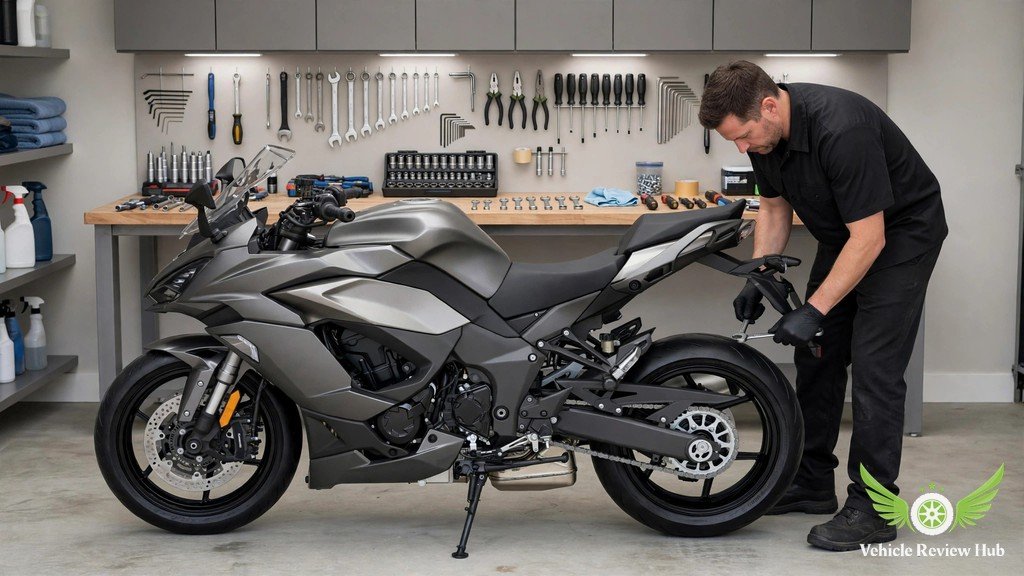
Engine oil and filter are due every 7,600 miles or 12,000 km, or annually, whichever comes first, and the spark plugs fall due at the same 7,600-mile interval. The first service is at 600 miles, the chain needs cleaning and lubrication every 400 miles, and the oil is 10W-40 with a 3.2-litre capacity including the filter. One figure online is wrong: a site that lists a 6,000-mile oil interval does not match the owner’s manual, and this Kawasaki Ninja 1000SX reliability guide prints the 7,600-mile figure only.
| Service item | Interval | Notes |
|---|---|---|
| First service | 600 miles | Oil and filter change, full check |
| Engine oil and filter | Every 7,600 miles or annually | 10W-40, 3.2 litres with filter |
| Spark plugs | Every 7,600 miles | Same interval as the oil change |
| Valve clearance inspection | Every 15,000 miles | US figure, confirmed by Rider 2020 |
| Chain clean and lube | Every 400 miles | 600 km; never spin the wheel with the ignition on |
Notes for this Kawasaki Ninja 1000SX reliability table: all intervals come from the owner’s manual, and the 15,000-mile valve figure is the US number. The 6,000-mile oil interval printed by one site is wrong and is not in this table.
Kawasaki Ninja 1000SX Tires, Brakes and Suspension Maintenance
Tyres, brakes and suspension are where a used Ninja 1000SX shows its age first, because these are the parts the previous owner either maintained or ignored. This Kawasaki Ninja 1000SX reliability section covers what wears, what to measure, and what to budget for.
Chain, Sprockets and Pannier Mount Wear
The chain is the fastest-wearing item on the bike. Owners report that it stretches quickly in the first year, so a used bike needs its chain slack and sprocket teeth checked before any money changes hands, and the chain needs cleaning and lubrication every 400 miles. The pannier mounts deserve the same attention: the 28-litre saddlebags are a paid accessory, not standard kit, and their mounts take the load of a full touring setup. A top box and side bags cannot be used together, so a buyer should check which luggage the bike actually carries. This Kawasaki Ninja 1000SX reliability guide treats a worn chain and hooked sprockets as a bargaining point, not a deal-breaker, because both are cheap wear parts.
Tire, Brake and Suspension Checks That Matter
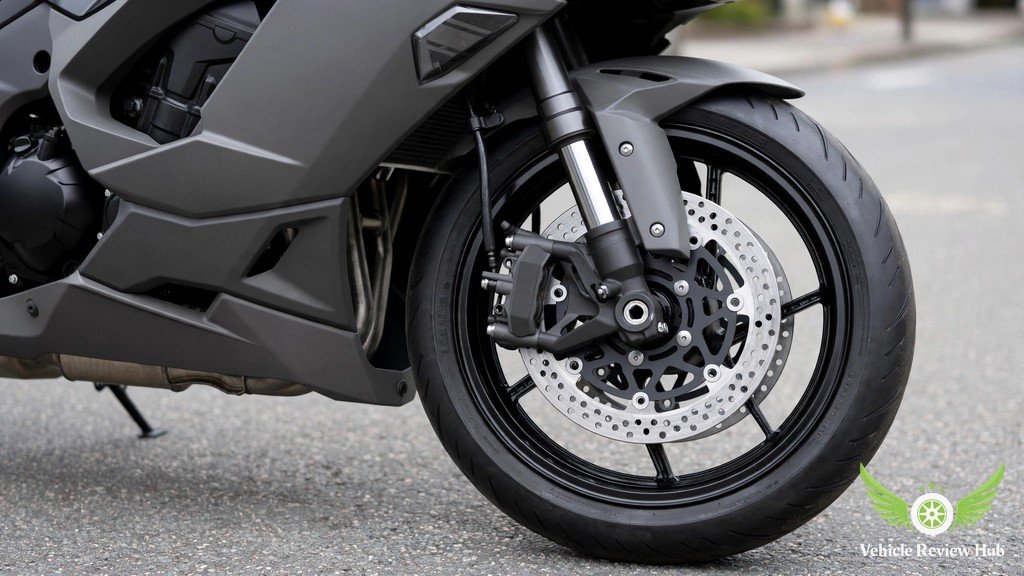
The gen-4 bike runs Bridgestone Battlax S22 tyres in 120/70 ZR17 front and 190/50 ZR17 rear, and the 2022 showdown testers advised fitting a 190/55 rear tyre instead for better handling. The brakes are dual 300 mm front discs with Tokico radial-mount four-piston calipers and a 250 mm rear disc, backed by KIBS cornering ABS, and front pads have worn out by about 17,000 km on one owner-reported bike. The suspension is the weak link: a 41 mm inverted Showa fork up front, and a rear shock with only three turns of rebound adjustment and no compression adjustment at all. A buyer should check fork seals for leaks, pad thickness front and rear, and tyre age as well as tread, because this Kawasaki Ninja 1000SX reliability guide counts tyres that age out before they wear out as a real cost.
Kawasaki Ninja 1000SX Maintenance and Ownership Costs
Running a Ninja 1000SX costs less than its litre-class rivals suggest, because the service intervals are long and the parts are shared across fourteen model years. This Kawasaki Ninja 1000SX reliability section prices what can be priced and refuses to invent the rest.
Fuel, Routine Servicing, Tires and Replacement Parts
Fuel is the biggest running cost. Rider magazine averaged 37.6 mpg for about 185 miles from the 5.0-gallon tank, and premium fuel is recommended for the 11.8:1 compression ratio. Routine servicing follows the 7,600-mile oil and plug interval and the 15,000-mile valve check, and dealer labour rates vary too much by region to quote a single figure here. Tyres are the next cost: a set of Battlax S22 rubber in 120/70 front and 190/50 rear, with the 190/55 rear that testers recommend. The paid accessories are the only prices worth printing: heated grips cost $298.95 and the 28-litre saddlebags cost $1,129.95 each at 2020 prices, and neither was ever standard kit. The warranty is a 12-month limited cover, with Kawasaki Protection Plus available in 12, 24, 36 and 48-month terms. No verified used-price table exists for this bike, so this Kawasaki Ninja 1000SX reliability guide prints no used prices, and the Kawasaki Ninja 1000SX comparison prices the new-bike alternatives instead.
| Running cost | Interval or figure | Notes |
|---|---|---|
| Fuel | 37.6 mpg average, about 185 miles per tank | Premium fuel recommended, 5.0-gallon tank |
| Engine oil and filter | Every 7,600 miles or annually | 10W-40, 3.2 litres with filter |
| Spark plugs | Every 7,600 miles | Same interval as the oil change |
| Tyres | 120/70 front, 190/50 rear | Battlax S22 from 2020; 190/55 rear advised |
| Chain and sprockets | Wear item, stretches quickly in year one | Clean and lube every 400 miles |
| Heated grips, saddlebags | $298.95 grips, $1,129.95 per bag, 2020 prices | Paid accessories, never standard |
Notes for this Kawasaki Ninja 1000SX reliability table: fuel economy is Rider magazine’s 2020 average, and the accessory prices are the verified 2020 figures. No used prices are printed, because no verified used-price table exists for this bike.
ZX-10R Recalls Are Not This Bike
This heading exists because the confusion is that common. Aggregator sites attach ZX-10R recalls to the Ninja 1000SX, and the ZX-10R is an unrelated 200-horsepower superbike with its own recall record. The Ninja 1000SX has zero recalls and zero complaints on file with NHTSA for every model year checked, and this Kawasaki Ninja 1000SX reliability guide states that plainly so buyers are not scared off by another bike’s history. A buyer who wants certainty should check the VIN on the NHTSA site before signing, because that check takes a minute and settles the question for that exact bike.
| Model year | NHTSA recalls | NHTSA complaints |
|---|---|---|
| 2011 Ninja 1000SX | 0 | 0 |
| 2014 Ninja 1000SX | 0 | 0 |
| 2017 Ninja 1000SX | 0 | 0 |
| 2020 Ninja 1000SX | 0 | 0 |
| 2024 Ninja 1000SX | 0 | 0 |
Notes for this Kawasaki Ninja 1000SX reliability table: the counts are NHTSA figures for the Ninja 1000SX nameplate, and the earlier Ninja 1000 name shows the same zero result for 2011, 2012, 2014 and 2017. The NHTSA API returns these zero counts in the body of its response, and any ZX-10R recall listed against this bike belongs to the superbike, not to this sport-tourer.

How to Keep a Kawasaki Ninja 1000SX Reliable
Nothing about this bike demands special care, which is why most owners report so little trouble. This Kawasaki Ninja 1000SX reliability section collects the habits that keep the record clean, and the one check that matters most on the oldest bikes.
Preventive Maintenance, Records and Regular Inspections
Follow the book and the bike follows you. Change the oil and filter every 7,600 miles, change the plugs at the same interval, and do not skip the 15,000-mile valve inspection. Clean and lube the chain every 400 miles, and never spin the rear wheel with the ignition on while doing it. Keep every receipt and stamp in the service book, because a documented history is worth more than a low odometer reading at resale. Inspect the bike regularly: fork seals, brake pad thickness, tyre age, coolant and brake fluid condition, and the pannier mounts. The successor is already on sale — the Kawasaki Ninja 1100SX page lists the new bike — but a well-kept 1000SX does the same job for thousands less, and this Kawasaki Ninja 1000SX reliability guide calls a full service history the best money a buyer can spend.
The 2011 Bikes Have No ABS
The oldest bikes in the range need one extra check. The 2011 bikes have no ABS, so a buyer looking at a gen-1 bike should test the brakes carefully and ride with the extra caution that non-ABS braking demands in the wet. ABS became standard on the later generations, and whether it was an option on the 2012–2013 bikes was not verified, so a buyer should check the individual bike rather than assume. A 2011 bike is also the oldest, heaviest-wearing example of the model, so the chain, suspension and service history matter even more. This Kawasaki Ninja 1000SX reliability guide recommends the gen-4 bikes most, but a clean 2011 with records is still a sound buy for a rider who understands what it does not have.
Kawasaki Ninja 1000SX Reliability: Frequently Asked Questions
Direct answers to the Kawasaki Ninja 1000SX reliability questions buyers ask most.
Does the Kawasaki Ninja 1000SX have any recalls?
No. NHTSA lists zero recalls and zero complaints for the Ninja 1000SX in the model years checked — 2011, 2014, 2017, 2020 and 2024 — and this Kawasaki Ninja 1000SX reliability guide states that plainly. Any recall listed against this bike on an aggregator site belongs to the ZX-10R, an unrelated superbike.
How often does the Kawasaki Ninja 1000SX need valve checks?
Every 15,000 miles, or 24,000 km. That is the US figure, confirmed by Rider magazine’s 2020 spec table, and this Kawasaki Ninja 1000SX reliability guide treats the valve-check stamp in the service book as the most important record to ask for.
How often should I change the oil on a Kawasaki Ninja 1000SX?
Every 7,600 miles or 12,000 km, or annually, whichever comes first, with the filter changed at the same time. The spark plugs fall due at the same interval, and this Kawasaki Ninja 1000SX reliability guide warns against the wrong 6,000-mile figure printed by one site.
What are the common problems with the Kawasaki Ninja 1000SX?
The list is short: dash codes after spinning the rear wheel with the ignition on, a chain that stretches quickly in the first year, occasional switchgear and cruise-control glitches, and a quickshifter that can lurch at low rpm. Clutch and regulator failure claims have no evidence behind them, and this Kawasaki Ninja 1000SX reliability guide does not print them as facts.
What causes dash codes on a 2020 Kawasaki Ninja 1000SX?
Spinning the rear wheel with the ignition on, usually during a wash or a chain lube on the side stand, or muck on the rear-wheel sensor. The fix is three 15-minute rides with the key out between them, or a dealer diagnostic resync in about ten minutes, and this Kawasaki Ninja 1000SX reliability guide notes that the quickshifter, power modes and cruise control stay unavailable while the codes are active.
Does the Kawasaki Ninja 1000SX have ABS?
Yes, except for the 2011 bikes, which have no ABS. ABS became standard on the later generations, and this Kawasaki Ninja 1000SX reliability guide advises buyers to check the individual bike for 2012–2013 models, because ABS availability for those years was not verified.
How long does a Kawasaki Ninja 1000SX last?
No verified high-mileage record exists for this bike, so no round number is printed here. One owner sold a 2023 bike after three and a half years and 14,680 miles with no real mechanical problems, and this Kawasaki Ninja 1000SX reliability guide treats a full service history as the best predictor of a long life.
Is the Kawasaki Ninja 1000SX expensive to maintain?
No. The intervals are long — oil and plugs every 7,600 miles, valves every 15,000 — and the parts are shared across fourteen model years. The main costs are fuel at 37.6 mpg, tyres and the chain, and this Kawasaki Ninja 1000SX reliability guide prints no dealer labour figure because rates vary too much by region.
What tyres does the Kawasaki Ninja 1000SX use?
Bridgestone Battlax S22 tyres in 120/70 ZR17 front and 190/50 ZR17 rear on the gen-4 bike, and this Kawasaki Ninja 1000SX reliability guide repeats the showdown testers’ advice to fit a 190/55 rear tyre for better handling.
Does the Kawasaki Ninja 1000SX have a centre stand?
No. No generation has a centre stand, so chain work is a side-stand or paddock-stand job, and this Kawasaki Ninja 1000SX reliability guide warns owners never to spin the rear wheel with the ignition on while doing it.
Is the Kawasaki Ninja 1000SX reliable for touring?
Yes. The clean NHTSA record, the long service intervals and the 185-mile range from the 5.0-gallon tank all point the same way, and this Kawasaki Ninja 1000SX reliability guide calls the gen-4 bike the best touring pick of the range.
Should I buy a used Kawasaki Ninja 1000SX?
Yes, if the service book is complete. Check the valve-check stamp, the chain and sprockets, the dash for codes, and the NHTSA record by VIN, and this Kawasaki Ninja 1000SX reliability guide calls a well-kept gen-4 bike the class value pick.