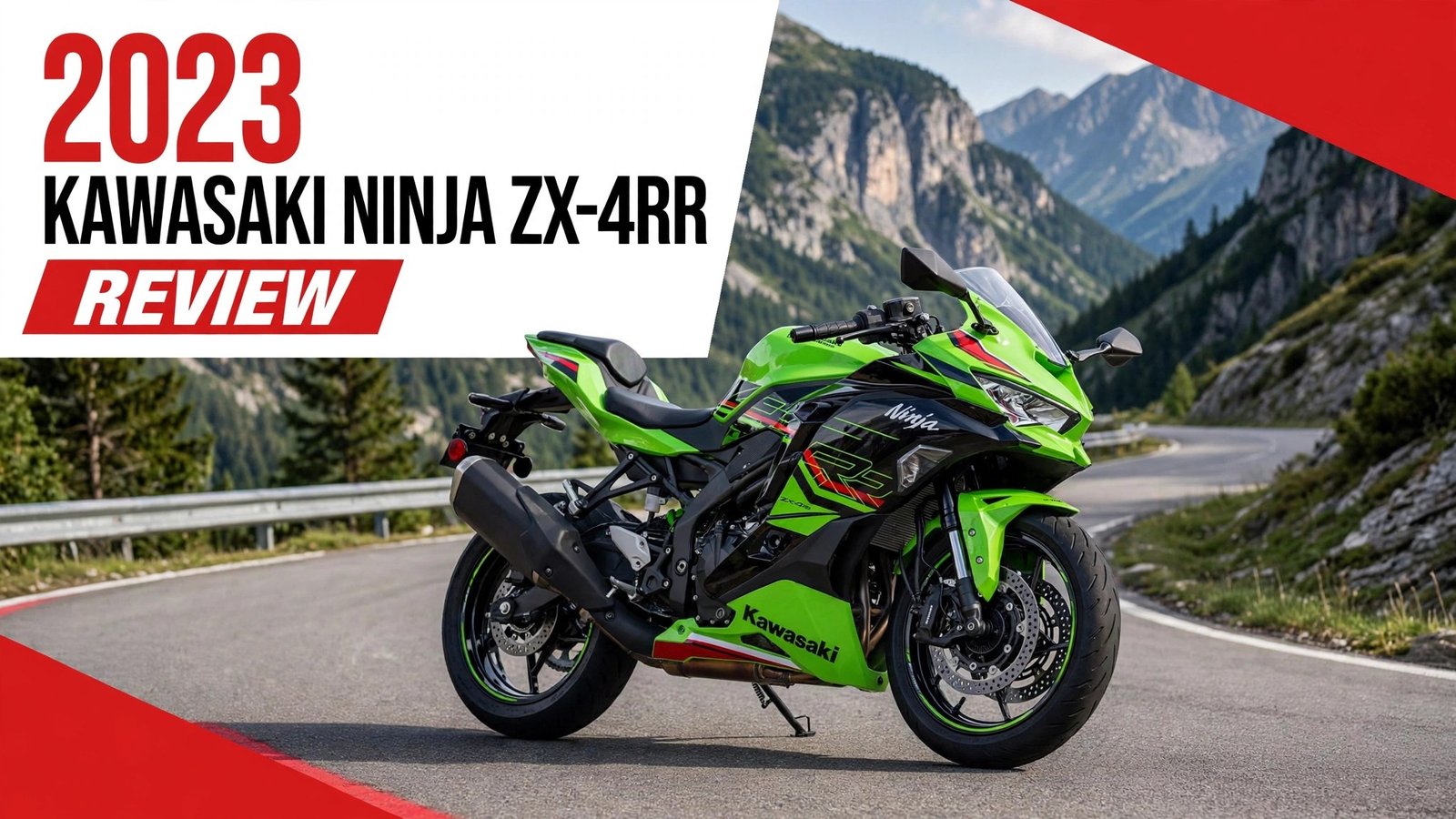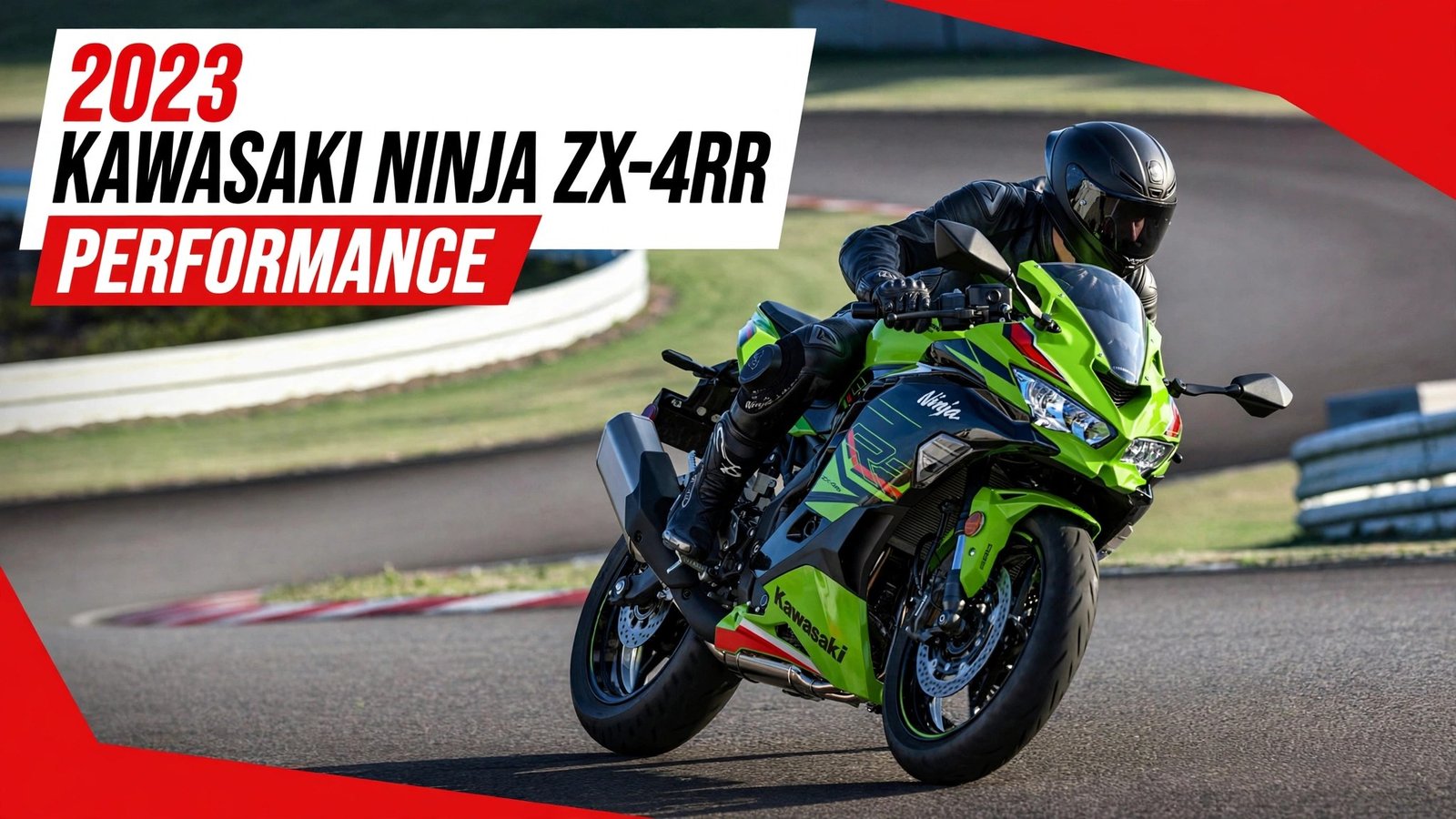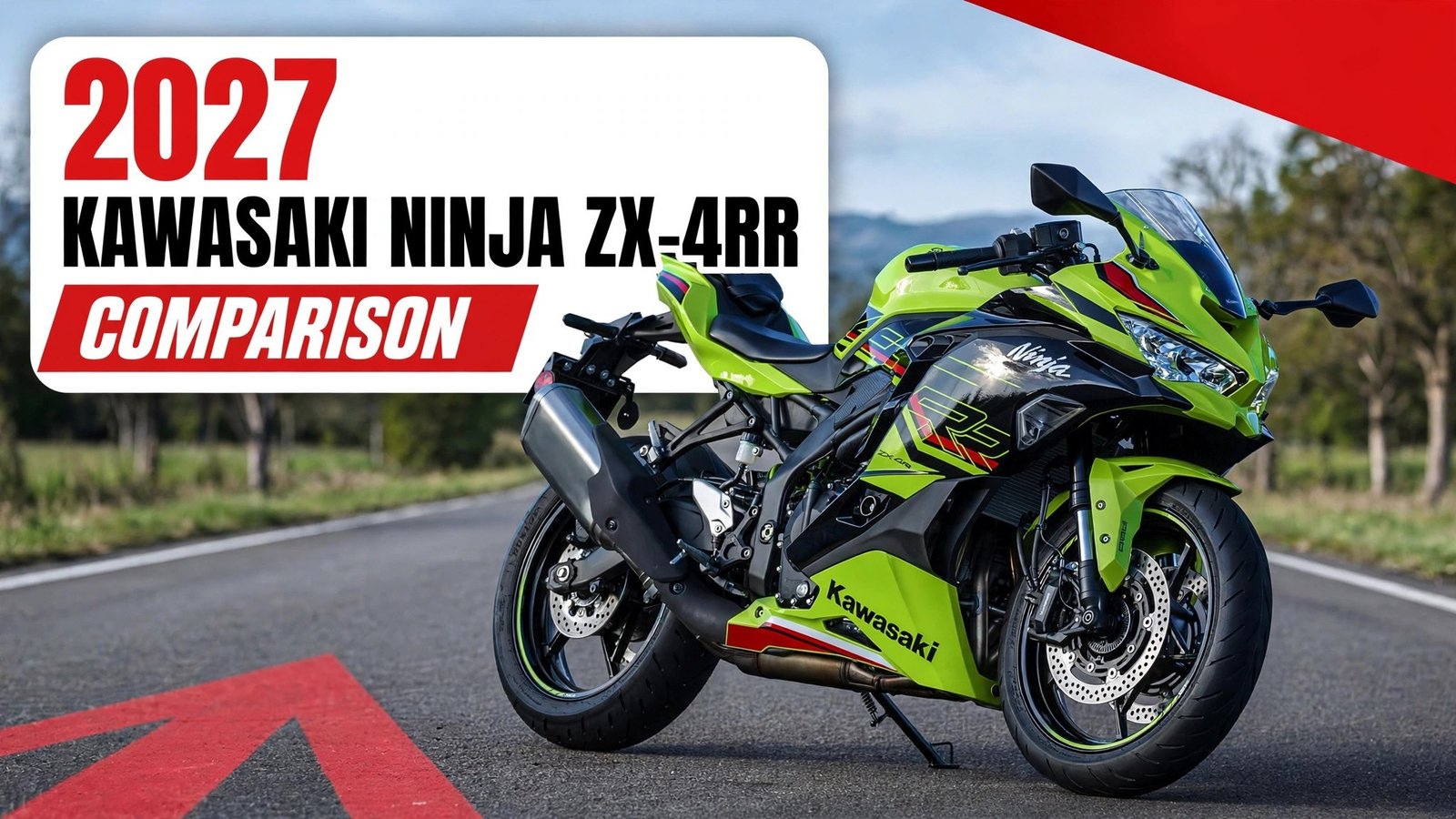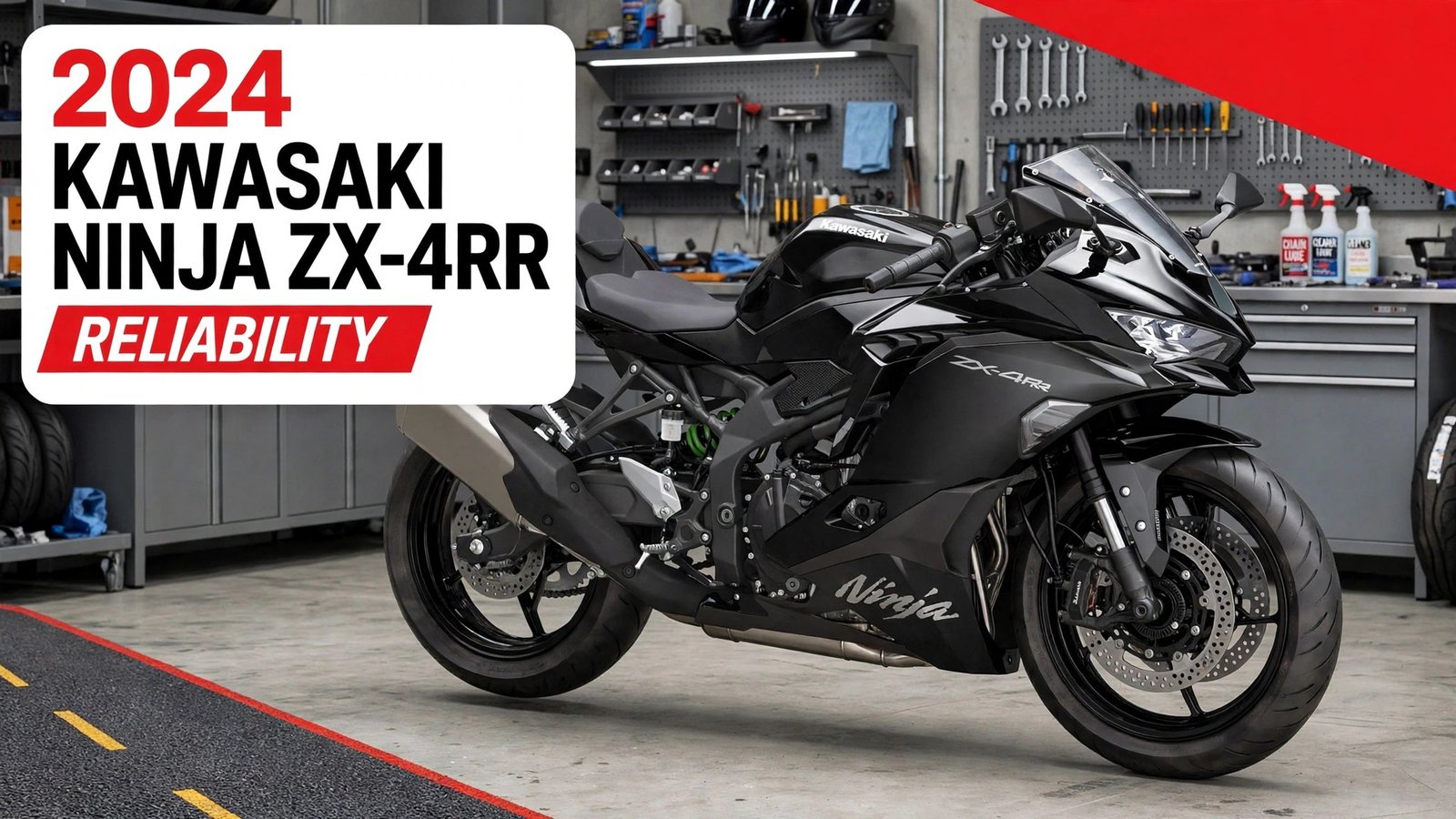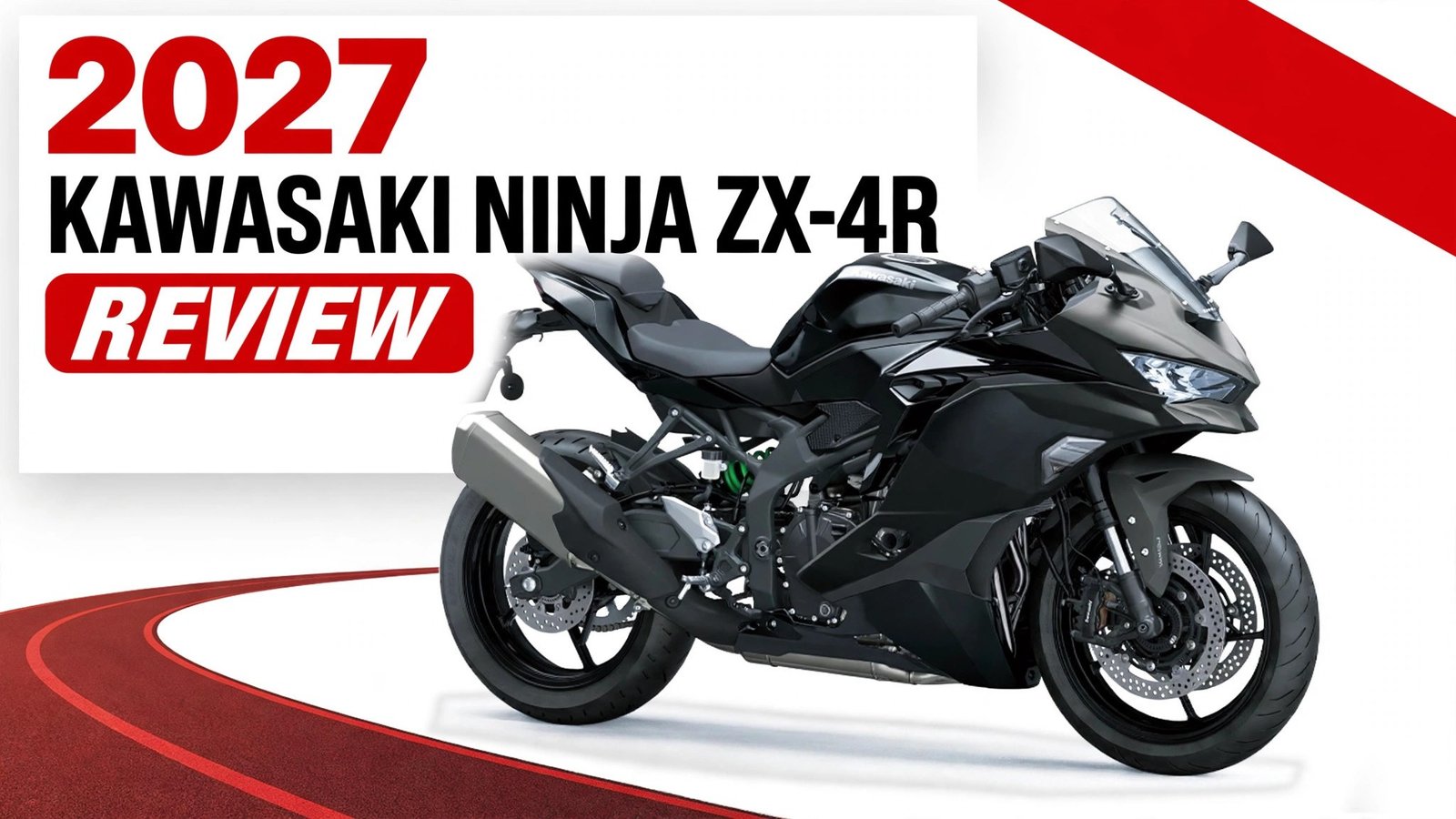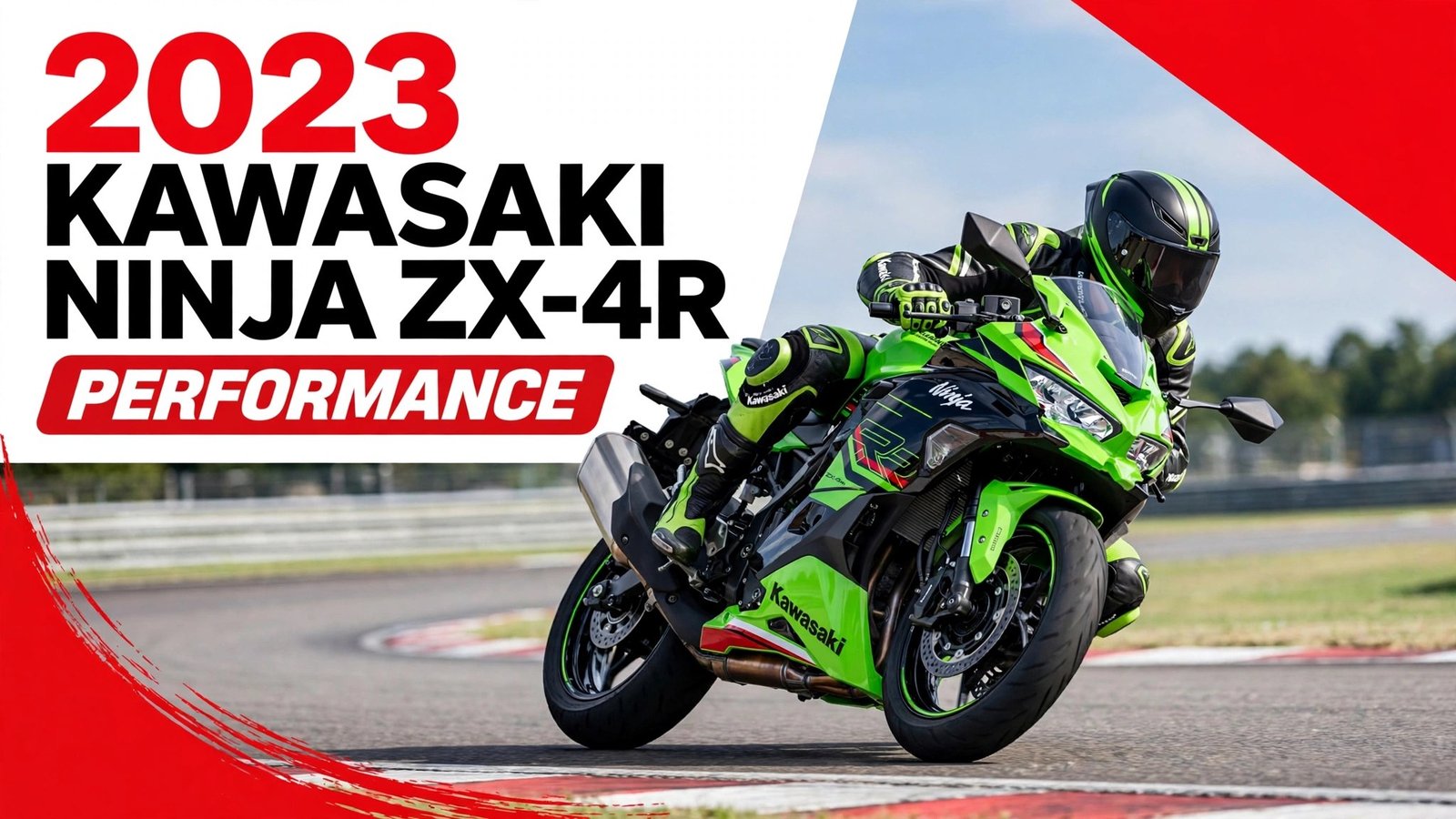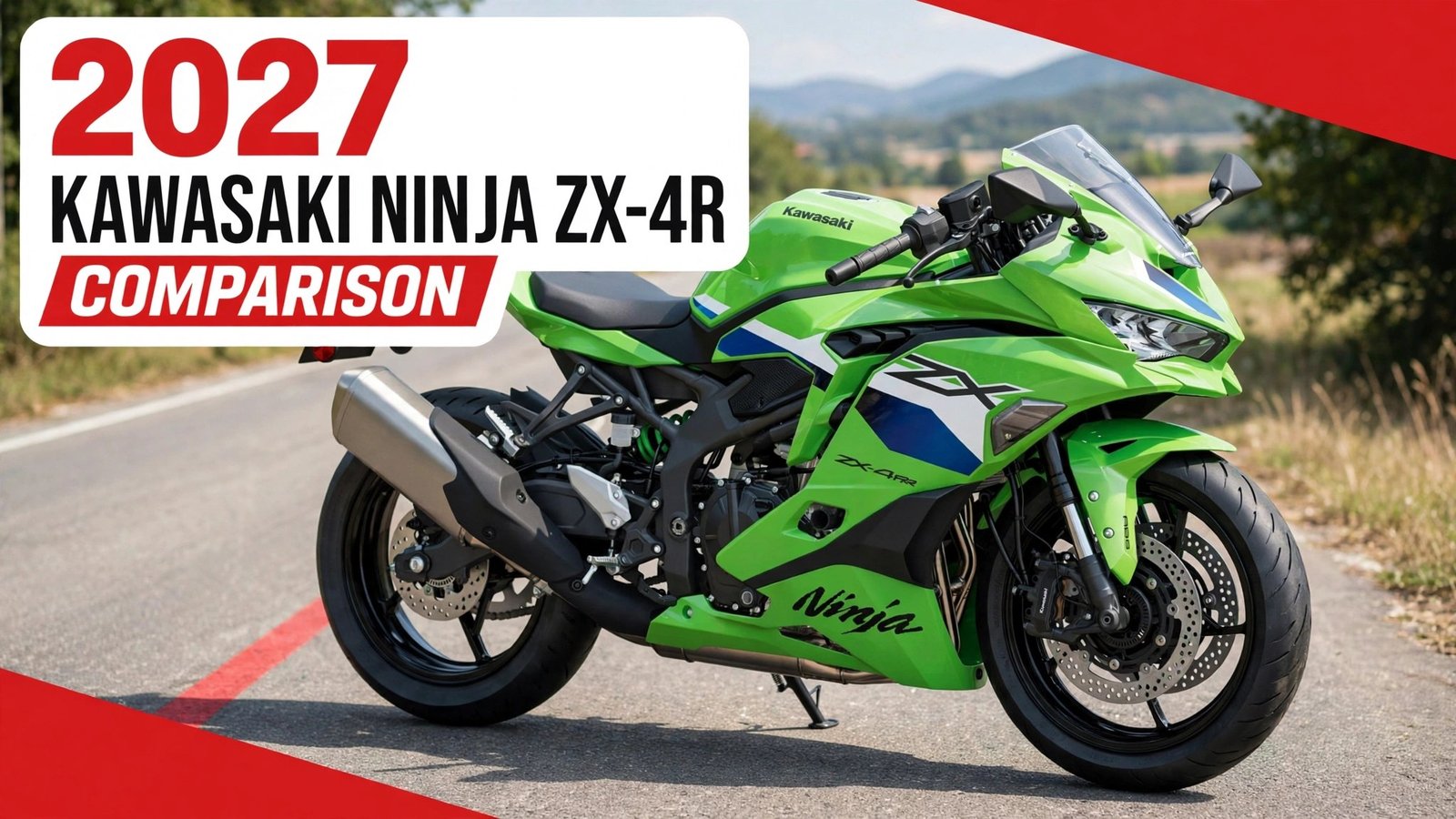
A 2023-or-newer Kawasaki Ninja ZX-4R asks more of its owner at service time than any other Ninja: four spark plugs, changed at every service, every 7,600 miles. That single fact shapes this Kawasaki Ninja ZX-4R reliability guide, because the rest of the record is short and mostly clean. There is no ten-year history to cite and no documented pattern of engine failures. What this Kawasaki Ninja ZX-4R reliability guide does instead is print the schedule as Kawasaki wrote it, name the two recalls with their real unit counts, and tell a used-bike buyer what to check before paying.
Kawasaki Ninja ZX-4R Reliability Overview
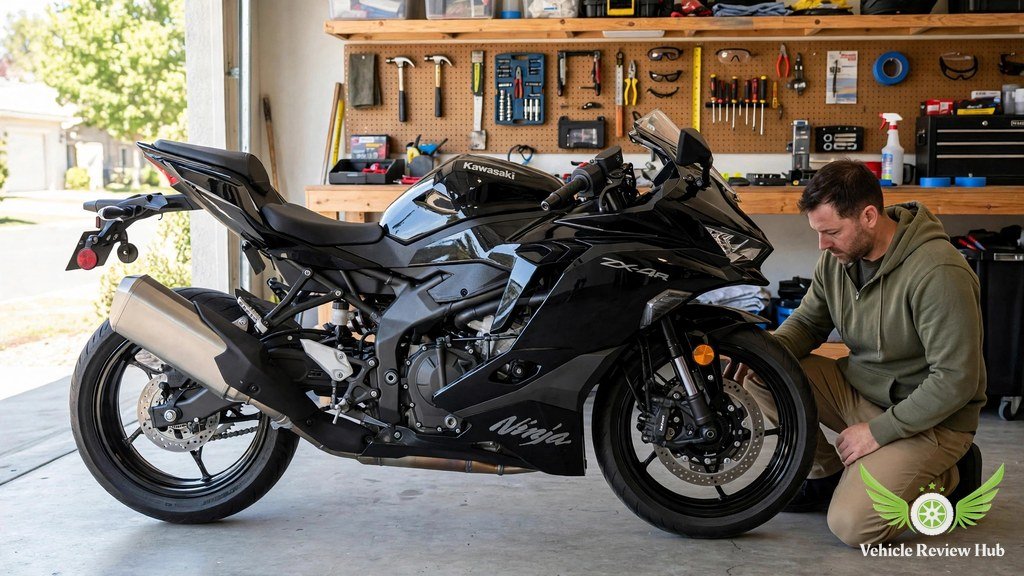
The ZX-4R is a new platform — America first saw it as the 2023 ZX-4RR KRT Edition, and the plain R only joined the range for 2024 — so its record is short. This Kawasaki Ninja ZX-4R reliability overview starts with what the record shows: two early recalls, one bulletin, a demanding service schedule, and no documented failure pattern. The ZX-4R review covers the model-year history and prices; this Kawasaki Ninja ZX-4R reliability guide covers what it costs to keep the bike right.
Plugs Changed at Every Service
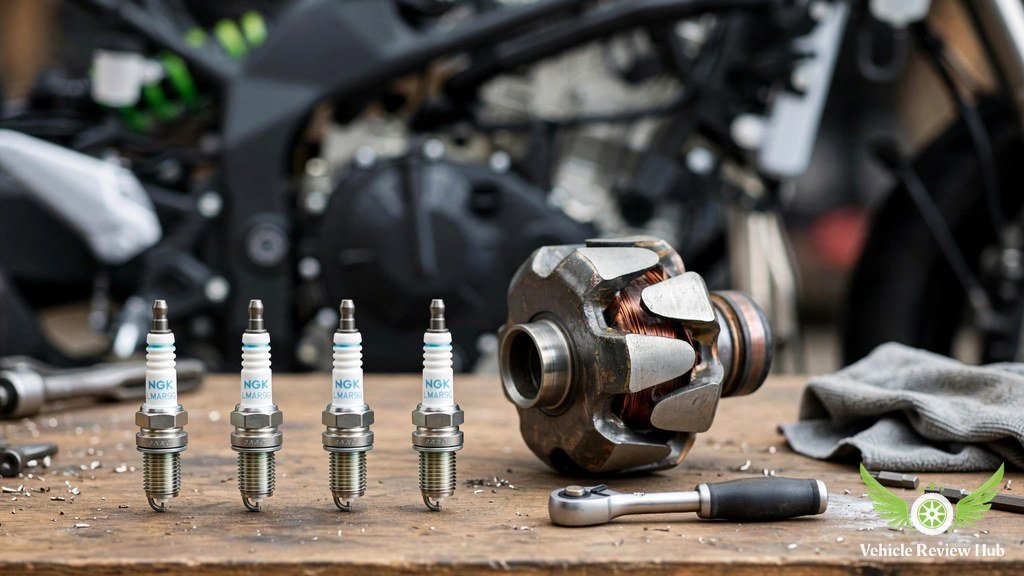
Per the owner’s manual chart, at every service — the 600-mile break-in, then 7,600, 15,200, 22,800 and 30,400 miles — the spark plugs are changed, all four, with the oil and filter. The plugs are NGK LMAR9G, gap 0.7–0.8 mm, Kawasaki part number 92070-0716. That is four plugs every 7,600 miles, forever. No other Ninja in this line changes four plugs at every service — the Ninja 500 twin changes two. The plugs are the recurring parts cost of this Kawasaki Ninja ZX-4R reliability story.
How Mileage, Storage and Previous Care Affect Reliability
Service history matters more than mileage on a ZX-4R, because plugs and oil are due every 7,600 miles or every year. A low-mileage bike that skipped its annual service is worse than a high-mileage bike with records. Buy a bike with the recall work documented and check the VIN against the NHTSA recalls database before paying. A 2023 RR KRT needs the drain-hole bulletin and the alternator-rotor recall verified; a 2024 R or RR needs the spark-plug recall verified. Storage matters too: the drain-hole issue is about water sitting in the frame after rain or washing, so a bike stored outdoors uncovered deserves a frame inspection for paint delamination. No failure rates, repair bills or reliability scores are printed in this Kawasaki Ninja ZX-4R reliability guide, because none was published.
Kawasaki Ninja ZX-4R Common Problems and Wear Items
There is no documented pattern of engine or electronics failures for the ZX-4R, and no owner-forum epidemic. The honest list is short: two recalls, one bulletin, and one tune characteristic that is not a fault. This Kawasaki Ninja ZX-4R reliability section names all four and nothing else — it invents no common-problems list, and imports no problems from the Ninja 400, the ZX-6R or the ZX-25R.
Two Recalls, Both Early
Both ZX-4R recalls are early-production campaigns, both fixed free. First, a warning: the NHTSA recalls API returns a Count:0 body for the ZX-4R and ZX-4RR for every model year, and that zero is false — both campaigns below are verified from the Part 573 reports. The working control is the 2024 Ninja 500, which the same API returns as Count:1, campaign 25V146000. Never write in this Kawasaki Ninja ZX-4R reliability guide that NHTSA shows zero recalls for this bike as proof of a clean record. The two campaigns, with their real numbers, are in the table.
| Campaign | Units | Bikes covered | Defect | Remedy (free) |
|---|---|---|---|---|
| 23V-515 | 991 | 2023 ZX-4RR KRT Edition only | Alternator rotor bolt can loosen; engine may stall | Inspect and re-affix rotor; tighten bolt 59 then 66 ft·lb |
| 24V-221 | 1,579 | 2023 RR KRT (999) + 2024 R ABS (140) + 2024 40th Anniversary (120) + 2024 RR ABS (180) + 2024 RR KRT (140) | Spark plugs cracked during manufacture; unstable idle, hesitation, stall | Replace all four spark plugs (NGK LMAR9G) |
Note: Both recalls are fixed free and verified from the Part 573 reports, not the NHTSA API, which returns Count:0 for this bike — and that zero is false. This Kawasaki Ninja ZX-4R reliability table prints the campaign split exactly as the reports do.
Plateau Is Tune, Not a Fault
The power plateau above about 11,500 rpm — the flat spot where the US bike stops building power — is the North American noise-emissions tune, not a mechanical fault. RevZilla’s first ride calls it “the unmistakable flat-spot in power above about 11,500 rpm. It’s a noise-emissions thing, we’re told.” Ultimate Motorcycling notes power trailing off with the North American state of tune, and Motorcycle.com records the drop-off around 14,000 rpm. A used-bike buyer who feels the flat spot is feeling the stock tune working as designed, and this Kawasaki Ninja ZX-4R reliability guide does not list the plateau as a common problem. The only way to remove it is an ECU flash, covered in the ZX-4R performance guide — and a flash voids the warranty and is not street legal.
Kawasaki Ninja ZX-4R Maintenance Schedule and Servicing
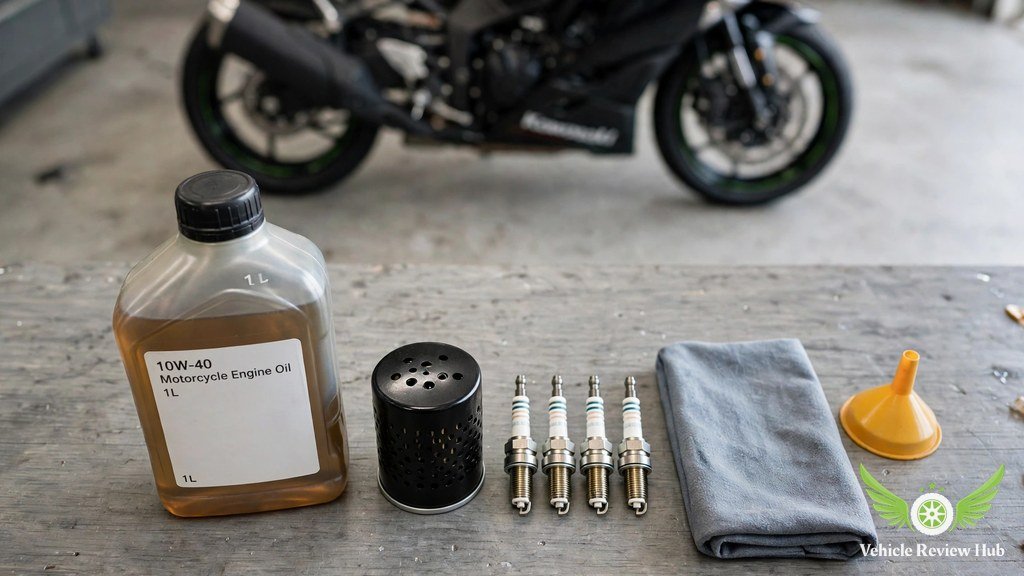
Every interval in this Kawasaki Ninja ZX-4R reliability guide comes from the ZX-4R’s own owner’s manual and service manual — never from another model’s book. The Ninja 500’s chain slack, the Ninja 650’s intervals and the Ninja 400’s oil capacity are all different, and none of them appears in this Kawasaki Ninja ZX-4R reliability schedule. Service is due every 7,600 miles or annually, and the work at each visit is heavier than on any twin in the Ninja line.
| Item | Interval / specification |
|---|---|
| Service interval | Every 7,600 mi / 12,000 km or annually, whichever comes first |
| Break-in service | 600 mi / 1,000 km — oil + filter + plugs + checks |
| Engine oil + filter | Change at EVERY service; 2.7 L with filter, 2.5 L drain-only; SAE 10W-40, JASO MA2 |
| Spark plugs | Change at EVERY service — NGK LMAR9G × 4, gap 0.7–0.8 mm; Kawasaki P/N 92070-0716 |
| Valve clearance check | Every 15,200 mi / 24,000 km; intake 0.16–0.22 mm, exhaust 0.28–0.34 mm |
| Air filter element | Change at 15,200 mi and every 15,200 mi after; P/N 11013-0812 |
| Oil filter | Kawasaki 16097-0008 |
| Brake fluid | Change every 2 years |
| Coolant | Change every 3 years |
| Idle speed | Check at every service — target 1,400 ± 100 rpm |
| Drive chain | 520 sealed O-ring chain; slack standard 25–35 mm (1.0–1.4 in.), measured on the side stand; rear axle nut 98 Nm / 72 lb-ft |
Note: The chain-slack figure above is the service manual’s standard — 25–35 mm. One secondary source lists 20–30 mm, but that is not the manual’s figure. Sprocket teeth and link counts are left out — not verified from the service manual. This Kawasaki Ninja ZX-4R reliability table prints only what the bike’s own manuals state.
Cash Fixes Cars walks through a DIY oil-and-filter change on the ZX-4R and ZX-4RR — the exact job this Kawasaki Ninja ZX-4R reliability guide puts at the centre of every service:
23V-515: Alternator Rotor Bolt
This recall covers the 2023 ZX-4RR KRT Edition only, and it does NOT cover the plain ZX-4R. Campaign 23V-515 covers 991 units built January 11 to March 29, 2023, VIN range ML5ZXCS11PDA00082 to ML5ZXCS10PDA01482. The defect: the alternator rotor connection can loosen, and the engine may stall while riding. The remedy, Kawasaki campaign MC23-06: inspect and re-affix the rotor, tightening the bolt in two stages, 59 ft·lb then 66 ft·lb. Owner letters went out August 14, 2023, and a stop-sale notice was issued. By the third quarter of 2024, 710 of the 991 bikes had been remedied. A buyer of a 2024 or later R does not need this recall checked; a buyer of a 2023 RR KRT must have it verified before paying — this Kawasaki Ninja ZX-4R reliability guide says so plainly.
24V-221: Plugs Replaced Free
The plain ZX-4R IS covered by this one — 140 units of the 2024 ZX-4R ABS — so a 2024 R buyer must check the VIN for 24V-221, as this Kawasaki Ninja ZX-4R reliability guide stresses. The campaign covers 1,579 units: 999 from the 2023 ZX-4RR KRT Edition, 140 from the 2024 ZX-4R ABS, 120 from the 2024 40th Anniversary Edition, 180 from the 2024 ZX-4RR ABS and 140 from the 2024 ZX-4RR KRT Edition, all built January 11 to November 14, 2023. The defect: plugs cracked during manufacture by a tilted tightening tool — unstable idle, hesitation, stall. The remedy is free — replace all four plugs with NGK LMAR9G, part 92070-0716, kit 99999-0939 — under Kawasaki campaign MC27-04, owner letters April 1, 2024. It is the same four plugs this Kawasaki Ninja ZX-4R reliability guide asks owners to change at every service — on an affected bike, the first set is Kawasaki’s.
Kawasaki Ninja ZX-4R Tires, Brakes and Suspension Maintenance

The chassis is the bike’s main selling point, so its checks matter more here than on a twin: premium suspension for a 400, radial-mount monobloc brakes, and common tyre sizes. This Kawasaki Ninja ZX-4R reliability section covers the checks that keep that chassis working as designed.
Valve Check at 15,200 Miles
The valve clearance check falls due every 15,200 miles (24,000 km), and it is the expensive service on this bike. The service manual gives intake 0.16–0.22 mm and exhaust 0.28–0.34 mm, and a 16-valve four means 16 clearances to measure and shim — far more labour than a twin’s valve service. The air filter is due at the same 15,200-mile visit in this Kawasaki Ninja ZX-4R reliability schedule, part number 11013-0812. No Kawasaki dealer price for the valve service was verified. An aggregator estimate puts a valve service at $300–$500 and a major service at $400–$700 — estimates, never Kawasaki prices. A buyer looking at a bike near 15,000 miles should ask whether the valve check has been done — it is the one bill that dwarfs the routine oil-and-plugs visits.
Tire, Brake and Suspension Checks That Matter
The tyres are Dunlop Sportmax GPR300 as standard — 120/70ZR-17 front and 160/60ZR-17 rear — and the owner’s manual sets cold pressures at 32 psi front and 36 psi rear. One secondary source lists 33 psi, but the manual’s own table reads 32 psi front, and this Kawasaki Ninja ZX-4R reliability guide prints the manual’s numbers. The brakes are dual 290 mm front discs with radial-mount four-piston Nissin monobloc calipers and a single 220 mm rear disc, ABS at both ends, brake fluid due every two years. On suspension, the R fork is non-adjustable and the RR fork is preload-only — no damping adjustment on either, despite one magazine model page claiming otherwise — while the R rear shock is preload-only and the RR gets the fully adjustable BFRC Lite, 4.9 inches of travel against the R’s 4.4. Which fork leg carries the preload adjuster is disputed, so no side is named here.
| Item | Specification | What to check |
|---|---|---|
| Front tyre | 120/70ZR-17 Dunlop GPR300 | Date code, tread depth (min. 1 mm), cracks and cuts |
| Rear tyre | 160/60ZR-17 Dunlop GPR300 | Date code, tread depth (min. 2 mm under 80 mph, 3 mm over) |
| Tyre pressures (cold) | 32 psi front / 36 psi rear | Check cold; pressures change with temperature and altitude |
| Front brakes | Dual 290 mm discs, radial 4-piston Nissin monoblocs, ABS | Pad wear, disc condition, fluid every 2 years |
| Rear brake | Single 220 mm disc, single-piston Nissin caliper, ABS | Pad wear, disc condition |
| Front fork | 37 mm Showa SFF-BP, 4.7 in travel; R non-adjustable, RR preload only | Seal leaks, sag and preload setup; no damping adjustment exists |
| Rear shock | R preload only, 4.4 in; RR BFRC Lite fully adjustable, 4.9 in | Preload, compression and rebound settings (RR); linkage wear |
| Drive chain | 520 sealed O-ring; slack 25–35 mm on the side stand | Slack at the tightest point, lubrication, axle nut 98 Nm / 72 lb-ft |
Note: Every specification here comes from the ZX-4R’s own manuals, including the 32 psi front tyre pressure — one secondary source lists 33 psi. This Kawasaki Ninja ZX-4R reliability table does not carry any figure from another model’s book.
Kawasaki Ninja ZX-4R Maintenance and Ownership Costs
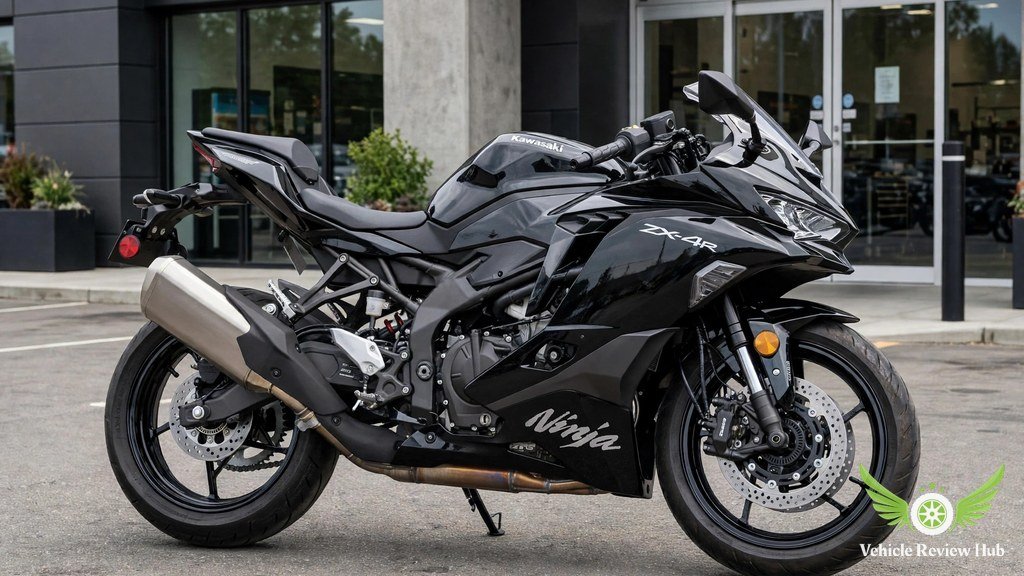
The ZX-4R’s running costs are the highest in its group, and the reason is the service schedule. Four plugs at every service, a valve check at 15,200 miles, and insurance notably costlier than on a twin 400 all add up — while 87-octane fuel is the one saving. This Kawasaki Ninja ZX-4R reliability section prices nothing it cannot source, and labels every estimate.
Fuel, Routine Servicing, Tires and Replacement Parts
Fuel is the cheap part: regular 87-octane unleaded, and at the EPA-style estimate of about 41 mpg a 4.0-gallon tank gives roughly 165 miles — cheap per mile for a sportbike. Routine servicing is the expensive part of this Kawasaki Ninja ZX-4R reliability picture, because oil, filter and four plugs are due every 7,600 miles, and the valve check lands at 15,200 miles on top of that. Replacement parts are where this Kawasaki Ninja ZX-4R reliability guide draws a line: the only part numbers verified here are the recall plug kit (99999-0939) and the drain-hole kit (99999-0931), and no parts prices were verified from a Kawasaki parts source, so none are printed. The Cycle World dyno test measured the stock bike, and the Ultimate Motorcycling 13 fast facts covers the RR’s equipment.
| Cost item | What it is | Source / label |
|---|---|---|
| Fuel | 87-octane regular; about 41 mpg EPA estimate; about 165 mi per tank | Owner’s manual + MotorcycleDB estimate |
| Routine service (every 7,600 mi) | Oil + filter + four NGK LMAR9G plugs | Owner’s manual — no dealer labour rate verified |
| Valve service (15,200 mi) | 16 clearances measured and shimmed; $300–$500 | Aggregator estimate only — not a Kawasaki price |
| Major service | $400–$700; yearly upkeep $400–$700 | Aggregator estimate only — not a Kawasaki price |
| Insurance | Notably expensive — one owner source says insuring the ZX-4RR alone cost more than a Ducati Hyperstrada 821 plus a Husqvarna 701 Supermoto combined | RevZilla owner source — no premium figure published |
| Tyres | Common 120/70-17 and 160/60-17 sizes; wide aftermarket choice | Owner’s manual sizes |
| Resale | Holding well for a 400 — roughly 10–20% off new after 1–2 years; a 2024 RR ABS with 2,600 miles listed at $8,896 against $9,899 new | November 2026 listing snapshot — listing prices, not transactions |
Note: No service price, insurance premium or parts price here comes from Kawasaki — the dollar figures are aggregator estimates or listing prices, labelled as such. Get an insurance quote before buying — that is the cost that surprises owners most. This Kawasaki Ninja ZX-4R reliability table keeps estimates and verified figures in separate columns so they are never confused.
991 and 1,579 Units Recalled
Both recall numbers belong together — they describe two different buyer risks. The 991 units of 23V-515 are all 2023 ZX-4RR KRT Editions — a bike a plain-R buyer will never need to check. The 1,579 units of 24V-221 include 140 plain 2024 ZX-4R ABS bikes, so a 2024 R buyer must check the VIN. Both campaigns are early — 2023 and 2024 production — and both remedies are free. Check any bike by VIN on the NHTSA recalls database before paying, and ask the seller for the recall paperwork — a documented fix beats a seller’s word. The RevZilla first ride of the 2023 RR is also the clearest description of the bike’s character, including the flat spot above 11,500 rpm that this Kawasaki Ninja ZX-4R reliability guide treats as tune, not fault.
How to Keep a Kawasaki Ninja ZX-4R Reliable
Keeping a ZX-4R reliable is mostly about following the book and keeping the paperwork. There is no documented failure pattern to guard against — the work is the schedule itself, the two recall checks, and one small bulletin about water in the frame. This Kawasaki Ninja ZX-4R reliability section is the short version of everything above, written as advice for an owner.
Preventive Maintenance, Records and Regular Inspections
Follow the 7,600-mile schedule, and do the annual service even if the mileage is low. Keep the records: service history matters more than mileage when this bike is sold, and a buyer who sees four-plug services on time will pay more than one who sees gaps. Do the daily checks before every ride — tyres, chain, brakes, fluid levels — and check chain slack at its tightest point, midway between the sprockets. Buy with the recall paperwork in hand, and check the VIN yourself. The ZX-4RR comparison covers used values and which trim suits which rider, but this Kawasaki Ninja ZX-4R reliability guide’s advice is the same for every ZX-4R: the schedule is the bike’s reliability plan, and skipping it is the one reliable way to hurt the bike.
Frame Drain-Hole Bulletin Exists
Kawasaki bulletin MC24-04, issued February 16, 2024 and revised March 2, 2024, covers the frame drain holes on the 2023 ZX-4RR KRT Edition only — a campaign, not a recall. The frame’s existing drain holes do not drain fully after rain or washing, so water sits inside the frame and paint delaminates from rust. The fix adds drain holes to both sides of the frame, kit 99999-0931; the bulletin is filed with NHTSA as manufacturer communication 10250915. A buyer of a 2023 RR KRT should check the bulletin work was done; the plain R is not covered — the bulletin names the 2023 RR KRT only. Every ZX-4 owner should still keep the drain holes clear and avoid pressure-washing water into the frame. It is a small, honest note — not a scandal — and the only frame issue in this Kawasaki Ninja ZX-4R reliability guide.
Kawasaki Ninja ZX-4R Reliability Frequently Asked Questions
The reliability questions buyers actually ask — recalls, plugs, valves, oil, the drain-hole bulletin and the power plateau — answered directly from this Kawasaki Ninja ZX-4R reliability guide.
Are there any recalls on the Kawasaki Ninja ZX-4R?
Two, both early: 23V-515 (alternator rotor bolt, 991 units, 2023 RR KRT Edition only — the plain R is not covered) and 24V-221 (spark plugs cracked during manufacture, 1,579 units — the plain R is covered, 140 units of the 2024 ZX-4R ABS). Both remedies are free. Check any bike by VIN on the NHTSA recalls database. Note the NHTSA API returns Count:0 for this bike — that zero is false; this Kawasaki Ninja ZX-4R reliability guide verified both campaigns from the Part 573 reports.
How often do the spark plugs need changing?
At every service — every 7,600 miles or annually — all four NGK LMAR9G plugs, with the oil and filter. The plug gap is 0.7–0.8 mm and the Kawasaki part number is 92070-0716. Four plugs every 7,600 miles, forever — the most demanding plug schedule of any Ninja, and the headline fact of this Kawasaki Ninja ZX-4R reliability guide.
When is the valve clearance check due?
Every 15,200 miles (24,000 km). The service manual gives intake 0.16–0.22 mm and exhaust 0.28–0.34 mm. Sixteen valves means sixteen clearances to measure and shim — the expensive service in this Kawasaki Ninja ZX-4R reliability guide. An aggregator estimate puts it at $300–$500, labelled as an estimate, not a Kawasaki price.
How much oil does the ZX-4R take?
2.7 litres with the filter, 2.5 litres drain-only, SAE 10W-40 JASO MA2. The oil filter is Kawasaki 16097-0008, and oil and filter are changed at every service. This Kawasaki Ninja ZX-4R reliability guide puts the oil change at the centre of every visit — see the DIY walkthrough video above.
What is the frame drain-hole bulletin?
Kawasaki bulletin MC24-04 (2024): add drain holes to both sides of the frame, 2023 ZX-4RR KRT Edition only. It is a field campaign, not a recall, and this Kawasaki Ninja ZX-4R reliability guide says so plainly — the frame’s existing drain holes do not drain fully after rain or washing, water sits inside the frame, and the paint delaminates from rust. Keep the drain holes clear and do not pressure-wash water into the frame.
Is the power plateau above 11,500 rpm a fault?
No. It is the US noise-emissions tune — RevZilla calls it “a noise-emissions thing” — and the engine is healthy, as this Kawasaki Ninja ZX-4R reliability guide stresses. The tune caps the top end; only an ECU flash removes it, and a flash voids the warranty and is not street legal. A used-bike buyer who feels the flat spot is feeling the stock tune working as designed.