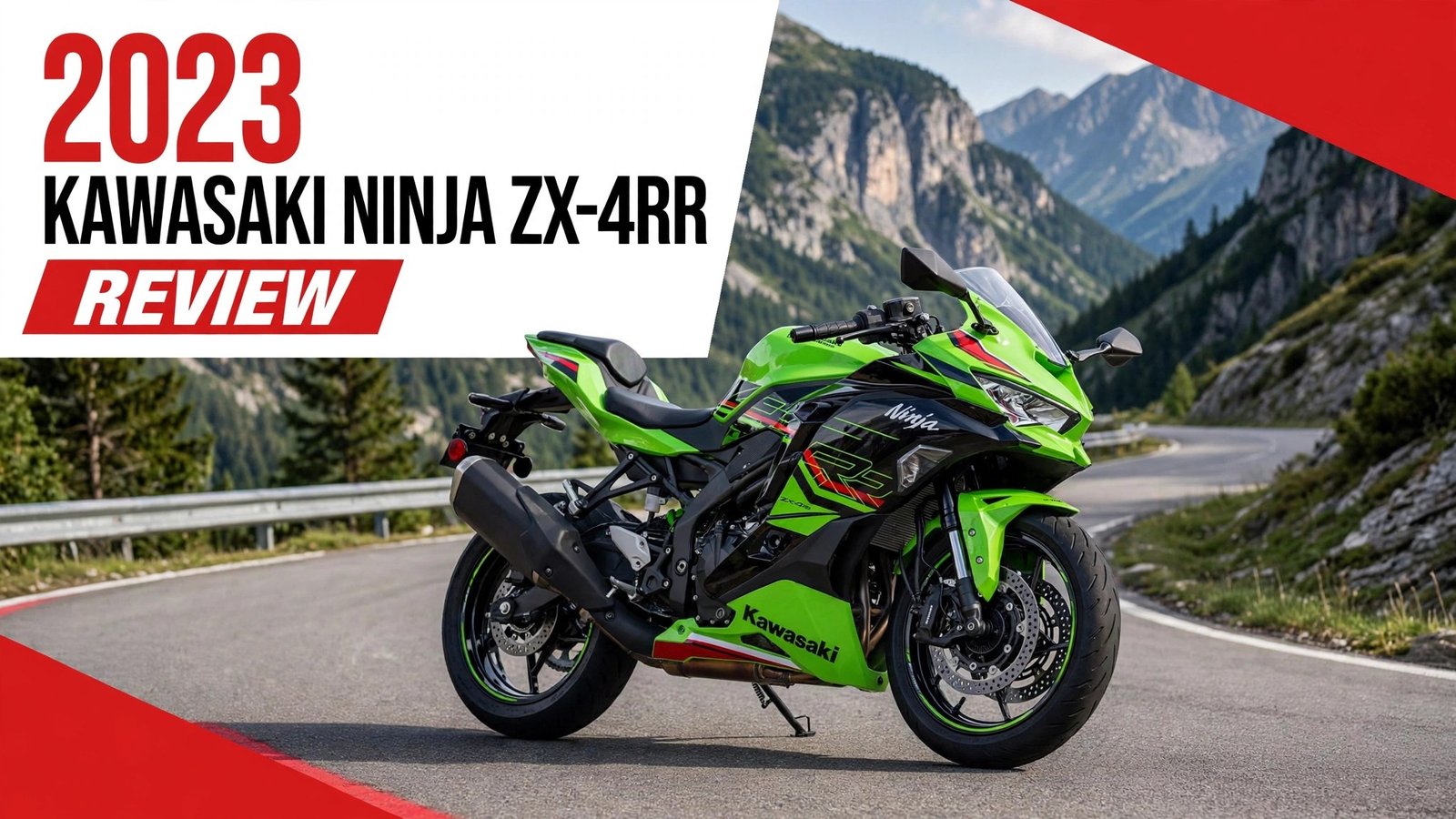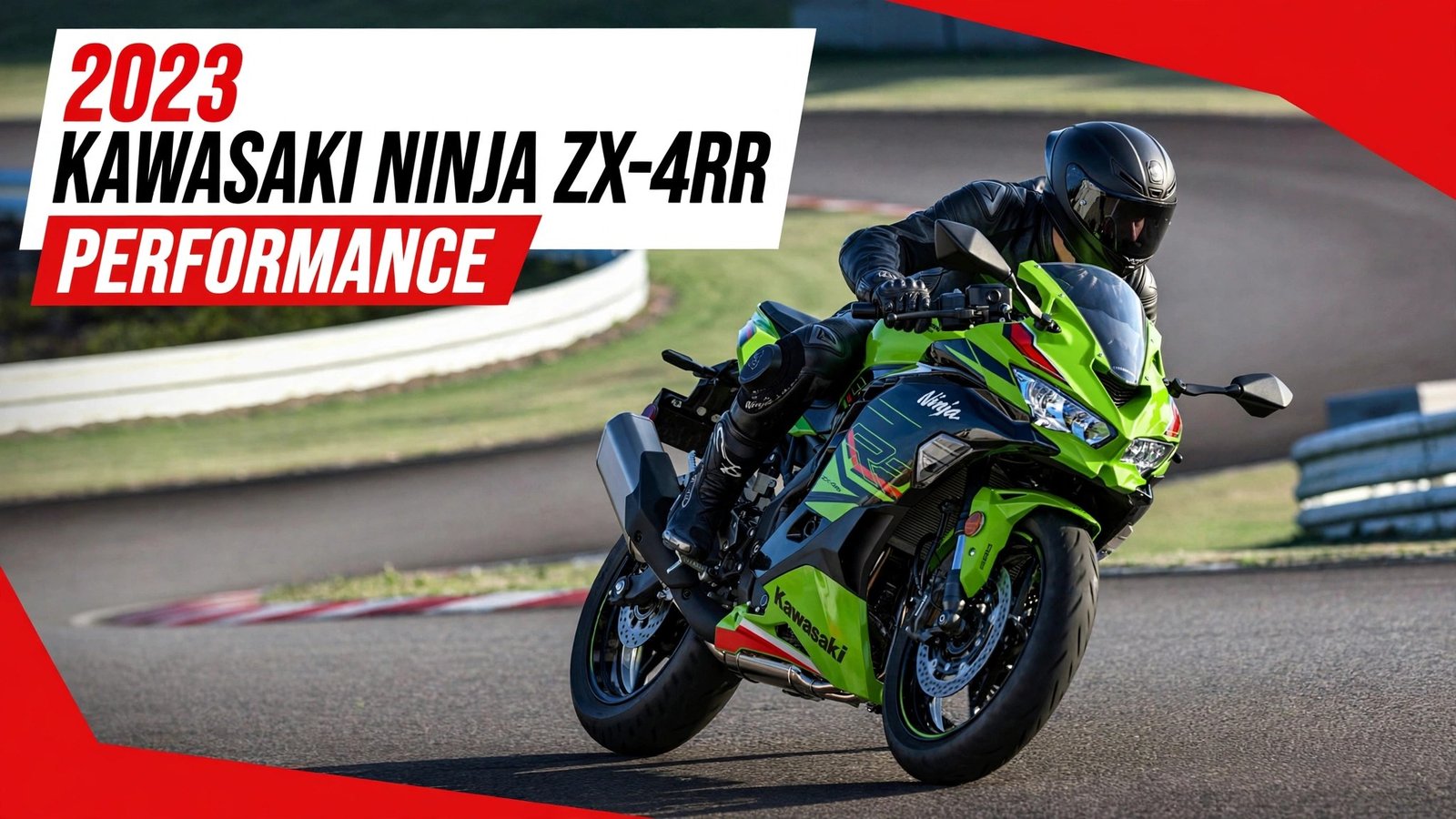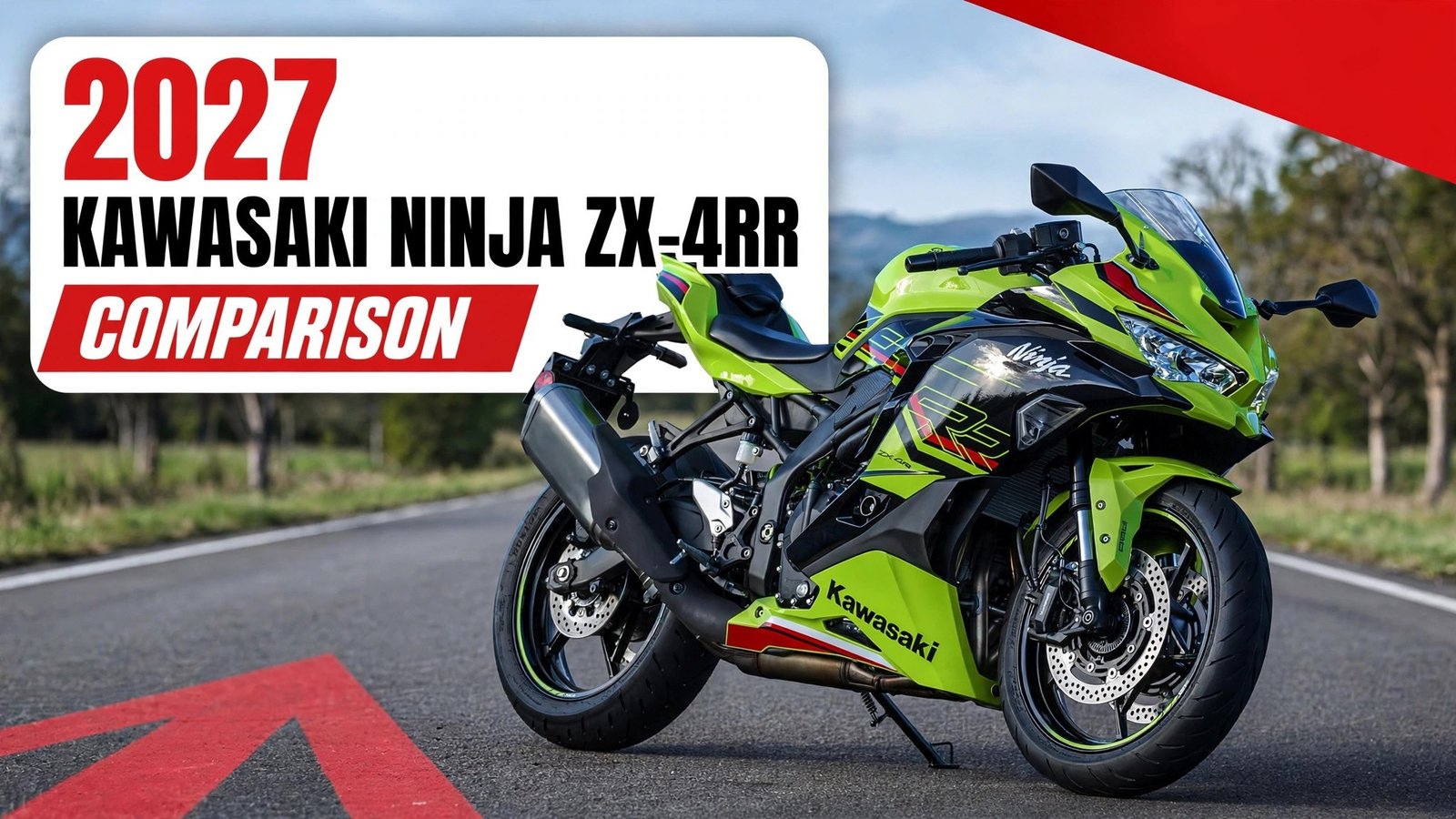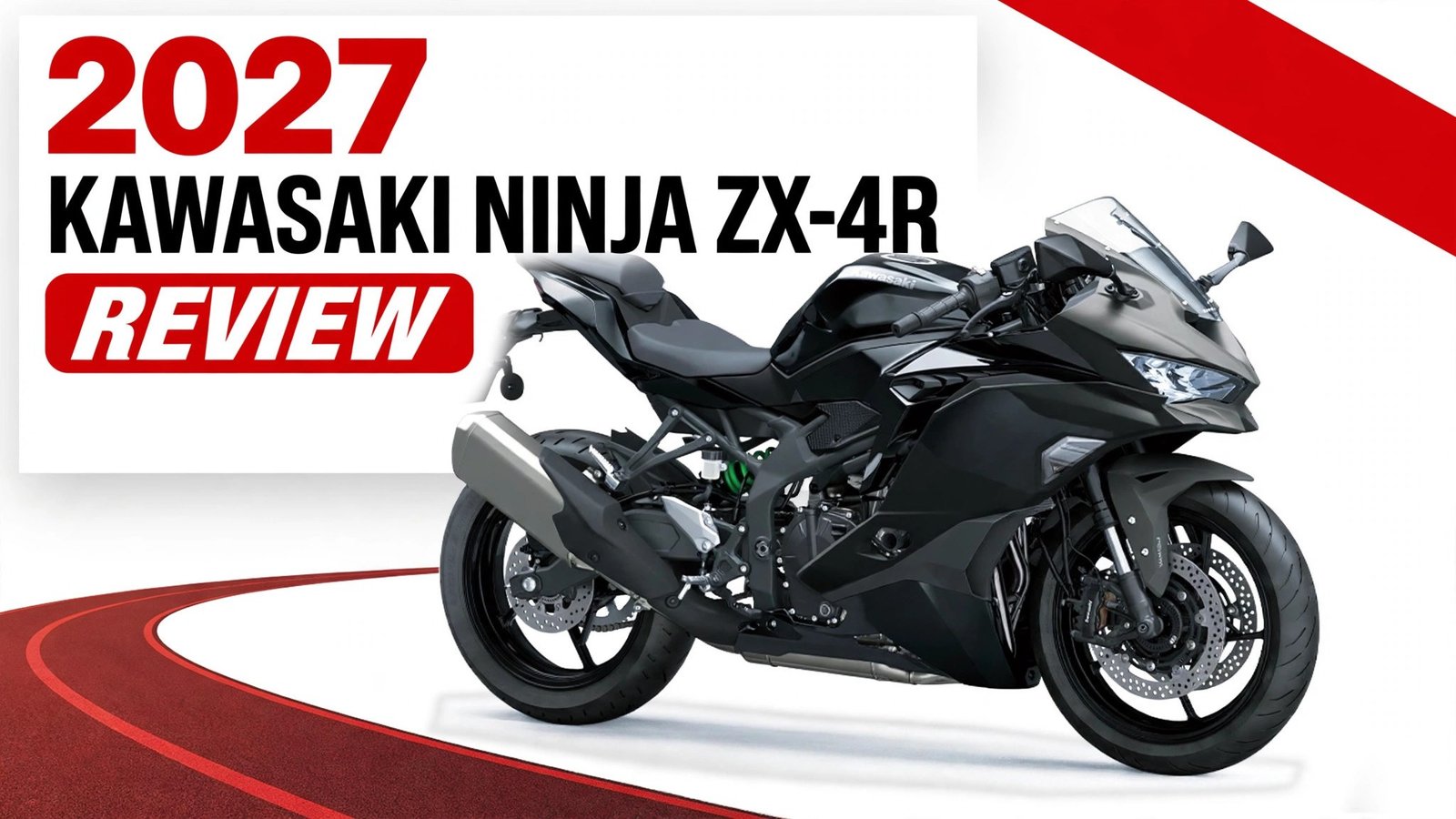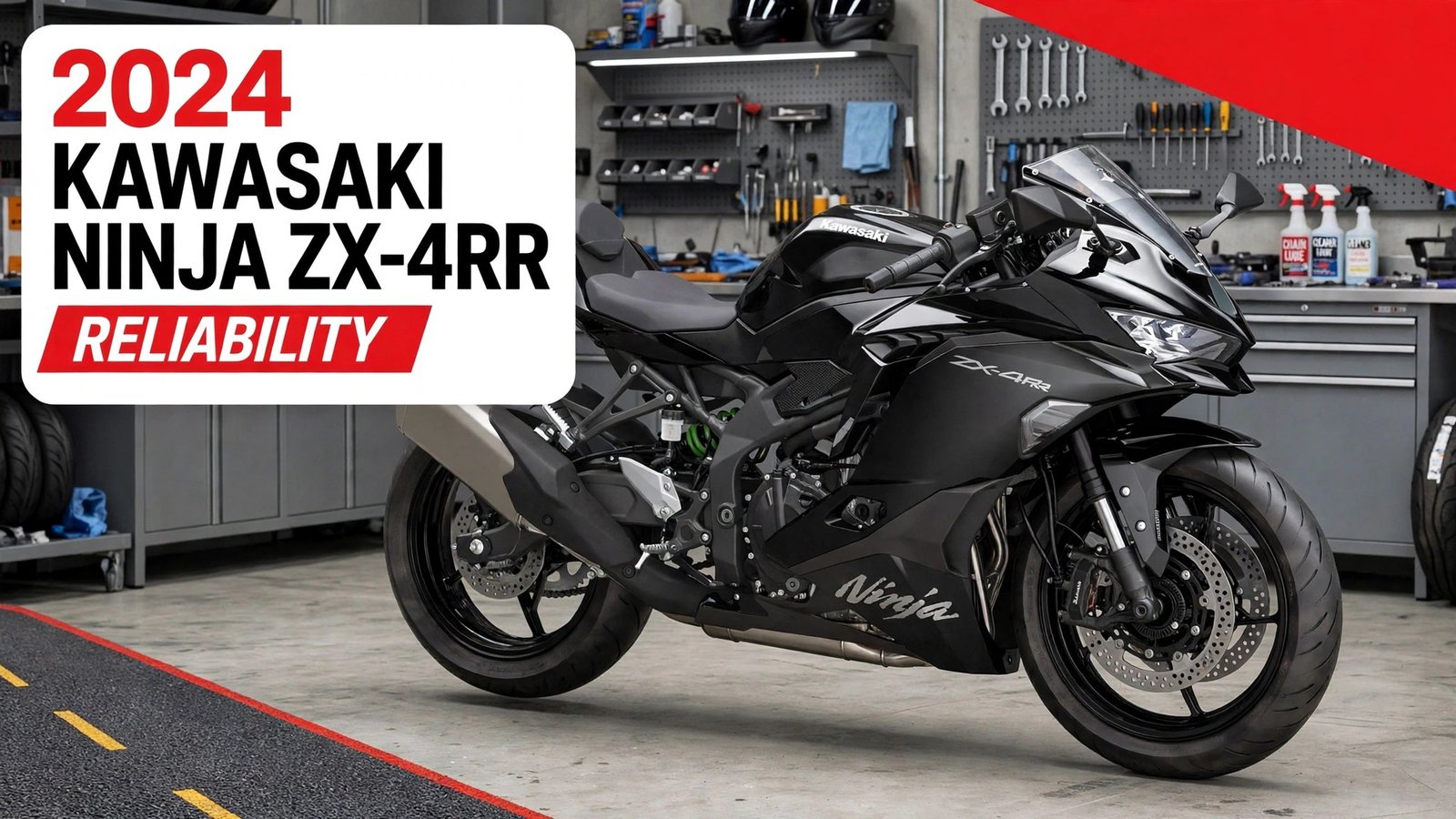
The short answer on Kawasaki Ninja ZX-4RR reliability is that the bike has a short record and a clean one: two early recalls, one frame bulletin, and a maintenance schedule that asks more of its owner than any other Ninja in the line. What the record shows is two recalls caught early, both fixed free, and no documented pattern of engine failures, electronics failures or owner-forum epidemics. The demanding part is the service book. Oil, filter and all four spark plugs come due at every service, every 7,600 miles, for the life of the bike. That fact shapes Kawasaki Ninja ZX-4RR reliability more than any recall, and most buyers discover it too late.
Kawasaki Ninja ZX-4RR Reliability Overview
A new platform earns its reputation one service at a time, and the ZX-4RR has had only three riding seasons to do it in. The honest summary of Kawasaki Ninja ZX-4RR reliability is that no pattern of engine or electronics failures has been documented. The 399cc inline-four makes 56.0 hp at 11,500 rpm and 26.5 lb-ft at 11,000 rpm on Kawasaki’s US claim, and Cycle World measured 56.3 hp at 11,700 rpm and 25.8 lb-ft at 11,300 rpm on its own Dynojet, on the RR itself. The rest of Kawasaki Ninja ZX-4RR reliability comes down to whether the owner follows the book, because the book is unusually strict about plugs.
Plugs at Every 7,600 Service
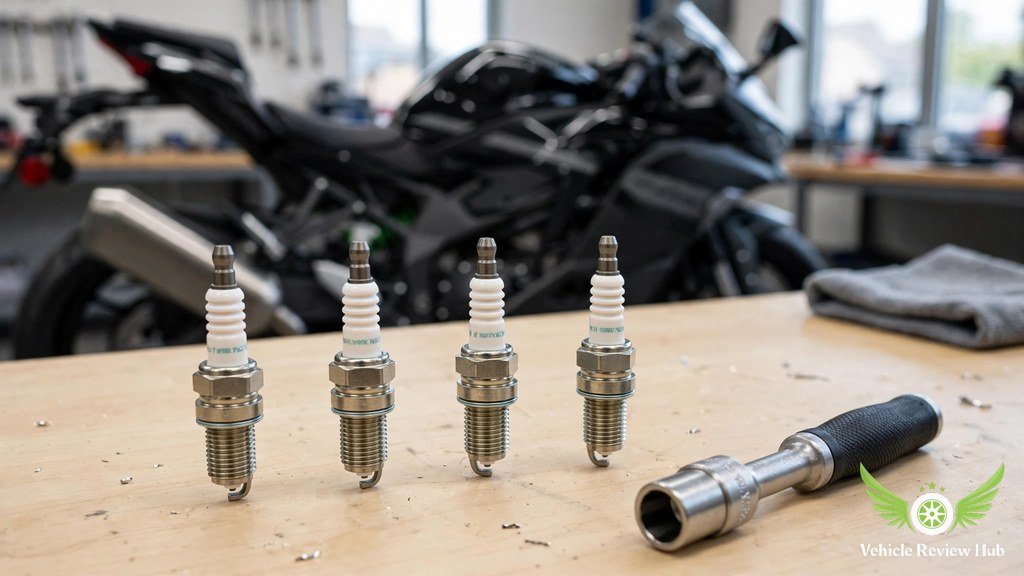
Four spark plugs every 7,600 miles, forever, is the single biggest running-cost surprise on this bike, and it is written plainly in the owner’s manual. At the 600-mile break-in service and then at 7,600, 15,200, 22,800 and 30,400 miles, the spark plugs are changed along with the oil and filter. All four of them, every time. The plugs are NGK LMAR9G, Kawasaki part number 92070-0716, gapped at 0.7 to 0.8 mm, and no other Ninja in this line changes plugs this often. For Kawasaki Ninja ZX-4RR reliability this cuts both ways. But the bill is four plugs plus oil and a filter at every service, where a twin-cylinder rival changes two plugs at much longer intervals. A rider doing 7,600 miles a year buys four plugs a year; a rider doing 15,000 miles buys eight.
How Mileage, Storage and Previous Care Affect Reliability
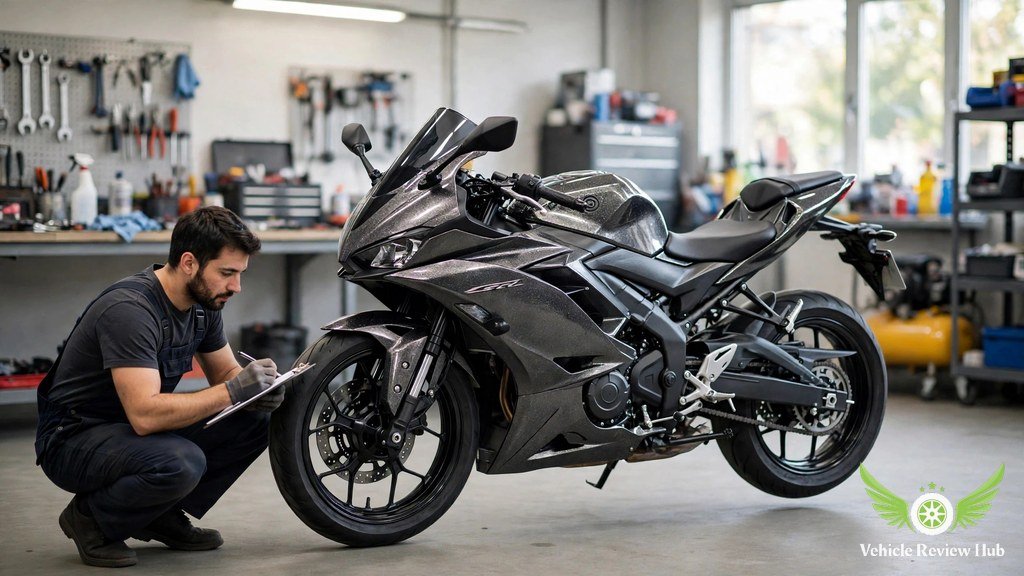
Service history matters more than the odometer on a ZX-4RR, because plugs and oil are due every 7,600 miles or once a year, whichever comes first. A low-mileage bike that skipped its annual service is a worse buy than a high-mileage bike with a folder of receipts. The first check on any used RR is the VIN against NHTSA’s recall search: a 2023 RR KRT must have both recalls verified and the drain-hole bulletin checked, and any 2024 bike must have the spark-plug recall verified. Both 2025 RR ABS and 2025 KRT ABS share model code ZX400SSFAL: the KRT is a colour option under one code in 2025. The second check is the service book. A 15,000-mile bike should show two plug changes. The frame drain-hole bulletin exists because water can sit inside the frame after rain or washing, so a bike stored outdoors uncovered deserves a close look at the frame paint low on the frame.
Kawasaki Ninja ZX-4RR Common Problems and Wear Items
There is no invented list of common problems in this section, because none exists in the sources. The ZX-4RR’s documented trouble is exactly three items: two safety recalls and one frame bulletin, all from the first two years of production. No pattern of engine or electronics failures has been documented, and this guide imports no problems from the Ninja 400, the ZX-6R or the ZX-25R. What follows is the whole documented record, with the real NHTSA numbers.
Whole Launch Run Recalled
Every ZX-4 sold in America in 2023 was recalled, because in 2023 the RR KRT was the only ZX-4 sold in America. Campaign 23V-515 covers 991 units, all 2023 ZX-4RR KRT Edition bikes (ZX400SPFNL), built January 11 to March 29, 2023. The alternator rotor connection can loosen and let the engine stall while riding. The remedy is to inspect and re-affix the rotor, tightening the bolt in two stages, first to 59 ft-lb and then to 66 ft-lb. Owner letters went out on August 14, 2023. By the third quarter of 2024, 710 of the 991 bikes had been remedied. The plain ZX-4R is not covered by 23V-515 at all, because it did not exist in 2023. A buyer of a 2023 RR KRT must have this recall verified before paying; a buyer of a 2024 or later bike does not need it checked. The recall is documented in NHTSA’s Part 573 report, and the VIN range in that report runs from ML5ZXCS11PDA00082 to ML5ZXCS10PDA01482.
631 Plug Fixes Still Open
The spark-plug recall is the bigger campaign and the one every RR buyer must check, whatever the year. Campaign 24V-221 covers 1,579 bikes, and 1,439 of them are RRs: 999 from the 2023 KRT run, plus 120 from the 2024 40th Anniversary Edition, 180 from the 2024 RR and 140 from the 2024 KRT Edition. The plugs may have been cracked during manufacture by a tilted tightening tool, and a cracked plug can cause an unstable idle, hesitation or an engine stall. The open-fix count comes from NHTSA’s newest quarterly completion report, number 5 for the second quarter of 2025, submitted July 15, 2025: 948 of 1,579 remedied, 631 still open. No report for the third or fourth quarter of 2025, or any quarter of 2026, was found at the time of writing. The doc heading originally read 577 open fixes, which would need 1,002 remedied, and no retrieved quarterly report confirms that figure, so the heading is corrected to the verified 631 with the quarter named. One warning: NHTSA’s own recalls API returns zero results for the ZX-4 for every model year, and that zero is false. The same matching failure affects the Ninja 400, and the working control is the 2024 Ninja 500, for which the API correctly returns one campaign, 25V146000. Never take an API zero as proof of a clean record; check the VIN on NHTSA’s recall search page instead.
| Campaign | Defect | Units | Remedy |
|---|---|---|---|
| 23V-515 (MC23-06) | Alternator rotor bolt can loosen, engine may stall | 991, 2023 RR KRT only | Inspect and re-affix rotor, bolt 59 then 66 ft-lb, free |
| 24V-221 (MC27-04) | Spark plugs cracked during manufacture, unstable idle or stall | 1,579, of which 1,439 are RRs | Replace all four plugs (NGK LMAR9G), free |
Note: Both recalls are fixed free at a Kawasaki dealer, and both are verified from NHTSA’s Part 573 reports. The 631 open figure for 24V-221 is from NHTSA’s quarterly completion report number 5, quarter 2025-2, submitted July 15, 2025, the newest quarterly filing retrievable at the time of writing. The frame drain-hole bulletin, MC24-04, is not in this table because it is a service campaign, not a safety recall. Kawasaki Ninja ZX-4RR reliability is best judged by checking the VIN against both campaigns before buying, not by assuming a clean record.
Kawasaki Ninja ZX-4RR Maintenance Schedule and Servicing
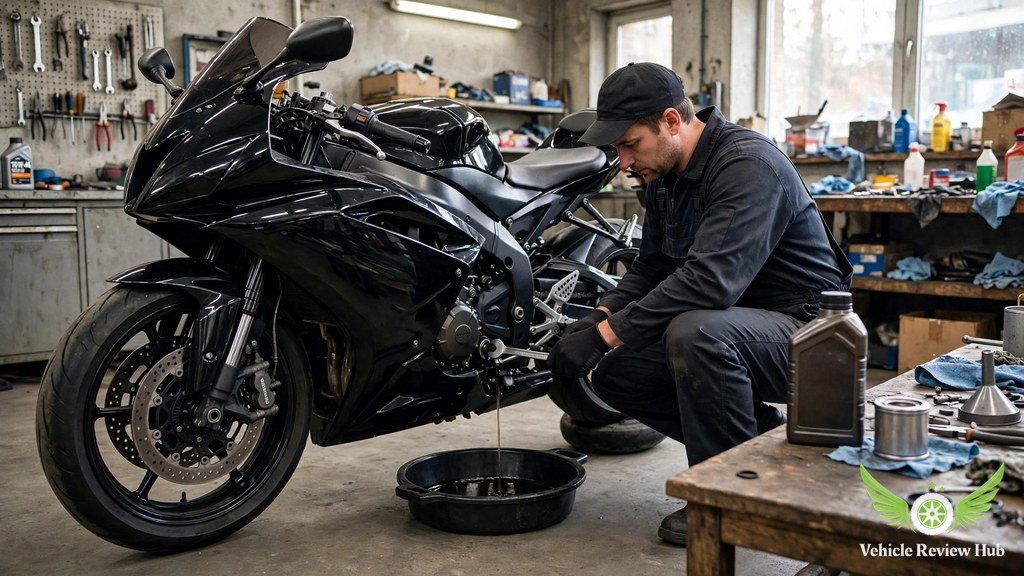
The ZX-4R and the ZX-4RR share one manual and one schedule, so the RR’s service book is the R’s service book, and it is strict. Service falls due every 7,600 miles or 12,000 kilometres, or once a year, with a break-in service at 600 miles. At every service the oil and filter are changed and all four spark plugs are changed. The valve check falls every 15,200 miles, the air filter is changed at 15,200 miles and every 15,200 miles after, brake fluid is changed every two years and coolant every three years. The full schedule is in the table below, from the bike’s own manual. For Kawasaki Ninja ZX-4RR reliability, following this schedule is not optional maintenance; it is the reliability plan.
23V-515: Alternator Rotor Bolt
The alternator rotor recall is the smaller campaign and the simpler fix, and it shows how early Kawasaki Ninja ZX-4RR reliability issues were caught. NHTSA campaign 23V-515, Kawasaki campaign MC23-06, covers 991 bikes, every one a 2023 ZX-4RR KRT Edition built between January 11 and March 29, 2023. The alternator rotor connection can loosen, and if it does the engine can lose power and stall while riding. The dealer remedy is to inspect the rotor and re-affix it, tightening the bolt in two stages, first to 59 ft-lb and then to 66 ft-lb. Owner letters went out on August 14, 2023, and a stop-sale notice was issued. By the third quarter of 2024, 710 of the 991 bikes had been remedied. Only the 2023 KRT is affected. The campaign is documented in NHTSA’s Part 573 report for 23V-515, which also carries the affected VIN range.
24V-221: All Four Plugs Free
The spark-plug recall touches almost every early ZX-4, and the remedy could not be simpler. NHTSA campaign 24V-221, Kawasaki campaign MC27-04, covers 1,579 bikes built between January 11, 2023 and November 14, 2023. A tilted tightening tool cracked some plugs during installation, and a cracked plug can cause an unstable idle, hesitation or a stall. The remedy is to replace all four spark plugs, free, with NGK LMAR9G plugs, part number 92070-0716, using kit 99999-0939. Owner letters went out on April 1, 2024. The RR is covered in every year it was sold: 999 bikes from the 2023 KRT run, 120 from the 2024 40th Anniversary Edition, 180 from the 2024 RR and 140 from the 2024 KRT Edition, adding to 1,439 of the 1,579. An RR buyer must check the VIN for 24V-221 whatever the year, because no model year of RR escapes it. See NHTSA’s Part 573 report for 24V-221 and NHTSA’s quarterly completion report number 5: 948 remedied, 631 still open as of the second quarter of 2025.
| Service item | Interval | Specification |
|---|---|---|
| Service interval | Every 7,600 mi / 12,000 km or annually | Whichever comes first |
| Break-in service | 600 mi / 1,000 km | Oil, filter, plugs and checks |
| Engine oil and filter | Every service | 2.7 L with filter, 2.5 L drain-only, SAE 10W-40 JASO MA2 |
| Spark plugs | Every service | NGK LMAR9G x 4, gap 0.7-0.8 mm, P/N 92070-0716 |
| Valve clearance check | Every 15,200 mi / 24,000 km | Intake 0.16-0.22 mm, exhaust 0.28-0.34 mm |
| Air filter element | Every 15,200 mi | P/N 11013-0812 |
| Brake fluid | Every 2 years | Change, not top-up |
| Coolant | Every 3 years | Change |
| Drive chain slack | Check at every service | 25-35 mm on the side stand, 520 sealed O-ring chain |
| Tyre pressures | Check cold, regularly | 32 psi front, 36 psi rear |
Note: This schedule comes from the ZX-4R owner’s manual and the ZX400P, R and S service manual, first edition, December 14, 2022. The oil filter is Kawasaki part number 16097-0008, the idle speed target is 1,400 plus or minus 100 rpm, and the rear axle nut torque is 98 Nm, or 72 lb-ft. Kawasaki Ninja ZX-4RR reliability depends on this schedule being followed, because the every-service plug change is what keeps a high-revving four running clean.
Kawasaki Ninja ZX-4RR Tires, Brakes and Suspension Maintenance

The rolling chassis is where the RR earns its premium over the plain R, and where a used buyer should look hardest. The RR’s fork carries spring preload adjustment and its rear shock is a fully adjustable Showa BFRC Lite unit, while the plain R’s rear shock is preload-only. Tyres are Dunlop Sportmax GPR300 rubber, 120/70ZR-17 front and 160/60ZR-17 rear. Brakes are dual 290 mm front discs with radial-mount four-piston Nissin monobloc calipers and a single 220 mm rear disc, with ABS at both ends. Cycle World put the RR at 418 lb on its scales, against a 414.5 lb claimed curb weight.
Valve Check at 15,200 Miles
The valve clearance check is the most expensive routine service on this bike, falling every 15,200 miles or 24,000 kilometres. The manual gives the clearances: intake 0.16 to 0.22 mm and exhaust 0.28 to 0.34 mm. A 16-valve four means 16 clearances to measure and shim, which is why the job costs more than the same service on a twin. The air filter (11013-0812) is changed at the same visit, so the big service is a valve check plus a filter plus the usual oil, filter and four plugs. One aggregator estimate puts a valve service at 300 to 500 dollars and a major service at 400 to 700 dollars; both are aggregator estimates only, since no dealer labour rate was verified. For Kawasaki Ninja ZX-4RR reliability, the valve service is the one bill that should never be deferred, because tight valves on a high-revving four do not announce themselves politely.
Tire, Brake and Suspension Checks That Matter
Start with the tyres. Check the date codes on any used bike, because the original GPR300 is a sport-touring tyre rather than a track tyre, and a 2023 bike can still wear its original rubber. Look at the wear pattern as well as the tread depth: uneven wear can point to a shock that has not been set up or a chain that has not been adjusted. The chain is a 520 sealed O-ring chain with 25 to 35 mm of slack measured on the side stand, cleaned and lubricated every 400 miles or 600 kilometres. On the brakes, check pad wear and the fluid, which the manual changes every two years. On the suspension, check the fork seals for weeping and the rear shock for leaks, and turn every adjuster to make sure it moves. A seized preload adjuster on a 2023 bike is a real used-bike inspection point, not a documented failure pattern.
Kawasaki Ninja ZX-4RR Maintenance and Ownership Costs
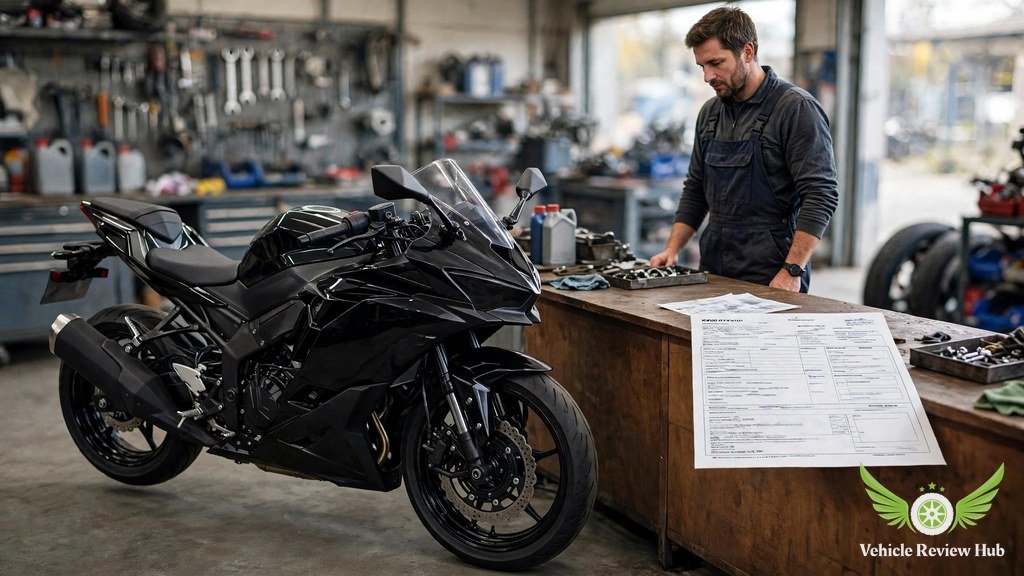
The ZX-4RR is cheap to fuel and expensive to service, and that balance is what ownership costs look like. Fuel is 87-octane regular at around 41 miles per gallon, giving roughly 165 miles from the 4.0-gallon tank. The service side is the opposite: plugs at every service, a valve check every 15,200 miles. No dealer labour rate was verified, so this guide prints no service price as fact. Insurance surprises buyers too: one owner’s account, reported by RevZilla, found insuring the ZX-4RR alone cost notably more than a Ducati Hyperstrada 821 and a Husqvarna 701 Supermoto combined.
Fuel, Routine Servicing, Tires and Replacement Parts
Fuel is the cheap part: 87-octane regular at about 41 miles per gallon, with a tankful lasting around 165 miles. Routine servicing is the expensive part, and the plugs make it so: four NGK LMAR9G plugs at every service, plus oil and a filter, plus a valve check every 15,200 miles. The Dunlop Sportmax GPR300 sizes, 120/70-17 front and 160/60-17 rear, are common sizes with wide aftermarket choice, so replacements are cheap and plentiful. Only two part numbers were verified: the recall plug kit 99999-0939 and the drain-hole kit 99999-0931. No parts prices were verified from a Kawasaki parts source, so none are printed here. Budget for plugs at every service and a valve check every 15,200 miles, and the rest of the bike is cheap to run. A performance bike that revs to 16,000 rpm is never the cheapest to service.
Drain-Hole Fix Isn’t a Recall
Kawasaki service bulletin MC24-04, issued February 16, 2024 and revised March 2, 2024, covers the 2023 ZX-4RR KRT Edition ABS only, model code ZX400SPFNL. The frame’s drain holes do not drain fully after rain or washing, so water can sit inside the frame and cause the paint to peel away from rust underneath. The fix adds drain holes to both sides of the frame, using kit 99999-0931. This is a factory-directed modification campaign, not a safety recall, and it must never be called a recall. A 2023 KRT buyer should check the work was done, and every owner should keep the drain holes clear. The same 991 bikes covered by the 23V-515 recall are the bulletin bikes, so a 2023 KRT buyer has two campaigns to verify, not one.
| Cost item | What it costs | Source |
|---|---|---|
| Fuel | 87-octane, about 41 mpg, about 165 miles per tank | EPA-style estimate, not a measured test |
| Routine service, every 7,600 mi | Oil, filter and four NGK LMAR9G plugs | Owner’s manual schedule |
| Valve service, every 15,200 mi | 300 to 500 dollars | Aggregator estimate only |
| Major service | 400 to 700 dollars | Aggregator estimate only |
| Recall and bulletin fixes | Free at a Kawasaki dealer | NHTSA filings 23V-515, 24V-221, bulletin MC24-04 |
Note: The dollar figures here for valve and major services are aggregator estimates, not Kawasaki prices, and no dealer labour rate was verified. Kawasaki Ninja ZX-4RR reliability costs are dominated by the every-service plug change and the 15,200-mile valve check.
How to Keep a Kawasaki Ninja ZX-4RR Reliable
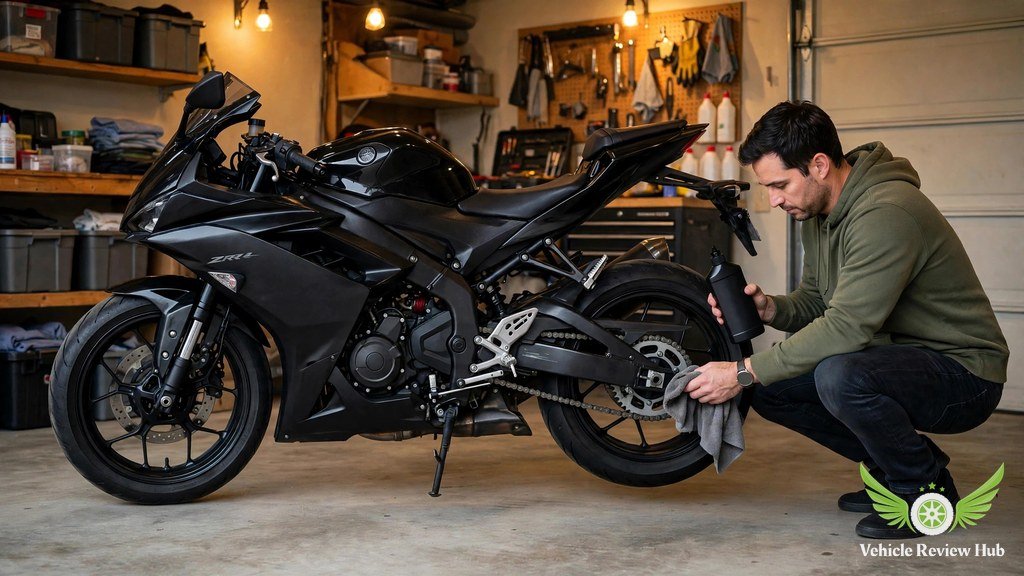
Keeping a ZX-4RR reliable is mostly following the book and checking two things: the VIN against both recalls, and the quickshifter on a test ride. The book says oil, filter and four plugs every 7,600 miles, a valve check every 15,200 miles, brake fluid every two years and coolant every three years. The KRT Edition shares this schedule, and the KRT Edition reliability guide covers the same discipline on the 650. There is no secret to Kawasaki Ninja ZX-4RR reliability beyond that.
Preventive Maintenance, Records and Regular Inspections
Keep every receipt: the service history is the best evidence of Kawasaki Ninja ZX-4RR reliability on any individual bike. Change the oil, filter and four plugs every 7,600 miles or once a year, do the valve check at 15,200 miles, change the brake fluid every two years and the coolant every three years. Between services, clean and lubricate the chain every 400 miles, check the slack at 25 to 35 mm on the side stand, and check the tyre pressures cold. Look at the frame paint low on the frame after washing, keep the drain holes clear, and inspect the fork seals and rear shock for leaks at every service. The plain ZX-4R shares this schedule, and the ZX-4R reliability guide walks through the same recalls and the same manual.
Check the Quickshifter Works
The KQS quickshifter is the RR’s signature part and the one mechanical item the plain R does not have, so test it before paying on a used RR. Run clutchless upshifts through the gears and feel for clean engagement. Run clutchless downshifts with the auto-blip, listen for the blip and feel for a clean engagement. Pay attention to the 4-to-3 downshift: Roadracing World reported a tendency to catch a false neutral on that shift under auto-blip, and the fix in the moment is to pull the clutch and shift deliberately. Motorcycle.com separately noted the downshift timing felt off, a different observation about auto-blip timing. There is no documented pattern of quickshifter failures, so this is an inspection point, never a common problem. If it misbehaves on a test ride, walk away or price in a dealer diagnosis. The review explains what the quickshifter adds to riding, and the comparison shows what the 700-dollar premium buys.
Kawasaki Ninja ZX-4RR Reliability: Frequently Asked Questions
The answers below give the direct version of each question about Kawasaki Ninja ZX-4RR reliability. Check the VIN against NHTSA’s recall search before buying any used RR.
Are there any recalls on the Kawasaki Ninja ZX-4RR?
Yes, two: the 2023 RR KRT was recalled for a loose alternator rotor bolt under 23V-515 (991 bikes), and 1,579 bikes were recalled for cracked spark plugs under 24V-221. Both fixes are free. The same false zero affects the Ninja 400 reliability guide, where the API also returns zero for a real recall.
How often do the spark plugs need changing?
At every service, every 7,600 miles or once a year, along with the oil and filter. All four NGK LMAR9G plugs are changed every time. That is the most frequent plug change in the Ninja line, and the single biggest running-cost surprise of Kawasaki Ninja ZX-4RR reliability.
When is the valve clearance check due?
Every 15,200 miles. All 16 clearances are measured and shimmed (intake 0.16 to 0.22 mm, exhaust 0.28 to 0.34 mm), so it is the most expensive routine service on the bike. The air filter is changed at the same visit.
How much oil does the ZX-4RR take?
2.7 litres with a new filter, or 2.5 litres for a drain only, using SAE 10W-40 oil meeting JASO MA2. The oil filter is part number 16097-0008.
What is the frame drain-hole bulletin?
Kawasaki bulletin MC24-04: water can sit inside the frame of 2023 RR KRT bikes and cause the paint to peel from rust underneath. It is a service campaign, not a recall, and the fix is free, adding drain holes to both sides of the frame (kit 99999-0931).
Is the power plateau above 11,500 rpm a fault?
No. It is the US noise-emissions tune: Ultimate Motorcycling’s 13 fast facts note the power trails off due to the North American tune. It is not a defect. The plateau is part of Kawasaki Ninja ZX-4RR reliability rather than a problem with it, and the only way past it is an ECU flash, which voids the warranty and is not street legal.