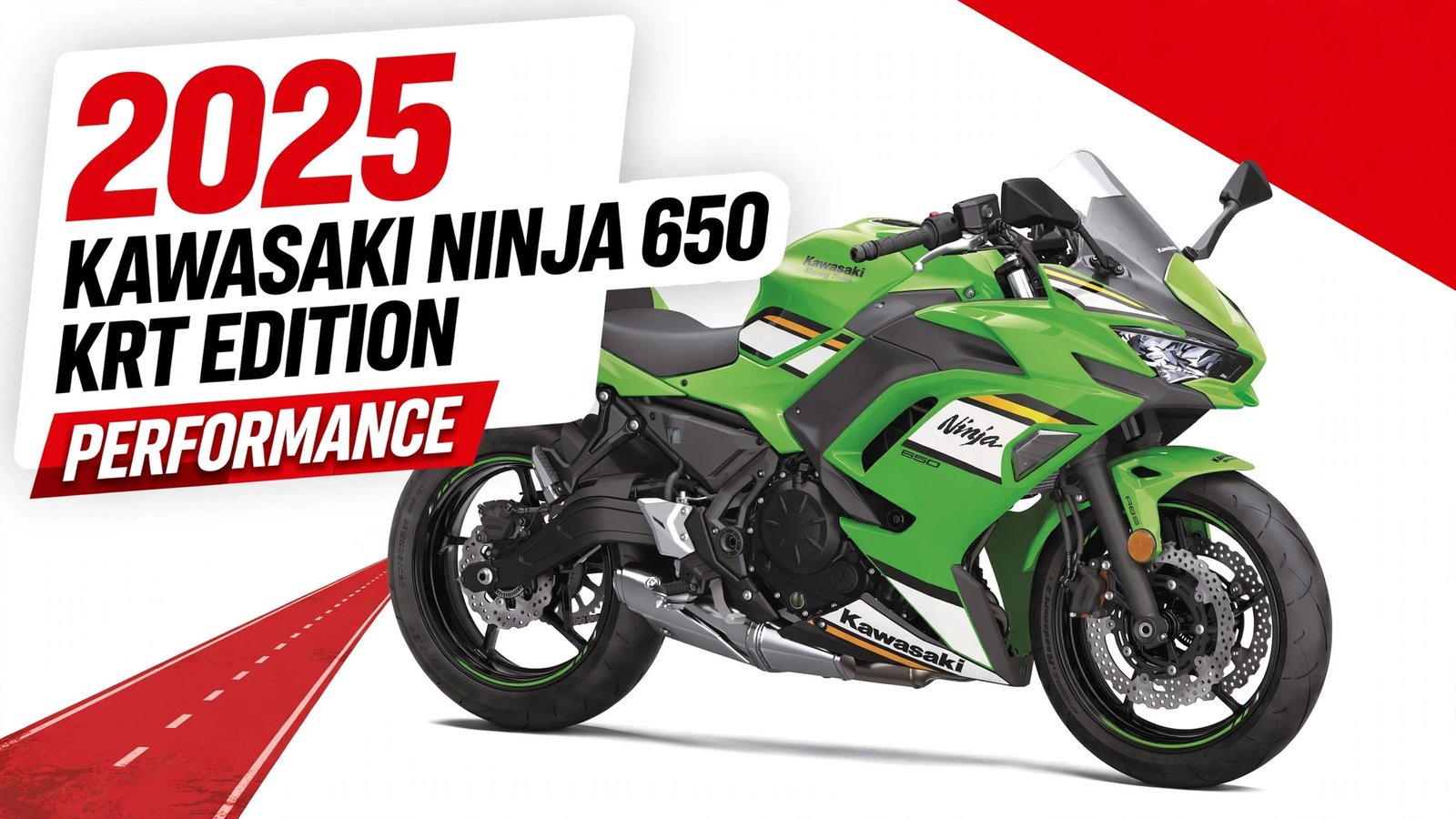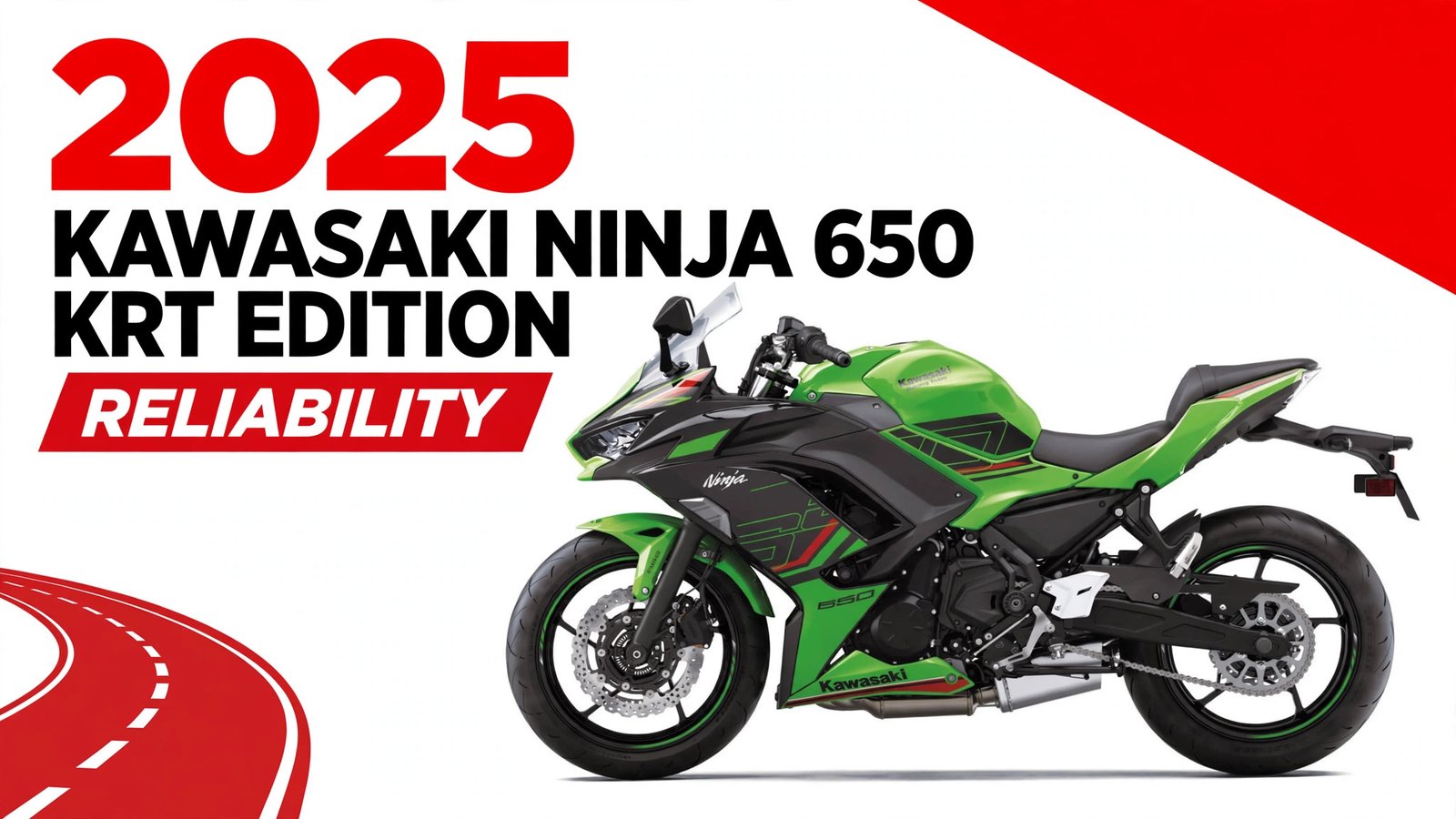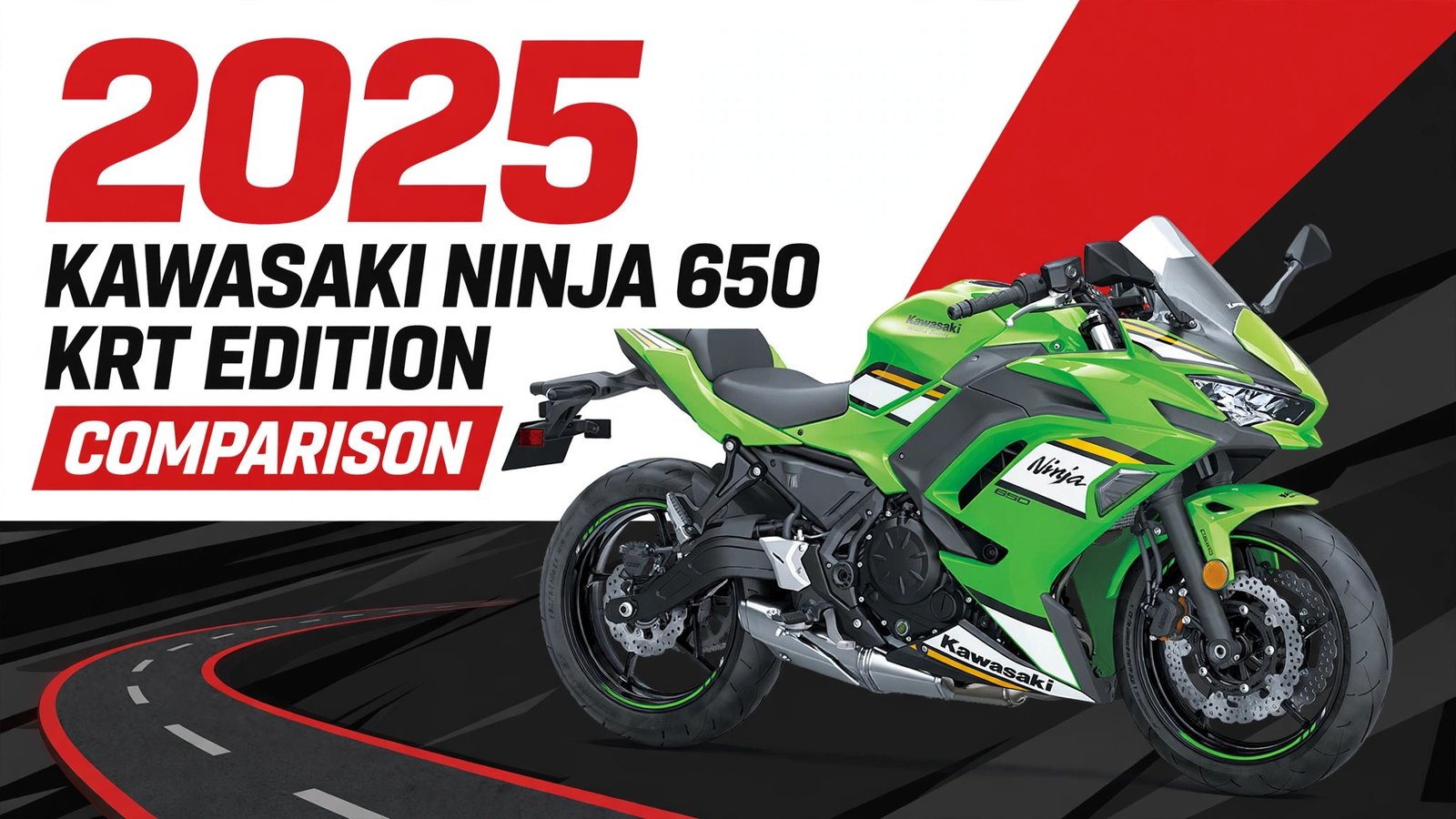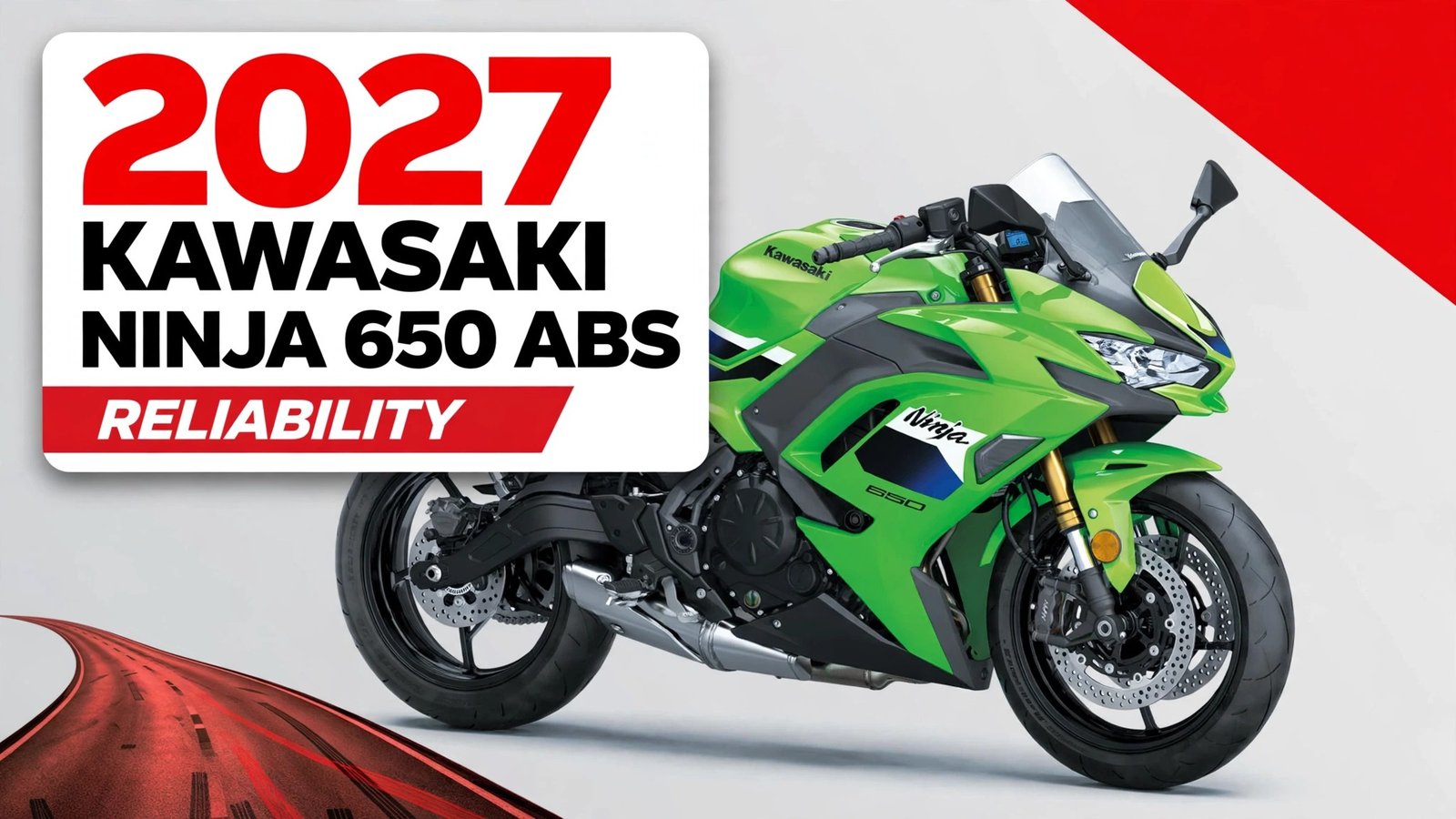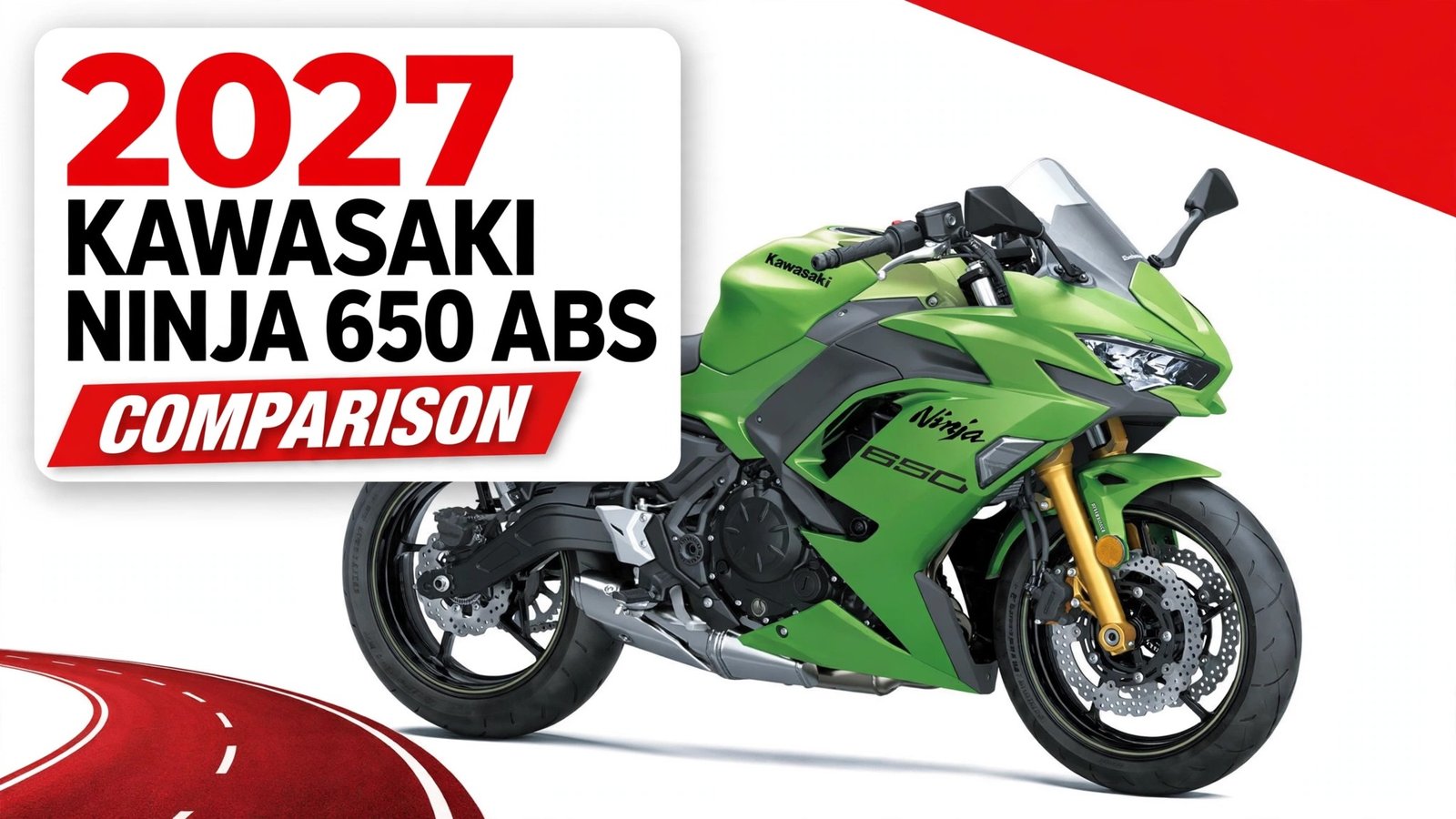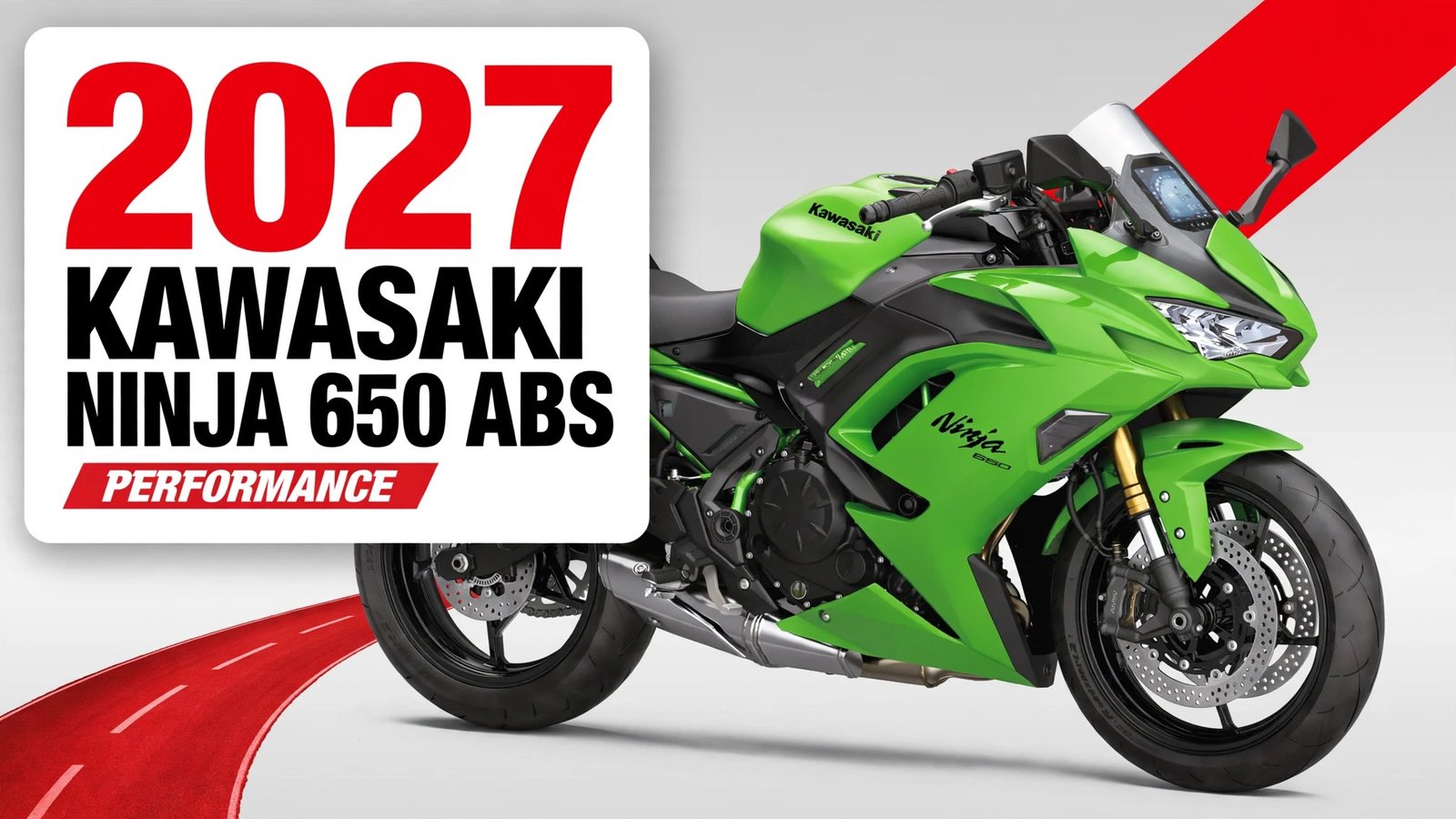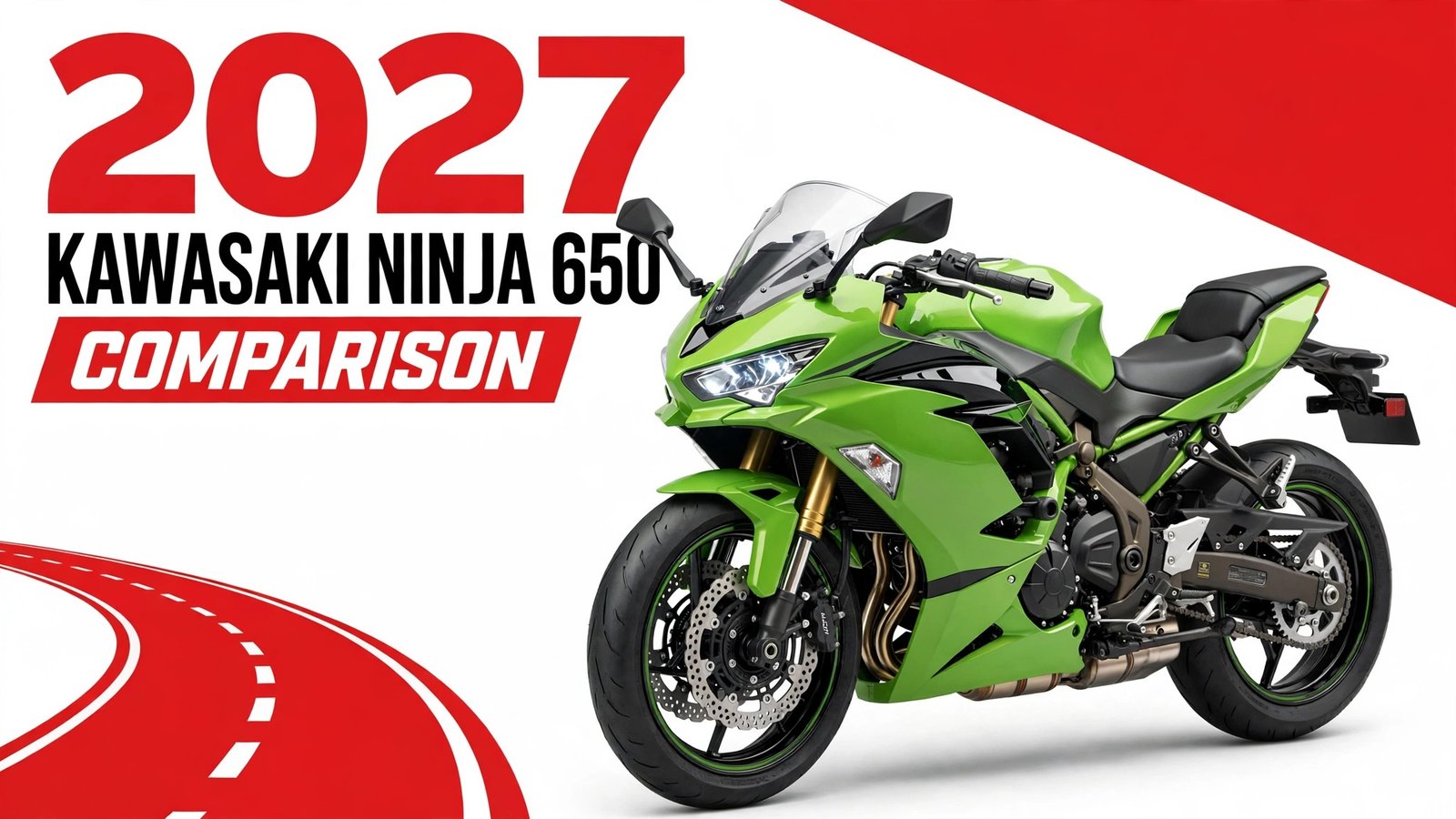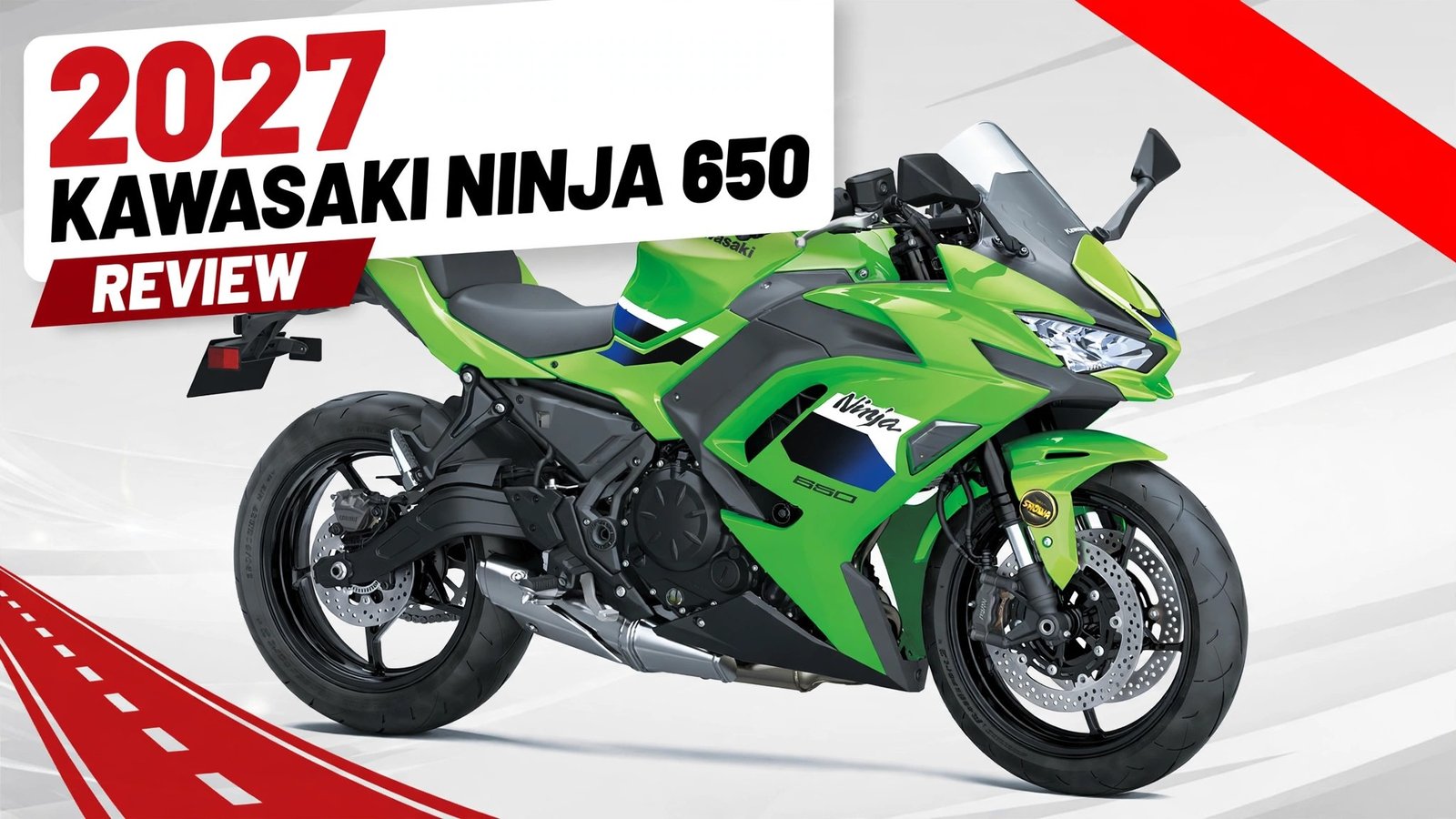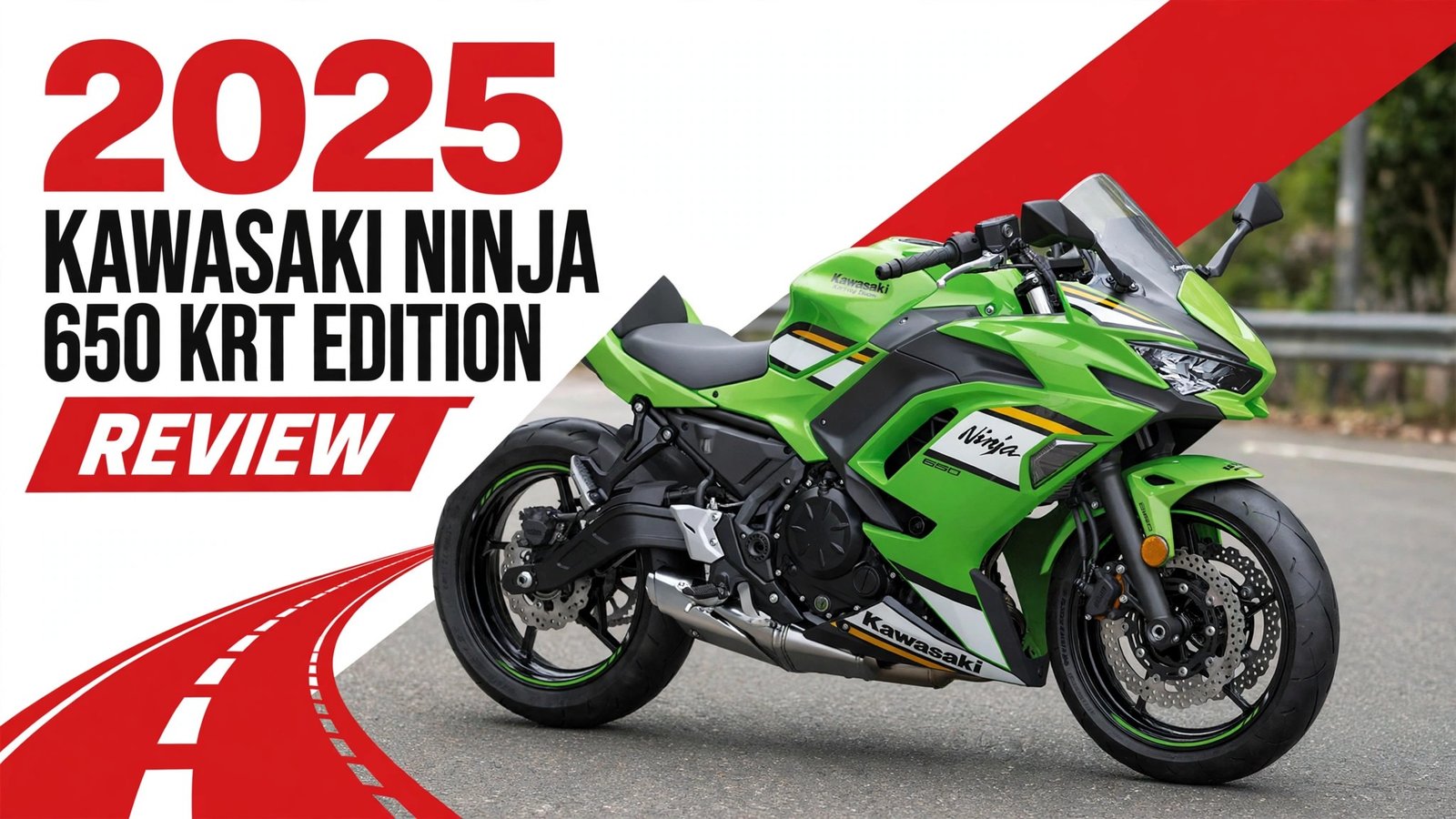
The Kawasaki Ninja 650 KRT Edition is the same motorcycle as the regular Ninja 650, wearing different paint. That is the whole secret of this Kawasaki Ninja 650 KRT Edition review: for nine model years, from 2017 to 2025, Kawasaki sold its middleweight twin in Lime Green and Ebony KRT graphics, and nothing else about the bike changed. Same engine, same chassis, same brakes, same weight, same model code in its final year. The only thing that moved was the price of the paint — a $200 premium for eight years, then free in 2025, when the KRT Edition ABS cost $7,999. This Kawasaki Ninja 650 KRT Edition review works through the nine years, the prices, the parts and the leftover market, so you can decide whether the green bike is worth hunting down now that it is gone.
Kawasaki Ninja 650 KRT Edition Overview and Model-Year Updates
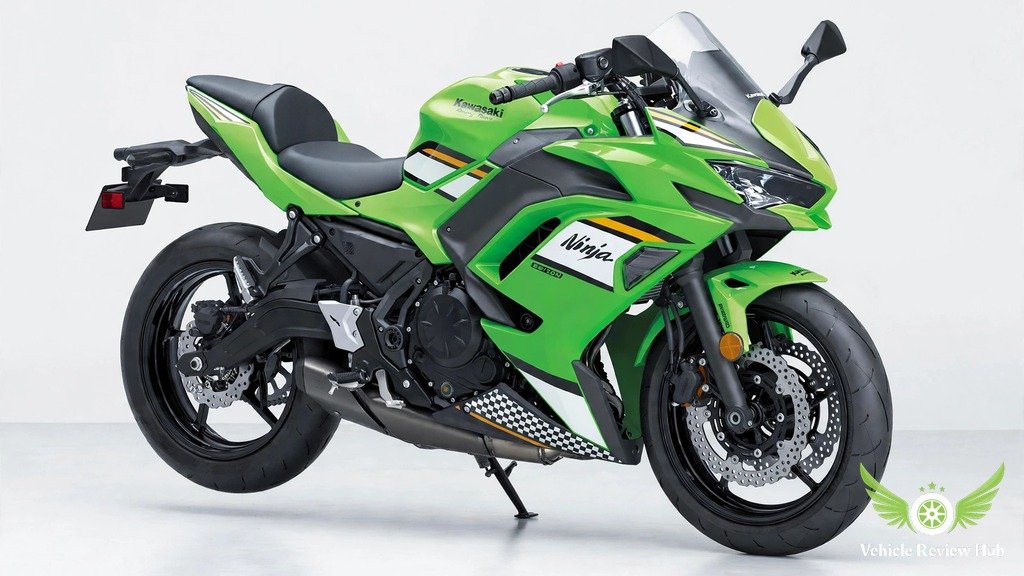
The KRT Edition ran for nine US model years, and this Kawasaki Ninja 650 KRT Edition review treats that run as one story. KRT stands for Kawasaki Racing Team, and the livery — Lime Green and Ebony bodywork with KRT graphics, later joined by Pearl Blizzard White accents — came from Kawasaki’s WorldSBK racing. Kawasaki’s own model copy, in every year, listed the KRT’s only distinguishing feature as “Exclusive Kawasaki Racing Team (KRT) color & graphics.” No other feature line differed from the plain ABS bike.
Nine Years, 2017 to 2025
The KRT arrived with the redesigned 2017 Ninja 650 and stayed in the US lineup every year through 2025 — two brake variants from 2020 — non-ABS KRT $7,599 (EX650NLFAL) and ABS KRT $7,999 (EX650MLFAL), and the $200 premium holding through 2023. Then the premium collapsed: the 2024 and 2025 KRT ABS were both $7,999. Nine years, and the paint went from a $200 option to free — the story this Kawasaki Ninja 650 KRT Edition review tells in full.
Final Year Confirmed: 2025
2025 was the last year of the KRT Edition, and it is the reference bike for this Kawasaki Ninja 650 KRT Edition review. The 2025 KRT Edition ABS carried an MSRP of $7,999 plus a $665 destination charge, for $8,664 delivered. Its colours were Lime Green, Ebony and Pearl Blizzard White, and its model code was EX650PSFAL — the exact code the plain 2025 Ninja 650 ABS carries. Kawasaki dropped the KRT for 2026, and the 2027 range went ABS-only. A leftover 2025 KRT is the last of the line, and the KRT Edition reliability guide explains what to check before buying one. The standard Ninja 650 review lists only the ABS KRT for 2020; the two-variant split is new in this Kawasaki Ninja 650 KRT Edition review.
| Year | KRT trim | MSRP | Destination | Delivered |
|---|---|---|---|---|
| 2017 | ABS KRT Edition | $7,999 | $360 | $8,359 |
| 2018 | ABS KRT Edition | $7,999 | $370 | $8,369 |
| 2019 | ABS KRT Edition | $7,999 | $370 | $8,369 |
| 2020 | KRT Edition / ABS KRT Edition | $7,599 / $7,999 | $410 | $8,009 / $8,409 |
| 2021 | KRT graphics (ABS) | $8,199 (attributed) | $430 | $8,629 |
| 2022 | KRT Edition / ABS KRT Edition | $8,099 / $8,499 | $430 | $8,529 / $8,929 |
| 2023 | KRT Edition / ABS KRT Edition | $8,199 / $8,599 | Not verified | — |
| 2024 | KRT Edition ABS | $7,999 | $450 | $8,449 |
| 2025 | KRT Edition ABS | $7,999 | $665 | $8,664 |
Note: The 2019 price of $7,999 rests on the $7,799 ABS price plus the $200 pattern of the surrounding years, not on a Kawasaki sheet figure. The 2021 price of $8,199 is attributed to webBikeWorld’s report of a $200 graphics upcharge; Kawasaki’s own 2021 press release names no KRT trim. The 2023 destination charge is unverified, and the 2024 price of $7,999 is a dealer-listed MSRP.
Kawasaki Ninja 650 KRT Edition Engine and Specifications
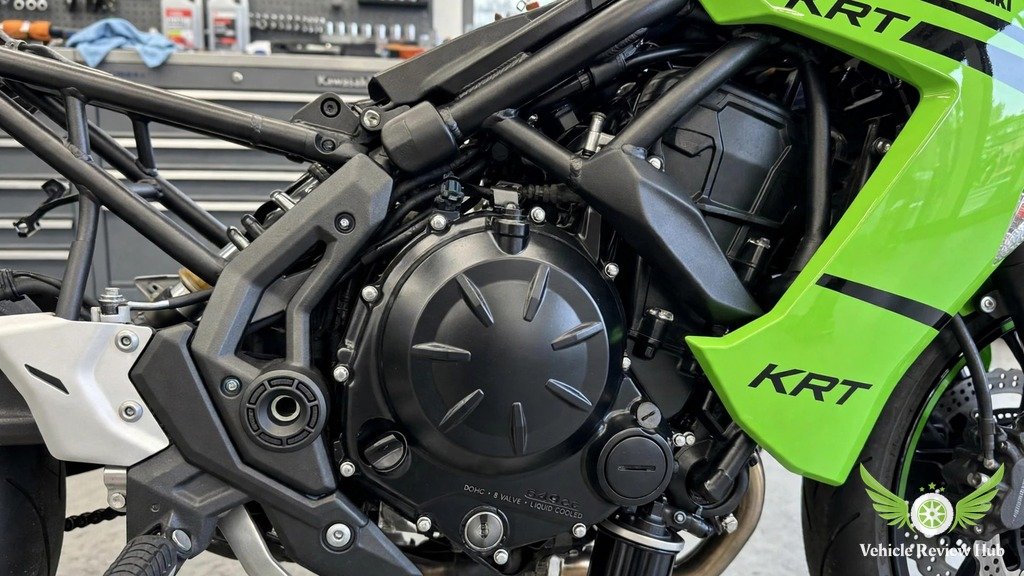
Nothing under the KRT’s green bodywork differs from the standard Ninja 650. Same 649cc twin, same trellis frame, same Nissin brakes with the same Bosch ABS — and this Kawasaki Ninja 650 KRT Edition review states it plainly. If a seller tells you the KRT is faster, lighter or sharper than the plain bike, the seller is selling paint — and this Kawasaki Ninja 650 KRT Edition review says so plainly. The KRT Edition performance guide covers the platform’s measured performance in full.
Zero Hardware, Zero Weight Delta
The 2025 KRT Edition ABS weighs 423.4 lb — identical to the plain 2025 ABS bike, zero delta in every year, as this Kawasaki Ninja 650 KRT Edition review notes. The non-ABS bike weighs 419 lb. Back in 2017 the ABS bike weighed 426 lb, and the weight fell to 423.4 lb with the 2020 refresh; The tyres are 120/70-17 front and 160/60-17 rear — Dunlop Sportmax D214 on the 2017–2019 bikes and Dunlop Sportmax Roadsport 2 on the 2020–2024 bikes, as this Kawasaki Ninja 650 KRT Edition review lists in the spec table. The 41 mm fork is non-adjustable, the rear shock is preload-only, and the rake and trail are 24.0 degrees and 3.9 inches.
Sheets Line-Identical to the ABS
The engine makes a claimed 67.0 hp at 8,000 rpm and 48.5 lb-ft at 6,700 rpm under ISO 4106, from a 649cc twin with an 83.0 mm bore, a 60.0 mm stroke and 10.8:1 compression, fed by dual 36 mm Keihin throttle bodies. The gearbox is a six-speed with a Positive Neutral Finder and an assist-and-slipper clutch, standard since 2017. From 2020 the bike carries a 4.3-inch colour TFT dash with RIDEOLOGY THE APP Bluetooth, KTRC traction control and ride modes. The RevZilla 2017 first ride tested the KRT bike itself at the Paso Robles launch.
| Specification | 2025 KRT Edition ABS | 2025 plain ABS |
|---|---|---|
| Engine | 649cc liquid-cooled parallel twin | 649cc liquid-cooled parallel twin |
| Claimed power | 67.0 hp @ 8,000 rpm | 67.0 hp @ 8,000 rpm |
| Claimed torque | 48.5 lb-ft @ 6,700 rpm | 48.5 lb-ft @ 6,700 rpm |
| Curb weight | 423.4 lb | 423.4 lb |
| Front fork | 41 mm telescopic, 4.9 in travel | 41 mm telescopic, 4.9 in travel |
| Front brakes | Dual 300 mm petal discs, Nissin 2-piston | Dual 300 mm petal discs, Nissin 2-piston |
| ABS | Bosch 9.1M, two-channel | Bosch 9.1M, two-channel |
| Seat height | 31.1 in | 31.1 in |
| Fuel capacity | 4.0 gal | 4.0 gal |
| Model code | EX650PSFAL | EX650PSFAL |
| MSRP | $7,999 | $7,999 |
Note: The claimed power is Kawasaki’s ISO 4106 figure; the global claim is 67.3 hp, and no other peak figure should be printed as the claim. The Bosch 9.1M supplier is documented on 2017-and-later bikes only. The Ninja 650 ABS review carries the same platform figures in full, and this Kawasaki Ninja 650 KRT Edition review reuses them because the KRT is the same bike.
Kawasaki Ninja 650 KRT Edition Price and Market Availability
Price is where the KRT Edition becomes interesting, and this Kawasaki Ninja 650 KRT Edition review spends the most time here because the pricing story is the bike’s story. For eight years Kawasaki charged $200 for the green paint; in the ninth year it charged nothing. In late 2026 the last new KRTs were selling for $1,000 under sticker — and that is the only reason the KRT matters as a purchase today.
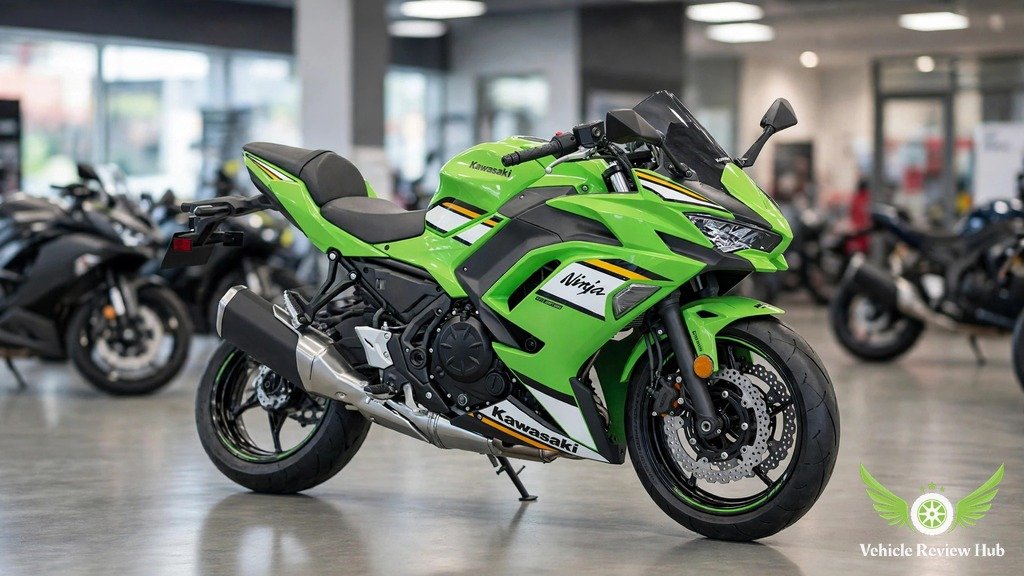
Kawasaki Ninja 650 KRT Edition Price in the USA: $7,999 (2025)
The 2025 KRT Edition ABS cost $7,999 plus a $665 destination charge, for $8,664 delivered. The plain 2025 ABS bike cost the same $7,999, and the non-ABS 2025 bike cost $7,399. So in its final year the KRT paint was free — a buyer paid nothing extra for the Lime Green and Ebony livery over the plain ABS bike. That is a genuine change: in 2017, 2020, 2022 and 2023 the KRT still carried its $200 premium, and this Kawasaki Ninja 650 KRT Edition review marks 2024 as the year it died. One warning: Kawasaki’s live 2025 spec PDF carries the 2024 base price into a stale, regenerated 2025 document, contradicted by Motorcycle.com, SlashGear and every dealer MSRP label. This Kawasaki Ninja 650 KRT Edition review uses $7,399 and $7,999 for 2025.
The leftover market is where the 2025 price gets better. In November 2026, new 2025 KRT ABS leftovers were listed at $7,999 at MSRP at Columbia Powersports Center in South Carolina, at $7,408 total at Miller’s Motorsports of Rostraver in Pennsylvania — $591 off the $7,999 retail — and at $6,999 total at one dealer, $1,000 off retail. A new 2024 KRT ABS was also listed at MSRP $7,999 at Mainland Cycle Center in Texas, and at $7,999 plus $450 at Hollister Powersports. The $6,999 leftover is a dated dealer total from November 2026, not a standing price, and the KRT Edition comparison shows the arithmetic against the 2027 bike. The $6,999 leftover is a $1,000 dealer discount off the $7,999 MSRP — the arithmetic is shown, not hidden.
2023: The Only Route to ABS
2023 was the strangest year of the run: Kawasaki sold no plain ABS trim at all, so ABS was available only on the KRT — $8,199 for the KRT Edition and $8,599 for the ABS KRT. A 2023 ABS 650 is, by definition, a KRT. The 2023 destination charge is unverified, so this Kawasaki Ninja 650 KRT Edition review prints no delivered price for 2023. The 2021 year needs the same care in the opposite direction. Kawasaki’s own 2021 press release names no KRT trim and lists only Graphite Gray and Spark Black, Spark Black and Imperial Red, and Spark Black and Nightshade Teal — yet webBikeWorld reported that KRT graphics were a $200 upcharge, which puts the 2021 ABS KRT at $8,199, and dealer databases list a 2021 KRT Edition model. ZigWheels prints a higher 2021 figure; this review never uses it.
| Market | Bike | Price | Status |
|---|---|---|---|
| New, Nov 2026 | 2025 KRT ABS leftover | $6,999 total | Dated dealer total, $1,000 off MSRP |
| New, Nov 2026 | 2025 KRT ABS leftover | $7,408 total | Miller’s Motorsports, $591 off MSRP |
| New, Nov 2026 | 2025 KRT ABS leftover | $7,999 at MSRP | Columbia Powersports Center |
| New, Nov 2026 | 2024 KRT ABS leftover | $7,999 MSRP | Mainland Cycle Center |
| Used | 2022 KRT ABS, 13,788 mi | $5,999 asking | MotoSport Hillsboro, OR |
| Used | 2022 KRT, 24,605 mi | $4,999 asking | MotoSport Hillsboro, OR |
Note: Leftover prices are dated November 2026 dealer totals; this Kawasaki Ninja 650 KRT Edition review prints them as examples, not as a standing price band. Used prices are asking prices, not sale prices, and no resale percentage is claimed.
Kawasaki Ninja 650 KRT Edition Design, Features and Technology
The KRT’s design is its entire reason for existing: the livery is the product, and this Kawasaki Ninja 650 KRT Edition review is honest about what that means. Lime Green and Ebony bodywork with KRT graphics, black wheels, and from 2023 Pearl Blizzard White on the tank and lower panels. Underneath sits the same Ninja 650.
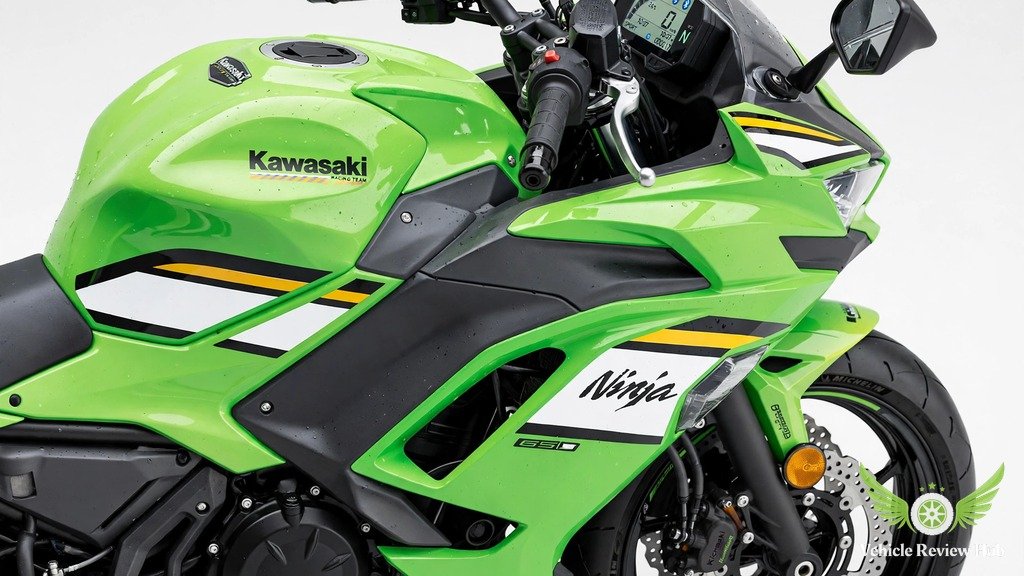
Paint Was Free in Its Final Year
For eight years the KRT paint cost $200. The 2017 KRT was $200 over the ABS bike, and the 2022 and 2023 KRTs each carried the same $200 over the equivalent non-KRT trim. Then, in 2025, the KRT Edition ABS and the plain ABS bike both cost $7,999. The paint was free in the final year — not discounted, not bundled, simply the same price, and this Kawasaki Ninja 650 KRT Edition review marks 2025 as the year the paint went free. The webBikeWorld 2021 report is the source for the 2021 upcharge. The Ninja 500 SE KRT Edition review covers the smaller KRT.
2025 Shares Its Code With ABS
The 2025 KRT Edition ABS carries model code EX650PSFAL — the exact code the plain 2025 Ninja 650 ABS carries. The two bikes are the same machine under the same code, and only the paint differs. That shared code has a practical consequence: in 2025 a factory KRT and a converted plain ABS bike are indistinguishable on paper. One dealer brochure also lists EX650PSFAN for the 2025 KRT ABS, but which of FAL and FAN is the California bike and which is the 49-state bike is not verified, so this Kawasaki Ninja 650 KRT Edition review names the FAL code only. The quickshifter is an accessory only, with no verified price, so this Kawasaki Ninja 650 KRT Edition review prints none.
Kawasaki Ninja 650 KRT Edition Riding Experience and Comfort
Riding the KRT is riding a Ninja 650, and this Kawasaki Ninja 650 KRT Edition review does not pretend otherwise. The riding position is upright and easy, the 31.1-inch seat is low enough for most riders to flat-foot, and the suspension is soft. What the KRT adds is the green bike itself — the one testers kept picking on looks alone.
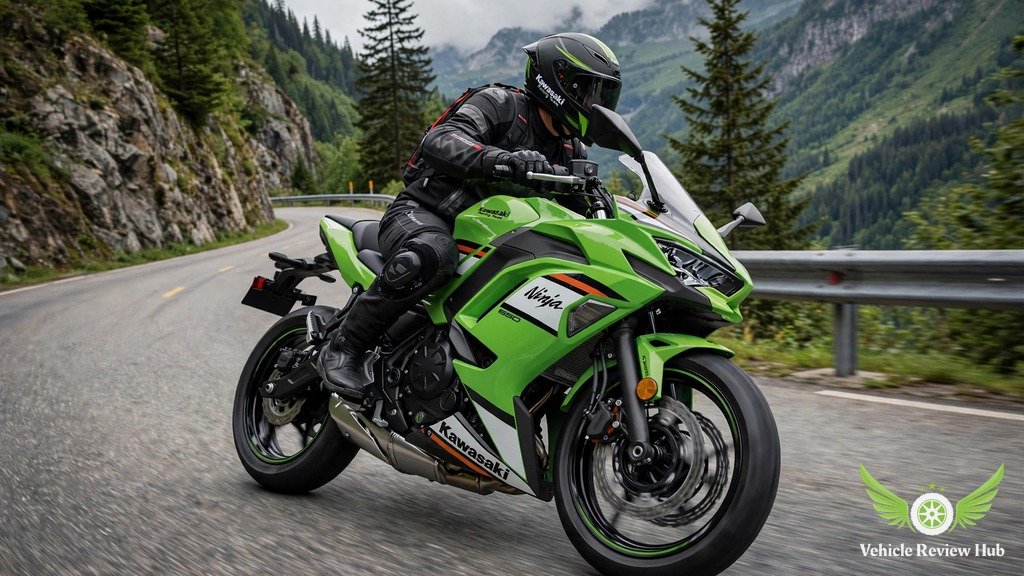
“Absolutely My Choice” (RevZilla 2020)
The strongest verdict any tester gave the KRT came from RevZilla’s 2020 first ride: “The green KRT edition with ABS is $7,999, and it would absolutely be my choice with that paint job.” The same article’s verdict line reads “the most compelling Ninja 650 yet.” That is a verdict about paint, and it is honest about being one — the tester chose the KRT because of how it looks, not because it rides differently. The 2017 launch said the same thing from the other side: RevZilla’s Mark Gardiner rode the KRT Edition at the Paso Robles launch and wrote that the bike was “available from $7,399 ($7,799 with ABS and $7,999 for the black-and-green KRT Edition shown below),” adding that “the seven pounds and $400 that the Bosch ABS system adds are worth it.” Cycle News’s Mark Miller went further in 2017, writing of the new 650, “My wife and I will be buying two of these new Ninja 650s, ASAP.” One caution: both 2020 articles print $7,299 and $7,899 in their prose — $100 low; their spec boxes read $7,399, $7,599 and $7,799. This Kawasaki Ninja 650 KRT Edition review quotes the KRT line only. The RevZilla 2020 first ride is the source.
Rim Stripes Are Genuine Kawasaki Parts
The KRT’s black wheel rim stripes are genuine Kawasaki parts, not an aftermarket add-on. Kawasaki’s own 2025 KRT decals parts diagram lists “PATTERN, WHEEL, BLACK, 6X1079” under part number 56076-2170, four of them, alongside a rim stripe applicator, part number 57001-1752. The stripes are part of the factory KRT package, sold through Kawasaki’s parts system like every other KRT decal. A used KRT missing its rim stripes is missing a factory part that can be ordered and refitted. Every green panel and KRT decal is sold separately, from the 2017 upper cowling (55057-5358-777) to the 2024 cowling centre (55028-0713-777) and the 2025 decals (56054-4090 and 56054-4091). A plain ABS bike can be turned into a KRT in a home garage with genuine parts, which is why the used-buying checks in the reliability guide matter. The Kawasaki 2025 KRT decals parts diagram is the source for the wheel pattern and applicator numbers.
Kawasaki Ninja 650 KRT Edition Review: Pros, Cons and Verdict
The verdict on the KRT Edition is a verdict on a paint job, and this Kawasaki Ninja 650 KRT Edition review keeps those two judgements separate. The motorcycle is the Ninja 650: a 649cc twin with 67.0 hp, a low seat and a decade of proven reliability behind it. The paint is the KRT livery: Lime Green and Ebony, WorldSBK-inspired, and in its final year free. That is the verdict of this Kawasaki Ninja 650 KRT Edition review: buy the bike for the first reason and the paint for the second.
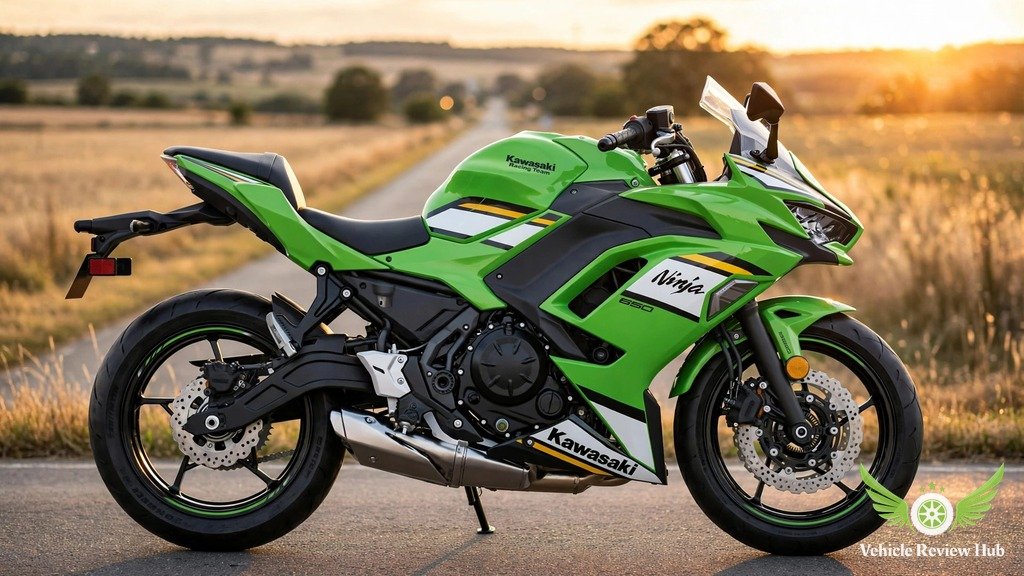
Main Advantages and Limitations of the Kawasaki Ninja 650 KRT Edition
The KRT’s advantages start with the bike and end with the paint: the same proven 650 platform — 67.0 hp twin and a 7,500-mile service interval — and the sharpest-looking livery, which cost nothing extra in 2025 — the combination this Kawasaki Ninja 650 KRT Edition review recommends buying. The limitations are the platform’s limitations: a soft, non-adjustable 41 mm fork, a preload-only rear shock, no quickshifter as standard, and no cruise control. The KRT adds two of its own, and this Kawasaki Ninja 650 KRT Edition review names both: identity — in 2025 it shares the plain ABS model code, so a conversion is indistinguishable on paper — and availability, since only leftovers remain new. The Ultimate Motorcycling 2017 first ride confirms the launch prices, and the TotalMotorcycle 2019 ABS KRT guide lists the exclusive Lime Green and Ebony bodywork.
| Advantages | Limitations |
|---|---|
| Same proven 649cc twin: 67.0 hp, 48.5 lb-ft | Soft, non-adjustable 41 mm fork |
| Bosch two-channel ABS, TFT dash, KTRC from 2020 | Preload-only rear shock |
| Low 31.1 in seat, light steering, beginner-friendly | No quickshifter or cruise control as standard |
| KRT paint free in 2025; leftovers discounted in 2026 | Trim discontinued — new bikes are leftovers only |
| Every KRT part sold separately with a part number | 2025 KRT shares the plain ABS model code (EX650PSFAL) |
| Two platform recalls only, both before the trim existed | No KRT-specific test, dyno or verdict ever published |
Note: The two platform recalls are 10V-323 (2010) and 12V-081 (2012), both before the KRT’s 2017 debut, and no recall names the KRT Edition. This Kawasaki Ninja 650 KRT Edition review lists them in the reliability guide with the Part 573 citations. The 2027 bike’s inverted fork and radial calipers are not a KRT advantage or limitation — the KRT never received them.
2021 Price Still in Conflict
The 2021 price is the one genuine conflict in this Kawasaki Ninja 650 KRT Edition review. Kawasaki’s own 2021 press release, dated September 29, 2020, names no KRT trim, with the non-ABS bike at $7,599 and the ABS bike from $7,999. WebBikeWorld, reporting on the same model year, wrote that “for a $200 upcharge, you can get the KRT Edition graphics,” which puts the 2021 ABS KRT at $8,199. Dealer databases list a 2021 KRT Edition model, which supports webBikeWorld’s account. ZigWheels prints a higher figure for 2021; this review never uses it. The honest position is $8,199, attributed to webBikeWorld, with the press-release silence stated alongside it. The Kawasaki 2021 press release is the source for the silence.
Kawasaki Ninja 650 KRT Edition Review Frequently Asked Questions
The KRT Edition raises the same few questions in every listing and every forum thread, because the trim looks like a different bike and is not one. These are the direct answers from this Kawasaki Ninja 650 KRT Edition review, with the verified figures behind each one.
Is the KRT Edition different from the regular Ninja 650?
No. The KRT Edition is the same motorcycle with different paint and graphics. It has the same 649cc engine, the same 67.0 hp, the same chassis, the same brakes and the same 423.4-pound ABS curb weight. In 2025 it even shared the plain ABS bike’s model code, EX650PSFAL. The only difference is the Lime Green and Ebony KRT livery. This Kawasaki Ninja 650 KRT Edition review states it plainly: the KRT is the ABS bike with paint.
How much does a 2025 KRT Edition cost?
The 2025 KRT Edition ABS cost $7,999 plus a $665 destination charge, for $8,664 delivered, so the KRT paint was free in the final year, and this Kawasaki Ninja 650 KRT Edition review prints $8,664 as the delivered price. In November 2026, new 2025 KRT leftovers were listed from $6,999 total to $7,999 at MSRP.
What years was the KRT Edition sold?
Nine US model years, from 2017 to 2025, with the KRT premium at $200 over the equivalent trim for eight of those years. This Kawasaki Ninja 650 KRT Edition review covers the full nine-year price history in the table above.
Is the KRT Edition still made?
No. Kawasaki dropped the KRT for 2026, and the 2027 Ninja 650 range went ABS-only. The only new KRTs left are leftover 2024 and 2025 bikes — the last new KRTs, as this Kawasaki Ninja 650 KRT Edition review notes.
Was the KRT paint ever free?
Yes, in 2025. The 2025 KRT Edition ABS and the plain 2025 ABS bike both cost $7,999, so the paint was free in the final year. In every earlier year the KRT carried a $200 premium over the equivalent trim. This Kawasaki Ninja 650 KRT Edition review treats the free paint as the trim’s defining final-year fact.
Is the KRT worth more used?
Not on any verified evidence — this Kawasaki Ninja 650 KRT Edition review finds no resale premium in the November 2026 asking prices. Used KRT asking prices track the plain 650 closely — a 2022 KRT ABS with 13,788 miles was asking $5,999 in November 2026, and a 2022 KRT with 24,605 miles was asking $4,999. Buyers should remember the clone caveat: every KRT panel and decal is sold separately, so a plain ABS bike can be converted to KRT appearance, and in 2025 the shared model code means the paperwork cannot tell a factory KRT from a conversion.