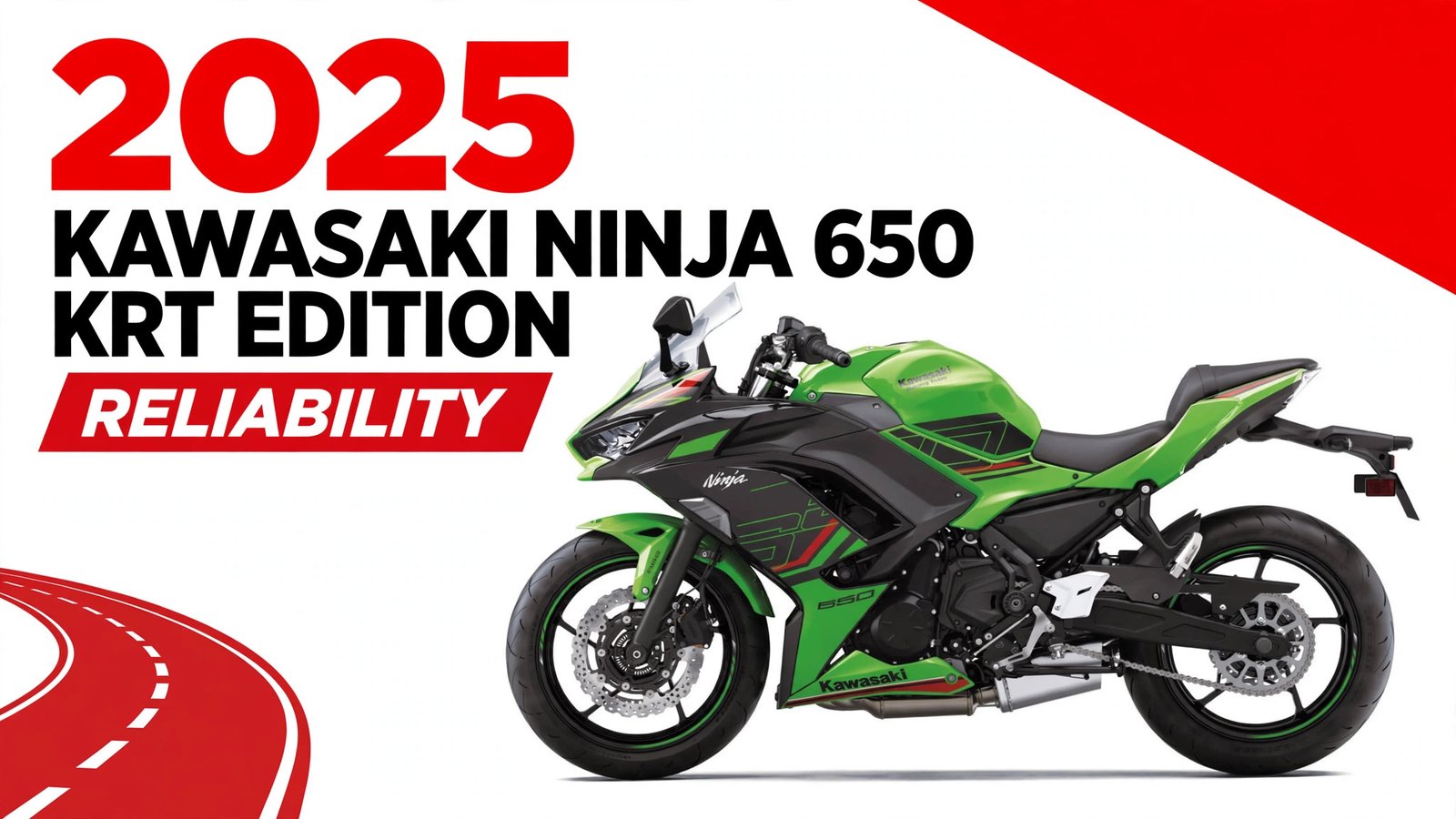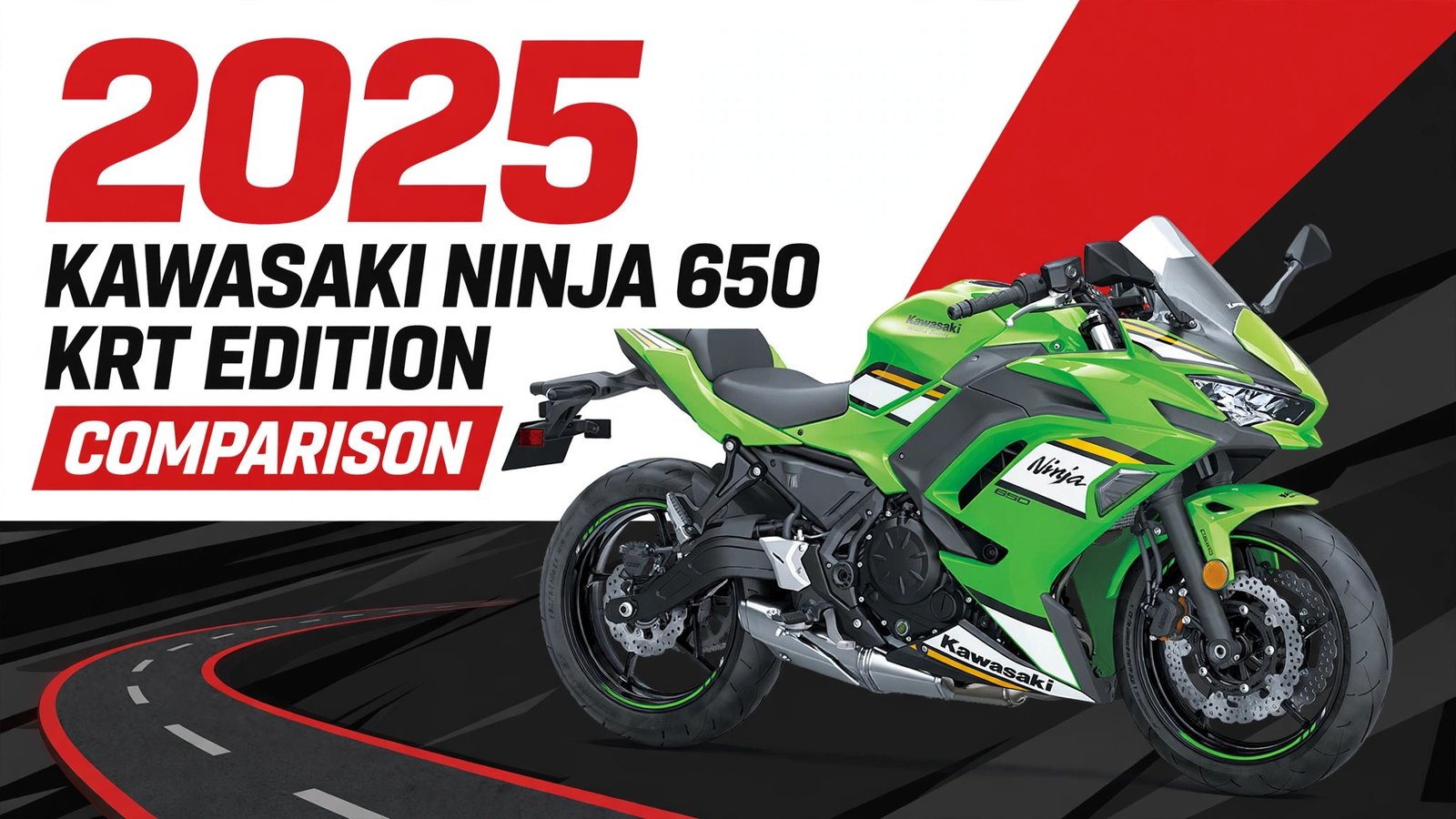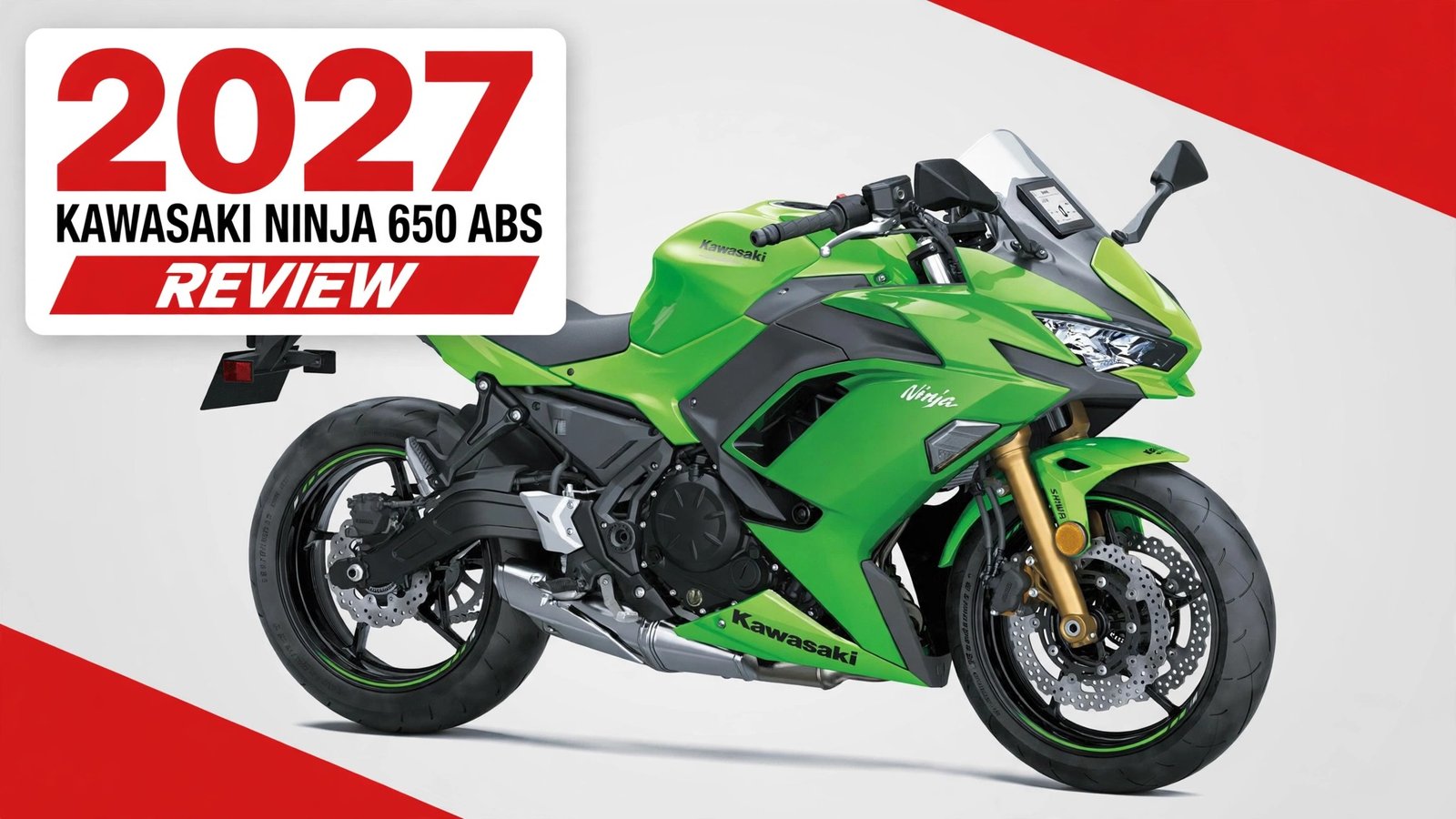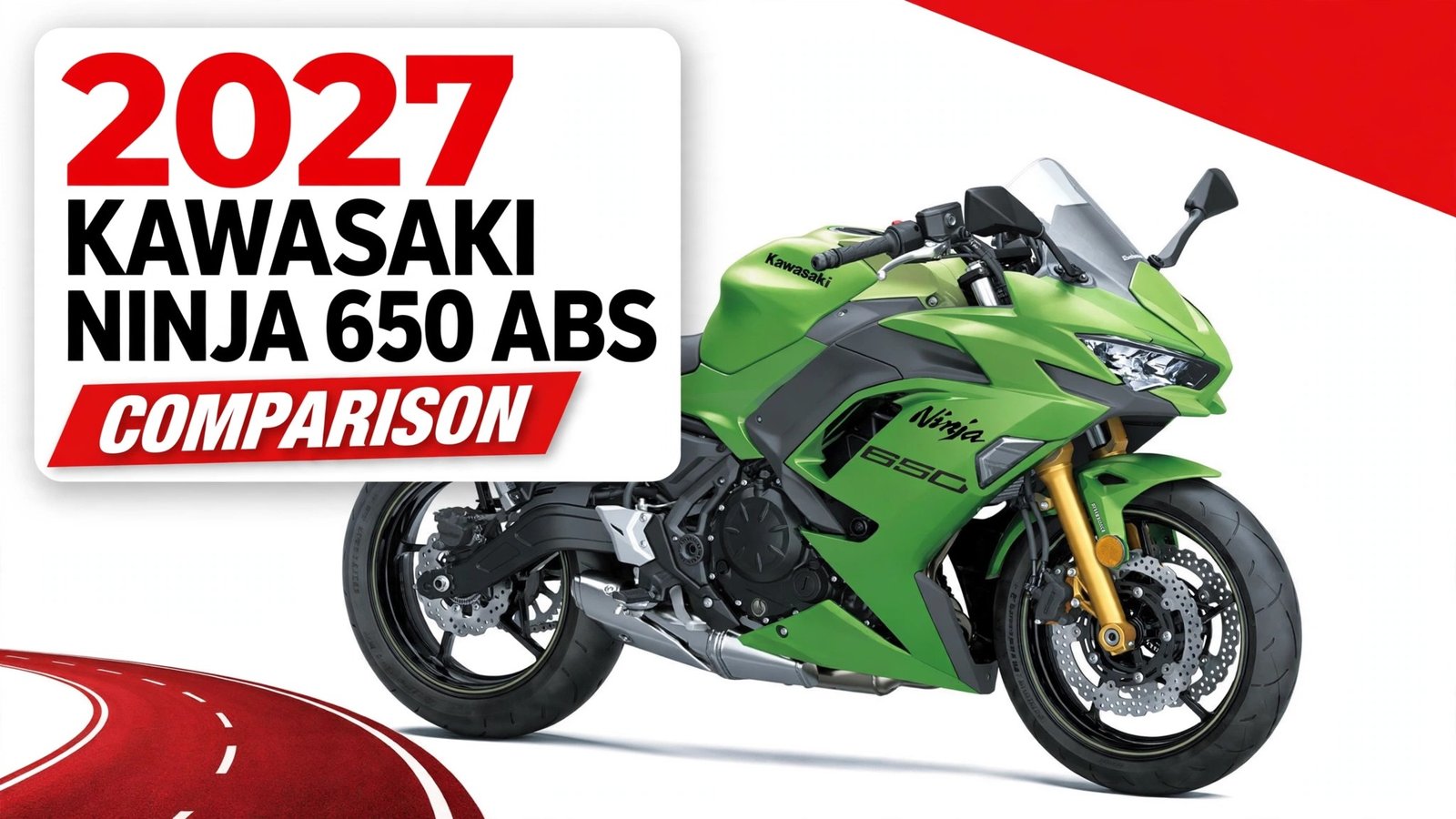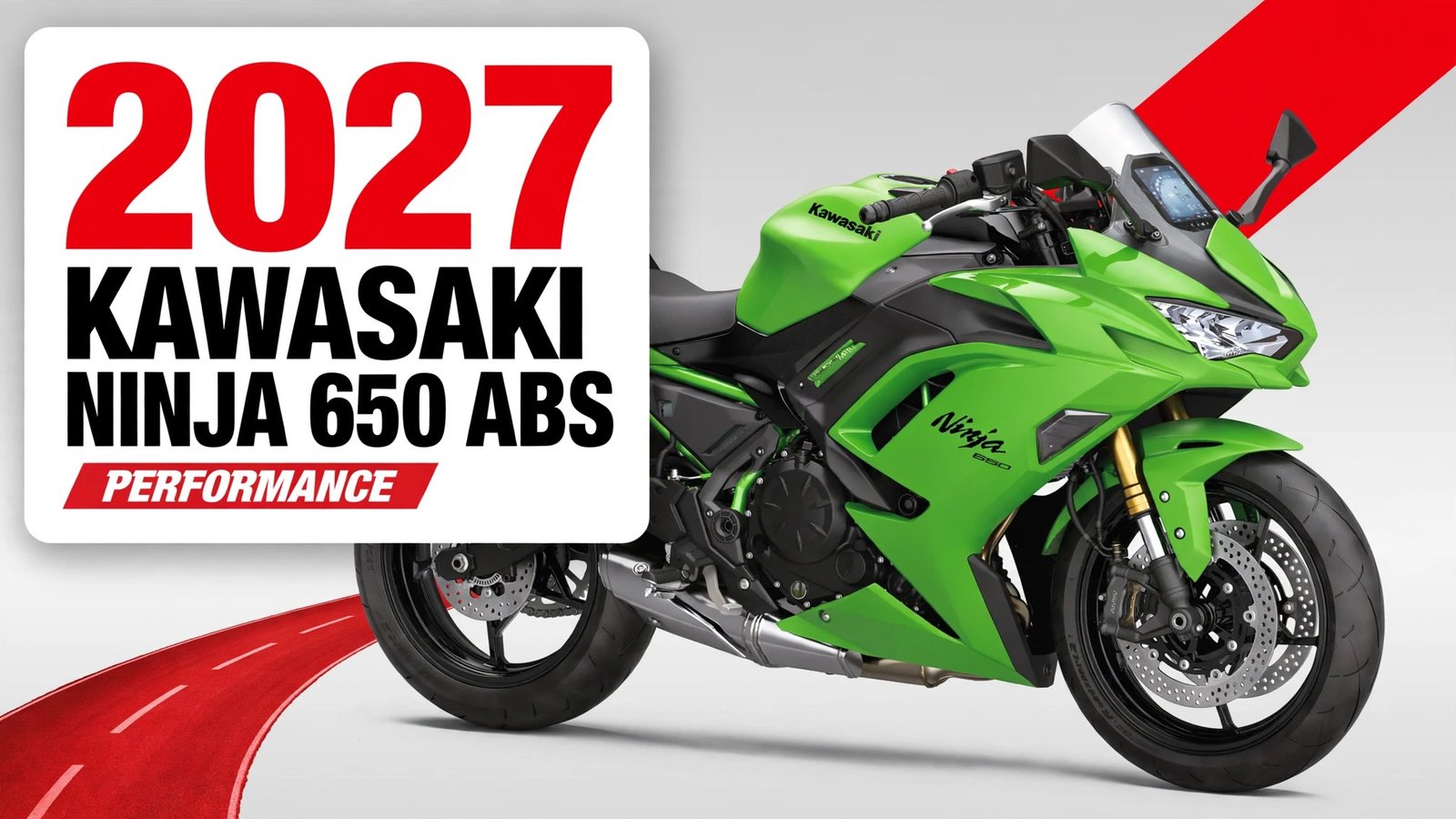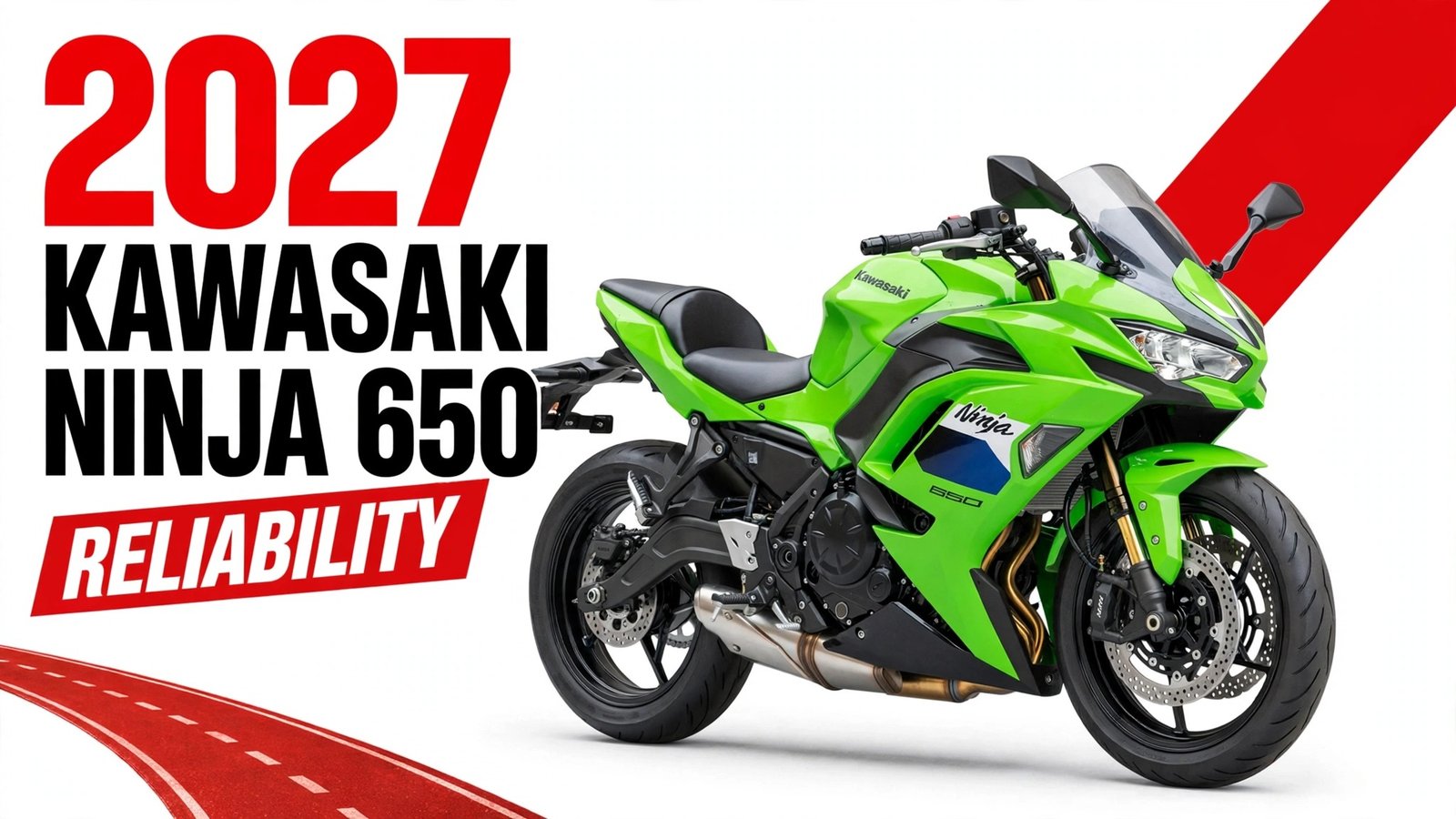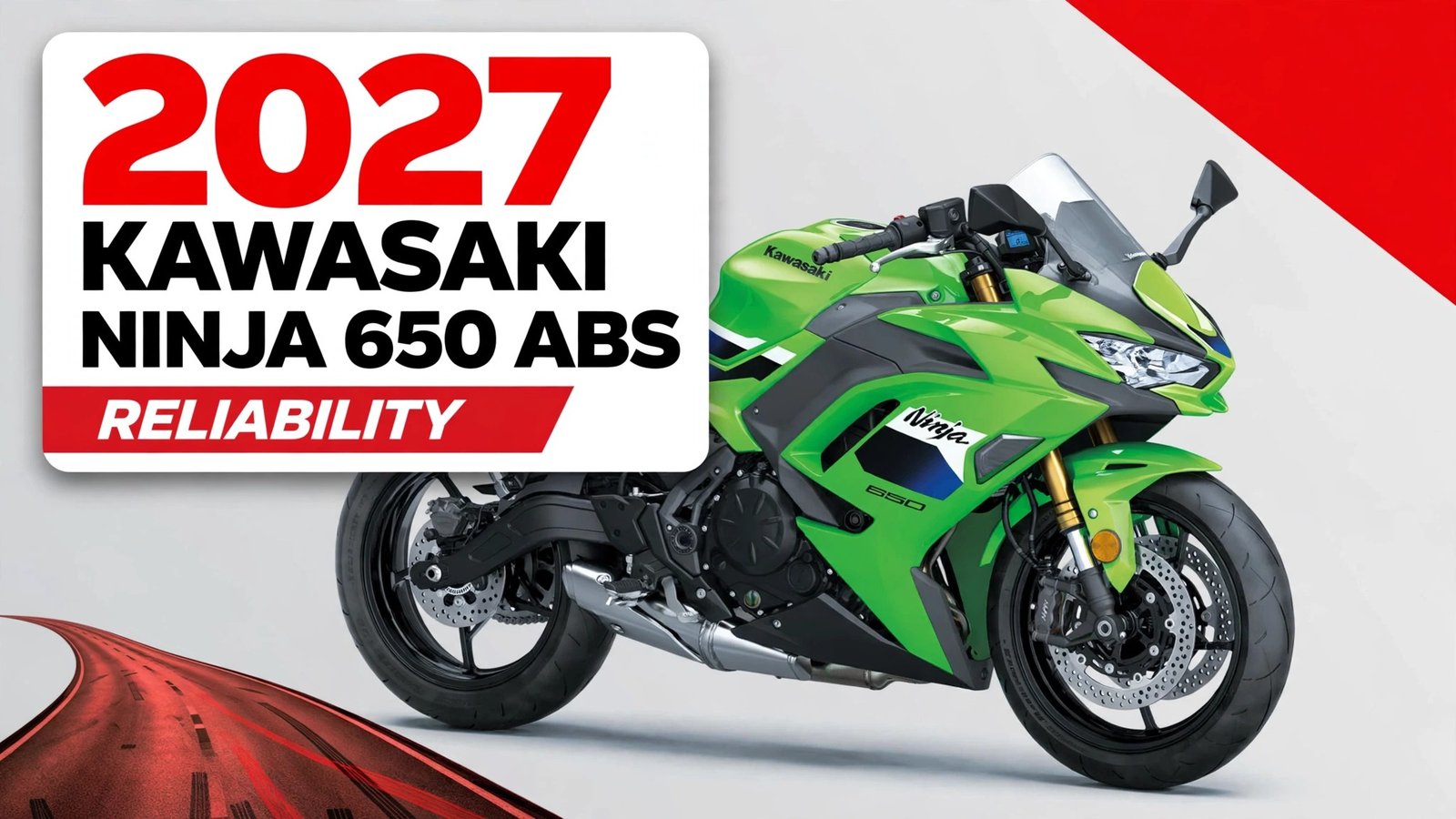
Kawasaki Ninja 650 ABS reliability rests on a short and honest record. In twenty years on sale, the 650 has had exactly two recalls, both before the first ABS bike. The ABS system itself has never been recalled, no ABS fault cluster has shown up in the sources checked, and the maintenance chart is familiar.
Kawasaki Ninja 650 ABS Reliability Overview
The Kawasaki Ninja 650 ABS reliability story starts with what has not gone wrong. The bike has been on sale since the 2006 Ninja 650R, and the only campaigns in that whole span are a 2010 brake-pedal fix and a 2012 footpeg fix. The ABS version has been sold since 2013, and no campaign has ever touched the ABS system — the cleanest fact in Kawasaki Ninja 650 ABS reliability. This guide treats that as the headline — the fact a buyer asks about first — and the rest of Kawasaki Ninja 650 ABS reliability follows from it.
Valve Check Stays 15,000 Miles
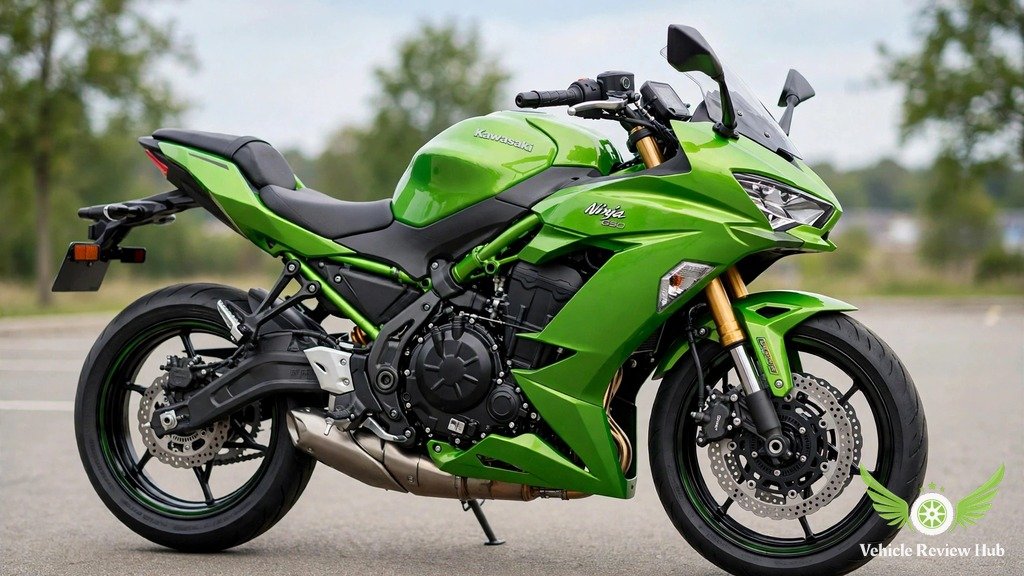
The valve-clearance check is the 650’s one big scheduled job, and its interval has not moved. For United States and Canadian models the manual calls for a valve-clearance inspection every 24,000 km, and the chart’s own mile column reads 15,200 miles — the heading’s 15,000 miles is the rounded American figure. That interval is where Kawasaki Ninja 650 ABS reliability is won or lost. The European interval is longer, every 42,000 km (26,250 miles), and it is not ours: a United States bike follows the 24,000 km schedule, not the European one. A buyer should ask whether the valve check has been done on schedule: it is the service skipped most often. Our Ninja 650 reliability guide covers the same interval for the non-ABS bike: the ABS hardware changes nothing about the engine’s service schedule, which is why Kawasaki Ninja 650 ABS reliability and non-ABS reliability share the same chart.
How Mileage, Storage and Previous Care Affect Reliability
Three things decide whether a used 650 stays reliable: mileage, storage, and previous care. High mileage is not a problem by itself — the 649 cc twin is a long-lived engine — but a high-mileage bike with no service record is a different purchase from one with a full history. Ask for proof that the two early recall campaigns were done, and run the key-on lamp check: the warning lamp should light, then go out. The ABS review covers what the current bike is like to ride, and this Kawasaki Ninja 650 ABS reliability guide covers what keeps it running.
Kawasaki Ninja 650 ABS Common Problems and Wear Items
The 650’s common problems are owner-reported patterns, not factory defects. Nothing below is covered by a recall or a technical service bulletin, and that distinction matters: a pattern owners talk about is not the same as a failure Kawasaki has acknowledged. This guide keeps the two separate, and says plainly where a claim is only an owner report.
Both Recalls Predate ABS
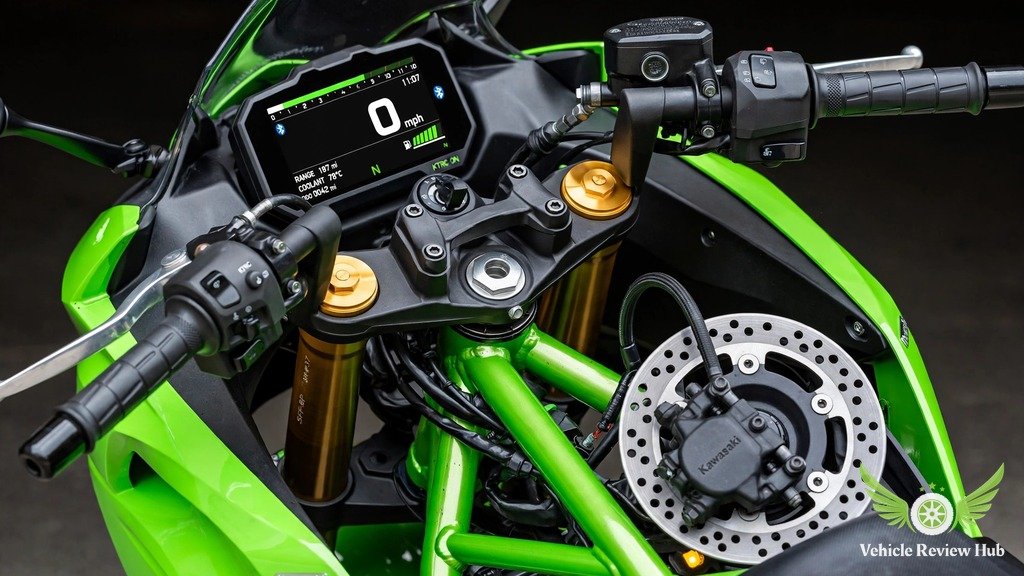
Both of the 650’s recalls happened before the first ABS bike existed — and that timing is the first thing Kawasaki Ninja 650 ABS reliability rests on. The first ABS Ninja 650 was a 2013 model. The first, NHTSA recall 10V-323, was reported in July 2010: on 2009 and 2010 EX650C9F and EX650CAF bikes, the right lower cowling could interfere with the rear-brake pedal, and the remedy fitted a footrest guard and a fairing bracket. About 6,700 to 6,800 bikes were affected — the acknowledgement letter counts 6,764 and the quarterly report counts 6,700, so this guide prints the range rather than a single exact figure. The second, NHTSA recall 12V-081, was reported in March 2012: on 2012 bikes, the passenger footpeg circlips could come loose, and the remedy fitted a repair kit (part number 99999-0379) under bulletin MC 12-02. It covered 793 units in total across three models — the 2012 EX650ECF, the EX250JCF, and the KLE650CCF, all built between September 13 and October 25, 2011 — and 793 is the total across all three, never the 650’s count alone. Neither campaign is an ABS defect, and the ABS system itself has never been recalled on the 650 — the fact that anchors Kawasaki Ninja 650 ABS reliability. One trap to avoid: recall 18V-580, a 2018 centre-stand spring-pin fix on 390 bikes, belongs to the Ninja H2 SX, not to any 650. And do not quote the NHTSA recalls API as showing zero campaigns: it returns zero for every Ninja 650 year, so it is a matching failure, not a clean record. The Part 573 reports linked above are the evidence for Kawasaki Ninja 650 ABS reliability. The Ninja 650 reliability guide carries the same two campaigns for the non-ABS bike, as does the Ninja 500 SE KRT reliability guide for the newer bike.
No ABS Fault Cluster Found
No ABS fault cluster was found in the sources checked — that is a search result, not a promise that the ABS never fails. No campaign, no technical service bulletin, and no repeated owner-forum pattern points at the ABS hardware on the 650, and that absence is the most important finding in Kawasaki Ninja 650 ABS reliability. What owners do report is a short list of age-related patterns, all caveated as owner reports. On pre-2017 bikes, the charging system is the usual suspect: a weak rectifier/regulator and stator, usually on a bike that has been sitting. A cam chain tensioner rattle shows up on higher-mileage engines, a throttle-body sync smooths a rough idle, and fork seals weep with age. None of these is recall- or bulletin-covered, and none is an ABS problem. The ABS pump itself — part number 16082-0767, shared with the Z650 ABS — has no failure pattern in the sources checked.
| Campaign | Year reported | Bikes affected | Defect and remedy |
|---|---|---|---|
| 10V-323 | 2010 | About 6,700–6,800 (2009–2010 EX650C9F/CAF) | Right lower cowling interfered with the rear-brake pedal; footrest guard and fairing bracket fitted |
| 12V-081 | 2012 | 793 total across three models (2012 EX650ECF, EX250JCF, KLE650CCF) | Passenger footpeg circlips could come loose; repair kit 99999-0379 under bulletin MC 12-02 |
| ABS system | — | None | No campaign has ever touched the ABS system on the 650 |
Note: Both campaigns in the table above predate the first ABS Ninja 650, a 2013 model — and that timing is the whole point of Kawasaki Ninja 650 ABS reliability: the ABS bike has a clean recall record. That clean recall record is the fact Kawasaki Ninja 650 ABS reliability is built on.
Kawasaki Ninja 650 ABS Maintenance Schedule and Servicing
The maintenance chart comes from the 2017 Service Manual (part number 99924-1517-01): service every 7,500 miles or 12,000 km, or yearly, whichever comes first, with the first service at 600 miles. The ABS bike follows the same chart as the non-ABS bike, with one difference in emphasis — brake fluid, because the modulator’s valves and passages suffer most from old fluid. That single difference is what makes Kawasaki Ninja 650 ABS reliability a fluid story as much as an engine story. This guide prints the chart as the manual gives it, and flags the two numbers still unverified from the 650’s own manual. The chart itself is the backbone of Kawasaki Ninja 650 ABS reliability: follow it, and the bike asks for very little else.
Brake Fluid Every 2 Years
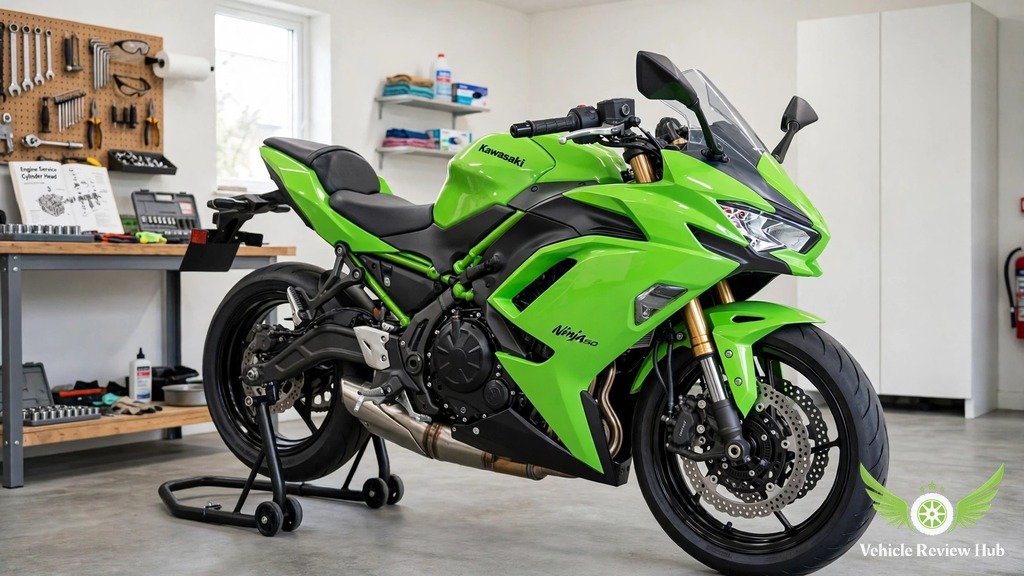
Brake fluid is due every two years on the 650, and that interval matters more on the ABS bike than on a non-ABS bike. The modulator’s valves and passages are small, and old fluid — which absorbs moisture and degrades — is the one thing that can make an ABS unit sluggish over time. A two-year fluid change is cheap insurance against the most expensive part on the bike — the single most important item in Kawasaki Ninja 650 ABS reliability after the valve check. The rest of the fluid schedule is just as regular: coolant and its hoses and O-rings every three years or 36,000 km, brake hoses and rubber parts every four years, and fuel hoses every five years. The ABS performance guide shows what the brakes do when they are fresh.
Lamp Out Means Brakes Still Work
The ABS warning lamp is the bike’s own diagnostic, and the owner’s manual states its meaning plainly: “When the indicator light is on, the ABS does not function but if the ABS fails, the conventional brake system will still work normally.” The lamp should light at key-on and go out once the bike is moving — a lamp that stays on means the ABS is off, while the ordinary brakes keep working, and that single test is the fastest check in Kawasaki Ninja 650 ABS reliability. Some lamps light for transient reasons — a rough road, a wheelie, electrical interference, or wrong tyre pressure or size — and the manual says an ignition cycle resets those. A lamp that returns after a restart, or one that never lights at all, is a dealer job. The 2018 Ninja 650 ABS manual carries the same lamp section. RevZilla’s 2017 first ride rode an ABS bike and reported the system working without fuss.
| Item | Interval | Notes |
|---|---|---|
| Engine oil + filter | Every 7,500 mi / 12,000 km | 1.8 L (1.7 US qt) 10W-40; filter 16097-0008 (HF303RC), 17.5 Nm; drain bolt 30 Nm |
| Air filter | Every 7,500 mi / 12,000 km | Inspect at each service, replace on schedule |
| Spark plugs | Every 7,500 mi / 12,000 km | NGK CR9EIA-9, gap 0.8–0.9 mm, 13 Nm |
| Valve clearance | Every 24,000 km (15,200 mi) | US/CA schedule; non-US/CA every 42,000 km (26,250 mi) |
| Brake fluid | Every 2 years | Matters most on the ABS bike — protects the modulator |
| Coolant + hoses/O-rings | Every 3 years / 36,000 km | Hoses and O-rings on the same cycle as the coolant |
| Brake hoses + rubber parts | Every 4 years | Rubber parts age whether the bike is ridden or not |
| Fuel hoses | Every 5 years | Fuel filter kit 99999-0525 on the same cycle |
| Idle speed | Check at service | 1,250–1,350 rpm |
| First service | 600 miles | Then every 7,500 miles or yearly, whichever comes first |
Note: The chart above is the 2017 Service Manual’s schedule, and Kawasaki Ninja 650 ABS reliability depends on following it rather than stretching it: oil and filter at every service, plugs and air filter on the same cycle, fluid on the calendar. That is Kawasaki Ninja 650 ABS reliability in one sentence.
Kawasaki Ninja 650 ABS Tires, Brakes and Suspension Maintenance
Tyres, brakes, and suspension are where the ABS bike’s maintenance differs from the non-ABS bike’s — and the difference is small. The brake system has one more component, the modulator, and one more check, the lamp; the tyres and suspension are identical. This guide covers the checks that matter, and names the two numbers it could not verify from the 650’s own manual instead of printing them — the honest way to write Kawasaki Ninja 650 ABS reliability.
Used Modulators Are a Salvage Item
If the ABS modulator ever fails, the used route is salvage — and this guide prints no price for it, because no live listing could confirm one. The modulator is the ABS pump, part number 16082-0767 (PUMP-ASSY-OIL, ABS), shown in Kawasaki’s own parts diagrams and shared with the Z650 ABS. A direct live check of eBay and salvage listings for that part number found no live listing for a 650 unit with a price, so the used-modulator price range in an early draft was dropped rather than printed unverified. The only eBay ABS-pump result found was a Concours 14 unit, part number 16082-0743, at $299.25 — a different part on a different bike. The part number does not prove the supplier: a Bosch 9.1M unit is documented on 2017 and later bikes only, and the 2013 to 2016 supplier was never verified. The lesson for Kawasaki Ninja 650 ABS reliability is simpler: keep the fluid fresh and the tone ring clean, and the modulator should never need replacing at all.
Tire, Brake and Suspension Checks That Matter
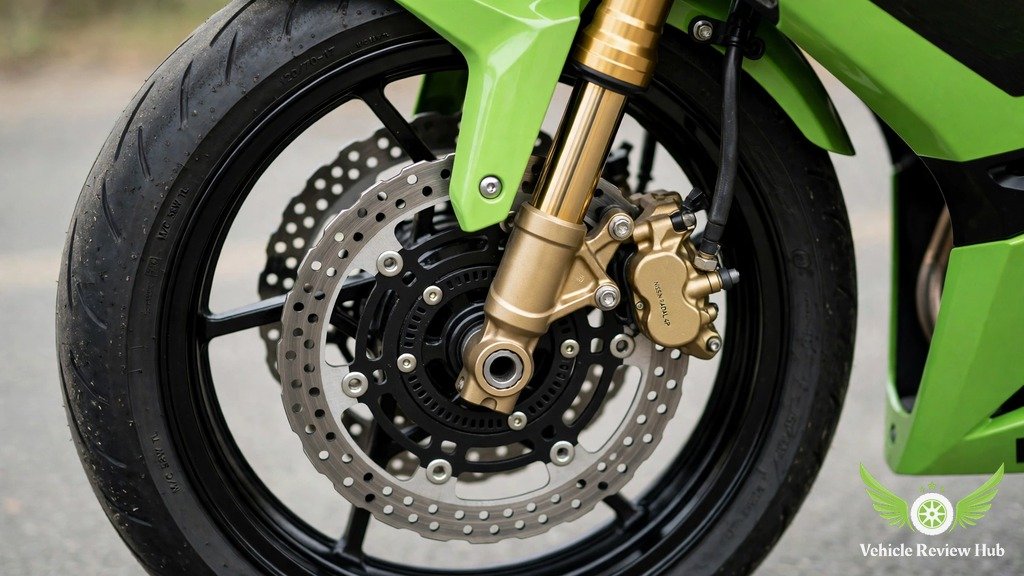
The checks that matter catch wear early. On the brakes, check pad thickness and disc condition, and look at the ABS tone ring and sensor on the front wheel: a bent ring or a sensor clogged with road grime can light the lamp. On the tyres, check tread depth and age, and set pressures from the owner’s manual or the sticker on the bike — no pressure figure is printed here, because the 650’s own manual figure could not be verified and secondary sources conflict, one saying 33/36 psi and another saying 36/42. On the chain, check slack and lubrication against the owner’s manual — no figure is printed here, because the 650’s own manual figure could not be verified and the 500’s 20–30 mm is not the 650’s number. On the suspension, look for weeping fork seals on high-mileage bikes, and have the steering stem bearings lubricated every two years. The ABS review describes the current bike’s inverted fork and radial calipers, and Ultimate Motorcycling’s 2023 review notes the same chassis hardware — but its test bike had no ABS, so its ride impressions are not evidence for Kawasaki Ninja 650 ABS reliability.
Kawasaki Ninja 650 ABS Maintenance and Ownership Costs
The 650 is a cheap bike to own, and the ABS version costs no more to run than the non-ABS bike: the service items and intervals are the same, and the modulator has no service cost of its own beyond the brake fluid that protects it. This guide gives the running costs that are verified, and says plainly where no verified cost figure exists, because Kawasaki Ninja 650 ABS reliability is not helped by invented prices.
Fuel, Routine Servicing, Tires and Replacement Parts
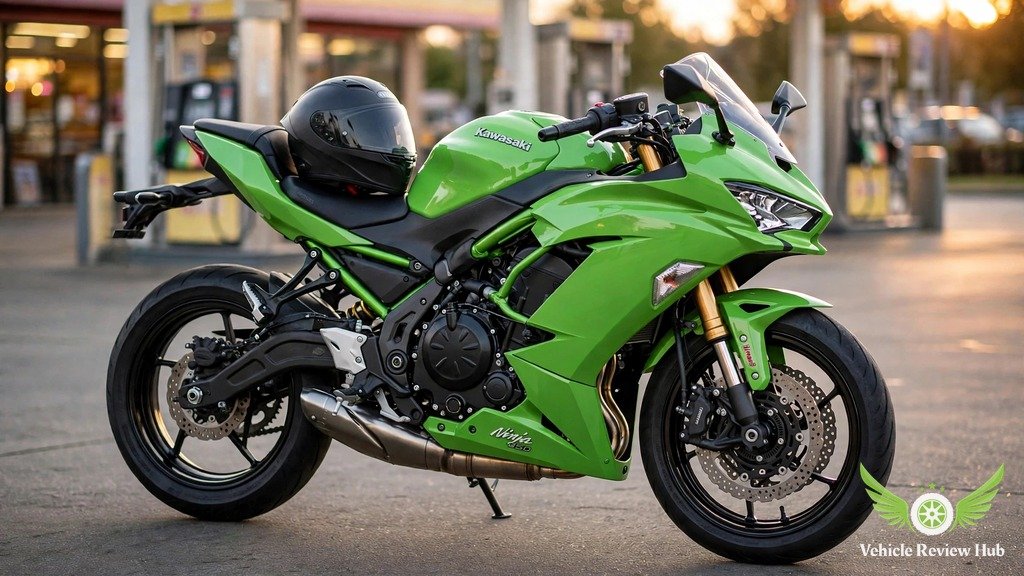
Fuel is the 650’s strongest ownership argument. MCN’s measured average of 49.44 mpg gives a real-world range of about 198 miles from the tank — a measured record, not a manufacturer’s claim. Routine servicing is oil and a filter at every 7,500-mile service — 1.8 litres of 10W-40, not the Ninja 500‘s 2.3 litres — plus an air filter and NGK CR9EIA-9 plugs on the same cycle, and a valve check every 15,000 miles. That service list is the whole of Kawasaki Ninja 650 ABS reliability costs. Tyres and brake pads vary most with riding style, and no verified cost figure exists for them in the sources checked, so this guide prints none. Labour estimates were not verified against a dealer, so they are not printed here as settled costs. The Ninja 400 reliability and Ninja 300 reliability guides follow the same rule on the smaller bikes, and the 2027 Ninja 650 ABS specifications confirm the bike’s running gear.
New Modulator Price Unverified
No new-modulator price could be verified for the 650, and this guide prints none. Kawasaki’s parts diagrams list the pump — part number 16082-0767 — but no dealer price was confirmed from a live source, and the only price found anywhere near the part was a different unit on a different bike. A generalisation that ABS modulators sit in “four-figure territory” is not a 650 price, and it is not printed as one. If the lamp stays on after an ignition cycle, get a dealer diagnosis: a lamp can mean a sensor, a ring, or a wiring fault before it means the modulator. That is the honest position on Kawasaki Ninja 650 ABS reliability: the expensive part is real, its price is unverified, and the fluid that protects it costs very little.
| Part | Part number | Notes |
|---|---|---|
| Oil filter | 16097-0008 (HF303RC) | Replace with every service; 17.5 Nm |
| Spark plugs | NGK CR9EIA-9 | Every 7,500 miles; gap 0.8–0.9 mm, 13 Nm |
| ABS pump | 16082-0767 | PUMP-ASSY-OIL, ABS; shared with the Z650 ABS; new price unverified |
| Fuel filter kit | 99999-0525 | Every 5 years with the fuel hoses |
| Footpeg repair kit | 99999-0379 | Recall 12V-081 remedy, bulletin MC 12-02 |
Note: The parts in the table above are the only ones this Kawasaki Ninja 650 ABS reliability guide lists with numbers: they are the only ones verified from Kawasaki’s own diagrams and manual.
How to Keep a Kawasaki Ninja 650 ABS Reliable
Keeping a 650 ABS reliable is mostly a matter of not skipping the boring jobs: oil and a filter every 7,500 miles, fluid every two years, and a valve check every 15,000 miles — in return for twenty years of clean recall history and an ABS system that has never been recalled. This guide ends with the habits that keep Kawasaki Ninja 650 ABS reliability intact.
Preventive Maintenance, Records and Regular Inspections
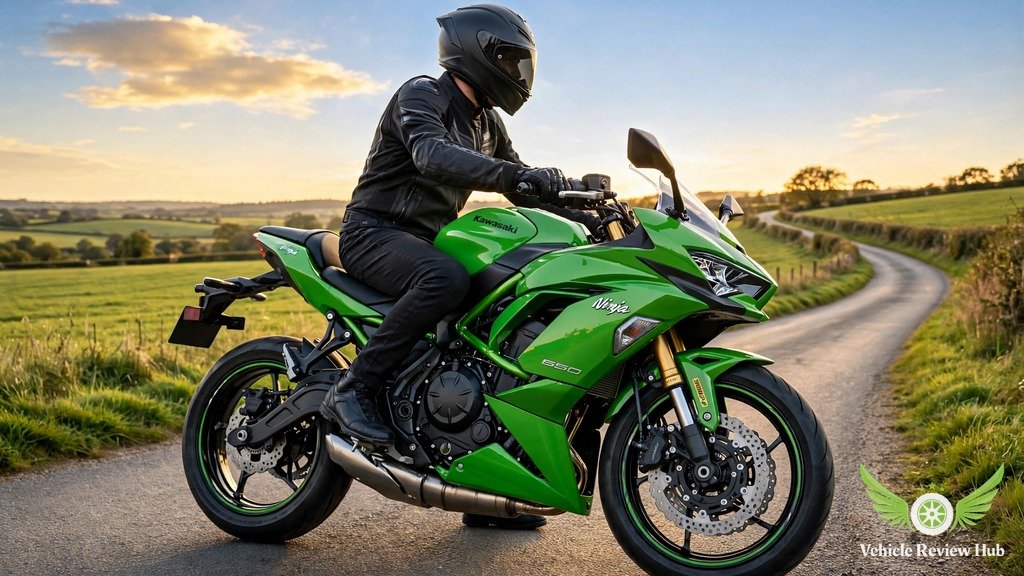
Three habits keep the bike reliable. Follow the chart — oil and filter at every service, plugs and air filter on the same cycle, and fluids and hoses on the calendar. Keep the records — a service history with dates and mileage is the single most valuable thing on a used bike. Inspect the bike regularly — the lamp test at key-on, a look at the tone ring and sensor, and a check of pad thickness and tyre age. The ABS review and the ABS performance guide describe the bike itself, and the YZF-R7 review and the YZF-R3 review show what the rivals ask of their owners. None of those bikes has a cleaner ABS record than this one, and that is the measure of Kawasaki Ninja 650 ABS reliability.
Gen 2 Supplier Never Verified
The 650’s history runs in three generations, and the ABS supplier is only documented for the third. Generation 1 ran from 2006 to 2011, before ABS existed. Generation 2 ran from 2012 to 2016, and its ABS unit’s supplier was never verified — the Bosch 9.1M unit is documented on Generation 3 bikes, from 2017 onward, only. The 2027 bike’s supplier is unnamed, so this guide prints no Bosch claim for it either. That matters: a buyer told a 2013 or 2014 bike has a Bosch ABS unit is being told something no source confirms. The practical point is smaller than the paperwork — whichever supplier built the unit, the maintenance is the same. The scheme above is the doc’s own three-generation numbering, not the four-generation numbering used for the non-ABS bike in the previous cluster — and Kawasaki Ninja 650 ABS reliability is written on the three-generation scheme.
Kawasaki Ninja 650 ABS Reliability Frequently Asked Questions
These are the questions buyers ask most about Kawasaki Ninja 650 ABS reliability, answered from the recall record and the service manual rather than from opinion. The short version: the ABS bike has a clean record, and the maintenance it asks for is ordinary.
How often does the Ninja 650 ABS need a valve check?
Every 24,000 km, which the manual’s chart lists as 15,200 miles — the rounded American figure is 15,000 miles. That is the United States and Canadian schedule; the European interval is longer and does not apply here. Kawasaki Ninja 650 ABS reliability depends on that check being done on time.
Has the Ninja 650 ABS ever been recalled?
No — the ABS system itself has never been recalled on the 650, and that clean record sits at the centre of Kawasaki Ninja 650 ABS reliability. The bike has had two recalls in total, a 2010 brake-pedal fix and a 2012 footpeg fix, both before the first ABS bike, a 2013 model. Neither campaign is an ABS defect.
What does it mean if the ABS light stays on?
It means the ABS is off, while the ordinary brakes keep working normally — the owner’s manual’s own wording. A rough road, a wheelie, electrical interference, or wrong tyre pressure can light the lamp temporarily, and an ignition cycle resets those. If the lamp returns after a restart, get a dealer diagnosis. Kawasaki Ninja 650 ABS reliability starts with that lamp test.
How much oil does the Ninja 650 ABS take?
1.8 litres (1.7 US qt) of 10W-40, filter changed at every service. That is the 650’s own figure — not the 500’s 2.3 litres — and the filter is part number 16097-0008, tightened to 17.5 Nm. Kawasaki Ninja 650 ABS reliability is partly an oil story.
How often should brake fluid be changed on the Ninja 650 ABS?
Every two years. The interval matters more on the ABS bike than on a non-ABS bike, because old fluid can make the modulator’s valves and passages sluggish — and Kawasaki Ninja 650 ABS reliability leans on that fluid change. A two-year fluid change is cheap insurance against the most expensive part.
Is the ABS on the Ninja 650 a Bosch unit?
A Bosch 9.1M unit is documented on 2017 and later bikes only. The 2013 to 2016 supplier was never verified, and the 2027 bike’s supplier is unnamed — so no Bosch claim is printed for either, and Kawasaki Ninja 650 ABS reliability does not rest on the supplier’s name. What is verified is the part number, 16082-0767, and the fact that the ABS system has never been recalled.