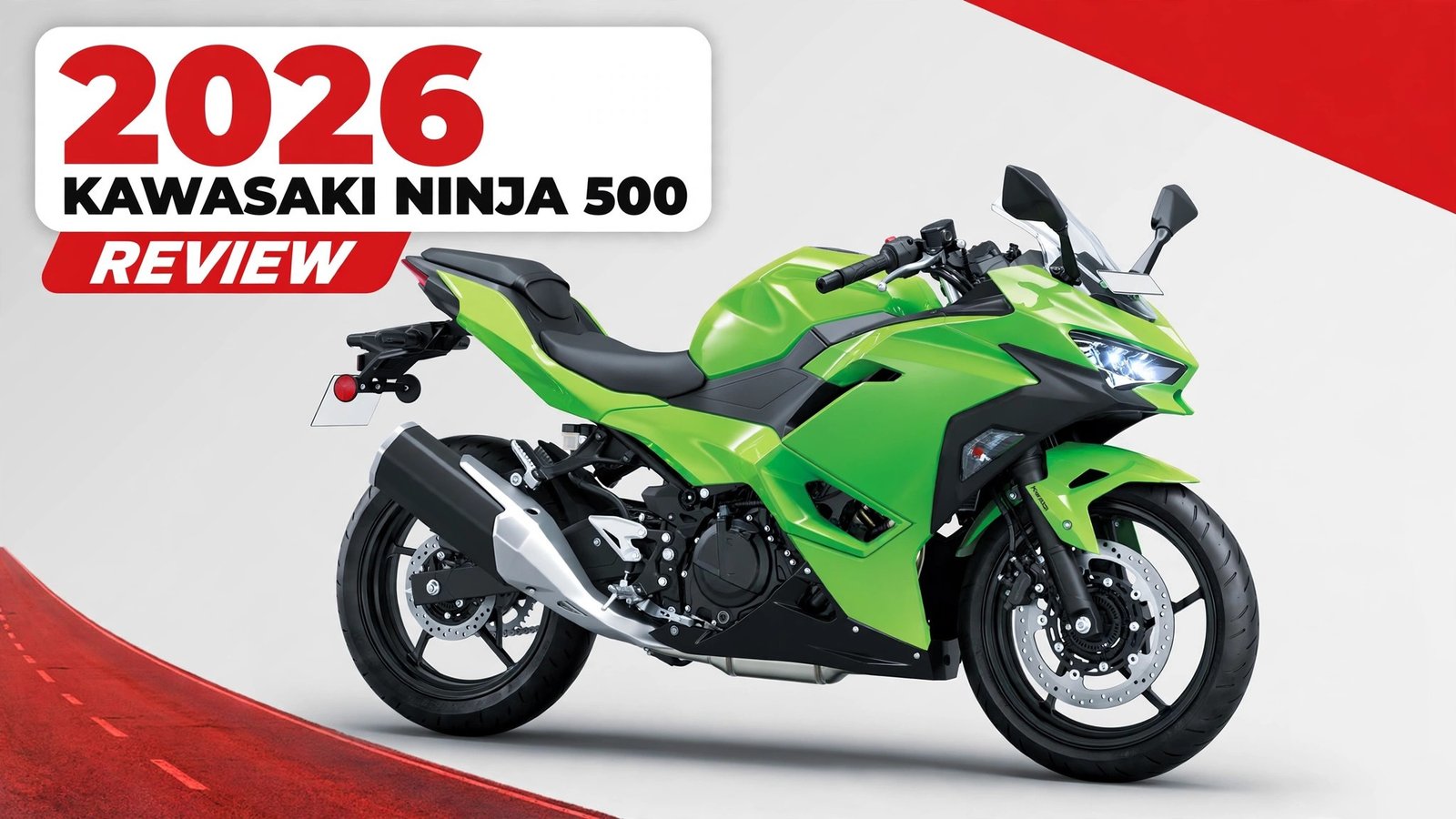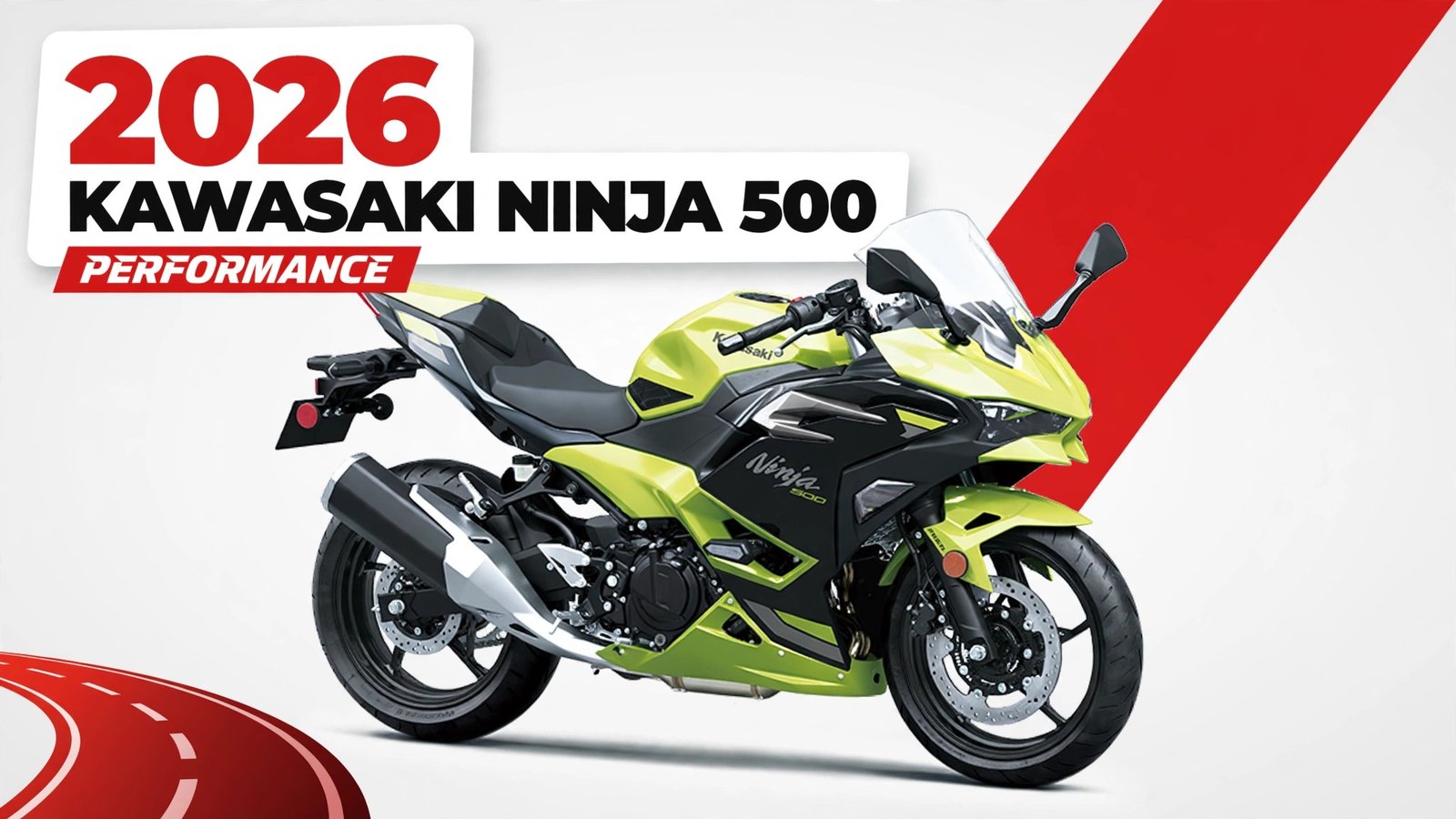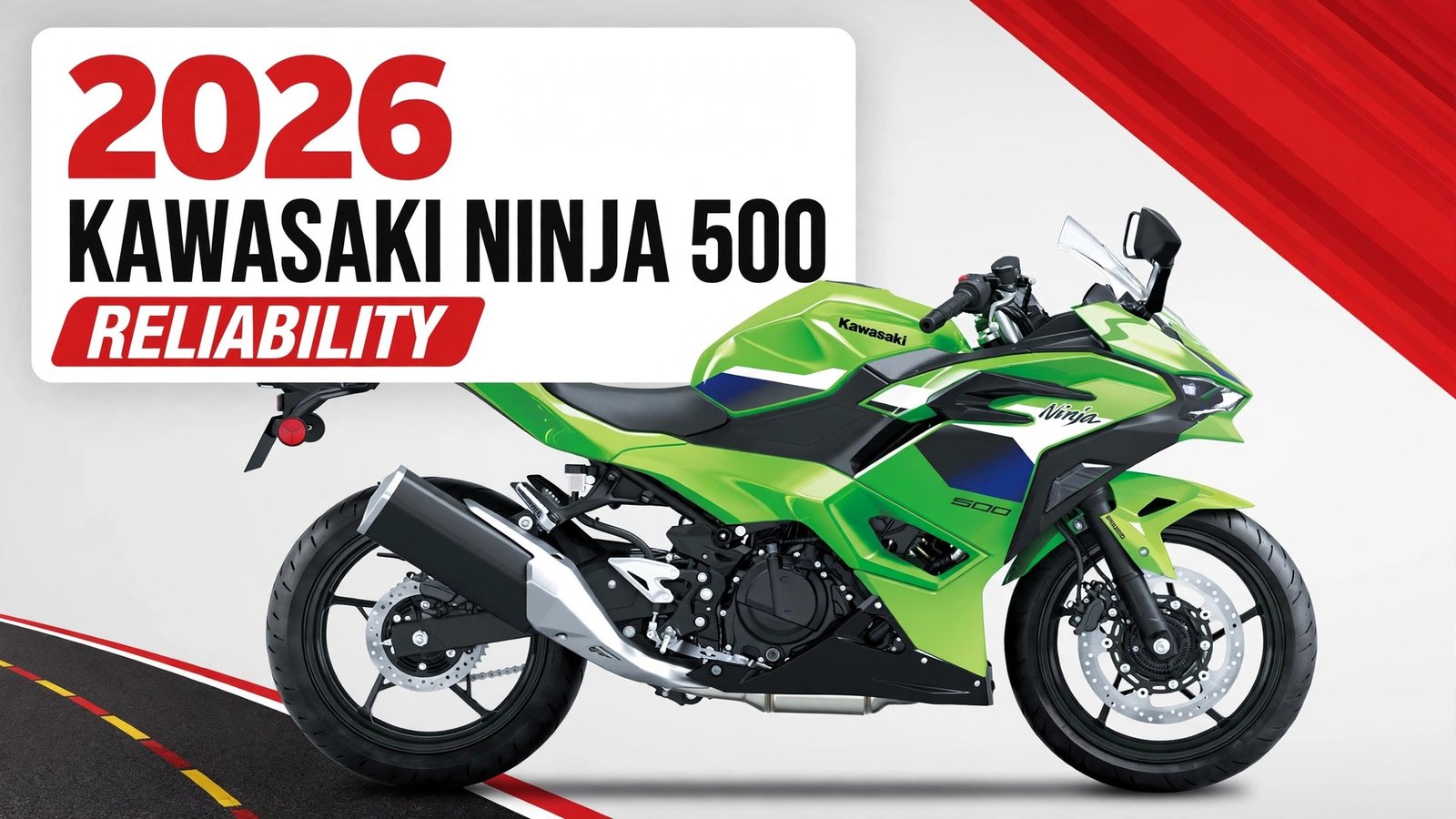
The short answer is yes: the Ninja 500 is a reliable motorcycle, and this Kawasaki Ninja 500 reliability guide explains why in plain terms. After two model years on sale in the United States, the bike carries exactly one recall — a clutch shaft weld defect on a two-week slice of 2024 builds — and no other widespread defect pattern has been documented. The service schedule is simple and the chart comes from the 500’s own manual.
That does not mean the bike is fault-free. The base dash is basic, the mirrors vibrate at speed, the exhaust heat shield crowds the rider’s right footpeg, and the stock suspension is soft for heavier riders — none of them a breakdown. Engine, clutch and electrics have no documented pattern of failure on the 500, and Kawasaki Ninja 500 reliability comes down to three checks: the recall status, the service history, and the wear items.
The rest of this Kawasaki Ninja 500 reliability guide covers the recall, the maintenance schedule, the wear items, and what ownership costs. The price and spec story is in our Kawasaki Ninja 500 review, and the performance story is in our Kawasaki Ninja 500 performance guide.
Kawasaki Ninja 500 Reliability Overview
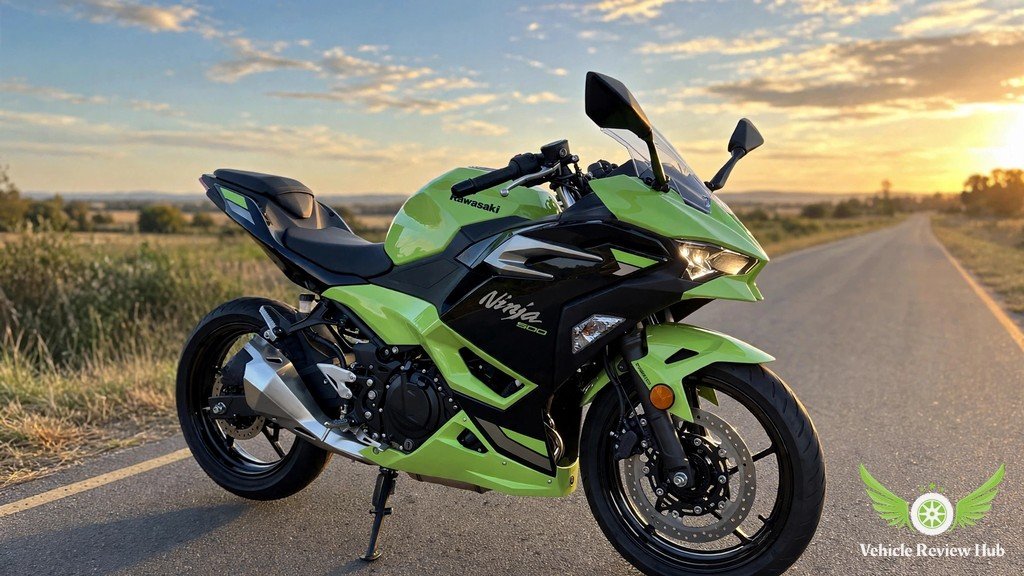
The 500 is a 2024 bike, so this Kawasaki Ninja 500 reliability guide covers a machine with two model years behind it, not ten: no decade of owner data, no high-mileage fleet, no long-term pattern. What exists is a short, clean record — one recall, two MCN owner reviews rating reliability 5 out of 5, and a maintenance chart that asks little of its owner. The 451cc twin is a stroked version of the 400’s 399cc twin, making a claimed 51 hp and 31.7 lb-ft.
Valve Inspection at 15,200 Miles
The first big service question in any Kawasaki Ninja 500 reliability discussion is the valves. The 500’s own manual chart calls for a valve clearance inspection at 24,000 km, which is 15,200 miles, and again at 48,000 km. The valves are inspected at those mileages, not adjusted on a fixed schedule — adjustment happens only if a clearance is out of range. For Kawasaki Ninja 500 reliability, the interval matters more than the numbers: the check falls at the second major service, and a used buyer should ask whether it has been done.
One honest limit: the clearance specifications themselves — the intake and exhaust figures in millimetres — are service-manual values, and no verified source for the 500’s own clearances was available at writing time. This guide prints the 15,200-mile interval and does not borrow the 400’s figures (intake 0.15–0.24 mm, exhaust 0.22–0.29 mm), which belong to the 400’s 399cc engine — printing them as the 500’s would be a guess dressed up as a specification. The interval is the fact this guide can stand behind.
| Service item | Interval |
|---|---|
| First service | 600 miles |
| Engine oil + oil filter | Every 7,600 miles / 12,000 km or yearly |
| Valve clearance inspection | 15,200 miles (24,000 km), then 48,000 km |
| Spark plugs (NGK LMAR9G) | Replaced at every service |
| Air cleaner element + fuel filter | 24,000 km (15,200 miles) |
| Coolant, hoses and O-rings | 36,000 km / 3 years |
| Brake fluid (DOT-4) | 24,000 km (15,200 miles), every 2 years |
| Brake hoses + master-cylinder/caliper rubber parts | Every 4 years |
Notes: intervals in this Kawasaki Ninja 500 reliability guide are from the 500’s own manual chart. The chart’s miles column prints 15.2 x1000 mi at 24,000 km, and this guide prints 15,200 miles, not the site’s rounded “15000 miles” prose.
How Mileage, Storage and Previous Care Affect Reliability
At this age, Kawasaki Ninja 500 reliability has less to do with the odometer than with the service book. The oldest 500s are 2024 bikes, and in November 2026 “high mileage” means about 15,000 miles — the one verified used listing for this cluster is a 2024 KRT Edition SE ABS with 15,413 miles on it. With a stamped service history, that bike is a better bet than a 3,000-mile bike that sat in a garage for two years without its annual service.
Storage affects Kawasaki Ninja 500 reliability more than most buyers expect, because the chart runs on time as well as mileage: a bike that sat still still needs its annual service, since oil degrades, brake fluid absorbs moisture, and coolant ages regardless of miles. For a used buyer, the Kawasaki Ninja 500 reliability check starts with the recall window and the service history — before the odometer is read.
Kawasaki Ninja 500 Common Problems and Wear Items
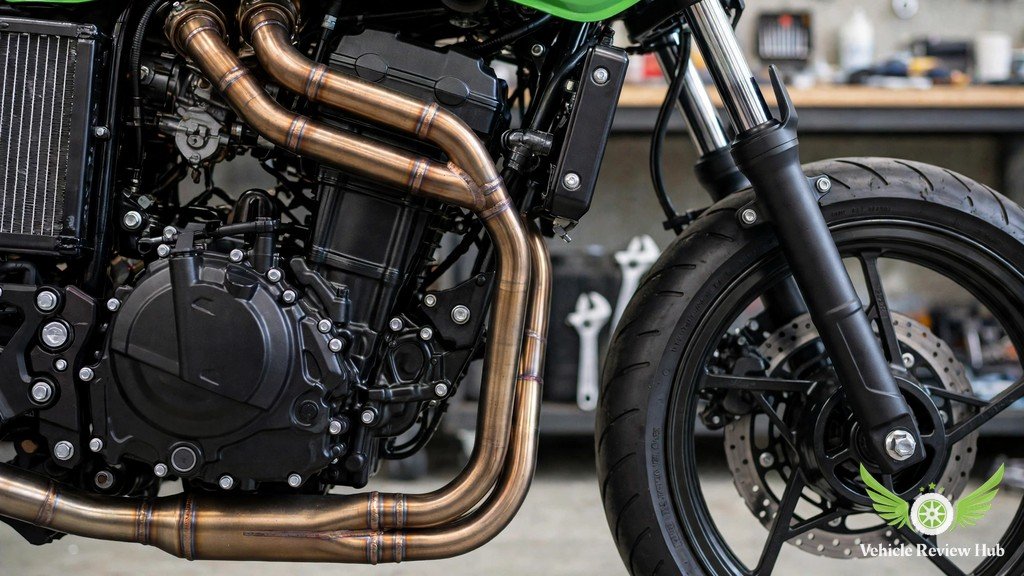
There is no long list of faults here, and this Kawasaki Ninja 500 reliability guide separates what is documented from what is merely annoying: one recall, wear items in the chain, tyres and brake pads, and a short list of nits owners notice every ride but that never strand anyone. Kawasaki Ninja 500 reliability is better judged on that short list than on any forum rumour, because the bike is too new for a pattern to have emerged.
OfficeMotorsports lived with a Ninja 500 for a full year, then traded it in and explained why. Watch his one-year review below — one owner’s verdict after a season of riding, not a press test.
Recall Covers Two Weeks of 2024
The one recall on the Kawasaki Ninja 500 reliability record is NHTSA campaign 25V-146, manufacturer campaign MC25-04, and it covers a two-week slice of 2024 production: bikes built from 22 January to 6 February 2024. The population is 3,742 units — 1,057 Z500 ABS and Z500 SE ABS bikes plus 2,685 Ninja 500s across the ABS, KRT Edition, KRT Edition SE ABS, SE ABS and SE 40th Anniversary Edition ABS trims. The defect is a clutch release shaft not properly welded between lever and shaft; continued use could let the lever come apart, making the clutch hard to disengage and disabling the bike. Kawasaki sent a stop-sale notice on 6 March 2025, submitted the report on 17 March, and mailed owner letters on 24 March 2025. The full NHTSA Part 573 report carries the population, the dates and the chronology.
The Part 573 report documents the cause: supplier New Somthai Motor Work reported that someone on the assembly line may have mistakenly used “trial parts” from a certain welding machine in production. The first field report reached Kawasaki in May 2024, when an owner reported worsening clutch lever feel. The remedy is free: dealers replace the clutch release shaft (part 13102-0087) with repair kit P/N 99999-0975, and owners who paid for the repair before the letter can claim reimbursement with documented costs.
For a used buyer, the Kawasaki Ninja 500 reliability check on a 2024 bike is simple: confirm the build date, then look for the white paint mark described in the next section. The Kawasaki Ninja 500 reliability record shows exactly one campaign for the 2024 bike — and the API returns that campaign when asked, which is why the zeros for later years read as meaningful rather than as a broken search.
Eliminator Is Not in the Recall
The Eliminator question comes up in every Kawasaki Ninja 500 reliability conversation, because the two bikes share the same 451cc engine and clutch release shaft. The Part 573 report names the shaft’s use across the platform, but the recall population names only the Z500 and the Ninja 500: the Eliminator’s production dates fall outside the two-week slice, so it is not in the recall, and the NHTSA database returns zero campaigns for the 2024 Eliminator.
That distinction matters: a Ninja 500 built between 22 January and 6 February 2024 needs the free repair and the paint-mark check; an Eliminator owner has no recall to chase, and this guide does not call 25V-146 an Eliminator recall — at most a platform watch item. The trap recalls — 23V-515 (ZX-4RR alternator), 24V-221 (ZX-4R spark plug), 20V-774 (2021 Ninja 400 cam chain tensioner) — belong to other bikes and are not printed here as 500 recalls.
Kawasaki Ninja 500 Maintenance Schedule and Servicing
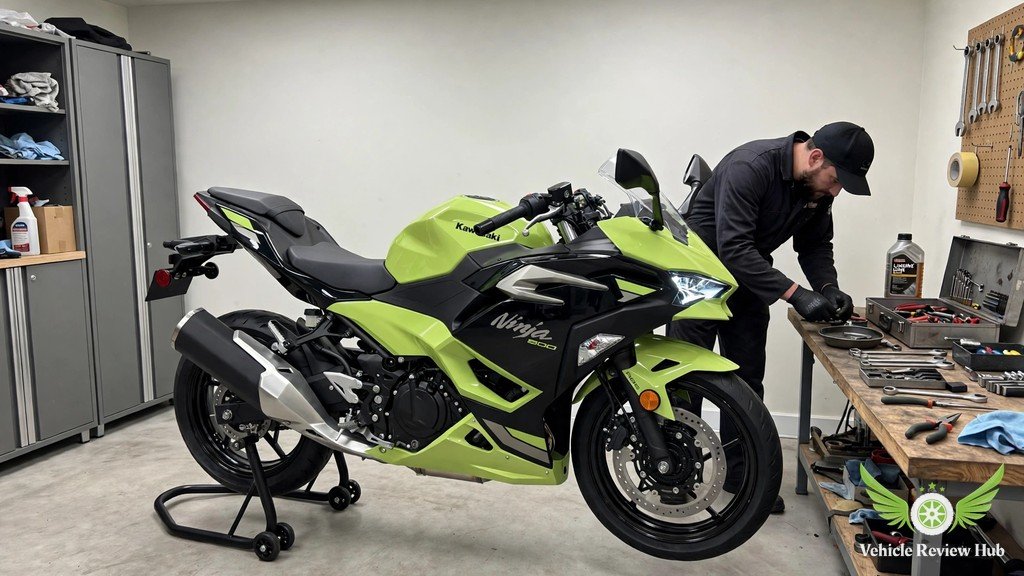
The service schedule is the backbone of Kawasaki Ninja 500 reliability, and it is a light one: services every 7,600 miles or 12,000 km, or every year, whichever comes first, with the first service at 600 miles, and engine oil and the oil filter changed at every service. The schedule below comes from the 500’s own manual chart — not the site’s prose, which gets the bike’s power, suspension naming, dash and ABS fitment wrong.
White Paint Mark Proves the Fix
The white paint mark is the Kawasaki Ninja 500 reliability proof that matters most on a used 2024 bike. The service bulletin for campaign MC25-04 instructs the dealer, after fitting the new clutch release shaft, to make a white paint mark left of the first digit of the frame number. That mark is the visible evidence the recall repair was done.
A 2024 bike inside the window without the mark still needs the free repair. A 2024 bike outside the window, or any 2025-onwards bike, was never in the recall and carries no mark to look for. The mark is also why a service history matters: the repair is recorded against the frame number. The full instruction is in the MC25-04 service bulletin.
Chart from the 500’s Own Manual
The chart behind this Kawasaki Ninja 500 reliability guide is the 2024 Ninja 500 owner’s manual, as transcribed by maintenanceschedule.com. The Z500 shares the identical platform and schedule, which is why the doc heading once said the chart came from the Z500 manual — but the figures are the 500’s own, and the numbers are identical either way. The manual chart is the source for the schedule below.
What the chart asks for is modest: oil and filter at every service, plugs at every service, the valve inspection at 15,200 miles, air cleaner and fuel filter at the same visit, coolant at three years, brake fluid at 15,200 miles and every two years after. The table below lays out the whole plan by mileage.
| Service mileage | What gets done |
|---|---|
| 600 miles (first service) | Oil + filter change; safety and fastener checks |
| 7,600 miles / yearly | Oil + filter; plugs; chain, brakes, clutch and tyre checks; idle speed 1,300 ± 50 rpm |
| 15,200 miles | Oil + filter; plugs; valve clearance inspection; air cleaner + fuel filter; brake fluid (DOT-4); rear suspension + steering stem bearing lubrication |
| 22,800 miles | Oil + filter; plugs; routine checks |
| 30,400 miles | Oil + filter; plugs; routine checks |
| 36,000 km / 3 years | Coolant, water hoses and O-rings replaced |
| Every 4 years | Brake hoses; brake master-cylinder and caliper rubber parts |
| Every 5 years | Fuel hoses replaced |
Notes: in this Kawasaki Ninja 500 reliability guide, service mileages are the manual chart’s miles column. The chart also lists vacuum synchronisation checks at 7.6, 15.2, 22.8 and 30.4 thousand miles, plus drive-chain and guide wear inspections at every service.
Kawasaki Ninja 500 Tires, Brakes and Suspension Maintenance
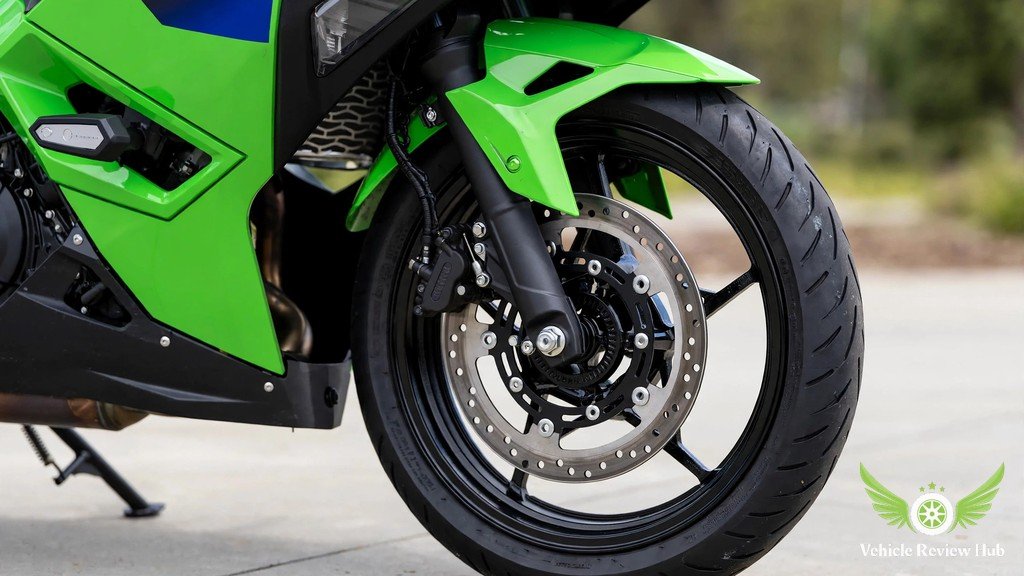
Tyres, brakes and suspension are wear items, and Kawasaki Ninja 500 reliability depends on them more than on any internal part. The running gear is simple — 41 mm telescopic fork, horizontal back-link rear shock, single 310 mm front disc, 220 mm rear disc — and Kawasaki Ninja 500 reliability is a maintenance story here, not a failure story. No fork seal, brake or suspension failure pattern is documented on the 500 — only a schedule of checks that keeps the simple hardware working.
Brake Fluid at 15,200 Miles
Brake fluid is the most commonly skipped item in Kawasaki Ninja 500 reliability, because nothing about the bike tells its owner it is due. The manual chart replaces the front and rear fluid at 24,000 km — 15,200 miles — and every two years after, using DOT-4. Fluid absorbs moisture over time, and the two-year clock runs whether the bike is ridden or parked — a low-mileage bike that sat in a garage still needs the change.
Check the rest of the system at the same visit: fluid level drops as the pads wear, so a low reservoir is usually a pad story. Brake hoses are replaced every four years, and the rubber parts of the brake master cylinder and caliper every four years too, at 48,000 km. For owners, the 15,200-mile service is the brake service: fluid, pads, hoses and a proper bleed in one visit — most of what Kawasaki Ninja 500 reliability asks of the braking system.
Tire, Brake and Suspension Checks That Matter
The checks that matter most are the ones the manual asks for at every service. Tyre pressures are 28 psi front and 32 psi rear, on 110/70R17 front and 150/60R17 rear Dunlop Sportmax GPR300 tyres. The rear tyre is 150/60-17 — the same size as the 400’s fitted tyre — and the 500 has no 150/70 split, because the sheets and the manual agree. Brake pad wear has a hard limit: 1.0 mm front, 1.5 mm rear. The chain gets the most frequent attention of anything on the bike: lube every 400 miles, slack checked every 600 miles, target slack 20–30 mm on the lower run midway between the sprockets, bike in neutral on its side stand on a level surface. The chain, tyre and brake checks in any Kawasaki Ninja 500 reliability routine take minutes and catch the wear that actually costs money.
The suspension checks are simple too. Look for fork seal leaks, check the rear shock, and lubricate the rear suspension and steering stem bearing at 24,000 km. The stock suspension is soft for heavier riders. Chase scored it 5 out of 10 and later fitted an Andreani cartridge kit and a Nitron rear shock, both aftermarket — but soft is not broken, and the manual asks for inspection, not replacement. The 400’s reliability record is the useful comparison: the full story is in our Kawasaki Ninja 400 reliability guide, including the 2018–2019 clutch-slip pattern the 500 does not share.
Kawasaki Ninja 500 Maintenance and Ownership Costs
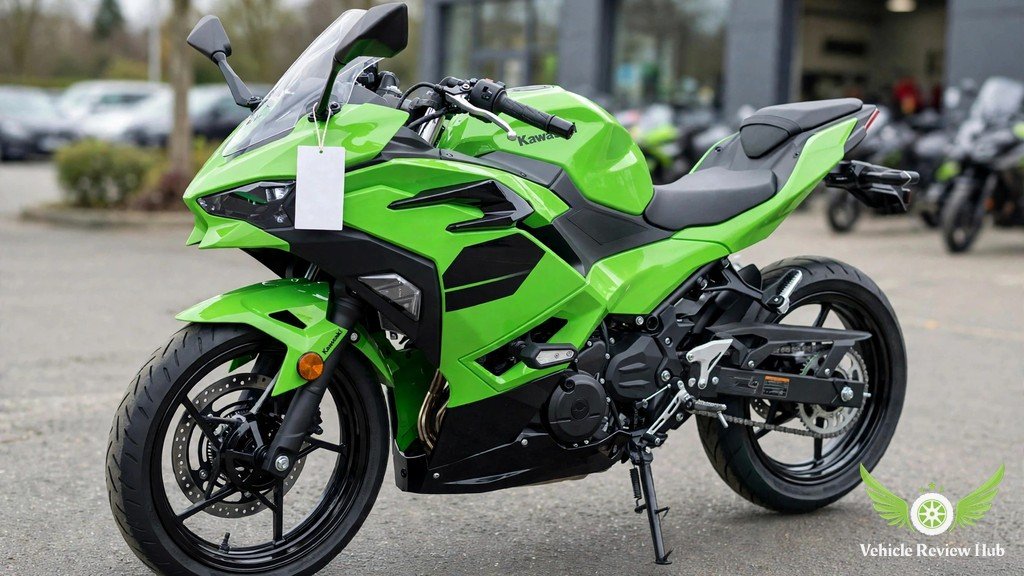
Costs are where this guide is most careful, because the Kawasaki Ninja 500 reliability picture is incomplete without them — and no US service, tyre or insurance dollar figure has a named source at writing time. This guide prints no invented prices: only the verified consumables list, the one UK cost figure that exists, and the used-market facts that do. Kawasaki Ninja 500 reliability costs stay low on paper — the schedule is light and the parts are shared with the Z500 — but low on paper is not a dollar figure.
| Item | Specification |
|---|---|
| Engine oil | 2.3 L SAE 10W-40 with filter (NOT the 400’s 2.0 L) |
| Oil drain bolt | 30 Nm |
| Oil filter | Hiflofiltro HF303RC (= Kawasaki 16097-0008), 17.5 Nm |
| Spark plugs | NGK LMAR9G, gap 0.7–0.8 mm, replaced at every service |
| Drive chain | Sealed chain; slack 20–30 mm; lube every 400 miles |
| Rear axle | 98 Nm |
| Clutch free play | 2–3 mm |
| Tyre pressures | Front 200 kPa / 28 psi; rear 225 kPa / 32 psi |
| Brake pad service limits | 1.0 mm front; 1.5 mm rear |
| Brake fluid | DOT-4, replaced at 15,200 miles / every 2 years |
| Idle speed | 1,300 ± 50 rpm |
Notes: consumables in this Kawasaki Ninja 500 reliability guide are from the 500’s own manual chart. The plug torque figure is not printed because the source flags it as needing confirmation, and no part prices are printed because none were verified.
Fuel, Routine Servicing, Tires and Replacement Parts
Fuel costs barely move the Kawasaki Ninja 500 reliability budget. No US outlet has published a measured MPG figure for the 500; the lab figure is 62.0 mpg on the WMTC cycle, and the only verified US owner figure is Chase’s 54 mpg on a single 222-mile mountain day — a lab range of about 229 miles on the 3.7-gallon tank. Routine servicing is an oil and filter change plus plugs at every 7,600-mile or yearly visit.
Tyres are the first real replacement cost: the factory Dunlop Sportmax GPR300s are budget tyres and commonly the first upgrade owners make, and the chain — lubed every 400 miles — is the most frequent job on the bike. The one cost figure with a source is from MCN’s 2024 review: annual servicing of £1,000, from two UK owners who both rated the bike 5 out of 5 for reliability. That is a UK figure, not a US one. Buyers cross-shopping the smaller Yamaha should read our YZF-R3 review for the rival’s ownership picture.
Plugs Changed at Every Service
Plugs are the most unusual item in the Kawasaki Ninja 500 reliability schedule, because the manual chart replaces them at every service — 7,600, 15,200, 22,800 and 30,400 miles — rather than merely inspecting them. The plug is the NGK LMAR9G, gapped at 0.7–0.8 mm: a short life for a modern plug, and the chart’s instruction, not a suggestion. The 500’s plugs are a consumable on the same cycle as the oil, and a missed plug change is the most likely reason a 500 runs roughly between services.
The plug torque figure is deliberately not printed here: the chart’s source flags it as needing confirmation, and this guide does not print a torque value it cannot confirm — the same rule that keeps the valve clearance specifications out of the valve section. The plug and the gap are verified; the torque is not, and owners doing their own plug changes should confirm it from the service manual first.
How to Keep a Kawasaki Ninja 500 Reliable
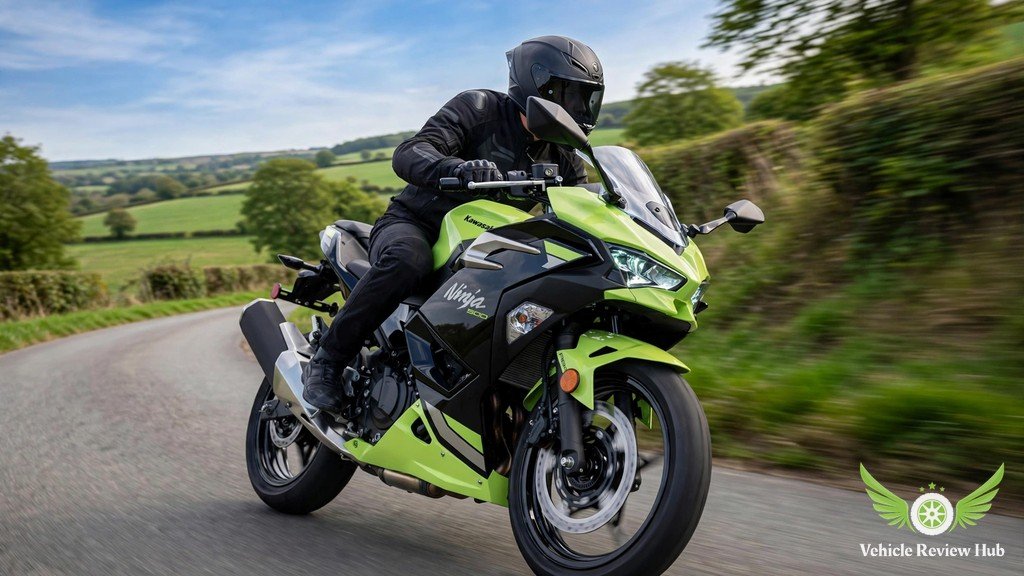
Keeping a Kawasaki Ninja 500 reliability record clean takes less effort than keeping most bikes reliable, because the schedule is light and the failure record is short. The work is annual: oil and plugs every service, chain lube every 400 miles, brake fluid every two years, coolant every three. The checks are a VIN, a paint mark, and a service book — the whole programme, and the reason the 500 suits a first owner as well as a commuter.
Preventive Maintenance, Records and Regular Inspections
Records are the cheapest Kawasaki Ninja 500 reliability insurance there is: A stamped service book proves the annual services happened, the recall repair is recorded against the frame number, and the white paint mark is visible proof. A buyer should ask for the book before asking about the price — it is worth more than a new tyre. The manual’s annual inspection list is the checklist: throttle control, brakes, fuel system, cooling system, clutch operation, wheels and tyres, suspension, steering play, electrics, chassis lubrication, and every bolt, nut and fastener.
The smaller Ninjas share the same discipline: the Kawasaki Ninja 300 reliability guide and the Kawasaki Ninja 125 reliability guide both lean on the same annual-or-mileage rhythm as the 500, and regular inspections catch the wear items — chain, pads, tyres — before they become repair bills.
2025 Onwards Are Not Affected
From 2025 onwards, Kawasaki Ninja 500 reliability is a clean slate on recalls: the NHTSA database returns one campaign for the 2024 Ninja 500 — 25V-146 — and zero for 2025, 2026 and 2027. That zero is meaningful because the database demonstrably returns recalls for this model — the 2024 query returns the campaign, so the later years’ zeros are a working control, not a broken search. This guide frames the result as a search result with the control named, not as proof — the same framing used for the 400, whose own database zero turned out to be wrong.
In practice: a 2025, 2026 or 2027 Ninja 500 was never in the recall population, carries no paint mark to check, and needs no recall repair. The 2024 bike needs one check — the build date and the mark — and then it is in the same position. The Kawasaki USA Ninja 500 page lists the 2027 range, ABS-only, with the non-ABS trim deleted.
The Kawasaki Ninja 500 reliability verdict is a short one: one recall, on a two-week slice of 2024 builds, with a free repair and a paint mark that proves it. A light service schedule — oil and plugs every 7,600 miles or yearly, valves inspected at 15,200 miles, brake fluid every two years, coolant every three. No other documented defect pattern, and a short list of nits that never strand anyone. Kawasaki Ninja 500 reliability in one line: buy the service history, check the paint mark on a 2024, and ride it.
Kawasaki Ninja 500 Reliability Frequently Asked Questions
These answers cover the Ninja 500’s recall record, its service intervals and the checks that matter on a used bike in this Kawasaki Ninja 500 reliability guide, with every figure labelled by its source, and with the gaps named where a figure could not be verified.
Is the Kawasaki Ninja 500 reliable?
Yes. After two model years on sale in the United States, the bike carries exactly one recall and no other widespread defect pattern has been documented, and this Kawasaki Ninja 500 reliability guide explains why in plain terms. Two MCN owner reviews rate reliability 5 out of 5, and the service schedule is light: oil and filter every 7,600 miles or yearly, with the valve inspection at 15,200 miles.
What is the Ninja 500’s one recall?
NHTSA campaign 25V-146, manufacturer campaign MC25-04, covering a two-week slice of 2024 production: bikes built from 22 January to 6 February 2024. The population is 3,742 units — 1,057 Z500s plus 2,685 Ninja 500s — and the defect is a clutch release shaft not properly welded between lever and shaft. The repair is free at any Kawasaki dealer, and the Kawasaki Ninja 500 reliability record shows exactly one campaign for the 2024 bike. The Eliminator is not in the recall, and 2025 and later bikes are not affected.
What are the Ninja 500’s common problems?
There is no documented pattern failure on the 500, and Kawasaki Ninja 500 reliability is better judged on the short list of nits than on any forum rumour: the exhaust heat shield crowds the rider’s right footpeg, the mirrors vibrate at speed, the base dash is basic, and the stock suspension is soft for heavier riders. None of them strands anyone. The clutch story on this bike is the recall, not the 400’s slip pattern: the 400’s 2018–2019 clutch slip was fixed by a 2020 running change, and the 500 launched with the revised parts.
How often should the Ninja 500 be serviced?
Services fall every 7,600 miles or 12,000 km, or every year, with the first service at 600 miles, and the chart comes from the 500’s own manual in this Kawasaki Ninja 500 reliability guide. Engine oil and the oil filter are changed at every service, and the spark plugs — NGK LMAR9G, gapped at 0.7–0.8 mm — are replaced at every service too. The valve clearance inspection falls at 15,200 miles, the air cleaner and fuel filter at the same visit, brake fluid at 15,200 miles and every two years after, and coolant, hoses and O-rings at 36,000 km or three years.
What oil, chain and tyre figures does the Ninja 500 use?
An oil and filter change needs 2.3 litres of SAE 10W-40 with the filter — not the 400’s 2.0 litres — with the drain bolt torqued to 30 Nm and the filter, a Hiflofiltro HF303RC equal to Kawasaki 16097-0008, torqued to 17.5 Nm. The chain is a sealed chain with 20–30 mm of slack, lubed every 400 miles and checked every 600 miles, with the rear axle torqued to 98 Nm and clutch free play of 2–3 mm. Tyres are 110/70-17 front and 150/60-17 rear at 28 psi front and 32 psi rear, and the consumables in this Kawasaki Ninja 500 reliability guide are all from the 500’s own manual chart. One honest limit: the valve clearance specifications were not verified from a source read for this guide, so only the 15,200-mile inspection interval is printed, never the 400’s clearances.
What should I check on a used Ninja 500?
Three things, in this order: the build date, the paint mark, and the service book. A 2024 bike built between 22 January and 6 February 2024 needs the free recall repair, and the white paint mark left of the first digit of the frame number proves it was done — the Kawasaki Ninja 500 reliability check on a 2024 bike is that simple. A 2024 bike outside the window, or any 2025-onwards bike, was never in the recall, and this Kawasaki Ninja 500 reliability guide prints the later years as a clean slate on recalls. The one verified used data point is a 2024 KRT Edition SE ABS at Crossbay Motorsports in Bay Shore, New York — 15,413 miles, total price $5,199, listed 18 November 2026 — and there is no used band and no resale percentage to quote.