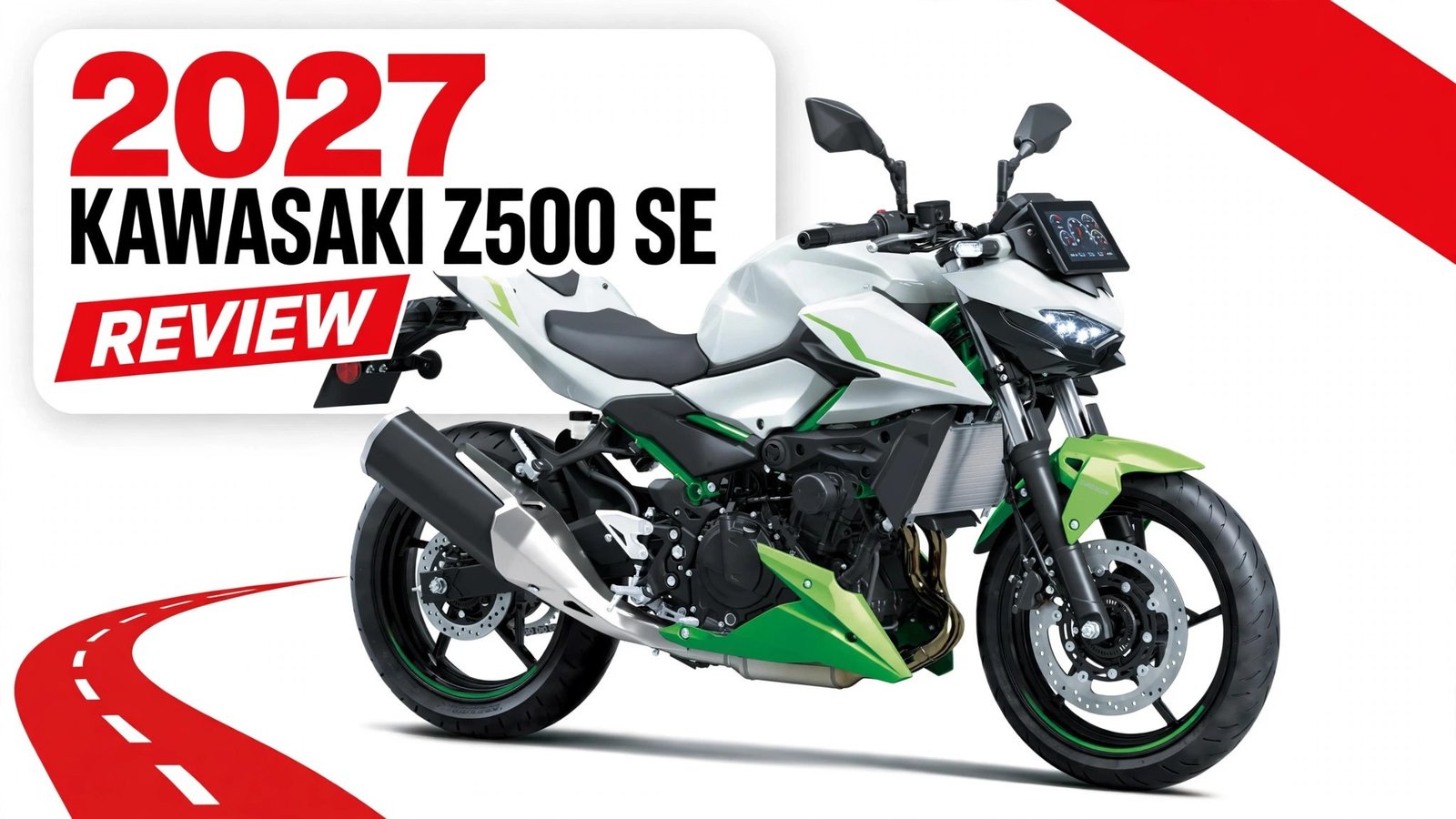
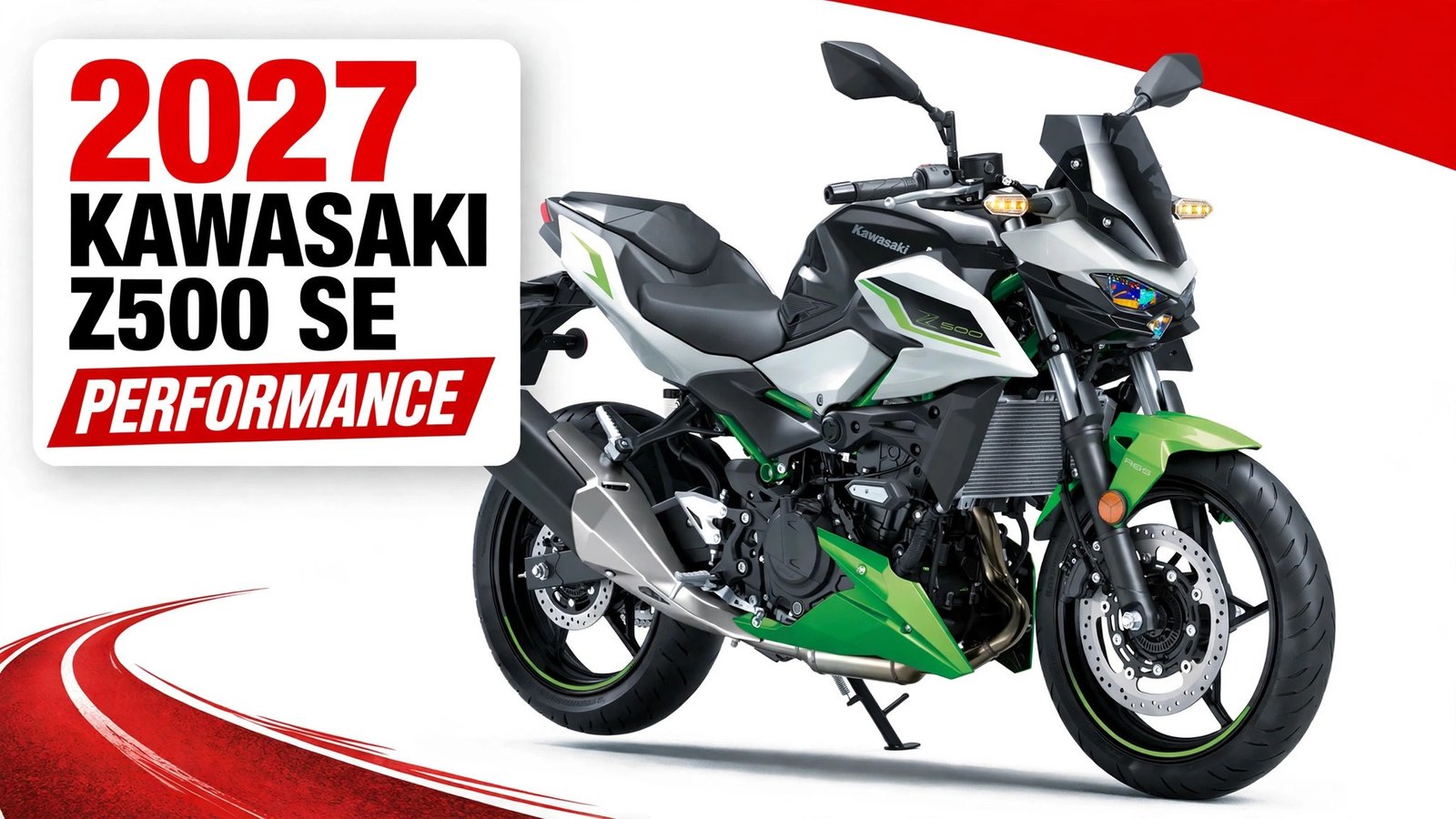
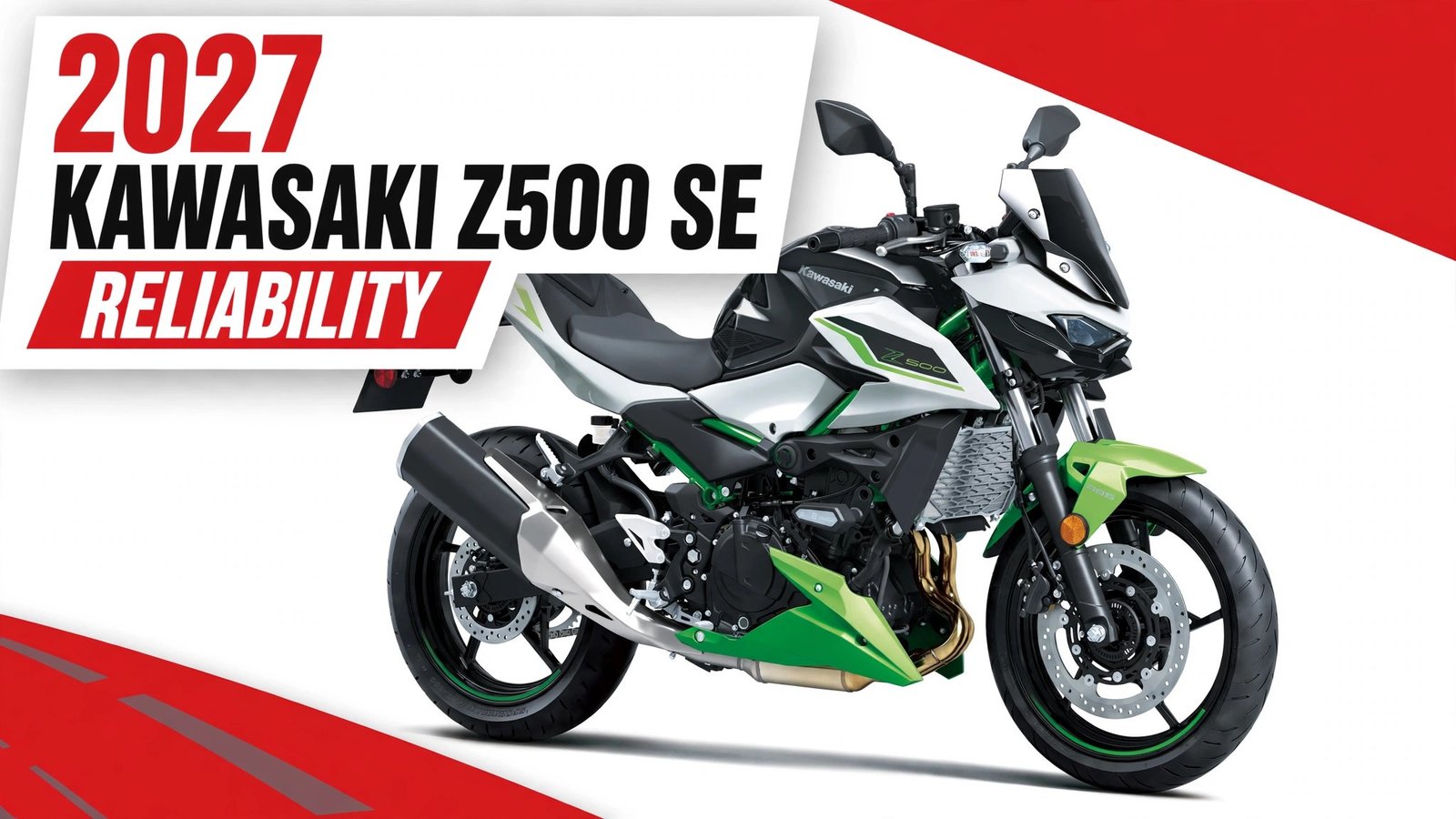
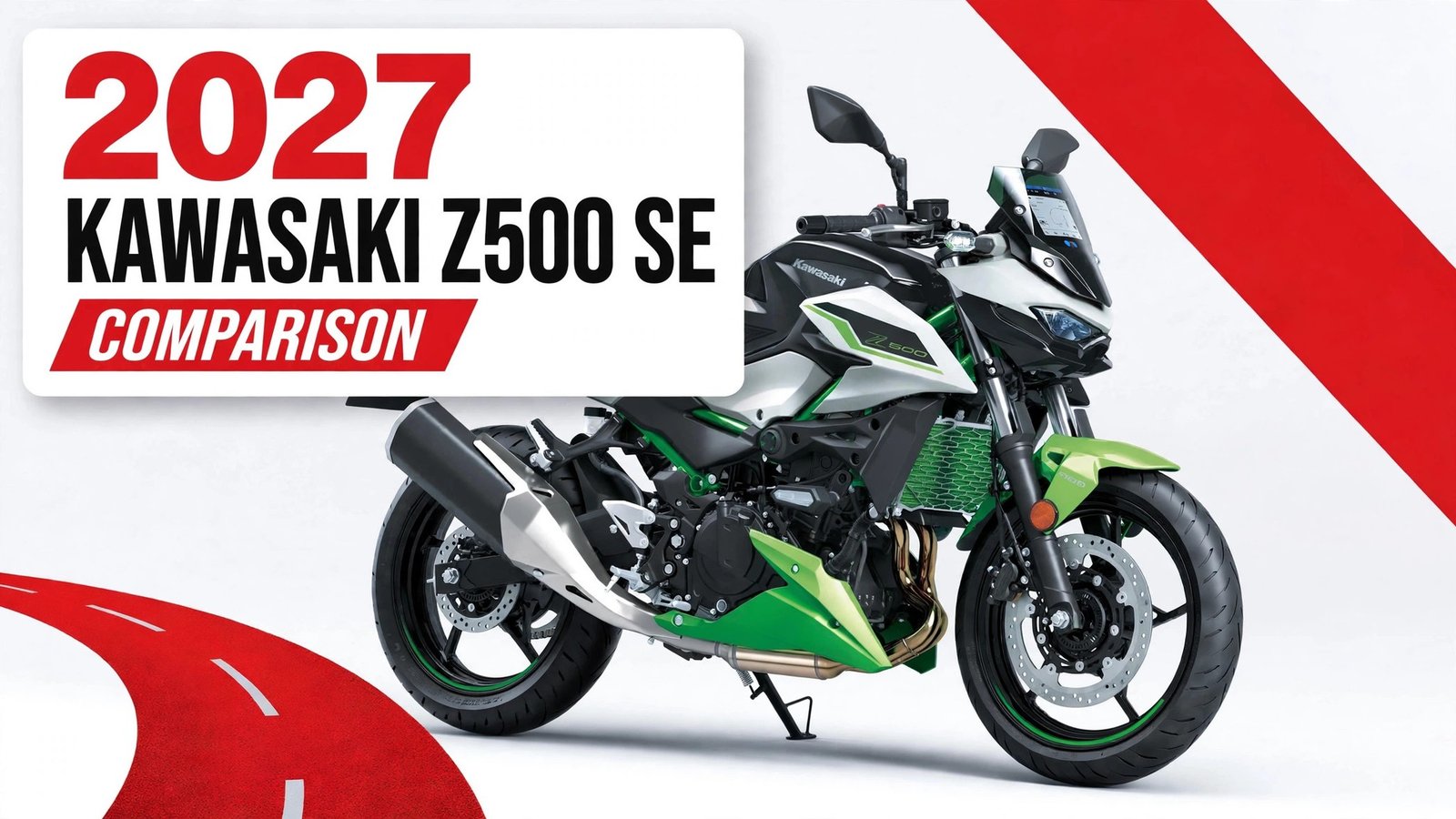
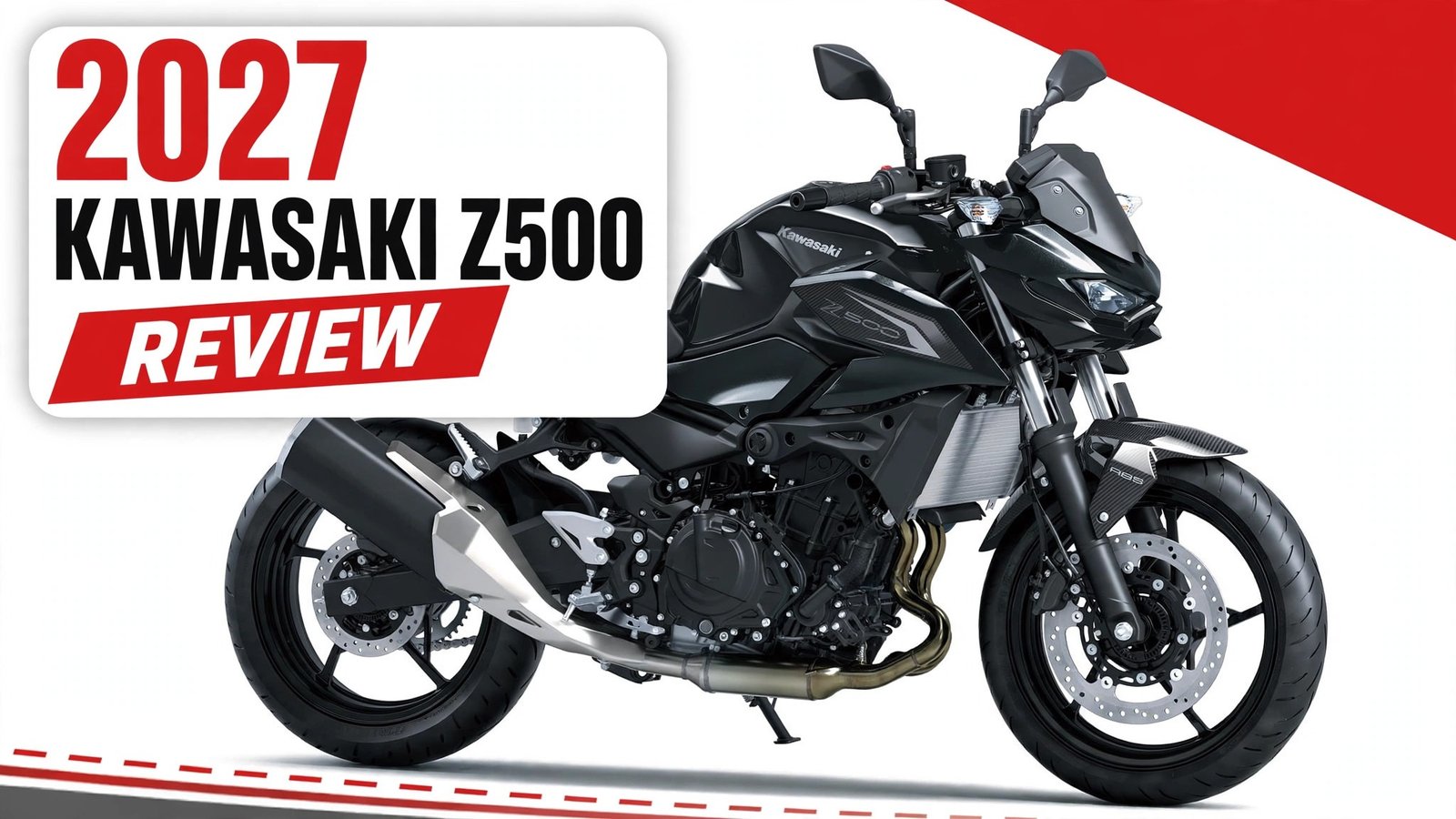
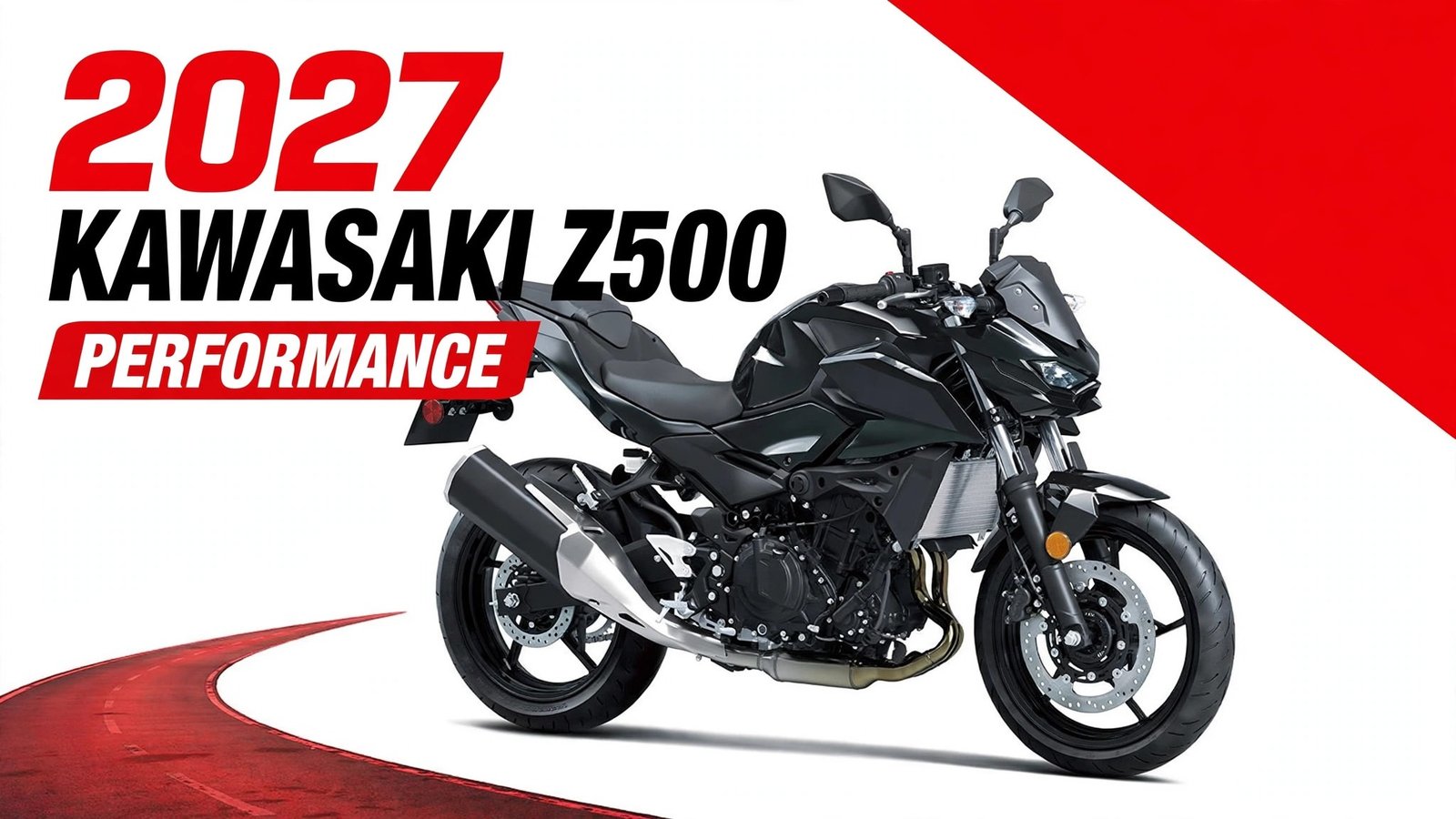
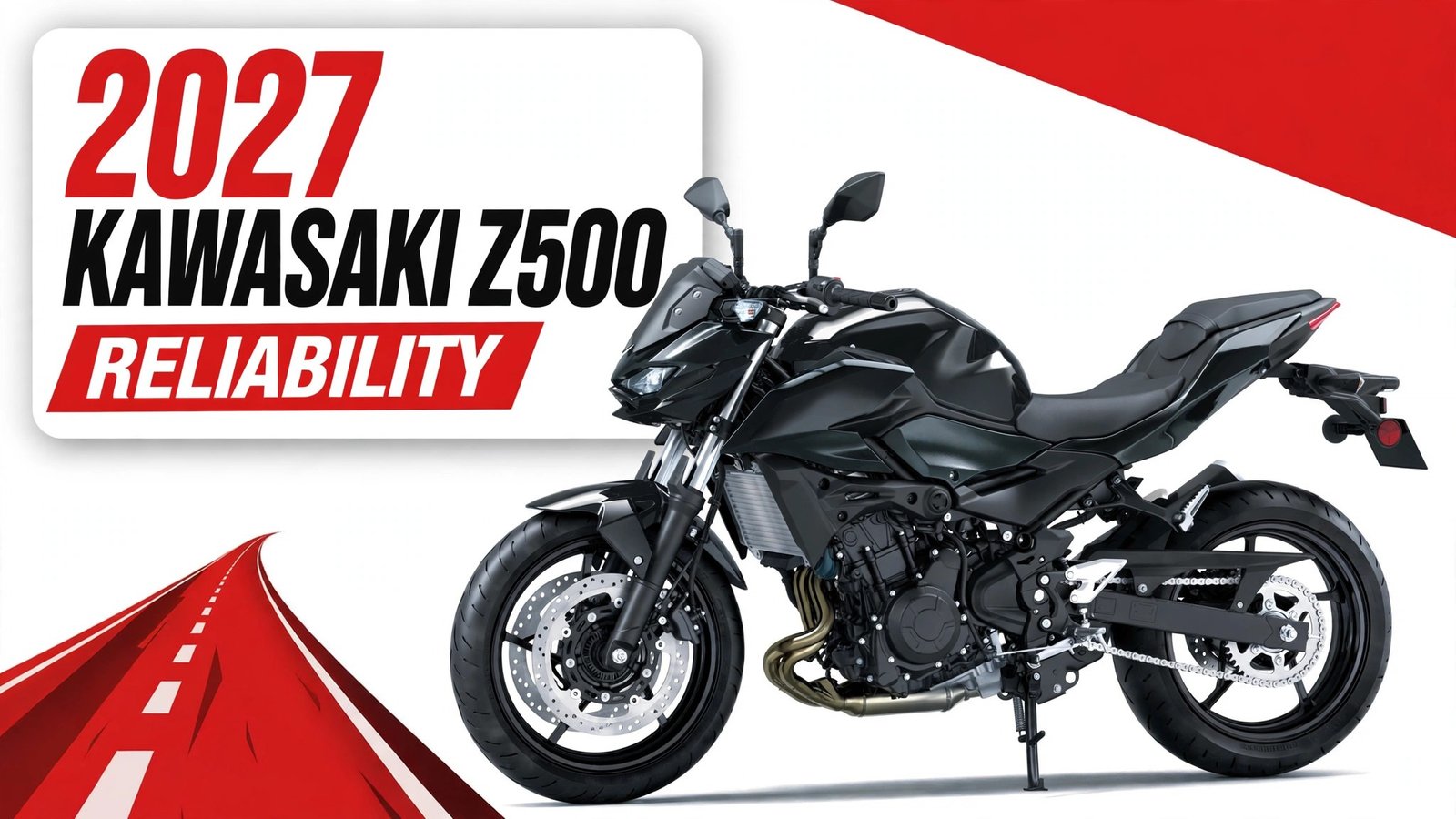
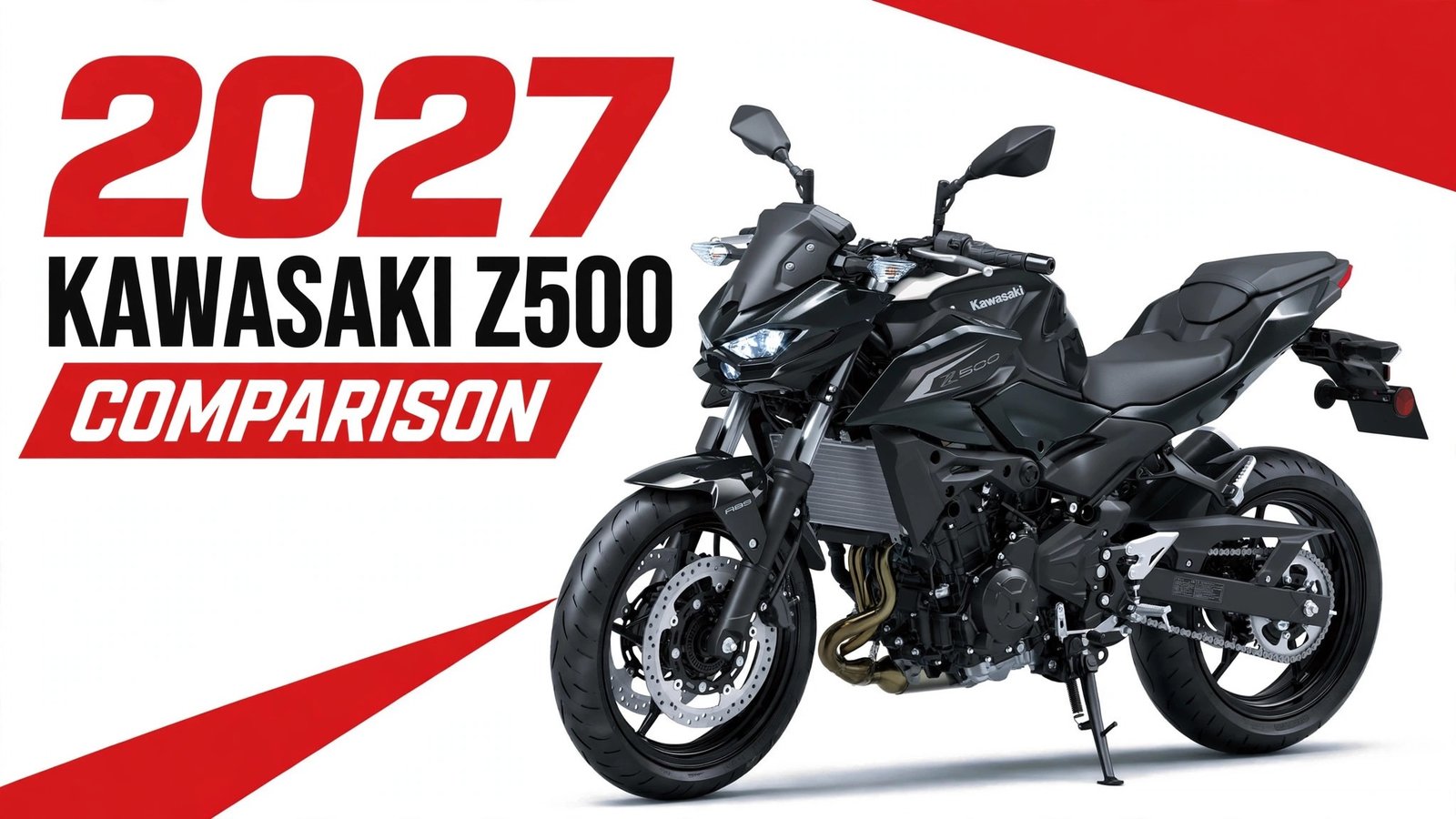
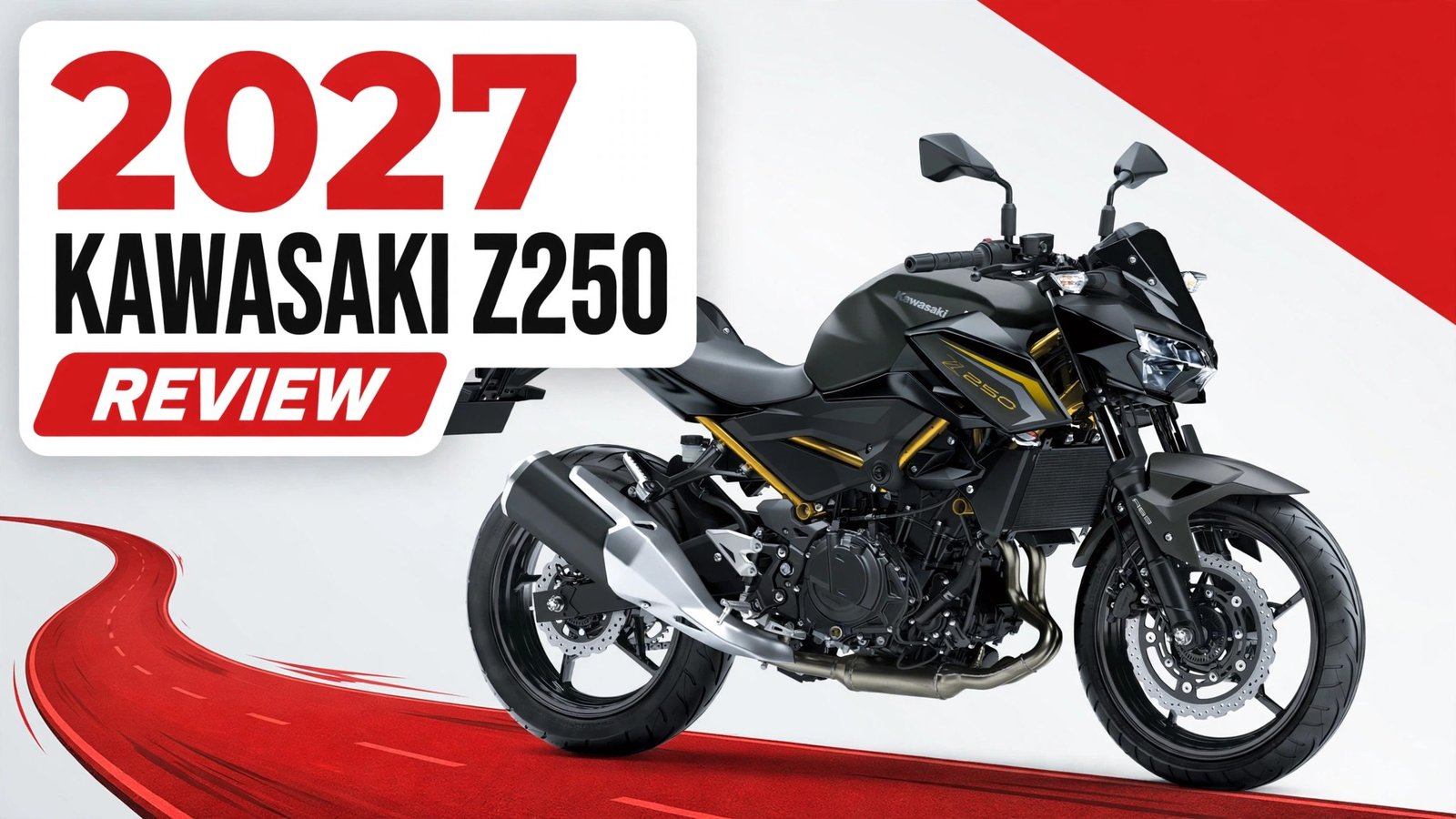
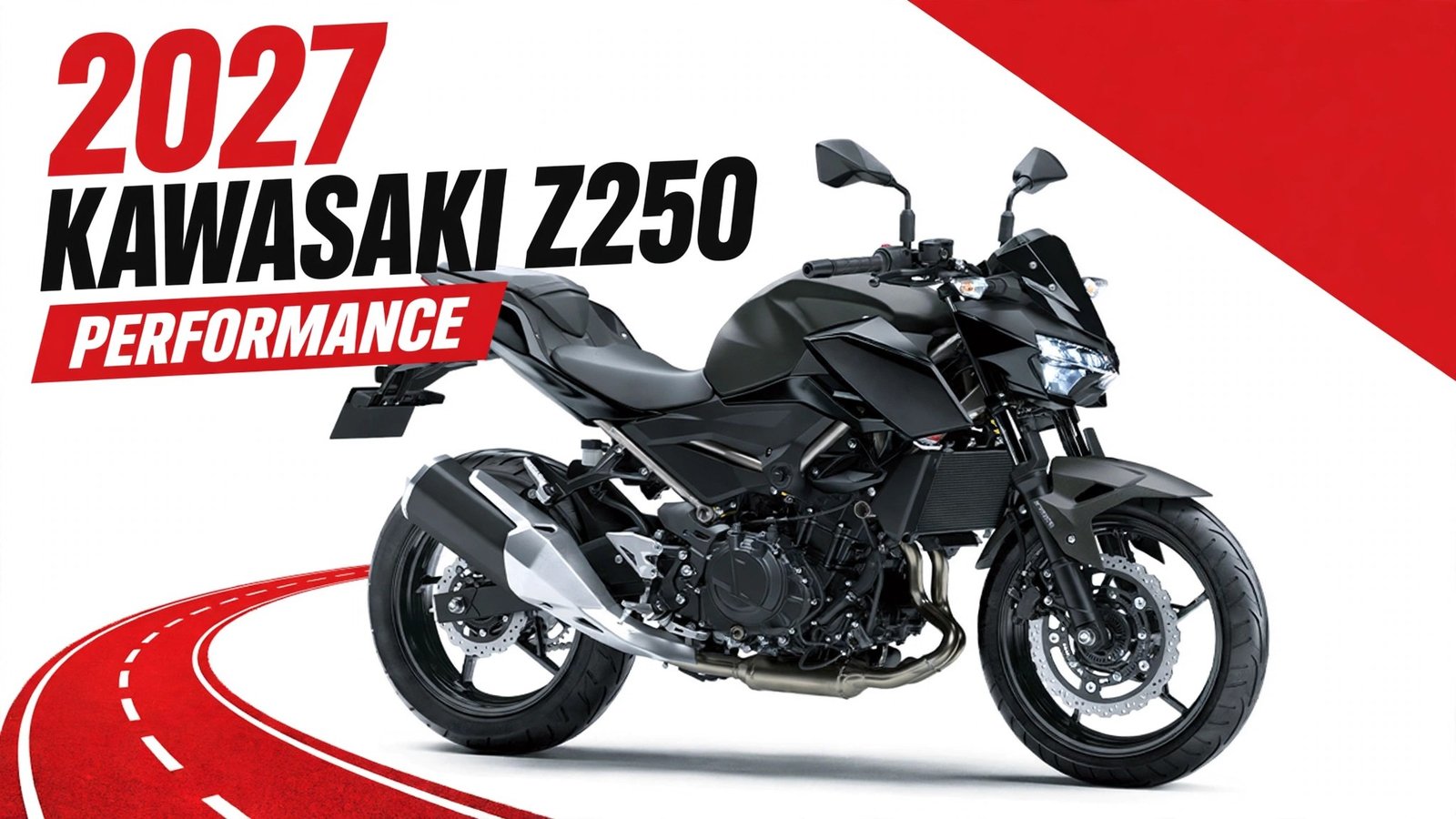
The short answer to this Kawasaki Z250 comparison is that the Z250 is the most expensive 250 naked you can buy new in Japan, and no longer the most powerful one. The 2027 model lists at ¥704,000 tax-included with 35 PS from its 248cc twin; the MT-25 matches that power for ¥71,500 less, the Duke undercuts it by ¥15,000, and the cheapest of the four, the CB250R, ended production in August 2024. The Z250 still argues on twin refinement, Sugomi styling, 164 kg and the Kawasaki dealer network. This Kawasaki Z250 comparison puts the four Japanese-market 250 nakeds side by side, then answers the American question with the Z500 and the Z125 PRO.
Kawasaki Z250 Overview and Its Closest Rivals
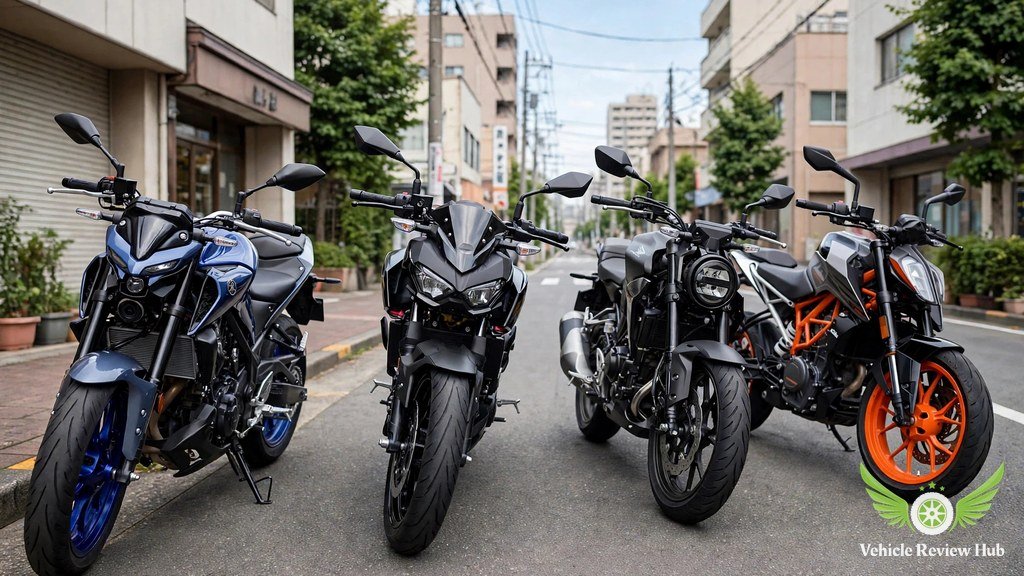
Four 250cc naked bikes fight over the same Japanese buyer in this Kawasaki Z250 comparison: the Z250, the MT-25, the CB250R and the 250 Duke.
Priciest 250 Naked in Japan
The Z250 is the priciest 250 naked in Japan, and the gap is exact: ¥704,000 against the Duke’s ¥689,000, the MT-25’s ¥632,500 and the CB250R’s ¥564,300 — ¥15,000, ¥71,500 and ¥139,700 more. The faired sibling sharpens the point: the 2027 Ninja 250, the same engine and frame with a fairing, lists at ¥726,000, just ¥22,000 more. In India the Gen 1 bike launched at Rs 2.99 lakh against the Duke 390 at roughly Rs 2.08–2.16 lakh on the road, and every Indian review called it overpriced. Since the 2023 detune from 37 PS to 35 PS, the Z250 no longer makes the most power either — the MT-25 matches it for ¥71,500 less in this Kawasaki Z250 comparison.
How the Four Bikes Differ at a Glance
At a glance, the four bikes split into two twins and two singles. The Z250 and the MT-25 are both 249cc-class parallel twins making 35 PS; the CB250R and the 250 Duke are both 249cc singles, with 27 PS and 31 PS. The lightest bike is the CB250R at 144 kg, twenty kilos under the Z250, the lightest twin here at 164 kg. The Z250’s 795 mm seat matches the CB250R’s, the MT-25 sits 15 mm lower, and tanks run from 10 to 14 litres in this Kawasaki Z250 comparison.
| Bike | Price (¥, tax-incl.) | Engine | Power | Weight | Seat | Tank |
|---|---|---|---|---|---|---|
| Kawasaki Z250 (2027) | 704,000 | 248cc twin | 35 PS @ 12,500 rpm | 164 kg | 795 mm | 14 L |
| Yamaha MT-25 (2025) | 632,500 | 249cc twin | 35 PS @ 12,000 rpm | 166 kg | 780 mm | 14 L |
| Honda CB250R (to Aug 2024) | 564,300 | 249cc single | 27 PS @ 9,500 rpm | 144 kg | 795 mm | 10 L |
| KTM 250 Duke (2024) | 689,000 | 249cc single | 31 PS @ 9,500 rpm | Not verified | Not verified | ~15 L (unverified) |
Note: Prices are the Japan tax-included list prices verified at writing in this Kawasaki Z250 comparison: the Z250’s ¥704,000 is on Kawasaki Motors Japan’s official 2027 page, the MT-25’s ¥632,500 is on Yamaha’s page, the CB250R’s ¥564,300 is the price Honda still lists on its production-ended page, and the Duke’s ¥689,000 is attributed to reimomo, since no verified KTM Japan official page was found. The Duke’s weight and seat height are not verified against a Japan spec, so this Kawasaki Z250 comparison prints no figure for them; its tank is ~15 L (unverified).
MotorBeam’s 2015 drag race pits the Gen 1 Z250 against the Benelli TNT 300 — a 2015 drag race against the Benelli, not a head-to-head against the MT-25, CB250R or 250 Duke in this Kawasaki Z250 comparison. The TNT 300 covers 0–100 km/h in 8.19 seconds on MotorBeam’s VBOX, the Z250 in 8.31 seconds.
Kawasaki Z250 vs Yamaha MT-25
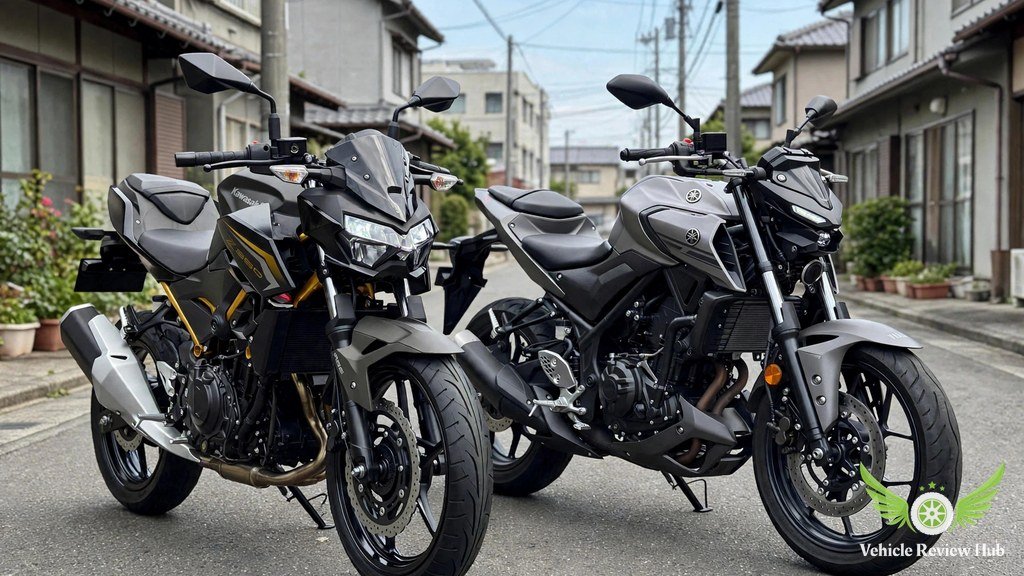
The MT-25 is the rival this Kawasaki Z250 comparison keeps coming back to: the only other twin in the group, and the only bike that matches the Z250’s power. Yamaha’s MT-25 is the naked YZF-R25, sharing its 249cc twin, and the 2025 model lists at ¥632,500 — ¥71,500 less.
Engine, Specs and Performance Side by Side
Both twins make 35 PS, but they reach it differently. The Z250’s 248cc twin makes 35 PS (26 kW) at 12,500 rpm with 22 Nm at 10,500 rpm — the current tune, down from 37 PS and 23 Nm at the 2019 launch. The MT-25’s 249cc twin makes the same 35 PS at 12,000 rpm with 23 Nm at 10,000 rpm. Neither bike has a published rear-wheel dyno figure, so this Kawasaki Z250 comparison quotes claimed crank figures only. The Gen 1 test numbers give the flavour: Autocar India measured 0–100 km/h in 8.42 seconds and MotorBeam’s VBOX recorded 8.31 seconds. An Indian owner saw 153 km/h, and MotorBeam’s VBOX work puts the Gen 1 bike at about 158 km/h, derived from the Duke 390’s 168 km/h run.
| Spec | Kawasaki Z250 (2027) | Yamaha MT-25 (2025) |
|---|---|---|
| Price (¥, tax-incl.) | 704,000 | 632,500 |
| Engine | 248cc parallel twin, DOHC 8-valve | 249cc parallel twin, DOHC 4-valve |
| Power | 35 PS @ 12,500 rpm (26 kW) | 35 PS @ 12,000 rpm |
| Torque | 22 Nm @ 10,500 rpm (2.2 kgf·m) | 23 Nm @ 10,000 rpm |
| Gearbox | 6-speed, slipper clutch | 6-speed, slipper clutch (Apr 2025) |
| Weight | 164 kg | 166 kg |
| Seat height | 795 mm | 780 mm |
| Tank | 14 L | 14 L |
| Fuel economy (WMTC) | 25.1 km/L (2027 official) | 26.5 km/L |
| Front brake | 310 mm disc, ABS | Disc, ABS standard |
| Frame | Steel trellis | Diamond-type steel |
Note: Z250 figures are from Kawasaki Motors Japan’s 2027 page in this Kawasaki Z250 comparison; MT-25 figures are from Yamaha’s page and the suzuya-auto comparison table, with the 166 kg weight for the 2025 model. No dyno figure exists for either bike, so no rear-wheel number is printed.
Price, Equipment and Which Suits Which Rider
On price alone the MT-25 wins this pairing by ¥71,500 — a lot of money in the 250 class, enough for tyres, a service or two, and riding gear. The MT-25 also sips slightly less on the WMTC cycle, 26.5 km/L against the Z250’s 25.1 km/L, and its 780 mm seat is friendlier for shorter riders. The Z250’s answers are narrower but real: 2 kg lighter, trellis frame and Sugomi styling, and a 310 mm front disc. The rider who buys on price takes the MT-25; the rider who wants the Z look pays the ¥71,500. That is the closest fight in the whole Kawasaki Z250 comparison.
Kawasaki Z250 vs Honda CB250R
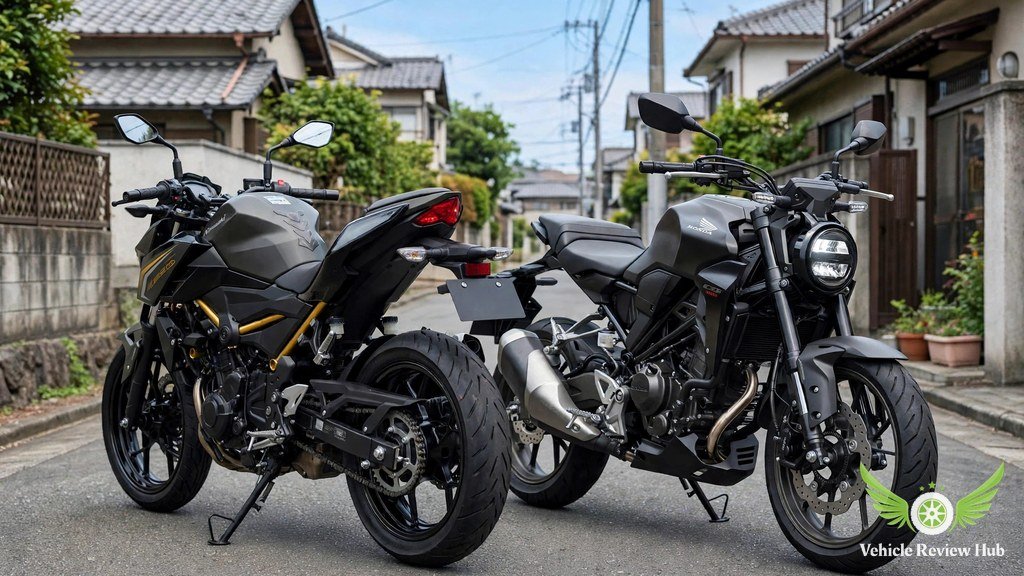
The CB250R is the odd one out in this Kawasaki Z250 comparison: a single against two twins and a single, the lightest bike here by a wide margin, the cheapest by ¥139,700 — and a bike Honda stopped building in August 2024. Honda’s page still lists it at ¥564,300 with the 45.0 km/L figure, but calls it a “2024年8月生産終了モデル”.
Engine, Specs and Performance Side by Side
The spec gap is a single against a twin. The CB250R’s 249cc single makes 27 PS at 9,500 rpm — 8 PS down on the Z250’s 35 PS — and does its work lower in the rev range, where a single feels friendlier around town. The Z250’s twin needs revs above 9,000 rpm, and the Indian reviews call the Gen 1 bike slow to build revs from low down. The weight gap is the CB250R’s real weapon: 144 kg against 164 kg. Seat heights are identical at 795 mm, and the CB250R’s 10-litre tank is the smallest of the four, though its 45.0 km/L steady-state economy is the best. This Kawasaki Z250 comparison does not quote a CB250R torque figure, because none was verified at writing.
| Spec | Kawasaki Z250 (2027) | Honda CB250R (to Aug 2024) |
|---|---|---|
| Price (¥, tax-incl.) | 704,000 | 564,300 (last listed) |
| Engine | 248cc parallel twin, DOHC 8-valve | 249cc single, DOHC 4-valve |
| Power | 35 PS @ 12,500 rpm (26 kW) | 27 PS @ 9,500 rpm |
| Torque | 22 Nm @ 10,500 rpm (2.2 kgf·m) | Not verified |
| Gearbox | 6-speed, slipper clutch | 6-speed, slipper clutch |
| Weight | 164 kg | 144 kg |
| Seat height | 795 mm | 795 mm |
| Tank | 14 L | 10 L |
| Fuel economy (steady 60 km/h) | 32.3 km/L (2027 official) | 45.0 km/L |
| Brakes | 310 mm front disc, ABS | Disc, ABS standard |
| Styling | Sugomi, LED twin headlights | Neo Sports Café, round LED headlight |
Note: Z250 figures are from Kawasaki Motors Japan’s 2027 page in this Kawasaki Z250 comparison; CB250R figures are from Honda’s page and the suzuya-auto comparison table. The CB250R’s ¥564,300 is the price Honda still lists on its production-ended model page — production ended in August 2024 — so it is a last listed price, never a live price.
Price, Equipment and Which Suits Which Rider
On value the CB250R is the strongest argument against the Z250 in this whole Kawasaki Z250 comparison: ¥139,700 cheaper, 20 kg lighter, and the most frugal bike here at 45.0 km/L steady-state. A rider who commutes will feel the weight saving every day; the single’s low-down pull suits town riding better. The Z250’s answers are power, range and presence: 8 PS more, a 14-litre tank against 10, and Sugomi styling. The catch is availability — production ended in August 2024, so the buyer is hunting remaining dealer stock or the used market, where the price is whatever the seller asks. The rider who finds a new one at the listed price has the bargain of this Kawasaki Z250 comparison.
Kawasaki Z250 vs KTM 250 Duke
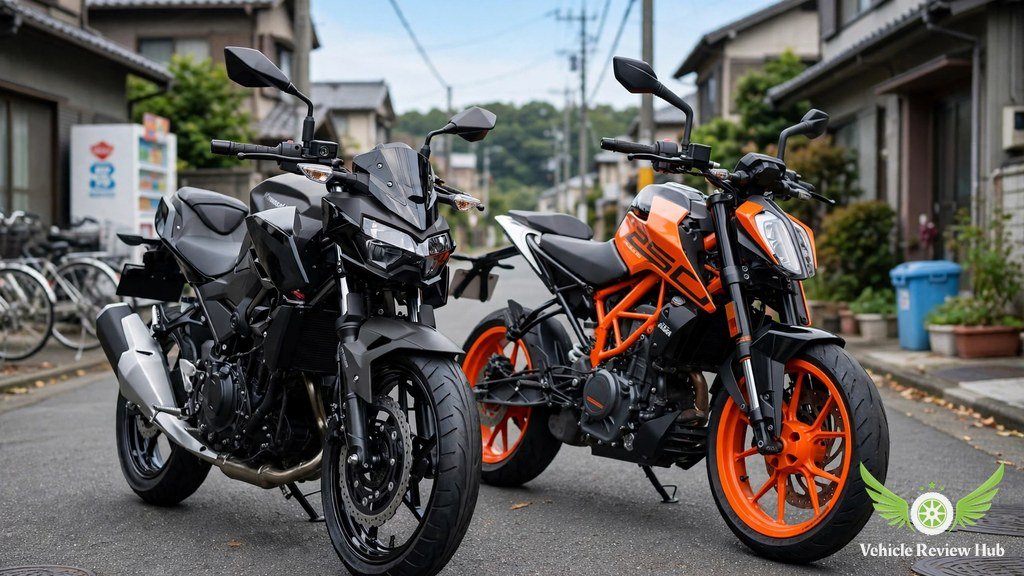
The 250 Duke is the rival that makes the Z250 the priciest 250 naked in Japan by the smallest margin in this Kawasaki Z250 comparison: ¥689,000 against ¥704,000, a gap of just ¥15,000. The Duke is the 2024-generation KTM single — new engine, frame and styling, launched in Japan in February 2024 — with the orange frame. Its price is attributed to reimomo — no verified KTM Japan official page could be found.
Engine, Specs and Performance Side by Side
The Duke’s 249cc single makes 31 PS at 9,500 rpm with 25 Nm of torque, against the Z250 twin’s 35 PS at 12,500 rpm and 22 Nm at 10,500 rpm. The single makes more torque lower down, while the twin makes 4 PS more and is smoother at motorway speed. This Kawasaki Z250 comparison does not print the Duke’s weight or seat height, because neither was verified against a Japan spec at writing; its tank is ~15 L (unverified). Verified are the Duke’s two colours at the same price, Electronic Orange and Ceramic White; the Z250’s numbers beside them are 164 kg, a 795 mm seat, a 14-litre tank and a 310 mm front disc with ABS.
| Spec | Kawasaki Z250 (2027) | KTM 250 Duke (2024) |
|---|---|---|
| Price (¥, tax-incl.) | 704,000 | 689,000 (reimomo) |
| Engine | 248cc parallel twin, DOHC 8-valve | 249cc single, liquid-cooled |
| Power | 35 PS @ 12,500 rpm (26 kW) | 31 PS @ 9,500 rpm |
| Torque | 22 Nm @ 10,500 rpm (2.2 kgf·m) | 25 Nm |
| Gearbox | 6-speed, slipper clutch | 6-speed |
| Weight | 164 kg | Not verified |
| Seat height | 795 mm | Not verified |
| Tank | 14 L | ~15 L (unverified) |
| Brakes | 310 mm front disc, ABS | Disc, ABS |
| Colours | Metallic Flat Spark Black; Metallic Matte Graphene Steel Gray | Electronic Orange; Ceramic White |
| Japan launch | Gen 2: 1 Nov 2019; 2027 model: 5 Sep 2026 | Feb 2024 (announced 11 Jan 2024) |
Note: Z250 figures are from Kawasaki Motors Japan’s 2027 page in this Kawasaki Z250 comparison; the Duke’s ¥689,000, 31 PS at 9,500 rpm and 25 Nm are from reimomo’s 250 Duke page, verified live at writing.
Price, Equipment and Which Suits Which Rider
Fifteen thousand yen is the whole price story here, and not enough to decide the fight on money alone. The Duke gives KTM styling, an orange frame, and a single with more torque than the twin — 25 Nm against 22 Nm — for ¥15,000 less. The Z250 gives 4 PS more, twin smoothness, the trellis frame and the Kawasaki dealer network, for ¥15,000 more. Both have ABS and six speeds, and that is the honest split in this Kawasaki Z250 comparison.
Kawasaki Z250 Price and Value Compared
New prices tell only half the value story in this Kawasaki Z250 comparison. The 2027 model lists at ¥704,000, the same price as the 2026 model, after a climb from ¥610,500 at the Gen 2 launch in 2019 and ¥638,000 in 2023. The 2020–2022 Japan prices were not found in any published source, so this Kawasaki Z250 comparison prints that gap openly rather than filling it from the 2019 price. The 2013 launch price of ¥465,000 and the 2015 ABS price of ¥512,500 were both ex-tax figures.
Japan Used: ¥156k to ¥693k
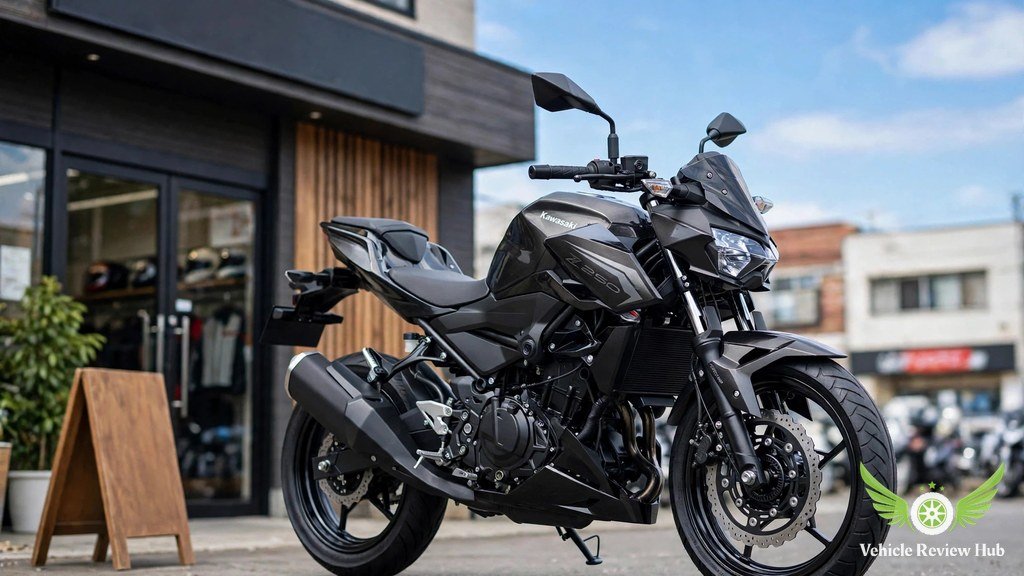
The used market is where the Z250’s high new price starts to favour the second owner. The source outline for this Kawasaki Z250 comparison gives a GooBike listings range of roughly ¥156,000 to ¥693,000, but that range could not be re-verified at writing — GooBike would not load from any route tried — so it is printed as the outline’s listings range, not a checked market price. Two prices seen directly are safer ground: a used Z250 at ¥340,000 total with 6,776 km and a three-month warranty, and a 2026 new bike at ¥730,000 total with 1 km — the on-the-road price including fees, not the ¥704,000 MSRP. A used buyer should still ask for the recall work by campaign: 2014 shock 491 Gen 1 bikes, 2020 tensioner 78, 2025 clutch shaft 117 — 686 in total.
Running Costs and Resale Value Compared
Fuel is the running cost that separates the four bikes most. The CB250R is the most frugal at 45.0 km/L steady-state, the MT-25 follows at 37.5 km/L steady and 26.5 km/L WMTC, and the Z250’s 2027 official figures are 32.3 km/L steady and 25.1 km/L WMTC. The 2019 launch sheet was more generous — 37.0 km/L steady and 27.2 km/L WMTC — and the real-world tests sit between the sheets: MotorFan’s 2019 test measured 28.2 km/L in real riding, an Indian owner reported 22–23 km/L, and MotorBeam recorded 30 km/L. None of these is a US MPG figure, because the bike was never EPA-tested, and this Kawasaki Z250 comparison never blends them into one mileage number. Servicing is platform-priced: oil and filter every 12,000 km, valve check every 12,000 km on Gen 1 and 24,000 km on Gen 2.
| Bike | WMTC economy | Steady 60 km/h economy | Real-world test | Tank |
|---|---|---|---|---|
| Kawasaki Z250 (2027) | 25.1 km/L | 32.3 km/L | 28.2 km/L (MotorFan 2019) | 14 L |
| Yamaha MT-25 (2025) | 26.5 km/L | 37.5 km/L | Not quoted | 14 L |
| Honda CB250R | Not quoted | 45.0 km/L | Not quoted | 10 L |
| KTM 250 Duke (2024) | Not verified | Not verified | Not quoted | ~15 L (unverified) |
Note: Every economy figure in this Kawasaki Z250 comparison carries its year and test type: the Z250’s 2027 figures are from the official spec sheet (25.1 km/L WMTC, 32.3 km/L steady), the 2019 launch sheet printed 27.2 km/L WMTC and 37.0 km/L steady, MotorFan’s 28.2 km/L is a 2019 real-world test, and the owner figure of 22–23 km/L and MotorBeam’s 30 km/L are separate tests that are never blended.
Kawasaki Z250 Comparison Verdict and US Alternatives
The verdict of this Kawasaki Z250 comparison is a range-gap story. The Z250 is the most expensive 250 naked in Japan and no longer the most powerful one. The MT-25 matches its 35 PS for ¥71,500 less, the Duke is ¥15,000 cheaper with more torque, and the CB250R is ¥139,700 cheaper, 20 kg lighter and more frugal. What the Z250 still sells is the twin’s refinement, the Sugomi Z styling, the trellis chassis and the Kawasaki dealer network.
Verdict: A Range-Gap Story
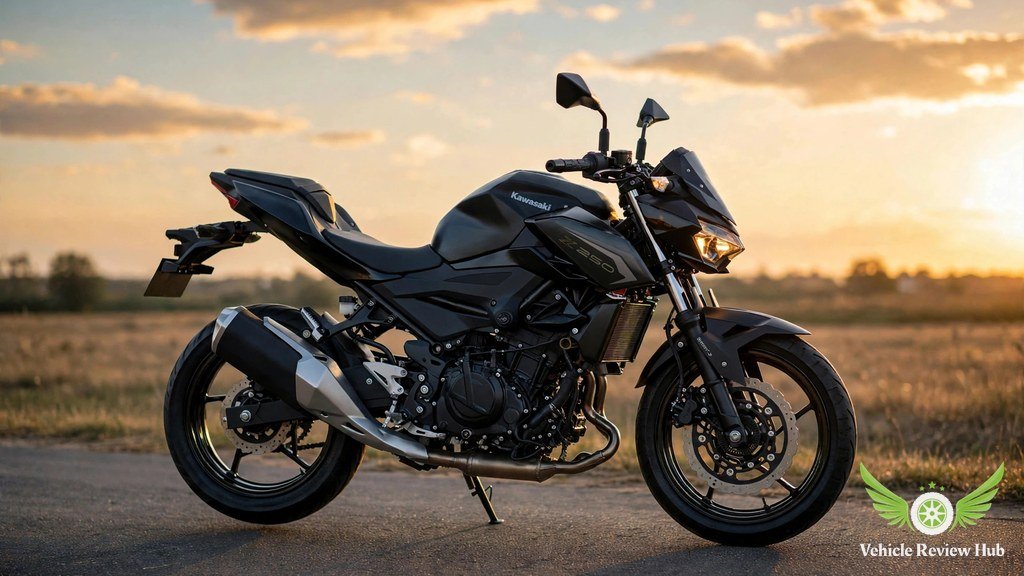
Rank the four bikes on value and the Z250 comes last on price and joint-first on power — the range gap in one line. The MT-25 is the value winner of this Kawasaki Z250 comparison: the same 35 PS, the same 14-litre tank, ABS and a slipper clutch, a lower seat, slightly better WMTC economy, and ¥71,500 left in the buyer’s pocket. The CB250R is the lightweight value pick, if stock remains. The Duke is the style pick, fifteen thousand yen under the Z250 with more torque. The Z250 is the refinement pick: the smoothest twin here, the sharpest styling, the trellis frame, and the bike that looks most like a bigger Z.
US Answer Is the Z500
For an American reader, this Kawasaki Z250 comparison ends with a different answer, because the Z250 was never sold in the USA in any model year. There is no US price, test, dyno run or NHTSA recall for the Z250 — a grey import is a one-off private import, not a market. The direct US answer is the Kawasaki Z500: the 2026 Z500 ABS lists at $5,699 with a $650 destination charge, $6,349 delivered, and its 451cc parallel twin makes 51.0 hp at 10,000 rpm with 31.7 lb-ft at 7,500 rpm, on Kawasaki’s own spec sheet. The Z500 SE ABS lists at $6,399. The smaller American alternative is the Z125 PRO: the 2027 model is $3,799, or $3,999 in Cypher Camo Beige, plus a $315 destination charge, $4,114 delivered.
| US alternative | Price | Engine | Power | Seat / weight |
|---|---|---|---|---|
| Kawasaki Z500 ABS (2026) | $5,699 + $650 = $6,349 delivered | 451cc parallel twin | 51.0 hp @ 10,000 rpm | 30.9 in / 366.0 lb curb |
| Kawasaki Z500 SE ABS (2026) | $6,399 MSRP | 451cc parallel twin | 51.0 hp @ 10,000 rpm | 30.9 in / 366.0 lb curb |
| Kawasaki Z125 PRO (2027) | $3,799 + $315 = $4,114 delivered | 125cc single, 4-speed | 10.0 hp claimed | 31.7 in / 224.8 lb curb |
| Kawasaki Z250 (Japan, for scale) | ¥704,000 (no US price exists) | 248cc parallel twin | 35 PS @ 12,500 rpm | 795 mm / 164 kg |
Note: The Z500 ABS figures in this Kawasaki Z250 comparison are from Kawasaki’s own 2026 spec sheet (51.0 hp at 10,000 rpm ISO 4106, 31.7 lb-ft at 7,500 rpm, 6-speed, 30.9 in seat, 366.0 lb curb for the 49-state model, 3.7 gal tank, 12-month warranty) with the $5,699 MSRP and $650 destination charge from Motorcycle.com’s database, verified at writing; the SE ABS is $6,399.
Kawasaki Z250 Comparison: Frequently Asked Questions
These are the questions buyers ask most about this Kawasaki Z250 comparison — which rival wins, whether the Honda is still available, what the KTM costs, what Americans can buy instead, what a used Z250 costs, and why it is so expensive in Japan.
Which is better, the Z250 or the Yamaha MT-25?
On paper they are a dead heat, as this Kawasaki Z250 comparison shows: both make 35 PS, both have a 14-litre tank and ABS. The MT-25 costs ¥632,500 — ¥71,500 less — and its seat is 15 mm lower (780 mm). The Z250 is 2 kg lighter and carries the Z styling and the Kawasaki dealer network. On price alone the MT-25 wins; on refinement and looks the Z250 has its case.
Is the Honda CB250R still available new?
Probably not for much longer. Production ended in August 2024, so a new CB250R in late 2026 is remaining stock — Honda’s own page still lists it as a production-ended model at ¥564,300. It was the cheapest of the four in this Kawasaki Z250 comparison at that price, the lightest at 144 kg and the most frugal at 45.0 km/L steady-state — but it gives away 8 PS to the twins.
How does the Z250 compare with the KTM 250 Duke?
The Duke costs ¥689,000 — just ¥15,000 less than the Z250 — but its single makes 31 PS against the Kawasaki twin’s 35 PS, as this Kawasaki Z250 comparison records. The Duke brings KTM styling and badge appeal; the Z250 brings twin refinement and a 6-speed box. The Z250 is still the priciest 250 naked in Japan. The Duke’s price is attributed to reimomo, since no verified KTM Japan official page was found.
What can Americans buy instead of the Z250?
The Kawasaki Z500 is the direct US answer in this Kawasaki Z250 comparison — the naked twin Kawasaki actually sells in America. The 2026 Z500 ABS is $5,699 plus a $650 destination charge, $6,349 delivered, with a 451cc twin making 51.0 hp. The Z125 PRO (2027: $3,799 + $315 destination = $4,114) is the small, cheap Z naked Americans can buy new. The Z250 itself was never sold in the USA.
What do used Z250s cost in Japan?
Listings range roughly ¥156,000–¥693,000, the GooBike range from the source outline for this Kawasaki Z250 comparison — a range that could not be re-verified at writing, since GooBike would not load. Two prices seen directly: a used example with under 7,000 km listed at ¥340,000 total, and a 2026 new bike listed at ¥730,000 total on the road, which is not the ¥704,000 MSRP. A 2026 new bike lists at ¥704,000.
Why is the Z250 so expensive in Japan?
It is the priciest 250 naked in the country (¥704,000) while no longer the most powerful — the MT-25 matches its 35 PS for ¥71,500 less, as this Kawasaki Z250 comparison shows. Kawasaki prices it on the Z brand, the twin’s refinement, the trellis chassis and the dealer network, not on a power or price advantage. That range-gap is the verdict of this comparison.