The short answer is yes: Honda Shadow Aero reliability is among the best in the midsize cruiser class, provided you check its recall status and follow a short service routine. Honda Shadow Aero reliability rests on an understressed 745cc V-twin, a shaft final drive with no chain to adjust, and a design that changed very little from 2004 to 2025. That stable run is also why buying one well means knowing which era you are looking at.
Honda Shadow Aero Reliability Overview
Honda Shadow Aero reliability starts with simplicity: an understressed liquid-cooled 52-degree V-twin, a proven five-speed gearbox, and shaft drive instead of a chain.
MCN VT750 Family Data From Five Owners and Its Limits Explained
The most quoted owner-satisfaction figure for this bike needs careful handling. MCN’s scores for the VT750 range — 4.4 out of 5 overall, with 4.8 out of 5 for both reliability and build quality across 2004–2015 — are VT750 family data from five owners, not Aero-specific data, and five owners is a tiny sample. The family figures sweep in the Phantom, the Spirit, and other VT750 variants alongside the Aero, so treat them as a weak but positive signal for Honda Shadow Aero reliability, not proof. Independent owner reviews point the same way: individual Aero owners on Cycle Insider describe their bikes as running like a top, and a 2024 Aero review there awards 4.5 out of 5. No single number proves Honda Shadow Aero reliability on its own, but every owner source we checked points the same way.
How Mileage, Maintenance History and Previous Use Affect Reliability
Mileage alone tells you little about an Aero. For Honda Shadow Aero reliability, service history beats mileage every time. A 50,000-mile bike with a folder of service receipts, fresh fluids, and a clean shaft-drive oil record is a better bet than a 12,000-mile bike that sat in a damp garage for five years with stale fuel in a carbureted tank. A gently ridden commuter serviced on schedule will outlast a dropped bike stored outside. When inspecting a used Aero, ask for the service history first and the mileage second, and weigh three things above all for Honda Shadow Aero reliability — whether the recall work is done, whether the fluids are fresh, and whether the bike starts cleanly from cold. Honda Shadow Aero reliability is mostly a story of maintenance done on time rather than parts failing on their own.
Honda Shadow Aero Common Problems and Wear Items
Honda Shadow Aero reliability has a short list of genuine weak points, most of them age-related or recall-related rather than design flaws — and all of them are checkable before you buy, which is the practical side of Honda Shadow Aero reliability.
Carburetor and Petcock Care on 2004-2009 Bikes Including Recall 08V141
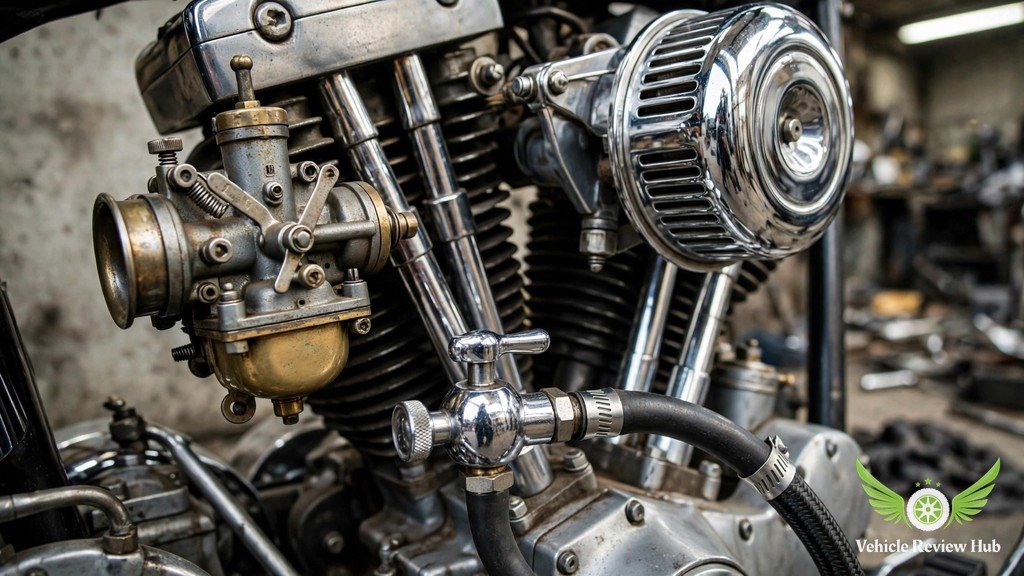
Carbureted Aeros from 2004 to 2009 need one kind of care fuel-injected bikes do not: fuel-system hygiene. Ethanol fuel goes stale in weeks and varnishes jets, so a stored carbureted Aero may start hard or hesitate until the carburetors are cleaned. Prevention is simple, and for Honda Shadow Aero reliability on early bikes it is everything — ride regularly, use fuel stabilizer before any lay-up, and drain the float bowls if the bike will sit for a season. The petcock, Honda’s fuel control valve, deserves the same attention in any Honda Shadow Aero reliability check: check that it flows cleanly in every position and does not weep fuel. Recall 08V141 covers 38,934 motorcycles, including certain 2007–2008 VT750 models alongside 2006–2007 VT600 and VTX1300 bikes, for an improperly manufactured fuel control valve diaphragm that can let the valve drip fuel. Honda’s remedy is a free replacement diaphragm assembly, the recall began April 22, 2008, under Honda campaign Q75, and the scope matters: 08V141 covers only certain 2007–2008 VT750s, not all 2004–2009 Aeros, and at least one 2007 Aero owner found his VIN was not included. That covers the biggest carb-era worry for Honda Shadow Aero reliability.
Fuel Pump Recall 26V633 Covers the Aero: VT750C and S Included
The most important recall for Honda Shadow Aero reliability on late-model bikes is 26V633. Honda is recalling certain 2024–2025 VT750 and 2023–2025 VT1300CX Fury models — 4,206 motorcycles in total — because a manufacturing defect can make the fuel pump malfunction and stall the engine. Honda declared the defect on September 24, 2026, and issued a stop sale on certain new and used bikes until repaired. Owner letters phase in from November 27, 2026; Honda’s campaign number is KU9. Honda Shadow Aero reliability for late-model bikes now depends heavily on this campaign. The Aero’s place is confirmed by Honda’s own dealer bulletin, which lists VT750C and VT750S parts as expected in November 2026 — the C is the standard Aero, the S the ABS trim — while VT750CBS and C2B parts, the Phantom codes, follow in January 2027. Be precise: the 3,386 figure quoted in press coverage is the whole VT750 portion, Phantom and Aero together — no Aero-specific count has been published. The pump is part 16700-HN8-6011-M1 and replacement is free. A third campaign, 15V874, also names Aero codes VT750C (2011–2016) and VT750CS (2013–2016) for bank-angle sensor wiring that can stall the engine, with a free remedy from February 2016 under Honda campaign JW7. Checking all three campaigns by VIN is the single most valuable step for Honda Shadow Aero reliability on any used bike.
| Recall | Aero models affected | Fault | Remedy |
|---|---|---|---|
| 08V141 (Honda Q75) | Certain 2007–2008 VT750 | Fuel valve diaphragm may drip fuel | Free diaphragm replacement |
| 15V439 (Honda JS9/JT0) | Certain standard VT750C; CS ABS trim NOT affected per revised bulletin | Starter relay sealant can cut power | Free inspection and replacement |
| 15V874 (Honda JW7) | VT750C 2011–2016; VT750CS 2013–2016 | Bank-angle sensor wiring can stall engine | Free connector relocation and sensor |
| 26V633 (Honda KU9) | Certain 2024–2025 VT750C and VT750S | Fuel pump may fail and stall engine | Free fuel pump replacement |
Honda Shadow Aero Maintenance Schedule and Servicing
The Aero’s service schedule is short, cheap, and easy to follow, and following it protects Honda Shadow Aero reliability — that simplicity is Honda Shadow Aero reliability in a nutshell.
First Service at 600 Miles, Oil and Filter Every 8,000 Miles
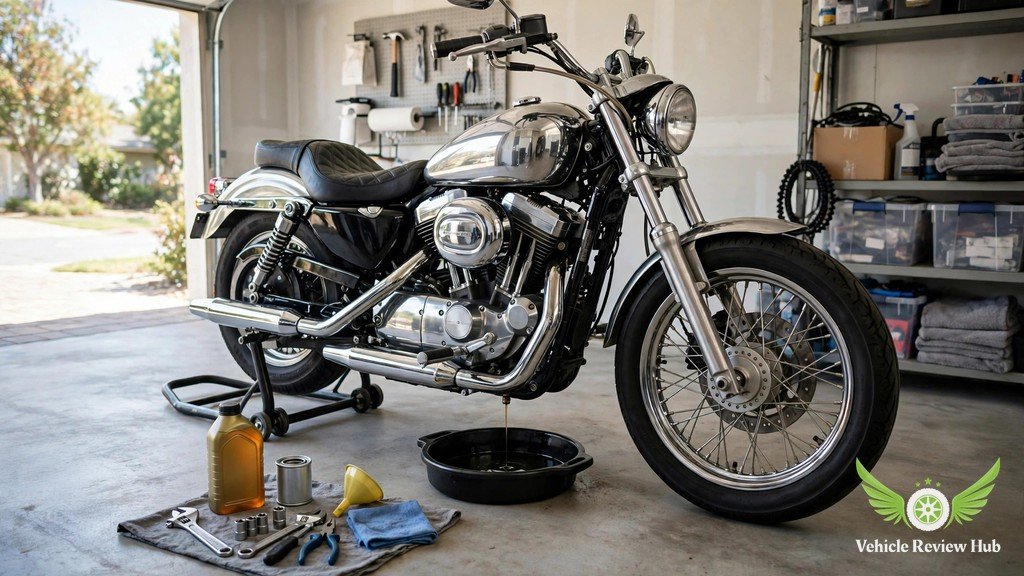
The first service falls at 600 miles or one month, whichever comes first, and it flushes out break-in debris after the bike’s first heat cycles. After that, Honda’s schedule calls for an oil and filter change every 8,000 miles or 12 months. The 2005 manual lists capacity at 2.6 quarts after a drain and 2.7 quarts with a filter change, so a home oil change needs under three quarts plus a filter. Use a motorcycle-specific oil meeting your manual’s API and JASO specifications, because oil quality is a quiet pillar of Honda Shadow Aero reliability. A documented 8,000-mile oil history is a strong green flag for Honda Shadow Aero reliability.
Valve Inspection Every 8,000 Miles, Four Plugs and Air Cleaner at 12,000
This heading needs an honest correction, because Honda Shadow Aero reliability advice on valves depends on the era. The current VT750 schedule used on later bikes calls for a valve clearance inspection every 8,000 miles, and that is the figure most modern sources quote. But the 2005 Aero owner’s manual specifies valve clearance checks at 12,800 miles and every 12,800 miles thereafter, and marks the job as dealer work unless you have the proper tools and service data. The correct advice for Honda Shadow Aero reliability is era-specific: follow your year manual — 12,800-mile valve checks on a 2005-era bike, 8,000-mile checks on later bikes — and budget for a dealer visit, since clearance checks mean tank and cover removal. The same era split applies to plugs and the air cleaner. The engine uses four spark plugs, two per cylinder; the 2005 manual lists NGK DPR6EA-9 as standard with DPR7EA-9 for high-speed riding, while later manuals specify DPR7EA-9 with a 0.8–0.9 mm gap. The air cleaner sits at 12,000 miles on the later schedule against 12,800 miles in the 2005 manual. Getting the interval right for your year is exactly the kind of detail that protects Honda Shadow Aero reliability.
Honda Shadow Aero Tires, Brakes and Suspension Maintenance
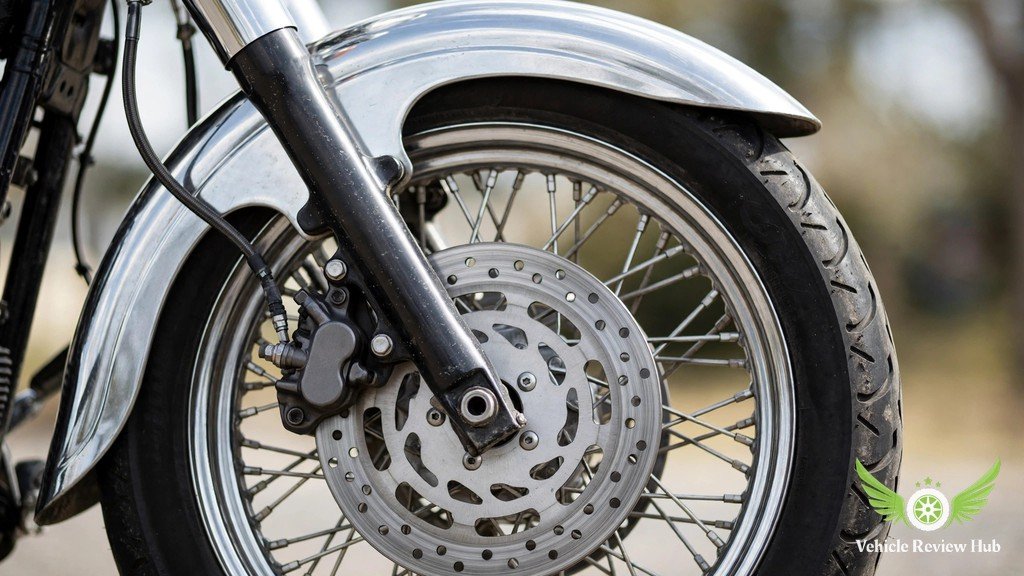
The rolling chassis asks for attention in the same rhythm as the engine: tires and brakes at every service, spokes and suspension at least once a season, since chassis neglect undermines Honda Shadow Aero reliability just as surely as engine neglect.
Final-Drive Oil Replacement at 24,000 Miles and Coolant Every Two Years
Shaft drive is the Aero’s great maintenance gift for Honda Shadow Aero reliability, and its only real demand is a final-drive oil change every 24,000 miles — a small quantity of gear oil, a drain bolt, and ten minutes. Check the housing seals for weeping at the same time. There is no chain or belt to service. Coolant runs on a two-year replacement cycle on the later schedule — the Phantom’s VT750 schedule phrases it as 24,000 miles, then every two years, so treat two years as the safe rule. The 2020 manual pairs this with a brake fluid replacement every two years as well, so do both together at the two-year mark — an easy win for Honda Shadow Aero reliability.
Brake Pads, Brake Fluid, Spoke Checks, Forks and Shock Checks
For Honda Shadow Aero reliability, brake maintenance starts with knowing which rear brake your bike actually has, because the Aero changed mid-run and dealer listings cannot always be trusted. The front is a single 296mm disc with a twin-piston caliper on every year. The rear was a drum on the standard Aero until the 2024 update brought a 276mm rear disc to both trims, previously reserved for the ABS version. ABS-trim rear fitment varies by year in listings, and one dealer sheet even mislabels the 2024 rear brake as a “276mm drum” — so confirm by looking at the wheel. Check pad or shoe thickness at every service and replace brake fluid every two years. Spoke checks are Aero-specific: run a spoke wrench over the wheels at each service, listen for a dull spoke among ringing ones, and check trueness and rim dents. Inspect the 41mm fork for seal weep and the rear shocks for leaks and correct preload; both fade with age. Tires are 120/90-17 front and 160/80-15 rear, and age matters as much as tread: replace any tire older than five or six years. All of this keeps Honda Shadow Aero reliability intact past the point where neglected bikes feel tired.
Honda Shadow Aero Maintenance and Ownership Costs
The Aero is cheap to keep, and that low running cost is a genuine part of Honda Shadow Aero reliability.
Fuel, Routine Servicing, Tires and Replacement Parts
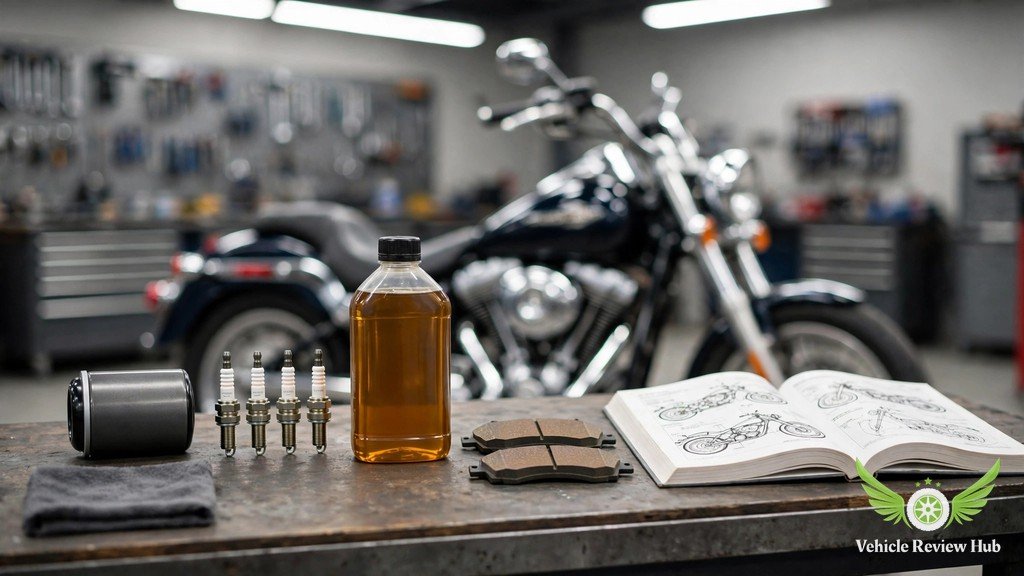
Day-to-day costs start with fuel: Honda’s Aero materials put the bike at 56 mpg, and a 3.9-gallon tank covers a weekend of riding. Routine servicing uses inexpensive parts, and all but the valve check are realistic home jobs. Tires are the largest recurring expense: a fitted pair costs more than a year’s worth of oil changes. Brake pads or shoes, air cleaners, and batteries are commodity items shared with other Honda models, which keeps prices down. That parts-sharing helps Honda Shadow Aero reliability stay affordable. The honest caveat is insurance: no Aero-specific US insurance figure exists in any source we could verify, so any article quoting one is inventing it — get quotes for your age, location, and riding history, and use the Shadow Aero buying guide for the full picture.
Repair Expenses, Parts Availability and Long-Term Ownership Costs
When something does break, the bill is usually small, with one exception: the dealer valve-clearance check, which costs labor rather than parts and is the most expensive routine job on the bike. Starter relays, regulators, fork seals, and wheel bearings are affordable, and the VT750’s long production run means used parts are plentiful. Long-term costs stay low, which is Honda Shadow Aero reliability in financial form, because the engine rarely needs internal work and independent shops can service everything without dealer-only tools. The one cost risk is discontinuation: Honda ended the Aero after 2025, with no 2026 listing, so trim-specific chrome and body parts may tighten. Overall, Honda Shadow Aero reliability shows up directly in the wallet: owners who service on schedule spend little beyond tires and fluids year after year.
How to Keep a Honda Shadow Aero Reliable
Keeping an Aero reliable is less about skill than about rhythm: do the small jobs on time, store the bike properly, check the recalls, and Honda Shadow Aero reliability takes care of itself.
Preventive Maintenance, Storage Care and Regular Inspections
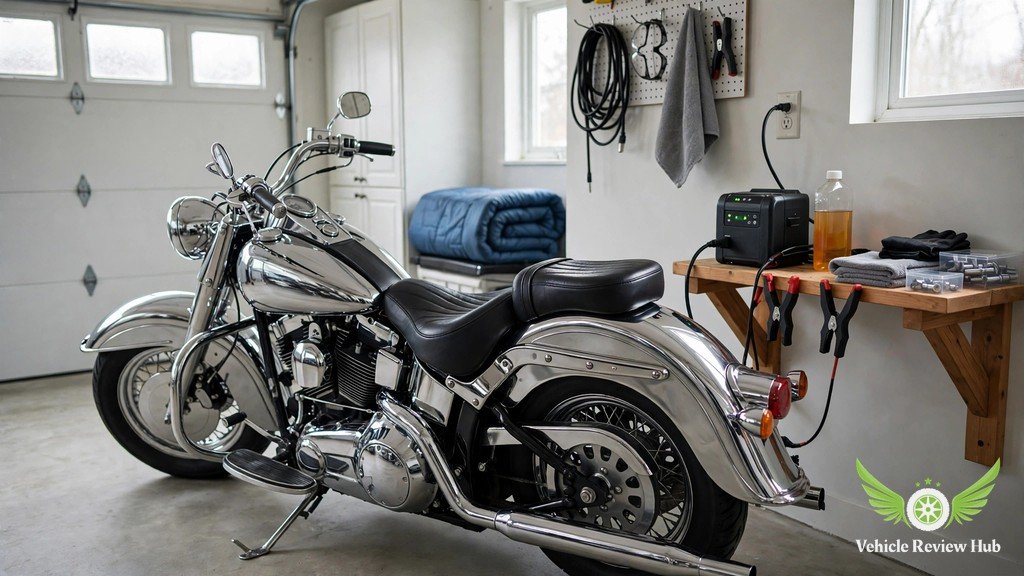
Preventive maintenance means the schedule above, done on the calendar as well as the odometer: oil every 8,000 miles or 12 months, fluids every two years, spokes and brakes at every service. That routine is Honda Shadow Aero reliability in practice. Storage care is where many Aeros are won or lost. For a carbureted bike, add fuel stabilizer, run it through the carburetors, and consider draining the float bowls for a long lay-up; for any Aero, connect a battery tender, clean and wax the chrome before covering, store under a breathable cover in a dry space, and change the oil before storage rather than after, so acidic used oil does not sit in the engine. Regular inspections should cover shaft-drive leaks, fork seal weep, spoke tension, tire age cracks, and early chrome rust, which is far easier to stop than to reverse. The video below tours a 2011 fuel-injected Aero.
Recall Split: Starter Relay Hits Standard VT750C, Not the CS ABS Trim
The starter relay story is the Aero’s best example of why trim codes matter more than model names. Recall 15V439 covers 47,168 motorcycles, and the fault is serious: sealant incorrectly applied to the starter relay switch can raise resistance at the main fuse and cut power without warning. The initial July 1, 2015 stop-sale notice did list VT750CS VIN ranges, but Honda’s revised bulletin of August 31, 2015, states plainly that VT750CS and VT750C2S are not affected by this recall. The revision, not the initial notice, is the record that counts: standard VT750C bikes in range need the free inspection and replacement, while CS owners should still run their VIN but should not assume inclusion. Model names blur across trims and years; codes do not, and a VIN result beats any article, including this one. That habit is the real secret of Honda Shadow Aero reliability, and it is free to every owner. The Shadow Aero review covers the bike’s full history and pricing, and the Shadow Aero performance figures explain what the engine actually delivers.
Honda Shadow Aero Reliability FAQs
Direct answers to the questions Aero buyers and owners ask most about Honda Shadow Aero reliability, covering recalls, service intervals, and long-term ownership.
Is the Honda Shadow Aero reliable?
Yes. Honda Shadow Aero reliability ranks among the best in the midsize cruiser class thanks to an understressed V-twin, shaft drive, and simple electronics. Check the four recalls by VIN and keep the short service schedule.
How long does a Honda Shadow Aero last?
With scheduled maintenance, high mileages are normal: owner reports regularly describe Aeros past 50,000 miles on routine servicing alone, and TopSpeed notes owners claiming 85,000 miles before major repairs. That longevity is Honda Shadow Aero reliability at its best.
How often should I change the oil on a Honda Shadow Aero?
Every 8,000 miles or 12 months, after the first service at 600 miles. The 2005 manual lists about 2.7 quarts with a filter change. Use a motorcycle-specific oil meeting your manual’s API and JASO specifications, because oil quality matters for Honda Shadow Aero reliability.
What is the valve clearance interval on a Honda Shadow Aero?
It depends on the year: later VT750 schedules call for a valve inspection every 8,000 miles, while the 2005 Aero manual specifies every 12,800 miles. The job is dealer-flagged, so most owners budget for a shop visit — that is the rule for Honda Shadow Aero reliability.
Is my Aero affected by the fuel pump recall 26V633?
Only certain 2024–2025 VT750 bikes are included, and only your VIN can confirm it. The campaign covers 4,206 motorcycles in total, with the VT750 portion at 3,386 across Phantom and Aero models — no Aero-only count has been published. If included, a dealer replaces the pump free.
Does the starter relay recall affect the Aero ABS model?
No. The initial July 2015 notice listed VT750CS ranges, but the August 31, 2015 revision states that VT750CS and VT750C2S are not affected by recall 15V439. Standard VT750C bikes in range do need the free inspection and replacement.
What about the bank-angle sensor recall 15V874?
Aero codes are inside it: VT750C (2011–2016) and VT750CS (2013–2016) are named in the 22,142-motorcycle campaign, because engine vibration can rub the sensor wiring and stall the engine without warning. The remedy is free, so check the VIN on any 2011–2016 Aero for Honda Shadow Aero reliability.
Are carbureted Honda Shadow Aeros less reliable than fuel-injected ones?
Not mechanically, but they demand more attention. Carbureted 2004–2009 bikes suffer when fuel sits and varnishes the jets, and their petcocks can weep — including the diaphragm fault behind recall 08V141 on certain 2007–2008 bikes. Fuel-injected 2011-on bikes need no carb cleaning.
Should I buy a high-mileage Honda Shadow Aero?
Yes, if the history is right: prioritize a documented oil and service record, completed recall work, fresh fluids, and a clean cold start over a low odometer reading — and that is Honda Shadow Aero reliability in practice.
How does the Aero compare with the Shadow Phantom for reliability?
They are mechanical twins, so Honda Shadow Aero reliability and Phantom reliability are nearly identical: the same 745cc VT750 engine, shaft drive, and service schedule. The differences are trim and recall scope, not durability — the Shadow Phantom is the blacked-out bobber twin of the chrome retro Aero, so compare by VIN.