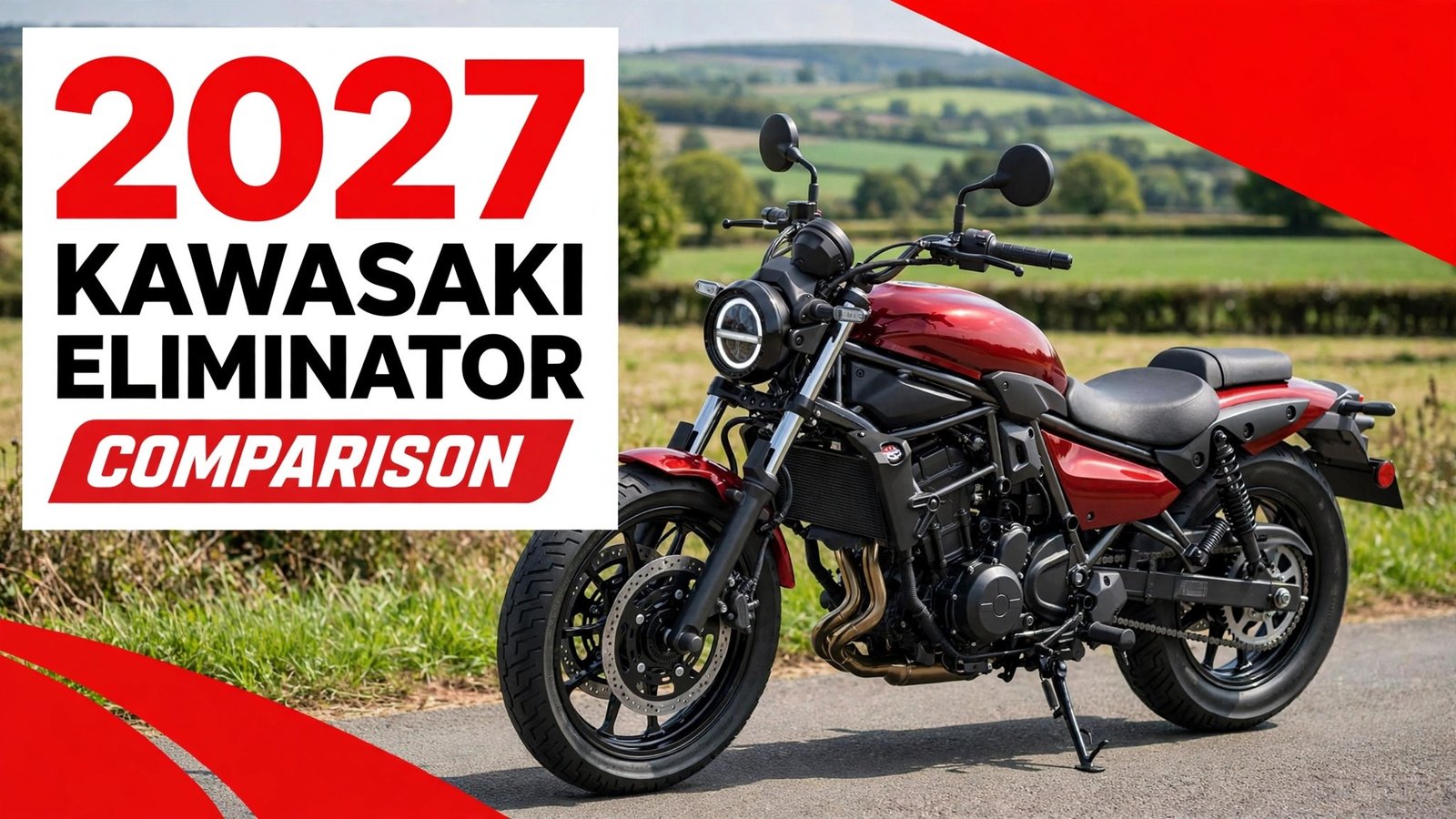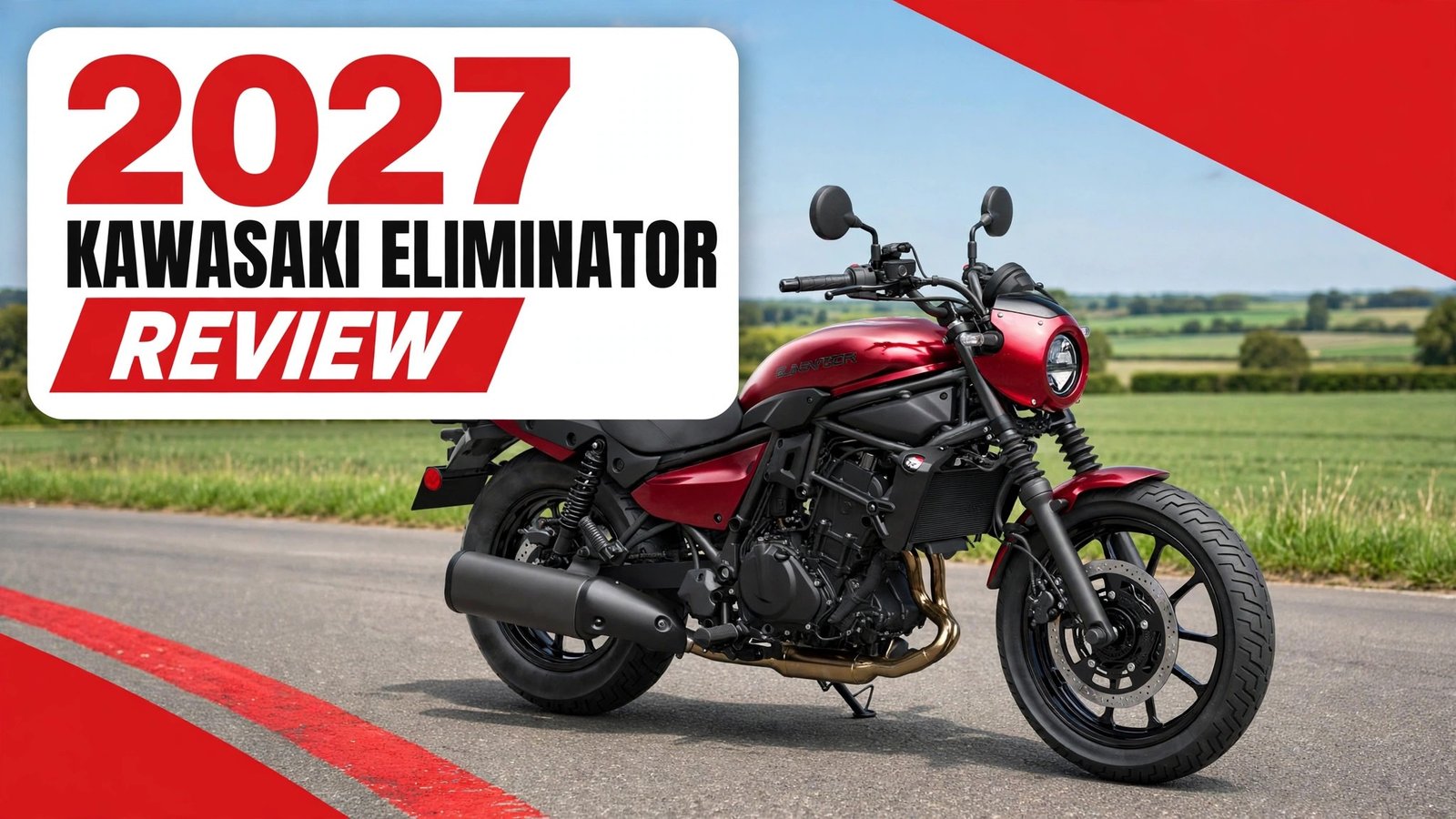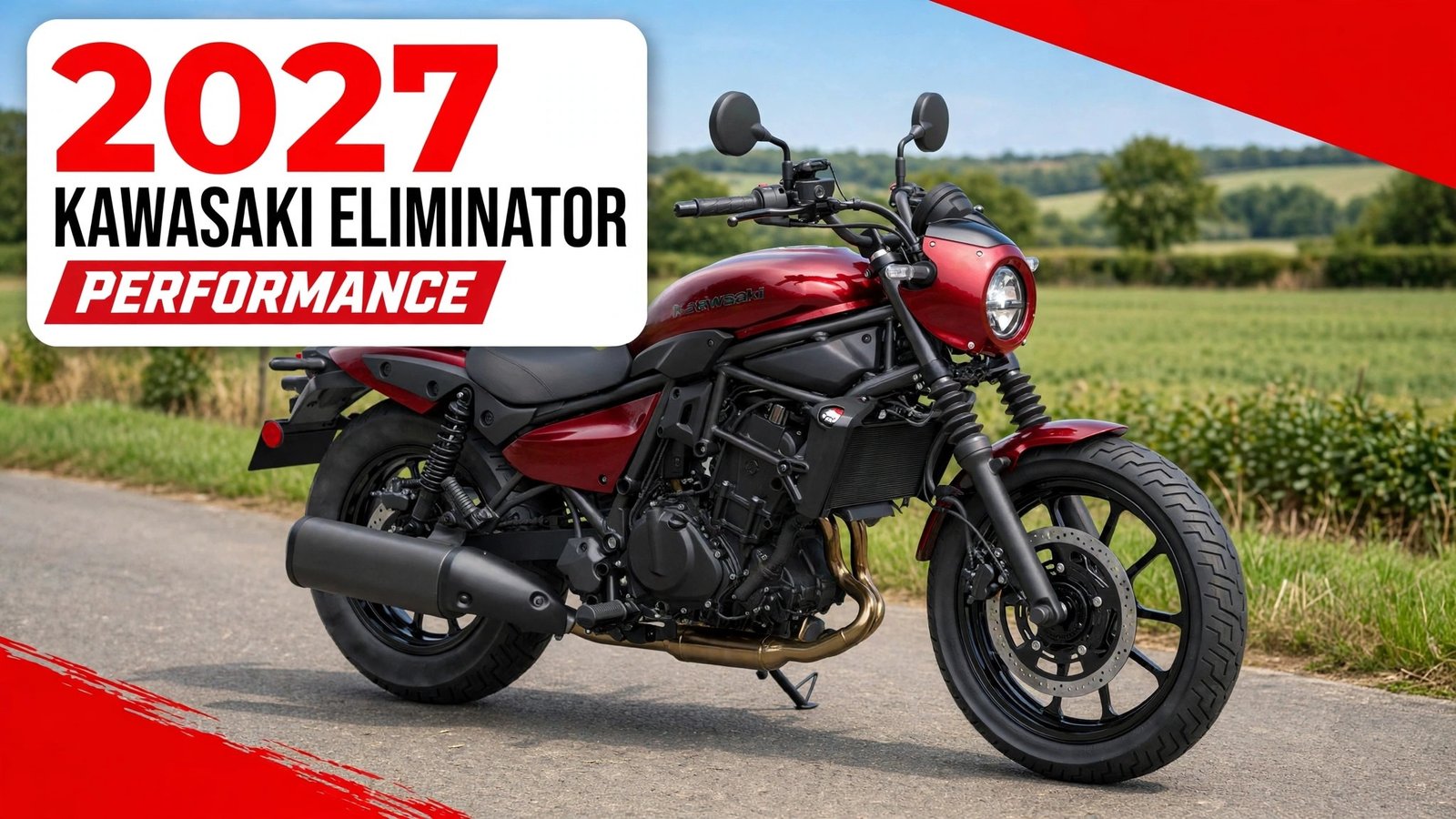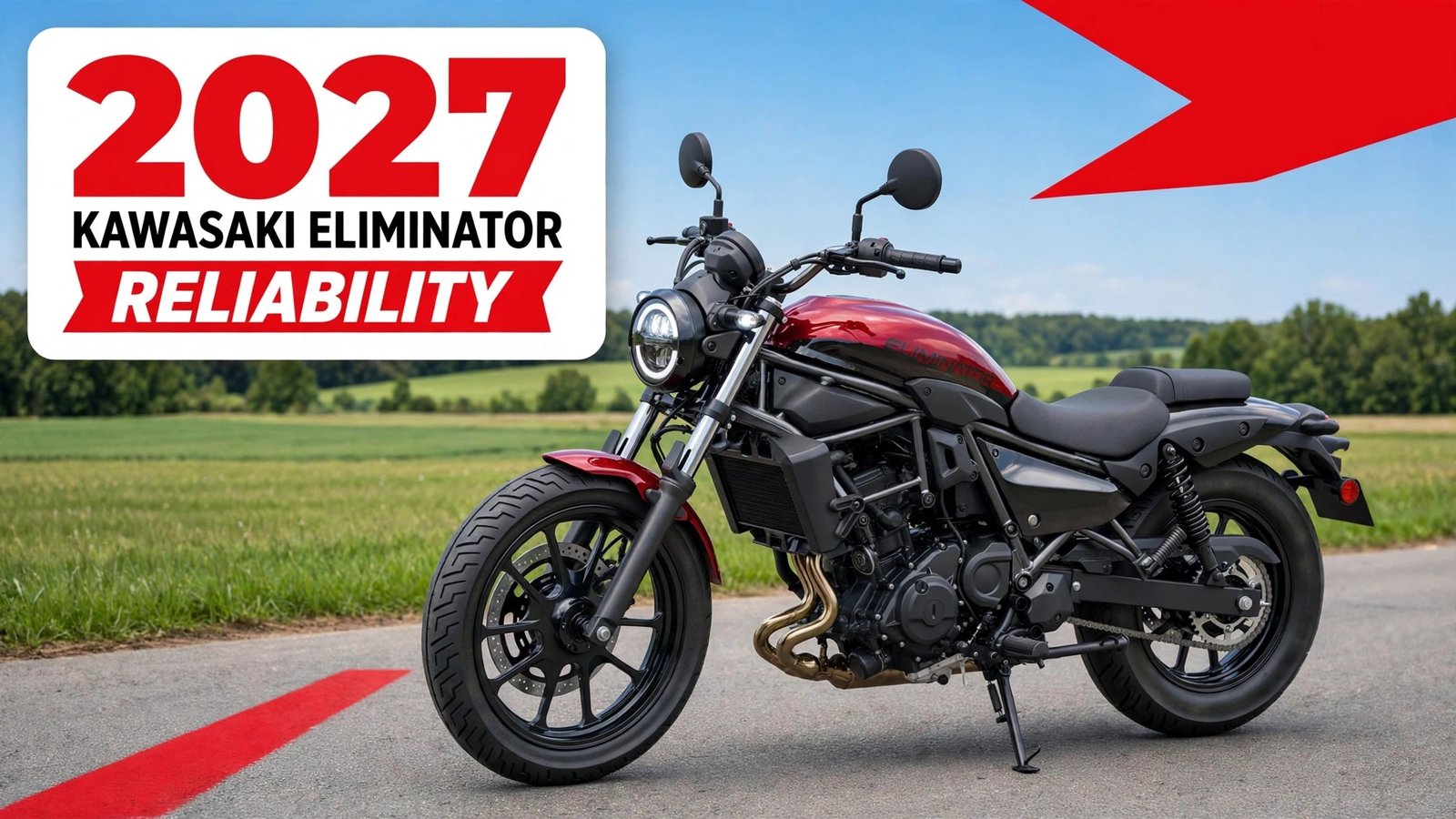
The short answer on Kawasaki Eliminator reliability is a good one with a small asterisk. No recall has ever named the Eliminator, the engine is a proven 451cc parallel twin shared with the Ninja 500 and Z500, and the maintenance schedule is simple and cheap to follow. The asterisk is the record itself: the bike only launched for 2024, and one platform recall on its siblings deserves a watchful eye even though it does not list this bike. This Kawasaki Eliminator reliability guide works through what is actually known — the recall search, the one watch item, the full service chart and the real ownership costs — so a buyer can judge the bike on facts instead of forum noise.
Kawasaki Eliminator Reliability Overview
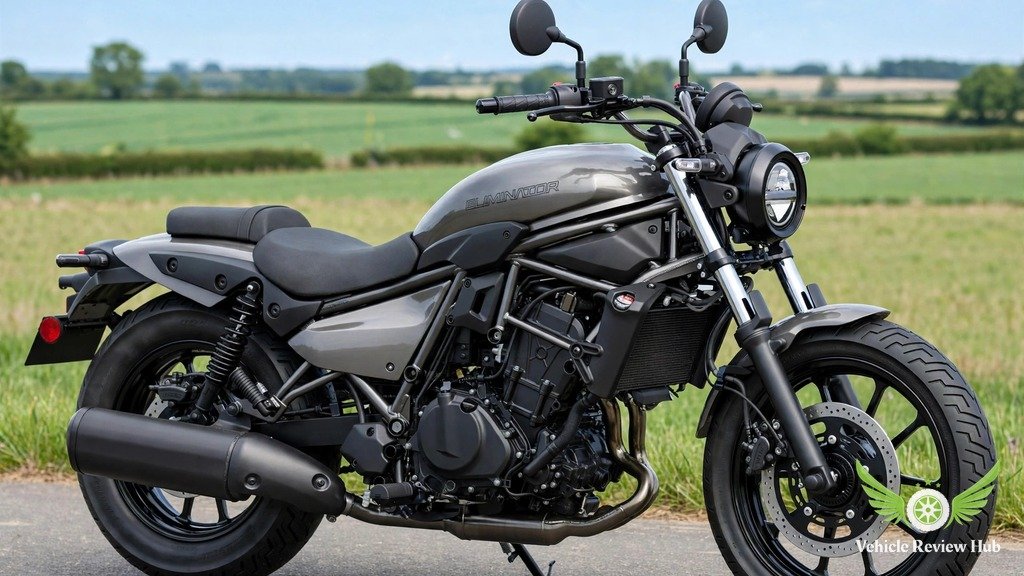
Reliability on a new model is a question of evidence, and the Eliminator’s evidence is thin because the bike is new, not because anything has gone wrong. The 451cc twin is not a new engine, and the full price and specification story is in our Kawasaki Eliminator review. It is the Ninja 400’s 399cc unit with the stroke lengthened 6.8 mm, and the same 451cc version already powers the Ninja 500 and Z500.
Zero Recalls Name the Eliminator
No recall has ever named the Eliminator. A search of the NHTSA recalls database returns zero recalls for the Eliminator for model years 2024, 2025, 2026 and 2027, and zero again for the renamed “Eliminator 500” for 2027. That zero is worth more than most: the same search returns one recall for the 2024 Ninja 500, campaign 25V146000, so the database does pick up problems on this platform when they exist. The honest framing is that this is a search result, not absolute proof — the same search returns zero recalls for the 2010 Vulcan 1700 Vaquero even though campaign 15V-550 exists, because the search does not show recalls older than 15 years. The Eliminator is far too new for that age limit to matter, and no complaints count has been verified, so this Kawasaki Eliminator reliability guide prints no complaints figure.
How Mileage, Storage and Previous Care Affect Reliability
On a bike this new, condition matters more than age, and a used Eliminator is judged the same way as any used motorcycle. Low mileage is not automatically a good sign: a 2024 bike with 300 miles on it has probably sat, and sitting is harder on a motorcycle than riding. An Eliminator kept outside in a humid climate can show rust on the exhaust manifold, while a garaged bike stays clean. Previous care is the third check: ask for service records, and look for the 600-mile first service stamp. The bike has no known weak point, so the condition of the individual machine is the whole Kawasaki Eliminator reliability story.
Kawasaki Eliminator Common Problems and Wear Items
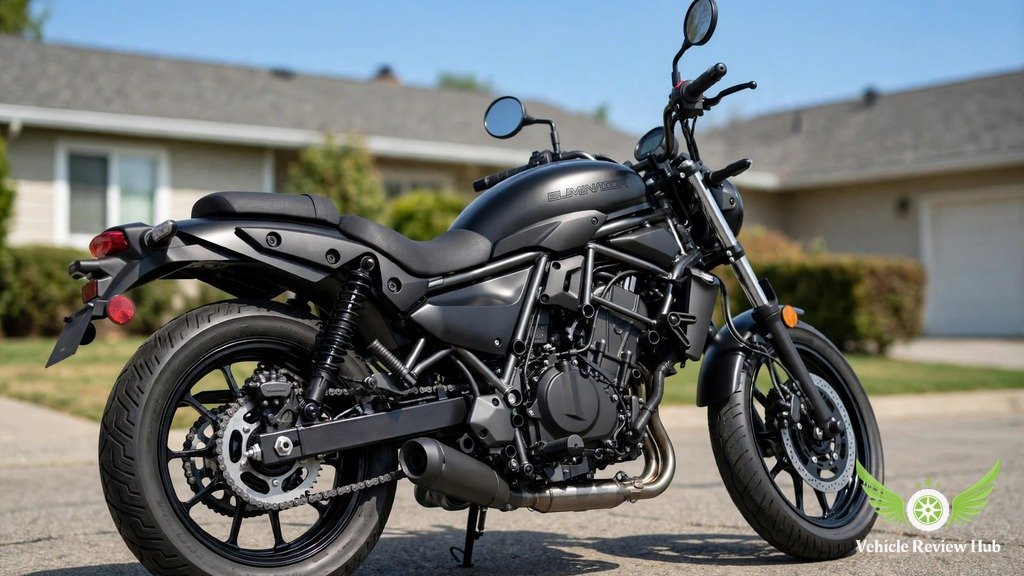
There is no established pattern of common problems on the Eliminator, and this Kawasaki Eliminator reliability guide says so rather than inventing one. What does exist is a handful of labelled single-source owner notes and one platform recall that touches the bike’s siblings — the whole of the Kawasaki Eliminator reliability picture so far.
Platform Clutch Recall Does Not List It
The one watch item on this bike is a recall that does not name it. Campaign 25V-146, Kawasaki bulletin MC25-04 from March 2025, covers 3,742 units of the 2024 Ninja 500 and Z500 only, built between January 22 and February 6, 2024. The defect is a clutch release shaft that was not properly welded — the lever can come apart and the clutch cannot disengage. The Part 573 report’s vehicle list is Z500 and Ninja 500 variants only; no EL450 model code appears, and owner letters went out on March 24, 2025. A buyer should treat this as a watch item: check that the clutch lever feels solid and the clutch disengages cleanly on a test ride. But calling 25V-146 an Eliminator recall would be wrong, and this Kawasaki Eliminator reliability guide does not do that.
Range Estimate Not to Be Trusted
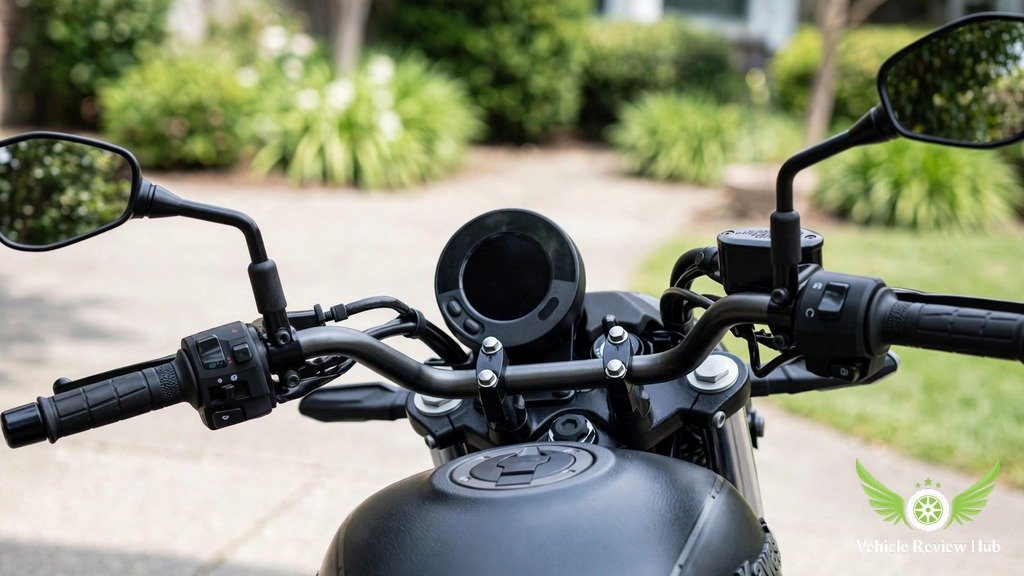
The second item under this heading is not a mechanical problem at all — it is a display quirk that can strand a rider who trusts it. RevZilla’s first ride put it bluntly: the dash’s estimated range is displayed, “but not to be trusted.” The figures this Kawasaki Eliminator reliability guide stands behind come from elsewhere: RevZilla’s first ride and its dash reading of 45 mpg after 75 highway miles, and the arithmetic of 45 mpg times the 3.4-gallon tank for about 150 miles of range. The fix costs nothing: fill up by the trip meter, not by the range estimate.
Kawasaki Eliminator Maintenance Schedule and Servicing
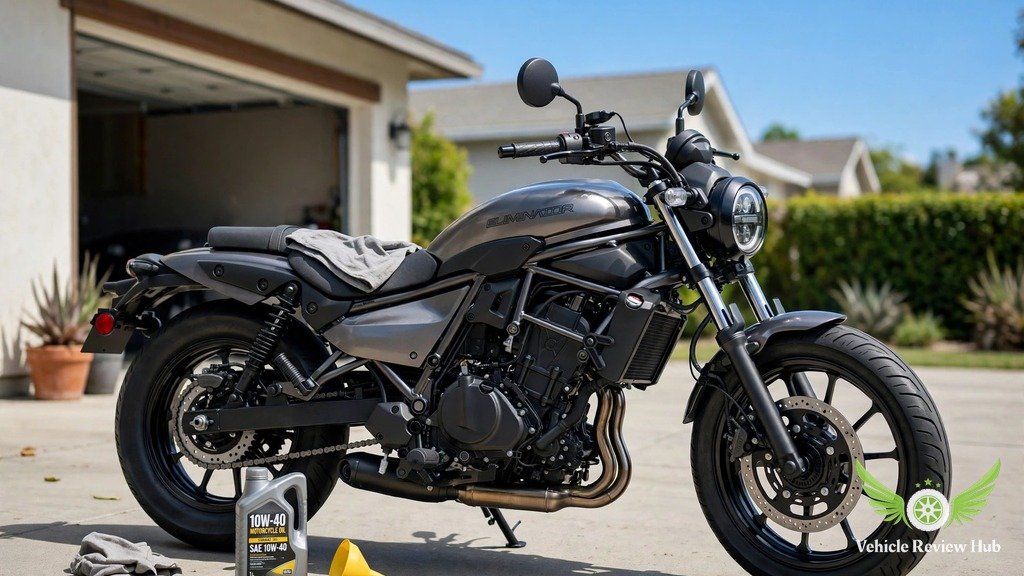
The maintenance schedule is one of the Eliminator’s quiet strengths: long intervals, cheap parts and nothing exotic. The owner’s-manual chart runs on 600, 7,600, 15,200, 22,800 and 30,400 miles, plus an annual service every year. This Kawasaki Eliminator reliability section gives the full chart, then walks through the two services that matter most — the first one and the expensive one.
Jack Is Outside’s DIY walkthrough shows the 600-mile first service on a real Eliminator — the service this Kawasaki Eliminator reliability guide opens with — with a Vulcan S oil change in the same video.
First Service at 600 Miles
The first service at 600 miles is the most important one the bike will ever get, and it is also the simplest. The chart puts the initial service at 0.6 × 1,000 miles: an oil and filter change plus an inspection. The reason it matters is break-in: the first 600 miles put the most wear debris into the oil, and that oil needs to come out. A buyer looking at a used Eliminator should ask for the 600-mile service record first, before the mileage. This Kawasaki Eliminator reliability guide treats a missing first-service record as a negotiating point, not a deal-breaker — but it is a point worth raising.
Valve Check Every 15,200 Miles
The valve check is the big-ticket service on this bike, and it arrives at 15,200 miles, then again at 30,400. The engine is a DOHC parallel twin with eight valves, and the chart calls for valve clearances to be inspected and adjusted at 15.2 × 1,000 miles. The site’s own prose rounds that to 15,000 miles, but the chart is the authority and this Kawasaki Eliminator reliability guide prints 15,200. Because the engine has a single cylinder head, the job is easier than on a V-twin — there is no need to drop the oil to do a valve service. The rest of the long-interval items land at the same milestones: brake fluid at 15,200 miles or every two years, the air cleaner at 22,800 miles, and coolant plus hoses at 22,800 miles or every three years.
| Service item | 600 mi | 7,600 mi | 15,200 mi | 22,800 mi | 30,400 mi |
|---|---|---|---|---|---|
| Engine oil + filter | Change | Change | Change | Change | Change |
| Spark plugs (NGK LMAR9G) | — | Replace | Replace | Replace | Replace |
| Valve clearances | — | — | Inspect / adjust | — | Inspect / adjust |
| Drive-chain lubrication | Check | Every 400 mi | Every 400 mi | Every 400 mi | Every 400 mi |
| Drive-chain slack (20–30 mm) | Check | Check | Check | Check | Check |
| Brake fluid (DOT 4) | — | — | Replace | — | Replace |
| Air cleaner element | — | — | — | Replace | — |
| Coolant + hoses + O-rings | — | — | — | Replace | — |
Notes: the figures in this Kawasaki Eliminator reliability service table come from the owner’s-manual chart as transcribed by maintenanceschedule.com, with intervals at 600, 7,600, 15,200, 22,800 and 30,400 miles plus an annual service every year. The valve interval is 15,200 miles per the chart, not the 15,000 miles the site’s prose rounds it to. Chain lubrication is checked every 400 miles and slack every 600 miles, and the oil is SAE 10W-40, 2.3 litres, at every interval.
Kawasaki Eliminator Tires, Brakes and Suspension Maintenance
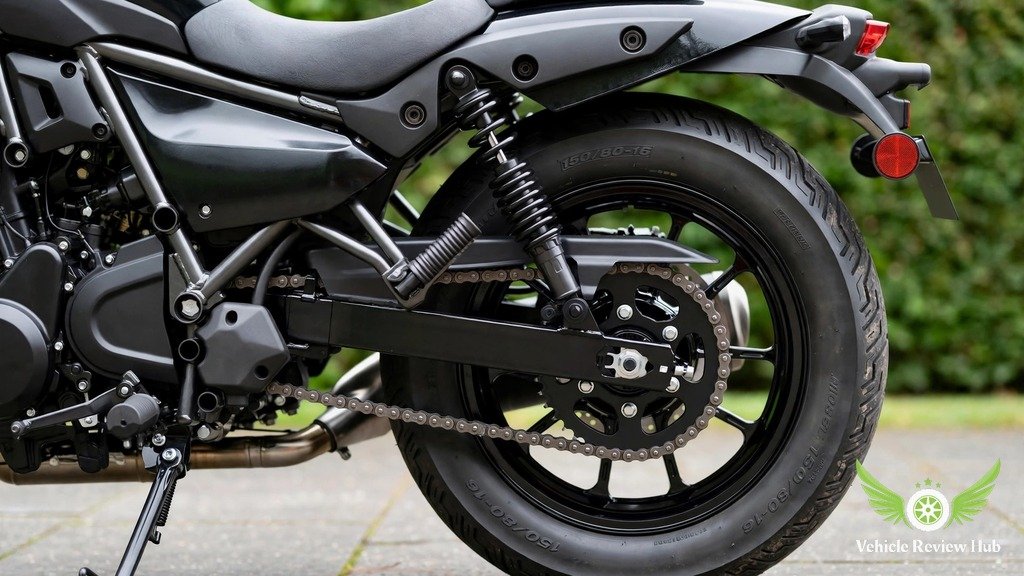
The running gear on the Eliminator is simple enough that most of its maintenance is inspection, not replacement. This Kawasaki Eliminator reliability section covers the three checks that keep the bike safe between services.
Chain Lubed Every 400 Miles
The chain is the most frequent maintenance item on the whole bike, and the one owners are most likely to neglect. The manual calls for the chain lubrication to be checked every 400 miles and the slack every 600 miles, with a target slack of 20–30 mm on the side stand with no load. A buyer inspecting a used Eliminator should look at the chain first — a rusty, dry or kinked chain says more about Kawasaki Eliminator reliability than the odometer does. The Kawasaki USA Eliminator page lists the sealed chain as standard equipment on every trim.
Tire, Brake and Suspension Checks That Matter
The tyre check starts with pressure, because the Eliminator’s pressures are specific and easy to get wrong. The front is a 130/70-18 at 29 psi cold, the rear a 150/80-16 at 32 psi cold, both IRC GS-23s. Minimum tread depth is 1 mm front and 2 mm rear, and the tyres should be replaced on age as well as wear. Brakes are the next Kawasaki Eliminator reliability check: a single 310 mm front disc with a twin-piston caliper, a single 220 mm rear disc with a single-piston caliper on US bikes, and a Nissin ABS unit on the ABS and SE ABS trims. Minimum pad thickness is 1.0 mm front and 1.5 mm rear, and the DOT 4 fluid is replaced at 15,200 miles or every two years. One caution for parts buyers: some listings print a 240 mm rear disc with a two-piston caliper, which is the European specification. The US rear is 220 mm, single-piston — order parts to the US figure. The 41 mm fork is non-adjustable, so the check is for leaks and smooth travel, not settings. The twin rear shocks carry 3.5 inches of travel with five-way spring preload — owners recommend running the preload near the maximum, and a buyer should set it to the load rather than leaving it at the factory position.
| Item | Specification | Check interval |
|---|---|---|
| Front tyre | 130/70-18 63H, 29 psi cold | Before every ride; tread min 1 mm |
| Rear tyre | 150/80-16 71H, 32 psi cold | Before every ride; tread min 2 mm |
| Front brake | 310 mm petal disc, twin-piston caliper | Pad min 1.0 mm; fluid every 2 years |
| Rear brake | 220 mm petal disc, single-piston caliper (US) | Pad min 1.5 mm; fluid every 2 years |
| Drive chain | Sealed chain, slack 20–30 mm | Lube every 400 mi; slack every 600 mi |
| Front fork | 41 mm, 4.7 in travel, non-adjustable | Check for leaks at every service |
| Rear shocks | Twin shocks, 3.5 in travel, 5-way preload | Check for leaks; set preload to load |
Notes: the figures in this Kawasaki Eliminator reliability running-gear table are the US specification figures from the owner’s-manual chart and the Kawasaki spec sheet. The rear brake is 220 mm with a single-piston caliper on US bikes — the 240 mm two-piston figure in some listings is the European specification. Tyre pressures are cold pressures, and the chain slack of 20–30 mm is measured on the side stand with no load.
Kawasaki Eliminator Maintenance and Ownership Costs
Ownership costs are where the Eliminator’s simplicity pays off in cash. The bike is cheap to buy, cheap to fuel and cheap to service, and the only service that costs real money is the valve check at 15,200 miles. This Kawasaki Eliminator reliability section prices the running costs honestly — and says plainly where no verified price exists instead of inventing one.
Fuel, Routine Servicing, Tires and Replacement Parts
Fuel is the biggest running cost, and it is small. RevZilla’s first ride showed 45 mpg on the dash after 75 highway miles, and one owner averaged 52.5 mpg in mixed riding, so a realistic figure sits between 45 and 50 mpg, as our Kawasaki Eliminator performance guide sets out in full. On the 3.4-gallon tank that is about 150 miles between fill-ups. The engine takes 2.3 litres of SAE 10W-40 at every service, and the oil filter is a HiFlo HF303RC or the OEM equivalent. No verified dealer labour rate or parts price list exists for the Eliminator, so this Kawasaki Eliminator reliability guide does not print one. For comparison, the Vulcan S reliability guide shows the same pattern on a bigger twin — long intervals, cheap oil, and a valve check as the only expensive service — and the Eliminator follows it on a smaller scale.
Oil and Plugs Every 7,600 Miles
The 7,600-mile service is the heartbeat of Kawasaki Eliminator reliability, and it is worth understanding exactly what it is. Every 7,600 miles or once a year, whichever comes first, the bike gets fresh oil and a new filter, and the spark plugs are replaced at the same visit. The oil is SAE 10W-40 meeting API SG/SH/SJ/SL/SM and JASO MA/MA1/MA2, and the quantity is 2.3 litres (2.4 US quarts). The same visit also covers the inspection items — throttle free play, clutch lever free play, chain wear, brake pad thickness, tyre condition and steering-head bearings. Nothing in the 7,600-mile service needs a dealer computer or a special tool — it is oil, plugs and inspection, and any competent mechanic can do it.
| Cost item | What it is | When |
|---|---|---|
| Fuel | 45 mpg tested, about 150 mi per 3.4-gal tank | Every fill-up |
| Engine oil + filter | 2.3 L SAE 10W-40, HiFlo HF303RC pattern filter | Every 7,600 mi or yearly |
| Spark plugs | NGK LMAR9G, four plugs | Every 7,600 mi |
| Valve check | Clearances inspect / adjust, 8 valves, DOHC twin | Every 15,200 mi |
| Chain + sprockets | Sealed chain, lube every 400 mi | Wear-dependent; check at 7,600 mi |
| Tyres | IRC GS-23, 130/70-18 front, 150/80-16 rear | Wear + age; check at every service |
| Brake fluid | DOT 4 | Every 15,200 mi or 2 years |
| Battery | Yuasa YTZ10 | When it fails to hold a charge |
Notes: the figures in this Kawasaki Eliminator reliability costs table are the service intervals and part numbers from the owner’s-manual chart, not a price list — no verified dealer labour rate or parts price list exists for the Eliminator, so no dollar figures are printed here. Fuel economy is RevZilla’s tested 45 mpg dash reading, and the range of about 150 miles is arithmetic from the 3.4-gallon tank.
How to Keep a Kawasaki Eliminator Reliable
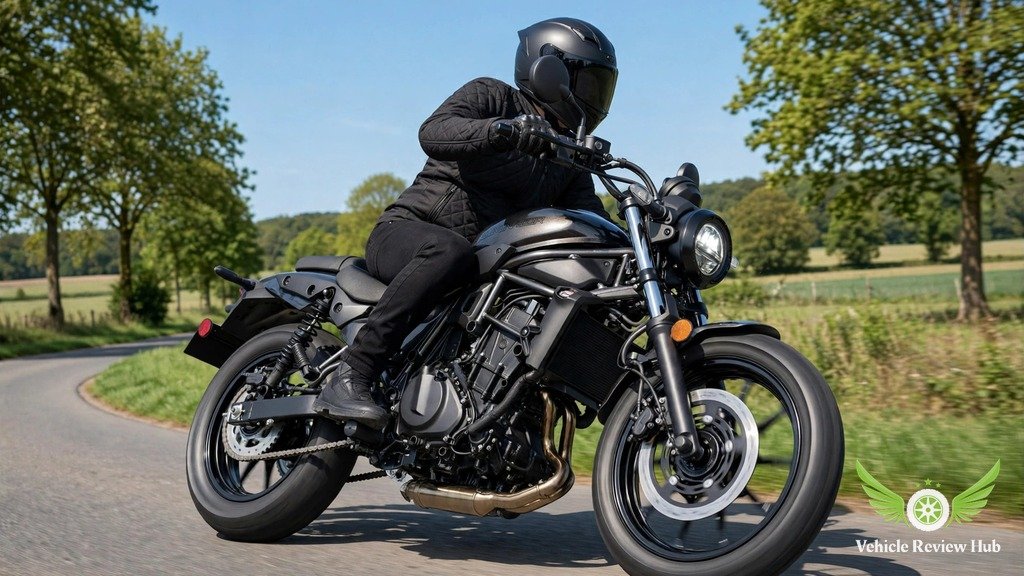
Keeping an Eliminator reliable is mostly a matter of doing the small things on time. The bike has no known weak point to guard against, so the work is the schedule itself: the 600-mile first service, oil and plugs every 7,600 miles, the chain every 400 miles, and the valve check at 15,200. This Kawasaki Eliminator reliability section is the short version of that discipline, and it ends with the honest limit of everything in this guide.
Preventive Maintenance, Records and Regular Inspections
First, follow the chart — the 600-mile first service, then every 7,600 miles or yearly, with the chain lubed every 400 miles in between. The chain is the one item the chart asks about most often, and the one owners skip most often — lube it every second fuel stop and it will never be dry. Second, keep records. A folder with the service receipts and the 600-mile stamp is worth real money at resale, because a buyer of a two-year-old bike has almost nothing else to judge it by. Third, inspect between services. Check the tyre pressures cold before a ride, look at the chain, check the brake fluid level in the reservoir, and look for fork leaks and loose fasteners. The Vulcan 900 Custom reliability guide makes the same point on a twenty-year-old design — records and regular inspection matter more than any single repair — and it matters even more here, where the service history is the whole Kawasaki Eliminator reliability story.
Record Is Short: Model Is New
The honest limit of this guide is the calendar. The Eliminator launched for 2024, so at the time of writing it has about two years of history behind it. The engine family is older and better proven — the same 451cc twin runs in the Ninja 500 and Z500 — but the Eliminator itself is still young. The clean recall record and the absence of a common-problems pattern are genuinely good news. Motorcycle.com’s first ride called the bike a great choice for beginner motorcyclists, and the MCN owner reviews back that up at 4.3 out of 5, with one owner reporting no issues after 1,100 miles and another reporting no problems over a two-hour-plus ride. But a buyer should not read two clean years as a ten-year guarantee. The verdict this Kawasaki Eliminator reliability guide reaches is a careful one: buy it, service it on the chart, watch the platform clutch recall, and judge the individual bike on its records.
Frequently Asked Questions
The questions below answer the things buyers ask most about the Eliminator’s recalls, service intervals and running costs, using the same verified figures as the rest of this Kawasaki Eliminator reliability guide.
Has the Kawasaki Eliminator had any recalls?
No. A search of the NHTSA recalls database returns zero recalls for the Eliminator for 2024 through 2027, including the renamed Eliminator 500, and this Kawasaki Eliminator reliability guide reports that zero as a search result, not as absolute proof.
Is the clutch recall an Eliminator recall?
No. Campaign 25V-146 covers 3,742 units of the 2024 Ninja 500 and Z500 only, built between January 22 and February 6, 2024, and the Part 573 vehicle list contains no EL450 model code. This Kawasaki Eliminator reliability guide treats it as a watch item on a shared platform, not as an Eliminator recall.
When is the first service on the Kawasaki Eliminator?
At 600 miles: an oil and filter change plus an inspection, and this Kawasaki Eliminator reliability guide calls it the most important service the bike will ever get.
How often does the Kawasaki Eliminator need an oil change?
Every 7,600 miles or once a year, whichever comes first, with SAE 10W-40 oil, 2.3 litres, and a new filter at every interval.
When do the valves need checking on the Kawasaki Eliminator?
Every 15,200 miles, then again at 30,400 miles. This Kawasaki Eliminator reliability guide prints 15,200 per the chart, not the 15,000 miles the schedule site’s prose rounds it to.
How often should the chain be lubed on the Kawasaki Eliminator?
Every 400 miles, with the slack checked every 600 miles and a target slack of 20–30 mm. This Kawasaki Eliminator reliability guide calls the chain the most frequent maintenance item on the bike.
What spark plugs does the Kawasaki Eliminator use?
NGK LMAR9G, four of them, replaced every 7,600 miles. The plugs change at the same visit as the oil and filter, and this Kawasaki Eliminator reliability guide lists them in the service table above.
What tyres does the Kawasaki Eliminator use?
IRC GS-23s: 130/70-18 at 29 psi cold on the front and 150/80-16 at 32 psi cold on the rear, and this Kawasaki Eliminator reliability guide prints the cold pressures.
Does the Kawasaki Eliminator have ABS on every trim?
No. The base trim has no ABS in any year, and the ABS and SE ABS trims carry a Nissin ABS unit. This Kawasaki Eliminator reliability guide notes the base trim’s lack of ABS plainly.
Is the Kawasaki Eliminator reliable for a beginner?
Yes, with the usual new-model caveat. The record is clean — zero recalls, no common-problems pattern and a simple service chart — and this Kawasaki Eliminator reliability guide rates it as a sound first bike, provided the buyer gets the ABS trim and checks the service records.
How much does it cost to run a Kawasaki Eliminator?
Fuel is the biggest cost at 45 mpg tested and about 150 miles per tank, and servicing is oil and plugs every 7,600 miles with a valve check at 15,200 miles. This Kawasaki Eliminator reliability guide prints no dollar figures, because no verified dealer labour rate or parts price list exists for the bike.
Should I trust the range estimate on the Kawasaki Eliminator dash?
No — RevZilla’s first ride put it plainly, and this Kawasaki Eliminator reliability guide says to fill up by the trip meter instead, because the estimate reads optimistic on a small 3.4-gallon tank.