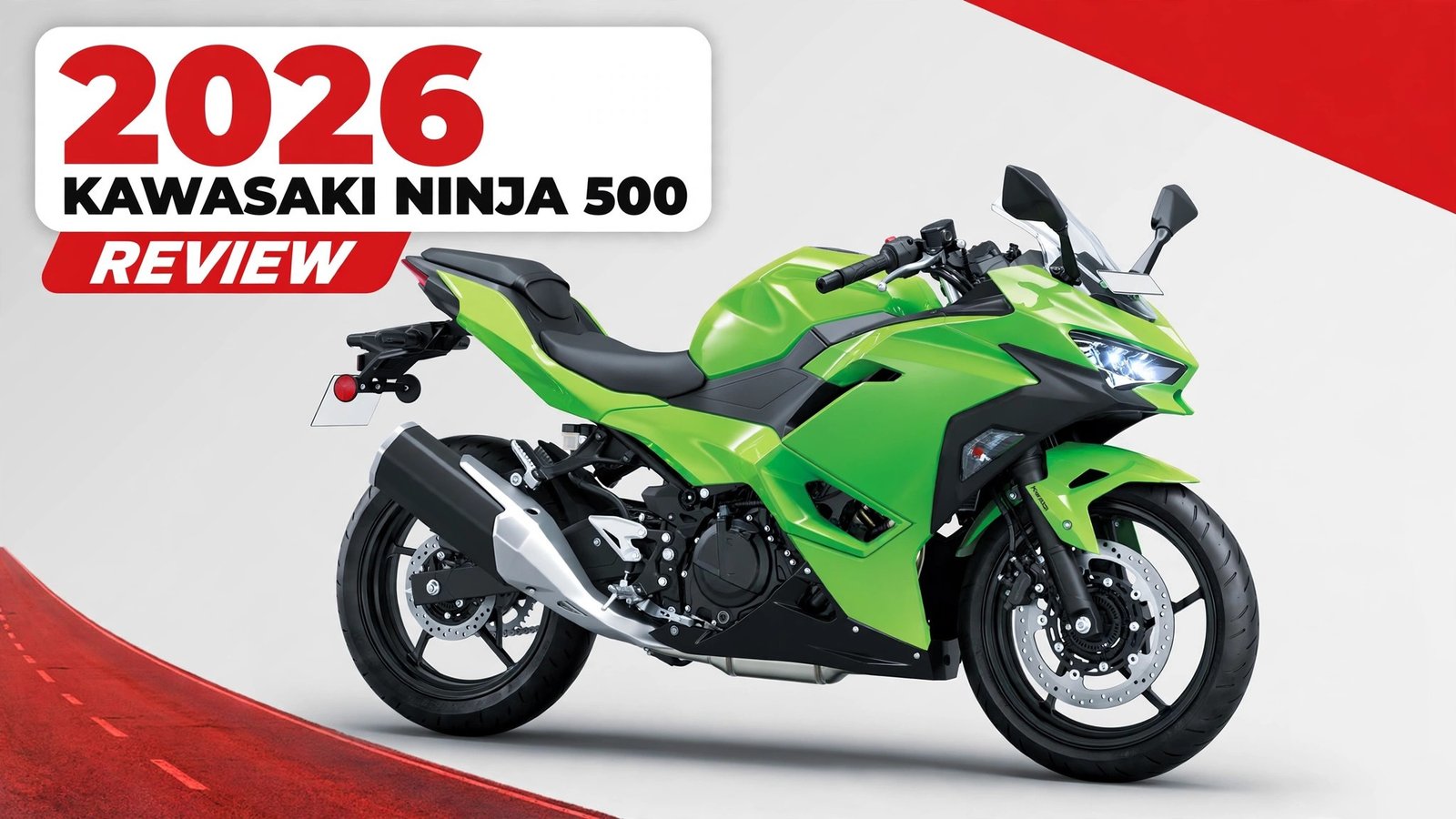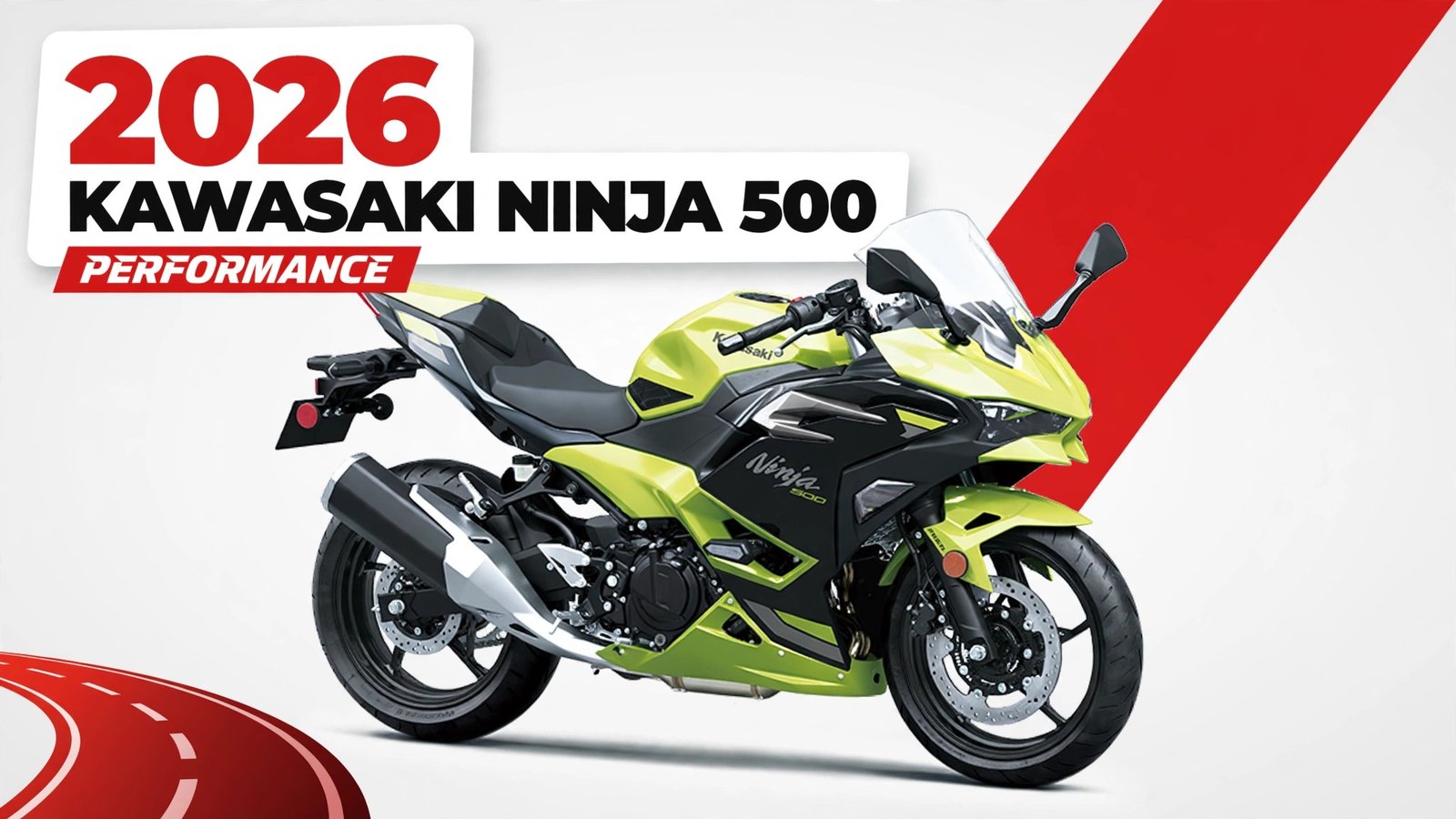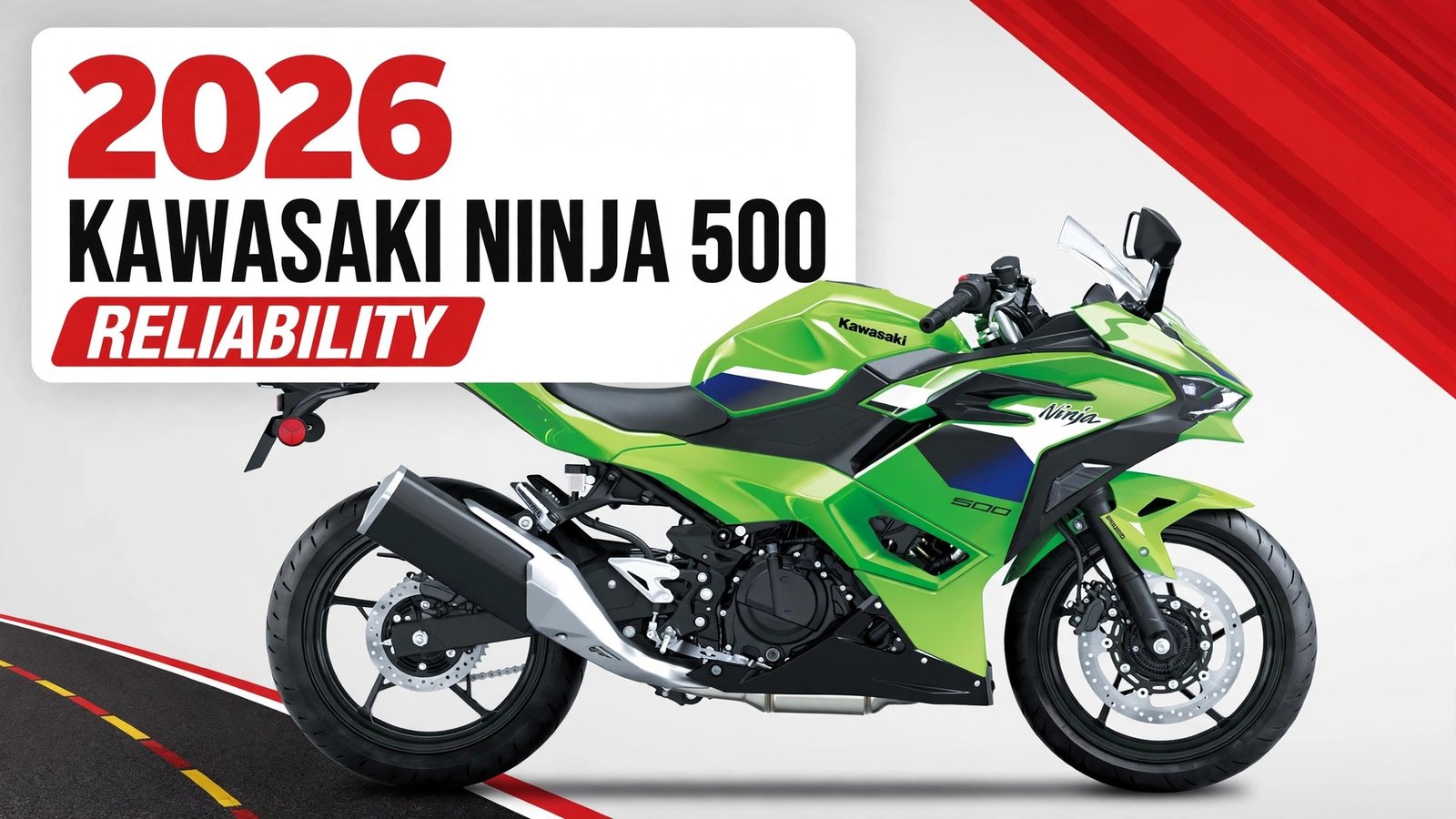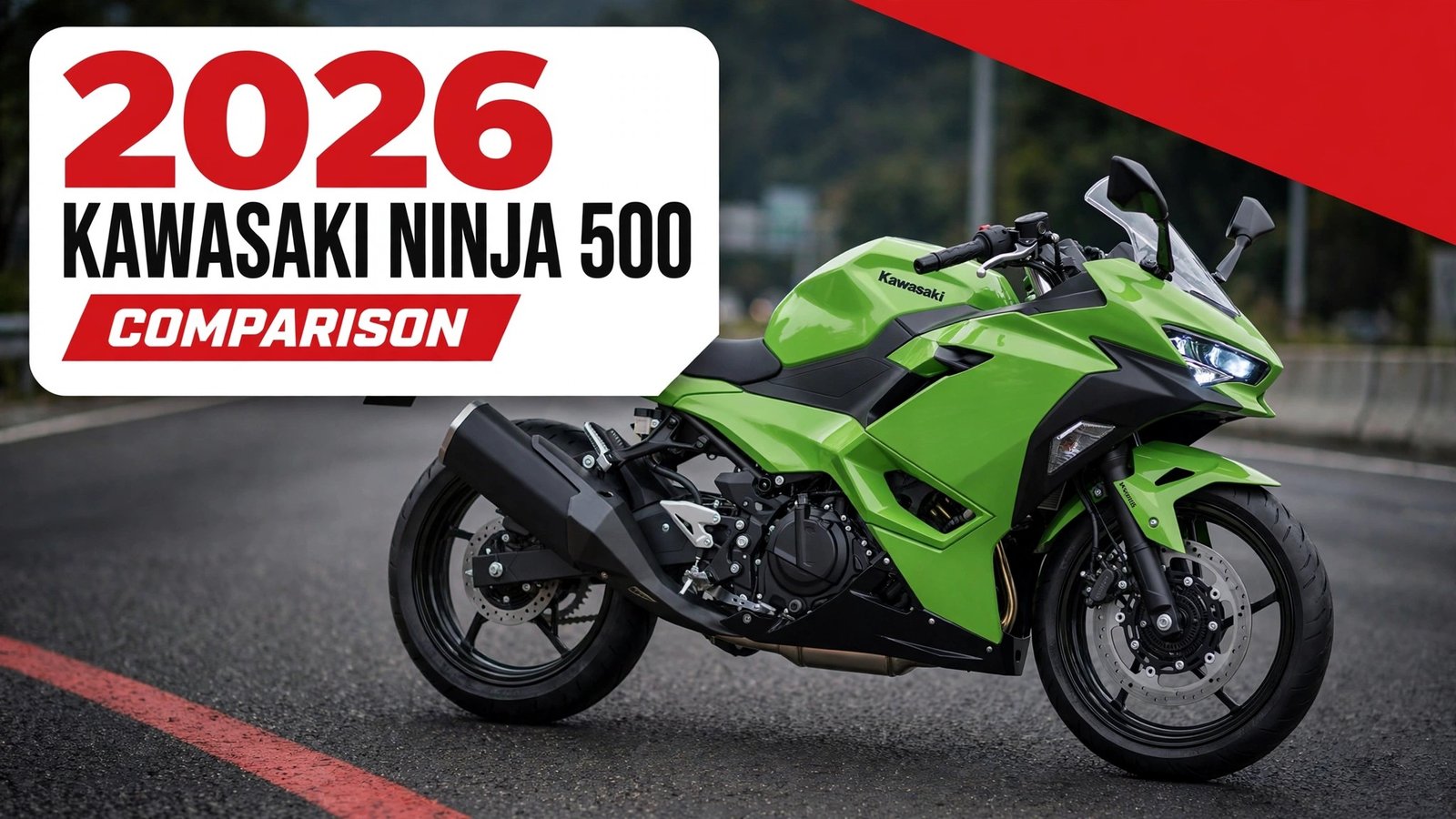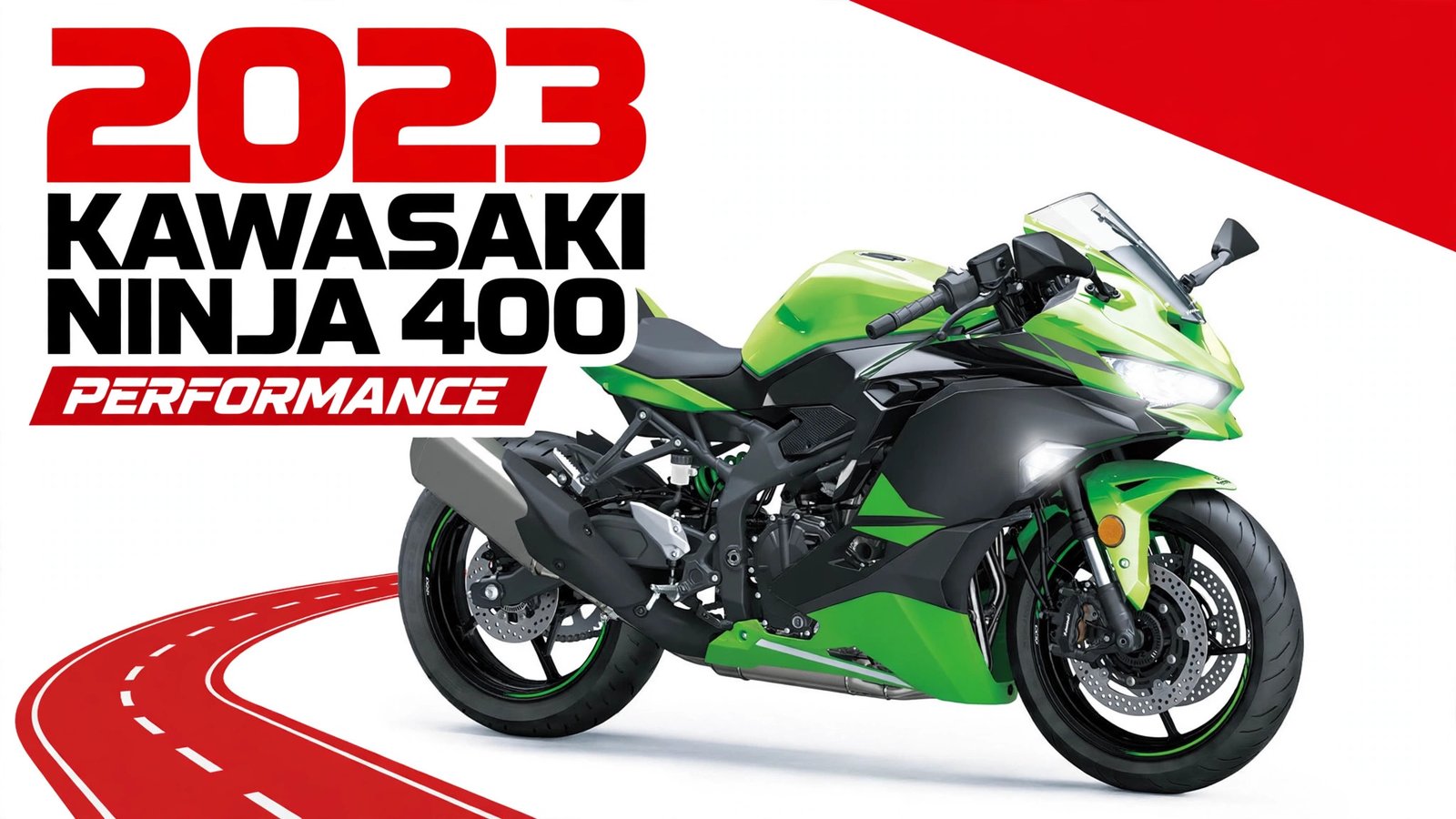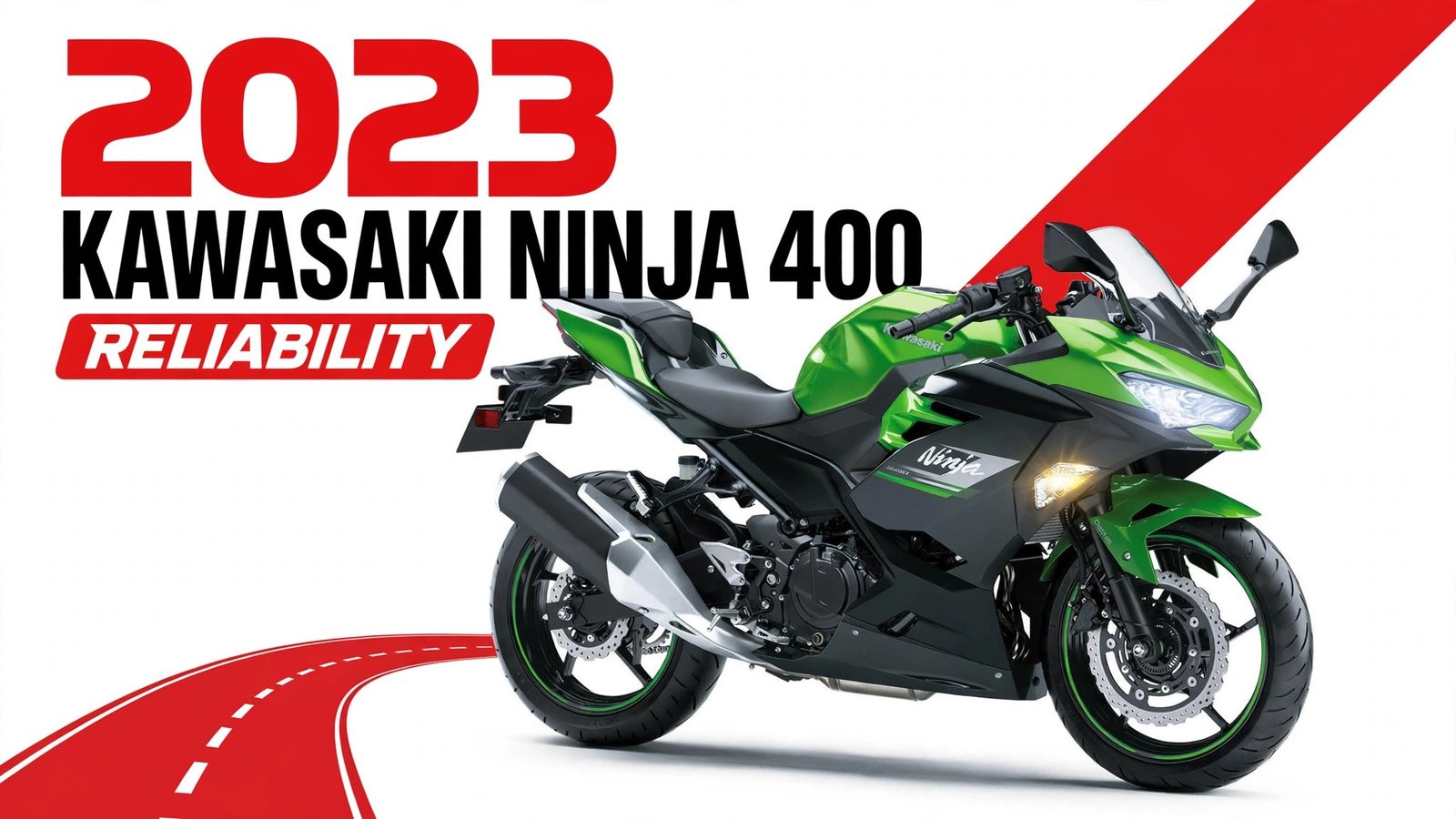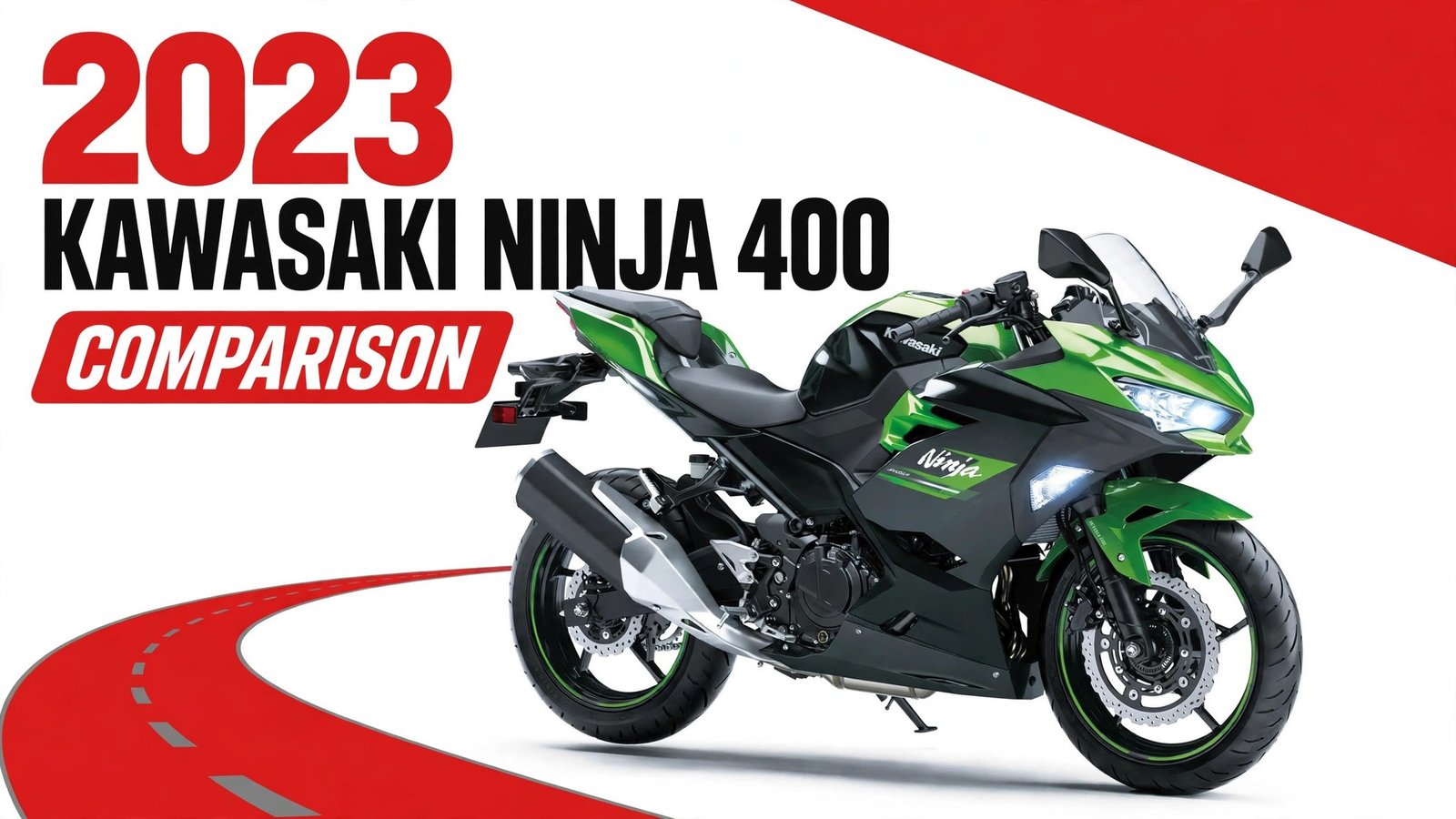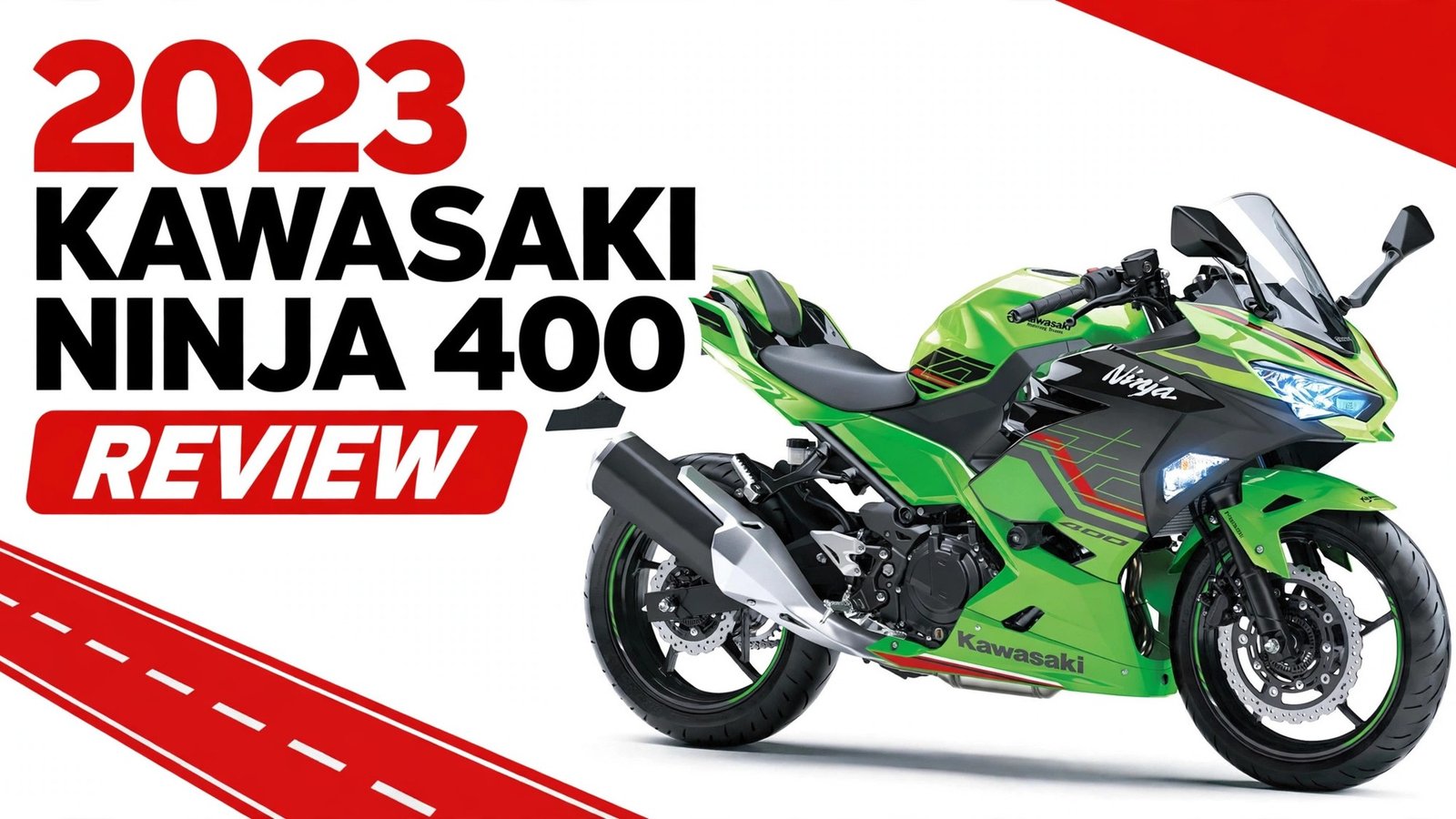
The Kawasaki Ninja 400 is gone from American showrooms, and that is exactly why it matters. This Kawasaki Ninja 400 review covers the full six-year US run, from the $4,999 launch bike of 2018 to the final 2023 model, and it answers the question every used buyer asks first: which year should you buy, and what should you pay for it?
The short answer is that the 400 was the best small sport bike of its era, and it is still one of the smartest used buys in motorcycling. It won Motorcycle.com’s 2018 lightweight shootout, it was named one of Cycle World’s Ten Best Bikes of 2018, and it did it with a 399cc twin that makes 44 rear-wheel horsepower, a 30.9-inch seat, and a wet weight of 366 pounds with ABS. This Kawasaki Ninja 400 review walks through every model year, the full price history, and the one fault you must check before you hand over any money.
Kawasaki never sold a 2024 Ninja 400 in the United States. The 500 took its place for 2024, and the 400’s used supply is now fixed, which makes the year-by-year differences in this Kawasaki Ninja 400 review worth reading before you shop.
Kawasaki Ninja 400 Overview and Model-Year Updates
The Kawasaki Ninja 400 review starts with the big picture: a six-year run, one engine, and a bike that changed very little because it did not need to. The 400 sits in the middle of Kawasaki’s small-bike family, above the Europe-only Ninja 125 and below the Ninja 500 that replaced it, and it is the middle child that got almost everything right.
US Run Ended in 2023
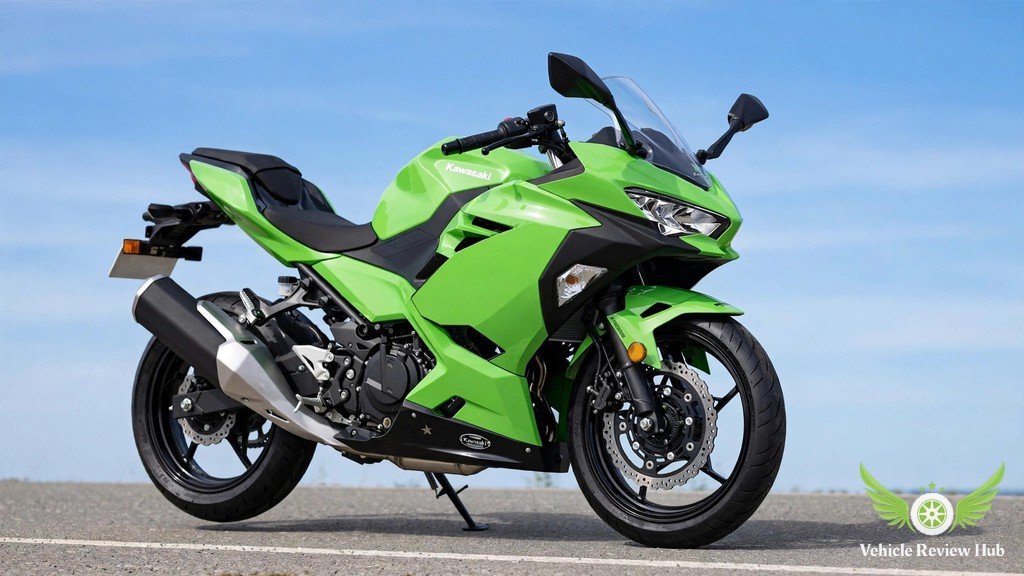
The Ninja 400’s American story ran from the 2018 model year through 2023, six model years in all. Kawasaki revealed the bike at the 2017 Tokyo Motor Show, launched it in the United States on December 1, 2017, and sold it alongside the Ninja 300 for its first year. This Kawasaki Ninja 400 review treats the 2023 bike as the last chapter, not a gap year, because the run ended with a replacement rather than a failure.
The 2023 model was the final one. For 2024, Kawasaki put the 451cc Ninja 500 in its place, and the Ninja 400 was replaced by the Ninja 500 for 2024 in the United States. The 400’s used supply is now fixed, which is the first thing a buyer should understand. A used buyer reading this Kawasaki Ninja 400 review should know the run ended on a high, with the 2023 bike carrying the same 399cc twin, the same trellis frame, and the same 366-pound wet weight that won the shootout five years earlier.
No 2024 Ninja 400 Exists
There is no 2024 Ninja 400 in the United States, and any listing that claims to sell one is either mislabelled or describing a grey-market bike. Kawasaki’s American lineup for 2024 lists the Ninja 500 and the Z500 where the 400 used to sit, and no 2024 Ninja 400 price, spec sheet, or dealer listing exists. That is why this Kawasaki Ninja 400 review spends so much time on model-year differences: with no new bikes coming, the year you pick is the bike you get.
The 400 still lives on in Japan and other markets, where it received new colours for 2025, but that does not make a 2024 American model exist. The revived Ninja 300, back for 2026 at $4,999 with standard ABS, now sits below it as the entry-level Ninja. Our Ninja 300 review covers the revived 300 in full, and the price gap between the two bikes is now $300 or less on the used market, which is exactly why the 400’s model-year details matter so much.
Kawasaki Ninja 400 Engine and Specifications
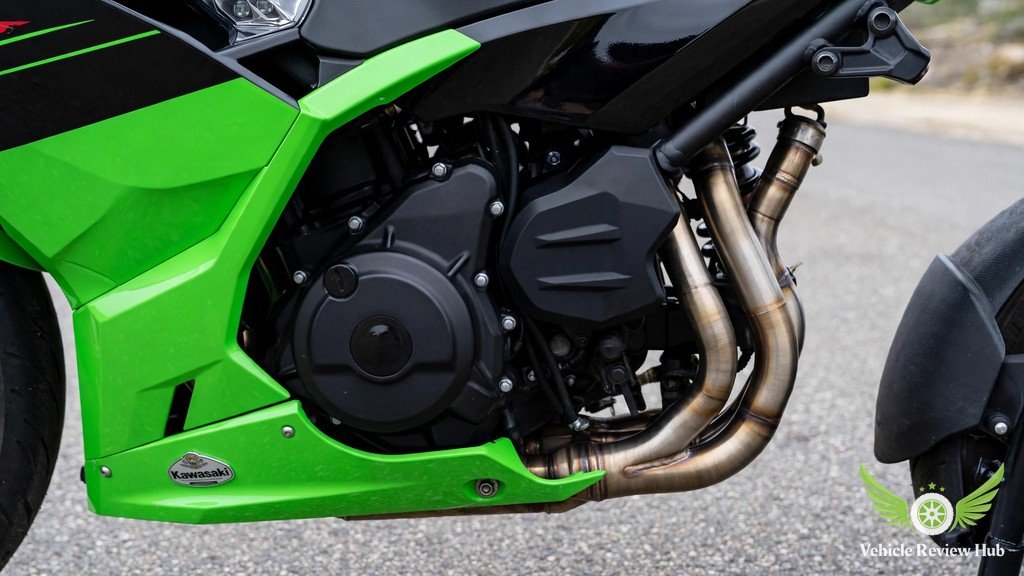
The 399cc twin is the heart of this Kawasaki Ninja 400 review, and it is also the reason the bike won its shootout. Kawasaki built a new engine for the 400 rather than boring out the 300’s motor, and the result was a parallel twin with a bigger bore, a shorter stroke, and a character that feels far stronger than its 399cc displacement suggests.
Lighter Than the 300 It Replaced
The Ninja 400 is 17.6 pounds lighter than the Ninja 300 it replaced, and that gap is the first thing a rider notices. The 300’s 2026 curb weight is 388.1 pounds against the 400’s 366.0 pounds with ABS, and the 400’s seat sits at the same 30.9 inches, so the weight saving comes from the bike itself rather than from a lower saddle. RevZilla’s 2018 first ride noted the same drop, about 17 pounds over the Ninja 300. Weight is where this Kawasaki Ninja 400 review starts the comparison, because the 400 feels lighter than the numbers suggest, and the weight saving shows up everywhere in this review, from the 4.63-second sprint to sixty to the way the bike changes direction.
US Power Figure Never Published
Kawasaki USA never published a power figure for the Ninja 400, and that silence is itself a fact worth recording. RevZilla’s 2018 first ride noted that Kawasaki USA is usually tight-lipped regarding horsepower gains, but their European counterparts are not, and Cycle News reported the same gap. The global claim is 45 PS at 10,000 rpm for the A2 and Euro version, with full-power markets claiming 48 to 49 PS, but none of those numbers is an American claim. This Kawasaki Ninja 400 review prints the dyno figures instead of a claimed number, because Kawasaki USA never gave us one.
The dyno tells the real story. Motorcycle.com measured 44 horsepower at the rear wheel at 10,000 rpm on its first ride, and the same outlet measured 43.7 horsepower in its 2018 shootout. Cycle World measured 43.4 horsepower at 9,900 rpm with 24.7 pound-feet of torque, and Motorcyclist measured 43.3 horsepower at 9,900 rpm with 24.6 pound-feet, so four independent published dyno runs agree within 0.7 horsepower. Torque is 38 Nm, or 28.0 pound-feet, at 8,000 rpm on the American spec sheets. For a buyer, the message of this Kawasaki Ninja 400 review is simple: the 400 makes about 44 rear-wheel horsepower, whatever the brochure does not say.
| Specification | 2023 Kawasaki Ninja 400 |
|---|---|
| Engine | 399cc parallel twin, DOHC, liquid-cooled |
| Bore x stroke | 70.0 x 51.8 mm |
| Compression ratio | 11.5:1 |
| Claimed power | 45 PS at 10,000 rpm (global claim; Kawasaki USA publishes no figure) |
| Torque | 38 Nm (28.0 lb-ft) at 8,000 rpm (US spec sheets) |
| Measured power | 44 hp at the rear wheel at 10,000 rpm (Motorcycle.com) |
| Fuel system | DFI, dual 32 mm throttle bodies |
| Transmission | 6-speed, assist and slipper clutch, sealed chain |
| Frame | Trellis, high-tensile steel, engine as stressed member |
| Front suspension | 41 mm telescopic fork, 4.7 in travel, non-adjustable |
| Rear suspension | Horizontal back-link Uni-Trak, preload-adjustable, 5.1 in travel |
| Front brake | Single 310 mm semi-floating petal disc, 2-piston Nissin caliper |
| Rear brake | Single 220 mm petal disc, single-piston caliper |
| Front tyre | 110/70-17 |
| Rear tyre | 150/60-17 (fitted, per the owner’s manual) |
| Seat height | 30.9 in (785 mm) |
| Fuel tank | 3.7 gal (14 L) |
| Wheelbase | 53.9 in |
| Curb weight | 366.0 lb ABS / 361.6 lb non-ABS (2023) |
| Warranty | 12 months limited |
Notes: the claimed power figure is the global 45 PS claim, not an American one, because Kawasaki USA publishes no power or torque figure for this bike. This Kawasaki Ninja 400 review lists the fitted rear tyre as 150/60-17, the size in the owner’s manual and on the Dunlop Sportmax GPR-300 fitted from the factory, while Kawasaki’s American marketing spec sheets print 150/70-17, and the two figures disagree.
Kawasaki Ninja 400 Price and Market Availability
Prices are where this Kawasaki Ninja 400 review gets practical, because the 400’s price history is unusually clean. The launch price held flat for four model years, the destination charge rose in small steps, and the only real trap in the whole table is a single stale figure on one aggregator’s 2022 page. The table below gives every American model year with its destination charge, so a used buyer can check any listing against the price the bike actually sold for.
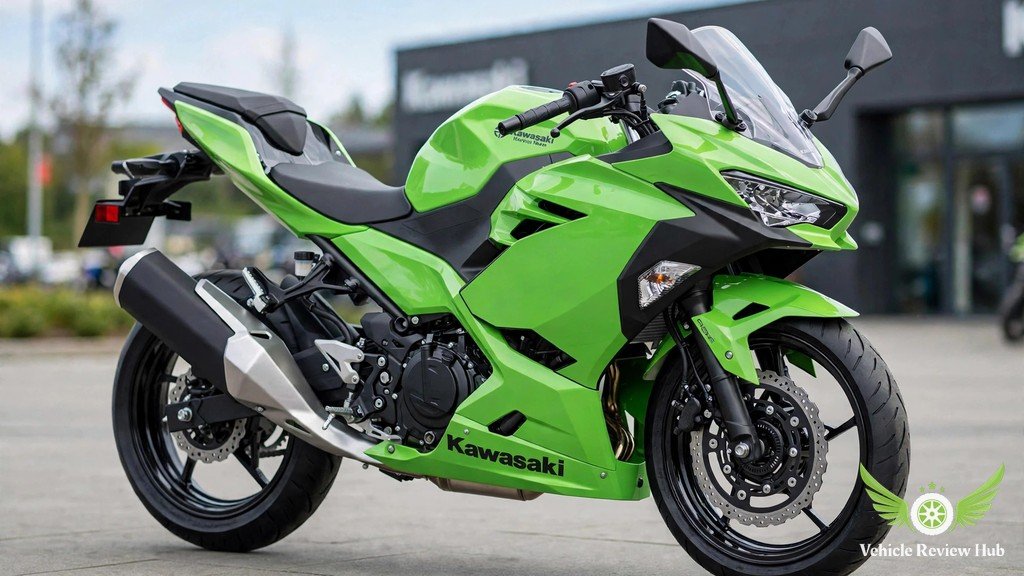
Kawasaki Ninja 400 Price in the USA: $4,999 at Launch
The Ninja 400 launched in the United States at $4,999 for the base bike, $5,299 with ABS, and $5,499 for the ABS KRT Edition, plus a $370 destination charge, which put a base bike at $5,369 out of the showroom door before tax. That flat launch price is one of the most useful facts in this Kawasaki Ninja 400 review, because it lets a used buyer judge every later year against the same $4,999 starting point. The price stayed at $4,999 for four model years, 2018 through 2021, before rising to $5,199 in 2022 and $5,299 in 2023.
The KRT Edition is a livery package, Lime Green and Ebony with Kawasaki Racing Team graphics on the fairing, and it adds no power and no equipment. ABS was always an option on the American 400, never standard equipment, and the ABS premium ran $300 in 2018 through 2020 and $400 in 2021. This Kawasaki Ninja 400 review uses the delivered totals, MSRP plus destination, so the numbers match what buyers actually paid: a 2018 base bike cost $5,369 delivered, and a final-year 2023 ABS bike cost $6,134 delivered.
2022 Price Sits in Conflict
The 2022 model year carries a price conflict that this Kawasaki Ninja 400 review had to resolve before printing a number. TotalMotorcycle’s 2022 page lists the ABS KRT Edition at $5,599, but that is the stale 2021 price carried onto the 2022 page: its 2022 ABS page repeats the 2021 range of $5,399 to $5,599 verbatim, and $5,599 was the top of the 2021 ABS range, not a 2022 figure at all. The correct 2022 ABS KRT price is $5,799, as listed in Webbikeworld’s 2022 Kawasaki lineup and on Motorcycle.com’s 2022 KRT spec page, and dealer brochures from the year list the same $5,799 figure.
The rest of the 2022 table is clean. The base bike cost $5,199, the ABS bike cost $5,599, and the ABS KRT cost $5,799, all plus a $430 destination charge. The 2021 range needs a note of its own: Kawasaki priced the 2021 bike by colourway, with non-ABS bikes from $4,999 to $5,199 and ABS bikes from $5,399 to $5,599, so two identical 2021 bikes could carry different window stickers.
| Model year | Base | ABS | KRT (non-ABS) | ABS KRT | Destination |
|---|---|---|---|---|---|
| 2018 | $4,999 | $5,299 | — | $5,499 | $370 |
| 2019 | $4,999 | $5,299 | — | $5,499 | $370 |
| 2020 | $4,999 | $5,299 | $5,199 | $5,499 | $410 |
| 2021 | $4,999–$5,199 | $5,399–$5,599 | — | — | $410 |
| 2022 | $5,199 | $5,599 | — | $5,799 | $430 |
| 2023 | $5,299 | $5,699 | $5,499 | $5,899 | $435 |
Notes: delivered totals are MSRP plus destination, so a 2018 base bike cost $5,369 delivered, a 2023 base bike cost $5,734, a 2023 ABS bike cost $6,134, and a 2023 ABS KRT cost $6,334. The 2021 prices are ranges by colourway, and one 2021 dealer brochure shows a $430 destination charge where Motorcycle.com’s spec pages show $410; this Kawasaki Ninja 400 review uses $410. This Kawasaki Ninja 400 review prints the 2022 ABS KRT price as $5,799, from Webbikeworld’s 2022 lineup and Motorcycle.com’s 2022 KRT spec page, and treats TotalMotorcycle’s $5,599 as the stale 2021 figure. No 2024 American Ninja 400 price exists, and none is printed here.
Kawasaki Ninja 400 Design, Features and Technology
This Kawasaki Ninja 400 review looks at the design next, because the 400’s cockpit is one of the best in its class. The bike carries full fairing styling drawn from the larger Ninjas, twin LED headlights, and a dash that gives a beginner the one readout that matters most, and it does it without a single piece of technology the bike does not need.
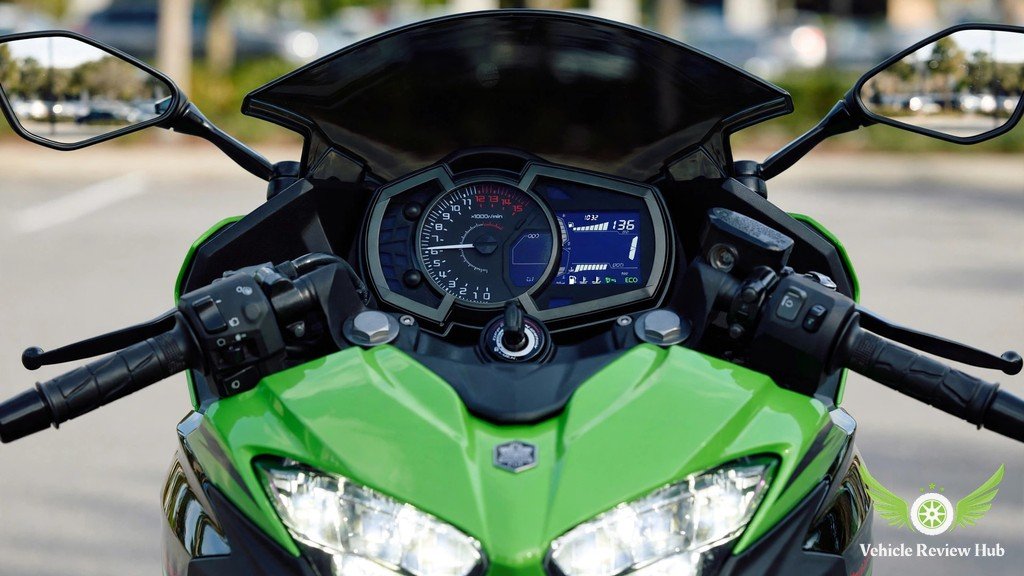
Gear Indicator, Smaller 3.7 Gallon Tank
The dash is an analogue tachometer with an LCD panel that includes a gear-position indicator, and that one readout is the feature the Ninja 300 never had. Cycle World called Kawasaki the king of dashboards when it tested the 400, praising the large analogue tachometer and the gear-position indicator that aids in gear selection, and the LCD also shows a fuel gauge, a clock, dual trip meters, remaining range, fuel consumption, coolant temperature, and an Economical Riding Indicator. The gear indicator is a small detail that this Kawasaki Ninja 400 review rates highly, because a beginner spends less time guessing and more time riding.
The tank holds 3.7 gallons against the 300’s 4.5, and the smaller tank is the one real compromise this Kawasaki Ninja 400 review found in the design. With Cycle World’s tested 43.6 miles per gallon, the 400 runs about 161 miles on a tank, and in the 2018 shootout the testers saw about 50 miles per gallon, which stretches the range toward 185 miles. The rest of the equipment list is honest and complete: twin LED headlights with an LED taillight, a 41 mm telescopic fork that is not upside-down, a preload-adjustable Uni-Trak rear shock, and no ride-by-wire, no ride modes, no traction control, no TFT display, no quickshifter, and no USB charger.
2023 Update Was Europe-Only
The heading says Europe-only, and the heading is right. The Euro5-compliant engine and the 20-percent-lighter slip-and-assist clutch were announced for the European 2023 range, where the engine’s peak torque fell from 38 Nm to 37 Nm and the clutch was revised to pull lighter, and the American 2023 bike did not get them. Motorcyclist’s 2023 first-look says the American bike does not see any major changes for the upcoming model year beyond a few new and retouched colour options, and the American torque figure stayed at 38 Nm while the Euro5 engine makes 37 Nm. This Kawasaki Ninja 400 review keeps the European update and the American bike separate, because mixing them up is how the wrong torque figure ends up in print.
What the United States did get for 2023 was new colours and new prices. The KRT Edition arrived in a livery with more green, the range added Pearl Blizzard White and Metallic Carbon Gray combinations, and the prices moved to $5,299 for the base bike, $5,699 with ABS, $5,499 for the non-ABS KRT, and $5,899 for the ABS KRT. The lesson of this Kawasaki Ninja 400 review is that a global update is not automatically an American update, and a buyer who reads a European road test of the 2023 bike should not expect the lighter clutch or the Euro5 engine on an American 2023 model.
Kawasaki Ninja 400 Riding Experience and Comfort
On the road, this Kawasaki Ninja 400 review finds the bike that won the shootout, and the reason is simple: the 400 is fast enough to be exciting, light enough to be forgiving, and comfortable enough to ride every day. The 30.9-inch seat puts both feet down for most riders, the upright sport-touring posture keeps the wrists unloaded, and the 366-pound wet weight makes the bike easy to manage at parking-lot speeds and in traffic.
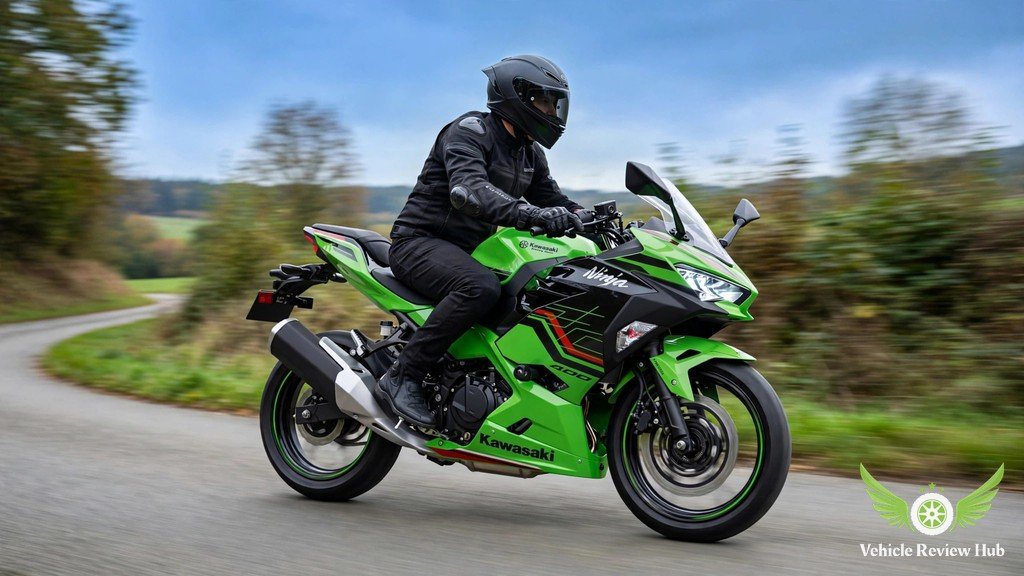
The Class Benchmark of Its Era
The benchmark claim rests on three facts. The 400 won Motorcycle.com’s 2018 Lightweight Sportbikes Shootout with 89.4 percent overall, ahead of the KTM RC 390 at 88.0 percent and the Honda CBR500R at 81.1 percent, at Laguna Seca. Cycle World named it one of its Ten Best Bikes of 2018 in the lightweight streetbike class. And the Ninja 400 became the dominant machine in MotoAmerica’s Junior Cup. That record is why this Kawasaki Ninja 400 review calls the 400 the class benchmark of its era, as a judgement backed by those three facts rather than as a slogan. The shootout win is the single most-cited result in this Kawasaki Ninja 400 review, and it still holds up.
Cycle World’s 2019 comparison against the Yamaha YZF-R3 adds the riding detail to this Kawasaki Ninja 400 review. The testers called the 400 the most stable, the most predictable, and the easiest to ride fast of the trio they tested, and at Chuckwalla the Ninja was up to 8 mph quicker than the R3 on the main straight, with a 4.2-second lap advantage. The measured performance backs it up: 0 to 60 mph in 4.63 seconds, a quarter-mile in 13.19 seconds at 102.5 mph, and no official top speed, with Motorcycle.com seeing 127 mph on the speedometer and estimating about 120 mph actual. Cycle World also measured 60 to 0 mph in 134.6 feet against the R3’s 165.9 feet, and the braking gap is the detail this Kawasaki Ninja 400 review keeps coming back to, because 31 feet at 60 mph is not a small number.
Walt In PA reviews his own 2023 Ninja 400 after 1,000 miles — a US owner, not a magazine test.
Built in Thailand (Rayong)
American Ninja 400s were built at Kawasaki’s Rayong plant in Thailand, and the build quality was never a complaint in the published tests. The Rayong origin is a footnote in this Kawasaki Ninja 400 review, not a warning: the tests never faulted the bike’s fit or finish, and the 400’s reputation for reliability rests on six years of owners riding the same Thai-built bike.
Kawasaki Ninja 400 Review: Pros, Cons and Verdict
The verdict of this Kawasaki Ninja 400 review is simple: buy a 2020-onwards bike if you can, and check the clutch if you cannot. The 400 was the best small sport bike of its era, and on the used market it still is, because nothing about the bike has aged badly. The engine is strong, the chassis is honest, the seat is low, and the price of a clean used bike is still hundreds of dollars below the price of the new bikes that replaced it.
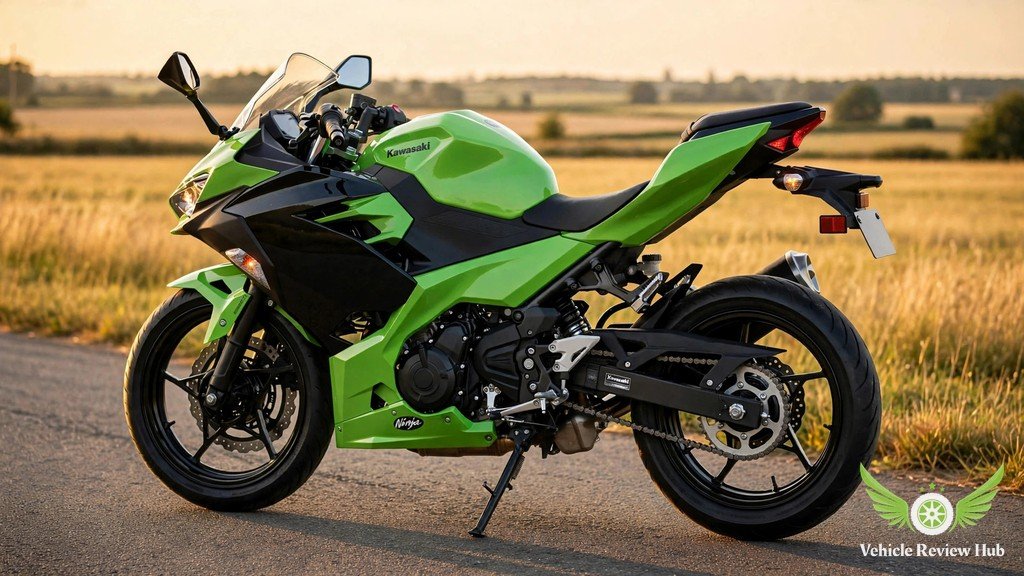
Main Advantages and Limitations of the Kawasaki Ninja 400
The balance sheet below is the short version of this Kawasaki Ninja 400 review, and it reads the same way the full review does. The advantages are the engine, the weight, the handling, and the price, and the limitations are the clutch on early bikes, the small tank, and the non-adjustable fork. One recall exists, and it is the only one: campaign 20V-774, a 2021 cam chain tensioner fault affecting 1,770 bikes built between July 1 and October 27, 2020, and a buyer checks the VIN before purchase to confirm the tensioner was replaced.
| Advantages | Limitations |
|---|---|
| 44 rear-wheel horsepower from a 399cc twin, with 0 to 60 mph in 4.63 seconds | Clutch slips on 2018–2019 bikes, typically between 500 and 2,000 miles |
| 366.0 lb wet with ABS, 17.6 lb lighter than the Ninja 300 it replaced | 3.7-gallon tank gives about 161 miles at Cycle World’s tested 43.6 mpg |
| Won Motorcycle.com’s 2018 lightweight shootout and Cycle World’s Ten Best Bikes of 2018 | Non-adjustable 41 mm fork blows through its stroke under hard braking |
| 30.9-inch seat, gear-position indicator, and an analogue tachometer with a full LCD | Low footpegs touch down early at the track |
| Six model years of parts, knowledge, and owner support, with no 2024 successor to confuse the market | One recall only: 20V-774, a 2021 cam chain tensioner fault, 1,770 bikes |
| Launch price of $4,999, with clean used bikes from about $3,400 to $4,800 for 2018–2020 models | No TFT display, no ride modes, no traction control, no quickshifter, no USB charger |
Notes: the clutch is a check, not a deal-breaker. This Kawasaki Ninja 400 review counts the clutch as the one fault a buyer must verify, because 2018–2019 bikes slip typically between 500 and 2,000 miles, and Kawasaki’s 2020 running change revised the pull rod and the pressure-plate bearing. A 2020-onwards bike has the revised hardware, and a 2018–2019 bike needs proof the clutch was updated. The used price band is a dated November 2026 snapshot of live Cycle Trader listings, not a standing valuation, and this Kawasaki Ninja 400 review prints dollar figures only, never a resale percentage, because no published resale percentage exists for this bike.
12 Month Limited Warranty
Every Ninja 400 left the showroom with a 12-month limited warranty, and that is the whole of it. On a used bike the warranty is long gone, so the buyer is the warranty. That is the final buying rule of this Kawasaki Ninja 400 review: a 2020-onwards bike, or a 2018–2019 bike with proof the clutch was updated, and a 2021 bike with proof the cam chain tensioner recall was done. Check those two things, pay the price the year deserves, and the bike will do the rest.
The Ninja 400 earned its reputation in six short years, and this Kawasaki Ninja 400 review ends where it started: it was the best small sport bike of its era, and on the used market it still is.
Kawasaki Ninja 400 Review Frequently Asked Questions
These are the questions buyers ask most about the Ninja 400, answered from the facts in this Kawasaki Ninja 400 review. The short version is that the bike is a discontinued US model with a six-year run, a global power claim of 45 PS, and a used-market price that now sits well under its final-year sticker.
Is the Kawasaki Ninja 400 still sold in the US?
No. The Ninja 400’s US run ended after the 2023 model year, and Kawasaki replaced it in the US with the Ninja 500 for 2024, so there is no 2024 Ninja 400 and no new 400 to buy from a US dealer. The model is not discontinued globally, and it is still sold in Japan and other markets, but a US buyer is shopping the used market. This Kawasaki Ninja 400 review treats it as a used bike throughout.
How much did the Kawasaki Ninja 400 cost new?
The 2018 launch price was $4,999 for the base bike, $5,299 with ABS and $5,499 for the ABS KRT Edition, plus $370 destination. Prices rose slowly over the run, and the final-year 2023 bike was $5,299 base, $5,699 ABS, $5,499 for the non-ABS KRT Edition and $5,899 for the ABS KRT Edition, plus $435 destination, which puts the 2023 base bike at $5,734 delivered. The KRT Edition is a paint and graphics package only, with the same mechanicals as the base bike. That is the full price ladder this Kawasaki Ninja 400 review verified for the US run.
How much power does the Kawasaki Ninja 400 make?
Kawasaki USA never published a power figure for the 400, so there is no official US horsepower number. The global claim is 45 PS at 10,000 rpm, and the US torque figure on Kawasaki’s spec sheets is 38 Nm, or 28.0 lb-ft, at 8,000 rpm. On a dyno, Motorcycle.com measured 44 rear-wheel horsepower at 10,000 rpm, with Cycle World at 43.4 and Motorcyclist at 43.3, so the independent tests agree within one horsepower. This Kawasaki Ninja 400 review prints the dyno figure as the headline, because it is measured rather than claimed.
How light is the Ninja 400, and how low is the seat?
The 2023 bike in this Kawasaki Ninja 400 review weighs 366.0 lb with ABS and 361.6 lb without it, which makes it 17.6 lb lighter than the Ninja 300 it replaced. The seat is 30.9 inches high, the fuel tank holds 3.7 gallons, and the front fork is a non-adjustable 41 mm telescopic unit with 4.7 inches of travel. The dash is an analogue tachometer with an LCD that includes a gear-position indicator, which the 300 never had.
Why was the Ninja 400 called the class benchmark?
Because it won the tests that defined its class. Motorcycle.com’s 2018 Lightweight Sportbikes Shootout gave the 400 an 89.4% overall score, ahead of the KTM RC 390 at 88.0% and the Honda CBR500R at 81.1%, and Cycle World named it the Ten Best Bikes 2018 Lightweight Streetbike winner. The 400 also became the dominant bike in MotoAmerica’s Junior Cup, which is why this Kawasaki Ninja 400 review calls it the benchmark of its era rather than just a fast 400.
What warranty did the Ninja 400 come with, and what is the KRT Edition?
The warranty was 12 months limited, with unlimited miles. The KRT Edition is the Kawasaki Racing Team livery in Lime Green and Ebony, with KRT graphics on the fairing and the same engine, chassis and equipment as the base bike. The KRT premium was $500 over the non-ABS base price in 2018 to 2020 and $200 in 2023, so it was always a paint-only option and never a performance upgrade.