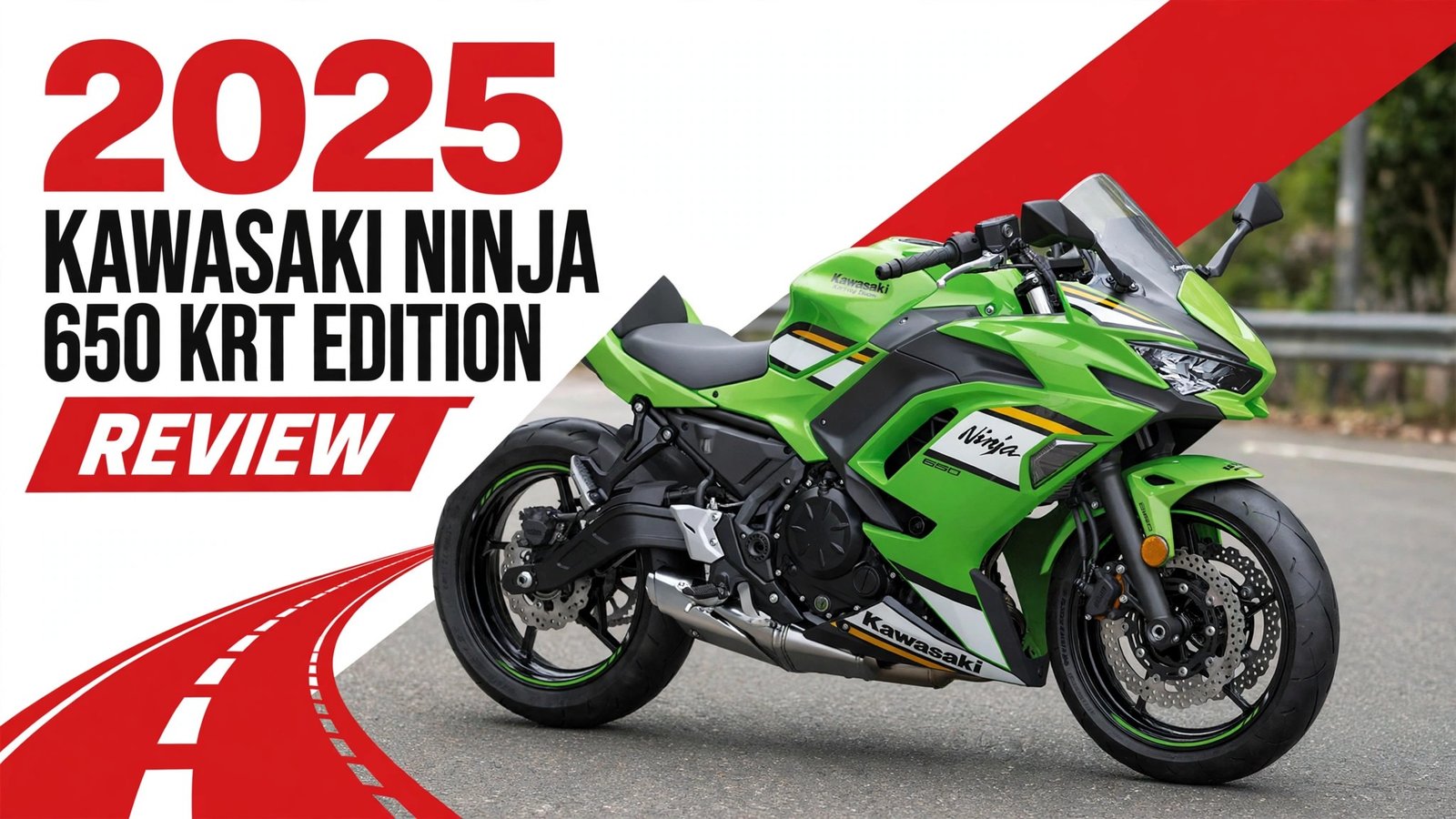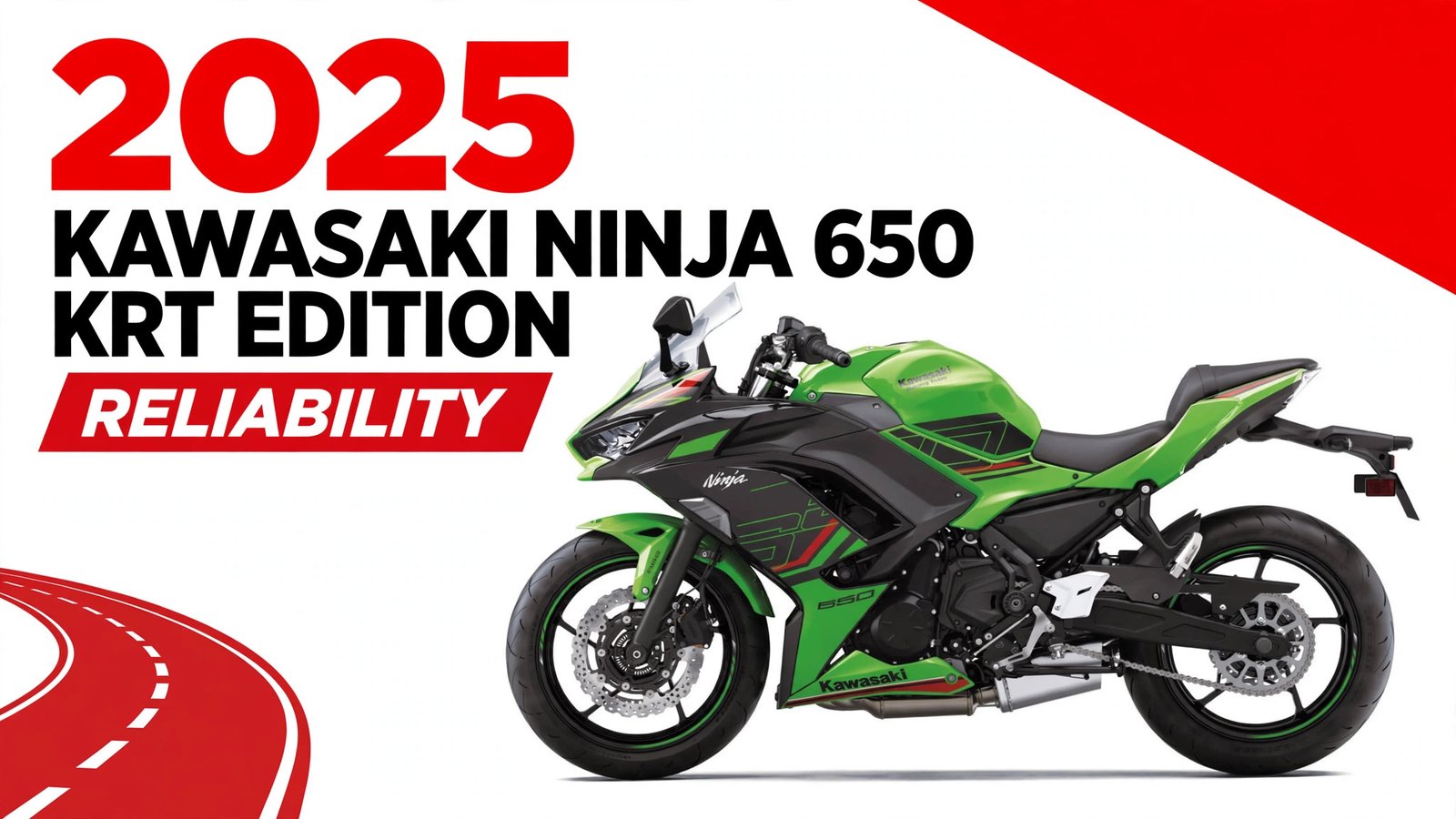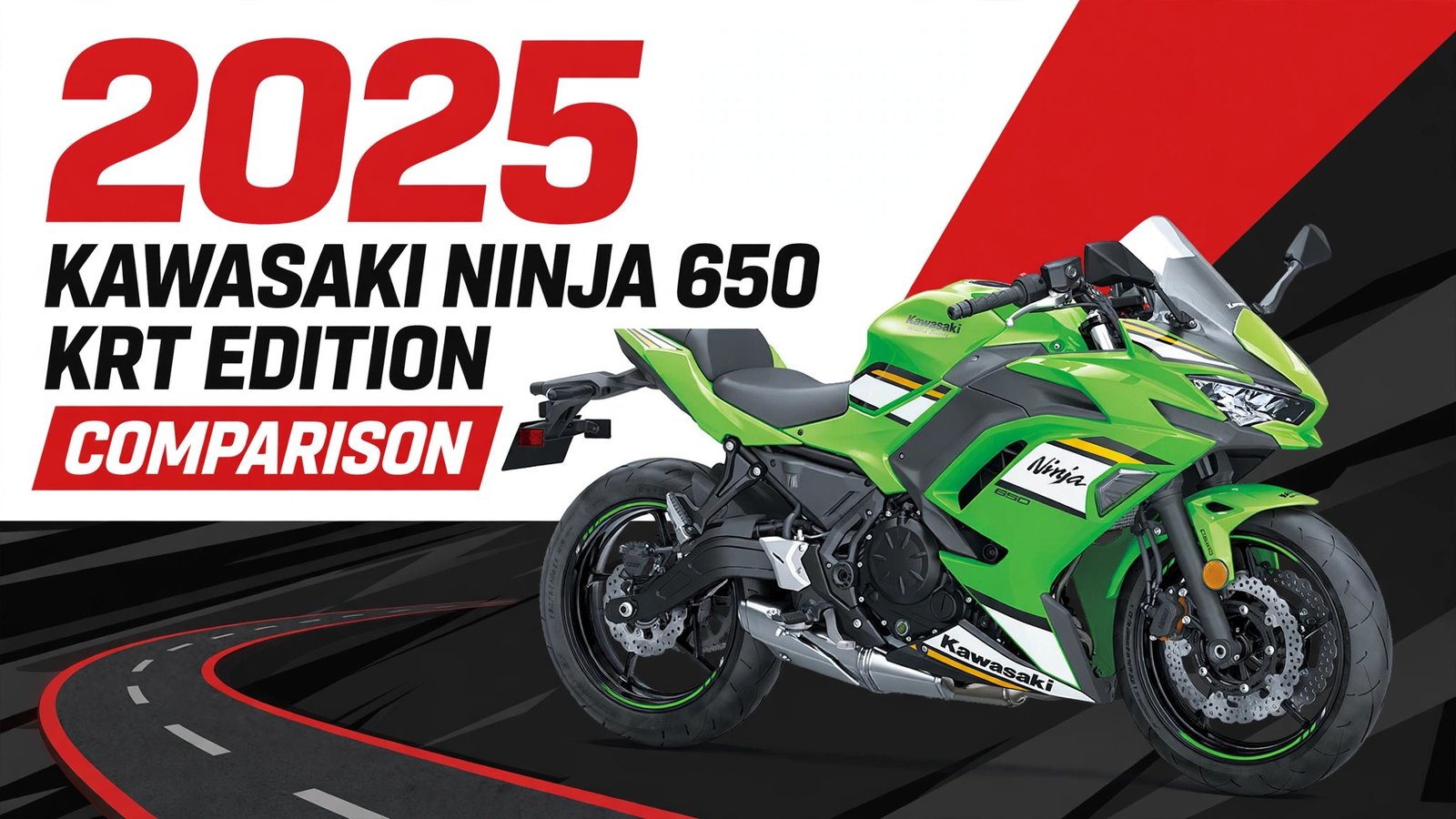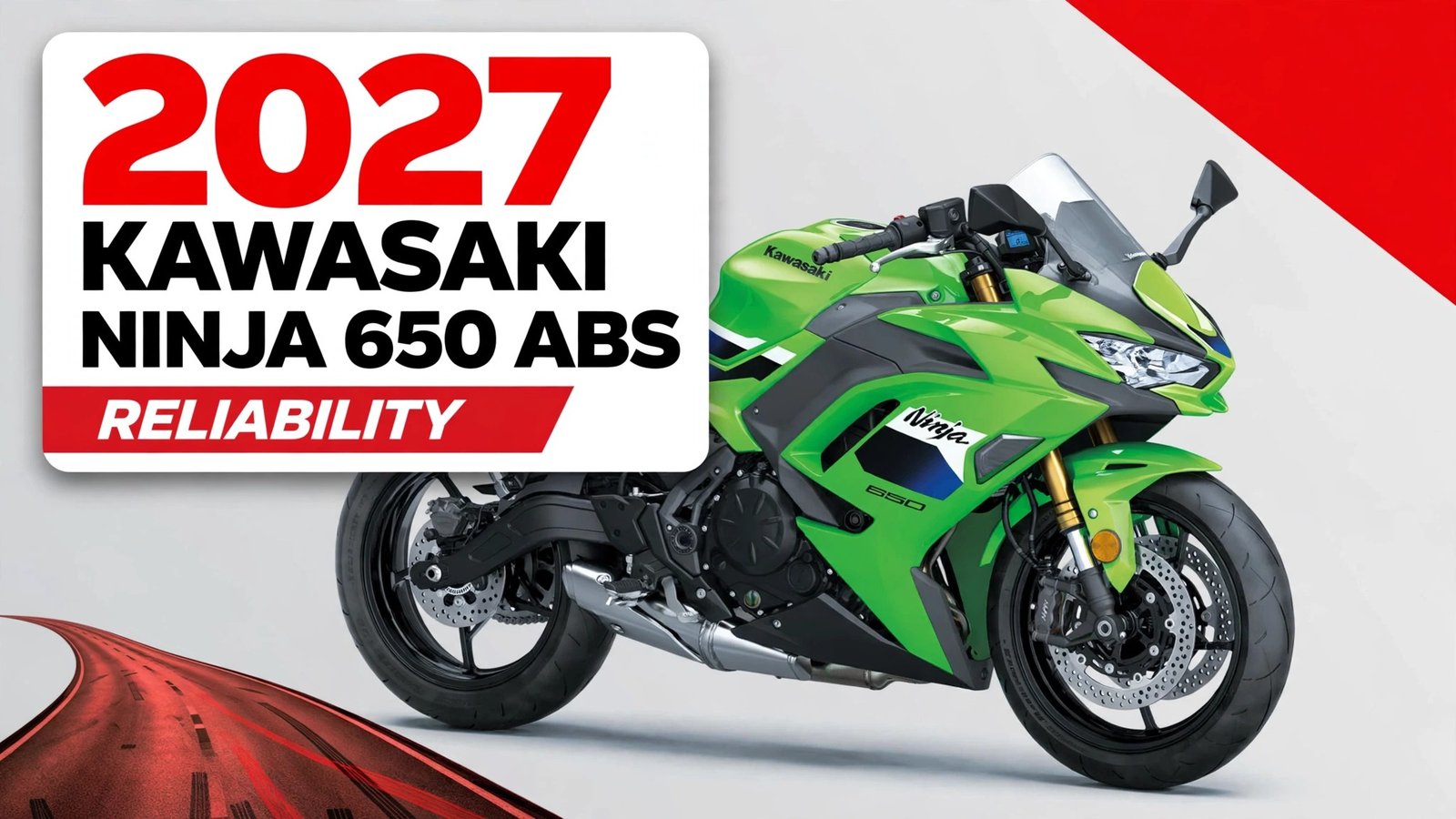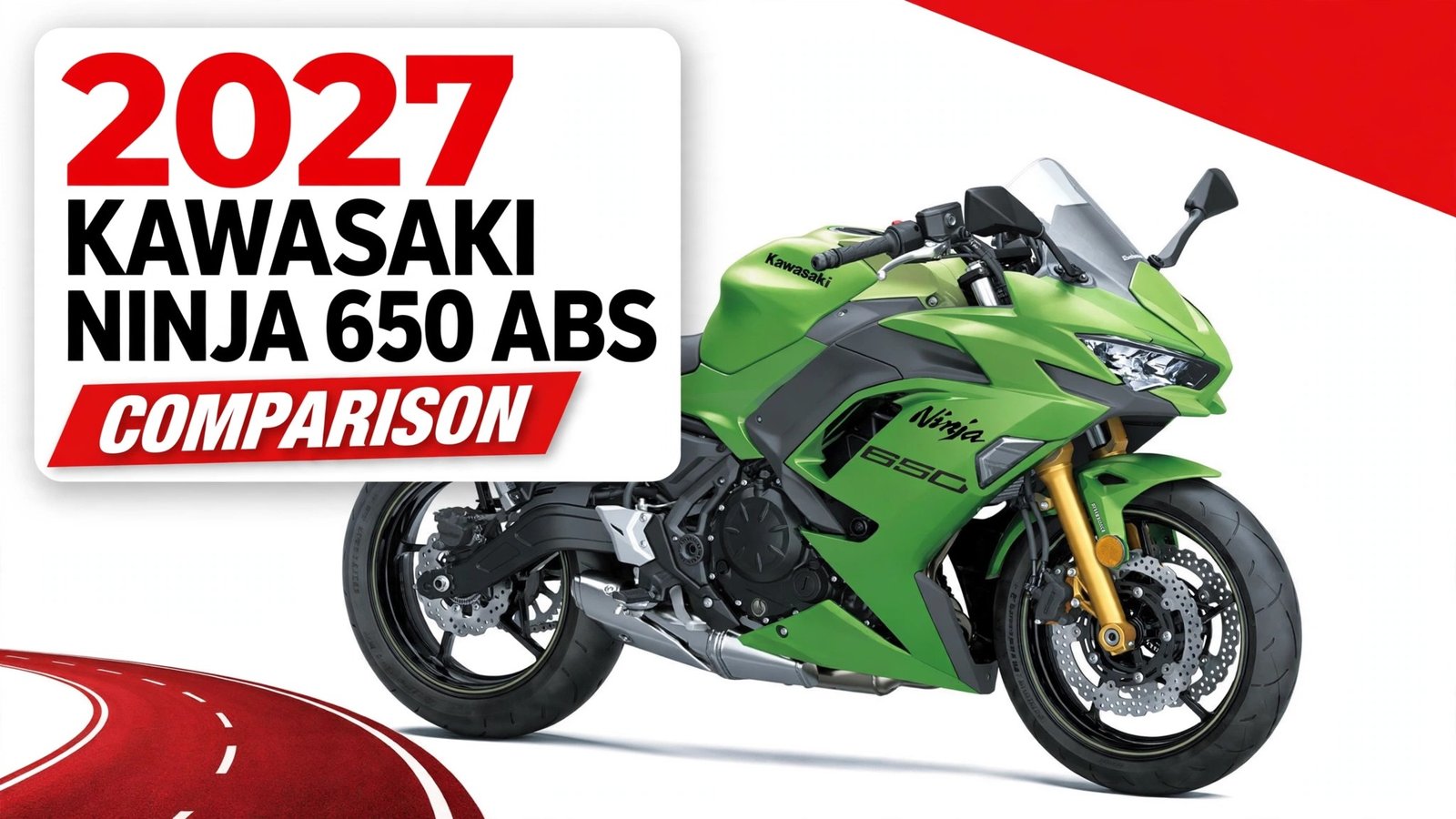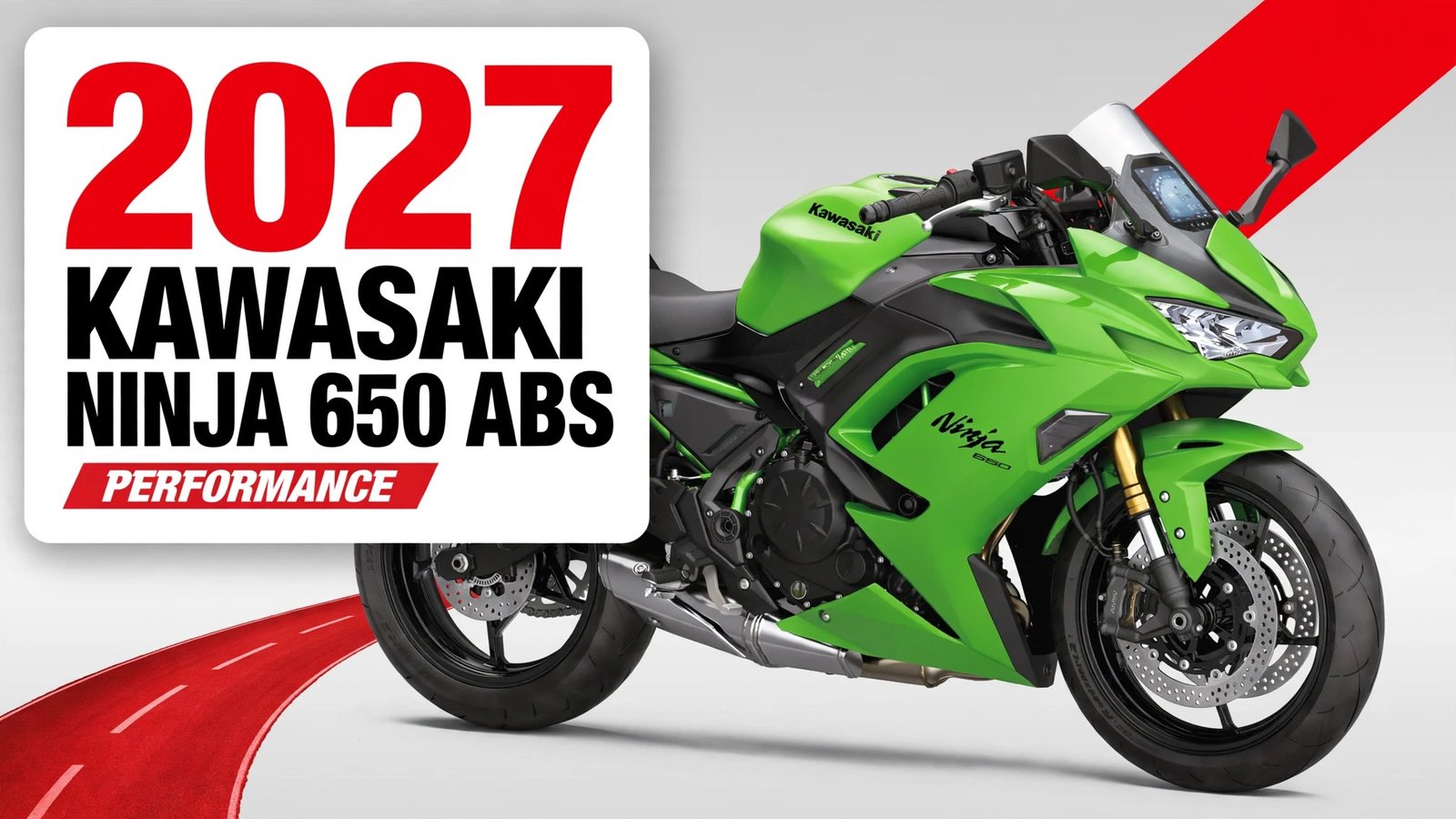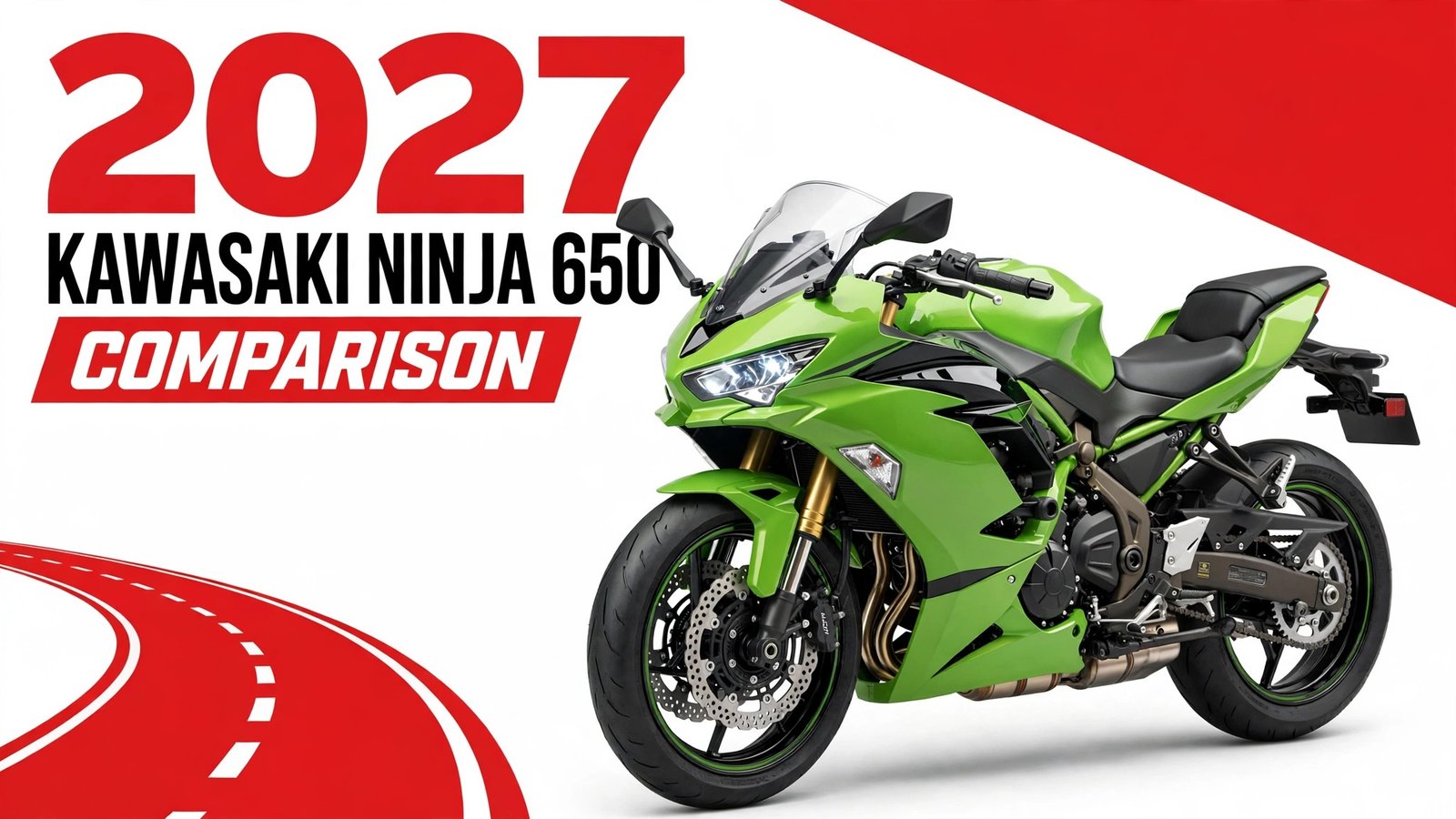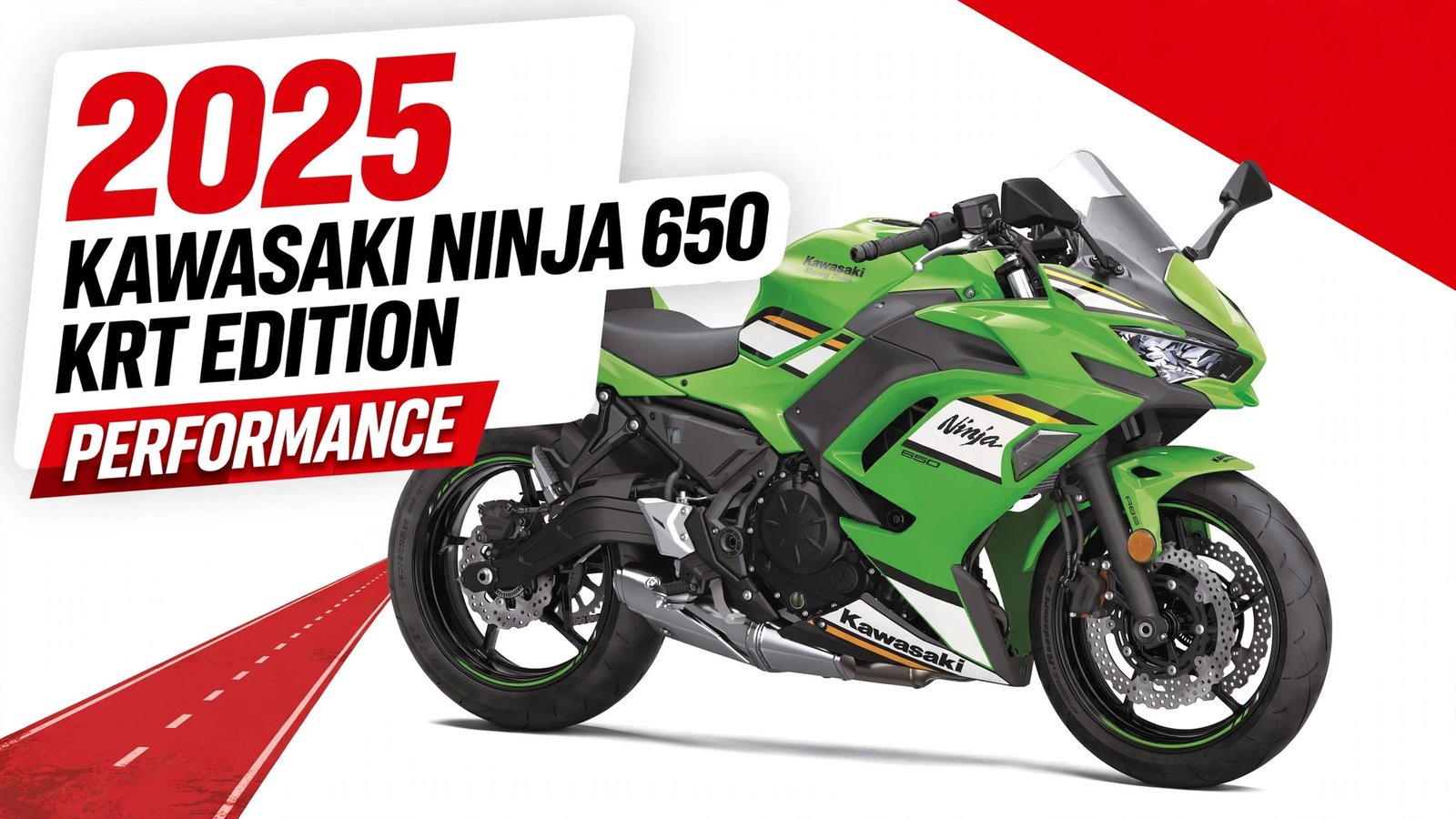
The Kawasaki Ninja 650 KRT Edition performance story is short, because the KRT Edition is the same motorcycle as the standard Ninja 650 ABS. There is no KRT-only engine, no KRT-only dyno run, and no KRT-only top speed. The 649cc twin makes the same claimed 67.0 hp and 48.5 lb-ft as the plain bike, because Kawasaki changed only the paint and graphics. This Kawasaki Ninja 650 KRT Edition performance guide uses the platform’s verified figures, labelled, so a buyer can judge the bike on real numbers instead of on a livery.
Kawasaki Ninja 650 KRT Edition Engine Performance and Power Delivery
The engine is the part of this Kawasaki Ninja 650 KRT Edition performance story that never changes. Every KRT Edition from 2017 to 2025 carries the same 649cc twin, the same 67.0 hp claim, and the same six-speed gearbox as the standard Ninja 650, and no outlet ever tested the trim separately. Kawasaki Ninja 650 KRT Edition performance power delivery is the familiar 650 twin: strong low and midrange pull and a smooth run to the 8,000 rpm peak.
No Dyno of the Trim Exists
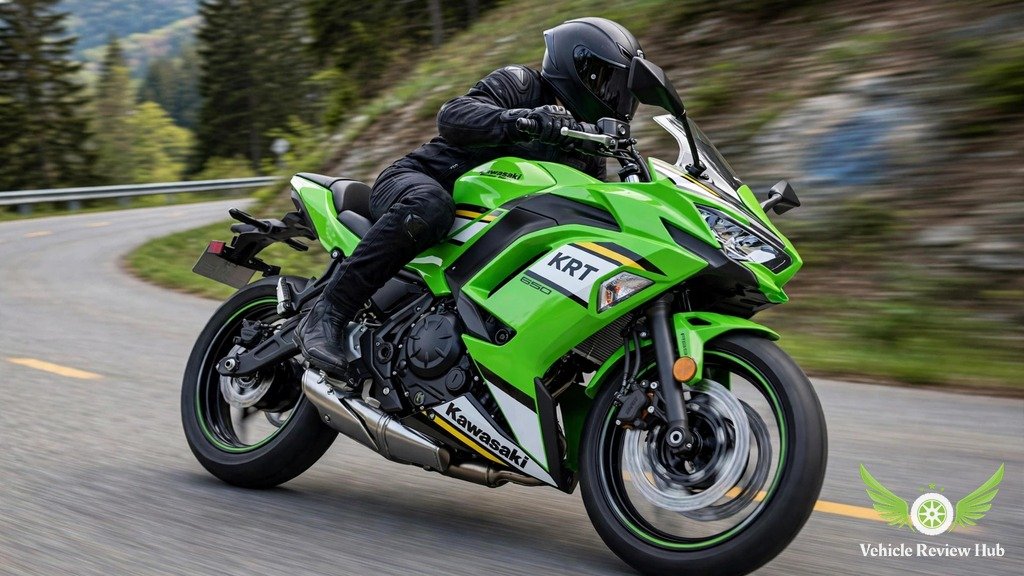
No magazine or website ever put a KRT Edition on a dynamometer as a KRT, so there is no trim-specific Kawasaki Ninja 650 KRT Edition performance dyno figure. A dyno measures an engine, and the KRT’s engine is the standard 650’s engine, so the platform figures are the KRT figures. MCN’s long-term bike made 60.38 bhp at the rear wheel with an Arrow exhaust, which the KRT does not have. Rider Magazine recorded 60.6 hp at 8,100 rpm and 43.9 lb-ft at 6,700 rpm from the mechanically identical Z650. The gap between the 67.0 hp claim and the roughly 60 hp rear-wheel measurements is normal drivetrain loss, and any Kawasaki Ninja 650 KRT Edition performance claim quoting a trim-specific dyno number is inventing one.
The video below is a 2024 standard Ninja 650 review, not a KRT, but it shows the same Kawasaki Ninja 650 KRT Edition performance hardware on the road. The bike on screen wears the plain colours, but its engine, chassis, and electronics are identical to the KRT’s, so the riding impressions carry over unchanged.
RevZilla Rode the KRT at Launch
RevZilla’s 2017 first ride is the one launch test that actually rode the KRT bike itself. Mark Gardiner’s test machine at the Paso Robles launch was, in RevZilla’s own words, “the black-and-green KRT Edition shown below”, and the article prices it directly: “And, it’s still available from $7,399 ($7,799 with ABS and $7,999 for the black-and-green KRT Edition shown below).” The same article notes that “the seven pounds and $400 that the Bosch ABS system adds are worth it”, matching the 2017 ABS premium and weight penalty. The RevZilla 2017 first ride is the source for the launch pricing and impressions. Three years later, the RevZilla 2020 first ride reached the same conclusion about the paint: “it would absolutely be my choice with that paint job”. The KRT was never the fastest 650; it was the 650 the testers would have bought, and the reason was the livery.
| Engine figure | Kawasaki Ninja 650 KRT Edition | Source |
|---|---|---|
| Engine | 649cc liquid-cooled parallel twin, DOHC, 8-valve | Kawasaki USA spec sheet |
| Claimed power | 67.0 hp at 8,000 rpm | Kawasaki USA, ISO 4106 |
| Claimed torque | 48.5 lb-ft at 6,700 rpm | Kawasaki USA, ISO 4106 |
| Measured rear-wheel power | 60.38 bhp (MCN, Arrow exhaust); 60.6 hp at 8,100 rpm (Rider, Z650 dyno) | MCN long-term test; Rider Magazine |
| Bore x stroke | 83.0 x 60.0 mm | Kawasaki USA spec sheet |
| Compression | 10.8:1 | Kawasaki USA spec sheet |
| Gearbox | 6-speed, assist-and-slipper clutch | Kawasaki USA spec sheet |
| Curb weight | 423.4 lb (ABS); 419 lb (non-ABS) | Kawasaki USA spec sheet |
Note: Every figure here is a platform figure that applies to the KRT unchanged. The MCN figure comes from a bike with an Arrow exhaust, and the Rider figure from the mechanically identical Z650. This Kawasaki Ninja 650 KRT Edition performance table therefore reads as the standard 650’s table.
Kawasaki Ninja 650 KRT Edition Top Speed and Acceleration
The top speed and acceleration of the KRT Edition are the platform’s, and the honest answer is that the numbers are messier than the spec sheet. Kawasaki publishes no top speed at all, and every Kawasaki Ninja 650 KRT Edition performance acceleration figure belongs to the platform rather than to any trim. This Kawasaki Ninja 650 KRT Edition performance section labels each figure as measured, aggregated, or owner-reported.
Model Figures Are Trim-Unstated
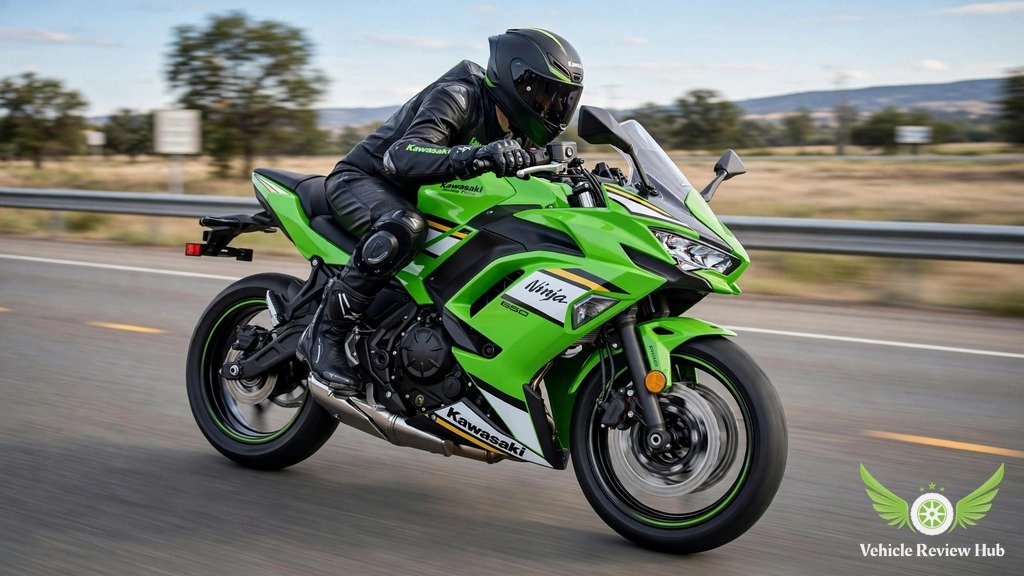
Every published acceleration figure for the 650 is stated for the model, never for a trim. MotoStatz lists 3.53 seconds for 0 to 60 mph, but that is an aggregator figure, not a test result, and it must never be quoted as measured. The only named-outlet claim is Cycle World’s 3.5 seconds, and that was for the 2014 bike, not for any KRT year. Owners generally report around four seconds in the real world. The KRT’s acceleration is therefore the standard bike’s: brisk enough to feel quick in traffic, honest enough that no buyer should expect superbike numbers, and identical in every colour. A Kawasaki Ninja 650 KRT Edition performance buyer who wants a quicker bike should look at the comparison section.
No Official Figure Is Published
Kawasaki has never published a top speed for the Ninja 650, and that silence covers the KRT as well. Rider reports put the real top speed at roughly 124 to 125 mph, while the aggregators print 130 mph, and TopSpeed prints 131 mph without attribution. The 130 mph figure is the number most listings repeat, but it is an aggregator number, not a measured one, and the rider-reported 124 to 125 mph matches the bike’s 67 hp and upright riding position. The sensible reading is that the KRT will reach the mid-120s and that 130 mph is optimistic, because the two bikes are the same machine. The Ultimate Motorcycling 12 fast facts give the launch-year context, and the Motorcycle.com 2017 review covers the same bike in more depth.
| Acceleration / top speed figure | Number | What it is |
|---|---|---|
| 0 to 60 mph | 3.53 seconds | MotoStatz aggregator figure, never measured |
| 0 to 60 mph | 3.5 seconds | Cycle World claim for the 2014 bike |
| 0 to 60 mph | Around 4 seconds | Owner reports, real world |
| Top speed | 124 to 125 mph | Rider-reported, the realistic figure |
| Top speed | 130 mph | Aggregator number, not measured |
| Top speed | 131 mph | TopSpeed, unattributed |
| Top speed | Not published | Kawasaki publishes no official figure |
Note: No figure in this table is trim-specific, because every published acceleration and top-speed figure belongs to the 650 platform. The KRT’s figures are the standard bike’s figures. A Kawasaki Ninja 650 KRT Edition performance shopper should treat 124 to 125 mph as the realistic top speed and 130 mph as the optimistic listing number.
Kawasaki Ninja 650 KRT Edition Mileage and Fuel Economy
Fuel economy is the one performance area where the KRT has a real measured record. Two of the doc’s mileage headings quoted figures no outlet ever printed, so this Kawasaki Ninja 650 KRT Edition performance section uses the reframed headings and the verified numbers only. The KRT returns the same economy as the standard bike.
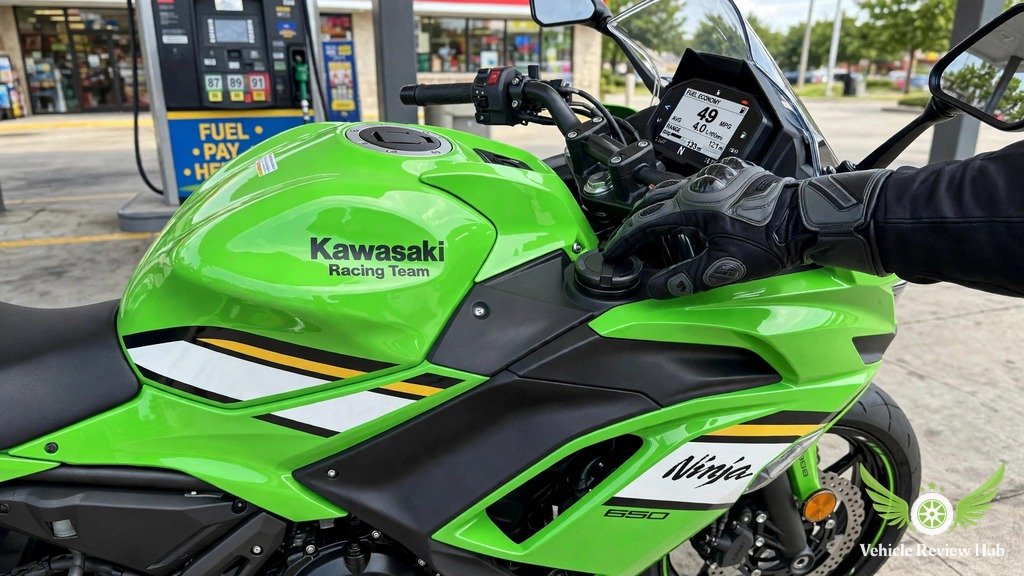
MCN Measured 49.44 MPG Over 9,500 Miles
MCN’s long-term test is the measured record for Kawasaki Ninja 650 KRT Edition performance fuel economy. Over more than 9,500 miles and fifteen updates, MCN’s 2017-on bike averaged 49.44 mpg, with gentle cruising returning more than 60 mpg, a best of 69.54 mpg, and a worst of 39.16 mpg on a trackday. The testers added that for city commuting they would expect economy “that begins in the late 50s at least”. The MCN long-term test is the source for all four numbers. Rider Magazine’s 2017 first ride recorded 51 mpg so far, better than the 47 mpg the indicator estimated, and that figure sits inside MCN’s range. The Rider Magazine 2017 first ride is the source for the 51 mpg figure and for the Z650 dyno numbers used in the engine section above.
RevZilla Rode the KRT at Launch — But Printed No MPG
RevZilla’s 2017 first ride is the launch test that rode the KRT bike itself, and it is also the test that printed no fuel-economy figure at all. The full text was read for this guide, and it contains no miles-per-gallon number anywhere, for the KRT or for any other trim. The doc heading for this section claimed a RevZilla figure that does not exist, so the heading has been reframed to say so plainly. The measured economy in this Kawasaki Ninja 650 KRT Edition performance guide therefore comes from MCN and from Rider, not from RevZilla. Two nearby figures are sometimes quoted: the Bennetts 2017 first ride reported more than 50 mpg even when thrashed, but that is a UK-gallons figure, and a South African test recorded 5.4 litres per 100 km while thrashing, which converts to 43.5 US mpg. There is also no WMTC lab figure for the 650 at all; the 62.0 mpg figure sometimes seen online belongs to the Ninja 500, not to this bike.
| Fuel economy figure | Number | Source and label |
|---|---|---|
| Long-term average | 49.44 mpg | MCN, 9,500+ miles, UK bike |
| Gentle cruising | 60+ mpg | MCN long-term test |
| Best | 69.54 mpg | MCN long-term test |
| Worst | 39.16 mpg | MCN, trackday |
| First ride | 51 mpg | Rider Magazine 2017, dash estimated 47 mpg |
| Thrashed | 50+ mpg | Bennetts 2017, UK gallons, labelled UK |
| Thrashed | 5.4 L/100 km (43.5 US mpg) | ZA Bikers 2017, conversion shown |
| WMTC lab figure | None exists | No lab figure for the 650; the 500’s 62.0 mpg is not used |
Note: The MCN figures are the measured record and lead this table. No figure here is a RevZilla measurement, because RevZilla’s 2017 first ride printed no fuel-economy figure. The KRT’s economy is the standard bike’s economy, and a Kawasaki Ninja 650 KRT Edition performance buyer should expect high-40s mpg in mixed riding and more than 60 mpg on a gentle cruise.
Kawasaki Ninja 650 KRT Edition Real-World Riding Experience
In the real world, the KRT rides exactly like the standard Ninja 650. The upright riding position, light steering, 31.1-inch seat height, and friendly twin make it an easy bike to live with. This Kawasaki Ninja 650 KRT Edition performance section covers what testers said about riding the bike, anchored to the two tests that rode the KRT itself.
The Only Verdict Ever Given
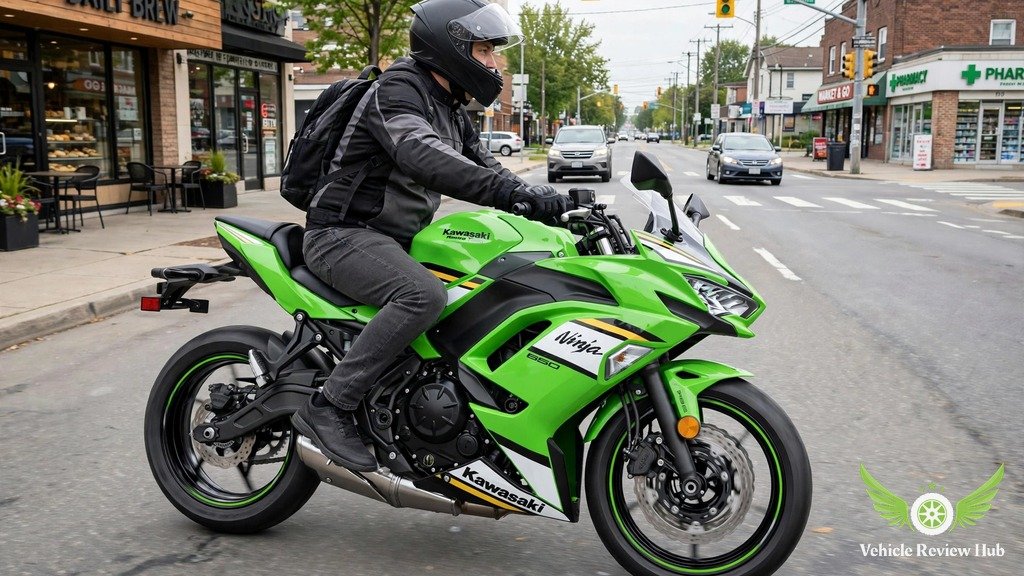
No outlet ever tested the KRT trim separately from the standard bike, so there is no KRT-specific verdict to be the only one, and this heading is kept only with that plain statement attached. Two verdicts do attach directly to the KRT bike itself. RevZilla’s 2020 first ride wrote “it would absolutely be my choice with that paint job” and closed with “the most compelling Ninja 650 yet”. Cycle News’ 2017 first test went further: Mark Miller wrote “My wife and I will be buying two of these new Ninja 650s, ASAP”, and called the bike “light years ahead of even our best 650cc race bike”. Those are the strongest purchase verdicts any tester gave the 2017 bike. The Cycle News 2020 review carries the same bike’s later assessment. The honest framing for Kawasaki Ninja 650 KRT Edition performance is that the KRT’s verdict is the 650’s verdict: the bike the testers would buy with their own money.
Cycle World’s Box Priced the Standard
Cycle World’s April 2017 test is a small lesson in reading spec boxes carefully. The test bike at the launch was the KRT, and Tom Montano’s ride report includes the line “The Bosch-controlled ABS even assisted me a few times”, the US first-ride evidence for the ABS working as intended. But the spec box at the end is headed “2017 KAWASAKI NINJA 650 ABS” and lists “$7,799 ($7,399 non-ABS)”, and the $7,999 KRT price appears nowhere in it. The box priced the standard bike, not the trim the magazine had just ridden. Sources: the Cycle World April 2017 article for the spec box and the ABS quote, and the Ultimate Motorcycling 2017 review for a second launch-year account.
Kawasaki Ninja 650 KRT Edition Handling, Braking and Stability
The KRT handles like the standard 650 because it has the standard 650’s chassis, brakes, and suspension, and this Kawasaki Ninja 650 KRT Edition performance section treats the handling as a platform story. The steel trellis frame, the 41 mm fork, the preload-only rear shock, and the dual 300 mm front discs are the same on every colour, and the platform’s handling claim is light, easy, and forgiving, with a soft front end that favours comfort over track precision.
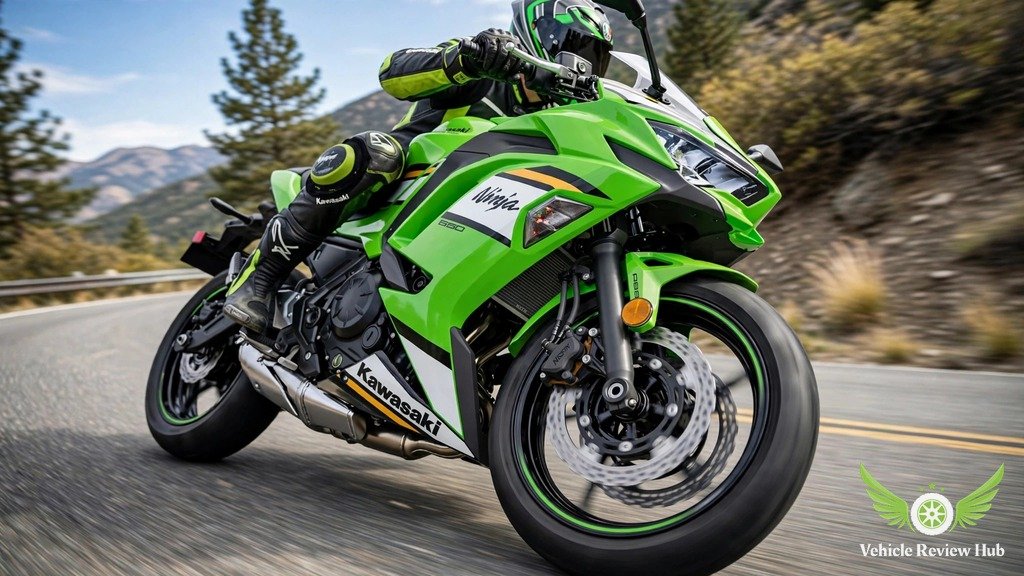
Handling, Braking and Stability on Real Roads
On real roads, Kawasaki Ninja 650 KRT Edition performance handling is defined by weight and geometry rather than by paint. The 423.4 lb ABS curb weight, the 55.5-inch wheelbase, the 24-degree rake, and the 3.9-inch trail give a bike that steers easily, holds a line without fuss, and forgives a new rider’s mistakes. The 41 mm fork is non-adjustable with 4.9 inches of travel, and the horizontal back-link rear shock offers preload adjustment only with 5.1 inches of travel, so the suspension is set for comfort on rough roads rather than firm track work. The ABS is a conventional two-channel Bosch 9.1M system, not lean-sensitive and with no IMU, so it simply stops the wheels locking in a straight line.
Identical Hardware, Identical Feel
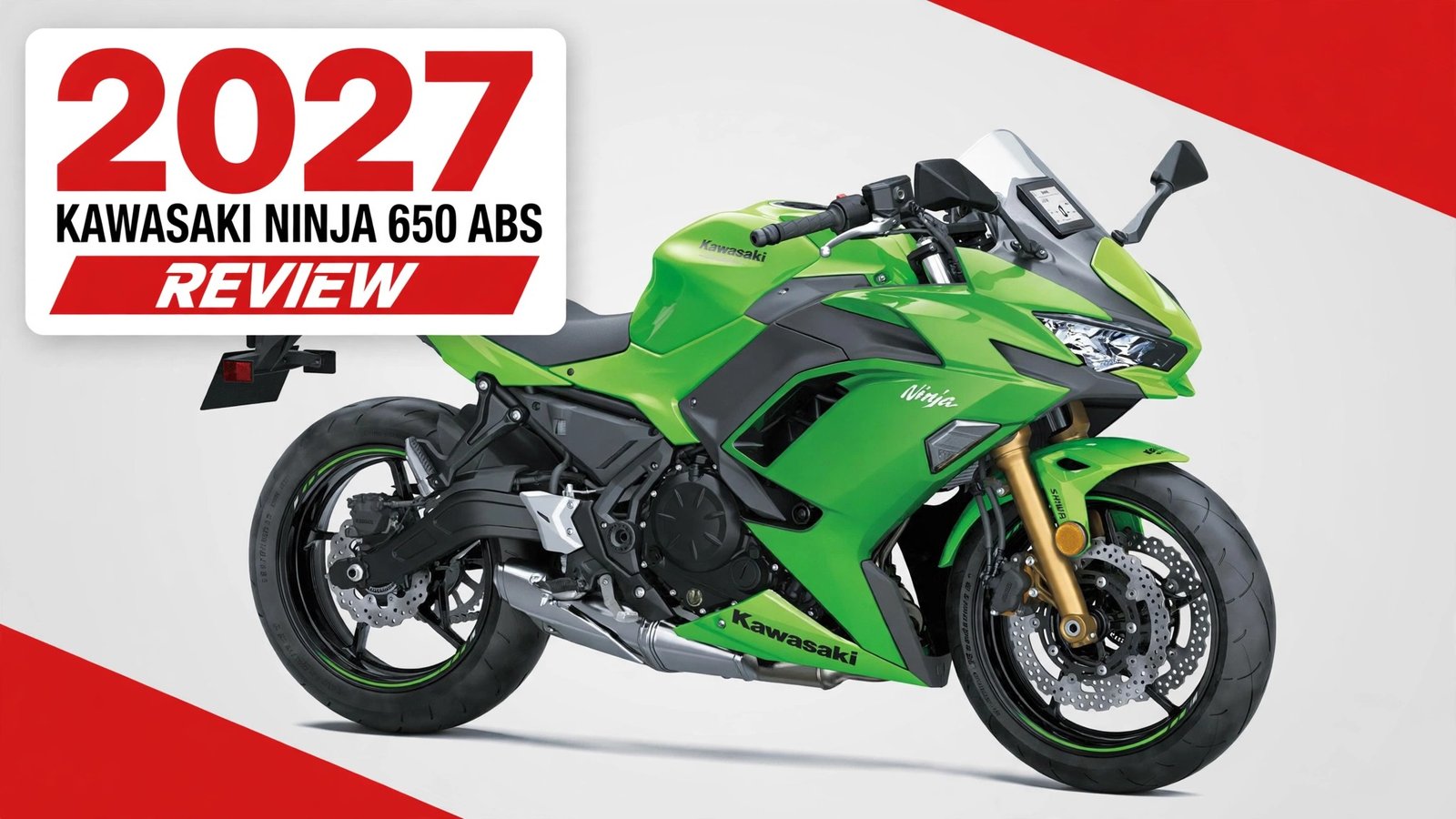
There is no Kawasaki Ninja 650 KRT Edition performance handling difference to describe, because there is no KRT hardware difference to cause one. The KRT’s fork, shock, brakes, tyres, and frame are the standard bike’s, and the only thing that changes the feel is the rider. The 120/70-17 front and 160/60-17 rear tyres are Dunlop Sportmax Roadsport 2 rubber on the 2020 to 2024 bikes and Dunlop Sportmax D214 on the 2017 to 2019 bikes. No US braking distance was ever measured for the 650, so this guide does not invent one; the only instrumented braking figures in print come from ZigWheels in India, labelled as Indian-market figures below. A Kawasaki Ninja 650 KRT Edition performance buyer who wants sharper handling should look at the 2027 ABS bike’s inverted fork and radial calipers, which the KRT never received.
| Braking / chassis figure | Number | What it is |
|---|---|---|
| Front discs | Dual 300 mm petal-type, Nissin 2-piston calipers | Standard on every KRT year |
| Rear disc | Single 220 mm petal-type, single-piston caliper | Standard on every KRT year |
| ABS | Bosch 9.1M, two-channel, conventional | Not lean-sensitive, no IMU |
| 100 to 0 km/h | 46.08 m | ZigWheels BS6, Indian market, labelled |
| 80 to 0 km/h | 30.39 m | ZigWheels BS6, Indian market, labelled |
| 0 to 100 km/h | 4.80 seconds | ZigWheels BS6, Indian market, labelled |
| Quarter mile | 13.02 seconds at 133 km/h | ZigWheels BS6, Indian market, labelled |
| US braking distance | Never measured | No US test recorded a stopping distance |
Note: The ZigWheels figures are the only instrumented braking and acceleration numbers in print for the platform, and they are Indian-market figures on a BS6 bike, never US figures. The US braking distance was never measured, so no US stopping figure is printed in this Kawasaki Ninja 650 KRT Edition performance guide.
Kawasaki Ninja 650 KRT Edition Performance Compared With Other Middleweights
The comparison that matters most for this Kawasaki Ninja 650 KRT Edition performance guide is the one inside the Kawasaki family, because the KRT’s closest rival is the bike it already is. Against the standard ABS 650, the KRT gives up nothing and gains nothing; against the R7 and the GSX-8R, it gives up power and hardware and gains a lower price. The Kawasaki Ninja 650 KRT Edition performance comparison below labels every figure by year, because the rival prices move every year and an unlabelled price is a wrong price.
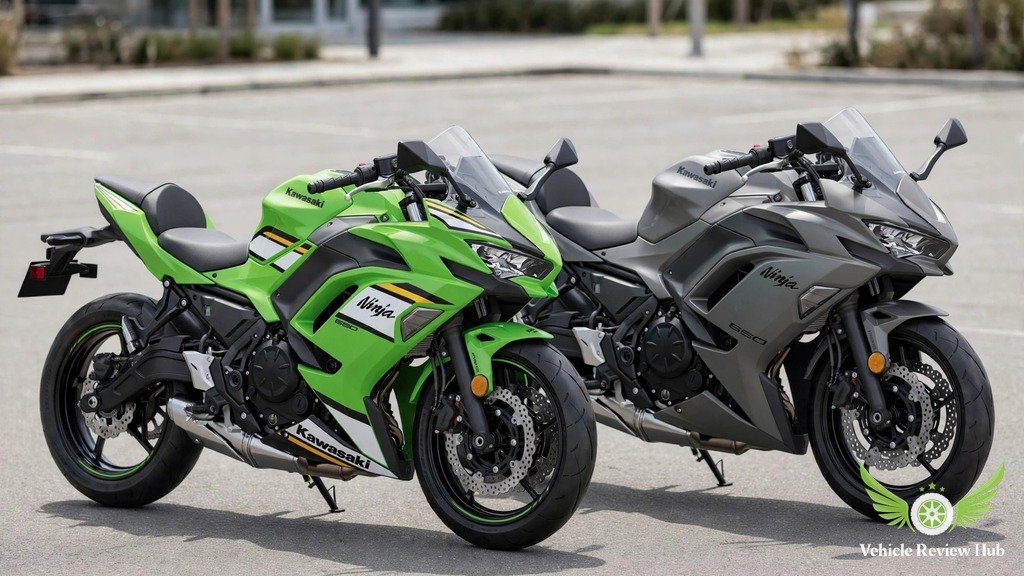
Kawasaki Ninja 650 KRT Edition vs Kawasaki Ninja 650 ABS
Against the standard ABS 650, Kawasaki Ninja 650 KRT Edition performance is a zero-difference comparison. Both bikes share the 649cc twin, the 67.0 hp claim, the 60.38 bhp MCN rear-wheel figure, the 49.44 mpg MCN average, and the 423.4 lb curb weight. The 2025 KRT ABS cost $7,999 plus $665 destination, or $8,664 delivered, and the 2025 plain ABS cost exactly the same, so the paint was free in the final year. The full KRT story is in the Kawasaki Ninja 650 KRT Edition review, and the standard bike’s own numbers are in the Ninja 650 performance guide and the Ninja 650 ABS performance guide. The KRT’s real rival is the 2027 ABS, which buys the inverted 37 mm Showa fork and radial-mount four-piston calipers the KRT never received.
Is the Kawasaki Ninja 650 KRT Edition Suitable for Beginner Riders?
Yes, and the KRT is as suitable as the standard 650. The 31.1-inch seat height is low for the class, the 423.4 lb curb weight is light for a faired middleweight, the twin’s power delivery is smooth and predictable, and the assist-and-slipper clutch keeps downshifts gentle. The R7 is the sharper alternative, with 72.4 hp at 8,750 rpm, a six-axis IMU, ride-by-wire, and a quickshifter, but it costs $10,074 delivered, $1,410 more than the 2025 KRT’s $8,664. The GSX-8R is the other step up, with a claimed 81.8 hp and a Cycle World dyno figure of 72.75 hp, at $9,949 delivered. A beginner who buys the KRT is buying the friendliest Kawasaki Ninja 650 KRT Edition performance bike at the lowest price in this set. The Ninja 650 comparison covers the rival dyno figures, and the Kawasaki Ninja 650 KRT Edition reliability guide covers the ownership side.
| Bike | Claimed power | Measured rear-wheel power | Delivered price |
|---|---|---|---|
| 2025 KRT Edition ABS | 67.0 hp at 8,000 rpm | 60.38 bhp (MCN platform figure) | $8,664 ($7,999 + $665) |
| 2025 Ninja 650 ABS | 67.0 hp at 8,000 rpm | 60.38 bhp (MCN platform figure) | $8,664 ($7,999 + $665) |
| 2026 Yamaha YZF-R7 | 72.4 hp at 8,750 rpm | Not used here | $10,074 ($9,399 + $675) |
| 2027 Suzuki GSX-8R | 81.8 hp claimed (83 PS) | 72.75 hp (Cycle World dyno) | $9,949 ($9,199 + $750) |
| 2027 Ninja 650 ABS | 67.0 hp at 8,000 rpm | Not measured yet | $8,784 base / $8,984 premium |
Note: For Kawasaki Ninja 650 KRT Edition performance, the KRT and the 2025 ABS are the same purchase at the same price. The GSX-8R’s 81.8 hp is the claimed figure, equal to 83 PS. The full rival comparison is in the Kawasaki Ninja 650 KRT Edition comparison.
Kawasaki Ninja 650 KRT Edition Performance Frequently Asked Questions
These are the direct answers to the performance questions buyers ask most about the KRT Edition. Every answer uses the verified Kawasaki Ninja 650 KRT Edition performance figures from this guide, labelled with its source.
Has a KRT Edition ever been dyno tested?
No. No outlet ever put a KRT Edition on a dyno as a KRT. The platform figures apply: MCN’s long-term bike made 60.38 bhp at the rear wheel, and Rider Magazine recorded 60.6 hp at 8,100 rpm from the mechanically identical Z650. The claimed Kawasaki Ninja 650 KRT Edition performance figure is 67.0 hp at 8,000 rpm.
What is the KRT’s top speed?
There is no official Kawasaki Ninja 650 KRT Edition performance top-speed figure, because Kawasaki publishes no top speed for the Ninja 650. Rider reports put the real top speed at roughly 124 to 125 mph, while the aggregators print 130 mph. Treat the mid-120s as realistic and 130 mph as optimistic.
What MPG does the KRT return?
MCN’s long-term test averaged 49.44 mpg over more than 9,500 miles, with gentle cruising returning more than 60 mpg and a best of 69.54 mpg. Rider Magazine recorded 51 mpg on its 2017 first ride. A Kawasaki Ninja 650 KRT Edition performance buyer should expect high-40s mpg in mixed riding.
Is the KRT faster than the standard 650?
No. The KRT is the standard 650 with different paint and graphics, so its Kawasaki Ninja 650 KRT Edition performance figures are identical: same acceleration, same top speed, same dyno numbers. Any listing that shows a KRT-specific performance advantage is inventing one.
Does the KRT have different gearing?
No. The KRT uses the same six-speed gearbox, the same final drive, and the same assist-and-slipper clutch as the standard Ninja 650, so Kawasaki Ninja 650 KRT Edition performance gearing is identical to the standard bike’s. Nothing in the drivetrain differs between the KRT and the plain ABS bike.
Is it a good beginner bike?
Yes. For a new rider, Kawasaki Ninja 650 KRT Edition performance is as beginner-friendly as the standard 650, with a 31.1-inch seat height, a 423.4 lb curb weight, smooth power delivery, and a forgiving chassis. It is the same bike a new rider would learn on in plain colours, with the lime-green livery as the only difference.