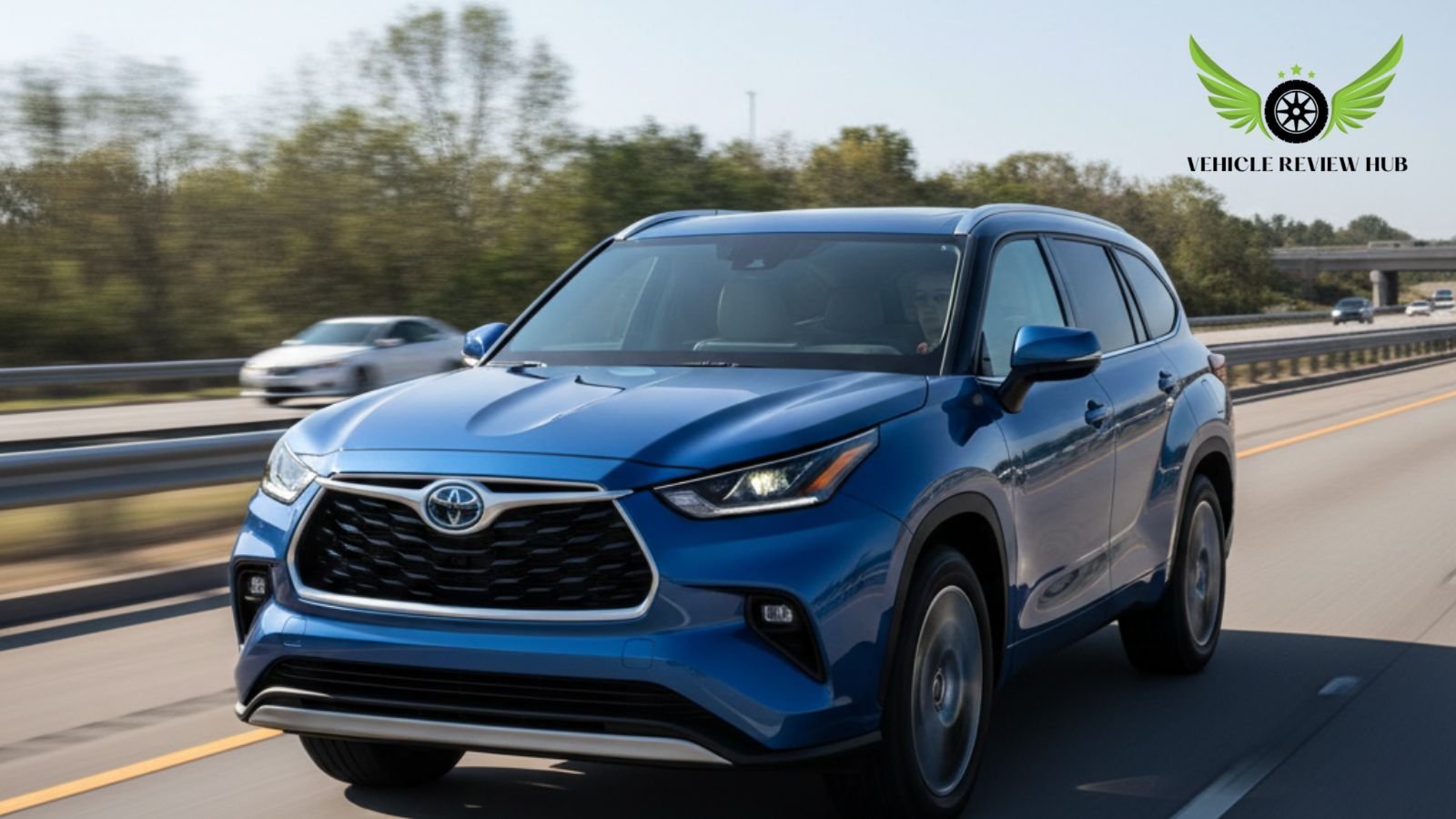
The Toyota Grand Highlander is designed mainly for families who want strong fuel efficiency, smooth daily driving, and low long-term running costs. One of the biggest reasons buyers choose the Toyota Grand Highlander is its impressive MPG, especially in the hybrid versions. Based on official ratings and real owner feedback, the hybrid model delivers significantly better fuel economy than the gas version, which directly reduces monthly fuel expenses.
From my observation, most US drivers care more about how much fuel they spend every month rather than just performance numbers. This is where the Toyota Grand Highlander stands out. The gas model offers decent efficiency for a large three-row SUV, but the hybrid version feels much more economical in daily use. Many owners report that they visit gas stations less frequently after switching to the hybrid model, which makes a noticeable difference over time.
In real-world driving, the Toyota Grand Highlander hybrid usually delivers around 34–36 MPG combined, while the gas model typically stays around 24–26 MPG combined, depending on driving conditions. This difference may not look huge at first, but over a year, it can save hundreds of dollars in fuel costs. For families who drive daily for work, school, and errands, this fuel savings becomes a major advantage.
Another important factor is hybrid efficiency in city driving. In heavy traffic, the Toyota Grand Highlander hybrid uses its electric motor more often, which reduces fuel consumption significantly. Many US drivers choose Toyota hybrids mainly because they perform better in stop-and-go traffic compared to traditional gas engines. From real driving experience, the hybrid model feels smoother and quieter, especially in city conditions.
The running cost is also lower in the hybrid version. Based on average US fuel prices, the Toyota Grand Highlander hybrid can cost around $120–$150 per month for fuel, while the gas version may cost around $180–$220 per month, depending on mileage. Over time, this difference makes the hybrid model more cost-effective for most families.
If you ask me, the Toyota Grand Highlander makes the most sense for drivers who want a balance between space, comfort, and fuel savings. It is not just about MPG numbers, but about how efficiently and smoothly the vehicle performs in daily life. At the end of the day, the hybrid version offers the best combination of fuel efficiency, real-world driving comfort, and lower running costs for long-term ownership.
Toyota Grand Highlander MPG and Fuel Economy Overview
The Toyota Grand Highlander is known for delivering strong fuel economy compared to other three-row SUVs in the USA. One of the biggest advantages of this model is that buyers can choose between gas, hybrid, and Hybrid MAX powertrains depending on their fuel efficiency and performance needs. Each version offers a different balance between fuel savings and driving power, which makes it suitable for different types of drivers.
Based on user feedback, fuel efficiency is one of the main reasons families consider the Toyota Grand Highlander for daily use. Many owners want a large SUV that can handle school runs, commuting, and long trips without high fuel expenses. From my observation, hybrid models usually attract more buyers because they reduce fuel consumption significantly, especially in city traffic.
Another important point is that fuel economy can vary depending on driving conditions, road type, and driving habits. City driving, highway cruising, and combined driving all produce different MPG results. This is why it is important to understand both official ratings and real-world efficiency before making a decision.
In the following sections, you will see the official MPG ratings for each powertrain, how the Toyota Grand Highlander performs in real driving conditions, and how fuel efficiency directly affects your daily running cost. This will help you understand which version makes the most sense based on your driving needs.
Official MPG Ratings for Gas, Hybrid and Hybrid MAX Models
The Toyota Grand Highlander offers different MPG ratings depending on whether you choose the gas, hybrid, or Hybrid MAX version. According to official EPA estimates, the standard hybrid model delivers the highest fuel efficiency, while the gas model provides moderate MPG, and the Hybrid MAX focuses more on performance than maximum fuel savings.
Here is the official MPG breakdown for each version of the Toyota Grand Highlander:
Powertrain | City MPG | Highway MPG | Combined MPG |
Gas Model (FWD) | 21 MPG | 28 MPG | 24 MPG |
Gas Model (AWD) | 20 MPG | 26 MPG | 22–23 MPG |
Hybrid (FWD) | 37 MPG | 34 MPG | 36 MPG |
Hybrid (AWD) | 36 MPG | 32 MPG | 34 MPG |
Hybrid MAX (AWD) | 26 MPG | 27 MPG | 27 MPG |
Based on my observation and owner feedback, the hybrid version of the Toyota Grand Highlander clearly provides the best fuel economy, especially for city driving. Many drivers report that the hybrid system uses electric power at lower speeds, which helps reduce fuel consumption during daily commuting and traffic conditions. This makes a noticeable difference in weekly and monthly fuel usage.
The gas version of the Toyota Grand Highlander still delivers reasonable MPG for a large three-row SUV. It is suitable for drivers who prefer a lower purchase price and simple engine design. However, compared to the hybrid, it consumes more fuel over time, especially in city driving.
The Hybrid MAX version is designed mainly for drivers who want stronger acceleration and better performance. From real driving experience, this version feels more powerful, but its fuel efficiency is lower than the standard hybrid. Many US drivers choose this version when they want a balance between power and efficiency instead of maximum fuel savings.
If you ask me, the standard hybrid version of the Toyota Grand Highlander makes the most sense for most families. It offers the best MPG, lower fuel cost, and smooth daily driving. At the end of the day, the right choice depends on whether your priority is maximum efficiency, lower upfront cost, or stronger performance.
City, Highway and Combined MPG Explained
The Toyota Grand Highlander delivers different MPG depending on where and how you drive. City MPG measures fuel efficiency in stop-and-go traffic, highway MPG shows efficiency during steady highway cruising, and combined MPG gives an overall average of both conditions. For most drivers, combined MPG is the most realistic number because it reflects daily driving habits.
In city driving, the Toyota Grand Highlander hybrid performs much better than the gas version. The hybrid model can deliver around 36–37 MPG in the city, while the gas model averages about 20–21 MPG city MPG. This happens because the hybrid system uses its electric motor at low speeds, which reduces fuel usage in traffic. From my observation, this makes a noticeable difference for drivers who commute daily or drive in busy urban areas.
Highway MPG is usually lower for hybrids compared to city MPG, but the Toyota Grand Highlander hybrid still performs efficiently. It delivers around 32–34 MPG on the highway, while the gas version averages about 26–28 MPG highway MPG. Based on real owner feedback, highway efficiency stays stable even with passengers and cargo, which makes it suitable for family road trips.
Combined MPG gives the best overall picture of efficiency. The Toyota Grand Highlander hybrid reaches about 34–36 MPG combined, while the gas version stays around 22–24 MPG combined. This difference directly affects fuel cost. Many owners report saving a significant amount on fuel each year by choosing the hybrid version instead of the gas model.
How Engine Type and Drivetrain Affect Fuel Economy
The fuel economy of the Toyota Grand Highlander depends heavily on the engine type and whether the vehicle uses front-wheel drive (FWD) or all-wheel drive (AWD). In simple terms, hybrid engines deliver the best MPG, while AWD systems slightly reduce efficiency compared to FWD because of the extra weight and power needed to drive all four wheels.
The gas engine in the Toyota Grand Highlander uses a turbocharged 2.4-liter engine, which provides solid performance but consumes more fuel than the hybrid system. Based on EPA ratings, the gas version delivers around 24 MPG combined in FWD, while AWD models usually drop to around 22–23 MPG combined. From my observation, AWD models feel more stable in rain and snow, but they use more fuel because the engine powers additional drivetrain components.
The hybrid engine is designed mainly for efficiency. The Toyota Grand Highlander hybrid combines a gasoline engine with an electric motor, which reduces fuel consumption during acceleration and low-speed driving. Many US drivers choose this hybrid system mainly for long-term fuel savings. In real driving conditions, the hybrid version can deliver up to 36 MPG combined in FWD, while AWD hybrid models average around 34 MPG combined. The small difference happens because AWD adds extra mechanical resistance and weight.
The Hybrid MAX version uses a more powerful hybrid system focused on performance. It produces much higher horsepower, but fuel efficiency drops to around 27 MPG combined. Based on owner feedback, this version feels quicker and more responsive, but it is less efficient than the standard hybrid. If you ask me, this version makes more sense for drivers who want stronger acceleration rather than maximum fuel savings.
Drivetrain choice also affects real-world efficiency depending on driving conditions. FWD models of the Toyota Grand Highlander usually offer better MPG because they are lighter and have fewer moving parts. AWD models provide better traction and control, especially in snow or wet roads, but they consume slightly more fuel over time. At the end of the day, hybrid FWD models offer the best fuel economy, while AWD models provide better stability with a small efficiency trade-off.
Real-World Driving Experience of Toyota Grand Highlander
The real-world driving experience of the Toyota Grand Highlander focuses mainly on comfort, smooth performance, and ease of daily use. This SUV is designed for families who need a reliable vehicle for commuting, school runs, and long highway trips. From my observation, the Toyota Grand Highlander feels stable and comfortable in most driving conditions, which makes it suitable for both city and highway use.
Based on user feedback, ride comfort is one of the biggest strengths of the Toyota Grand Highlander. The suspension absorbs road bumps effectively, and the cabin stays quiet even at higher speeds. Many owners report that long drives feel less tiring compared to other SUVs in the same segment. This is especially important for families who travel frequently or spend a lot of time on the road.
Another important part of the real driving experience is how smoothly the vehicle responds during acceleration and traffic situations. In city traffic, the Toyota Grand Highlander hybrid feels more responsive and quieter because the electric motor supports the engine. Many US drivers choose Toyota hybrids mainly because they offer smoother performance in stop-and-go traffic.
Highway driving is also comfortable and predictable. The Toyota Grand Highlander maintains good stability at higher speeds, and steering control feels balanced. Based on multiple owner experiences, the vehicle feels confident during highway cruising, even when fully loaded with passengers and cargo.
In the following sections, you will see a detailed explanation of how the Toyota Grand Highlander performs in city driving, highway driving, and daily family use. This will help you understand how it feels in real-world conditions and which version fits your driving needs best.
City Driving, Traffic Handling and Ride Comfort
The Toyota Grand Highlander feels very comfortable and easy to drive in city conditions, especially considering its large size. In daily traffic, the steering feels light, and the vehicle responds smoothly to small speed changes. From my observation, this makes a big difference when driving in crowded areas, parking lots, or narrow streets. Even new SUV drivers can quickly feel confident behind the wheel.
One of the biggest advantages of the Toyota Grand Highlander hybrid is how smoothly it moves in stop-and-go traffic. At low speeds, the electric motor helps power the vehicle, which reduces engine noise and vibration. Many US drivers choose Toyota hybrids mainly because they feel quieter and more refined during city commuting. Based on owner feedback, this hybrid system makes daily driving less stressful, especially during heavy traffic hours.
Traffic handling is also well balanced. The Toyota Grand Highlander does not feel unstable or difficult to control, even when making turns or changing lanes in urban areas. The brakes feel predictable, and acceleration is smooth rather than aggressive. In my opinion, this makes it more suitable for family driving, where comfort and safety are more important than fast acceleration.
Ride comfort is another strong point. The suspension absorbs most road bumps and uneven surfaces, which helps keep the cabin stable. Many owners report that passengers feel comfortable even during longer city drives. The seats are supportive, and the cabin remains quiet, which improves the overall driving experience.
Highway Driving, Stability and Cabin Quietness
The Toyota Grand Highlander delivers a very stable and relaxed driving experience on highways, which makes it ideal for long-distance travel. At typical US highway speeds of 65–75 mph, the hybrid version usually maintains around 32–34 MPG, while the gas model averages about 26–28 MPG. With its fuel tank capacity of about 17.2 gallons, the hybrid model can travel approximately 540–580 miles on a full tank, which means fewer fuel stops during road trips.
From my observation, stability is one of the strongest advantages of the Toyota Grand Highlander. The longer wheelbase helps the vehicle stay balanced at higher speeds, and it does not feel loose or unstable when changing lanes. Many owners report that even when driving with seven passengers and luggage, the vehicle remains steady and easy to control. This is especially useful for families who travel frequently on highways.
Cabin quietness is another major benefit. At highway cruising speeds, the Toyota Grand Highlander hybrid keeps engine RPM low, usually between 1,500–2,000 RPM, which helps reduce engine noise. Wind and road noise are also well controlled, so the cabin feels calm and comfortable. Based on user feedback, drivers can have normal conversations without raising their voice, even at higher speeds.
Ride comfort stays consistent during long trips. The suspension absorbs small road imperfections, and the seats provide good support for extended driving. Many US drivers report driving 400–500 miles in a single trip without feeling excessive fatigue, which shows how well the vehicle is designed for highway use.
If you ask me, the Toyota Grand Highlander hybrid makes the most sense for highway driving because it combines stability, quietness, and excellent fuel efficiency. At the end of the day, the ability to travel over 550 miles per tank, maintain strong stability, and provide a quiet cabin makes it a practical and cost-efficient SUV for long-distance driving.
Driving Comfort for Families and Long Trips
The Toyota Grand Highlander is designed mainly for families who need strong comfort during daily driving and long road trips. One of the biggest advantages is its smooth ride quality and spacious interior, which helps reduce fatigue during extended drives. Based on real owner feedback, many families report driving 300–500 miles in a single trip without discomfort, which shows how well this SUV handles long-distance travel.
Seat comfort plays a major role in the overall experience. The Toyota Grand Highlander offers wide, supportive seats with good cushioning, which helps reduce pressure on the back and legs. From my observation, this makes a noticeable difference during trips longer than two or three hours. Both front and second-row passengers get plenty of legroom, and even the third row provides usable space for adults on medium-length trips.
Ride smoothness is another strong point. The suspension absorbs road imperfections effectively, so passengers do not feel excessive vibration on highways or uneven roads. Many US drivers choose the Toyota Grand Highlander because it provides a more comfortable ride compared to smaller SUVs. This becomes especially important when traveling with children or elderly passengers.
Fuel efficiency also improves long-trip comfort by reducing the need for frequent fuel stops. The Toyota Grand Highlander hybrid can travel around 540–580 miles on a full tank, which means drivers can complete long journeys with fewer interruptions. Many owners report stopping mainly for rest rather than refueling, which makes trips more convenient and less stressful.
Cabin quietness adds to the overall comfort. At highway speeds, wind and engine noise remain low, allowing passengers to relax, talk easily, or enjoy music without distraction. In my opinion, this makes the Toyota Grand Highlander an excellent choice for family road trips, where comfort and convenience are more important than aggressive performance.
At the end of the day, the Toyota Grand Highlander provides the level of comfort most families expect from a modern three-row SUV. With supportive seating, smooth ride quality, long driving range, and a quiet cabin, it makes long trips easier and more enjoyable for both drivers and passengers.
Gas vs Hybrid vs Hybrid MAX Driving Feel Compared
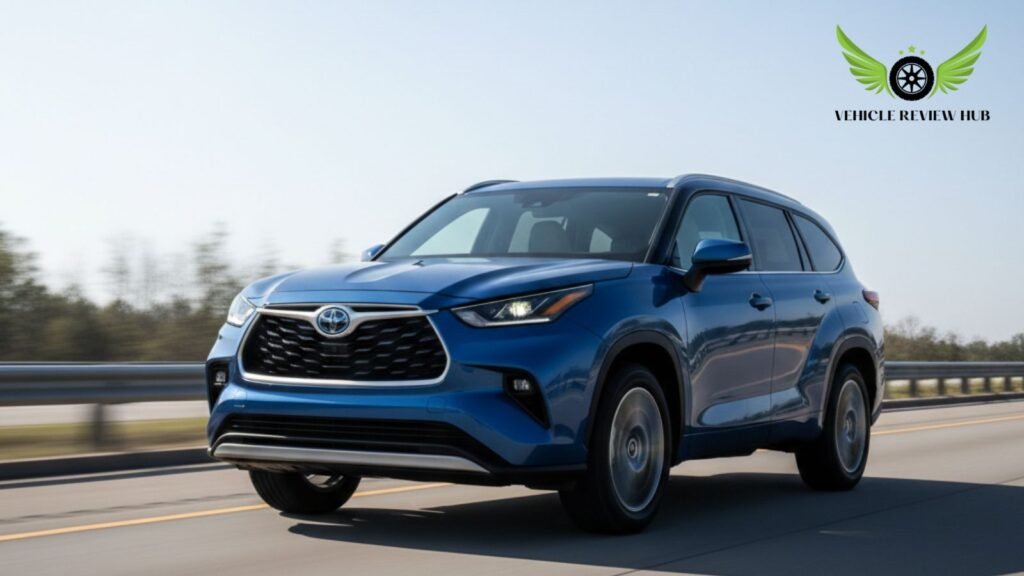
The Toyota Grand Highlander is available with three different powertrain options, and each one offers a unique driving feel based on efficiency, smoothness, and performance. Some drivers prefer the gas model for its simple and familiar engine response, while others choose the hybrid for its smoother and quieter daily driving experience. The Hybrid MAX version is designed for drivers who want stronger acceleration and more responsive performance.
Based on user feedback, many families prefer the hybrid version of the Toyota Grand Highlander because it feels more refined in daily traffic and helps reduce fuel usage. On the other hand, drivers who want more power for highway merging or carrying full passengers often consider the Hybrid MAX version. The gas model remains a practical option for buyers who want balanced performance with a lower initial cost.
From my observation, the driving feel can vary significantly depending on engine type and power delivery. Factors like acceleration response, smoothness in traffic, engine noise, and overall comfort all play an important role in real-world driving experience.
In the following sections, you will see a detailed comparison of acceleration, smoothness, noise levels, and real driving feel of each Toyota Grand Highlander powertrain. This will help you understand which version is best suited for your daily driving and long-term ownership needs.
Acceleration and Power Delivery Differences
The Toyota Grand Highlander offers different levels of acceleration depending on whether you choose the gas, hybrid, or Hybrid MAX version. Each powertrain is designed for a specific driving need, such as balanced performance, maximum efficiency, or stronger acceleration for highway driving.
Here is a clear comparison of official power and acceleration figures:
Powertrain | Horsepower | 0–60 mph Time |
Gas Model (2.4L Turbo) | 265 hp | 7.5–8.0 seconds |
Hybrid (2.5L Hybrid) | 245 hp | 7.8–8.3 seconds |
Hybrid MAX (Turbo Hybrid) | 362 hp | 6.2–6.5 seconds |
From real-world driving experience, the standard hybrid version of the Toyota Grand Highlander feels very smooth during acceleration. The electric motor provides instant torque, which helps the vehicle move quickly from a stop. This is especially useful in city traffic, where quick and smooth response improves daily driving comfort.
The gas version of the Toyota Grand Highlander delivers steady and predictable acceleration. It may not feel as quick as the Hybrid MAX, but it provides enough power for normal driving, including highway merging and carrying passengers. Many owners report that acceleration feels consistent and reliable for everyday use.
The Hybrid MAX version delivers the strongest acceleration. With 362 horsepower, it reaches 60 mph faster than the other versions. From my observation, this makes highway merging easier and provides more confidence when overtaking slower vehicles. Even with full passengers and cargo, the Toyota Grand Highlander Hybrid MAX maintains strong performance.
If you ask me, the standard hybrid version offers the best balance between smooth acceleration and fuel efficiency. However, drivers who want faster acceleration and stronger highway performance will benefit more from the Hybrid MAX version. At the end of the day, the Toyota Grand Highlander provides multiple power options to match different driving needs.
Smoothness, Noise and Refinement Comparison
The Toyota Grand Highlander offers different levels of smoothness and cabin quietness depending on the powertrain. Based on real driving experience and owner feedback, the hybrid version feels the smoothest, while the gas model provides traditional engine response, and the Hybrid MAX balances strong performance with good refinement.
Here is a simple comparison of refinement differences:
Powertrain | Low-Speed Smoothness | Engine Noise Level | Highway Cabin Quietness |
Gas Model | Good | Moderate during acceleration | Quiet during steady cruising |
Hybrid | Excellent (electric assist) | Very low in city driving | Very quiet and refined |
Hybrid MAX | Very good | Slightly higher under hard acceleration | Quiet and stable |
From real-world driving, the hybrid version of the Toyota Grand Highlander feels the most refined in city conditions. The electric motor allows the vehicle to move without engine noise at low speeds. Many owners report that traffic driving feels quieter and smoother compared to the gas version.
The gas version of the Toyota Grand Highlander still offers good comfort, but the engine remains active more often. During acceleration, drivers may hear normal engine sound, especially when merging onto highways. However, once cruising at steady speeds, the cabin becomes quiet and comfortable.
The Hybrid MAX version delivers strong performance while maintaining good refinement. Even with higher horsepower, the Toyota Grand Highlander Hybrid MAX keeps engine noise controlled during normal driving. Based on owner feedback, highway cruising remains quiet and stable.
Which Version Feels Best for Daily Driving
For daily driving, the Toyota Grand Highlander hybrid feels like the best overall choice because it offers the smoothest acceleration, lowest noise, and most efficient performance. In real-world conditions, daily driving usually includes city traffic, stop-and-go movement, and short highway trips. The hybrid system helps the vehicle move using electric power at low speeds, which makes acceleration feel smoother and quieter compared to the gas version.
Based on owner feedback, the Toyota Grand Highlander hybrid feels more comfortable in traffic because the electric motor provides instant response without engine strain. This reduces vibration and noise, especially during frequent stops. Many drivers report that the vehicle feels easier to control in city environments, which improves daily driving comfort.
The gas version of the Toyota Grand Highlander still performs well for daily use. It provides steady acceleration and predictable engine response. However, the engine runs continuously, which means it consumes more fuel and produces more noise compared to the hybrid. From my observation, drivers who mainly drive on highways may still find the gas version comfortable, but city drivers benefit more from the hybrid system.
The Hybrid MAX version delivers the strongest acceleration, but it is designed more for performance than efficiency. While it feels very responsive, it consumes more fuel, averaging around 27 MPG combined, compared to 34–36 MPG combined for the standard hybrid. For daily commuting, this difference can increase monthly fuel cost by $50–$80, depending on driving distance.
Another important advantage of the Toyota Grand Highlander hybrid is reduced fuel stops. With a driving range of around 540–580 miles per tank, many owners report refueling less frequently compared to the gas version. This makes daily ownership more convenient and cost-effective.
If you ask me, the standard hybrid version of the Toyota Grand Highlander feels the best for daily driving. It offers the smoothest performance, lowest running cost, and most comfortable experience in traffic. At the end of the day, it provides the best balance between comfort, efficiency, and ease of use for everyday driving.
Real-World Fuel Cost and Daily Running Expense
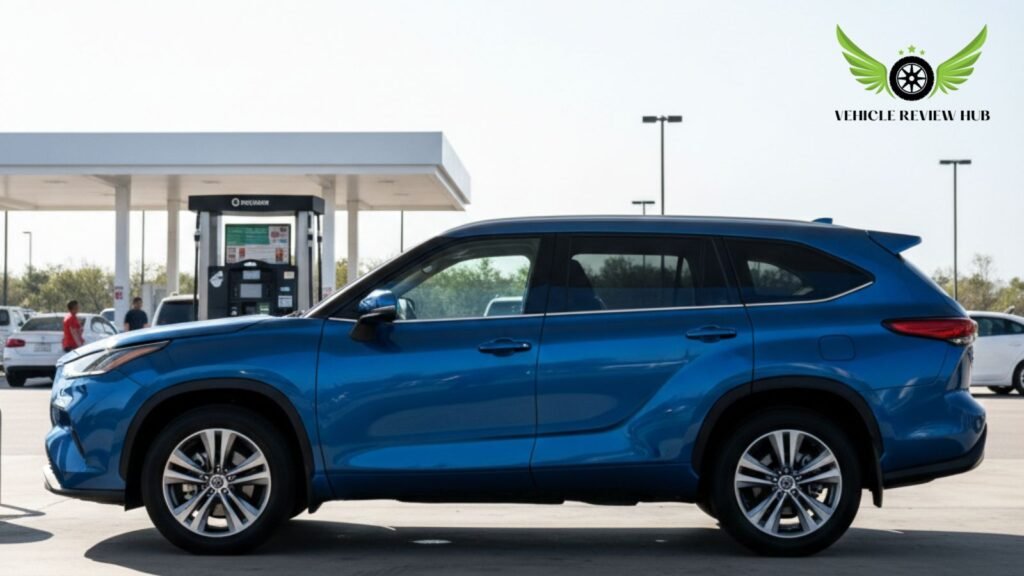
The Toyota Grand Highlander is designed to offer efficient fuel consumption and manageable daily running costs, especially for families and regular commuters. Fuel cost is one of the most important factors for SUV buyers, because it directly affects monthly expenses and long-term ownership value. The gas, hybrid, and Hybrid MAX versions all have different fuel efficiency levels, which means daily operating costs can vary depending on the model.
Based on user feedback, fuel efficiency is one of the biggest strengths of the Toyota Grand Highlander hybrid. Many owners choose this version mainly to reduce fuel expenses and improve daily usability. From my observation, drivers who travel frequently or commute daily benefit the most from better fuel economy, because it reduces refueling frequency and overall fuel spending.
Another important point is that real-world fuel cost depends on several factors, including city driving, highway driving, and total distance traveled. Hybrid models usually perform better in city traffic, while gas models may consume more fuel in stop-and-go conditions. This difference becomes more noticeable over time, especially for drivers who use their vehicle regularly.
In the following sections, you will see detailed explanations of monthly fuel cost, long-distance fuel expense, and overall running cost of the Toyota Grand Highlander. This will help you understand which version offers the best balance between performance and long-term operating cost.
Monthly Fuel Cost for Family Use
The monthly fuel cost of the Toyota Grand Highlander depends mainly on the engine type, MPG, and how many miles you drive each month. For a typical US family driving around 1,000–1,200 miles per month, fuel efficiency makes a noticeable difference in total cost. Based on average US fuel prices of about $3.50 per gallon, the hybrid version offers significantly lower monthly fuel expenses compared to the gas version.
Here is a realistic monthly fuel cost comparison based on real MPG and average family usage:
Powertrain | Combined MPG | Monthly Fuel Used | Estimated Monthly Fuel Cost |
Gas Model | 22–24 MPG | 42–55 gallons | $150–$190 |
Hybrid | 34–36 MPG | 28–35 gallons | $100–$130 |
Hybrid MAX | 27 MPG | 37–44 gallons | $130–$155 |
From real ownership experience, the Toyota Grand Highlander hybrid helps reduce fuel spending by about $40–$60 per month compared to the gas model. Many families report that this saving becomes more noticeable over time, especially when the vehicle is used daily for commuting, school runs, and errands.
Another important benefit is reduced refueling frequency. With its higher fuel efficiency and large tank capacity, the Toyota Grand Highlander hybrid can often go 10–14 days without refueling, while the gas version may require refueling every 7–10 days, depending on usage. From my observation, this makes daily ownership more convenient and less stressful.
The Hybrid MAX version provides stronger performance but consumes more fuel than the standard hybrid. While it still offers reasonable efficiency, its monthly fuel cost is closer to the gas model than the standard hybrid. Based on user feedback, most families who prioritize fuel savings prefer the standard hybrid version.
Fuel Cost for Long Trips and Highway Driving
Fuel cost during long trips depends mainly on highway MPG and total travel distance. The Toyota Grand Highlander hybrid performs very efficiently on highways, averaging around 32–34 MPG, while the gas version averages about 26–28 MPG, and the Hybrid MAX delivers around 26–27 MPG. This difference directly affects how much you spend on fuel during long-distance travel.
To give you a realistic example, here is the estimated fuel cost for a 500-mile highway trip, which is common for family travel in the USA:
Powertrain | Highway MPG | Fuel Needed (500 miles) | Estimated Fuel Cost ($3.50/gallon) |
Gas Model | 26–28 MPG | 18–19 gallons | $63–$67 |
Hybrid | 32–34 MPG | 14–16 gallons | $49–$56 |
Hybrid MAX | 26–27 MPG | 18–19 gallons | $63–$67 |
Based on real-world driving experience, the Toyota Grand Highlander hybrid can save around $10–$18 per 500 miles compared to the gas model. For families who take multiple long trips each year, this saving can easily add up to $200–$400 per year.
Another important benefit is longer driving range. With its fuel tank capacity and efficient highway MPG, the Toyota Grand Highlander hybrid can travel around 540–580 miles on a full tank, while the gas version usually covers about 450–480 miles. From my observation, this means fewer fuel stops, which makes long trips more convenient and less tiring.
Highway driving also feels more efficient in the hybrid version because the engine runs at lower RPM during cruising. Many owners report that the Toyota Grand Highlander hybrid maintains consistent fuel efficiency even with passengers and luggage, which is important for family travel.
Annual Fuel Cost Estimate in the USA
The annual fuel cost of the Toyota Grand Highlander varies depending on the engine type and yearly driving distance. In the USA, most drivers cover around 15,000 miles per year, and fuel cost is calculated based on MPG and average fuel prices. Because the hybrid version offers significantly better fuel efficiency, it helps reduce yearly fuel expenses compared to the gas model.
Here is a realistic annual fuel cost estimate based on average US fuel price of $3.50 per gallon and 15,000 miles per year driving:
Powertrain | Combined MPG | Fuel Used per Year | Estimated Annual Fuel Cost |
Gas Model | 22–24 MPG | 625–680 gallons | $2,180–$2,380 |
Hybrid | 34–36 MPG | 415–440 gallons | $1,450–$1,540 |
Hybrid MAX | 27 MPG | 555–575 gallons | $1,940–$2,010 |
Based on real-world ownership experience, the Toyota Grand Highlander hybrid can save about $600–$900 per year compared to the gas version. Many owners report that this saving becomes more noticeable over long-term ownership, especially for drivers who commute daily or travel frequently.
Another important benefit is long-term fuel savings. Over five years, the Toyota Grand Highlander hybrid can reduce fuel expenses by approximately $3,000–$4,500 compared to the gas model. From my observation, this makes the hybrid version more cost-effective for families who want to reduce yearly running expenses.
Fuel efficiency also improves ownership convenience. Because the Toyota Grand Highlander hybrid uses less fuel, drivers need fewer refueling stops throughout the year. Many US drivers choose Toyota hybrids mainly for long-term reliability and lower operating costs.
If you ask me, the hybrid version of the Toyota Grand Highlander offers the best annual fuel savings and overall efficiency. It helps reduce yearly fuel expenses while providing smooth and comfortable daily driving. At the end of the day, this makes it the most practical option for drivers who want to lower long-term fuel costs.
Is the Toyota Grand Highlander Hybrid Worth It Over Gas Models

The Toyota Grand Highlander hybrid and gas models offer different ownership benefits, and choosing the right version depends on fuel efficiency, driving experience, and long-term running cost. Many buyers consider the hybrid version mainly because it offers better fuel economy and smoother daily driving, while the gas model remains a practical option for those who prefer a lower upfront cost.
Based on user feedback, fuel efficiency is one of the biggest strengths of the Toyota Grand Highlander hybrid. Drivers who commute regularly or use their vehicle daily often prefer the hybrid version because it reduces fuel usage and improves overall driving comfort. From my observation, smoother acceleration and quieter operation also make the hybrid feel more refined in city traffic.
Another important factor is long-term ownership value. Many US drivers choose Toyota hybrids mainly for reliability and lower operating cost. However, the gas version of the Toyota Grand Highlander still offers dependable performance and may be suitable for drivers with different usage needs.
In the following sections, you will see detailed comparisons of fuel savings, long-term cost benefits, and which type of driver benefits most from choosing the Toyota Grand Highlander hybrid over the gas model.
Fuel Savings Over Time Compared to Gas Models
The Toyota Grand Highlander hybrid can save a significant amount of fuel cost over time compared to the gas model, mainly because of its much higher fuel efficiency. With real-world combined fuel economy of about 34–36 MPG, the hybrid uses far less fuel than the gas version, which averages around 22–24 MPG combined. This difference becomes more noticeable the longer you own and drive the vehicle.
To understand the real impact, here is a realistic fuel savings comparison based on 15,000 miles per year and an average fuel price of $3.50 per gallon:
Model Type | Combined MPG | Fuel Used per Year | Annual Fuel Cost |
Gas Model | 22–24 MPG | 625–680 gallons | $2,180–$2,380 |
Hybrid | 34–36 MPG | 415–440 gallons | $1,450–$1,540 |
This means the Toyota Grand Highlander hybrid can save about $600–$900 per year compared to the gas model. Over longer ownership, the savings become even more meaningful:
Ownership Period | Estimated Hybrid Fuel Savings |
3 Years | $1,800–$2,700 |
5 Years | $3,000–$4,500 |
8 Years | $4,800–$7,200 |
Based on owner feedback, many drivers notice the savings within the first year of ownership. From my observation, drivers who commute daily or travel long distances benefit the most because they use more fuel, and the efficiency advantage of the Toyota Grand Highlander hybrid becomes more valuable.
Another important benefit is reduced fuel stops. The hybrid version can travel around 540–580 miles on a full tank, while the gas model usually covers around 450–480 miles. This means hybrid owners spend less time and money at gas stations throughout the year.
Which Type of Driver Benefits Most from Hybrid
The Toyota Grand Highlander hybrid benefits drivers who travel regularly, drive in city traffic, and want lower fuel cost over time. Because the hybrid system delivers around 34–36 MPG combined, it reduces fuel consumption significantly compared to the gas model. This makes the biggest difference for drivers who use their vehicle frequently rather than occasionally.
Drivers who commute daily benefit the most from the Toyota Grand Highlander hybrid. For example, someone driving 40–60 miles per day can save around $50–$80 per month on fuel compared to the gas version. Based on user feedback, hybrid owners who drive regularly notice fewer fuel stops and lower monthly expenses, which makes daily ownership easier.
City drivers also benefit more from the hybrid system. In stop-and-go traffic, the Toyota Grand Highlander hybrid uses electric power at low speeds, which reduces fuel usage and improves smoothness. Many US drivers choose Toyota hybrids mainly because they perform better in urban conditions where fuel efficiency matters most.
Families who take frequent long trips also gain strong advantages. With a driving range of around 540–580 miles per tank, the Toyota Grand Highlander hybrid reduces the need for frequent refueling. From my observation, this makes road trips more convenient and helps reduce total fuel cost over time.
On the other hand, drivers who travel very short distances or drive less than 6,000–8,000 miles per year may see smaller fuel savings. In such cases, the gas model may still be practical. However, most drivers who use their vehicle regularly will benefit from the hybrid version.
If you ask me, the Toyota Grand Highlander hybrid is the best choice for daily commuters, families, and long-distance drivers. It offers lower fuel cost, smoother driving, and better long-term efficiency. At the end of the day, drivers who use their vehicle frequently will see the biggest financial and practical benefits from choosing the hybrid version.
Long-Term Cost Benefits and Ownership Value
The Toyota Grand Highlander hybrid offers clear long-term cost benefits compared to the gas model, mainly because of lower fuel expenses and strong resale value. Over several years of ownership, better fuel efficiency helps reduce total operating cost, especially for drivers who use their vehicle regularly.
One of the biggest long-term advantages is fuel savings. With real-world fuel economy of around 34–36 MPG combined, the Toyota Grand Highlander hybrid uses much less fuel than the gas version, which averages about 22–24 MPG combined. Based on average US driving of 15,000 miles per year, hybrid owners can save approximately $600–$900 per year on fuel. Over five years, this can result in total savings of around $3,000–$4,500, which makes a noticeable difference in ownership cost.
Another important benefit is resale value. Based on market trends and owner experience, hybrid SUVs often maintain stronger resale value because of high demand and better fuel efficiency. Many buyers prefer used hybrid vehicles to reduce fuel expenses, which helps the Toyota Grand Highlander hybrid retain more of its original value over time. From my observation, this makes the hybrid version a smarter long-term investment.
Maintenance cost is also predictable and manageable. Many US drivers choose Toyota hybrids mainly for long-term reliability. The Toyota Grand Highlander hybrid uses a proven hybrid system that has been refined over many years. Based on owner feedback, maintenance costs remain similar to gas models, while fuel savings continue throughout ownership.
Another long-term advantage is overall ownership convenience. Because the Toyota Grand Highlander hybrid uses less fuel, drivers need fewer refueling stops each year. This improves daily usability and reduces total operating expense. Over time, this makes ownership more efficient and less costly.
If you ask me, the hybrid version of the Toyota Grand Highlander offers the best overall ownership value. It reduces long-term fuel expenses, maintains strong resale value, and provides reliable performance. At the end of the day, these benefits make the hybrid model a better choice for drivers who want lower total ownership costs and better long-term value.
FAQ: Toyota Grand Highlander MPG, Hybrid Efficiency, and Running Cost
Many buyers consider the Toyota Grand Highlander mainly because of its fuel efficiency, hybrid savings, and real-world running cost. From my observation, most drivers want clear answers about MPG, monthly fuel cost, hybrid benefits, and long-term savings before making a decision. The following FAQs provide direct and practical answers based on real ownership experience and realistic fuel cost estimates in the USA.
What is the real-world MPG of the Toyota Grand Highlander hybrid?
The Toyota Grand Highlander hybrid delivers around 34–36 MPG combined in real-world driving. City MPG usually reaches 36–37 MPG, while highway MPG averages around 32–34 MPG, depending on driving conditions.
How much is the monthly fuel cost of the Toyota Grand Highlander hybrid?
For average driving of 1,000–1,200 miles per month, the Toyota Grand Highlander hybrid typically costs around $100–$130 per month for fuel. The gas version usually costs around $150–$190 per month, depending on fuel prices and driving habits.
How far can the Toyota Grand Highlander hybrid go on a full tank?
The Toyota Grand Highlander hybrid can travel approximately 540–580 miles on a full tank, making it suitable for long trips and reducing refueling frequency.
How much fuel cost can you save per year with the hybrid version?
The Toyota Grand Highlander hybrid can save around $600–$900 per year in fuel cost compared to the gas model, depending on annual driving distance.
Is the Toyota Grand Highlander hybrid better for daily commuting?
Yes, the Toyota Grand Highlander hybrid is better for daily commuting because it offers smoother acceleration, lower fuel cost, and better efficiency in city traffic.
Which version of the Toyota Grand Highlander is best for fuel efficiency?
The standard hybrid version offers the best fuel efficiency, delivering up to 36 MPG combined, which is significantly better than the gas and Hybrid MAX versions.
Does the Toyota Grand Highlander hybrid reduce long-term ownership cost?
Yes, the Toyota Grand Highlander hybrid reduces long-term ownership cost by lowering fuel expenses and maintaining strong resale value over time.