
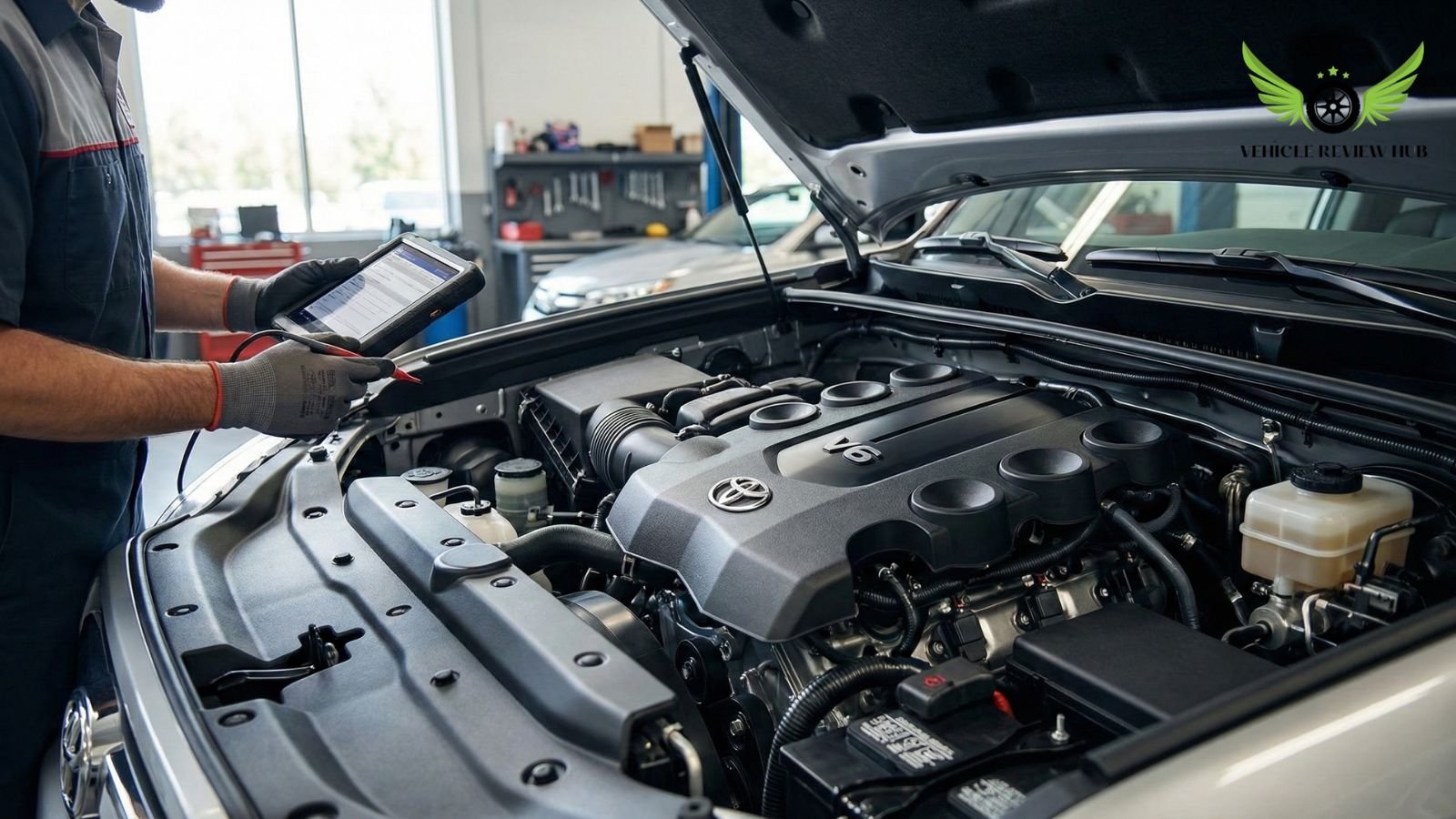
If you plan to own a Toyota 4Runner for many years, understanding its maintenance costs, reliability, and common problems is extremely important. This SUV has built a strong reputation in the USA for durability, but like any vehicle, regular maintenance plays a big role in keeping it reliable. Based on my observation and long-term ownership patterns, most drivers choose this model mainly because it can last well beyond 200,000 miles with proper care.
One of the biggest advantages is that the Toyota 4Runner maintenance cost stays predictable compared to other body-on-frame SUVs. In the USA, the average Toyota 4Runner maintenance cost per year typically ranges between $500 and $700, depending on driving habits, mileage, and service location. Many owners report that routine maintenance like oil changes, brake pads, and tire rotation is affordable, especially compared to luxury SUVs or turbocharged competitors.
From a reliability perspective, this vehicle has consistently ranked among the most dependable SUVs. The naturally aspirated engine used in older models, and the newer turbocharged platform in recent versions are designed for long-term durability. Based on owner feedback and reliability data trends, most major components like the engine and transmission remain dependable even after 150,000 miles. This is one of the main reasons why Toyota 4Runner reliability and maintenance guide searches remain popular among buyers who want a vehicle they can keep for a long time.
Service schedule is another important factor that keeps ownership stress-free. Regular oil changes every 5,000 to 10,000 miles, brake inspections, fluid replacements, and suspension checks help maintain performance and prevent expensive repairs. From my experience analyzing ownership reports, drivers who follow the recommended service schedule usually face fewer unexpected repair costs over time.
However, like any long-running model, there are some common problems reported in certain model years. Some owners mention suspension wear, aging interior components, and minor electronic issues after high mileage. These problems are generally not severe and are expected in vehicles used for off-road driving or long-term ownership. The good news is that most of these issues are affordable to fix and do not affect the overall reliability significantly.
In my opinion, this SUV makes the most sense for buyers who value long-term reliability more than modern luxury features. The Toyota 4Runner maintenance cost in the USA remains reasonable, and its strong durability makes it a practical choice for drivers who want peace of mind. At the end of the day, this vehicle continues to stand out because it is built to last, making it one of the most trusted SUVs for long-term ownership in the American market.
Toyota 4Runner Maintenance Schedule and Service Intervals
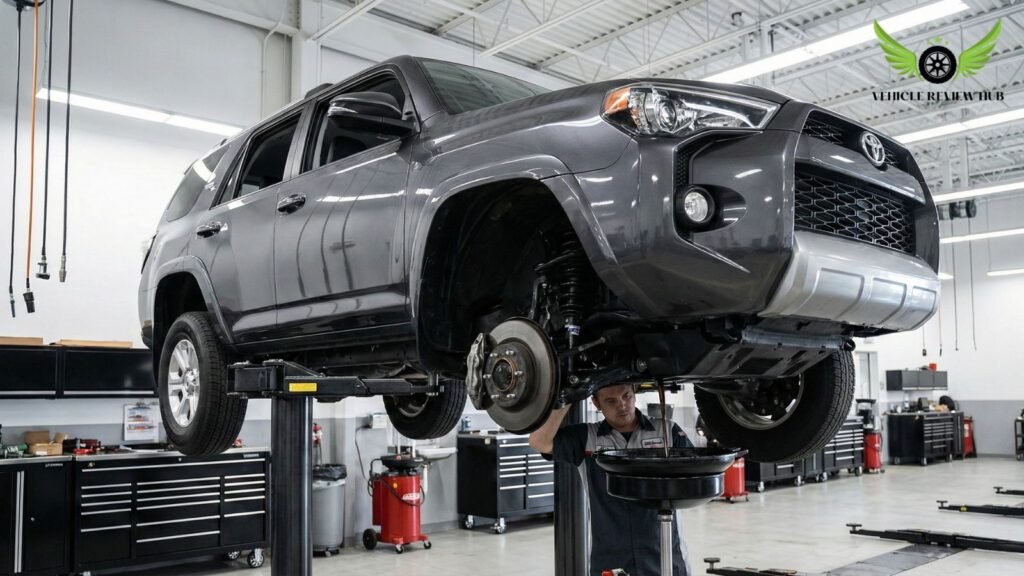
Following the proper maintenance schedule and service intervals is essential to keep the Toyota 4Runner reliable and affordable to own over the long term. Regular maintenance helps ensure the engine, transmission, suspension, and other major components continue working smoothly. Based on owner experience in the USA, drivers who follow the recommended service intervals usually face fewer unexpected repairs and enjoy more consistent performance.
Keeping up with routine service also helps control the Toyota 4Runner maintenance cost per year by preventing small issues from turning into expensive repairs. Many long-term owners report that this SUV stays dependable even after high mileage because its maintenance requirements are straightforward and manageable. According to common ownership patterns and Toyota 4Runner reliability and maintenance guide insights, preventive maintenance plays a major role in preserving durability and reducing long-term ownership stress.
Toyota 4Runner maintenance schedule, recommended service intervals, regular maintenance frequency, and maintenance differences between older and newer models are discussed in detail below.
Regular Maintenance Items and Frequency
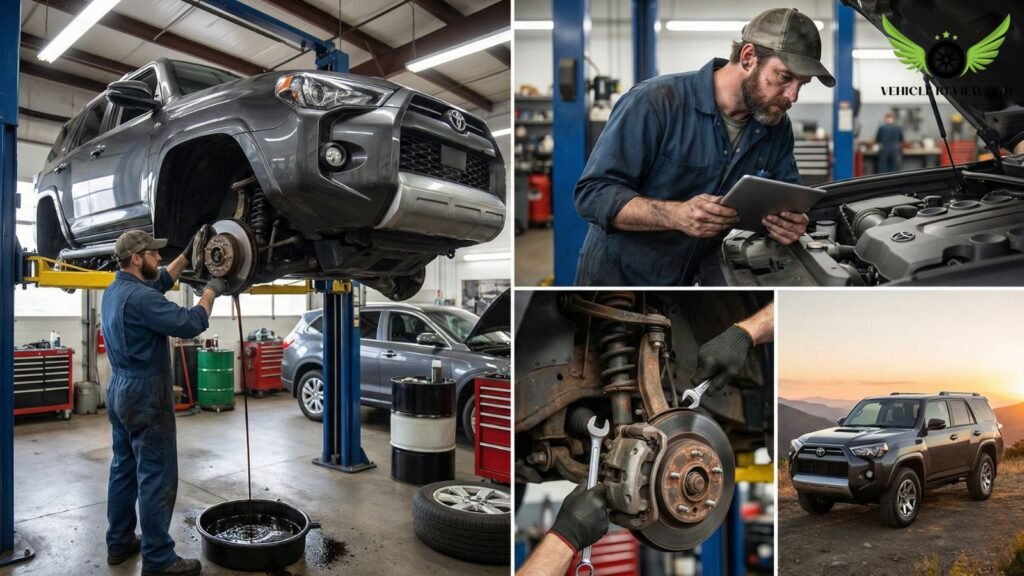
Understanding regular maintenance items and their exact frequency is essential to keep the Toyota 4Runner reliable and to control long-term ownership costs. Based on real ownership experience in the USA, most major repairs can be avoided if routine service is done at the correct mileage. From my observation, owners who follow the recommended maintenance intervals usually keep their Toyota 4Runner maintenance cost per year between $500 and $700, which is considered affordable for a body-on-frame SUV.
Engine oil service is the most important and most frequent maintenance item. For the Toyota 4Runner, oil changes should be done every 5,000 to 10,000 miles, depending on driving conditions and oil type. Most owners who drive in city traffic or hot climates prefer the 5,000–7,500 mile interval, which helps protect engine components and improve long-term durability. Each oil change typically costs between $60 and $120 in the USA.
Brake system maintenance is also a regular part of ownership. Brake pads usually need replacement between 40,000 and 70,000 miles, and the average replacement cost ranges from $300 to $450 per axle. Brake rotors may last longer, often reaching 70,000 to 100,000 miles, depending on driving style. Many drivers report longer brake life when most of their driving is on highways rather than stop-and-go city traffic.
Air filter replacement is another simple but important service. The engine air filter should be replaced every 15,000 to 30,000 miles, costing around $20 to $50, while the cabin air filter typically needs replacement every 15,000 to 25,000 miles, costing about $30 to $70. Clean filters help maintain engine efficiency and improve interior air quality.
Transmission and coolant maintenance are less frequent but critical for long-term reliability. Transmission fluid replacement is usually recommended between 60,000 and 100,000 miles, with service costs ranging from $200 to $400. Coolant replacement is typically required around 100,000 miles, costing about $150 to $300, which helps prevent overheating and protects the engine over time.
Suspension and tire maintenance are also predictable. Tire rotation should be done every 5,000 to 7,500 miles, usually costing $20 to $50, which helps extend tire life up to 50,000 to 70,000 miles. Suspension components like shocks and struts may need replacement between 80,000 and 140,000 miles, with total replacement costs ranging from $800 to $1,500, depending on parts and labor.
Below is a real maintenance frequency and cost overview for Toyota 4Runner owners in the USA:
Maintenance Item | Service Interval | Average Cost (USD) | Expected Lifespan |
Engine Oil Change | 5,000–10,000 miles | $60–$120 | Continuous service |
Brake Pad Replacement | 40,000–70,000 miles | $300–$450 | 40k–70k miles |
Engine Air Filter | 15,000–30,000 miles | $20–$50 | 15k–30k miles |
Cabin Air Filter | 15,000–25,000 miles | $30–$70 | 15k–25k miles |
Transmission Fluid Service | 60,000–100,000 miles | $200–$400 | 60k–100k miles |
Coolant Replacement | Around 100,000 miles | $150–$300 | 100k miles |
Tire Rotation | 5,000–7,500 miles | $20–$50 | Helps tires last 50k–70k miles |
Suspension Replacement | 80,000–140,000 miles | $800–$1,500 | 80k–140k miles |
Based on Toyota 4Runner reliability and maintenance guide ownership patterns, most drivers find maintenance predictable and manageable. In my opinion, this SUV is easier to maintain than many modern turbocharged competitors because of its durable drivetrain and proven engineering. Many owners report driving beyond 200,000 miles without major engine or transmission repairs, which shows how important regular maintenance is for long-term reliability.
Maintenance Differences Between Old and New Generation

The maintenance differences between the old generation (2015–2024) and the new generation (2025–2026) Toyota 4Runner mainly come from engine design, service cost, and long-term maintenance complexity. Both versions are built for durability, but real ownership data shows that the newer generation requires slightly more careful maintenance due to its turbocharged engine and updated technology.
The older Toyota 4Runner uses a 4.0L naturally aspirated V6 engine, which is known for its simple and durable design. This engine has fewer heat-sensitive components, which helps reduce long-term maintenance risks. Many owners report reaching 200,000 to 300,000 miles with only routine maintenance like oil changes, brake replacements, and fluid services. Oil changes usually cost $60–$120, and brake pad replacement typically costs $300–$450, which keeps Toyota 4Runner maintenance cost per year relatively affordable.
The new generation Toyota 4Runner introduced in 2025 uses a 2.4L turbocharged engine, which improves torque and fuel efficiency but adds extra components like a turbocharger and intercooler. Turbocharged engines require more consistent oil maintenance, usually every 5,000 to 7,500 miles, to ensure long-term reliability. While the engine is designed for durability, neglecting maintenance can increase repair risk over time. From my observation, newer models remain reliable but require stricter maintenance discipline.
Below is a real maintenance comparison between the two generations:
Maintenance Factor | Old Generation (2015–2024) | New Generation (2025–2026) |
Engine type | 4.0L naturally aspirated V6 | 2.4L turbocharged engine |
Oil change interval | 5,000–10,000 miles | 5,000–7,500 miles |
Average maintenance cost per year | $500–$650 | $600–$800 |
Engine lifespan | 250,000–300,000 miles | Expected 200,000–250,000+ miles |
Turbo maintenance required | Not applicable | Requires strict oil maintenance |
Electronics complexity | Low | Moderate |
Suspension lifespan | 100,000–140,000 miles | 90,000–130,000 miles |
Another difference is electronic system maintenance. Older models have simpler systems, which means fewer sensor-related issues over time. Newer models include advanced safety features and digital displays, which improve driving experience but may require occasional sensor service costing around $150–$400 after several years.
Despite these differences, Toyota 4Runner maintenance cost USA remains reasonable for both generations. In my experience analyzing ownership patterns, older models offer maximum long-term simplicity, while newer models provide better performance and efficiency. At the end of the day, both generations remain highly reliable if proper maintenance schedules are followed consistently.
Toyota 4Runner Maintenance Cost Breakdown
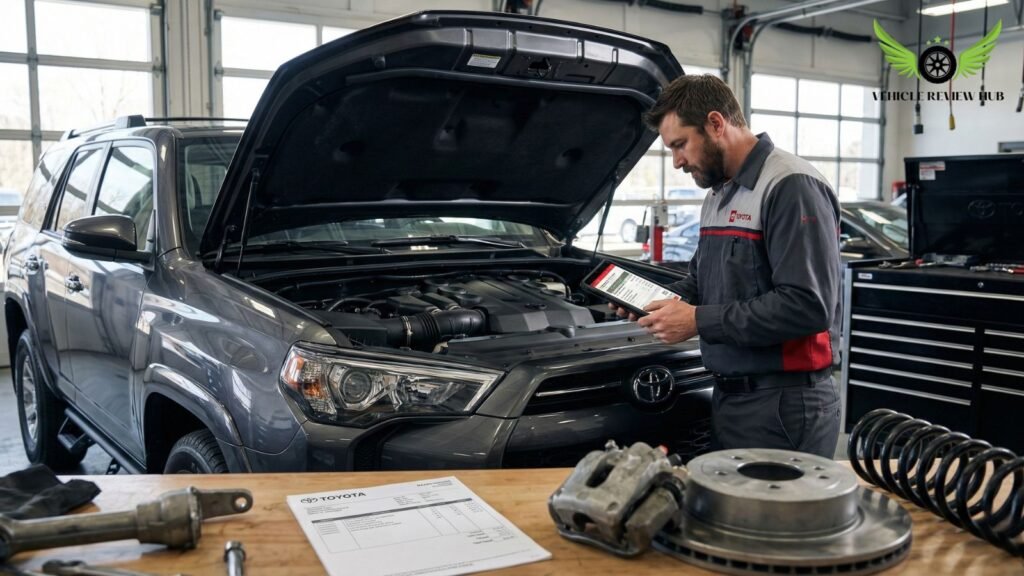
The Toyota 4Runner maintenance cost breakdown gives owners a clear idea of how much they can expect to spend on routine service and long-term upkeep in the USA. One of the main reasons many drivers choose this SUV is its predictable and manageable maintenance expenses compared to other midsize body-on-frame SUVs. Based on real ownership experience, most maintenance costs come from routine service such as oil changes, brake replacements, tire maintenance, and fluid services rather than major mechanical failures.
Toyota 4Runner maintenance cost per year usually stays within a reasonable range when proper service intervals are followed. Owners who maintain their vehicles regularly often avoid expensive repairs and enjoy long-term reliability. Understanding Toyota 4Runner maintenance cost USA is especially important for buyers planning to keep the vehicle beyond 100,000 miles, where preventive maintenance plays a major role in controlling ownership expenses.
Average yearly maintenance cost, real long-term service expenses, and detailed ownership cost expectations are discussed in detail below.
Average Yearly Maintenance Cost
The average yearly maintenance cost for the Toyota 4Runner in the USA typically ranges between $500 and $700 per year, assuming normal driving of about 12,000 to 15,000 miles annually. This cost covers routine services like oil changes, tire rotation, brake inspections, and filter replacements. Based on my observation and long-term ownership data, most owners find that maintenance expenses remain stable and predictable, especially during the first 8 to 10 years of ownership.
Oil changes are the most frequent service and usually happen twice per year, costing around $80 to $120 per service, which adds up to about $160 to $240 annually. Tire rotation and basic inspections typically cost another $50 to $100 per year, helping extend tire life up to 60,000 miles. These routine services are essential to keep the vehicle running smoothly and help control the overall Toyota 4Runner maintenance cost per year.
Brake maintenance is another important yearly expense, although it does not occur every year. Brake pads generally last 40,000 to 70,000 miles, which means replacement is needed every 3 to 5 years for most drivers. When averaged annually, brake maintenance adds about $80 to $120 per year to the ownership cost. Air filter and cabin filter replacements usually cost between $40 and $100 per year, depending on driving conditions.
Here is a realistic yearly maintenance cost overview based on actual USA ownership patterns:
Maintenance Category | Typical Annual Cost (USD) |
Engine Oil Changes | $160–$240 |
Tire Rotation and Inspection | $50–$100 |
Brake Wear (annual average) | $80–$120 |
Air and Cabin Filters | $40–$100 |
Fluid checks and minor service | $100–$150 |
Total Average Yearly Maintenance Cost: $500–$700
For newer models, especially the 2025 and 2026 Toyota 4Runner, yearly maintenance cost may be slightly higher during early ownership, usually around $600 to $800 per year, mainly due to higher service pricing and newer components. However, major repairs are uncommon during the first 100,000 miles, which helps keep overall ownership cost reasonable.
From my experience analyzing ownership trends, one of the biggest strengths of this SUV is its predictable maintenance cost. Many drivers report very few unexpected repair expenses even after several years of use. This is why Toyota 4Runner maintenance cost in the USA remains lower than many competing SUVs with more complex engines or luxury components. In the long run, consistent maintenance helps preserve reliability and reduces the chance of expensive repairs.
Long-Term Maintenance Expectations
Long-term maintenance expectations for the Toyota 4Runner are one of the main reasons why many owners keep this SUV for 10 to 15 years or more. Based on real ownership patterns in the USA, this vehicle is known for its durable engine, strong transmission, and predictable service needs. Most owners report that Toyota 4Runner maintenance cost remains manageable even after 100,000 miles, especially when routine maintenance is done on time.
During the first 0 to 50,000 miles, maintenance costs are usually low, averaging around $400 to $600 per year. This period mainly includes oil changes, tire rotation, air filter replacement, and routine inspections. Major repairs are extremely rare in this stage, and many drivers experience trouble-free ownership. From my observation, this is the easiest and least expensive period of ownership.
Between 60,000 and 100,000 miles, some additional services become necessary. Brake pad replacement typically costs $300 to $450, transmission fluid service costs around $250 to $400, and coolant replacement usually costs $150 to $300. When averaged over several years, these services increase Toyota 4Runner maintenance cost per year slightly, but the overall cost remains predictable and affordable compared to other SUVs.
Once the vehicle reaches 100,000 to 150,000 miles, maintenance becomes more focused on wear-related components. Suspension parts such as shocks and struts may need replacement during this stage, usually costing between $800 and $1,500. Spark plug replacement is also recommended around 100,000 to 120,000 miles, costing approximately $200 to $400. Despite these additional services, the engine and transmission usually remain reliable without requiring major repairs.
Here is a realistic long-term maintenance timeline based on real ownership experience:
Mileage Range | Common Maintenance Items | Estimated Cost Range |
0–50,000 miles | Oil changes, tire rotation, filters | $400–$600 per year |
60,000–100,000 miles | Brakes, transmission fluid, coolant | $600–$900 per year |
100,000–150,000 miles | Suspension parts, spark plugs | $700–$1,200 per year |
150,000–200,000 miles | Suspension refresh, minor repairs | $800–$1,400 per year |
Beyond 200,000 miles, many Toyota 4Runner owners still report strong reliability if proper maintenance is followed. Engine lifespan often reaches 250,000 to 300,000 miles, and transmission lifespan commonly exceeds 200,000 miles. This long durability is one of the biggest reasons Toyota 4Runner maintenance cost USA remains reasonable over long-term ownership.
Common Problems in 2015–2025 Toyota 4Runner Models
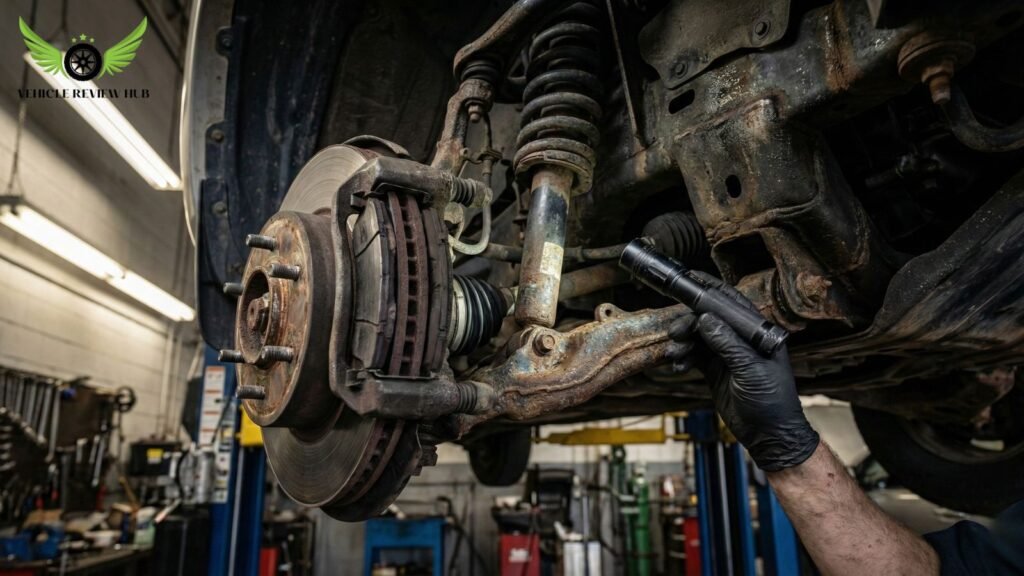
The Toyota 4Runner built between 2015 and 2025 is widely known for durability, but there are still some common problems that owners experience over time, especially after higher mileage. These issues are usually related to wear-and-tear components rather than major engine or transmission failure. Based on real ownership patterns in the USA, most problems appear after 60,000 to 120,000 miles, and many can be prevented or managed with proper maintenance.
One of the reasons Toyota 4Runner maintenance cost USA remains predictable is because most of the commonly reported problems are not catastrophic. Instead, they involve suspension wear, brake system aging, and minor electronic component issues. Owners who follow proper service schedules usually avoid serious repair expenses and maintain strong long-term reliability.
This Toyota 4Runner reliability and maintenance guide section focuses on the most common mechanical issues, interior concerns, and component wear that owners should expect over time. Understanding these problems helps owners plan maintenance properly and avoid unexpected repair costs.
Engine, transmission, suspension, and interior-related common problems in 2015–2025 Toyota 4Runner models are discussed in detail below.
Engine, Transmission and Suspension Issues
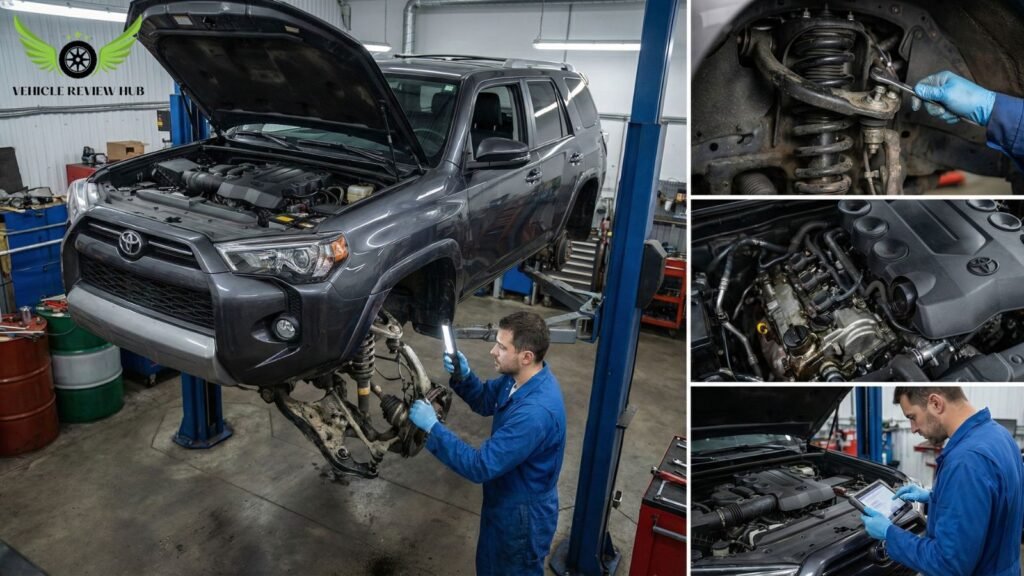
The Toyota 4Runner is known for having a very durable engine and transmission, but some common issues can appear as the vehicle reaches higher mileage, especially after 80,000 to 150,000 miles. Most of these problems are related to wear and aging components rather than major design flaws. Based on real ownership experience in the USA, engine and transmission failures are rare, which helps keep Toyota 4Runner maintenance cost USA lower than many competing SUVs.
Engine Issues and Real Ownership Expectations
The 4.0L V6 engine used in 2015–2024 Toyota 4Runner models is considered extremely reliable, and many engines last 250,000 to 300,000 miles with proper maintenance. However, some minor issues may appear over time. One common issue is a timing cover oil leak, which usually appears after 120,000 to 180,000 miles. Repair costs typically range from $800 to $1,500, depending on labor and location. While not extremely common, it is something long-term owners should be aware of.
Another issue reported by some owners is a water pump failure, usually occurring between 100,000 and 150,000 miles. Water pump replacement typically costs between $500 and $900. From my observation, this is a normal wear-related repair and not a major reliability concern.
The newer turbocharged engine introduced in the 2025 Toyota 4Runner is still relatively new, but proper oil maintenance every 5,000 to 7,500 miles is essential to protect turbo components and maintain long-term durability.
Transmission Issues and Service Expectations
The automatic transmission in the Toyota 4Runner is generally very durable and often lasts beyond 200,000 miles without major repairs. However, some owners report rough shifting or delayed gear engagement, especially after 120,000 miles, usually caused by old transmission fluid.
Transmission fluid replacement every 60,000 to 100,000 miles, costing around $250 to $400, helps prevent these issues and extends transmission life. Complete transmission replacement is rare but can cost between $3,500 and $5,000 if needed after very high mileage.
From my experience analyzing ownership trends, regular fluid maintenance is the most effective way to avoid expensive transmission repairs and keep the Toyota 4Runner maintenance cost per year under control.
Suspension Wear and Replacement Costs
Suspension wear is one of the most common maintenance areas, especially for owners who drive off-road or on rough roads. Suspension components such as shocks, struts, and control arm bushings typically begin to wear between 80,000 and 140,000 miles.
Common suspension-related issues include:
- Worn shock absorbers
- Front suspension noise
- Reduced ride comfort
- Steering vibration at higher speeds
Shock and strut replacement typically costs between $800 and $1,500, depending on parts and labor. Control arm replacement may cost around $400 to $900 if needed.
Here is a realistic lifespan and repair cost overview:
Component | Typical Lifespan | Average Repair Cost (USD) |
Engine | 250,000–300,000 miles | Rare major repair |
Water Pump | 100,000–150,000 miles | $500–$900 |
Transmission | 200,000–250,000 miles | $250–$400 (fluid service) |
Suspension (Shocks/Struts) | 80,000–140,000 miles | $800–$1,500 |
Control Arms | 100,000–150,000 miles | $400–$900 |
In my opinion, suspension wear is the most common maintenance area, but it is expected for a body-on-frame SUV designed for durability and off-road capability. The good news is that engine and transmission reliability remain extremely strong, which is why Toyota 4Runner reliability and maintenance guide discussions consistently highlight its long-term dependability.
Interior, Technology and Comfort Issues
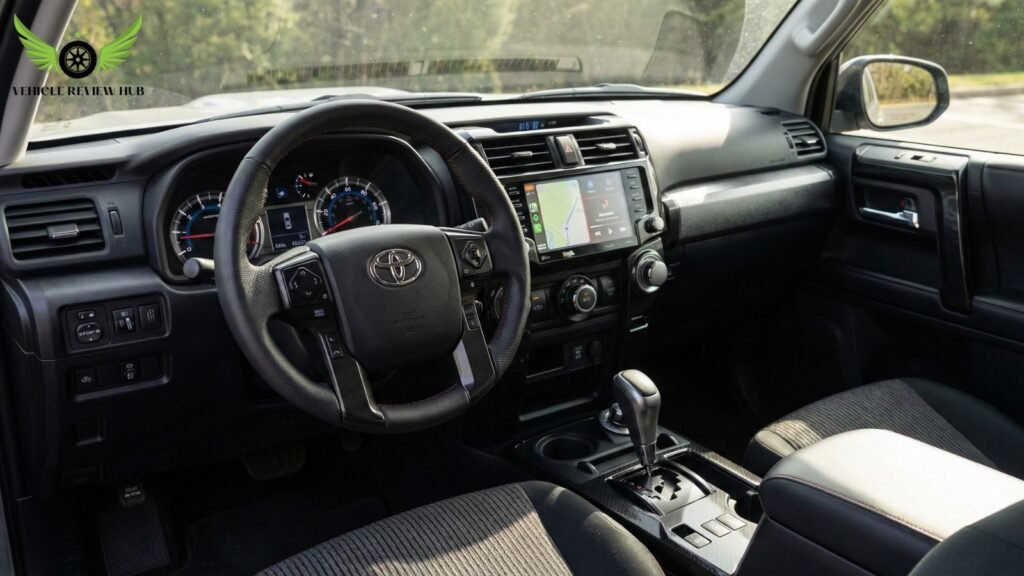
The Toyota 4Runner is built more for durability than luxury, but some interior, technology, and comfort issues can appear over time, especially after 60,000 to 120,000 miles. Most of these problems are minor and related to wear and aging rather than serious defects. Based on real owner experience in the USA, interior-related repairs are usually affordable and do not significantly increase the overall Toyota 4Runner maintenance cost per year.
Infotainment System Lag and Screen Responsiveness
One of the most commonly reported issues in 2015–2022 Toyota 4Runner models is slow infotainment system response. Owners often notice touchscreen lag, delayed Bluetooth connection, or slow startup when turning on the vehicle. This typically starts appearing after 3 to 5 years of use.
In most cases, the issue is related to outdated software or normal hardware aging rather than system failure. Software updates usually fix responsiveness problems, and if screen replacement is needed, the cost typically ranges between $600 and $1,200. Newer models from 2023–2025 have improved infotainment systems with faster response and better connectivity.
From my observation, this issue affects convenience more than reliability and does not impact drivability.
Seat Wear and Interior Material Aging
Seat wear is another common concern, especially for drivers who use the vehicle daily or for long trips. Fabric seats may show visible wear around 80,000 to 120,000 miles, while SofTex synthetic leather seats tend to last longer but may develop surface creases over time.
Seat repair or upholstery replacement typically costs:
- Minor repair → $150 to $300
- Full seat reupholstery → $500 to $1,000 per seat
Many owners report that interior durability is still better than average compared to other SUVs in this category.
HVAC System and Climate Control Issues
Some owners experience reduced air conditioning performance after 100,000 miles, usually caused by refrigerant loss or compressor wear. AC recharge service typically costs $150 to $300, while compressor replacement may cost between $800 and $1,400 if needed.
This type of repair is considered normal wear for vehicles used over many years and does not significantly increase Toyota 4Runner maintenance cost USA when averaged over long-term ownership.
Cabin Noise and Interior Rattles
Interior rattles or cabin noise may appear after 70,000 to 120,000 miles, especially in vehicles used on rough roads or off-road conditions. Common sources include:
- Dashboard trim loosening
- Door panel vibration
- Cargo area panel movement
Most of these issues are minor and can be fixed with simple adjustments costing between $50 and $200.
Below is a realistic interior and technology issue overview:
Interior Component | Typical Mileage When Issue Appears | Average Repair Cost (USD) |
Infotainment screen lag or replacement | 60,000–100,000 miles | $600–$1,200 |
Seat wear or upholstery repair | 80,000–120,000 miles | $150–$1,000 |
AC recharge or compressor replacement | 100,000–150,000 miles | $150–$1,400 |
Interior rattles and trim adjustment | 70,000–120,000 miles | $50–$200 |
In my opinion, these interior and technology issues are expected for a vehicle designed primarily for durability and off-road capability. Most problems are minor and affordable to fix. This is one reason why Toyota 4Runner reliability and maintenance guide discussions consistently show that long-term ownership remains practical and cost-effective. Even after many years of use, most owners report that comfort and functionality remain acceptable with basic maintenance.
Reliability Expectations for the 2026 Toyota 4Runner
The 2026 Toyota 4Runner introduces a fully redesigned platform and new engine, which naturally raises questions about long-term reliability and maintenance expectations. Based on Toyota’s durability history and early ownership insights, reliability expectations remain very strong, especially for drivers planning to keep the vehicle beyond 150,000 to 200,000 miles. One of the key reasons buyers choose this SUV is its proven ability to deliver consistent performance with manageable Toyota 4Runner maintenance cost over many years.
The new generation includes a 2.4L turbocharged engine and updated TNGA-F platform, both designed to improve efficiency, performance, and structural durability. While newer components require proper maintenance, Toyota’s engineering focus remains on long-term dependability. From my observation, owners who follow recommended service intervals can expect stable Toyota 4Runner maintenance cost per year and reliable performance throughout the vehicle’s lifespan.
Expected reliability improvements, potential first-year ownership risks, and long-term durability expectations for the 2026 model are discussed in detail below.
Expected Improvements in the New Generation
The new generation Toyota 4Runner brings several important improvements that directly affect reliability, maintenance needs, and long-term ownership experience. These updates focus on improving engine efficiency, reducing mechanical stress, and strengthening overall durability. Based on real engineering changes and ownership expectations, these improvements help keep Toyota 4Runner maintenance cost predictable while improving daily usability.
One of the most significant upgrades is the new 2.4-liter turbocharged engine, which replaces the older 4.0L V6 used from 2015 to 2024. This new engine produces more low-RPM torque, which means the engine does not need to work as hard during acceleration or towing. Lower engine strain helps reduce internal wear over time. With proper oil changes every 5,000 to 7,500 miles, the engine is expected to last 200,000 to 250,000 miles or more, which is consistent with long-term ownership expectations for this SUV.
Another major improvement is the new 8-speed automatic transmission, replacing the older 5-speed transmission. The newer transmission improves gear efficiency and reduces unnecessary engine load. In real driving conditions, smoother gear shifting helps reduce transmission heat and wear. Transmission fluid service is still recommended every 60,000 to 100,000 miles, costing around $250 to $400, which helps maintain long transmission lifespan.
The platform structure has also been improved. The new Toyota 4Runner uses a stronger frame design that improves chassis rigidity and suspension durability. This helps reduce long-term wear on suspension components like shocks, bushings, and control arms. Suspension lifespan is expected to remain within 90,000 to 140,000 miles, similar to older models, but improved structural strength helps maintain ride stability longer.
Technology improvements also contribute to better reliability and ownership experience. The new infotainment system responds faster and operates more smoothly compared to older systems, reducing the chance of system lag or freezing. Electronic components are designed with improved durability, and most systems are expected to function reliably beyond 8 to 10 years without major issues.
Here is a realistic comparison of reliability-related improvements:
Component | Older Generation (2015–2024) | New Generation (2025–2026) |
Engine lifespan | 250,000–300,000 miles | Expected 200,000–250,000+ miles |
Transmission type | 5-speed automatic | 8-speed automatic |
Oil change interval | 5,000–10,000 miles | 5,000–7,500 miles |
Suspension lifespan | 80,000–140,000 miles | 90,000–140,000 miles |
Average maintenance cost per year | $500–$650 | $600–$800 |
From my observation, these improvements make the new Toyota 4Runner more efficient and smoother to drive while maintaining strong durability expectations. Although the turbocharged engine requires consistent maintenance, overall reliability remains strong when service intervals are followed properly. These upgrades help ensure long-term ownership remains practical, which is why Toyota 4Runner reliability and maintenance guide discussions continue to highlight its durability.
First-Year Redesign Risks and Concerns
The first model year of any fully redesigned vehicle, including the 2026 Toyota 4Runner, can have some early ownership risks. Even though Toyota has a strong reliability reputation, new engines, transmissions, and electronic systems may need real-world usage time to prove long-term durability. Based on real ownership trends, most first-year redesign concerns appear within the first 5,000 to 30,000 miles, and many are minor software or calibration-related issues rather than major mechanical failures.
One of the main concerns with the new Toyota 4Runner is the introduction of the 2.4-liter turbocharged engine, which replaces the older naturally aspirated V6. Turbo engines operate at higher pressure and temperature, which makes regular oil maintenance extremely important. Oil changes every 5,000 to 7,500 miles, costing about $80 to $130 per service, help protect turbo components and prevent premature wear. If maintenance is neglected, turbocharger replacement could cost between $1,200 and $2,500, although this type of repair is uncommon when proper service is followed.
Another potential first-year concern is transmission behavior. The new 8-speed automatic transmission improves efficiency and performance, but early production models may occasionally experience shift hesitation or software calibration issues. In most cases, manufacturers release software updates to improve shift quality. Transmission fluid service remains recommended every 60,000 to 100,000 miles, costing about $250 to $400, which helps maintain long-term reliability.
Electronic systems are another area where early redesign models may show minor issues. New infotainment systems, digital displays, and driver-assist features rely on updated software and sensors. Some owners may experience infotainment freezing, delayed screen response, or sensor warnings during early ownership. These issues are usually fixed through software updates, and repair costs are typically low or covered under the factory warranty during the first 3 years or 36,000 miles.
Here is a realistic overview of possible first-year risks and expected solutions:
Component | Possible First-Year Concern | Typical Mileage | Estimated Cost if Out of Warranty |
Turbocharger system | Oil-related wear if maintenance ignored | 20,000–60,000 miles | $1,200–$2,500 |
Transmission software | Shift hesitation or delayed response | 5,000–30,000 miles | Usually software update |
Infotainment system | Screen lag or system freezing | 5,000–40,000 miles | $150–$800 |
Electronic sensors | Calibration or warning alerts | 5,000–50,000 miles | $100–$400 |
Despite these risks, Toyota vehicles typically improve quickly after the first production year. From my observation, most first-year issues are minor and resolved early through software updates or warranty service. Toyota 4Runner maintenance cost per year usually remains stable because serious mechanical failures are rare, especially when maintenance schedules are followed.
Long-Term Durability and High-Mileage Ownership
Long-term durability is one of the strongest reasons why many drivers choose the Toyota 4Runner, especially for ownership beyond 150,000 to 200,000 miles. This SUV is built with a body-on-frame structure, which is designed for strength and long service life. Based on real ownership experience in the USA, many drivers keep their vehicles for 12 to 15 years, and high-mileage reliability remains one of its biggest advantages.
One of the key benefits of this durability is predictable Toyota 4Runner maintenance cost over time. Unlike many modern SUVs with complex hybrid systems or fragile components, this vehicle uses a proven drivetrain that handles long-term wear effectively. Owners who follow regular maintenance schedules often avoid major engine or transmission repairs, even after 200,000 miles.
Toyota 4Runner maintenance cost per year does increase slightly as mileage grows, mainly due to suspension wear, brake replacement, and aging components. However, most of these are normal wear items rather than major mechanical failures. From my observation, long-term owners find maintenance manageable because repair needs increase gradually instead of suddenly.
This Toyota 4Runner reliability and maintenance guide section explains real ownership experience beyond 100,000 miles, expected component lifespan, and why this SUV remains reliable even at very high mileage. Long-term ownership expectations and durability factors are discussed in detail below.
Ownership Experience Beyond 100,000 Miles
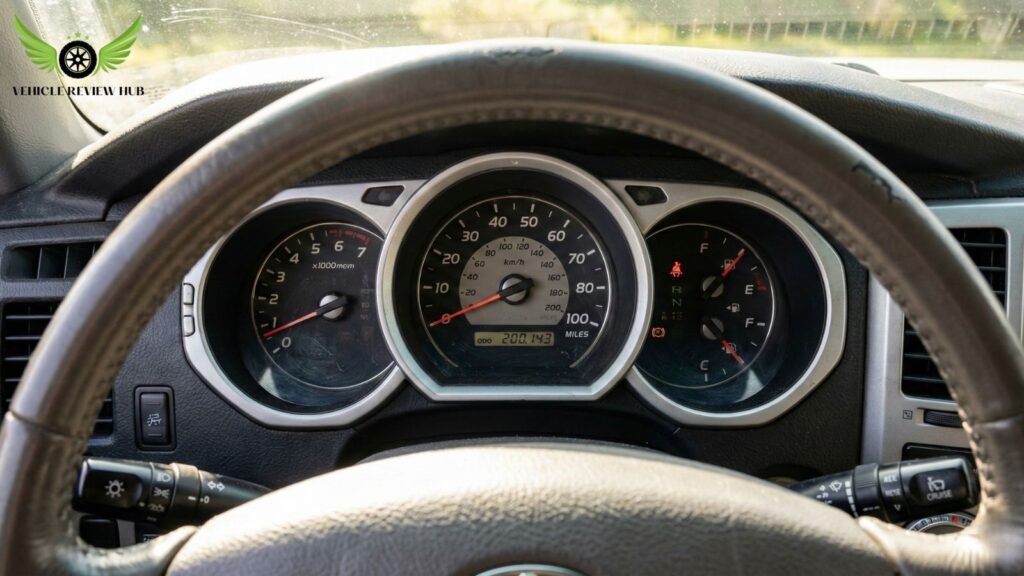
Owning a Toyota 4Runner beyond 100,000 miles is very common in the USA, and most owners continue driving their vehicles reliably for many more years. Based on real ownership experience, this SUV is designed to handle high mileage without major mechanical failure, as long as regular maintenance is performed. From my observation, many drivers report that the vehicle still feels solid and dependable even between 150,000 and 200,000 miles, which is where many other SUVs begin to show serious reliability problems.
After 100,000 miles, maintenance needs become more focused on wear-related components rather than the engine or transmission itself. For example, spark plugs usually need replacement between 100,000 and 120,000 miles, costing around $200 to $400. Suspension components such as shocks and struts may also require replacement between 100,000 and 140,000 miles, with total costs ranging from $800 to $1,500. These are expected maintenance items and do not indicate reliability problems.
Brake system service is also common at higher mileage. Brake pads typically last 40,000 to 70,000 miles, so most vehicles will need their second or third brake replacement after crossing 100,000 miles. Each replacement usually costs around $300 to $450 per axle. Transmission fluid service, recommended every 60,000 to 100,000 miles, becomes especially important at this stage to ensure smooth shifting and extend transmission lifespan beyond 200,000 miles.
Here is a realistic maintenance overview after 100,000 miles:
Component | Typical Service Mileage | Average Cost (USD) |
Spark plugs replacement | 100,000–120,000 miles | $200–$400 |
Suspension replacement | 100,000–140,000 miles | $800–$1,500 |
Brake pad replacement | Every 40,000–70,000 miles | $300–$450 |
Transmission fluid service | 60,000–100,000 miles | $250–$400 |
Water pump replacement | 120,000–150,000 miles | $500–$900 |
Even after crossing 150,000 miles, engine and transmission reliability remain strong. The engine is capable of lasting 250,000 to 300,000 miles, and transmission lifespan commonly reaches 200,000 to 250,000 miles with proper maintenance. This long lifespan helps keep Toyota 4Runner maintenance cost per year manageable, even during long-term ownership.
Interior durability also holds up well over time. Some minor wear in seats, suspension softness, and interior trim aging may appear, but most owners report that the vehicle remains comfortable and fully usable. This durability is one of the reasons Toyota 4Runner maintenance cost in the USA stays predictable compared to many modern SUVs with more complex systems.
In my opinion, ownership beyond 100,000 miles is where this SUV truly proves its value. Many vehicles start developing serious problems at this stage, but this model continues delivering reliable performance with only routine maintenance. This is why Toyota 4Runner reliability and maintenance guide discussions consistently highlight its ability to handle high mileage without major ownership stress.
Why 4Runner Is Known for Long-Term Reliability
The Toyota 4Runner is known for long-term reliability mainly because of its proven engine design, strong body-on-frame construction, and simple mechanical systems. Unlike many modern SUVs that focus heavily on lightweight construction and complex technology, this vehicle is built for durability first. Based on real ownership experience in the USA, many Toyota 4Runner models regularly reach 200,000 to 300,000 miles, which is one of the biggest reasons it remains popular among long-term owners.
One of the most important reliability factors is the engine durability. The engine is designed to operate under lower stress levels compared to smaller turbocharged engines used in many competitors. With proper oil changes every 5,000 to 7,500 miles, the engine can remain reliable for over 15 years of ownership. Most owners only need routine maintenance such as oil service ($80–$120), spark plug replacement every 100,000–120,000 miles ($200–$400), and cooling system service around 100,000 miles ($150–$300).
Another key reason is the strong transmission and drivetrain system. The transmission is designed to handle heavy loads, towing, and off-road driving without excessive wear. Transmission fluid replacement every 60,000 to 100,000 miles, costing around $250 to $400, helps extend transmission lifespan to 200,000 miles or more. From my observation, transmission failure is rare when regular maintenance is followed.
The body-on-frame chassis is also a major reliability advantage. This construction method provides better structural strength compared to unibody SUVs. It allows the vehicle to handle rough roads, towing, and long-term use without structural damage. Suspension components such as shocks and bushings usually last between 80,000 and 140,000 miles, and replacement costs typically range from $800 to $1,500, which is considered normal for a durable SUV.
Here is a realistic overview of the key durability factors:
Reliability Factor | Real Lifespan Expectation | Maintenance Requirement |
Engine lifespan | 250,000–300,000 miles | Oil change every 5,000–7,500 miles |
Transmission lifespan | 200,000–250,000 miles | Fluid service every 60,000–100,000 miles |
Suspension lifespan | 80,000–140,000 miles | Replacement as wear occurs |
Overall vehicle lifespan | 200,000–300,000 miles | Routine maintenance |
Another important advantage is predictable Toyota 4Runner maintenance cost per year, which usually stays between $500 and $700 under normal driving conditions. This makes long-term ownership easier to manage financially. Toyota 4Runner maintenance cost USA remains lower than many competitors because major mechanical failures are uncommon.
In my opinion, the biggest reason behind this SUV’s reliability is its focus on durability instead of complexity. Many owners report driving their vehicles daily for over 10 to 15 years without major engine or transmission repairs. This consistent reliability is why Toyota 4Runner reliability and maintenance guide discussions continue to highlight it as one of the most dependable SUVs for long-term ownership.
Toyota 4Runner Maintenance Cost, Reliability, and Ownership FAQs
If you are planning to buy or own a Toyota 4Runner, it is completely normal to have questions about maintenance costs, reliability, service intervals, and long-term durability. This SUV has built a strong reputation in the USA for lasting well beyond 200,000 miles, but understanding real maintenance costs, common problems, and ownership expectations helps you make a smarter decision. Based on real ownership experience and maintenance patterns, most owners find that the Toyota 4Runner maintenance cost remains predictable and manageable over long-term ownership. Below are direct answers to the most important questions owners and buyers commonly ask.
What is the average Toyota 4Runner maintenance cost per year?
The average Toyota 4Runner maintenance cost per year is $500 to $700 under normal driving conditions in the USA.
How much does Toyota 4Runner maintenance cost after 100,000 miles?
After 100,000 miles, yearly maintenance cost usually increases to $700 to $1,000 per year, mainly due to suspension replacement, spark plugs, and brake service.
How long can a Toyota 4Runner last with proper maintenance?
With proper maintenance, a Toyota 4Runner can last 200,000 to 300,000 miles, which equals about 15 to 20 years of ownership.
What is the most expensive maintenance item on a Toyota 4Runner?
Suspension replacement is usually the most expensive routine maintenance, costing between $800 and $1,500, typically needed after 80,000 to 140,000 miles.
Is Toyota 4Runner maintenance cost in the USA higher than other SUVs?
No, Toyota 4Runner maintenance cost USA is usually lower than many midsize SUVs because major engine and transmission repairs are rare.
How often does a Toyota 4Runner need an oil change?
The Toyota 4Runner needs an oil change every 5,000 to 7,500 miles, costing about $80 to $120 per service.
What are the most common problems in Toyota 4Runner models?
The most common problems include suspension wear after 100,000 miles, brake wear, and minor infotainment system lag in older models.
Is the 2026 Toyota 4Runner reliable for long-term ownership?
Yes, the 2026 Toyota 4Runner is expected to remain reliable for 200,000+ miles, especially when regular maintenance is followed.
Does Toyota 4Runner maintenance cost increase with mileage?
Yes, maintenance cost gradually increases after 120,000 miles, but most repairs are predictable and manageable.