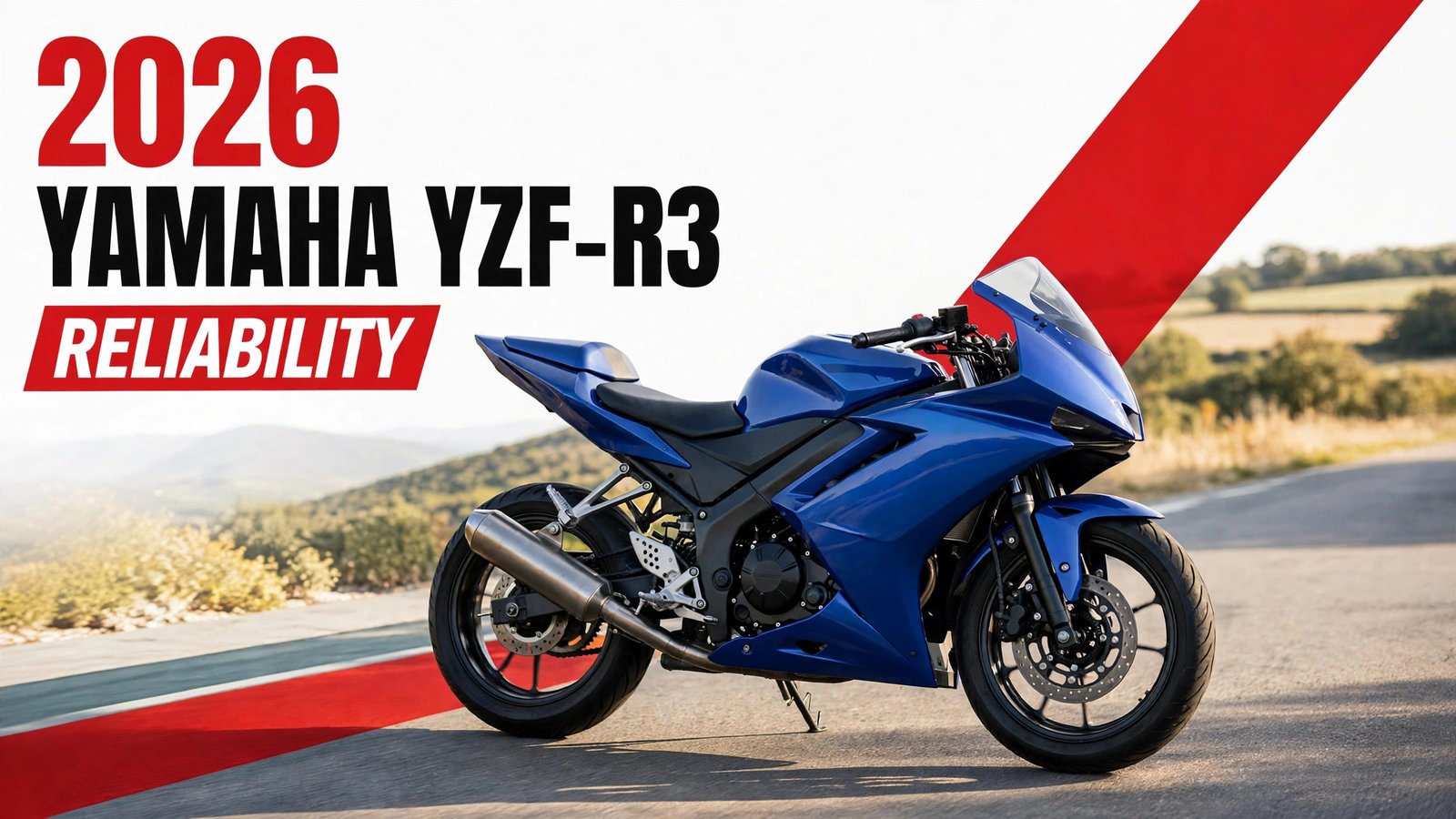
Is the Yamaha YZF-R3 a motorcycle you can depend on for years, or will it spend more time in the workshop than on the road? The short answer is reassuring: Yamaha YZF-R3 reliability looks strong on the evidence available today. The 321cc parallel twin behind Yamaha YZF-R3 reliability has been in production since 2015, and owner feedback shows no widespread pattern of major engine failure on later models. The familiar 2026 model carries that same proven platform forward, so this guide separates what is proven from what is still unknown.
Below: the maintenance schedule from the R3’s own owner’s manual, real intervals for oil, chain, valves and fluids, owner-reported issues, recall history by model year, and a step-by-step VIN recall check. Keep up with the schedule, and Yamaha YZF-R3 reliability should be the least stressful part of ownership.
Is the Yamaha YZF-R3 Reliable?
The fundamentals behind Yamaha YZF-R3 reliability are well proven, because the 321cc twin and much of the running gear have been refined across a decade of production — but the 2026 model year has no long-term record yet, and the earliest model years carry a recall history every buyer should know.
What Independent Reviews and Owner Reports Tell Us
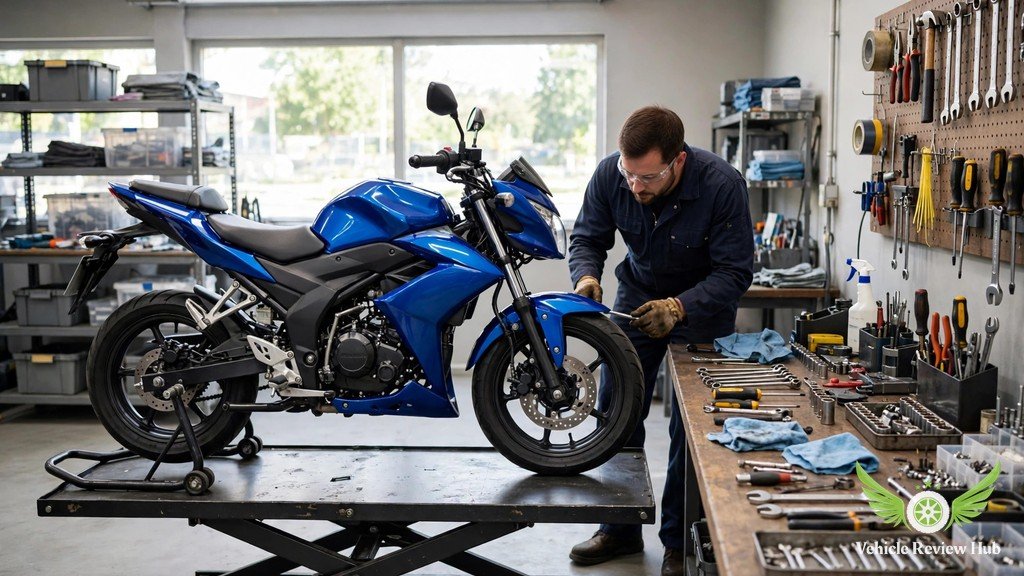
The strongest evidence for Yamaha YZF-R3 reliability is the engine itself: the 321cc liquid-cooled DOHC parallel twin, with its 180-degree crankshaft and 11.2:1 compression ratio, has been the R3’s only engine since 2015. Independent reviews consistently describe the R3 as a friendly, durable beginner sportbike, and aggregated owner feedback points the same way on Yamaha YZF-R3 reliability: riders praise the light clutch, forgiving power delivery and low running costs, with no widely reported pattern of engine failure or major breakdowns on post-2019 bikes.
An honest account of Yamaha YZF-R3 reliability has to name the recurring themes. The most reported issues cluster on the earliest bikes: coolant leaks, clutch and shifting complaints, fuel-tank vibration on 2015–2016 models, and ignition-switch failures that could stall the engine while riding. Those early problems led to several factory recalls, covered in detail below, and they are far less prominent in owner reports for the redesigned 2019-and-later bikes. On later models, complaints center on comfort rather than breakdowns: a firm seat, soft suspension for heavier riders, and vibration at sustained highway revs — characteristics of a lightweight twin, not signs of failing Yamaha YZF-R3 reliability.
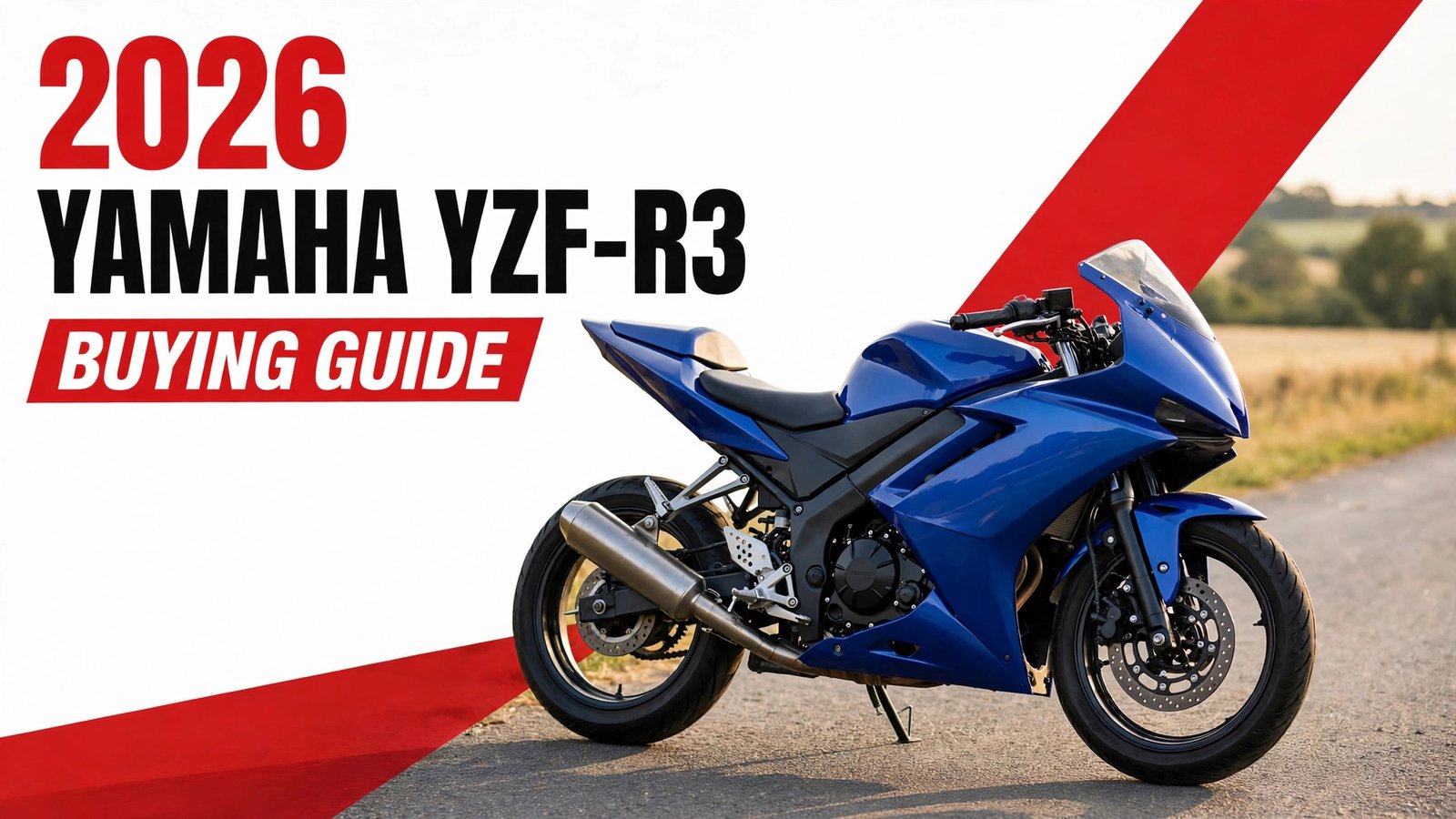
Yamaha lists the 2026 bike at $5,499, with a 373-pound wet weight, a 30.7-inch seat height, a 3.7-gallon tank and an estimated 56 mpg, all confirmed on Total Motorcycle’s 2026 Yamaha YZF-R3 specifications page. That simplicity is part of why Yamaha YZF-R3 reliability holds up so well in owner reports.
What Is Known About Long-Term Reliability?
Honestly stated: the 2026 model has no long-term record yet, and that gap matters when assessing Yamaha YZF-R3 reliability. The 2026 R3 is not a new motorcycle underneath, though — it carries over the same 321cc engine, steel diamond-type frame and running gear Yamaha has sold for years, with changes limited mainly to colors and a 70th Anniversary Edition. That cuts in the buyer’s favor for Yamaha YZF-R3 reliability: the 2026 bike’s mechanical parts already have a decade of owner use behind them.
A carried-over platform is no guarantee for any individual bike, and long-term Yamaha YZF-R3 reliability still depends on how the bike was treated: a high-revving twin ridden hard at track days wears faster than a commuter. Buyers who want maximum certainty should look for a bike with a documented service history — the strongest single proof of Yamaha YZF-R3 reliability on a used bike — and Yamaha’s one-year limited warranty means most used R3s are out of warranty, so their condition rests entirely on maintenance history. The 2026 R3’s full review covers price, specs and everyday riding in detail.
Yamaha YZF-R3 Maintenance Schedule
The R3’s schedule is straightforward and, by sportbike standards, fairly gentle — and following it is the single biggest thing an owner can do for Yamaha YZF-R3 reliability. The owner’s manual sets a break-in service at 1,000 km (600 miles), then major milestones every 10,000 km (6,000 miles), repeating from the 10,000 km point after 50,000 km. These are the R3’s own figures, not the larger R7’s — do not borrow another model’s numbers when planning Yamaha YZF-R3 reliability.
Engine Oil, Oil Filter and Routine Service
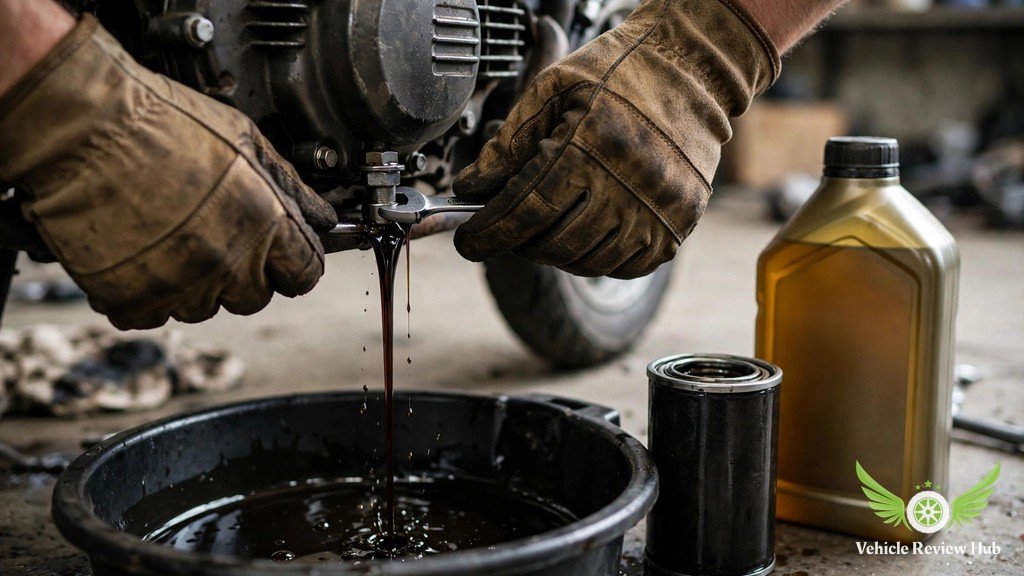
Engine oil is the R3’s most important routine job, and the manual holds a detail owners often miss. The oil is changed at the 1,000 km (600-mile) break-in service, and after that whenever the bike’s oil-change indicator flashes, roughly every 5,000 km (3,000 miles) — more often than the 10,000 km major-service milestones. The oil filter cartridge is replaced at the 10,000 km, 20,000 km and 30,000 km services. Yamaha specifies 10W-40 oil, with a fill of roughly two and a quarter quarts with a filter change on early models; confirm your model year’s fill in your own manual, since correct lubrication is basic to Yamaha YZF-R3 reliability.
The video below is an independent R3 oil-change tutorial, not a Yamaha factory video:
Every major service also includes a full inspection checklist — throttle, clutch, lights, brakes, tires, suspension, bearings, fasteners and exhaust — catching small issues before they become expensive ones. That inspection habit is the backbone of Yamaha YZF-R3 reliability, and skipping services to save money is the fastest way to turn a dependable motorcycle into an unreliable one.
Chain, Tires, Brakes and Fluid Inspections
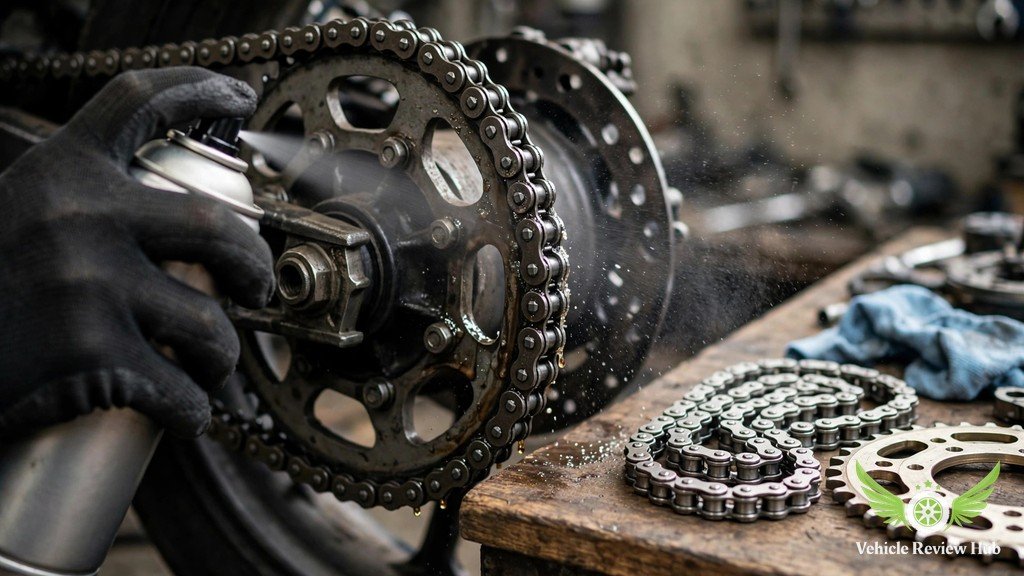
Chain care is the R3’s most frequent job, and the most often neglected — which makes it central to Yamaha YZF-R3 reliability. The manual says to check the drive chain every 800 km (500 miles), and after washing or riding in the rain. Correct drive-chain slack is 35–45 mm, measured on the side stand, in neutral, with no weight on it, and the chain should be lubricated with a proper O-ring chain lubricant. A dry or overtight chain wears sprockets quickly and strains the gearbox output bearing, so this small habit protects Yamaha YZF-R3 reliability more than any other.
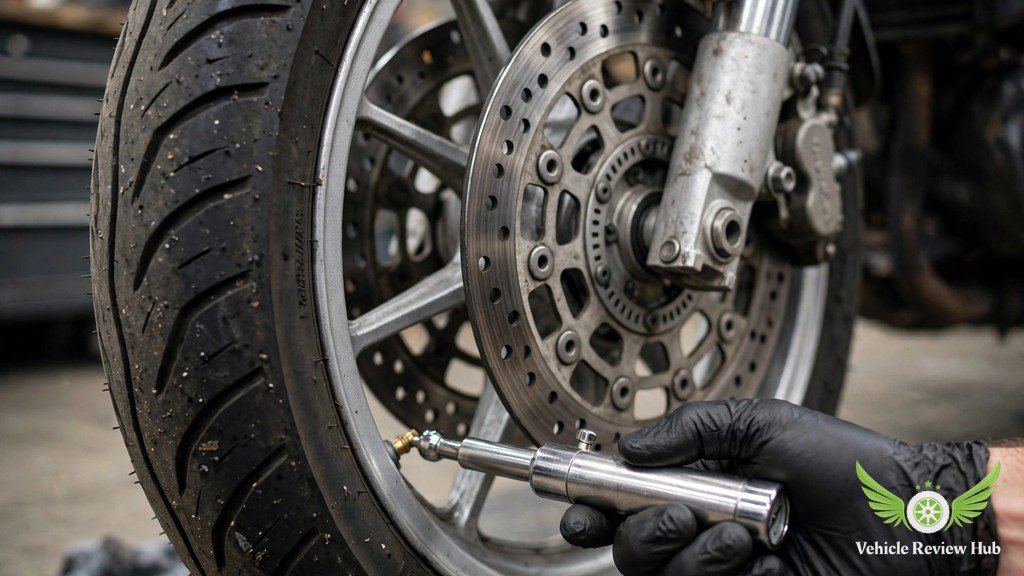
Tires and brakes follow the same pattern of simple checks that protect Yamaha YZF-R3 reliability. Original-equipment tires are Dunlop Sportmax GPR-300s, 110/70-17 front and 140/70-17 rear, with a 298mm front disc and a 220mm rear disc, both with ABS as standard. Check tire pressure and tread depth at every service, and replace tires at the wear indicators. Brake fluid is DOT 4, changed every two years, with hoses replaced every four years and pads checked at every service. Fresh fluid matters for Yamaha YZF-R3 reliability.
Spark Plugs, Coolant and Valve Clearance
The big-ticket scheduled job is the valve-clearance inspection, due every 40,000 km (24,000 miles) on the R3’s manual chart — much longer than many riders expect, and very different from the larger R7’s 26,600-mile figure, so do not mix the two models up when budgeting for Yamaha YZF-R3 reliability. It is a dealer-level job for most owners: tank and airbox off, engine cold, shims bringing out-of-spec valves back into tolerance. The 321cc twin generally holds its valve clearances well, but skipping the inspection is how a quiet engine turns into a burned valve and a very large bill.
Longer-interval jobs include coolant, replaced every three years, and spark plugs, checked at the early services and replaced at 20,000 km and 40,000 km. The full schedule, transcribed from the 2022 owner’s manual chart, is the baseline document for Yamaha YZF-R3 reliability; 2026 owners should confirm their own manual’s model-specific settings. The chart itself is published on the 2022 YZF-R3 owner’s manual maintenance pages.
| Service item | Interval (owner’s manual) |
|---|---|
| Break-in service | 1,000 km (600 miles) |
| Major service milestones | Every 10,000 km (6,000 miles) |
| Engine oil change | Break-in, then at indicator flash (about every 5,000 km) |
| Oil filter replacement | 10,000 km, 20,000 km, 30,000 km |
| Chain check and lubrication | Every 800 km (500 miles), and after washing or rain |
| Drive-chain slack | 35–45 mm, side stand, neutral, no load |
| Spark plug replacement | 20,000 km and 40,000 km |
| Brake fluid change | Every 2 years |
| Brake hose replacement | Every 4 years |
| Coolant change | Every 3 years |
| Valve-clearance inspection | Every 40,000 km |
Yamaha YZF-R3 Common Issues and Recalls
Many reliability guides invent dramatic faults to fill space; the honest picture for Yamaha YZF-R3 reliability is more specific: a short list of real, documented problems concentrated on the 2015–2019 bikes, and a much quieter record since. Be skeptical of any article claiming a notorious R3 defect without naming a source.
How to Verify Reported Mechanical or Electrical Issues
When you read a claimed R3 problem online, run it through three checks: is it tied to a specific model year and symptom, does it appear in more than one independent place, and does it match a recall or known design detail? Applying those checks, the recurring R3 themes are the ones already named: coolant leaks and shifting complaints on early bikes, fuel-tank vibration on 2015–2016 models, and ignition-switch failures that could stall the engine. SlashGear’s R3 problems roundup covers the coolant, shifting, vibration and ignition complaints, and EnginePatrol’s list of common R3 problems adds the recall context.
One more category affects how people judge Yamaha YZF-R3 reliability on the used market: problems caused by previous owners, not by Yamaha. Dropped bikes, dry chains and skipped valve services all show up on the used market wearing the R3 badge, making an individual bike look unreliable when the real story is neglected maintenance. That is why service history matters more than a model-year badge when judging Yamaha YZF-R3 reliability on a specific used bike, The used R3 buying guide walks through that inspection step by step.
How to Check Official Safety Recalls by VIN
Checking recalls takes about two minutes: before buying any used R3, and again at least twice a year. Go to NHTSA.gov/Recalls and enter the bike’s 17-character VIN, stamped on the steering head or printed on the registration and insurance documents. NHTSA’s free SaferCar app can also alert you if a new recall is ever issued. NHTSA’s own recall lookup page notes that recall repairs are always free at an authorized dealer — a free safety net for Yamaha YZF-R3 reliability.
The R3’s recall history is concentrated on the early years, and knowing it helps any buyer judge Yamaha YZF-R3 reliability by model year. In 2016, Yamaha recalled certain 2015–2016 bikes for a clutch pressure plate bearing that could break and an oil-pump relief valve that could overstress the drive gear, either of which could cause loss of control. In 2017, two recalls each covered about 14,320 units of the 2015–2016 models: one for fuel-tank mounting brackets that engine vibration could crack, causing fuel leaks, and one for ignition switches that water could corrode, causing unexpected stalls. For 2019 models, Yamaha recalled roughly 1,500 bikes each for a front brake hose that could rub the horn lead wire and a brake-hose holder that could come off its fork bracket, plus almost 200 bikes for a front brake lever that could break from metal porosity. Earlier recalls also covered a gear-shifter assembly (11,240 bikes, 2015–2016), a cooling-system issue (16,760 bikes, 2015–2018) and a VIN-label mismatch (8,281 bikes). Asphalt & Rubber’s YZF-R3 recall archive documents these campaigns as announced. If your VIN search shows an open recall, call any authorized Yamaha dealer with the VIN and book the free repair: recalls do not expire, and an unrepaired defect can affect safety and resale value. Keeping a dated record of every recall check supports Yamaha YZF-R3 reliability.
Yamaha YZF-R3 Maintenance and Repair Costs
Reliability is only half the equation; the other half is cost, and here Yamaha YZF-R3 reliability also looks affordable: reasonable intervals, shared parts and routine work needing no exotic tools. All figures below are planning estimates from typical US shop pricing in 2026, not quotes.
Routine Servicing and Wear-Item Expenses
A routine dealer service typically runs $150–$300 as a planning estimate; a home mechanic can do the same oil-and-inspection job for around $40–$70 in parts. Tires are the biggest recurring wear cost: a pair of quality sport tires fitted typically lands between $250 and $450, and most riders will go through a rear tire every 5,000–8,000 miles depending on riding style. A chain and sprocket set, fitted, generally costs $150–$250 as a planning estimate and lasts roughly 15,000–20,000 miles with proper lubrication — or far less if neglected, another way disciplined maintenance protects Yamaha YZF-R3 reliability and your wallet. Brake pads run roughly $60–$120 per axle fitted; a battery is typically $70–$120.
Over a typical 4,000–5,000-mile riding year, a realistic routine budget is roughly $400–$800 including one or two services and a share of tire and chain wear, before fuel and insurance — the annual price of Yamaha YZF-R3 reliability for most riders. That is a planning estimate: track use and aggressive riding push wear-item costs up. The R3’s fuel economy helps on the running-cost side, with Yamaha estimating 56 mpg for the 2026 model, though real-world figures vary with riding style.
Factors That Affect Long-Term Maintenance Costs
Four things push R3 costs above the routine baseline, and each touches Yamaha YZF-R3 reliability. The first is the valve-clearance service at 40,000 km (24,000 miles), typically $500–$800 or more at a dealer — less frequent than on many rivals, but still the biggest single scheduled bill. The second is crash damage: full fairings look wonderful but are expensive to replace, so a low-speed drop that would scuff a naked bike can cost $800 or more in bodywork. The third is deferred maintenance, where a skipped chain service becomes a chain, sprocket and seal replacement. The fourth is buying an early bike with open recalls or crash history: recall repairs may be free at a dealer, but a bent frame or poorly repaired fairing follows the bike for life and quietly undermines Yamaha YZF-R3 reliability. Compared with its bigger sibling, the R3’s simpler specification keeps long-term costs down — the larger R7’s reliability picture shows what a heavier, more electronic motorcycle adds to the same ownership math.
Yamaha YZF-R3 Reliability FAQs
The questions buyers and owners ask most often about Yamaha YZF-R3 reliability, answered directly.
Is the Yamaha YZF-R3 reliable?
Yes, on the evidence available. Yamaha YZF-R3 reliability is supported by a 321cc engine in production since 2015, owner feedback reporting no widespread pattern of major failure on post-2019 bikes, and a recall history concentrated on the early model years. The 2026 model year itself has no long-term record yet, but its carried-over platform keeps the outlook positive.
How often does the Yamaha YZF-R3 need servicing?
Major service milestones fall every 10,000 km (6,000 miles), with a break-in service at 1,000 km (600 miles). Engine oil is changed more often — at break-in and then whenever the oil-change indicator flashes, roughly every 5,000 km (3,000 miles). Chain checks are needed far more often, every 800 km (500 miles) or after washing or wet riding. Keeping to that rhythm is the simplest way to protect Yamaha YZF-R3 reliability.
When does the Yamaha YZF-R3 need a valve clearance check?
Every 40,000 km on the owner’s manual chart. A dealer-level job, typically $500–$800 or more as a planning estimate — budget for it as a known milestone in Yamaha YZF-R3 reliability planning.
How often should I change the oil on a Yamaha YZF-R3?
Engine oil is changed at the 1,000 km (600-mile) break-in service and then whenever the oil-change indicator flashes, roughly every 5,000 km (3,000 miles), using 10W-40 oil. The oil filter is replaced at the 10,000 km, 20,000 km and 30,000 km services. Confirm the exact specification in your own manual, since correct lubrication is basic to Yamaha YZF-R3 reliability.
What is the correct chain slack on a Yamaha YZF-R3?
The target drive-chain slack is 35–45 mm, measured on the side stand with the bike in neutral and no weight on it. Getting this right matters for Yamaha YZF-R3 reliability.
Are there any Yamaha YZF-R3 recalls?
Yes, concentrated on the early model years. Yamaha recalled 2015–2016 bikes for clutch and oil-pump defects, fuel-tank bracket cracking and ignition-switch corrosion, and 2019 bikes for front brake hose, brake-hose holder and brake-lever issues, among others. Always verify your own bike by VIN at NHTSA.gov/Recalls; recall repairs are free, and a clean VIN result supports Yamaha YZF-R3 reliability.
What are the most common Yamaha YZF-R3 problems?
On early bikes, the documented issues are coolant leaks, clutch and shifting complaints, fuel-tank vibration and ignition-switch stalls — most of them covered by factory recalls. On post-2019 bikes there is no widely reported pattern of major mechanical failure, itself a strong statement about Yamaha YZF-R3 reliability. On later bikes, owners report comfort complaints most often: a firm seat, soft suspension for heavier riders, and vibration at sustained highway speed.
Is the 2026 Yamaha YZF-R3 reliable?
It is too new to have a long-term record of its own. Its engine, frame and running gear are carried over from a platform in production since 2015, and it carries a one-year limited factory warranty. The long-term verdict on 2026 Yamaha YZF-R3 reliability will depend on the first few years of owner experience, but carried-over hardware gives buyers more confidence than a clean-sheet redesign would.
How much does Yamaha YZF-R3 maintenance cost per year?
For a typical 4,000–5,000-mile year, budget roughly $400–$800 for routine servicing and wear items, before fuel and insurance. That is a planning estimate: track use and aggressive riding increase wear-item costs, and the 40,000 km valve service is a separate, larger bill every Yamaha YZF-R3 reliability budget should include.
Can I service a Yamaha YZF-R3 myself?
Yes, for routine work. Oil and filter changes, chain lubrication and adjustment, tire pressure checks and brake inspections are all within reach of a home mechanic with basic tools and a torque wrench. Valve-clearance work, steering-bearing service and anything involving the electronics or ABS are best left to a dealer, which is the safe approach to Yamaha YZF-R3 reliability.