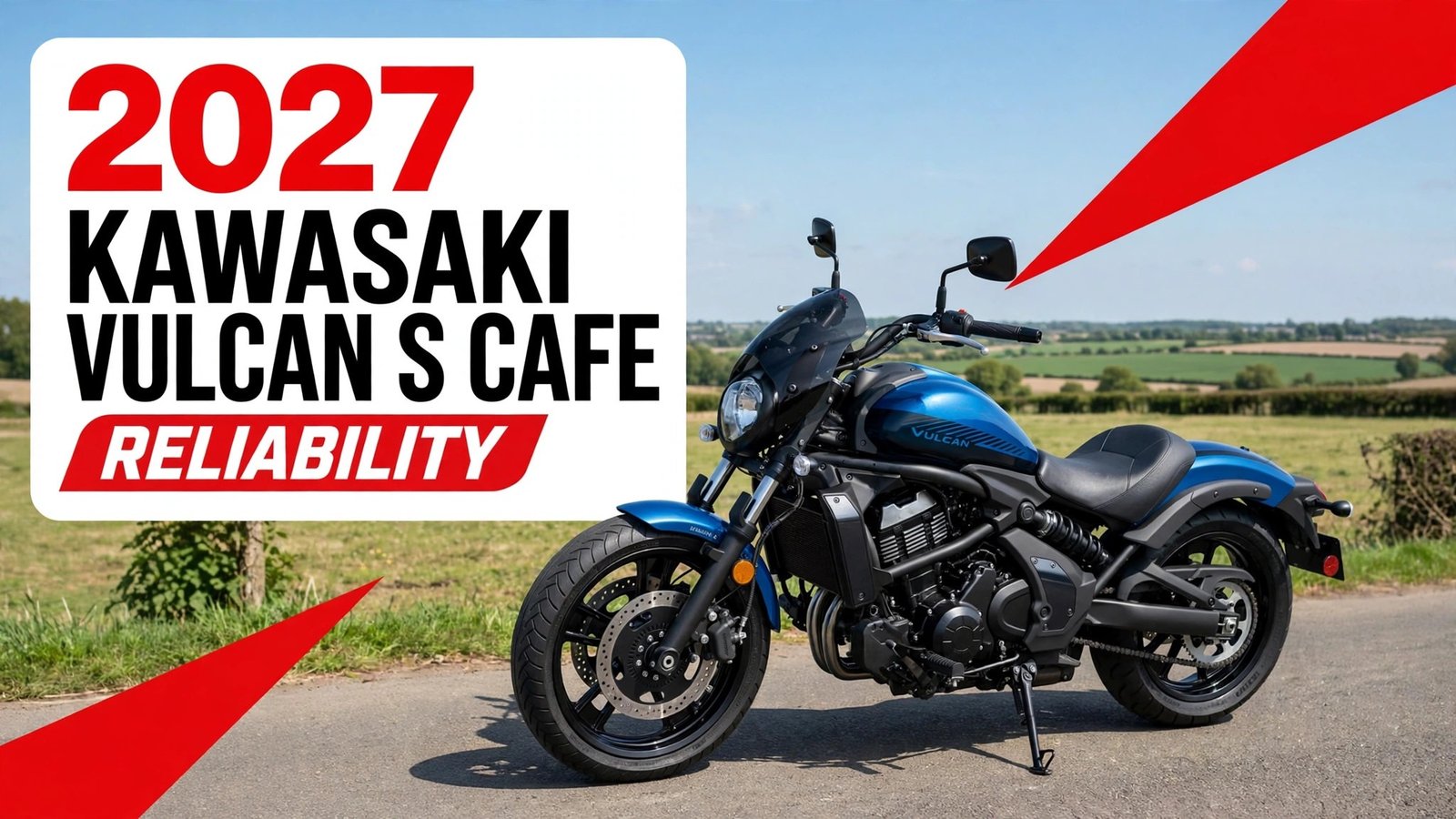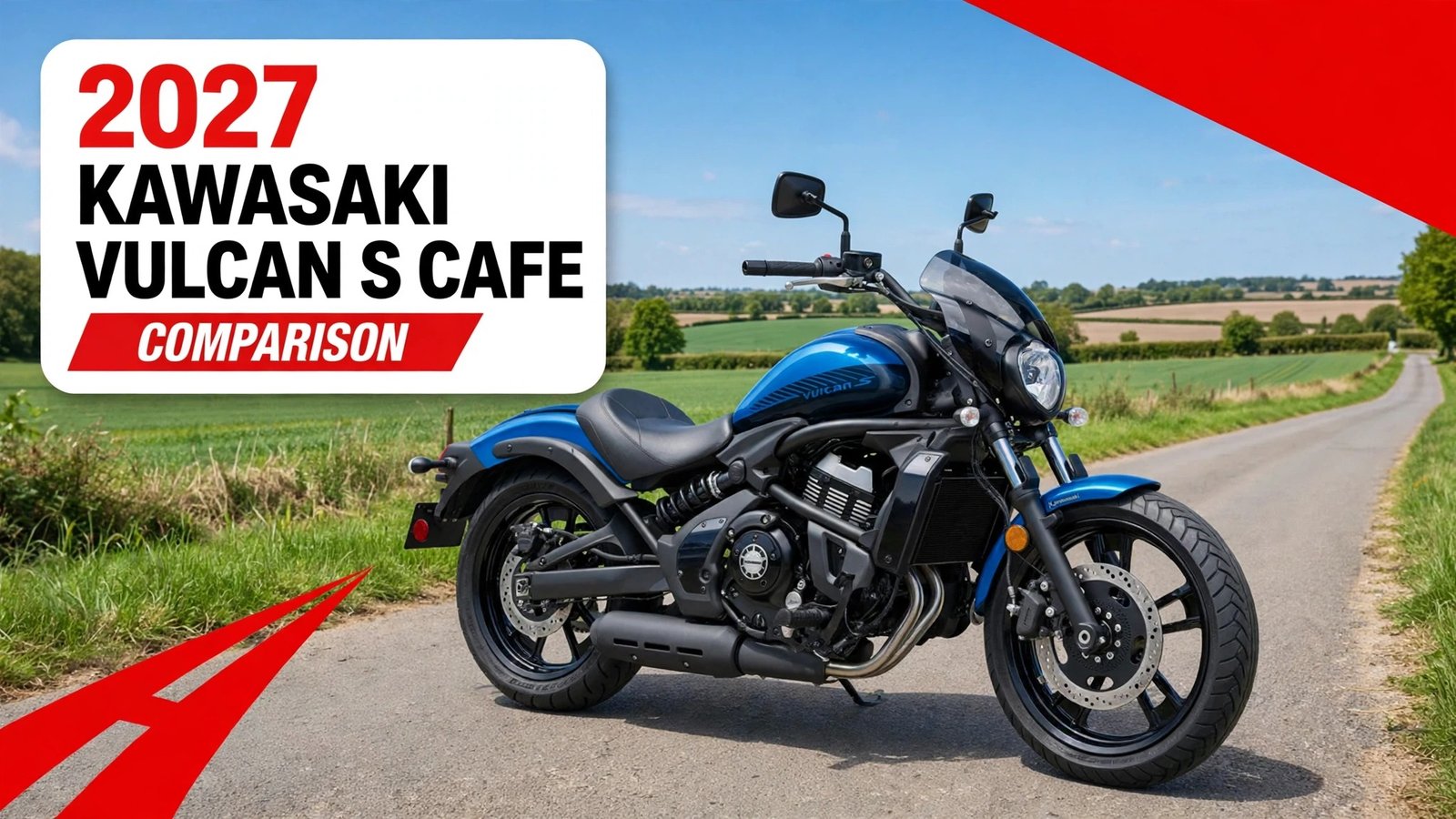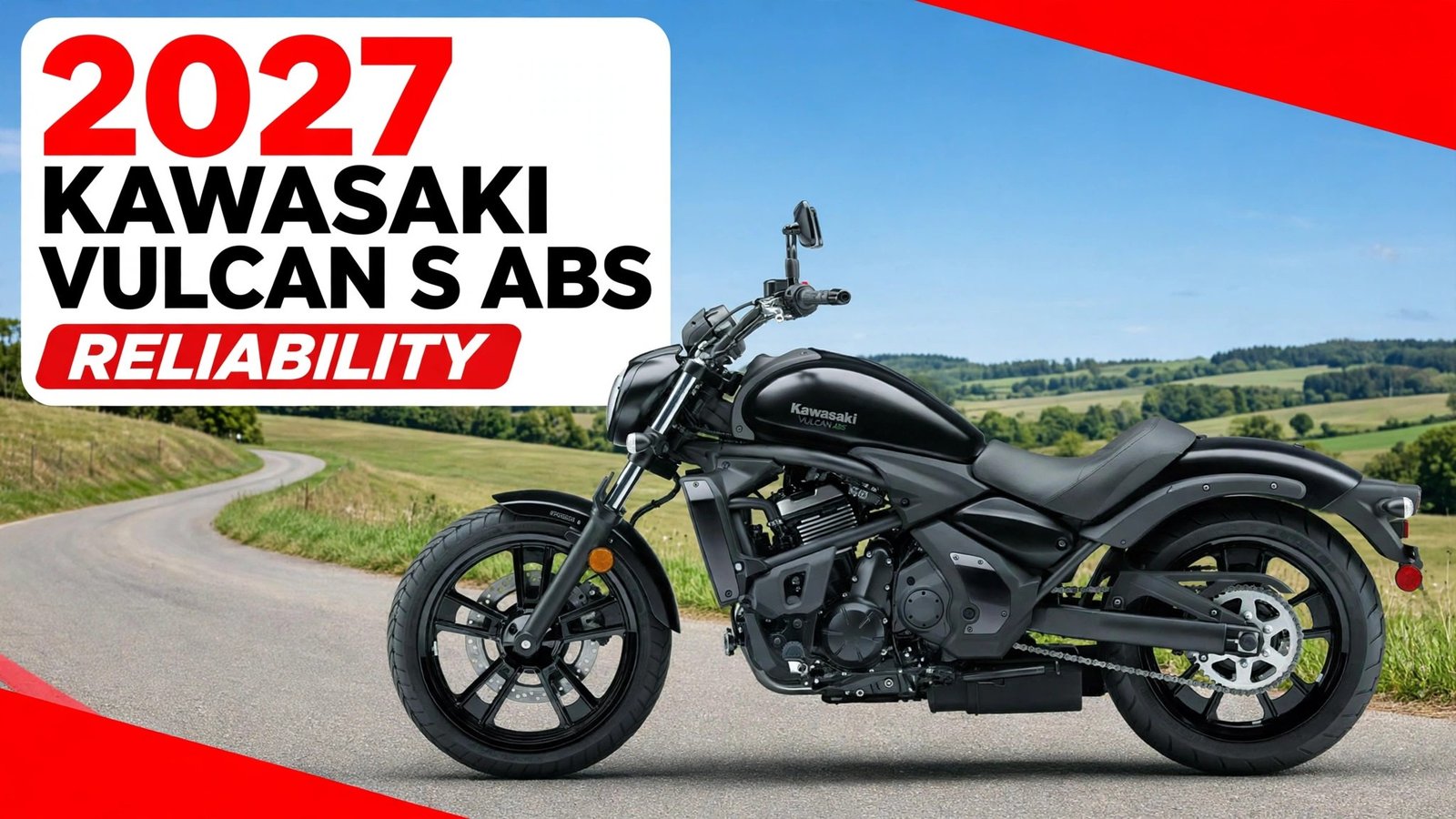
The short answer is yes: the Kawasaki Vulcan S ABS is a reliable motorcycle by every measure this Kawasaki Vulcan S ABS reliability guide could check. The US safety record shows zero recalls and zero complaints for every model year from 2015 to 2027, the 649cc twin is shared with the Ninja 650 and Versys 650 families, and the service schedule is light work — oil and filter every 7,500 miles, a valve check every 15,000 miles, and DOT 4 brake fluid every two years. Nothing in the ABS system itself has a service interval of its own, and this Kawasaki Vulcan S ABS reliability guide found no ABS fault pattern anywhere in the record. The rest of this Kawasaki Vulcan S ABS reliability guide covers the schedule, the wear items, the costs and the used-buying checks — including two traps: a wrongly reported 2015 “recall” that never existed, and old Vulcan 1700 recalls that have nothing to do with this bike.
Kawasaki Vulcan S ABS Reliability Overview
The reliability story of the Vulcan S ABS starts with how little has changed. Kawasaki has sold the same 649cc twin in the same chassis since the 2015 launch — same 60 hp at 7,500 rpm and 46.5 lb-ft at 6,600 rpm — and the 2027 sheet matches the 2015 spec box on every figure. That sameness is good news for this Kawasaki Vulcan S ABS reliability guide: twelve model years of owners have ridden the same bike, and the record they left is unusually clean.
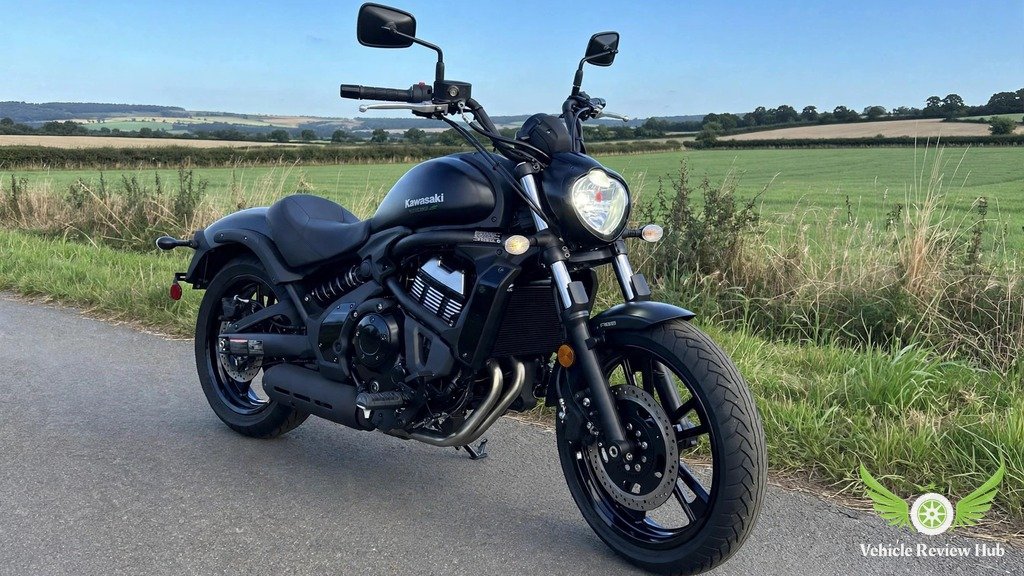
Valve Check at 15,000 Miles, Not 15,200
The valve clearance check falls every 15,000 miles, or 24,000 km — the US owner’s manual prints 15,000 miles, and this Kawasaki Vulcan S ABS reliability guide uses that figure. Some AI-written summaries print 15,200 miles instead — a sloppy conversion: 24,000 km is 14,913 miles, not 15,200. The check is an inspection — the chart marks it at 15,000 and 30,000 miles — so many bikes pass it with no shim changes at all. It is the major service in the schedule and the most expensive one, which is why the costs table prices it separately. The interval is generous for a parallel twin: the oil change comes twice as often as the valve check.
How Mileage, Storage and Previous Care Affect Reliability
Mileage alone tells you little about a used one. A 30,000-mile bike with yearly oil changes and a clean chain will outlast a 5,000-mile bike that sat outside for three winters: storage punishes the chain, the exhaust and the brake fluid, whether the bike is ridden or not — the wear items this Kawasaki Vulcan S ABS reliability guide covers below. Previous care matters more than the odometer: ask for service records, look for the 600-mile first-service stamp, and check the two-year brake-fluid change was done — the record is the only proof the schedule was followed.
Kawasaki Vulcan S ABS Common Problems and Wear Items
The honest summary is that there is no documented defect pattern: zero recalls, zero complaints, and the buyer’s guides list only cosmetic and design niggles. This Kawasaki Vulcan S ABS reliability guide still covers the few things owners do report, because a buyer should know them — and because two of them are routinely misreported as recalls.
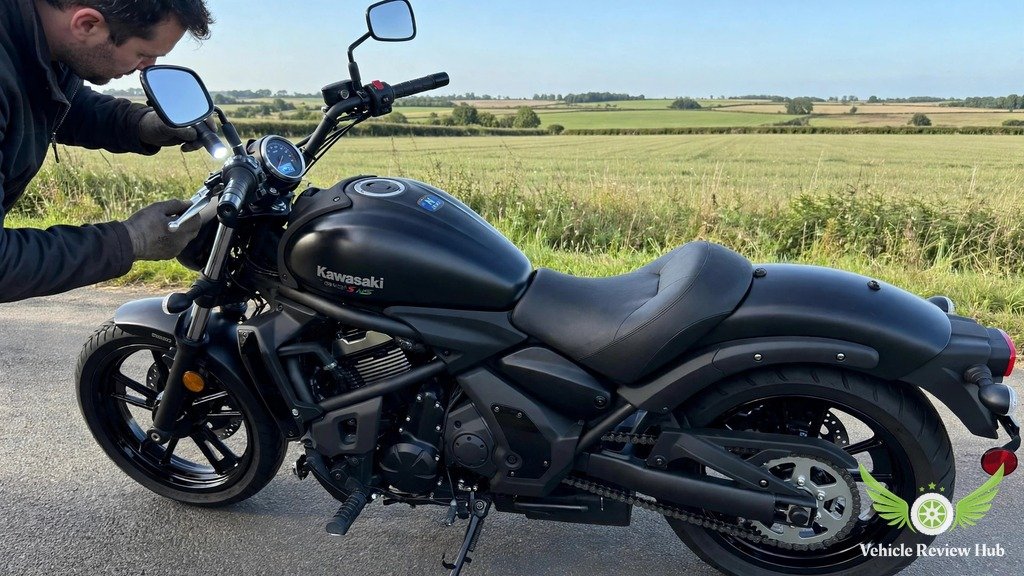
The film below is an owner-problems video about a 2015 Vulcan S, not a long-term study, and the downshift and shifter-spring problem it discusses is owner-reported, not a recall — no NHTSA campaign exists for the 2015 Vulcan S. Watch it as one owner’s experience, not a defect list for the model.
The bestbeginnermotorcycles.com review claims Kawasaki “issued a recall” for the 2015 downshifting complaints, fitting a different return spring on the shifter arm. That claim is wrong as an NHTSA recall: the recalls database returns zero campaigns for the 2015 Vulcan S. At most it was a dealer service fix for early-production bikes. This Kawasaki Vulcan S ABS reliability guide calls it what the evidence supports — owner-reported early-production shifting complaints with a dealer service fix — and not a recall.
No ABS Fault Pattern Found
No ABS fault pattern has ever surfaced. The NHTSA complaints file is empty for every model year from 2015 to 2027, and neither the FlamingBikes buyer’s guide nor TopSpeed’s long-term ownership report nor the owner forums carry a recurring ABS complaint. That is the finding this Kawasaki Vulcan S ABS reliability guide expected: the ABS hardware is simple — tone rings, a modulator and a warning light — with no service interval of its own in the manual. If an ABS warning light stays on, the ABS is disabled while the base brakes keep working, and the bike needs a dealer diagnostic — a warning-light check, not a known failure. The absence of a pattern is itself the evidence: twelve model years, zero complaints.
No Modulator Service Interval Exists
The owner’s-manual chart has no line item for the ABS modulator at all — no flush, no inspection interval, no replacement interval. The only brake-fluid item in the chart is the two-year DOT 4 change, which serves the whole braking system, ABS included. That matters for owners who worry about hidden ABS service costs, and this Kawasaki Vulcan S ABS reliability guide can settle it: there are none in the schedule. What the manual does ask for is the checks covered in the next section — clean tone rings and a working warning light — inspections you can do in a driveway, not dealer-only work.
One piece of Vulcan lore deserves a correction here. The old Vulcan 900 V-twin, the VN900 from 2006 to 2008, is well known for stator and regulator-rectifier charging failures. The Vulcan S ABS is a different machine — a Ninja-derived parallel twin, not a V-twin, with a different charging system — and it has no such pattern: zero complaints across every model year and no mention in any buyer’s guide. The regulator story belongs to the old V-twin, and this Kawasaki Vulcan S ABS reliability guide keeps it there.
Kawasaki Vulcan S ABS Maintenance Schedule and Servicing
The Vulcan S ABS follows the same service schedule as the standard S — ABS adds no interval of its own — and the intervals are long for a 650, which is part of why ownership costs stay low. This Kawasaki Vulcan S ABS reliability guide prints the US manual-chart figures below, and names the one split where other sources disagree.
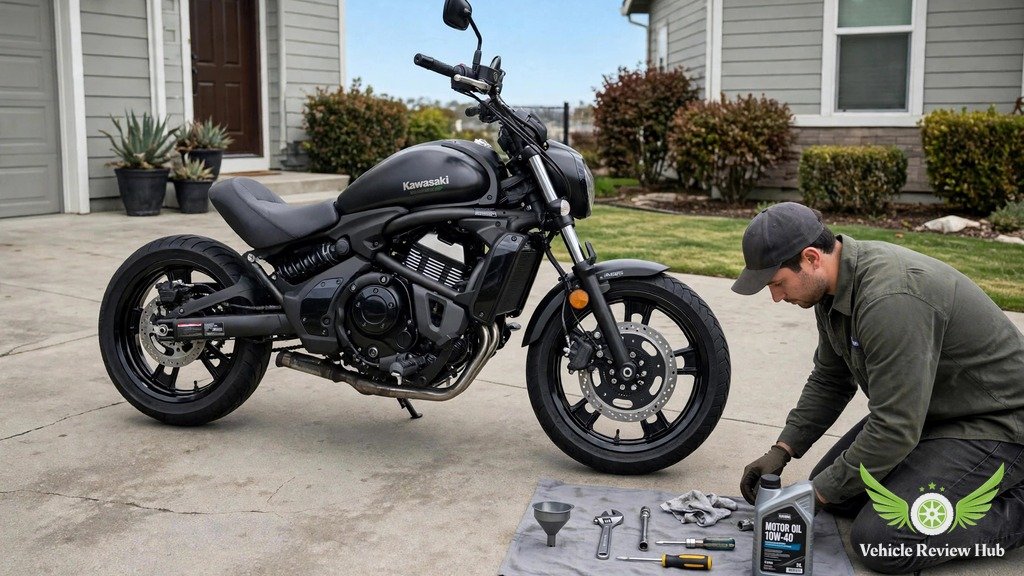
Oil and Filter Every 7,500 Miles
Engine oil and the oil filter are replaced every 7,500 miles or annually, with the air filter replaced at the same service. The oil is SAE 10W-40 meeting API SG through SM and JASO MA, MA1 or MA2; capacity is 1.8 litres (1.9 US quarts) with the filter changed, 1.6 litres without. The drain bolt tightens to 30 Nm (22 lb-ft). One split needs naming: some AI-generated summaries print 6,000 km (3,800 miles), misreading the chart’s intermediate inspection column as an oil change, and Indian owners report 6,000-km services on the India schedule, not the US one. This Kawasaki Vulcan S ABS reliability guide prints the US manual-chart figure: 7,500 miles.
Brake Fluid Every Two Years, DOT 4
Both brake systems use DOT 4 fluid, changed every two years — a figure this Kawasaki Vulcan S ABS reliability guide verified in the 2017 and 2019 owner’s manuals and in the chart reproduction. The two-year rule is time-based, not mileage-based: brake fluid absorbs moisture whether the bike is ridden or stored, and it is the item owners most often skip — a bike with five-year-old fluid is overdue even at low miles. Coolant follows a similar rule: every 36,000 km (22,500 miles) or three years.
| Service item | Interval | Notes |
|---|---|---|
| First service | 600 miles | Dealer service |
| Engine oil and filter | Every 7,500 miles or annually | SAE 10W-40, JASO MA/MA1/MA2; 1.8 L with filter |
| Air filter | Every 7,500 miles | Replaced at each service |
| Valve clearance | Inspect at 15,000 and 30,000 miles | Inspection, not automatic adjustment |
| Drive chain | Lubricate every 400 miles; check slack every 600 miles | Standard slack 10–20 mm (0.4–0.8 in) |
| Spark plugs | Every 7,500 miles | Secondary reading of the chart |
| Brake fluid | Every 2 years | DOT 4 |
| Coolant | Every 22,500 miles or 3 years | 36,000 km |
Notes for this Kawasaki Vulcan S ABS reliability maintenance-schedule table: every interval is the US owner’s-manual chart figure, reproduced by maintenanceschedule.com, and the schedule is the same for both trims. The spark-plug row is a secondary reading of the chart, not independently sighted in the manual.
Kawasaki Vulcan S ABS Tires, Brakes and Suspension Maintenance
The wear items that matter most are the ones you can check in a driveway: the ABS tone rings, the tyres, the brake pads and the rear shock. None of them is expensive, and none of them hides a defect — but each of them has a check the buyer should know. This Kawasaki Vulcan S ABS reliability guide lists them in the order a pre-purchase inspection should follow.
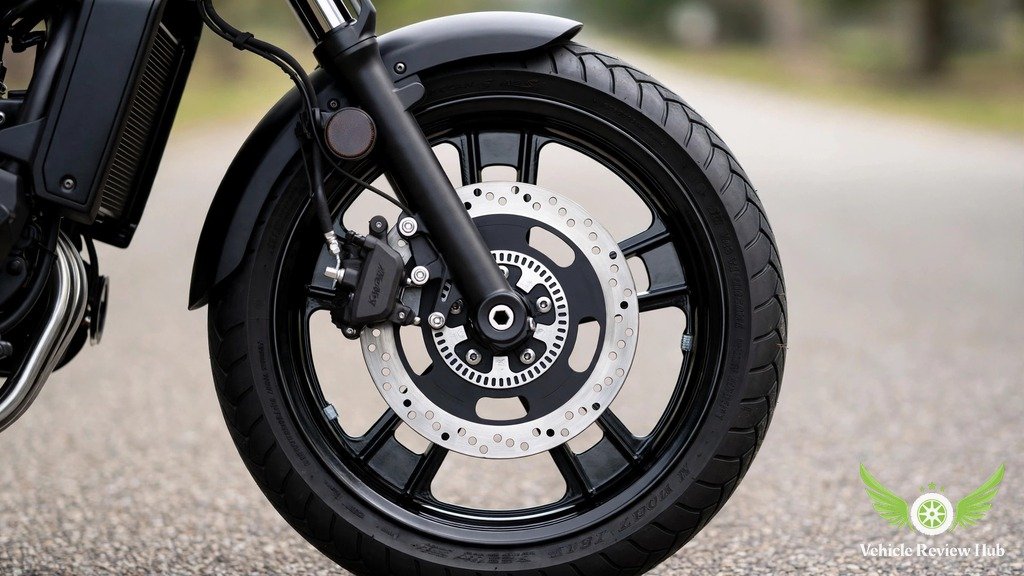
Sensor Rings and Warning Light Checks
The ABS wheel-speed sensor rings — the toothed tone rings on the wheels — are a keep-clean-and-inspect item: check for damage, missing teeth and grime, and keep them clean when you wash the bike. The ABS warning light self-checks at ignition-on and must go out after start-up; a light that stays on means the ABS is disabled — base braking still works — and the fix is a dealer diagnostic, not a roadside repair. These are checks, not scheduled replacements: the manual chart carries no tone-ring or modulator interval, and this Kawasaki Vulcan S ABS reliability guide lists them as inspection items.
Tire, Brake and Suspension Checks That Matter
Tyres are 120/70-18 front and 160/60-17 rear, Dunlop Sportmax D220 from the factory. The 18-inch front is the practical note: cruiser front-tyre choice in 18-inch is narrower than in the common 17-inch size, so plan ahead rather than expecting every shop to stock your size. The rear 160/60-17 is a common size. Brake pads are a wear item at roughly 15,000–30,000 km, and the brakes are a single 300 mm front disc with a two-piston Nissin caliper and a single 250 mm rear disc with a single-piston Nissin caliper. The rear suspension is the one design niggle owners name: the lay-down shock has only 3.2 inches of travel at an aggressive angle, so sharp bumps can bypass the damping and jar the rider. Set the preload for your weight first; an aftermarket YSS or Hagon shock is the known fix. It is a characteristic, not a failure, and every buyer’s guide rates it low severity.
Kawasaki Vulcan S ABS Maintenance and Ownership Costs
The Vulcan S ABS is cheap to keep. Routine servicing runs a few hundred dollars a year, the major service is the only big bill, and used prices have held up well. This Kawasaki Vulcan S ABS reliability guide prices them from owner-reported ranges, labelling aggregator figures as such.

Fuel, Routine Servicing, Tires and Replacement Parts
Routine maintenance runs $150–$400 a year by owner-reported ranges, and the major services — valve check plus brake fluid and coolant — run $500–$800 each, putting five years at roughly $1,000–$1,500. Fuel is the smallest line: the 3.7-gallon tank and mid-40s mpg average give about 179 miles per fill. Tyres are the recurring consumable — the 18-inch front limits choice — and the chain and sprockets are a roughly 25,000–40,000 km replacement. No Vulcan S-specific insurance figure was found, so this Kawasaki Vulcan S ABS reliability guide prints none. Used prices run $4,500–$7,500 by aggregator reports, with 2016–2020 bikes at $5,000–$7,200, and one aggregator claims low-mileage examples keep 65–75% of their value after three years — its claim, not a measured figure.
NHTSA Zeros Verified for Every Model Year
The NHTSA record for the Vulcan S ABS is a clean sheet for every model year from 2015 to 2027: the NHTSA recalls search returns zero campaigns and zero complaints for all thirteen years. This Kawasaki Vulcan S ABS reliability guide states that as a search result, not as an absolute, because the database has been wrong before — the Versys 650 returned a zero while two real campaigns existed, and the same search returns zero for the 2010 Vulcan 1700 Vaquero even though its ignition-switch recall, 15V-550, is real. What supports the zero beyond the database: no Vulcan S campaign appears in any NHTSA recall document or web search. Two things do sit on the file and must not be confused with recalls: manufacturer communications — service bulletins, not recalls — exist for 2017 (two), 2023 (one) and 2024 (one); the 2024 one is the MC24-01 discussed in the final section.
The recalls that do carry the Vulcan name belong to other bikes. Campaign 15V-550 (September 2015, Kawasaki MC15-10) covered 11,836 units of the 2009–2015 Vulcan 1700 Voyager and 2011–2015 Vulcan 1700 Vaquero, where an ignition-switch wire could chafe against the fuel tank and short, stalling the engine. Campaign 10V-507 (October 2010) covered 2009–2010 Vulcans whose engines could stall coasting with the clutch pulled, from an improper ECU setting. Neither names the Vulcan S ABS, and this Kawasaki Vulcan S ABS reliability guide prints the numbers so a search for “Vulcan recall” lands on the right bikes.
| Cost item | Owner-reported range | Notes |
|---|---|---|
| Routine servicing | $150–$400 per year | Oil, filters and checks |
| Major service | $500–$800 each | Valve check plus brake fluid and coolant |
| Five years of servicing | $1,000–$1,500 | Routine plus major services |
| Used price, all years | $4,500–$7,500 | Aggregator-reported |
| Used price, 2016–2020 | $5,000–$7,200 | Aggregator-reported |
| Chain and sprockets | 25,000–40,000 km | Replacement interval, secondary source |
| Brake pads | 15,000–30,000 km | Wear item, secondary source |
Notes for this Kawasaki Vulcan S ABS reliability ownership-costs table: the servicing figures are owner-reported ranges from TopSpeed’s July 2026 long-term ownership report; the used prices and the 65–75% three-year retention claim are aggregator-reported and labelled as such; the chain, sprocket and brake-pad intervals are secondary-source figures.
How to Keep a Kawasaki Vulcan S ABS Reliable
Keeping a Vulcan S ABS reliable is mostly about doing the small things on time: the schedule is short, the checks are simple, and the record shows the bike rewards owners who follow it. The bike itself is the same one covered in the Kawasaki Vulcan S ABS review, and the routine below keeps it at its best. This Kawasaki Vulcan S ABS reliability guide closes with that routine.
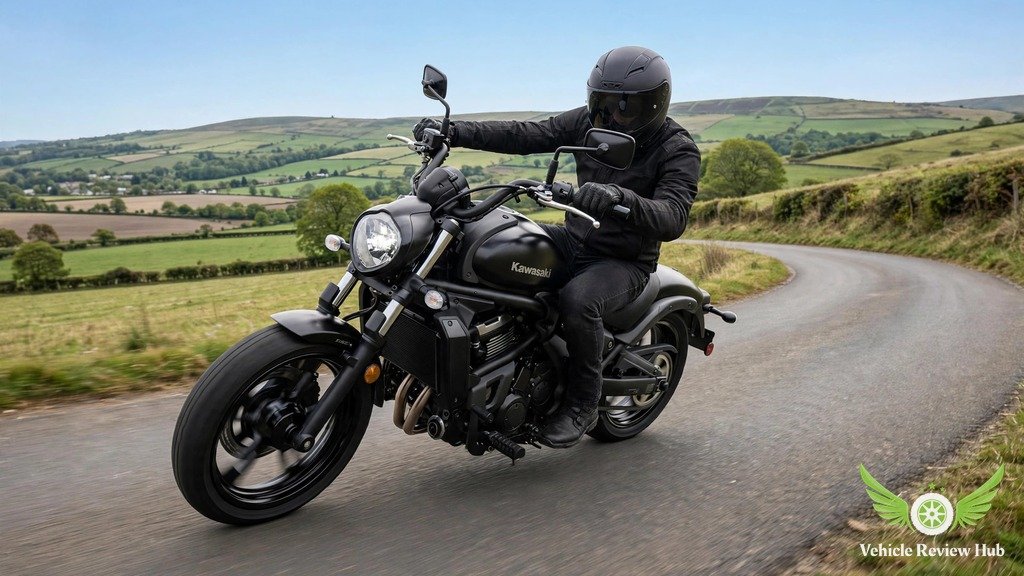
Preventive Maintenance, Records and Regular Inspections
Do the oil and filter every 7,500 miles or annually, change the DOT 4 fluid every two years, lube the chain every 400 miles, check its slack every 600 miles, and keep the valve check on the 15,000-mile mark. Keep the tone rings clean and watch the ABS warning light at start-up. Keep every receipt and stamp the service book: on a used bike, the record proves the schedule was followed, and it is worth money at sale time. Inspect the under-slung exhaust for corrosion if the bike lives outside, and wash road salt off before it sits. It is the same schedule the standard Vulcan S follows — the owner’s-manual schedule, done on time, and what the clean record is built on.
MC24-01 Is a Service Note, Not a Recall
A 2024 Kawasaki service communication is on the NHTSA file for the Vulcan S, and it is not a recall: the recalls database returns zero campaigns for 2024. Its contents were not independently confirmed — no NHTSA document, Kawasaki notice or forum thread names MC24-01 directly — so this Kawasaki Vulcan S ABS reliability guide says nothing about what it covers. The numbering fits Kawasaki’s pattern — the 2015 ignition recall was MC15-10, so MC24-01 parses as a 2024 communication, first of the year — but a parse is not a confirmation. What matters is the distinction: a service communication is a dealer bulletin, not a safety recall, and nothing on the file changes the bike’s clean recall record.
Kawasaki Vulcan S ABS Reliability: Frequently Asked Questions
These are the questions buyers ask most about the Vulcan S ABS, answered from the service schedule, the NHTSA record and the owner reports this Kawasaki Vulcan S ABS reliability guide checked.
Is the Kawasaki Vulcan S ABS reliable?
Yes. Zero recalls and zero complaints for every model year from 2015 to 2027, a 649cc twin shared with the Ninja 650 and Versys 650 families, and a light service schedule make this Kawasaki Vulcan S ABS reliability guide’s verdict clear: one of the most reliable middleweight cruisers you can buy.
Has the Vulcan S ABS ever been recalled?
No — and this Kawasaki Vulcan S ABS reliability guide checked every model year: the NHTSA recalls database returns zero campaigns for the Vulcan S ABS for every model year 2015–2027. The Vulcan recalls that do exist — 15V-550 and 10V-507 — belong to the Vulcan 1700 and other 2009–2010 models, not this bike.
What is the valve clearance interval on the Vulcan S ABS?
Every 15,000 miles, or 24,000 km. The US owner’s manual prints 15,000 miles, and this Kawasaki Vulcan S ABS reliability guide uses that figure; the 15,200-mile figure in some AI summaries is a sloppy kilometre-to-mile conversion. The check is an inspection at 15,000 and 30,000 miles, not an automatic adjustment.
How often should I change the oil on a Vulcan S ABS?
Every 7,500 miles or annually, with the oil filter and air filter replaced at the same service, using SAE 10W-40 meeting API SG through SM and JASO MA, MA1 or MA2. The 6,000-km figure in some summaries misreads an inspection column and is not the US interval.
How often does the Vulcan S ABS need brake fluid?
Every two years, using DOT 4 fluid in both brake systems — the interval this Kawasaki Vulcan S ABS reliability guide verified in two owner’s manuals. The two-year rule is time-based, not mileage-based: brake fluid absorbs moisture from the air, so a low-mileage bike with five-year-old fluid is still overdue, and this Kawasaki Vulcan S ABS reliability guide lists the change as the item owners most often skip.
Does the Vulcan S ABS have any ABS problems?
No documented pattern exists. Zero NHTSA complaints across all model years and no recurring ABS fault in the buyer’s guides or owner forums. Keep the tone rings clean, watch the warning light at start-up, and the system needs nothing else.
Does the ABS system need servicing?
Not on its own, and this Kawasaki Vulcan S ABS reliability guide found no interval for it in the manual chart. The manual chart has no modulator item — no flush, no inspection interval, no replacement interval. The only ABS-related service is the two-year DOT 4 change, which serves the whole braking system; tone-ring and warning-light checks are driveway inspections.
What are the common problems with the Vulcan S ABS?
There is no documented defect pattern, and this Kawasaki Vulcan S ABS reliability guide found only low-severity niggles. The items owners do report are all low severity: a harsh rear shock over sharp bumps, surface corrosion on the under-slung exhaust, and the narrow 18-inch front-tyre choice. The engine is described by TopSpeed as virtually bulletproof, and major mechanical issues are rare.
Was there a recall for the 2015 Vulcan S shifter?
No. Some reviews claim Kawasaki recalled the 2015 bike for downshifting complaints and a shifter-arm return spring, but no NHTSA campaign exists for the 2015 Vulcan S — at most a dealer service fix for early-production bikes. This Kawasaki Vulcan S ABS reliability guide treats it as owner-reported, not as a recall.
How much does it cost to maintain a Vulcan S ABS?
Routine servicing runs $150–$400 a year, major services $500–$800 each, and five years roughly $1,000–$1,500 by owner-reported ranges. Tyres, chain and sprockets are the recurring consumables this Kawasaki Vulcan S ABS reliability guide budgets for. The bike shares its 649cc engine family with the Versys 650, whose reliability guide shows the same low-cost pattern.
What should I check before buying a used Vulcan S ABS?
Service records first, then the chain, the exhaust for corrosion, the tone rings, and the ABS warning light at start-up. Confirm the two-year brake-fluid change and the 15,000-mile valve check were done if the bike is past them. Previous care matters more than the odometer — the point this Kawasaki Vulcan S ABS reliability guide keeps returning to.
How long will a Vulcan S ABS last?
There is no published lifespan figure, and this Kawasaki Vulcan S ABS reliability guide prints none. What the record supports is a proven 649cc twin with a 15,000-mile valve interval, no documented defect pattern and twelve clean model years — serviced on schedule, it should last well past 50,000 miles on routine maintenance only.