Specifications and official ratings can only explain so much. What truly matters to most buyers is how a car feels in everyday use. The Toyota Mirai offers a driving experience that is often described as smooth, quiet, and refined, but real-world conditions in the USA can reveal details that numbers alone cannot.
This guide focuses on how the Toyota Mirai performs during daily commuting, highway driving, and longer trips. From acceleration and ride comfort to real-world efficiency and driving stability, the goal is to explain what living with this hydrogen-powered sedan actually feels like on American roads.
If you want to understand whether the Mirai delivers a comfortable and confidence-inspiring experience beyond test drives, this real-world performance guide will help set clear expectations.
Toyota Mirai Performance and Driving Dynamics

The Toyota Mirai is designed to deliver a calm and confident driving experience rather than aggressive performance. From the moment you start driving, the focus is on smooth power delivery, quiet operation, and stable handling. For daily commuting and long highway drives in the USA, this approach makes the Mirai feel refined and easy to live with.
In real-world conditions, the Mirai’s performance feels consistent and predictable. Acceleration is gradual but steady, which works well in city traffic and during highway merging. No engine noise or gear is shifting, so the driving experience remains relaxed and composed. Many owners note in their Toyota Mirai Review feedback that the car feels more like a premium sedan than a technology experiment.
Driving dynamics are also shaped by the vehicle’s balanced weight distribution and low center of gravity. These factors help the Mirai stay stable at higher speeds and comfortable over uneven road surfaces. While it is not built for sporty driving, the steering and suspension are tuned to provide confidence and comfort, which suits everyday American roads.
This section sets the stage for a deeper look at how the Mirai behaves in specific situations, such as acceleration, handling, and highway driving. Understanding these dynamics helps buyers decide whether the Toyota Mirai matches their expectations for comfort and performance.
Acceleration and Power Delivery
The acceleration of the Toyota Mirai is tuned for smoothness rather than sudden bursts of speed. When you press the accelerator, power comes in a steady and controlled way, which makes the car feel calm and predictable in everyday driving. This character suits city traffic well, where gentle acceleration helps keep the ride comfortable and stress-free.
Power delivery feels consistent because the car uses an electric motor instead of a traditional engine. There are no gear changes or delays, so the response remains linear as speed builds. In daily use, this makes pulling away from traffic lights or merging onto highways feel easy and confident, without any sharp jolts.
In real-world driving, many drivers mention in Toyota Mirai Review discussions that the car feels refined rather than quick. It may not deliver sporty acceleration, but the smooth power flow matches its role as a comfortable, future-focused sedan. For buyers who value quiet operation and balanced performance over aggressive speed, the acceleration and power delivery feel well matched to normal driving conditions in the USA.
Handling, Steering and Ride Comfort
The handling of the Toyota Mirai is tuned with comfort and stability in mind rather than sharp, sporty responses. Around town, the car feels easy to maneuver, with a balanced setup that makes daily driving feel relaxed. Tight turns and low-speed driving are handled smoothly, which helps in urban traffic and parking situations.
Steering response is light and predictable, making the car easy to control without feeling vague. At higher speeds, the steering gains enough weight to provide confidence on highways, especially during lane changes or long cruises. This balance works well for drivers who prefer a calm and controlled driving feel instead of aggressive feedback.
Ride comfort is one of the Mirai’s strongest points. The suspension absorbs bumps and uneven road surfaces well, keeping the cabin quiet and composed. In many Toyota Mirai Review experiences, owners highlight how comfortable the car feels on longer trips. Whether driving through city streets or cruising on U.S. highways, the Mirai delivers a smooth ride that suits everyday use and long-distance travel alike.
Highway Driving and Stability
On highways, the Toyota Mirai feels calm and well-planted, which makes long drives less tiring. At cruising speeds, the car remains stable and composed, with very little road or wind noise entering the cabin. This quiet behavior helps create a relaxed driving environment, especially on extended trips across U.S. highways.
Stability at higher speeds is supported by the car’s balanced weight distribution and low center of gravity. Lane changes feel smooth, and the Mirai holds its line confidently without requiring constant steering corrections. Even when passing larger vehicles or driving in crosswinds, the car stays steady and predictable.
In real-world use, many drivers mention in Toyota Mirai Review discussions that highway driving is one of the car’s strongest areas. The combination of smooth power delivery, solid stability, and comfortable ride quality makes it well suited for commuting and long-distance travel. For buyers who spend a lot of time on highways, the Mirai delivers a reassuring and comfortable experience.
Mirai’s Driving Feel Compared to EVs and Hybrids
When compared to electric vehicles and hybrids, the Toyota Mirai offers a driving feel that sits somewhere in between, while still feeling distinct. Like EVs, it delivers quiet operation and smooth acceleration because it uses an electric motor. There is no engine noise, vibration, or gear shifting, which gives the car a calm and refined character during everyday driving.
Compared to battery electric cars, the Mirai feels more familiar in terms of refueling habits. While EV drivers often plan trips around charging time, Mirai owners experience refueling that feels closer to a gasoline stop. This difference doesn’t change how the car drives, but it does affect the overall ownership experience, especially for people who prefer minimal downtime.
Against hybrids, the Mirai feels cleaner and more consistent. Hybrids switch between electric and gasoline power, which can sometimes be noticeable. The Mirai, by contrast, maintains a steady and predictable response at all speeds. In many Toyota Mirai Review experiences, drivers describe the car as smoother than most hybrids and less dependent on driving style than some EVs. For buyers choosing between these technologies, the Mirai’s driving feel combines electric-like smoothness with a more traditional daily routine on U.S. roads.
Toyota Mirai Real-World Mileage & Efficiency
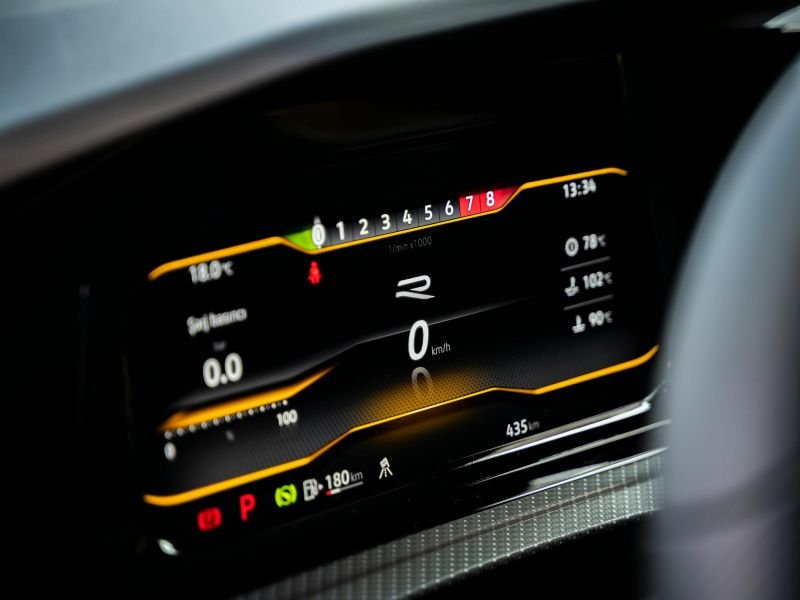
When it comes to efficiency, the Toyota Mirai is often discussed differently than gas, hybrid, or even electric cars. Instead of miles per gallon or battery range alone, the focus is on how far the car can realistically go on a full hydrogen tank and how that fits into daily life. For buyers in the USA, real-world mileage matters more than official ratings, especially when planning commutes and longer trips.
In this section of the Toyota Mirai Review, the emphasis is on everyday efficiency rather than lab numbers. City driving, highway use, and driving habits all affect how efficiently the Mirai uses hydrogen. While official figures give a general idea, real-world conditions provide a clearer picture of what owners can actually expect.
Understanding real-world mileage also helps buyers compare the Mirai with EVs and hybrids. The Mirai is designed to deliver consistent efficiency without the range drops that can happen in cold weather or heavy traffic for some electric vehicles. This section sets the stage for a closer look at EPA ratings, daily driving range, and cost-per-mile considerations in the USA.
Official EPA Fuel Economy Equivalent Ratings
For hydrogen fuel cell vehicles, efficiency is measured a bit differently than gas or diesel cars. Instead of miles per gallon, the EPA uses a miles-per-gallon equivalent (MPGe) rating to help buyers understand how efficiently the vehicle uses energy. This makes it easier to compare the Mirai with electric and hybrid vehicles on a similar scale.
According to official EPA testing, the Mirai delivers strong efficiency figures for both city and highway driving. These ratings reflect how far the car can travel on a standardized amount of hydrogen energy under controlled conditions. While these numbers are useful for comparison, they are best seen as a baseline rather than a promise of exact real-world results.
In many Toyota Mirai Review discussions, owners point out that EPA ratings generally align well with everyday driving, especially in moderate weather and steady traffic. However, actual efficiency can still vary based on driving style, road conditions, and how often the car is driven at highway speeds. Understanding the EPA ratings helps buyers set realistic expectations before looking at real-world mileage in daily use.
Real-World Range in Daily Use
In everyday driving, the Toyota Mirai offers a practical range that fits well with normal commuting and routine travel. Most drivers find that a full hydrogen tank comfortably covers several days of city and mixed driving without the need for frequent refueling. This makes daily use feel simple and predictable, especially for people who follow regular routes.
Real-world range can vary based on driving habits, traffic conditions, and weather. Gentle acceleration, steady highway speeds, and lighter loads usually help extend how far the car can go between refills. In contrast, frequent short trips, heavy traffic, or aggressive driving may reduce overall range slightly. Still, these changes tend to be gradual rather than dramatic.
Across many Toyota Mirai Review experiences, owners often mention that real-world range feels close to expectations set by official figures. For drivers in the USA who have access to hydrogen stations, daily use rarely feels restrictive. As long as refueling locations are part of your routine, the Mirai’s real-world range supports a smooth and stress-free ownership experience.
City vs Highway Efficiency
Efficiency can vary depending on where and how the vehicle is driven. In city conditions, stop-and-go traffic and lower speeds often support smooth and consistent energy use. Highway driving, by contrast, depends more on sustained speed and driving style. The table below highlights how efficiency typically compares in real-world situations.
| Driving Condition | Efficiency Behavior | Real-World Observation |
|---|---|---|
|
City Driving |
More consistent efficiency |
Stop-and-go traffic works well with smooth power delivery |
|
Highway Driving |
Slightly higher energy use at speed |
Best results at steady cruising speeds |
|
Mixed Driving |
Balanced overall efficiency |
Ideal for daily commuting and regular travel |
|
Aggressive Driving |
Lower efficiency |
Frequent hard acceleration reduces overall range |
In many Toyota Mirai Review experiences, owners note that the difference between city and highway efficiency is noticeable but not extreme. As long as driving remains smooth and predictable, the Mirai delivers reliable efficiency in both environments, making it suitable for everyday use in the USA.
Hydrogen Cost per Mile Considerations
When looking at running costs, understanding hydrogen cost per mile is important for anyone considering the Toyota Mirai. Unlike gasoline or electricity, hydrogen pricing can vary more by location and availability. This means the cost of driving depends not only on how efficiently the car uses fuel, but also on where you refuel in the USA.
In everyday use, cost per mile is influenced by driving habits, traffic conditions, and how often the car is driven on highways versus city roads. Smooth acceleration and steady cruising usually help keep costs more predictable. In areas with good hydrogen infrastructure, many drivers find the overall cost per mile competitive with premium gasoline vehicles.
Across many Toyota Mirai Review discussions, owners often mention that fuel cost planning becomes easier once refueling locations and prices are familiar. While hydrogen may not always be the cheapest option, the convenience of fast refueling and consistent driving range can balance the expense for the right buyer. For drivers focused on clean driving without charging time, hydrogen cost per mile becomes part of a broader ownership decision rather than a single deciding factor.
Toyota Mirai Real-World Experience in the USA
The real value of the Toyota Mirai becomes clearer when you look beyond specs and focus on everyday use in the United States. Real-world experience depends heavily on driving habits, refueling access, and how the car fits into daily routines. For many owners, the Mirai feels less like an experiment and more like a refined sedan with a different kind of fuel.
In this section of the Toyota Mirai Review, the emphasis is on what it’s actually like to live with the car in U.S. conditions. City commuting, highway travel, ride comfort, and overall usability all shape the ownership experience. Factors such as refueling convenience, driving comfort, and noise levels matter more here than technical numbers alone.
Understanding real-world experience also helps set honest expectations. While the Mirai offers smooth driving and quick refueling, it works best in regions with hydrogen infrastructure. This section sets the stage for deeper insights into daily driving, long trips, comfort, and how owners describe living with the Toyota Mirai across different parts of the USA.
City Driving Experience
In city driving, the Toyota Mirai feels calm and easy to manage, which makes daily commuting more comfortable. The smooth power delivery helps the car move naturally in stop-and-go traffic, without sudden jerks or engine noise. This quiet operation reduces stress, especially during busy urban hours.
Low-speed handling is predictable, making it easier to navigate tight streets, traffic signals, and parking areas. The steering remains light, which helps during turns and slow maneuvers, while the overall ride stays composed even on uneven city roads. These qualities make the car feel well suited for regular urban use.
In many Toyota Mirai Review experiences, owners mention that city driving is one of the car’s strongest areas. The combination of quiet movement, smooth acceleration, and comfortable ride helps make everyday errands and work commutes in U.S. cities feel relaxed and controlled.
Highway Traveling and Long Trips
On highways and longer trips, the Toyota Mirai feels stable and well-suited for extended driving. At cruising speeds, the car maintains a smooth and quiet ride, which helps reduce fatigue during long hours on the road. Wind and road noise are kept low, allowing drivers and passengers to enjoy a relaxed cabin environment.
Long-distance travel also benefits from the Mirai’s steady power delivery. Passing slower vehicles and maintaining highway speeds feel confident and controlled, without the need for aggressive throttle input. The car stays composed on straight stretches as well as gentle curves, which adds to the sense of confidence during interstate driving.
In many Toyota Mirai Review experiences, owners highlight that long trips feel surprisingly easy as long as refueling stops are planned in advance. With quick hydrogen refueling and consistent driving behavior, highway travel across suitable regions of the USA feels familiar and comfortable, similar to driving a conventional sedan.
Ride Comfort, Noise and Handling
Ride comfort is one of the areas where the Toyota Mirai stands out in everyday use. The suspension is tuned to absorb bumps and rough road surfaces smoothly, which helps keep the cabin settled on both city streets and highways. Even on longer drives, the ride remains comfortable without feeling too soft or disconnected from the road.
Noise levels inside the cabin are very low, thanks to the quiet nature of the powertrain. There is no engine sound, and road noise is well controlled, which creates a calm driving environment. This makes conversations easier and reduces fatigue during extended trips, especially on busy U.S. highways.
Handling feels balanced and predictable rather than sporty. The car responds smoothly to steering inputs and stays composed through corners. In many Toyota Mirai Review experiences, drivers note that the combination of comfort, low noise, and stable handling makes the Mirai pleasant to drive daily, particularly for those who prioritize relaxation and refinement over aggressive performance.
Owner Testimonials and Practical Use Cases
Owner feedback provides useful insight into how the Toyota Mirai fits into real life beyond specifications and test drives. Many owners describe daily use as smooth and uncomplicated, especially once refueling routines are established. For commuting, school runs, and regular errands, the car behaves like a normal sedan, which helps remove the learning curve often associated with new technology.
Practical use cases often depend on location. Drivers who live near hydrogen refueling stations report positive ownership experiences, highlighting quick refueling and consistent range as key benefits. Professionals with predictable routes and commuters who value quiet driving frequently mention how relaxed the car feels in traffic and on highways. Some owners also appreciate the low routine maintenance needs compared to traditional gas vehicles.
In various Toyota Mirai Review discussions, testimonials tend to focus on comfort, smooth driving, and the satisfaction of using a clean technology vehicle without changing daily habits too much. While it may not suit everyone, especially in areas without infrastructure, real-world owner experiences show that for the right user, the Mirai works well as a practical and dependable car in the USA.