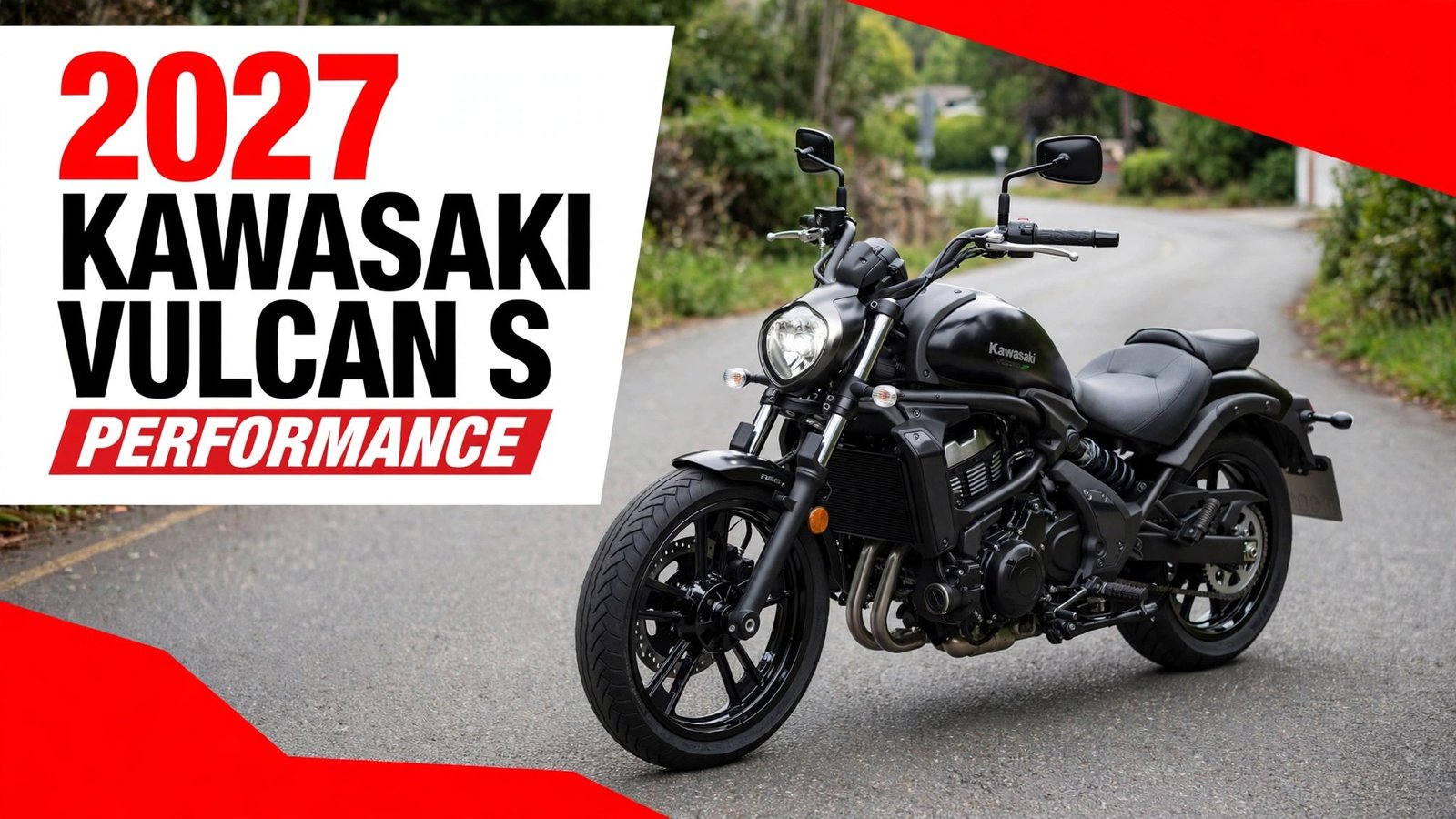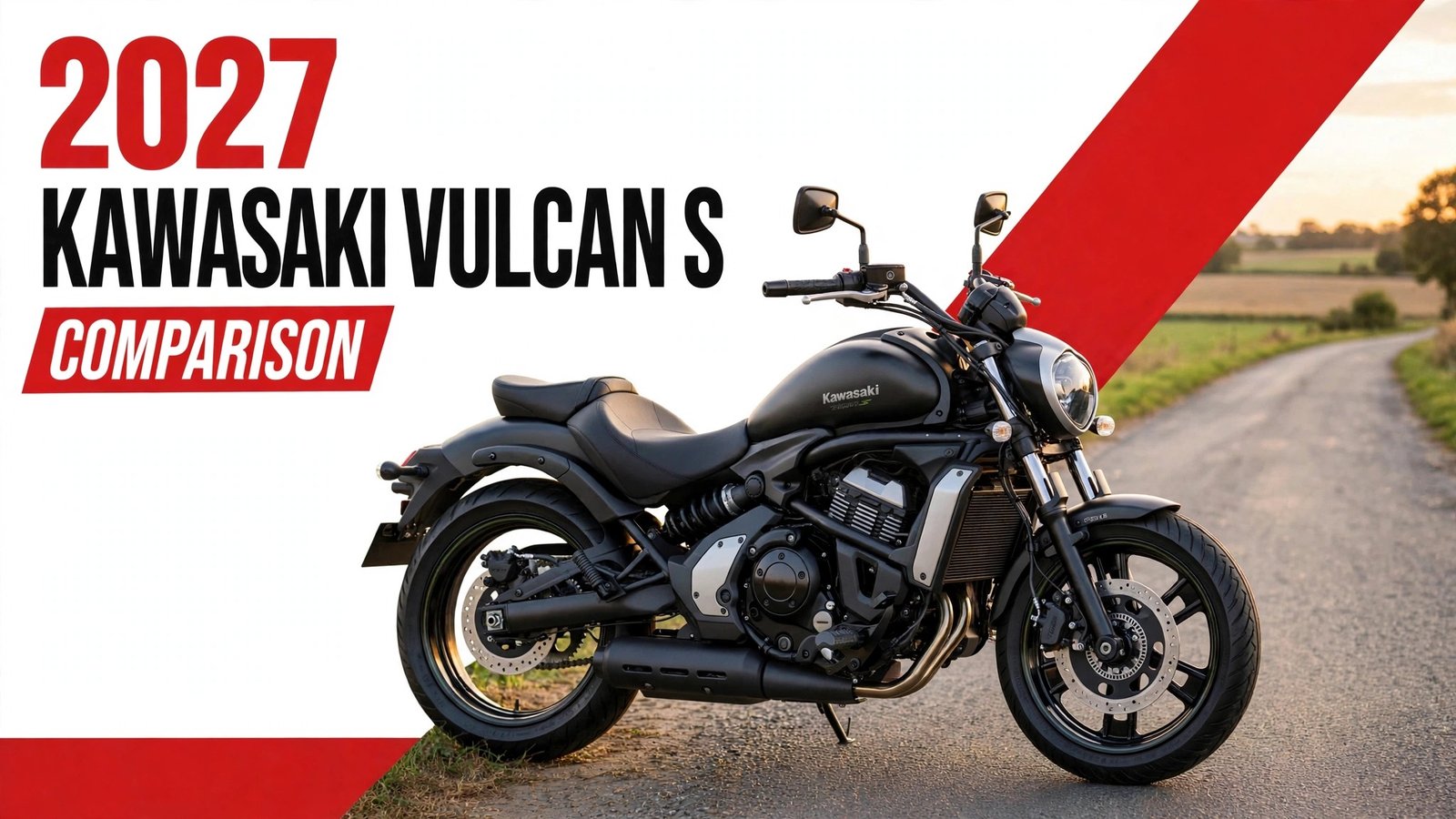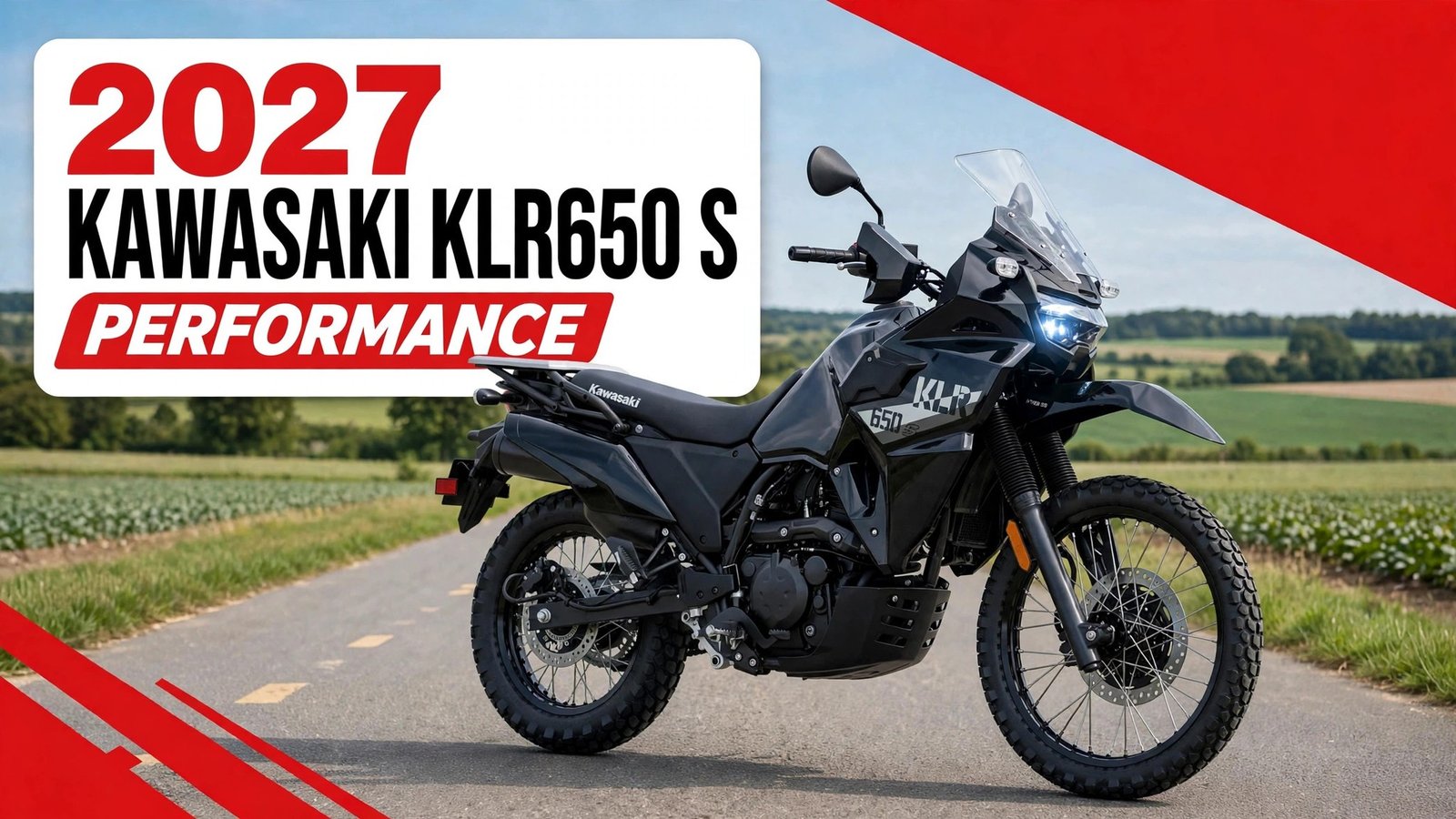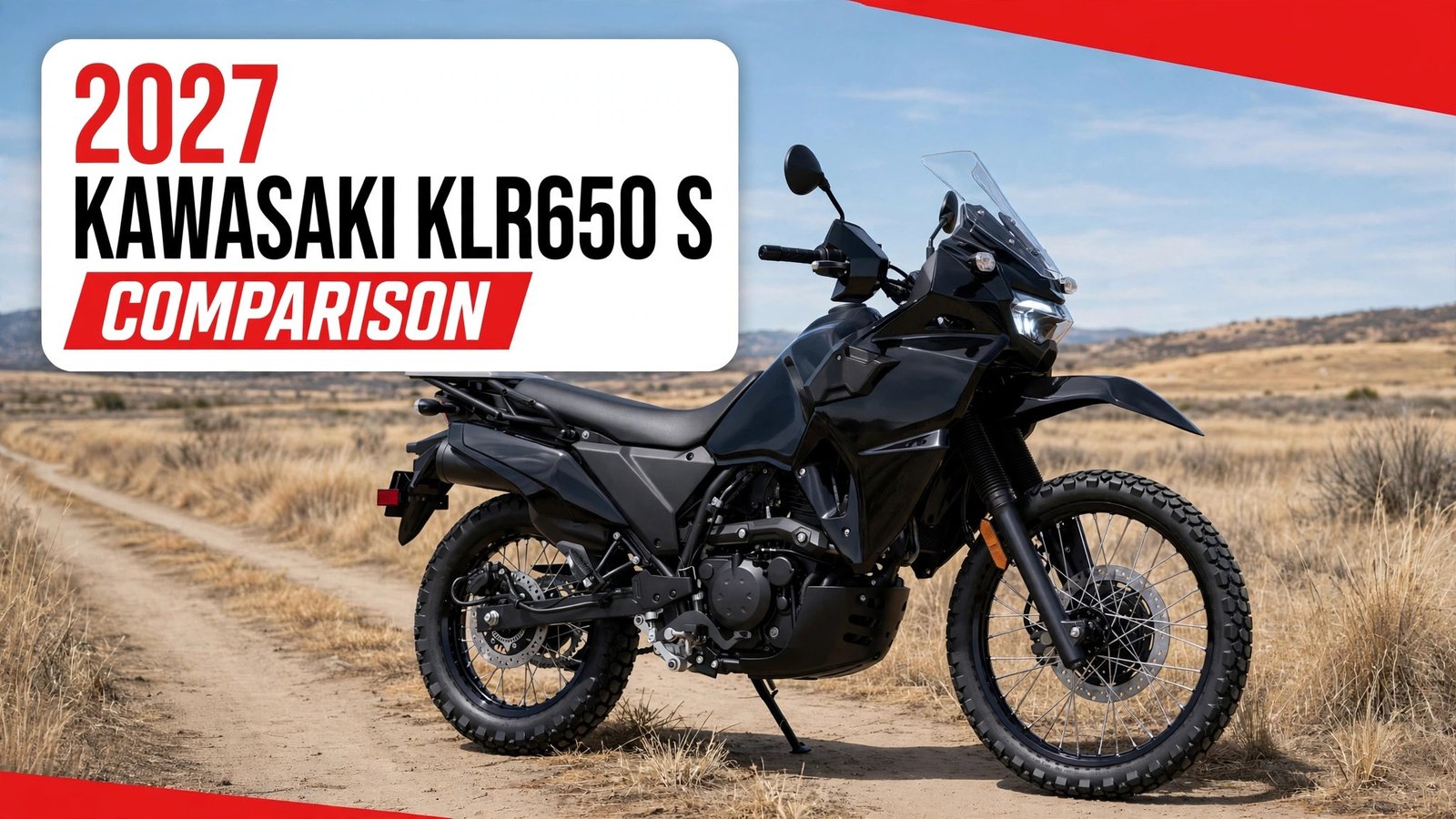
The short answer is that the Kawasaki KLR650 S wins this Kawasaki KLR650 S comparison on reach and touring range, and loses it on weight and trail ability. No rival here matches the S’s combination of a 32.1-inch seat, a 6.1-gallon tank and a $6,999 starting price, but the S is still a 456-pound single, and the lighter bikes here are the better trail machines.
This Kawasaki KLR650 S comparison puts the S against its three doc rivals — the standard KLR650, the Honda CRF300LS and the Suzuki DR650S — plus the Yamaha TW200 as the low-seat alternative, on price, seat height, weight, engine, tank and running costs.
Kawasaki KLR650 S Overview and Its Closest Rivals
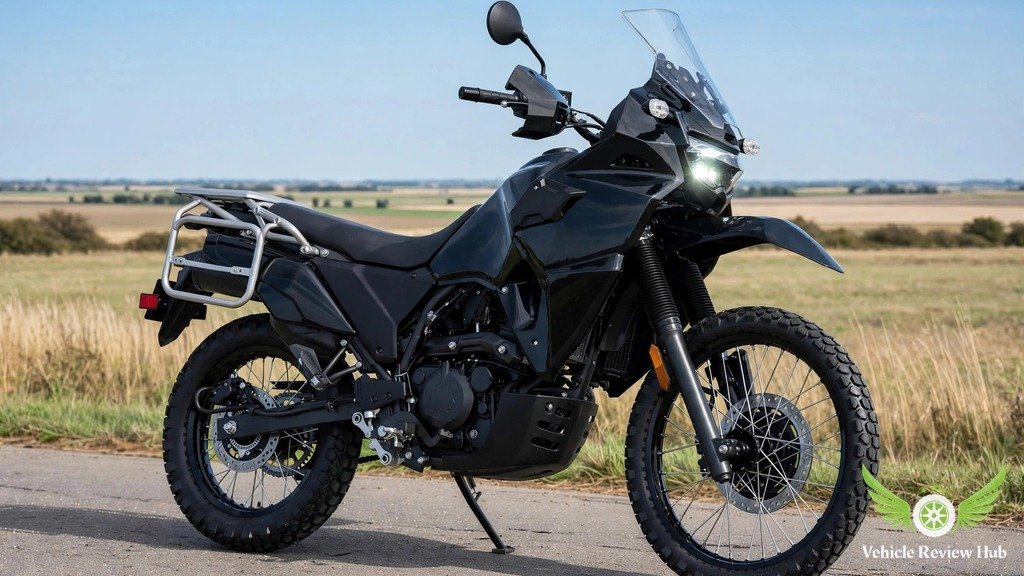
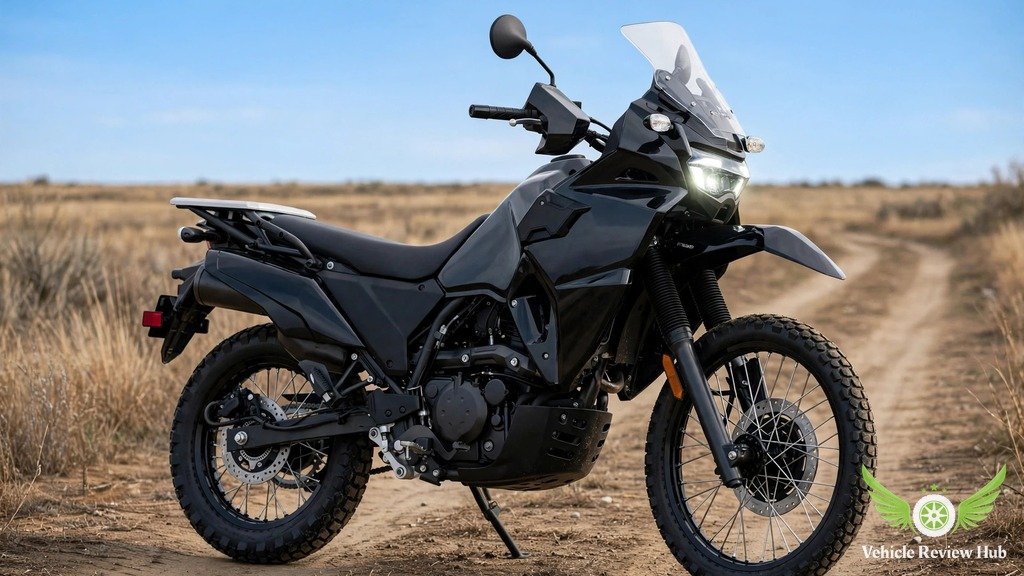
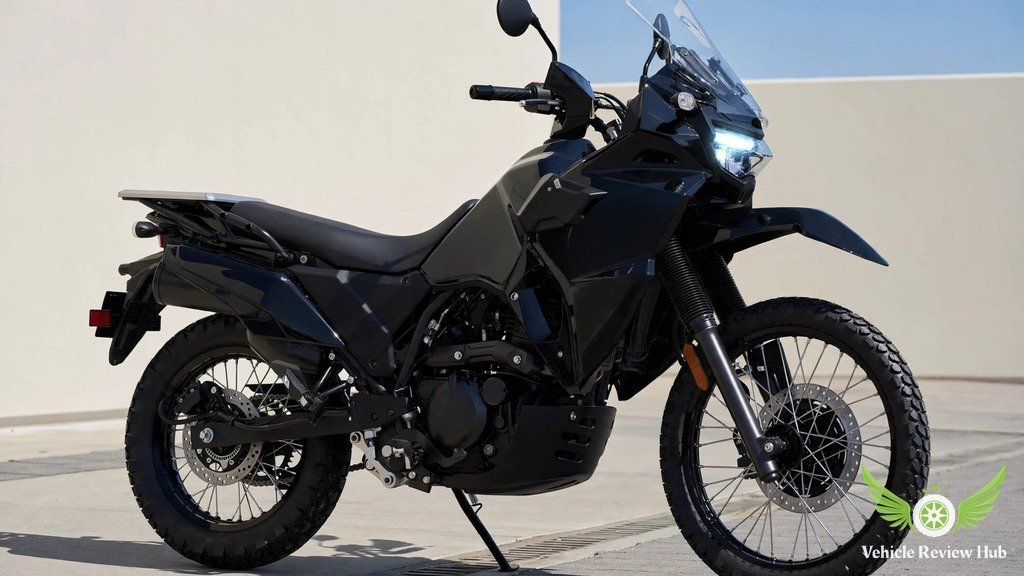
The S is a factory-lowered trim of the gen-3 KLR650, not a separate model: it shares the standard bike’s 652cc single, 6.1-gallon tank, five-speed gearbox and frame, and differs only in the lowering package — thinner seat, shorter suspension, longer tie-rod, shorter stand, more shifter room. It costs the same as the standard KLR650.

Why These Three Rivals: Sibling, Low Honda, Lowerable Suzuki
The three rivals in this Kawasaki KLR650 S comparison each test a different part of the S’s pitch. The standard KLR650 is the sibling — the same bike at the same price, taller — so it asks whether the lowering is worth the lost clearance. The Honda CRF300LS is the low-seat specialist, undercutting the S by more than $1,300 delivered, and the Suzuki DR650S is the lowerable Suzuki, a lighter single a dealer can drop to 33.2 inches. The TW200 sits outside the trio as the cheapest low-seat alternative at $5,399 delivered.
How the Four Bikes Differ at a Glance
Four numbers decide most of this Kawasaki KLR650 S comparison: seat height, weight, tank size and delivered price. The S has the lowest factory seat of the three main rivals at 32.1 inches, is the heaviest at 456.2 pounds, and has the only 6.1-gallon tank.
| Bike | Delivered price | Seat height | Curb weight | Engine and tank |
|---|---|---|---|---|
| Kawasaki KLR650 S (2027) | $7,684 / $7,984 ABS | 32.1 in | 456.2 / 460.6 lb ABS | 652cc, 40 hp, 6.1 gal |
| Kawasaki KLR650 ABS (2027) | $7,984 | 34.3 in | 460.6 lb | 652cc, 40 hp, 6.1 gal |
| Honda CRF300LS (2026) | $6,349 | 32.7 in | 311 lb | 286cc, 27 hp, 2.1 gal |
| Suzuki DR650S (2026) | $7,899 | 34.8 in (33.2 lowered) | 366 lb | 644cc, carb, 3.4 gal |
Notes for this Kawasaki KLR650 S comparison glance table: delivered prices are MSRP plus destination — S $6,999 / $7,299 ABS plus $685; KLR650 ABS $7,299 plus $685; CRF300LS $5,749 plus $600; DR650S $7,299 plus $600. The DR650S lowered figure is the factory-supported dealer adjustment, not a separate trim; weights are curb weights.
Kawasaki KLR650 S vs Kawasaki KLR650
The sibling fight is the strangest one in this Kawasaki KLR650 S comparison: the two bikes are the same machine at the same price — the S ABS costs $7,984 delivered and the non-ABS S $7,684, exactly the same as the standard in both cases. The only question is which seat height the buyer wants — 32.1 inches or 34.3 — and what the 2.2-inch drop costs in clearance and travel.

Engine, Specs and Performance Side by Side
There is nothing to split on the engine in this Kawasaki KLR650 S comparison: both bikes share the same 652cc single, 40 hp at 6,000 rpm and 39.1 lb-ft at 4,500 rpm, the same gearbox and tank. The S’s own dyno run — Cycle World’s 2023 S test, 36.86 hp at 6,080 rpm and 35.42 lb-ft at 4,590 rpm — is the figure for both. No instrumented top speed exists for the S; the only tested number is Cycle News at 88 to 90 mph, on the Adventure, not the S.
| Spec | KLR650 S | KLR650 (standard) |
|---|---|---|
| Engine | 652cc single, 40 hp @ 6,000 rpm | 652cc single, 40 hp @ 6,000 rpm |
| Torque | 39.1 lb-ft @ 4,500 rpm | 39.1 lb-ft @ 4,500 rpm |
| Seat height | 32.1 in | 34.3 in |
| Ground clearance | 7.3 in | 8.3 in |
| Suspension travel | 6.7 in front / 7.0 in rear | 7.9 in front / 8.0 in rear |
| Wheelbase | 59.6 in | 60.6 in |
| Curb weight | 456.2 lb / 460.6 lb ABS | 456.2 lb / 460.6 lb ABS |
| Tank | 6.1 gal | 6.1 gal |
Notes for this Kawasaki KLR650 S comparison sibling table: the engine, weight and tank figures are identical because the S is a trim of the same bike, not a separate model. The seat drop is 2.2 inches by the spec-sheet arithmetic (34.3 minus 32.1); Kawasaki’s own press material rounds it to 2.3 inches. The 43.94 mpg figure is Cycle World’s tested number on the S itself; the 49 mpg figure is Cycle News on the Adventure, bags packed.
Price, Equipment and Which Suits Which Rider
Price cannot settle the sibling choice in this Kawasaki KLR650 S comparison: there is no price difference. The S and the standard cost the same, from the 2023 launch ($7,334 delivered non-ABS) to the 2027 bike ($7,684 non-ABS, $7,984 with ABS). Equipment is the same too — LED headlight, digital dash, tall windshield, large rear carrier, ABS as a $300 option on both. The lowering package is free, so the choice is purely physical: buy the S if 34.3 inches is too tall. The one comfort trade is the seat itself: the thinner S seat is, in RevZilla’s words, “undeniably less plush” than the standard bike’s — the price of the lower perch.
The S wins on reach: Cycle World’s tester, at a 28-inch inseam, could firmly plant both feet on the S, and RevZilla’s tester, at 5 feet 4 inches with a 31.5-inch inseam, got the balls of both feet down where the taller Adventure left her on a perilous teeter-totter. Our KLR650 comparison covers the same question from the standard bike’s side, and our S review covers the lowering package.
Kawasaki KLR650 S vs Honda CRF300LS
The Honda is the only rival in this Kawasaki KLR650 S comparison that beats the S on price and nearly matches it on seat height: the CRF300LS costs $6,349 delivered — $1,335 less than the non-ABS S and $1,635 less than the S with ABS — and its 32.7-inch seat is only 0.6 inches taller than the S’s 32.1, at 145 pounds lighter. What the Honda gives up is everything the S is built for: engine size, fuel range and highway comfort.
Engine, Specs and Performance Side by Side
The engine gap is the whole story of this Kawasaki KLR650 S comparison pairing: 652cc and 40 hp against 286cc and 27 hp. The Honda’s single makes 27 hp at 8,500 rpm and 19.6 lb-ft at 6,500 rpm, with a six-speed gearbox — one more gear than the S’s five. The Honda is livelier at low speed and easier to pick up, but it has no answer to the S’s torque or its tank: 2.1 gallons against 6.1, about one-third the fuel and range.
| Spec | KLR650 S | CRF300LS |
|---|---|---|
| Engine | 652cc single, 40 hp @ 6,000 rpm | 286cc single, 27 hp @ 8,500 rpm |
| Torque | 39.1 lb-ft @ 4,500 rpm | 19.6 lb-ft @ 6,500 rpm |
| Seat height | 32.1 in | 32.7 in |
| Curb weight | 456.2 lb / 460.6 lb ABS | 311 lb |
| Ground clearance | 7.3 in | 9.6 in |
| Suspension travel | 6.7 in front / 7.0 in rear | 9.3 in front / 9.0 in rear |
| Tank | 6.1 gal | 2.1 gal |
| Wheels | 21 in front / 17 in rear | 21 in front / 18 in rear |
Notes for this Kawasaki KLR650 S comparison Honda table: the CRF300LS figures are Honda’s own 2026 numbers — $5,749 MSRP plus $600 destination is $6,349 delivered, seat 32.7 inches, curb 311 lb. The LS keeps 9.6 inches of ground clearance and 9.3 / 9.0 inches of travel, so it is the more serious trail bike; the S is the highway-capable tourer. The LS seat is two inches lower than the standard CRF300L, with no price premium.
Price, Equipment and Which Suits Which Rider
The Honda’s $1,335 saving over the non-ABS S is real money, and it buys the lighter, simpler bike — but a smaller one in every dimension that matters: 366cc less engine, 4.0 gallons less fuel, no wind protection worth the name. A rider whose miles are mostly trails should take the Honda and keep the money. A rider whose miles include highways or multi-day trips should take the S, because the Honda’s 2.1-gallon tank turns every long ride into a fuel-stop plan.
Kawasaki KLR650 S vs Suzuki DR650S
The Suzuki is the old-school answer to the same question in this Kawasaki KLR650 S comparison: how low can a big single sit? The DR650S costs $7,899 delivered — $215 more than the non-ABS S and $85 less than the S with ABS — and its seat is 34.8 inches as sold. A dealer can lower it to 33.2 inches, but that is still 1.1 inches taller than the S’s 32.1.
Engine, Specs and Performance Side by Side
On paper the two engines are close: the S’s 652cc fuel-injected, liquid-cooled single against the Suzuki’s 644cc carbureted, air-cooled single. In practice they are different generations of the same idea. The S has fuel injection, a digital dash with a fuel gauge, a tall windshield and optional ABS; the DR650S has a carburetor, no ABS at all, and no fuel gauge. The Suzuki is 90 pounds lighter — 366 lb against the S’s 456.2 — and that gap is the first thing a rider feels when it tips over.
| Spec | KLR650 S | DR650S |
|---|---|---|
| Engine | 652cc single, FI, liquid-cooled | 644cc single, carb, air-cooled |
| Power | 40 hp @ 6,000 rpm | No factory figure published |
| Seat height | 32.1 in | 34.8 in (33.2 in lowered) |
| Curb weight | 456.2 lb / 460.6 lb ABS | 366 lb |
| Ground clearance | 7.3 in | 10.4 in (standard position) |
| Tank | 6.1 gal | 3.4 gal |
| ABS | Optional, $300, non-switchable | Not available |
Notes for this Kawasaki KLR650 S comparison Suzuki table: the DR650S figures are the 2026 numbers — $7,299 MSRP plus $600 destination is $7,899 delivered, seat 34.8 inches as sold and 33.2 inches after the factory-supported dealer lowering, curb 366 lb, tank 3.4 gallons. Suzuki publishes no factory power figure for the DR650S. The lowering is a dealer-fitted adjustment, not a factory trim.
Price, Equipment and Which Suits Which Rider
The Suzuki’s $215 premium over the non-ABS S buys lightness and simplicity, not reach. Even after the dealer lowering, the DR650S still sits 1.1 inches taller than the S — the lowering is an adjustment to a bike designed tall, not a factory package with S-specific spring rates, valving, a thinner seat and a shorter stand. A rider who wants the lowest seat in this Kawasaki KLR650 S comparison buys the S; a rider who wants the lightest bike buys the Suzuki.
Kawasaki KLR650 S Price and Value Compared
Price is where this Kawasaki KLR650 S comparison gets practical. The S’s delivered prices are identical to the standard KLR650’s — $7,684 without ABS and $7,984 with ABS for 2026 and 2027 — while the rivals spread from $6,349 for the Honda to $7,899 for the Suzuki. But the sticker is only the start: real dealers are already discounting the S, and lowering a standard instead of buying the S costs hundreds in parts.
DIY Lowering Costs Hundreds in Parts
The doc heading for this section once carried a $460 total, and this Kawasaki KLR650 S comparison does not print it: no source pins down a verified summed total, so the honest treatment is to itemise the real parts and let the buyer add them up. The parts list is short, but the seat is the expensive one.
| DIY lowering part | What it does | Price evidence |
|---|---|---|
| Lowering links | Drop the rear by 1 to 2 inches | Under $100; guides cite links around $20 |
| Low seat | Replaces the thick stock seat | Sargent Low listed at $369.95 |
| Shorter side stand | Keeps the lowered bike upright | No current retail price pinned down |
Notes for this Kawasaki KLR650 S comparison DIY table: lowering links under $100 is confirmed by the JustAnswer expert guide, and Dirty Motorcycle Adventures cites links around $20. The Sargent Low seat price of $369.95 is the published list price from the Rider Magazine review. No current retail price for a KLR650-specific shorter side stand was pinned down, so none is printed. No summed total is printed, because the stand and labour figures are unverified.
Links alone drop the rear and leave the front tall, the thick seat unsolved and the stand too long. A proper DIY job needs the low seat as well — the biggest single cost — and still does not replicate the factory package: S-specific spring rates and valving, a shorter shock, a longer tie-rod and more shifter room. Buying the S instead of lowering a standard costs nothing extra, so DIY only makes sense for a rider who already owns a standard KLR650.
Running Costs and Resale Value Compared
Running costs barely separate the bikes in this Kawasaki KLR650 S comparison, because all four are simple singles with long service intervals. The S follows the standard KLR650’s schedule — oil, filter and plug every 7,500 miles, valves every 15,000, chain lube every 400 — with the same 12-month warranty. Fuel is where the S pulls ahead on range: Cycle World’s tested 43.94 mpg gives 268 miles from the 6.1-gallon tank, while the Honda’s 2.1 gallons and the Suzuki’s 3.4 mean far more stops.
Real advertised discounts are already cutting the S’s delivered price. Rocky Mountain Cycle Plaza (Monument, Colorado) lists a new 2026 S at $6,249 — $750 off MSRP — with $685 destination, $399 setup and $249 handling, a $6,498 total before tax. Capital Powersports (Wake Forest, North Carolina) listed one at $6,348 after $750 in savings on 17 November 2026. World of Powersports (Peoria, Illinois) lists a 2026 S ABS at $6,080, and Dreyer Motorsports (Indianapolis) at $5,799. All four are single-dealer prices from November 2026.
Resale is the S’s quiet strength in this Kawasaki KLR650 S comparison. The S is the same bike as the standard KLR650 with a free lowering package, so it holds value like the standard: most used gen-3 examples sit between $4,999 and $5,995, and a private-seller 2022 Adventure with 2,847 miles was still listed at $6,999 in Phoenix in November 2026. No S-specific resale dataset exists, but a new 2026 S at $6,249 already undercuts some used asking prices.
Kawasaki KLR650 S Comparison Verdict and US Alternatives
The verdict in this Kawasaki KLR650 S comparison comes down to two questions: how low the seat sits, and how heavy the bike is. The S answers the first and does nothing about the second.
The film below is not a comparison of the three rivals in this Kawasaki KLR650 S comparison, and the KLR650 is not in it: it is Dork in the Road’s 1,000-mile review of the Honda CB500X, a twin-cylinder adventure bike. It is here because the CB500X is the twin-cylinder alternative many KLR650 shoppers also test-ride, and the same creator’s follow-up video compares the two bikes directly.
Verdict: Solves Reach, Not Weight
The S solves reach. At 32.1 inches it is the lowest factory seat in this Kawasaki KLR650 S comparison among the three main rivals, at no extra cost over the standard bike. A rider with a 28-inch inseam can plant both feet flat on it, and a rider at 5 feet 4 inches gets the balls of both feet down. No other bike here offers a big single, a 6.1-gallon tank and a 32.1-inch seat at $6,999.
The S does not solve weight. It weighs 456.2 pounds without ABS and 460.6 with it — the same as the standard KLR650, and 90 pounds more than the DR650S, 145 more than the CRF300LS and 178 more than the TW200. Buy the S if the standard is too tall and you want its tank, torque and highway legs. Buy the Honda if your miles are mostly trails. Buy the Suzuki if you want the lightest big single. Our Adventure comparison covers the taller, factory-bagged trim, and our S performance guide covers the S’s dyno and economy figures. The Ultimate Motorcycling S review reaches the same conclusion.
TW200 Alternative
The Yamaha TW200 is the cheapest low-seat alternative in this Kawasaki KLR650 S comparison, and the most honest one about what it is not. At $5,399 delivered it undercuts the non-ABS S by $2,285, its 31.1-inch seat is a full inch lower than the S’s, and at 278 pounds it is 178 pounds lighter. But it is a 196cc air-cooled trail bike with a 1.8-gallon tank, and it is not a highway tourer in any sense the S is.
Kawasaki KLR650 S Comparison: Frequently Asked Questions
Short answers to the questions this Kawasaki KLR650 S comparison raises most.
Which bike wins the Kawasaki KLR650 S comparison?
The S wins on reach and touring range in this Kawasaki KLR650 S comparison: the lowest factory seat of the three main rivals at 32.1 inches, the biggest tank at 6.1 gallons and the biggest engine at 652cc. The Honda wins on price and weight, and the Suzuki wins on trail clearance and lightness.
Is the KLR650 S cheaper than the standard KLR650?
No. In this Kawasaki KLR650 S comparison the two bikes cost exactly the same — $7,684 delivered without ABS and $7,984 with ABS for 2026 and 2027. The lowering package is free.
Is the CRF300LS lower than the KLR650 S?
No. In this Kawasaki KLR650 S comparison the Honda’s seat is 32.7 inches, which is 0.6 inches taller than the S’s 32.1 inches. The Honda is 145 pounds lighter and $1,335 cheaper delivered, but it is not lower.
Is the DR650S lower than the KLR650 S?
No. In this Kawasaki KLR650 S comparison the Suzuki’s seat is 34.8 inches as sold, and the factory-supported dealer lowering takes it to 33.2 inches — still 1.1 inches taller than the S’s 32.1 inches. The Suzuki is 90 pounds lighter, but it is not lower.
Can I lower a standard KLR650 myself for less?
Partly. In this Kawasaki KLR650 S comparison the DIY route costs hundreds in parts: lowering links under $100, a low seat such as the Sargent Low listed at $369.95, and a shorter side stand with no current retail price pinned down. Links alone only drop the rear, and the job does not replicate the S’s factory spring rates, valving or thinner seat. Since the S costs the same as the standard, DIY only makes sense if you already own the standard bike.
Does the KLR650 S weigh less than the standard KLR650?
No. In this Kawasaki KLR650 S comparison the S weighs exactly the same as the standard: 456.2 pounds without ABS, 460.6 with ABS. The S solves reach, not weight.
Which bike is best for highway miles?
The S, in this Kawasaki KLR650 S comparison. It has the biggest engine at 652cc and 40 hp, the biggest tank at 6.1 gallons, a tall adjustable windshield and a 268-mile range on Cycle World’s tested 43.94 mpg. The Honda’s 2.1-gallon tank and the Suzuki’s 3.4-gallon tank mean far more fuel stops.
Which bike is best for trails?
The Honda, in this Kawasaki KLR650 S comparison. The CRF300LS weighs 311 pounds, keeps 9.6 inches of ground clearance and 9.3 / 9.0 inches of suspension travel. The Suzuki is the next best trail bike at 366 pounds with 10.4 inches of clearance; the S is the heaviest and lowest of the three.
Is the KLR650 S good for beginners?
For a shorter beginner, yes — in this Kawasaki KLR650 S comparison it is the only big single a 28-inch inseam can flat-foot, and its 40 hp is manageable. The weight is the catch: 456 pounds is a lot for a first bike, and the 311-pound Honda is the easier machine to learn on and to pick up.
How much does a used KLR650 S cost?
No S-specific used price dataset exists, in this Kawasaki KLR650 S comparison. Most used gen-3 KLR650 examples sit between $4,999 and $5,995, a 2022 Adventure with 2,847 miles was listed at $6,999 in November 2026, and a used 2024 standard with 846 miles was listed at $5,699 on 17 November 2026. New 2026 S discounts already reach $6,249, which undercuts some used asking prices.
Does the KLR650 S have ABS?
As a $300 option, in this Kawasaki KLR650 S comparison. ABS is the S’s only rider aid, it is non-switchable, and the 2027 S ABS costs $7,984 delivered against $7,684 without ABS. The DR650S has no ABS at any price.
What is the cheapest low-seat dual-sport in this comparison?
The Yamaha TW200 at $5,399 delivered, in this Kawasaki KLR650 S comparison — $2,285 less than the non-ABS S, with a 31.1-inch seat a full inch lower. It is a 196cc trail bike with a 1.8-gallon tank, not a highway tourer, so it is the cheapest low seat, not the cheapest S replacement.