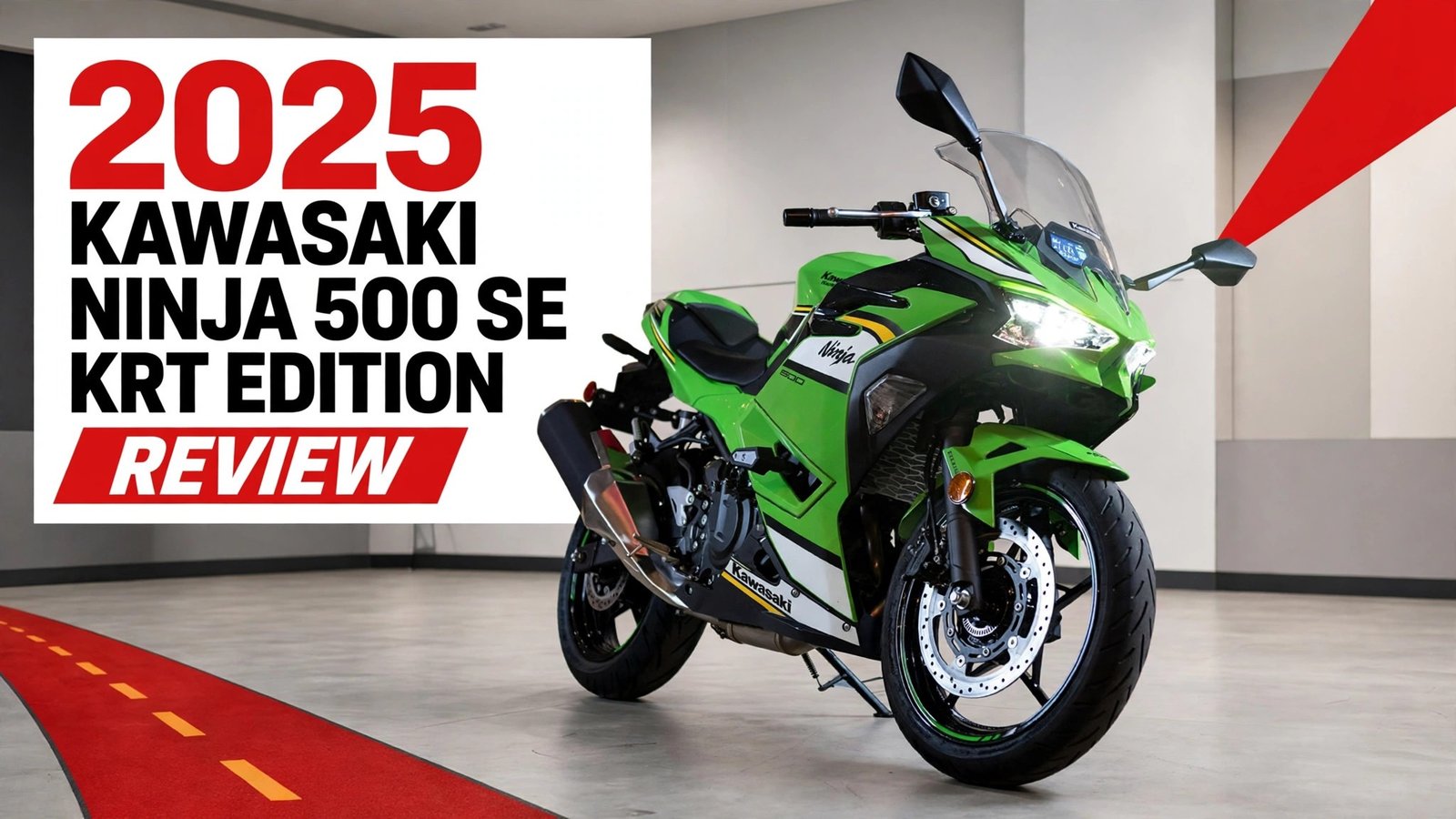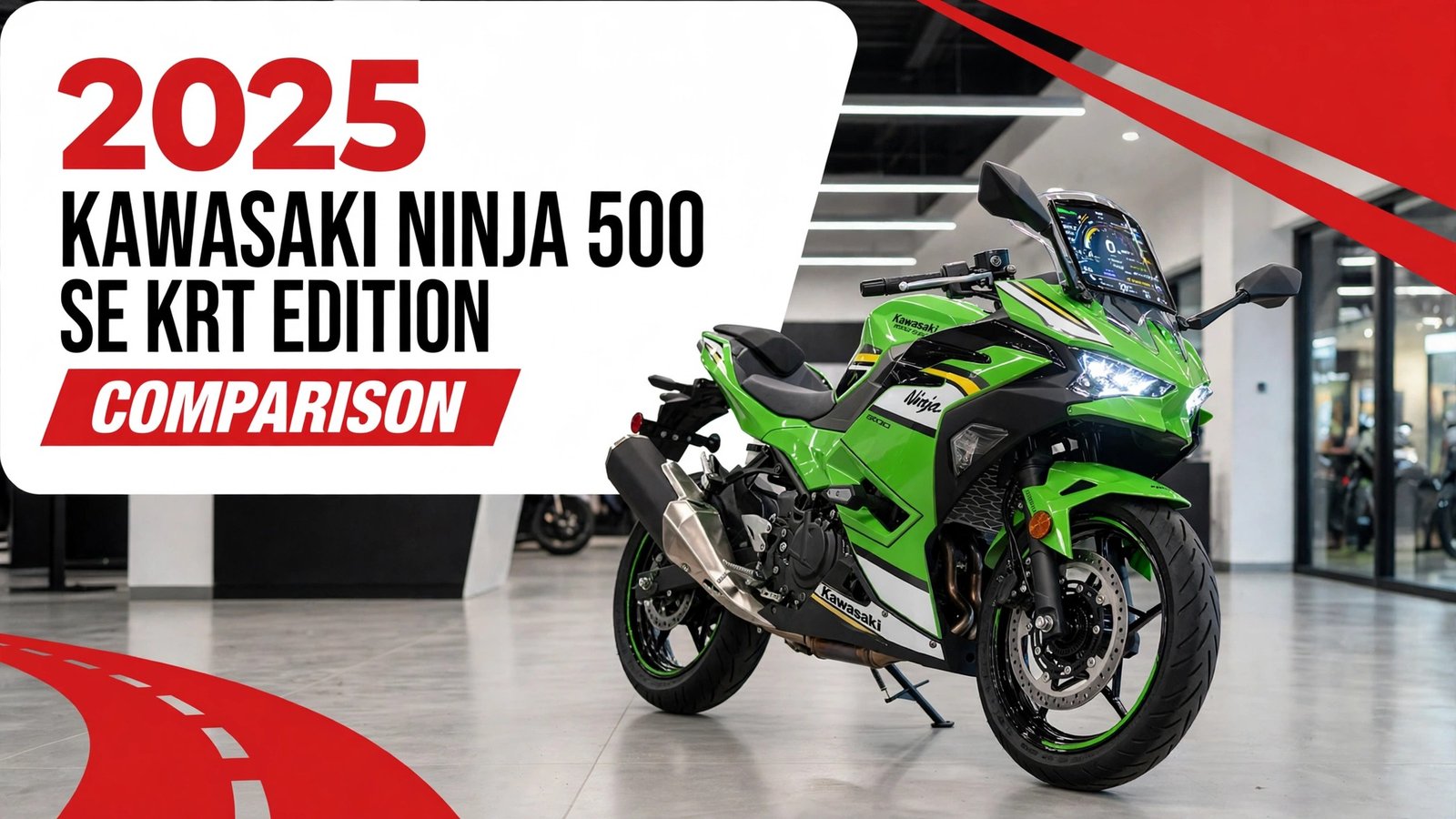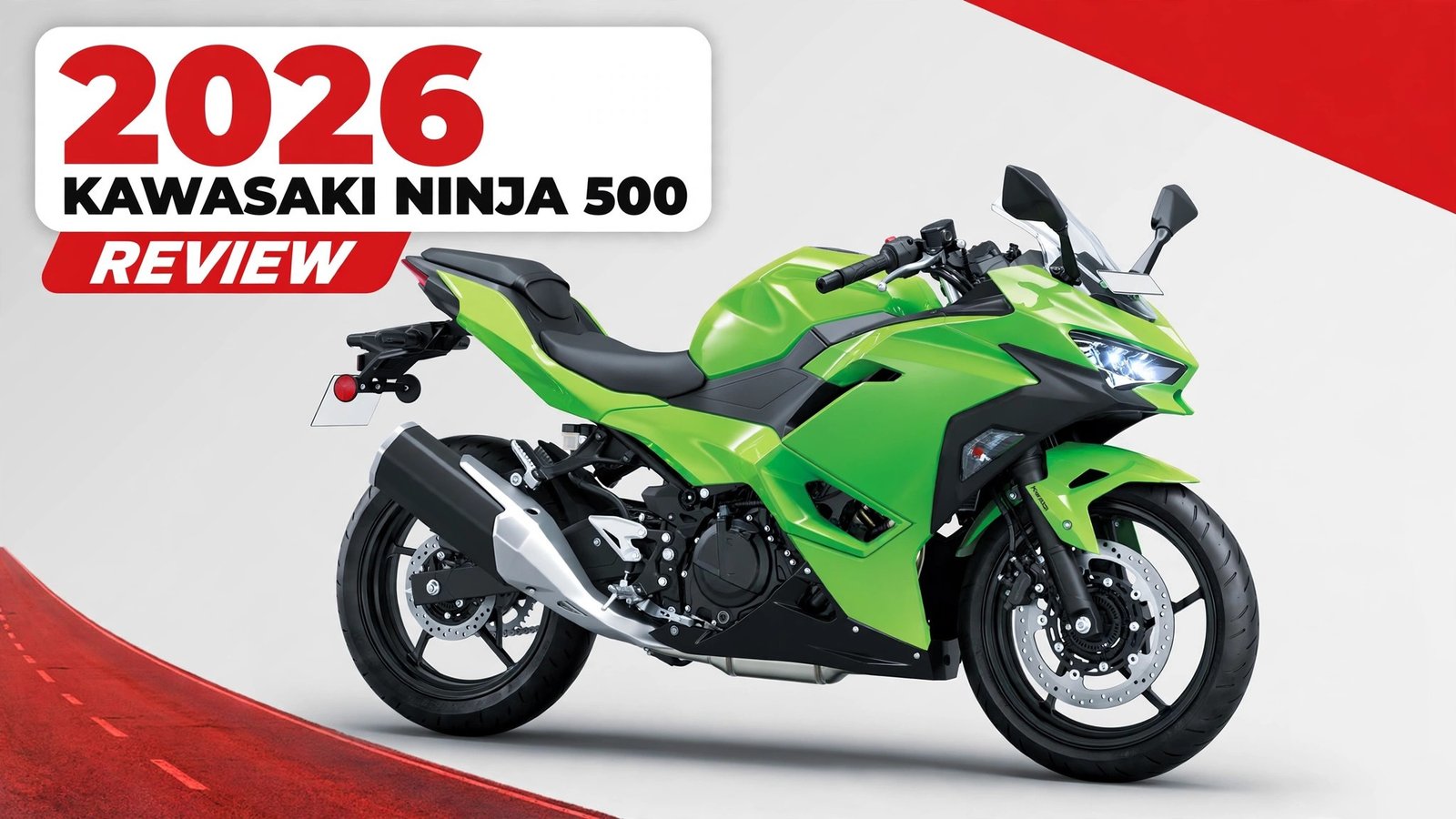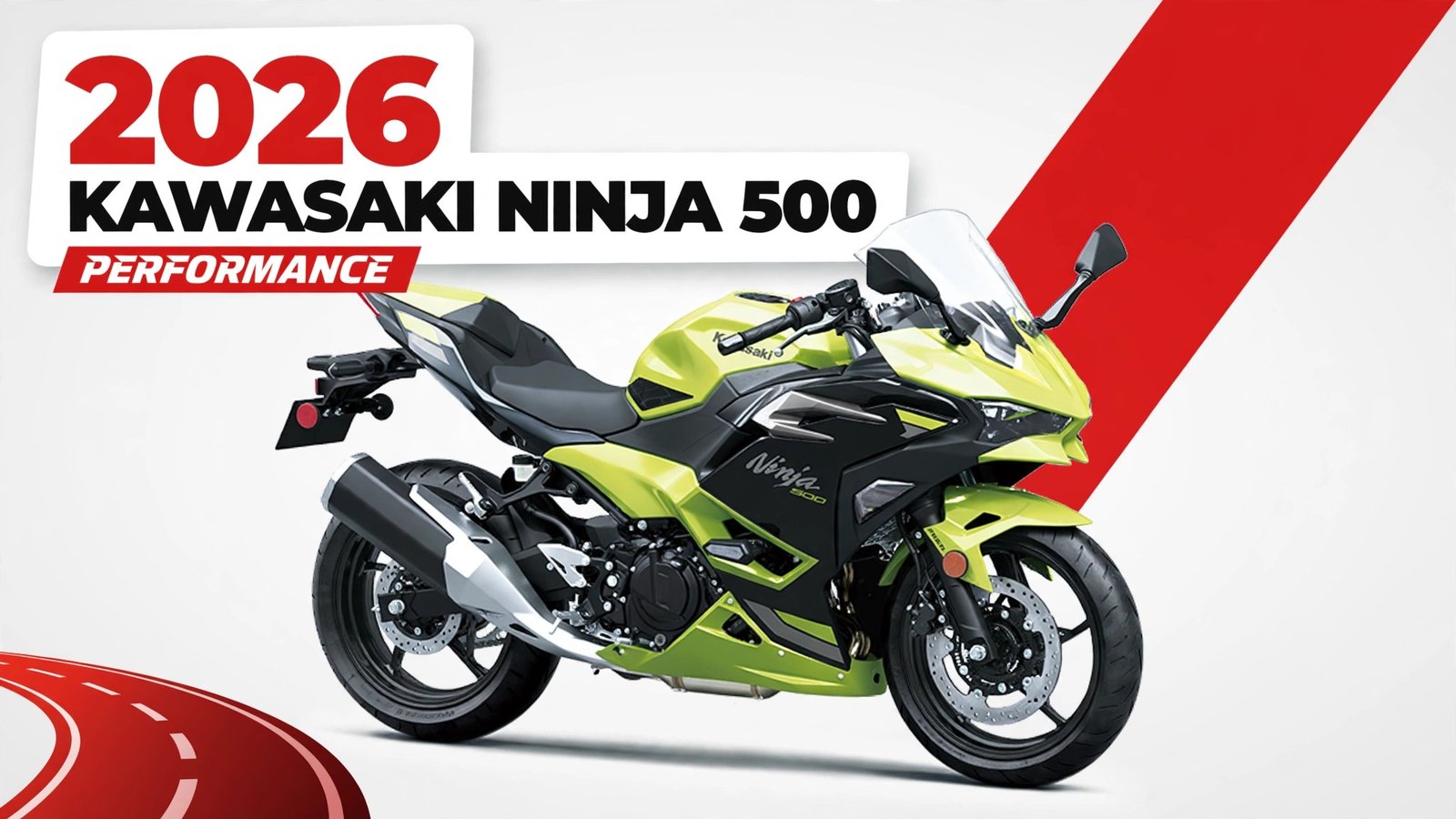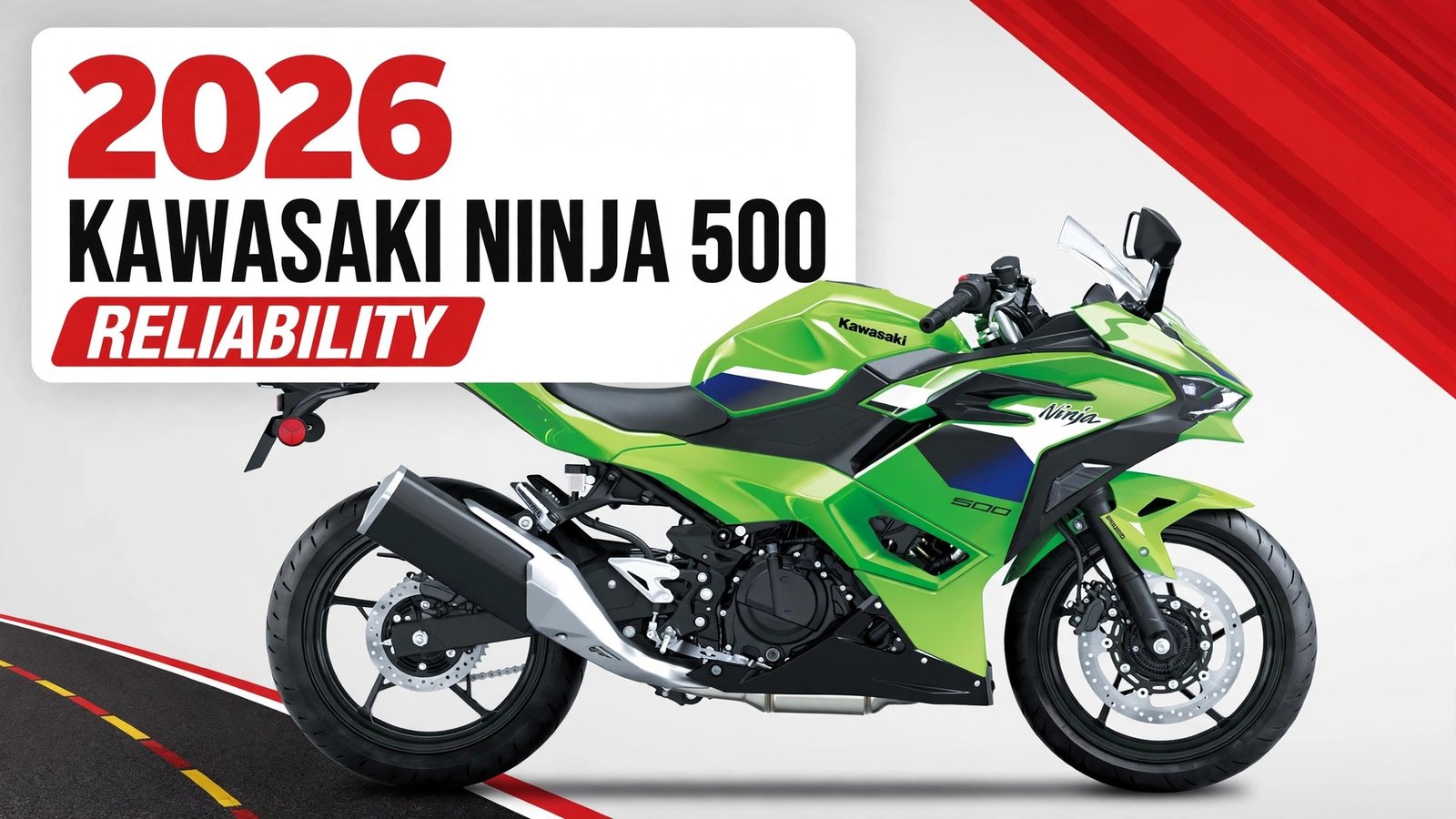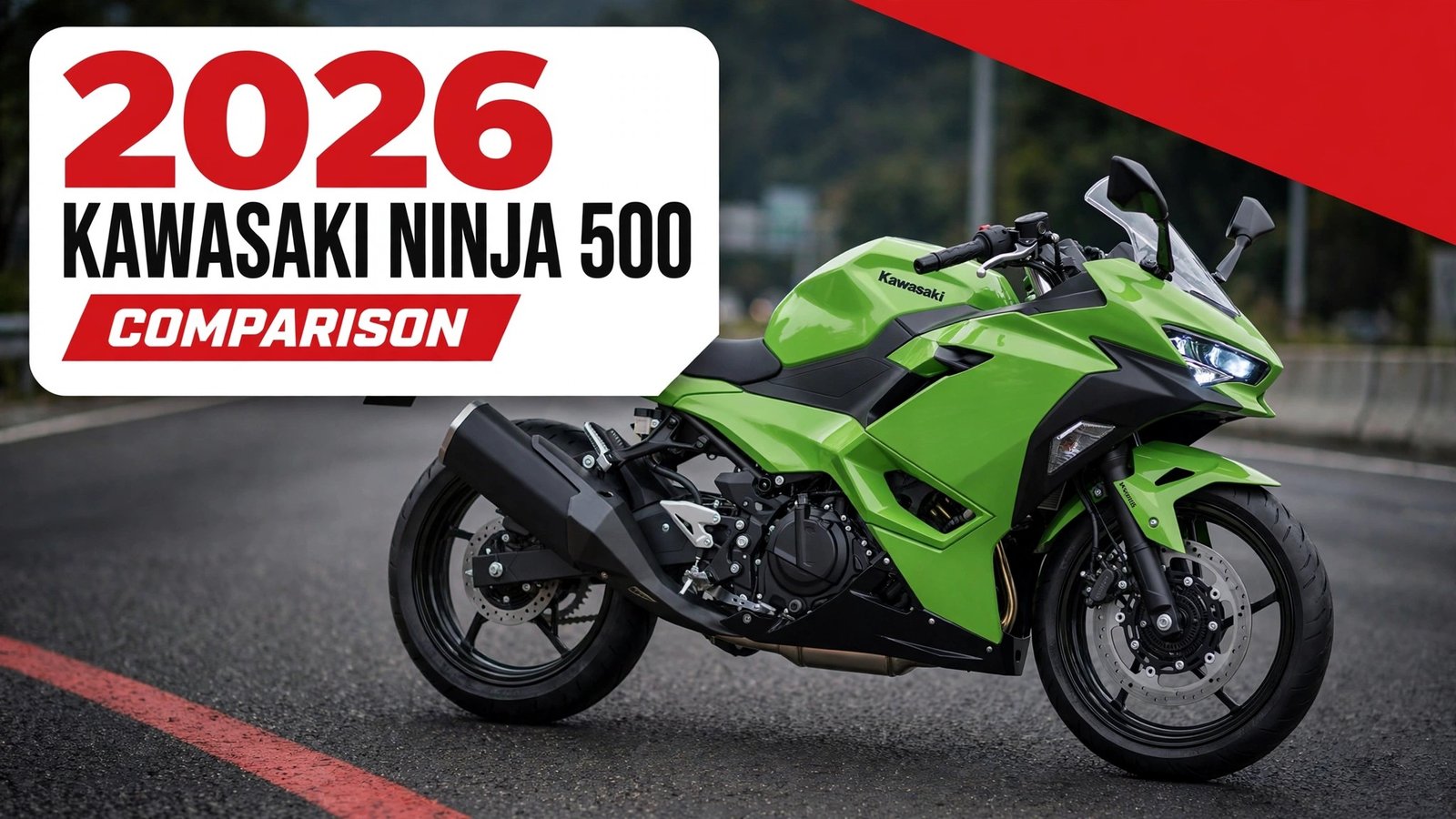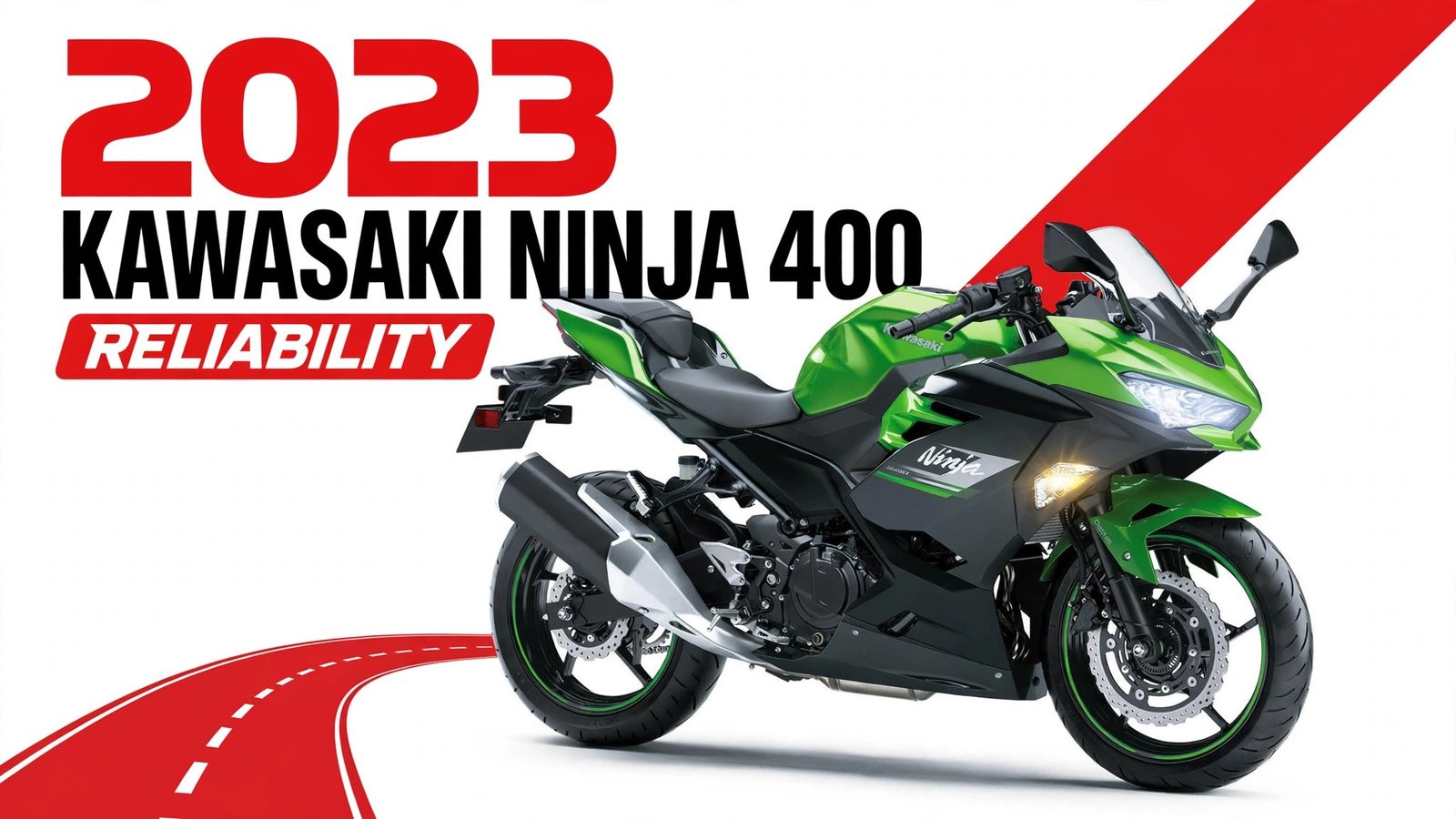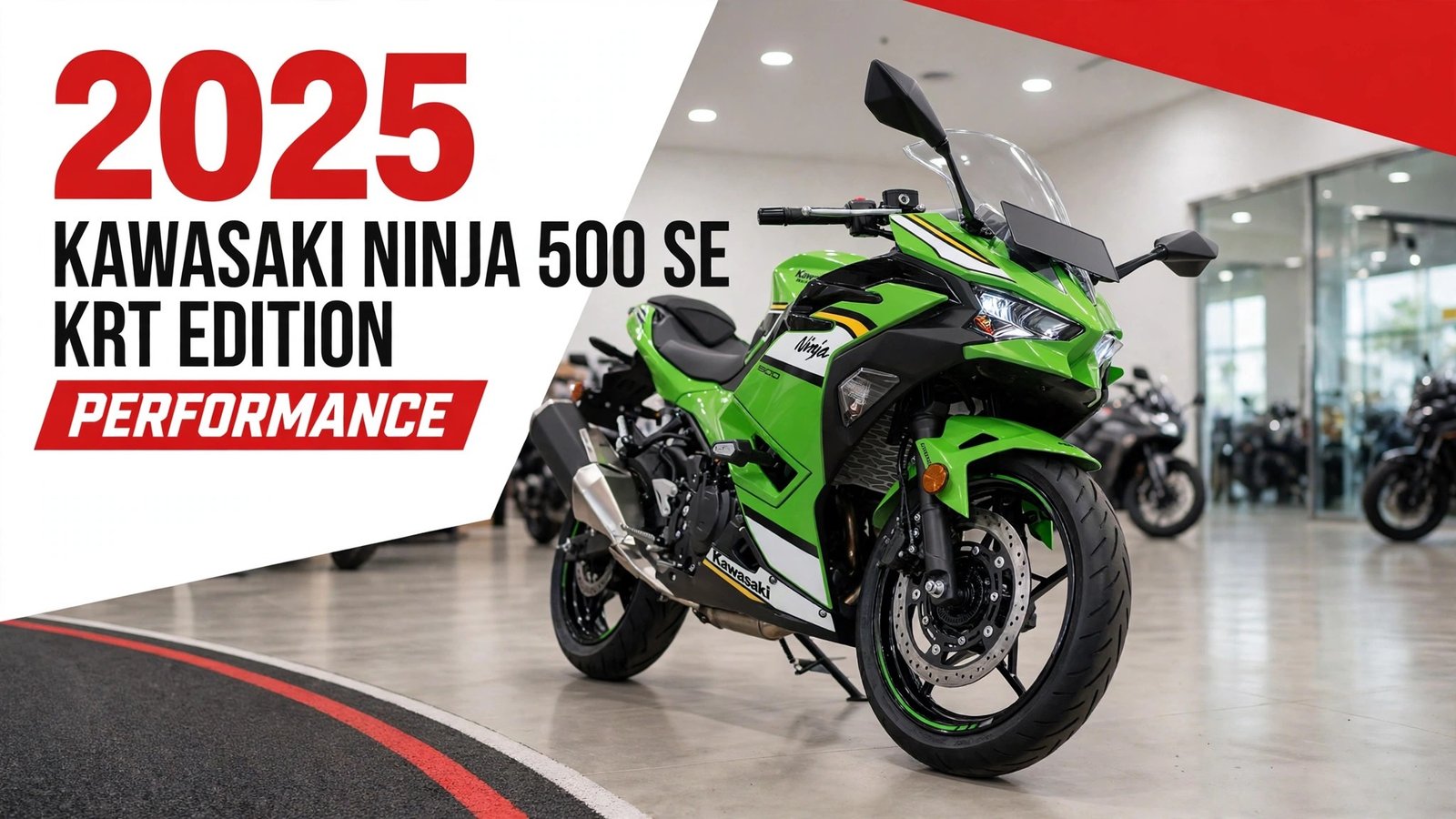
The honest answer about Kawasaki Ninja 500 SE KRT Edition performance is that most of the numbers buyers search for do not exist. No major American outlet has dynoed this bike or published an instrumented top speed or quarter mile, and no tester MPG figure exists except one single-rider reading. This Kawasaki Ninja 500 SE KRT Edition performance guide prints what is tested, names what is not, and calls out the viral figures that belong to other bikes.
Kawasaki Ninja 500 SE KRT Edition Engine Performance and Power Delivery
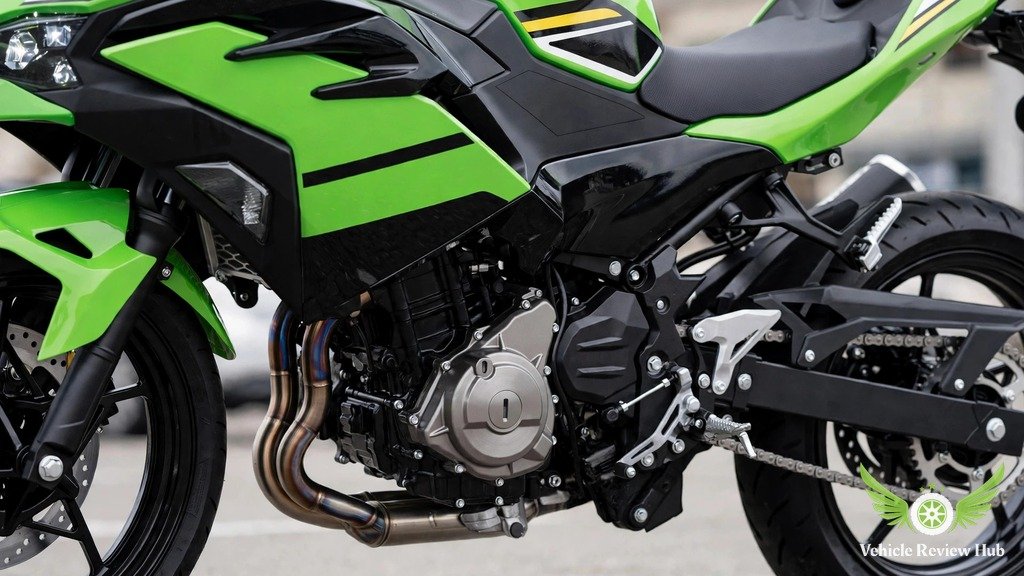
The SE KRT’s engine is the Ninja 500’s 451cc liquid-cooled DOHC parallel twin, and Kawasaki Ninja 500 SE KRT Edition performance begins with its claimed figures: 51 hp at 10,000 rpm and 31.7 lb-ft at 7,500 rpm, measured to ISO 4106. Against the Ninja 400 it replaces, claimed torque is up 3.7 lb-ft, from 28.0 to 31.7, and the peak arrives 500 rpm earlier. The bore is unchanged at 70.0 mm; the stroke grew 6.8 mm, from 51.8 to 58.6 mm, and that longer stroke is what gives Kawasaki Ninja 500 SE KRT Edition performance its extra low-down punch and mid-range pull.
Four US First Rides Rode This Trim
Four American outlets rode this exact trim at the 2024 Malibu press launch. Motorcycle.com scored the bike 86.5 percent overall, and its tester wrote that the clutch pull was noticeably smoother and easier than on the Ninja 400 during his ride on the 2024 Ninja 500 KRT Edition SE ABS. Cycle News focused its Malibu test on the KRT green SE ABS bikes, RevZilla tested the SE trims, and TopSpeed’s test bike was a KRT Edition SE ABS. That is four first rides of the KRT SE, not one, and Kawasaki Ninja 500 SE KRT Edition performance is unusually well covered for a bike with no dyno run.
MCN found the longer stroke gives more area under the torque curve — extra low-down punch and mid-range — and that the engine pulls well with plenty of in-gear grunt without working the gearbox hard. Motorcycle.com’s only engine complaints were the exhaust heat shield crowding the rider’s right foot and the extra weight over the 400. The character of this Kawasaki Ninja 500 SE KRT Edition performance story is mid-range torque and an easy clutch, not top-end rush.
The one long test of Kawasaki Ninja 500 SE KRT Edition performance is SlashGear’s 2025 review, and its test bike was a 2025 SE KRT Edition with ABS. Travis Langness rode it over enthusiastic mountain roads and came away with the same verdict as the launch riders: upright, comfortable, smooth, predictable. Our Kawasaki Ninja 500 SE KRT Edition review covers the trim, the price and the SE equipment in full, and Motorcycle.com’s first ride is the most detailed of the four.
No Dyno for Any Ninja 500
No Cycle World, Motorcycle.com, RevZilla or Cycle News dyno run of the Ninja 500 exists — re-checked for this trim. Kawasaki Ninja 500 SE KRT Edition performance therefore has no rear-wheel horsepower figure at all. The closest thing to a 451cc dyno number is Cycle World’s run of the 2024 Eliminator SE ABS, which uses the same 451cc engine in a cruiser: 47.22 hp at 10,430 rpm, 29.03 lb-ft at 7,510 rpm. That is Eliminator data, not Ninja 500 data, printed here only so readers stop quoting it as a 500 figure.
| Figure | 2025 Kawasaki Ninja 500 SE KRT Edition | Source |
|---|---|---|
| Engine | 451cc liquid-cooled DOHC parallel twin, 8 valves | Kawasaki spec sheet |
| Bore x stroke | 70.0 x 58.6 mm | Kawasaki spec sheet |
| Compression ratio | 11.3:1 | Kawasaki spec sheet |
| Claimed power | 51 hp at 10,000 rpm (ISO 4106) | Kawasaki spec sheet |
| Claimed torque | 31.7 lb-ft at 7,500 rpm | Kawasaki spec sheet |
| Redline | 11,700 rpm | RevZilla, Cycle News |
| Transmission | 6-speed, assist and slipper clutch, sealed chain | Kawasaki spec sheet |
| Rear-wheel dyno | None published for any Ninja 500 | Searched 2026-11-21 |
| Closest dyno (NOT this bike) | 47.22 hp at 10,430 rpm — 2024 Eliminator SE ABS | Cycle World |
Note: every claimed figure here comes from the SE KRT’s own Kawasaki spec sheets; this Kawasaki Ninja 500 SE KRT Edition performance guide prints the 47.22 hp Eliminator figure only to reject it as a 500 number.
Kawasaki Ninja 500 SE KRT Edition Top Speed and Acceleration
There is no top speed and no acceleration figure to report for this bike, and Kawasaki Ninja 500 SE KRT Edition performance writing has to say that plainly instead of filling the gap with a borrowed number. Kawasaki publishes no top speed, and no major American outlet has instrumented a 0–60 run, a quarter mile or a top-speed run. That is why Kawasaki Ninja 500 SE KRT Edition performance on top speed is a list of rejections, not a number. The numbers that circulate online are estimates, figures from the old 1987–2009 Ninja 500, or fabrications — this section names each one.
No Official Figure Is Published
Kawasaki’s spec sheets print power, torque, weight and dimensions, but no top speed — Kawasaki has never published one for the Ninja 500. The 118 mph figure in search results belongs to the old Ninja 500R, the carburetted 498cc twin sold from 1987 to 2009. Any result that gives the new 500 a 118 mph top speed is the old bike’s figure wearing the new bike’s name. SlashGear’s own top-speed article repeats the 118 mph figure for the new 500. That gap is the defining fact of Kawasaki Ninja 500 SE KRT Edition performance at the top end.
TopSpeed’s review lists a 0–60 time of 4.8 seconds, but it describes a one-day canyon ride with no instrumented test behind the number — an estimate. The same table lists 74 mpg as claimed fuel economy, which does not even match its own 229-mile range: 74 mpg times a 3.7-gallon tank is 274 miles, not 229. Kawasaki Ninja 500 SE KRT Edition performance has no official top speed, and this guide leaves that space empty rather than filling it with a bad number.
No Instrumented Run Exists
No instrumented 0–60, quarter-mile or top-speed run for the new 500 exists. The only measured acceleration figure verified for Kawasaki Ninja 500 SE KRT Edition performance is Chase on Two Wheels’ 40–80 mph roll-on in third gear: 5.43 seconds. That is a roll-on, not a 0–60. Chase’s bike was a 2025 Ninja 500 with an aftermarket exhaust and suspension, so his roll-on is not an SE KRT figure. A seibertron-outdoor.com “technical review” claims instrumented figures of 4.1 seconds to 60 mph, 12.8 seconds in the quarter mile and a GPS-verified 118 mph top speed — all three fabricated, and the site is not linked or cited here. The honest summary of Kawasaki Ninja 500 SE KRT Edition performance is short: quick for its class, the roll-on figure 5.43 seconds from 40 to 80 mph in third gear, and everything else untested.
| Measurement | What exists for the SE KRT | Status |
|---|---|---|
| Official top speed | None published by Kawasaki | No figure exists |
| Instrumented top speed | None from a major US outlet | No figure exists |
| 0–60 mph | None instrumented | No figure exists |
| Quarter mile | None instrumented | No figure exists |
| 40–80 mph roll-on, 3rd gear | 5.43 seconds (Chase on Two Wheels) | Measured, attributed |
| Braking (60–0 / 30–0) | No tested figures exist | No figure exists |
Note: this table lists absences on purpose — this Kawasaki Ninja 500 SE KRT Edition performance guide prints no estimated 0–60, quarter-mile or top-speed figure for a bike no outlet has instrumented. Kawasaki Ninja 500 SE KRT Edition performance has no measured top speed or acceleration at all.
Kawasaki Ninja 500 SE KRT Edition Mileage and Fuel Economy
No American outlet other than SlashGear has published a measured fuel-economy figure for the 500, and Kawasaki Ninja 500 SE KRT Edition performance on mileage is therefore a short list of labelled figures rather than a settled average. The lab figure is 62.0 mpg from the manufacturer’s WMTC test, SlashGear’s around 60 mpg comes with its full caveats, and Chase on Two Wheels’ 54 mpg is one mountain day. There is no verified owner average for the 500 in the United States, and this guide does not invent one.
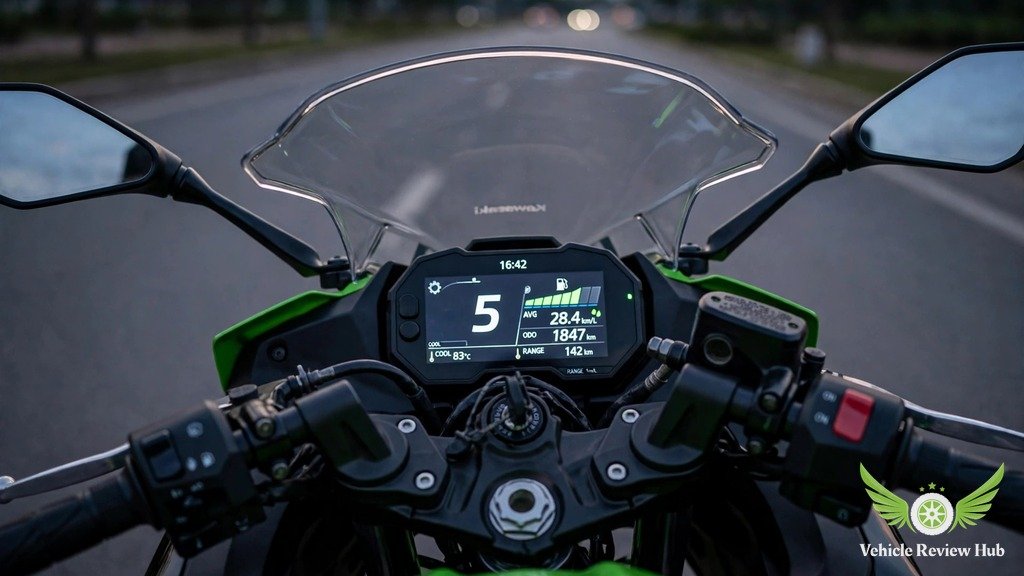
Around 60 MPG in SlashGear’s Test
SlashGear’s Travis Langness averaged around 60 mpg over enthusiastic mountain rides in a 2025 SE KRT test bike. That is the exact figure with its exact conditions — one tester, method unstated, most likely the dash readout rather than a fill-to-fill measurement. It is not a measured average and it is not a settled figure.
Beside it sits the lab figure: TotalMotorcycle’s 2025 fuel-economy guide lists the 2025 Ninja 500 at 62.0 mpg in US gallons, the manufacturer’s WMTC figure — a lab range of 229 miles on the 3.7-gallon tank. Chase on Two Wheels measured 54 mpg on a 222-mile mountain day — one rider, one day. Indian owner reports split: BikeWale 21 kmpl, about 49.4 mpg, against ZigWheels 26 kmpl, about 61 mpg, for the Indian-market bike. Those three figures are the whole verified picture of Kawasaki Ninja 500 SE KRT Edition performance on fuel economy. TotalMotorcycle’s fuel-economy guide is the source for the 62.0 mpg lab figure; SlashGear’s 2025 review is the source for the around-60-mpg reading.
TFT Praised for Big, Clear Fonts
The TFT dash is where the fuel-economy readout lives, and SlashGear praised it directly: the screen is large enough, with big fonts and strong contrast. Motorcycle.com agreed: the TFT display elevates the experience. The SE KRT’s full-colour TFT shows the economy figure, gear position, fuel gauge and clock in large type. The base and ABS bikes get a full-LCD panel instead — the TFT is SE-only. The readout moves with the throttle hand: gentle cruising pushes it up, enthusiastic mountain riding pulls it down, and SlashGear’s around-60-mpg figure came from the enthusiastic end of that range. It is a small screen, but it is where Kawasaki Ninja 500 SE KRT Edition performance becomes visible on every ride.
| Figure | Value | What it is |
|---|---|---|
| WMTC lab economy | 62.0 mpg | Manufacturer lab figure (TotalMotorcycle guide) |
| Lab range | 229 miles (62 x 3.7 gal) | Arithmetic from the lab figure |
| SlashGear test | Around 60 mpg | One tester, mountain rides, method unstated |
| Chase, one mountain day | 54 mpg (222 miles) | One rider, one day, attributed |
| Indian owners | 49.4 mpg (BikeWale) vs 61 mpg (ZigWheels) | Indian-market reports, split |
| US owner average | None verified | No Fuelly page, no aggregate |
Note: this Kawasaki Ninja 500 SE KRT Edition performance guide prints the SlashGear figure only with its caveats and the WMTC lab figure beside it, and no settled owner average, because none has been verified.
Kawasaki Ninja 500 SE KRT Edition Real-World Riding Experience
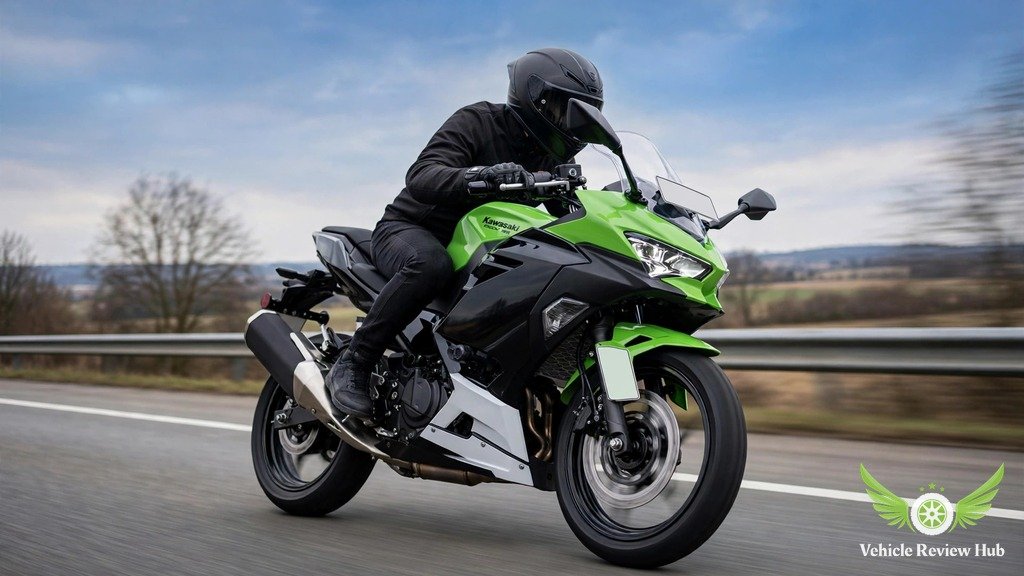
The launch rides and the one long test agree on what the SE KRT feels like on a real road: an upright, comfortable, easy bike whose most noticeable SE item is the tall windscreen. Kawasaki Ninja 500 SE KRT Edition performance in the real world is a comfort story as much as a power story: smooth, predictable engine, light clutch, upright riding position, and a tall screen that takes the wind off the rider’s chest at highway speed.
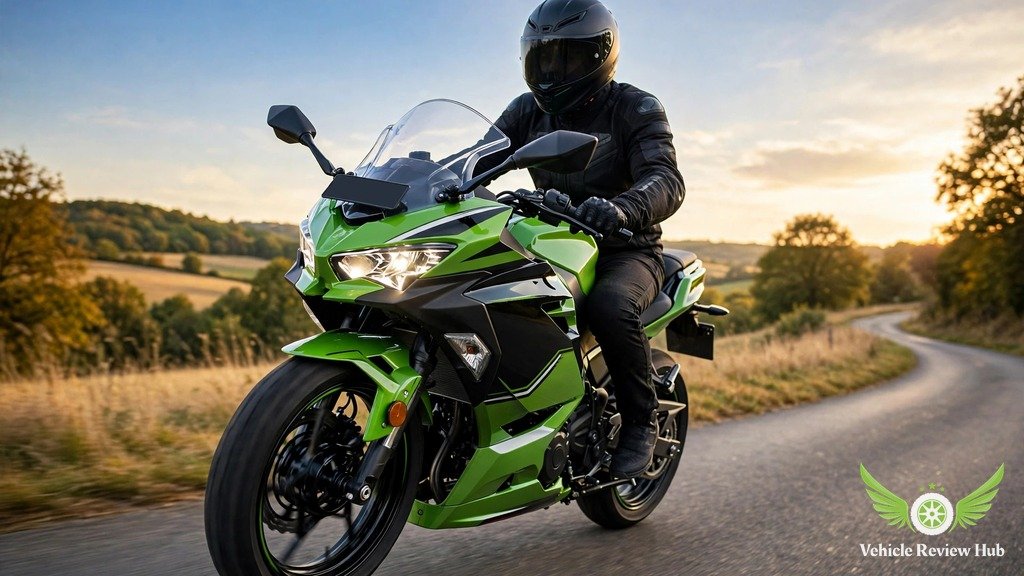
Tall Screen Is the Big Difference
RevZilla put it plainly: the accessory that makes the biggest difference is the tall windshield, and the Ninja 500 SE felt like a sport-touring bike by comparison. SlashGear found the same thing over a longer test: the screen adds to overall comfort, and with the slightest bit of ducking, the wind comes over the top of the helmet. The SE KRT stands 46.5 inches tall against the base bike’s 44.1 inches, and that extra height is what a rider feels on the highway. It is the single most-noticed SE item in every test, and the reason the SE KRT works as a commuter and a weekend bike. For Kawasaki Ninja 500 SE KRT Edition performance on real roads, the tall screen matters more than any horsepower figure. RevZilla’s first ride is the source for the sport-touring comparison, and Cycle News’ Malibu review confirms the test bikes were KRT green SE ABS.
The rest of the riding position backs the screen up. The seat is 30.9 inches high, the bars are wide and upright, and the pegs sit low enough for a relaxed knee bend, though RevZilla’s six-foot-two reviewer found legroom tight. Motorcycle.com gave the bike 8 out of 10 for ergonomics. The SE KRT adds the screen, the TFT and the keyless ignition to that same friendly base, and Kawasaki Ninja 500 SE KRT Edition performance on real roads is defined by that comfort and forgiveness.
KIPASS Works With Gloves On
KIPASS is Kawasaki’s keyless ignition, and SlashGear tested it the way a rider actually uses it: the bike starts without fumbling for a key with gloves on. That is a small thing until it is raining or the key is buried in a pocket. The SE KRT is the trim that gets KIPASS — the base and ABS bikes do not have it — and it is one of the eleven SE items, starting with the fob nearby and a press of the ignition dial. There is no verified replacement price for the 500’s KIPASS fob, and this guide does not print one: the Concours 14’s fob prices belong to a different bike. That convenience is a small but real part of Kawasaki Ninja 500 SE KRT Edition performance for daily riders.
Kawasaki Ninja 500 SE KRT Edition Handling, Braking and Stability
At around 380 pounds with relatively skinny tyres, the SE KRT is ultra nimble and extremely easy to ride — RevZilla’s verdict, echoed by the other testers. Kawasaki Ninja 500 SE KRT Edition performance in the corners is stable and predictable rather than sharp or nervous, and the hardware is the same as the standard bike: trellis frame, 41 mm telescopic fork, horizontal back-link rear shock, and a single 310 mm front disc with ABS.
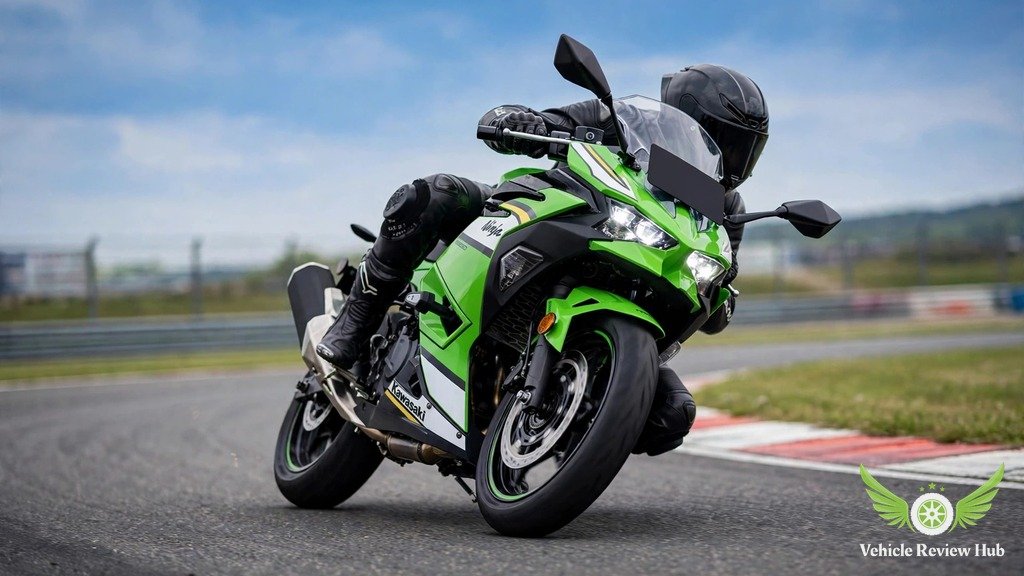
Handling, Braking and Stability on Real Roads
Cycle News found it stable and predictable, holding its lean angle through mid-corner bumps without wavering. Motorcycle.com gave the suspension 12 out of 15 and the brakes 9 out of 10. Those impressions agree on Kawasaki Ninja 500 SE KRT Edition performance in the corners: the bike is light, it goes where it is pointed, and it does not punish a rider who gets a corner slightly wrong.
On braking, the honest statement is that no 60–0 or 30–0 figure from a major American outlet exists for the 500. The 400’s tested braking figures stay in our Kawasaki Ninja 400 performance guide, not this one. The hardware is a single 310 mm semi-floating front disc with a two-piston caliper, a 220 mm rear disc with a single-piston caliper, and ABS standard. The stock suspension is soft for heavier riders — Chase on Two Wheels called it a letdown after six months and later fitted an Andreani cartridge kit and a Nitron rear shock, both aftermarket parts. That is the honest state of Kawasaki Ninja 500 SE KRT Edition performance under braking.
Same Hardware as the Standard Bike
The SE KRT handles exactly like the standard Ninja 500 because it is the standard Ninja 500 underneath. Same trellis frame, 41 mm telescopic fork with 4.7 inches of travel, horizontal back-link rear shock with 5.1 inches of travel and adjustable preload, 310 mm front and 220 mm rear brakes, 17-inch five-spoke cast wheels, Dunlop Sportmax GPR300 tyres and 54.1-inch wheelbase. The SE equipment adds a TFT, KIPASS, a USB-C outlet, LED turn signals, a tall screen, frame sliders, a pillion seat cover, a tank pad, knee pads and a radiator screen. None of those change how the bike steers or stops, and the KRT paint adds nothing either. Kawasaki Ninja 500 SE KRT Edition performance in handling is therefore the Ninja 500’s handling, and our Kawasaki Ninja 500 performance guide covers the same chassis in detail.
| Item | SE KRT figure | Note |
|---|---|---|
| Curb weight (claimed) | 379.3 lb (381.5 lb 50-state) | Kawasaki spec sheet |
| Curb weight (measured) | 381 lb on RevZilla’s scales | Nine lb more than the 400 |
| Front suspension | 41 mm telescopic fork, 4.7 in travel | Conventional, not upside-down |
| Rear suspension | Horizontal back-link, preload adjustable, 5.1 in | Spec-sheet term; model page says Uni-Trak |
| Front brake | Single 310 mm disc, 2-piston caliper | ABS standard on this trim |
| Rear brake | Single 220 mm disc, single-piston caliper | ABS standard on this trim |
| Tyres | 110/70-17 front, 150/60-17 rear | Dunlop Sportmax GPR300 |
| Wheelbase / rake | 54.1 in / 24.7 degrees | Base/ABS sheets print 24.5 degrees |
| Tested braking figures | None published | No 60–0 or 30–0 test exists |
Note: the weight and hardware figures here come from the SE KRT’s own Kawasaki spec sheets and RevZilla’s measured 381 lb; this Kawasaki Ninja 500 SE KRT Edition performance guide prints no tested braking figure because none exists. For Kawasaki Ninja 500 SE KRT Edition performance in handling, the table is the whole evidence base.
Kawasaki Ninja 500 SE KRT Edition Performance Compared With Other Sport Bikes
Against the rest of the small sport-bike class, the SE KRT’s case is torque, simplicity and weight. It has the most claimed power in its price band at 51 hp, the lowest weight among the Japanese rivals and no rider aids beyond ABS. The Aprilia RS 457 beats it on equipment, and the Honda CBR500R on dealer network and traction control, but neither beats it on claimed power per dollar. This Kawasaki Ninja 500 SE KRT Edition performance comparison starts with the closest rival of all: the base ABS version of the same bike.
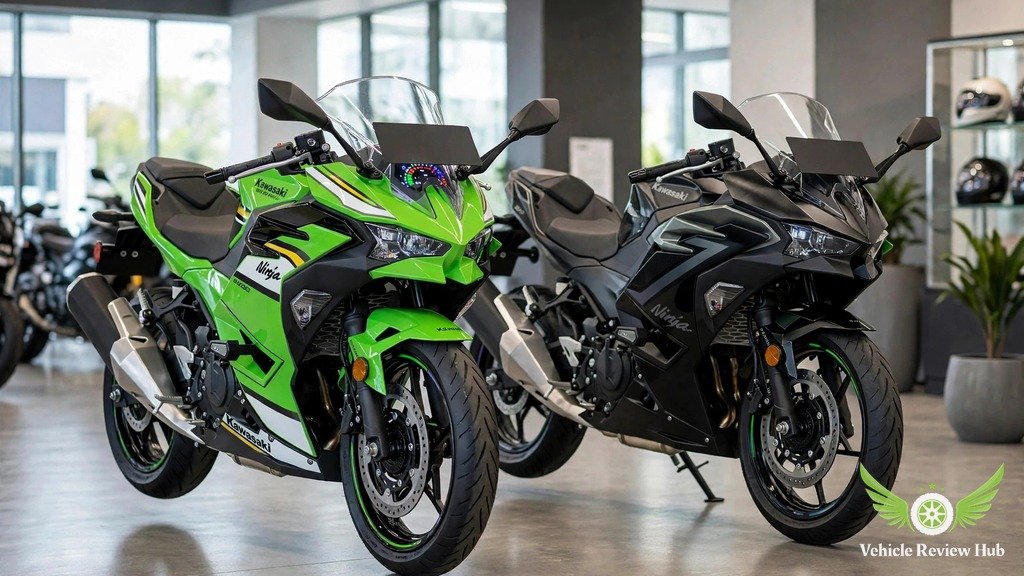
Kawasaki Ninja 500 SE KRT Edition vs Kawasaki Ninja 500 ABS
The SE KRT and the base ABS are the same motorcycle with different equipment and paint. Same 451cc twin, same claimed 51 hp and 31.7 lb-ft, same trellis frame, fork, brakes, wheels and tyres. The differences are the eleven SE items and 4.4 lb: the SE KRT weighs 379.3 lb against the ABS at 374.9 lb — the extra weight being the TFT, KIPASS hardware, tall screen, frame sliders and radiator screen. The ABS costs $5,799 for 2026 against the SE KRT’s $6,399 sticker — a $600 premium over the base ABS colour, $500 over the top colour. The base ABS dash is a full-LCD panel; the SE KRT’s is the full-colour TFT, and the base ABS has no KIPASS, USB-C outlet or tall screen. On Kawasaki Ninja 500 SE KRT Edition performance there is nothing to separate them: the same engine, the same chassis, the same claimed figures. A buyer choosing between them is choosing equipment and paint, not speed.
| Bike (2026 prices where noted) | Claimed power | Curb weight | Rider aids |
|---|---|---|---|
| Ninja 500 SE KRT Edition (2024–2025, $6,399) | 51 hp at 10,000 rpm | 379.3 lb | ABS + eco light only |
| Ninja 500 ABS (2026, $5,799) | 51 hp at 10,000 rpm | 374.9 lb | ABS + eco light only |
| Yamaha YZF-R3 (2026, $5,499) | 42 hp | 373 lb wet | ABS only |
| Aprilia RS 457 (2026, $6,849) | 47 hp at 9,400 rpm | 385 lb wet | 3 modes + traction control |
| Honda CBR500R (2026, $6,399) | 47 hp (EU claim) | 421 lb | HSTC traction control |
Note: the CBR500R’s American evidence is Cycle World’s rear-wheel dyno at 43.20 hp, not the 47 hp European claim; this Kawasaki Ninja 500 SE KRT Edition performance guide never compares a rear-wheel figure against a claimed figure as if they were the same basis.
Is the Kawasaki Ninja 500 SE KRT Edition Suitable for Beginner Riders?
Yes, with the standard caveats. The seat is 30.9 inches high, the claimed curb weight is 379.3 lb, the throttle and clutch are forgiving — Motorcycle.com noted the clutch pull was noticeably smoother and easier than on the Ninja 400 — and the slipper clutch and ABS are standard on this trim. There is no traction control, no ride modes and no quickshifter, so the bike rewards learning over nannying the rider. For a beginner, Kawasaki Ninja 500 SE KRT Edition performance is forgiving rather than intimidating: Chase on Two Wheels put it well when he said the bike will not throw the rider and will reward the rider who actually learns it. The 500 is a bike a beginner can grow into for two or three seasons, not just out of. The Yamaha YZF-R3 is the rival most beginners cross-shop — our Yamaha YZF-R3 review covers it.
The final word on Kawasaki Ninja 500 SE KRT Edition performance is that the bike’s numbers are modest and its honesty is the point. Fifty-one claimed horsepower, no dyno, no top speed, no instrumented acceleration, one single-tester fuel-economy reading and a lab figure beside it. What the testers actually felt was a smooth mid-range twin, a light clutch, a tall screen that works and a chassis that forgives mistakes. For a rider who wants a comfortable, predictable first big bike with the best paint in the range, the SE KRT delivers exactly what the four launch rides described.
Kawasaki Ninja 500 SE KRT Edition Performance Frequently Asked Questions
Buyers search for dyno figures, top speeds and fuel economy for this bike, and most of those numbers do not exist. This Kawasaki Ninja 500 SE KRT Edition performance guide answers the six most common questions with what is tested, what is not, and which viral figures belong to other bikes.
How much power does the Kawasaki Ninja 500 SE KRT Edition make?
Kawasaki claims 51 hp at 10,000 rpm and 31.7 lb-ft at 7,500 rpm for the 451cc twin, measured to ISO 4106. No major American outlet has dynoed any Ninja 500, so no rear-wheel horsepower figure exists for this bike. The closest 451cc dyno number is Cycle World’s run of the 2024 Eliminator SE ABS at 47.22 hp, but that is Eliminator data, not Ninja 500 data. This Kawasaki Ninja 500 SE KRT Edition performance guide prints it only so readers stop quoting it as a 500 figure.
What is the top speed of the Kawasaki Ninja 500 SE KRT Edition?
No official or instrumented top speed exists. Kawasaki has never published one for the Ninja 500, and no major American outlet has instrumented a top-speed run. The 118 mph figure in search results belongs to the old Ninja 500R, the carburetted 498cc twin sold from 1987 to 2009. There is also no instrumented 0-60 or quarter-mile figure. The only measured acceleration figure verified is Chase on Two Wheels’ 40-80 mph roll-on in third gear at 5.43 seconds, and his bike was a 2025 base Ninja 500, not an SE KRT. This Kawasaki Ninja 500 SE KRT Edition performance guide leaves that space empty rather than filling it with a bad number.
What fuel economy does it get?
There is no verified owner average for the 500 in the United States. The lab figure is 62.0 mpg from the manufacturer’s WMTC test, which gives a lab range of 229 miles on the 3.7-gallon tank. SlashGear’s 2025 review of an SE KRT averaged around 60 mpg over enthusiastic mountain rides, with its method unstated. Chase on Two Wheels measured 54 mpg on a 222-mile mountain day. This Kawasaki Ninja 500 SE KRT Edition performance guide prints all three with their labels attached and no settled average, because none has been verified.
What did testers actually feel on the road?
Four American outlets rode this exact trim at the 2024 Malibu press launch, and the one long test is SlashGear’s 2025 review of an SE KRT. The verdict was consistent: a smooth mid-range twin, a light clutch, an upright riding position, and a tall windscreen that testers felt most. RevZilla said the screen is the accessory that makes the biggest difference, and that the SE felt like a sport-touring bike by comparison. The nits repeated too: the exhaust heat shield crowds the rider’s right foot, and the mirrors vibrate at speed. This Kawasaki Ninja 500 SE KRT Edition performance guide calls the tall screen the single most-noticed SE item in every test.
How does it handle and brake?
Testers found it stable and predictable, holding its lean angle through mid-corner bumps without wavering, and Motorcycle.com gave the suspension 12 out of 15 and the brakes 9 out of 10. The hardware is a trellis frame, a 41 mm telescopic fork with 4.7 in of travel, a horizontal back-link rear shock with 5.1 in, a single 310 mm front disc with a two-piston caliper, and a 220 mm rear disc, with ABS standard. No 60-0 or 30-0 braking figure from a major American outlet exists for the 500, and this Kawasaki Ninja 500 SE KRT Edition performance guide prints none. The stock suspension is soft for heavier riders.
Is the Kawasaki Ninja 500 SE KRT Edition good for a beginner rider?
Yes, with the standard caveats. The seat is 30.9 in high, the claimed curb weight is 379.3 lb, the throttle and clutch are forgiving, and the slipper clutch and ABS are standard on this trim. There is no traction control, no ride modes and no quickshifter, so the bike rewards learning over nannying the rider. Chase on Two Wheels put it well: the bike will not throw the rider and will reward the rider who actually learns it. This Kawasaki Ninja 500 SE KRT Edition performance guide calls it forgiving rather than intimidating, a bike a beginner can grow into for two or three seasons.