The Kawasaki Vulcan S reliability story is a short one, and that is good news for anyone shopping for one. Across every model year from 2015 to 2027, the NHTSA search result shows zero recalls and zero owner complaints, the manual asks for a valve check only every 15,000 miles, and no buyer’s guide has found a documented defect pattern. Kawasaki Vulcan S reliability rests on a proven 649cc parallel twin, a simple chassis and a light service schedule.
That clean record needs one honest qualifier. The zero-recall result comes from the NHTSA database search, checked on 18 November 2026, and the same database has returned a zero for at least one bike that does have a recall. This guide therefore treats the zero as a search result, not a guarantee, and Kawasaki Vulcan S reliability is judged here on what sits behind it.
Kawasaki Vulcan S Reliability Overview
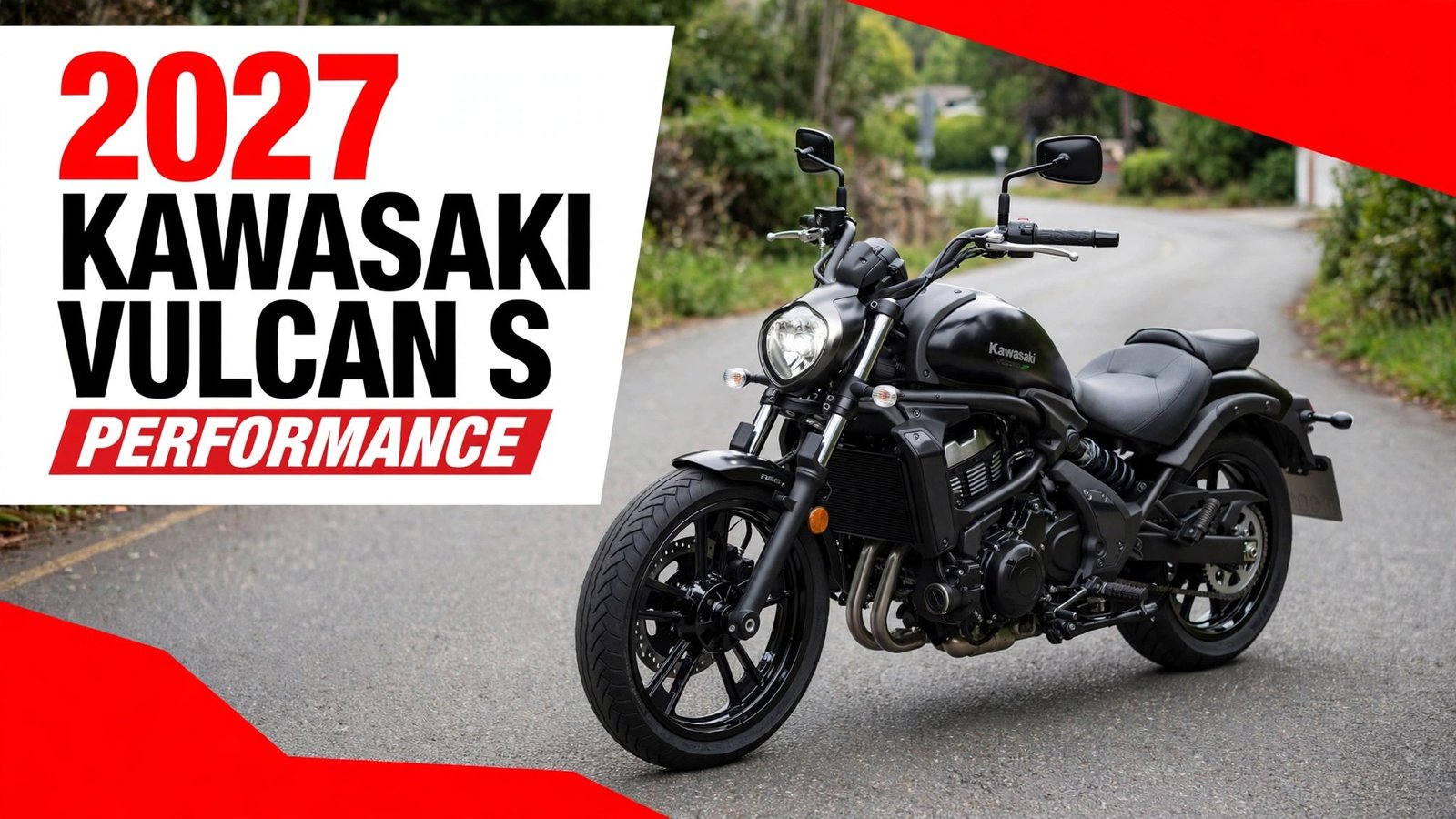
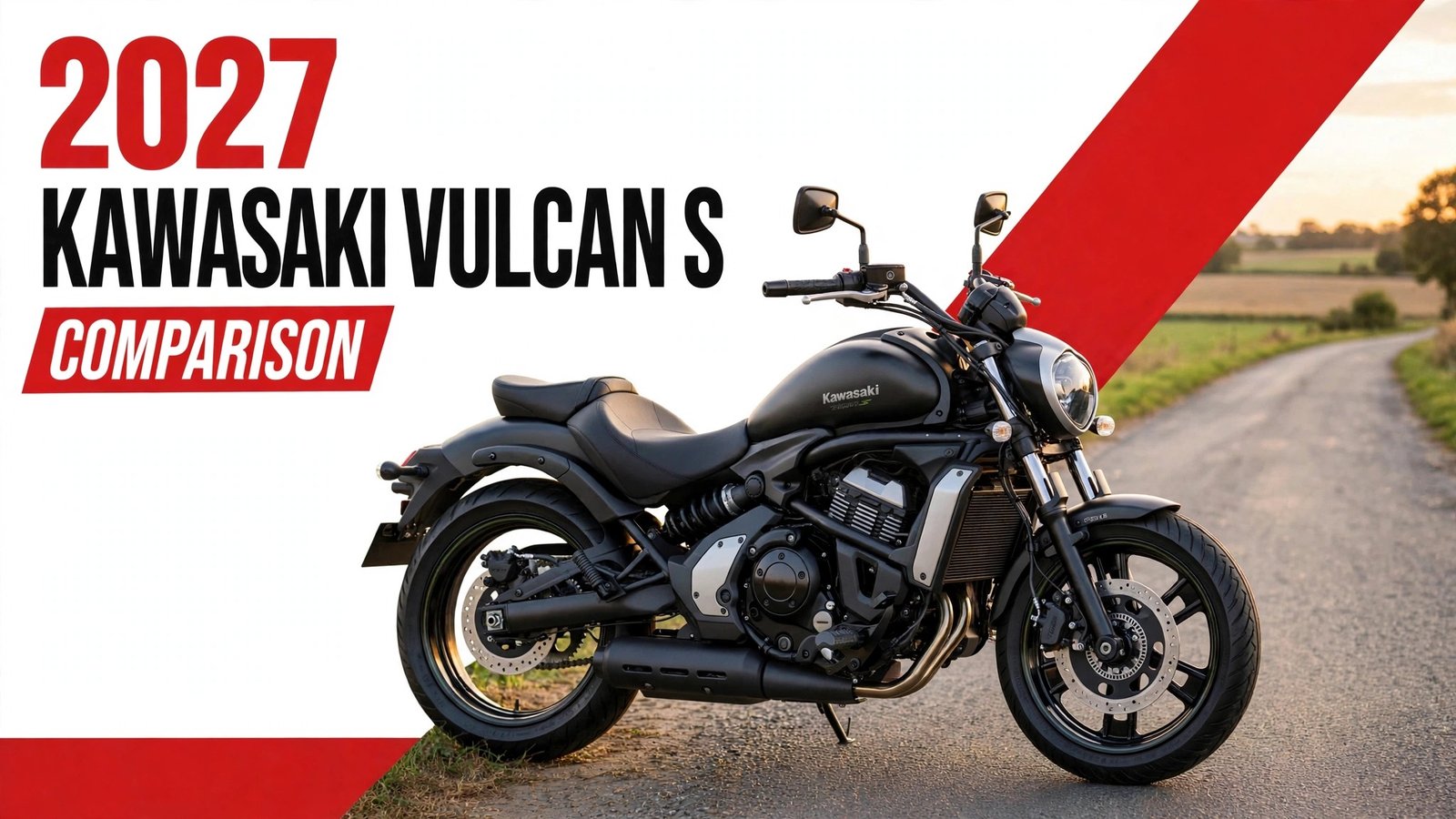
The Vulcan S has been the same bike since it launched in 2015, and that sameness is the foundation of its record. The 649cc liquid-cooled parallel twin, the 27.8-inch seat, the 3.7-gallon tank and the 498.3-pound ABS curb weight have not changed in twelve model years, so a 2015 bike and a 2027 bike are the same machine. Kawasaki Vulcan S reliability has a decade of owners behind it, not an unproven first-year design.

Valve Check at 15,000 Miles, Its Own Figure
The valve clearance check is the longest interval in the schedule, and it is this bike’s own figure: the owner’s manual calls for an inspection every 15,000 miles (24,000 km), at the 15,000-mile and 30,000-mile major services. Some summaries print 15,200 miles, but that is a sloppy conversion: 24,000 km is 14,913 miles. The 15,000-mile figure is what the US manual prints, distinct from the 15,200-mile interval of the Versys 650 and KLR650, and Kawasaki Vulcan S reliability starts with that long interval.
How Mileage, Storage and Previous Care Affect Reliability
Mileage alone tells a buyer very little about a used Vulcan S, because its weak points are not mileage-driven. A high-mileage bike with a full service history and a lubed chain is a safer buy than a low-mileage bike that sat in a damp garage for three years with old fuel and a dry chain. Storage is the bigger risk: the exhaust corrodes outdoors in rain, and a flat battery can hide a charging question. Kawasaki Vulcan S reliability starts with care, not mileage.
The bike’s design forgives neglect better than most cruisers. There is no ride-by-wire throttle, no traction control, no riding modes and no TFT display to fail. That simplicity is a large part of Kawasaki Vulcan S reliability.
Kawasaki Vulcan S Common Problems and Wear Items
The honest answer to the common-problems question is that the Vulcan S does not have one. No recall names the bike, no owner complaint is on file with NHTSA for any model year, and the buyer’s guides list only two low-severity niggles, both design characteristics rather than failures. Wear items wear out on schedule, but none of them strands a rider, and Kawasaki Vulcan S reliability shows in that.
No Documented Defect Pattern Found
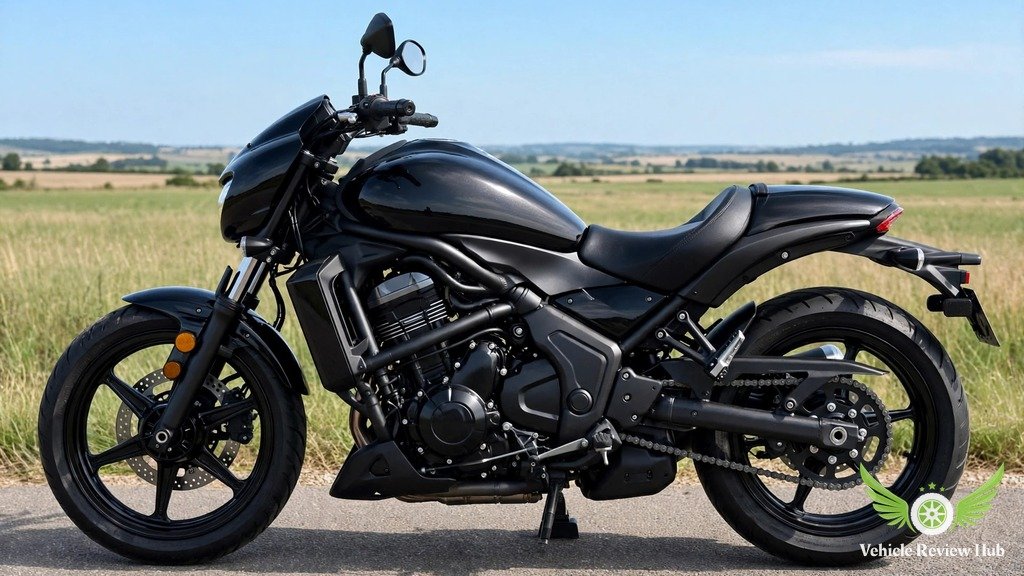
No documented defect pattern exists for the Vulcan S, and the evidence is the absence of records everywhere a pattern would show up. The NHTSA recalls database returns zero campaigns for every model year from 2015 to 2027, the complaints database returns zero owner complaints for the same years. TopSpeed’s long-term ownership guide calls the engine virtually bulletproof, and Kawasaki Vulcan S reliability is that consistent picture, not a single claim.
The two niggles the buyer’s guide lists are both low severity. The first is the harsh rear suspension: the rear shock has only 3.2 inches of travel and sits at an aggressive angle, so sharp bumps can bypass the damping and jar the rider. The fix is preload or an aftermarket shock from YSS or Hagon. The second is surface corrosion on the under-slung exhaust, which is cosmetic. A 2015 owner report of a downshift problem was never a recall, and one aggregator’s fuel-pump claim is uncorroborated, so neither is printed here as a pattern.
Regulator Lore Belongs to Old V-Twins
Anyone searching Vulcan reliability will meet the regulator story quickly, and it is worth naming plainly: the stator and regulator/rectifier charging failures that Vulcan owners talk about belong to the old V-twin Vulcan 900, not to the Vulcan S. The VN900, built from 2006 to 2008 as the Classic and LT, has well-documented charging failures, with mechanics calling stator failure the most common issue on that unit.
The Vulcan S record shows no such pattern. Zero NHTSA complaints across all model years means no owner has filed a charging failure, and no buyer’s guide mentions the regulator or the stator for the EN650. Kawasaki Vulcan S reliability should not be judged on a V-twin problem this bike does not have.
Kawasaki Vulcan S Maintenance Schedule and Servicing
The Vulcan S service schedule comes from the owner’s manual and is the same in every market: a first service at 600 miles, then a service every 7,500 miles or annually, with a major service every 15,000 miles that adds the valve check. The schedule below reproduces the manual chart as published by maintenanceschedule.com, and it is the backbone of Kawasaki Vulcan S reliability.

| Service item | Interval | Notes |
|---|---|---|
| First service | 600 miles / 1,000 km | Dealer service after break-in |
| Engine oil and oil filter | Every 7,500 miles / 12,000 km or annually | SAE 10W-40; 1.8 L with filter |
| Air filter | At every service | Replaced with the oil service |
| Valve clearance inspection | Every 15,000 miles / 24,000 km | At 15,000 and 30,000 miles |
| Spark plugs | Every 7,500 miles / 12,000 km | Secondary source reading of the chart |
| Drive chain lubrication | Every 400 miles / 600 km | More often if wet or dirty |
| Chain slack check | Every 600 miles / 1,000 km | Standard slack 10–20 mm |
| Brake fluid | Every 2 years | Time-based, not mileage-based |
| Coolant | Every 22,500 miles / 36,000 km or 3 years | Whichever comes first |
Notes for this Kawasaki Vulcan S reliability maintenance schedule table: the intervals reproduce the owner’s-manual periodic maintenance chart. The spark-plug interval is a secondary-source reading of the chart, not an independently sighted manual row. Brake fluid and coolant are time-based as well as mileage-based, so a low-mileage bike still needs them.
Oil and Filter Every 7,500 Miles
Oil and filter change every 7,500 miles, or annually if the bike covers less distance, using SAE 10W-40. Capacity is 1.8 litres with the filter replaced and 1.6 litres without, and the drain bolt torque is 30 Nm. The interval is the subject of one split: some AI-generated manual summaries claim the oil change is every 6,000 km, but that misreads the chart’s intermediate 6,000-km inspection column, and Indian owners reporting 6,000-km services follow the India schedule, not the US one.
Chain Lubed Every 400 Miles
The chain is the most frequent job on the Vulcan S, and it is also the cheapest. The manual asks for lubrication every 400 miles (600 km), or more often after wet or dirty riding, and a slack check every 600 miles, with standard slack of 10 to 20 mm. The axle nut torque is 108 Nm. A rider who lubes on schedule will get a long life from the chain and sprockets, with replacement typically around 25,000 to 40,000 km.
The 400-mile interval sounds short until it becomes a habit, and it is the best predictor of whether a used Vulcan S has been cared for. A chain that is clean, lightly oiled and correctly tensioned tells a buyer the owner followed the manual, while a dry, rusty or flapping chain tells the opposite story in seconds. Chain work takes minutes, with a paddock stand or a helper.
Kawasaki Vulcan S Tires, Brakes and Suspension Maintenance
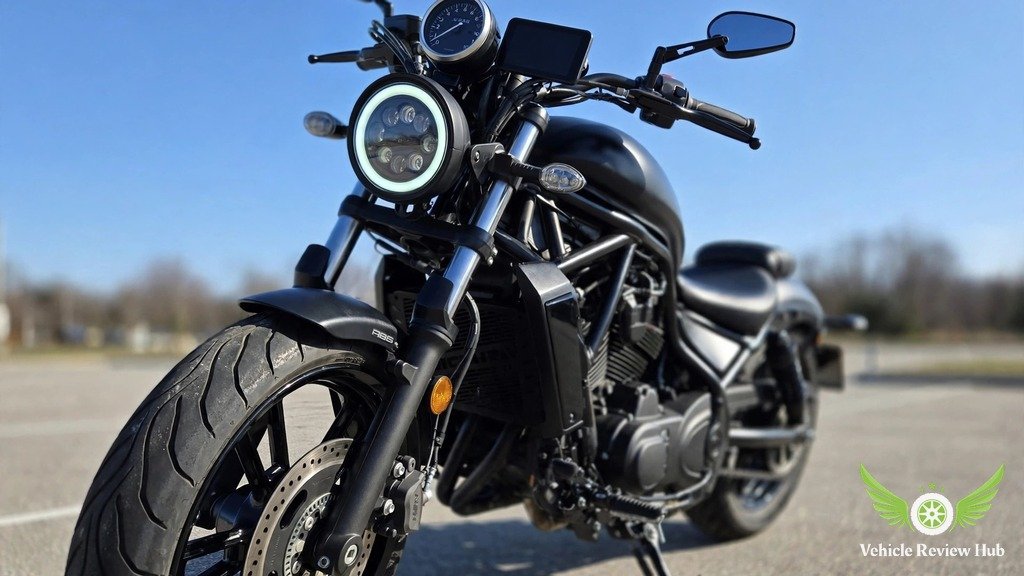
Tyres, brakes and suspension are the three systems a Vulcan S owner touches most often after the chain, and all three are simple to keep in order. The bike runs a 120/70-18 front tyre and a 160/60-17 rear on cast five-spoke wheels, a single 300 mm front disc with a two-piston caliper and a single 250 mm rear disc, with 5.1 inches of fork travel and a preload-adjustable rear shock with 3.2 inches.
18-Inch Front Tyre Limits Choice
The 18-inch front tyre limits choice in a practical way, and this is an observation rather than a counted figure: far fewer front tyres are made in 120/70-18 than in the 17-inch size most use, so a Vulcan S owner will find fewer brands and tread patterns, and some popular tyres may not be available in the size at all.
Tire, Brake and Suspension Checks That Matter
The checks that matter for Kawasaki Vulcan S reliability are the ones the manual lists at every service, and they take minutes. Tyres get a pressure and tread check. Brakes get a pad-thickness check and a fluid check, with the fluid changed every two years regardless of mileage. Suspension gets a fork-seal check for weeping oil and a rear-shock check for preload, since the rear shock’s short travel is the bike’s one comfort complaint and preload is the free fix for it.
None of these checks needs a dealer, and a buyer can do all of them on a used bike in a car park: a firm, progressive brake lever rather than a spongy pull, fork legs free of oil mist, and a rear shock that damps rather than pogo-sticks. Kawasaki Vulcan S reliability shows up here as an absence of surprises: the parts are conventional and the wear is visible.
Kawasaki Vulcan S Maintenance and Ownership Costs
Ownership costs are where Kawasaki Vulcan S reliability turns into money saved, because a bike with no defect pattern and a light service schedule costs little to keep. The figures below are owner-reported ranges from TopSpeed’s long-term ownership guide, published in July 2026. Used prices are aggregator-reported, and no Vulcan S-specific insurance figure was found, so this guide does not invent one.

| Cost item | Owner-reported range | Notes |
|---|---|---|
| Routine maintenance | $150–$400 per year | Oil, filter, chain care, checks |
| Major service | $500–$800 | Valve check, brake fluid, coolant |
| Five-year total | $1,000–$1,500 | Routine plus major services |
| Chain and sprockets | Around 25,000–40,000 km | Secondary source; varies with care |
| Used price | $4,500–$7,500 | Aggregator-reported range |
Notes for this Kawasaki Vulcan S reliability ownership costs table: the routine, major-service and five-year figures are owner-reported ranges from TopSpeed’s July 2026 long-term ownership guide. The chain-and-sprockets figure is a secondary-source estimate. Used prices are aggregator-reported. No Vulcan S-specific insurance figure was found, so none is printed.
Fuel, Routine Servicing, Tires and Replacement Parts
Fuel is the largest running cost, and the Vulcan S is frugal for a cruiser. Rider Magazine’s 2015 road test measured 38.8 to 56.1 mpg, with an estimated range of 179 miles from the 3.7-gallon tank, and the EPA estimate converts to about 51.6 US mpg. Routine servicing runs $150 to $400 a year, and Kawasaki Vulcan S reliability keeps it there: oil, filter and checks at each 7,500-mile service.
The five-year figure of $1,000 to $1,500 separates the Vulcan S from cruisers with shorter intervals or known weak points, because it includes the major services, and that is Kawasaki Vulcan S reliability in money terms. A buyer comparing with the Versys 650 reliability record will find the same engine family, though the Versys asks for its valve check at 15,200 miles rather than the Vulcan’s own 15,000. The KLR650 reliability record is a different story, and the KLR650 S reliability guide covers the lowered version of that bike.
No Recall Names the Vulcan S
No recall names the Vulcan S. The search result behind that statement was checked on 18 November 2026 across every model year from 2015 to 2027: the NHTSA recalls database returns zero campaigns for the Vulcan S in each year, and the complaints database returns zero owner complaints. Manufacturer communications are on file for 2017, 2023 and 2024 — those are service bulletins, not recalls. That zero is a search result for Kawasaki Vulcan S reliability, not an absolute, because the same database has returned a zero for the 2010 Vulcan 1700 Vaquero, which does have a real recall, and because the Versys 650 database zero was shown false by two real campaigns.
| Campaign | Models affected | Defect | Applies to the Vulcan S? |
|---|---|---|---|
| 15V-550 (Sept 2015) | 2009–2015 Vulcan 1700 Voyager; 2011–2015 Vulcan 1700 Vaquero (11,836 units) | Ignition-switch wire chafing against the fuel tank, short, engine stall | No — 1700 V-twin models only |
| 10V-507 (Oct 2010) | 2009–2010 Vulcan motorcycles | Engine may stall coasting with the clutch pulled, improper ECU setting | No — predates the Vulcan S |
| Vulcan S (2015–2027) | No campaign found | None recorded | No recall names the Vulcan S |
Notes for this Kawasaki Vulcan S reliability recall cross-reference table: the 15V-550 figures come from the NHTSA Part 573 report for the 1700 Voyager and Vaquero. The 10V-507 campaign covers 2009–2010 Vulcan motorcycles. The Vulcan S zero is the NHTSA search result as checked on 18 November 2026, stated as a search result rather than an absolute.
How to Keep a Kawasaki Vulcan S Reliable
Keeping a Vulcan S reliable is mostly a matter of following the manual and avoiding the two mistakes that hurt any bike: bad storage and skipped services. The Kawasaki Vulcan S review covers price, specs and riding, and the Kawasaki Vulcan S performance guide covers dyno, quarter-mile and fuel economy; this section is the practical side of Kawasaki Vulcan S reliability: what an owner actually does year by year.

Preventive Maintenance, Records and Regular Inspections
Preventive maintenance is the daily practice of Kawasaki Vulcan S reliability, and it means three habits: oil and filter every 7,500 miles or annually, chain lubrication every 400 miles, and a brake-fluid change every two years with a coolant change every three years or 22,500 miles. Records matter as much as the work: a stamped service book proves the valve check was done at 15,000 miles. The third habit is inspection at every service: pressures, pads, fork seals, chain slack and the exhaust finish.
The bike’s simplicity makes the programme easy to follow. With no ride-by-wire, no traction control and no TFT display, there is no software update to chase and no electronic system to diagnose, so a home mechanic can do the oil, chain and brake work, and a dealer visit is only needed for the valve check. Kawasaki Vulcan S reliability rewards that simplicity: the fewer systems a bike has, the fewer things can fail.
Old Vulcan Recalls Are Other Models
Old Vulcan recalls are other models, and the two campaigns a buyer will meet in search are worth knowing by name. The first is 15V-550, from September 2015, covering the 2009–2015 Vulcan 1700 Voyager and the 2011–2015 Vulcan 1700 Vaquero, 11,836 bikes in total, for an ignition-switch wire that could chafe, short, and stall the engine. The second is 10V-507, from October 2010, covering 2009–2010 Vulcan motorcycles for an engine that could stall while coasting with the clutch pulled, caused by an improper ECU setting.
The practical lesson is to read the model name on any recall notice, not just the word Vulcan. A search for Vulcan recall returns the 1700 campaigns first, because they are the only ones that exist, and a buyer who stops at the headline may wrongly believe the S has a recall history. The Bennetts used guide and the FlamingBikes buyer’s guide both treat the record as clean, and TopSpeed’s long-term ownership guide calls the engine virtually bulletproof. Kawasaki Vulcan S reliability is the record that remains when the old V-twin campaigns are put back where they belong.
Kawasaki Vulcan S Reliability: Frequently Asked Questions
These are the reliability and maintenance questions Vulcan S buyers ask most often, answered from the owner’s manual, the NHTSA search result and the buyer’s guides. Kawasaki Vulcan S reliability runs through all of them.
Is the Kawasaki Vulcan S reliable?
Yes. The NHTSA search result shows zero recalls and zero owner complaints for every model year from 2015 to 2027 and TopSpeed calls the engine virtually bulletproof. That is why Kawasaki Vulcan S reliability is one of the cleanest records in the middleweight cruiser class.
How often does the Vulcan S need a valve check?
Every 15,000 miles, at the 15,000-mile and 30,000-mile major services. That is the figure printed in the US owner’s manual, and it is this bike’s own figure, distinct from the 15,200-mile interval used by the Versys 650 and the KLR650. Kawasaki Vulcan S reliability starts with that long interval.
How often should I change the oil on a Vulcan S?
Oil and filter change every 7,500 miles or annually, using SAE 10W-40. Some online summaries claim 6,000 km, but that misreads an inspection column in the chart, and Indian owners reporting 6,000-km services follow the India schedule, not the US one. That interval is the heart of Kawasaki Vulcan S reliability.
Does the Vulcan S have any recalls?
No recall names the Vulcan S. The NHTSA search result, checked on 18 November 2026, shows zero campaigns for every model year from 2015 to 2027. The Vulcan recalls that appear in search, 15V-550 and 10V-507, cover the 1700 V-twins and 2009–2010 models, and they say nothing about Kawasaki Vulcan S reliability.
What are the common problems with the Vulcan S?
There is no documented defect pattern. The only niggles buyer’s guides list are a harsh rear suspension, which is a design characteristic of the short-travel angled shock, and cosmetic surface corrosion on the under-slung exhaust. That clean sheet is Kawasaki Vulcan S reliability in one line.
Does the Vulcan S have regulator problems like the Vulcan 900?
No. The stator and regulator failures belong to the 2006–2008 Vulcan 900 V-twin. The Vulcan S uses a different charging system on its Ninja-derived parallel twin, and no buyer’s guide or NHTSA complaint records such a pattern, which is why Kawasaki Vulcan S reliability is not judged on that old V-twin lore.
How often should I lube the chain on a Vulcan S?
Every 400 miles, or more often after wet or dirty riding. Check the slack every 600 miles, with standard slack of 10 to 20 mm. A clean, lubed, correctly tensioned chain is the best sign a used bike has been cared for, and it is the small job Kawasaki Vulcan S reliability depends on most.
How much does it cost to maintain a Vulcan S?
Owner-reported ranges put routine maintenance at $150 to $400 a year and major services at $500 to $800, with $1,000 to $1,500 over five years. Fuel is the largest running cost, at 38.8 to 56.1 mpg in Rider Magazine’s test, and Kawasaki Vulcan S reliability keeps routine costs in that range.
What is the maintenance schedule for the Vulcan S?
First service at 600 miles, then a service every 7,500 miles or annually, with a major service every 15,000 miles that adds the valve check. Brake fluid changes every two years and coolant every 22,500 miles or three years. The full schedule is in the table above, and it is the backbone of Kawasaki Vulcan S reliability.
Is the Vulcan S expensive to insure?
No Vulcan S-specific insurance figure was found in any source, so this guide does not print one. Insurance depends on the rider’s age, location, riding history and coverage level, so get a quote for your own circumstances.
How long does a Vulcan S last?
There is no published lifespan figure, but the evidence points to a long one: the same bike has been in production since 2015 with no mechanical change, the engine is lightly stressed at 60 horsepower and 46.5 lb-ft from 649cc, and owners report major mechanical issues are rare.
Is a used Vulcan S a safe buy?
Yes, with the usual checks. Look for a stamped service book, clean oil, a lubed chain with correct slack, even tyre wear and no exhaust corrosion beyond the surface. Avoid bikes stored outdoors for years or whose services were skipped: that is how Kawasaki Vulcan S reliability is judged on a used bike.