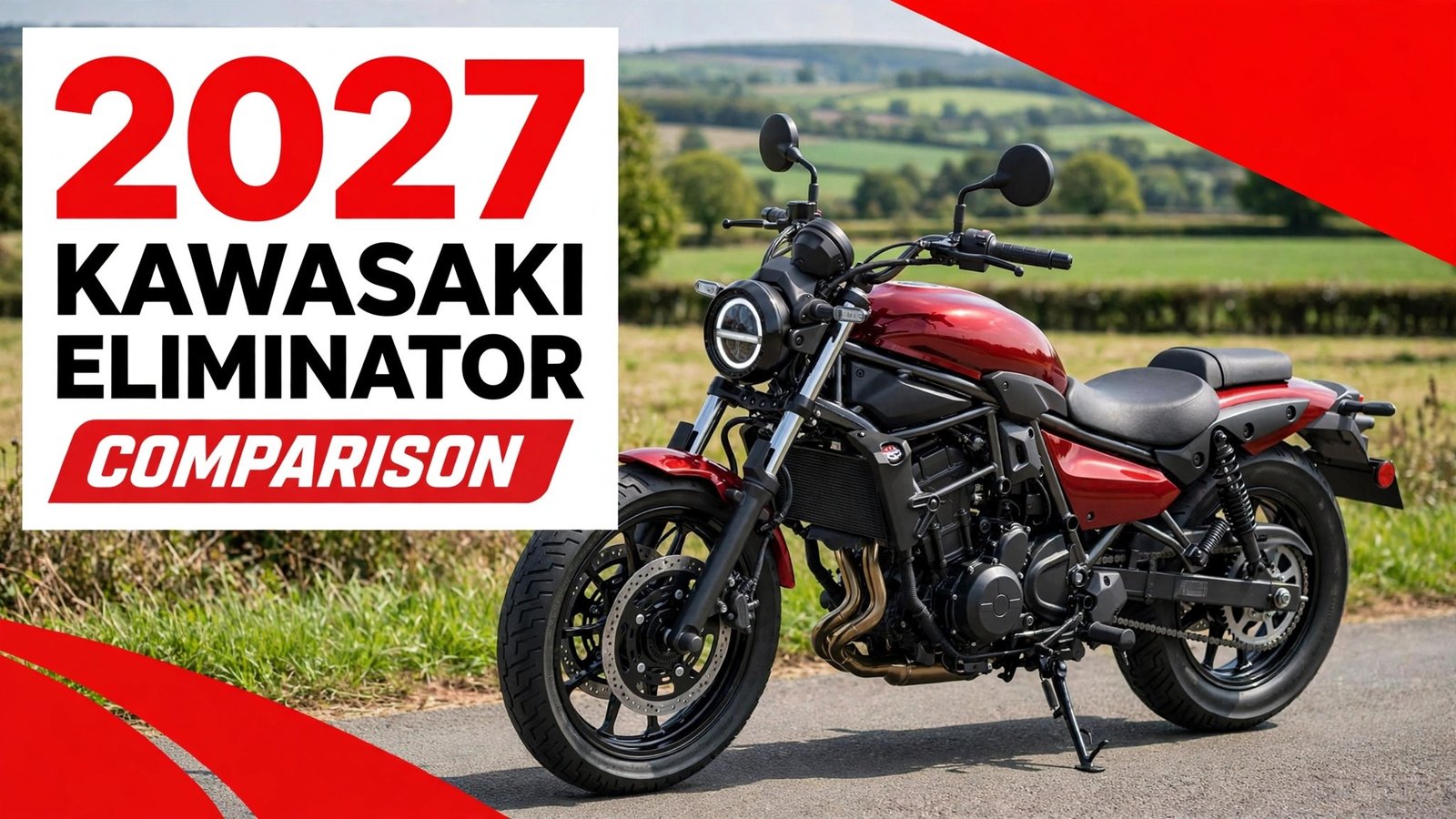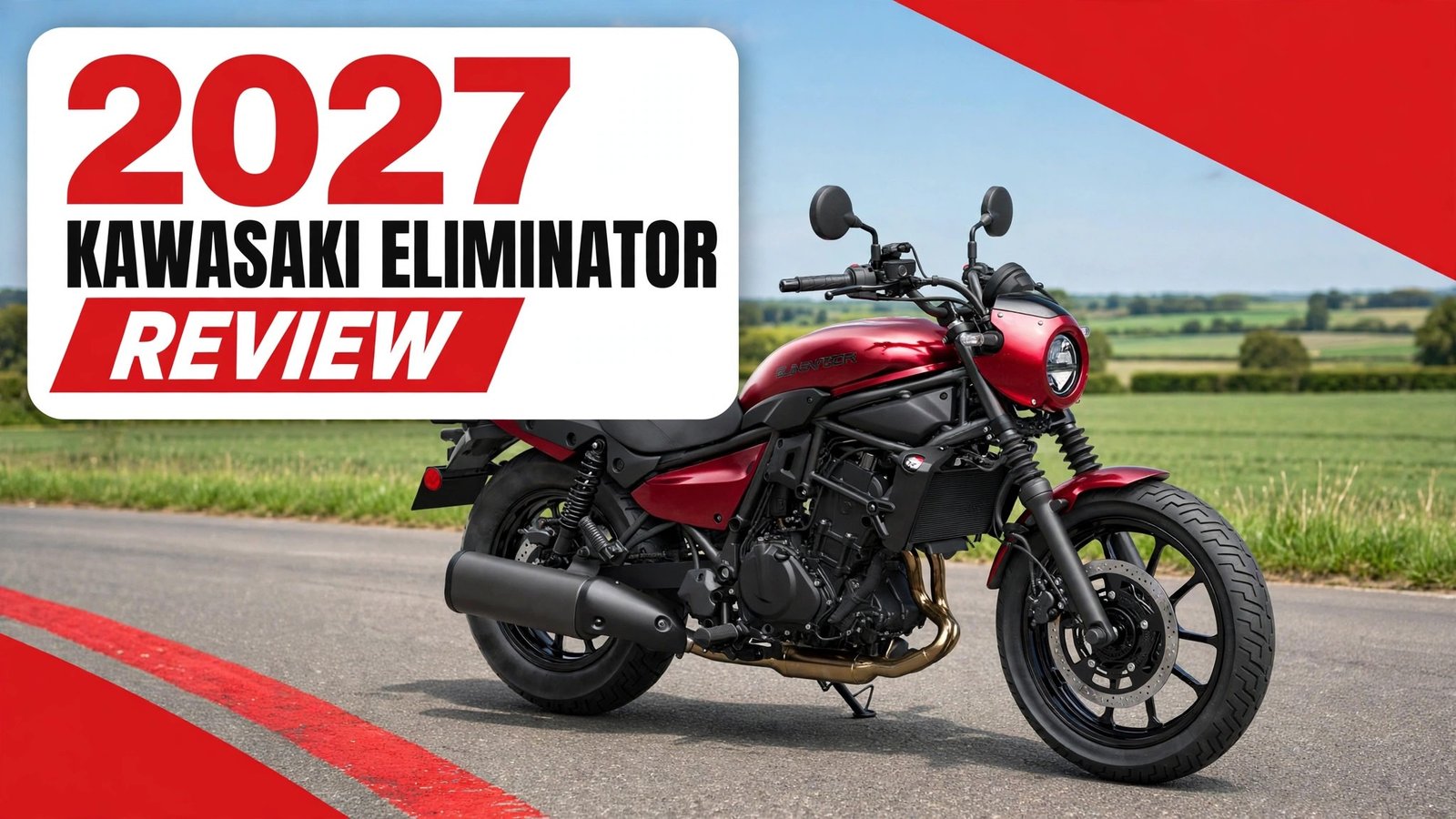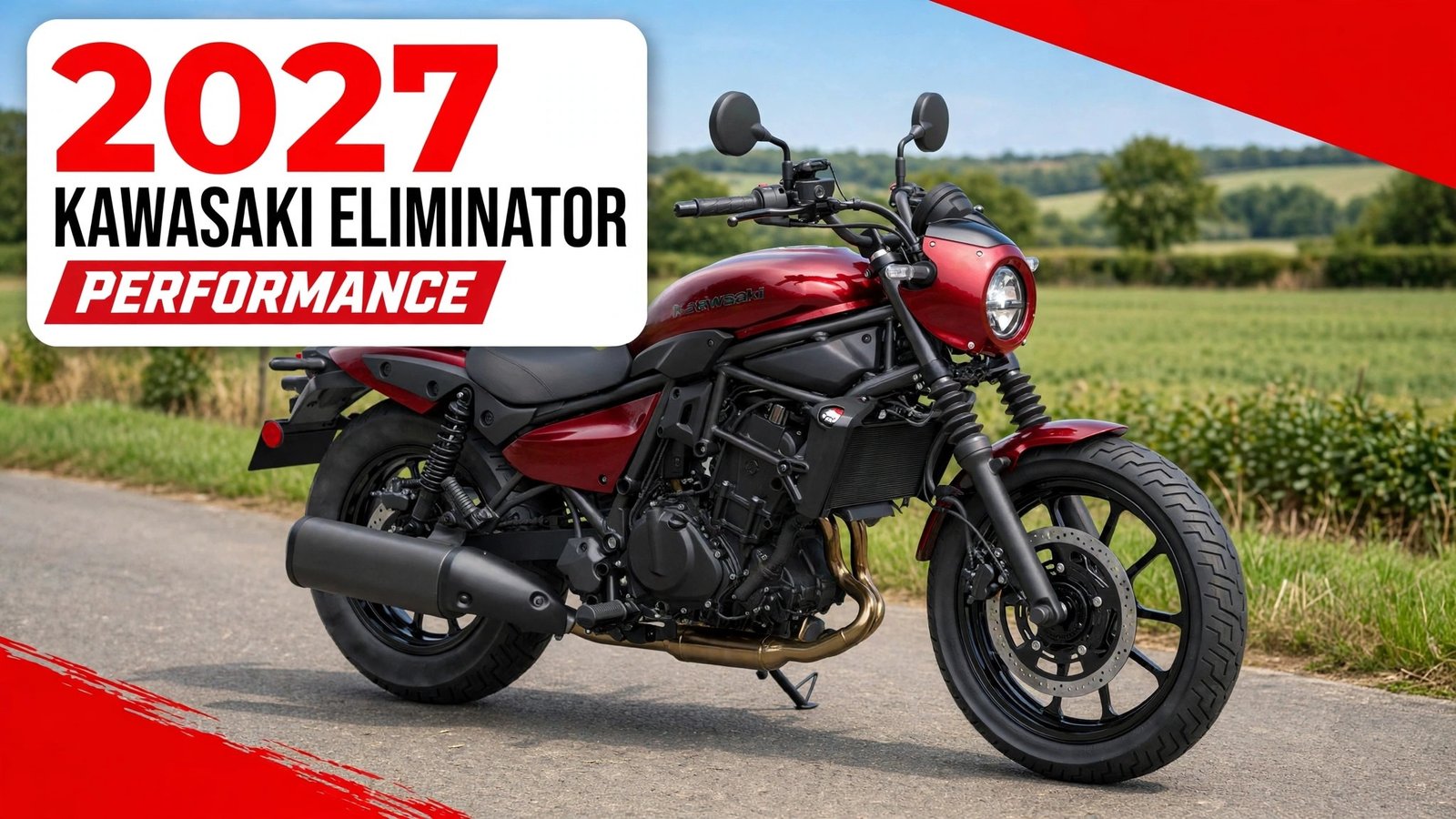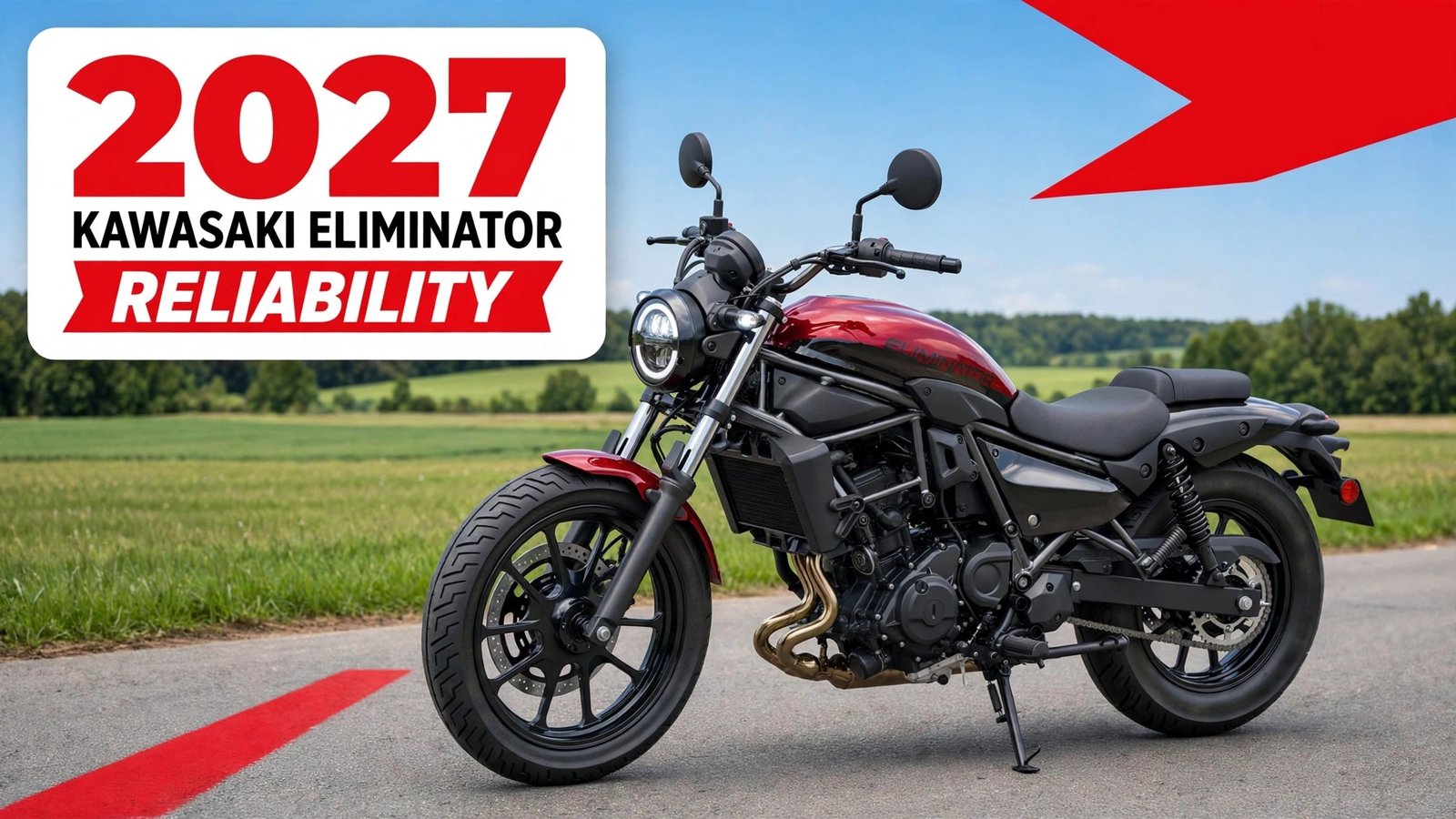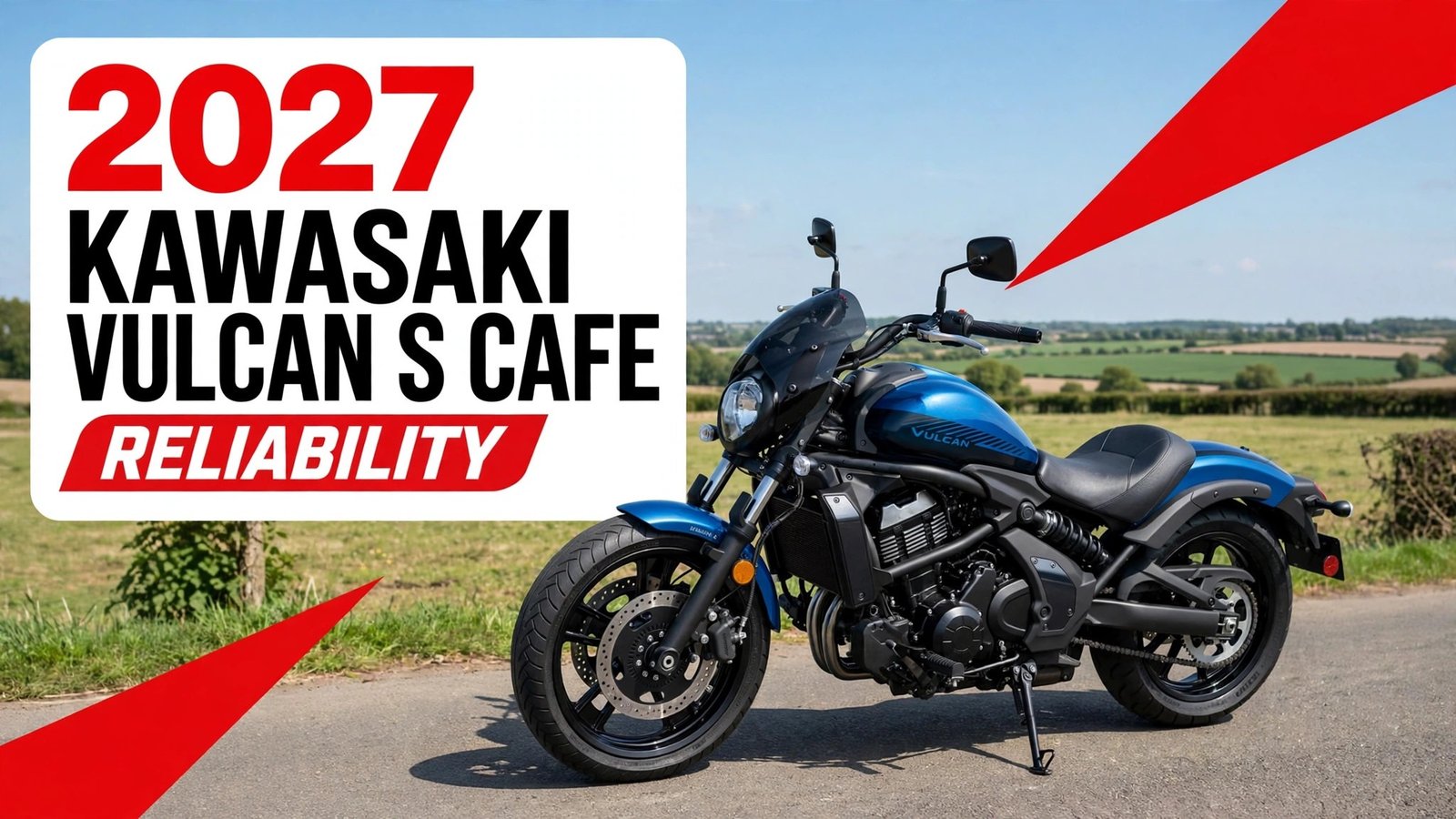
The short answer is that the Cafe holds one of the cleanest reliability records in the cruiser class: no recalls and no complaints under the Cafe name for any model year from 2016 to 2027, the same proven 649cc twin and service schedule as the standard Vulcan S, and no mechanical fault of its own. This Kawasaki Vulcan S Cafe reliability guide works from that record — valves at 15,000 miles, oil and filter every 7,500 miles, brake fluid every two years — and separates the real owner-reported issues from the lore that belongs to other Vulcans.
Kawasaki Vulcan S Cafe Reliability Overview
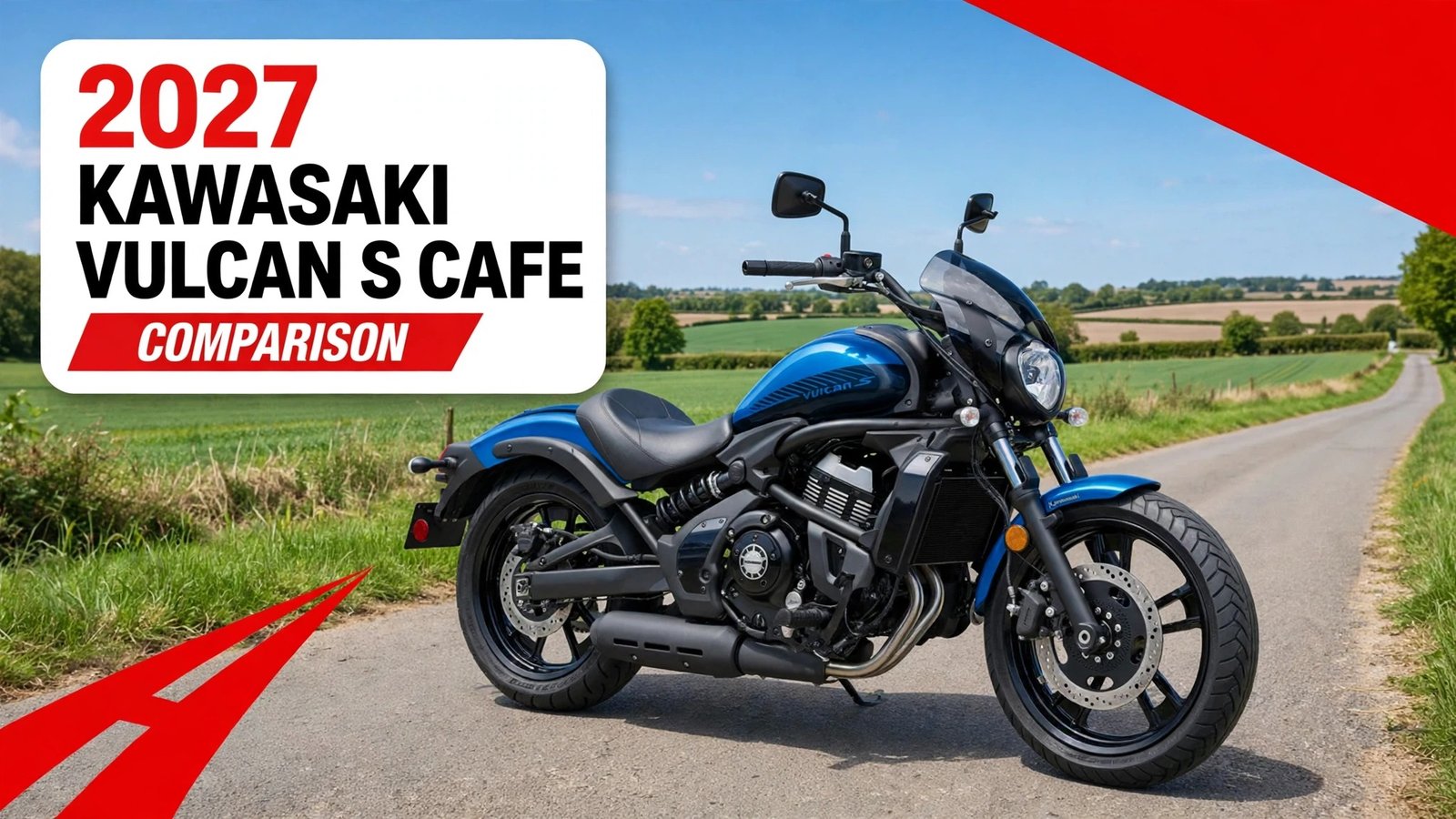
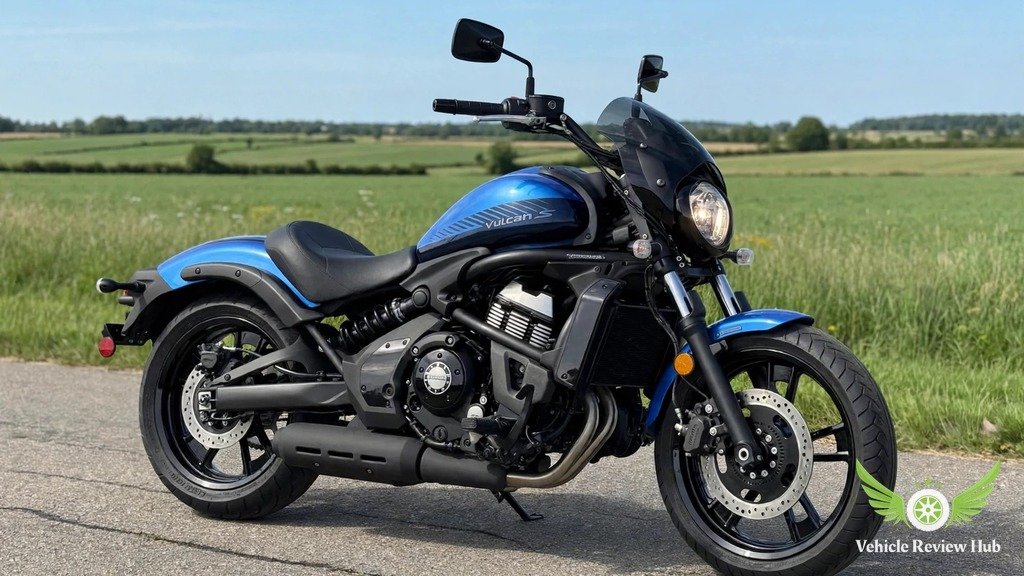
The Cafe’s reliability story is short: the bike is the standard Vulcan S with cosmetic equipment added — the same Ninja-derived 649cc parallel twin, chassis, brakes and service schedule. Nothing about the fly screen, the clubman bars or the solo seat changes how the engine runs or lasts. This Kawasaki Vulcan S Cafe reliability guide starts from that sameness.
Valve Check at 15,000 Miles, Not 15,200
The valve-clearance inspection falls at 15,000 miles, and the 15,200-mile figure that circulates in some online summaries is wrong. The owner’s manual prints the interval as 24,000 km, which the US manual states as 15,000 miles; Rider Magazine’s Cafe spec box prints the same figure. The 15,200 figure is a sloppy kilometre-to-mile conversion — 24,000 km converts to 14,913 miles, not 15,200. The valve check is the big-ticket item in this Kawasaki Vulcan S Cafe reliability guide: it falls at 15,000 and 30,000 miles, shims are changed only if a clearance is out of spec, and it anchors the major service that also covers the brake fluid and coolant.
How Mileage, Storage and Previous Care Affect Reliability
Mileage alone tells you little about a Vulcan S Cafe; care tells you almost everything. The twin is low-stress — 60 hp from 649cc — so a well-kept 30,000-mile Cafe beats a neglected 8,000-mile one. Storage is the quiet reliability killer: stale fuel varnishes the injectors, a dry chain rusts, and a flat battery never fully recovers. When buying used, the service book matters more than the odometer: oil changes at 7,500 miles, brake fluid every two years, and a valve check at 15,000 miles prove the previous owner did the work. This Kawasaki Vulcan S Cafe reliability guide treats a full service history as the single best predictor of the next 15,000 miles.
Kawasaki Vulcan S Cafe Common Problems and Wear Items
There is no documented defect pattern for the Vulcan S Cafe — no recall, no complaint trend, and no failure owners keep reporting. What exists instead is a short list of wear items and design characteristics, plus a longer list of problems that belong to other Vulcans and get blamed on this one. This Kawasaki Vulcan S Cafe reliability guide keeps the two lists separate.
No Cafe-Specific Mechanical Items Exist
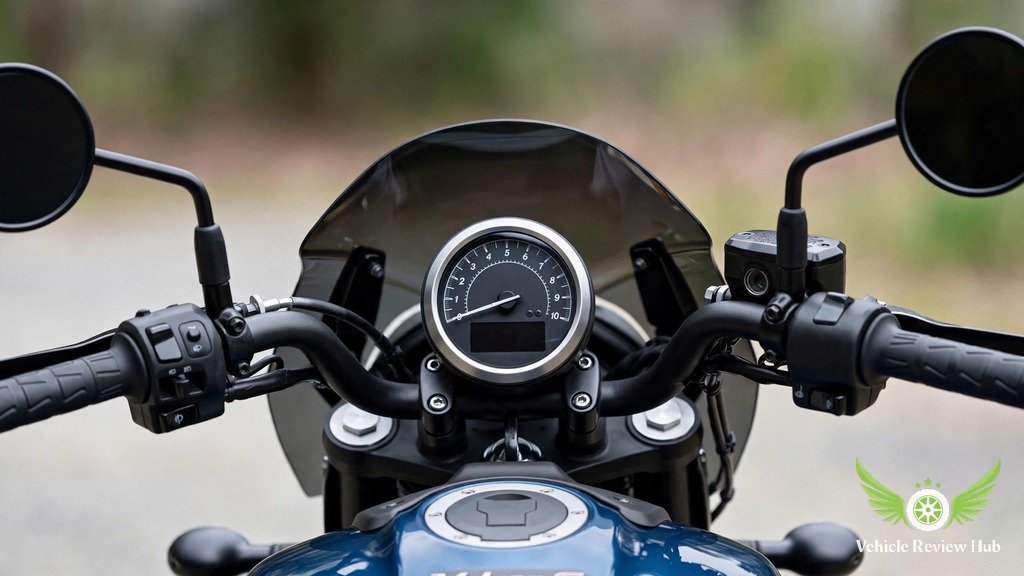
The Cafe cannot have a Cafe-specific mechanical failure, because it has no Cafe-specific mechanics. The engine, chassis, brakes, electrics and service schedule are identical to the standard Vulcan S ABS — and the record shows no mechanical item at all. The NHTSA database holds zero complaints under the Cafe name for every year from 2016 to 2027. FlamingBikes’ buyer’s guide for the EN650 lists only cosmetic and design niggles and calls the record excellent. The two genuine wear items are design characteristics: a harsh rear suspension, because the lay-down shock has only 3.2 inches of travel, and under-slung exhaust surface corrosion. First, the 2015 downshift complaint — a stiff downshift on early-production bikes, traced to the shifter-arm return spring — is owner-reported, not a recall: Best Beginner Motorcycles claims Kawasaki issued a recall for it, but the NHTSA record holds no 2015 campaign. Second, one aggregator claims early fuel-pump failures on 2015–2017 models; uncorroborated by the NHTSA record and every test review, this Kawasaki Vulcan S Cafe reliability guide does not print it as a pattern. The charging-system lore belongs to the old V-twin Vulcan 900, whose stator and regulator-rectifier failures are documented on 2006–2008 models — a different engine and charging system.
No Screen Fault Reports Found
No screen or deflector fault report was found in the sources checked for this Kawasaki Vulcan S Cafe reliability guide — no NHTSA complaint under the Cafe name, no forum thread reporting a deflector crack or mounting break, and no review mentioning a failure. That is a search result, not a proven universal negative. The deflector is a fork-mount unit, so the only realistic failure modes are the ones a buyer can check by hand — loose fork brackets, a cracked or crazed screen, or a non-genuine replacement. The screen is the one Cafe-only part with a real price: a cracked deflector costs roughly $180 to $440 in parts.
Kawasaki Vulcan S Cafe Maintenance Schedule and Servicing
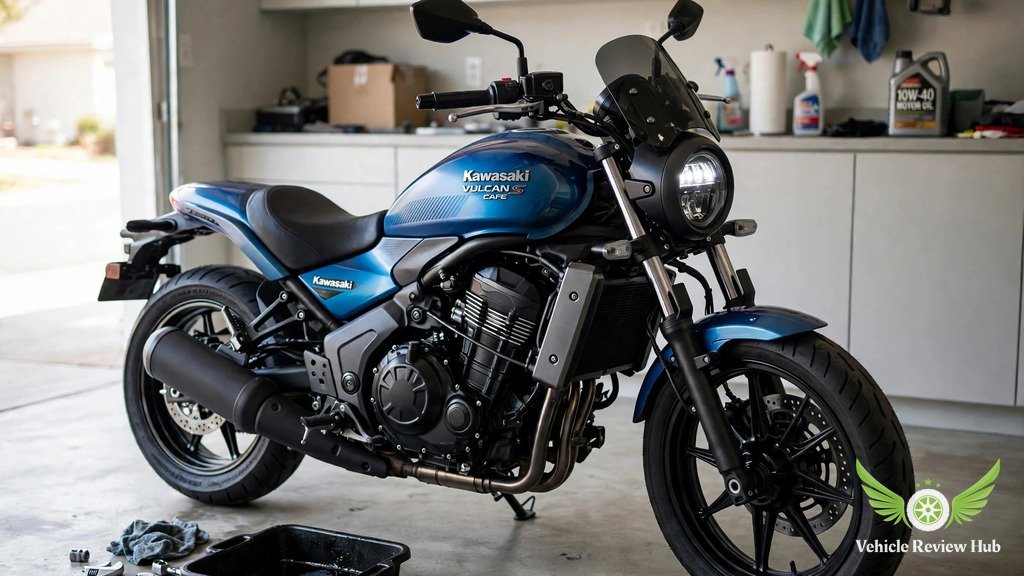
The Cafe’s service schedule is the standard Vulcan S schedule, unchanged since launch: a 600-mile first service, then oil and filter every 7,500 miles, a valve check every 15,000 miles, and brake fluid every two years. There is nothing Cafe-specific on the chart — no extra item for the screen, bars or solo seat. This Kawasaki Vulcan S Cafe reliability guide prints the US manual-chart figures and names the one split where online summaries disagree.
| Service item | Interval | Notes |
|---|---|---|
| First service | 600 miles (1,000 km) | Dealer service; oil and filter change |
| Engine oil and filter | Every 7,500 miles / 12,000 km or annually | SAE 10W-40, JASO MA/MA1/MA2; 1.8 L with filter |
| Valve clearance inspection | Every 15,000 miles / 24,000 km | Inspect at 15,000 and 30,000 miles; shims only if out of spec |
| Spark plugs | Every 7,500 miles / 12,000 km | Per the manual chart reading |
| Air filter | At every service | Inspect and clean or replace as needed |
| Chain lubrication | Every 400 miles / 600 km | More often in wet or dirty riding |
| Chain slack check | Every 600 miles / 1,000 km | Standard slack 10–20 mm (0.4–0.8 in); axle nut 108 Nm |
| Brake fluid | Every 2 years | DOT 4; no ABS modulator service interval exists |
| Coolant | Every 22,500 miles / 36,000 km or 3 years | Whichever comes first |
Notes for this Kawasaki Vulcan S Cafe reliability service-schedule table: intervals are the US owner’s-manual chart, reproduced by maintenanceschedule.com, identical for the Cafe, the ABS and the non-ABS Vulcan S.
Oil and Filter Every 7,500 Miles
Engine oil and filter change every 7,500 miles or 12,000 km, or annually — the manual-chart figure this Kawasaki Vulcan S Cafe reliability guide prints. The oil is SAE 10W-40 meeting API SG/SH/SJ/SL/SM and JASO MA/MA1/MA2, capacity is 1.8 litres (1.9 US quarts) with a filter change and 1.6 litres without, and the drain bolt torques to 30 Nm (22 lb-ft). The oil filter is part number 16097-0008, torqued to 17.5 Nm (12.9 ft-lb). One split needs naming: some AI-generated manual summaries claim a 6,000 km (3,800-mile) oil interval, but that misreads the chart’s intermediate 6,000-km inspection column, and Indian owners report 6,000 km / 6-month services because the India schedule differs.
The film below is a step-by-step oil-change how-to for the whole Vulcan S family — the Cafe shares the same engine, filter and service schedule, so every step applies to the Cafe exactly as shown. It is a maintenance how-to, not a Cafe-only film.
Brake Fluid Every Two Years, DOT 4
Brake fluid is DOT 4, changed every two years — verified against the 2017 and 2019 owner’s manuals. There is no ABS modulator service interval on the manual chart at all, so nothing about the ABS needs scheduled servicing beyond the fluid change and two home checks. First, keep the tone rings clean: they are the slotted rings on the wheel hubs the ABS sensors read, and a bent or clogged ring is the usual cause of a warning light. Second, watch the warning light — it self-checks at ignition-on and must go out after start-up; a light that stays on means the ABS is disabled (the base brakes still work) and the bike needs a dealer diagnostic. In this Kawasaki Vulcan S Cafe reliability guide the brake-fluid change is the cheapest scheduled item owners most often skip.
Kawasaki Vulcan S Cafe Tires, Brakes and Suspension Maintenance
The Cafe’s wear items are tyres, brake pads, chain and sprockets, and the rear shock — the same short list as the standard S, because the Cafe adds nothing mechanical. In this Kawasaki Vulcan S Cafe reliability guide the one exception is the deflector itself, a trim part with its own mounting and originality checks. This Kawasaki Vulcan S Cafe reliability guide covers the deflector first, then the running gear.

Deflector Mounting and Originality Checks
The deflector is a fork-mount unit: the fork brackets must be tight, the screen uncracked, and the mounting hardware the genuine Kawasaki kit. The part numbers are the deflector screen 59254-0005, the kit 99994-0826 and the bracket 11057-0220; the verified parts prices are $179.76 for the screen, $221.16 for the kit without the KQR mount, and $42.23 for each bracket. Aftermarket screens — Puig is the common one — fit the same mounts, so a used Cafe with a non-OEM screen is not necessarily a problem, but originality matters: the genuine deflector, clubman bars and solo seat are what make a Cafe a Cafe. Check the screen’s tint matches the dark-tinted factory unit — a clear screen is a replacement. A cracked deflector is a parts bill of roughly $180 for the screen alone, or about $400 to $440 for screen, kit and bracket together. In this Kawasaki Vulcan S Cafe reliability guide the deflector check belongs on every used-bike inspection, right beside the chain and the tyres.
Tire, Brake and Suspension Checks That Matter
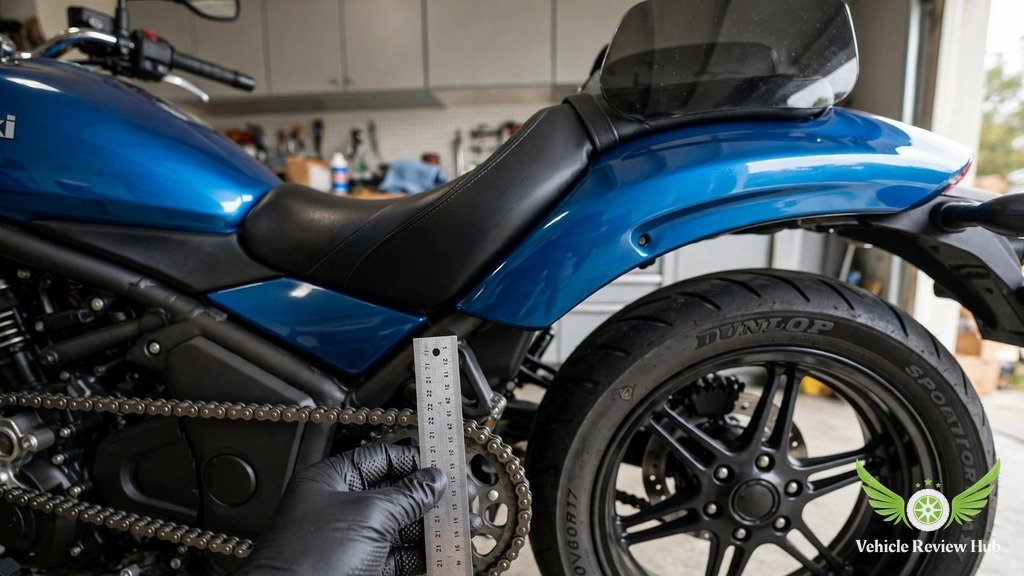
The tyres are 120/70-18 front and 160/60-17 rear, and the 18-inch front limits tyre choice — check availability before assuming any brand is stocked. Brake pads last roughly 15,000 to 30,000 km (motoryk wear-item estimates, not a Kawasaki figure); the hardware is a single 300 mm front disc with a two-piston Nissin caliper and a single 250 mm rear disc, both with ABS. Chain and sprockets typically last about 25,000 to 40,000 km before replacement (same motoryk estimates). The chain is the highest-frequency maintenance item: lubricate every 400 miles, check the slack every 600 miles against the 10–20 mm standard, and torque the axle nut to 108 Nm. The rear suspension is the known weak point by design: the lay-down shock has only 3.2 inches of travel, so a harsh ride over broken pavement is the stock character, not a broken shock — the fix is preload adjustment or an aftermarket YSS or Hagon shock. This Kawasaki Vulcan S Cafe reliability guide treats the chain as the day-to-day reliability item that matters most.
Kawasaki Vulcan S Cafe Maintenance and Ownership Costs
The Cafe is cheap to own: the engine needs little beyond oil and valves, the chain is the only frequent consumable, and the only expensive scheduled item is the valve check. The costs below are owner-reported ranges from TopSpeed‘s July 2026 long-term ownership piece — what owners say they spend, not a Kawasaki price list. This Kawasaki Vulcan S Cafe reliability guide keeps the Cafe’s own costs separate from the standard S where they differ, and the only difference is the deflector.
Fuel, Routine Servicing, Tires and Replacement Parts
Routine maintenance runs $150 to $400 a year by owner reports, a major service runs $500 to $800, and five years runs $1,000 to $1,500. Fuel is the smallest surprise: the Cafe returns 47 mpg in Cycle World’s hands and 46.9 to 60.7 mpg in Rider’s Cafe test, on a 3.7-gallon tank. Tyres are the consumable to price before buying, because the 120/70-18 front limits choice. Used prices run $4,500 to $7,500 by one aggregator’s listing survey, and $5,000 to $7,200 for 2016–2020 bikes by another, with low-mileage examples retaining 65 to 75 percent after three years. No Vulcan S-specific insurance figure was found, so this Kawasaki Vulcan S Cafe reliability guide prints none. A used Cafe commands a small premium over a standard S of the same year, but no priced premium was verified.
| Cost item | Owner-reported range | Notes |
|---|---|---|
| Routine maintenance | $150–$400 per year | Oil, filter, chain lube, inspections |
| Major service (valve check + brake fluid + coolant) | $500–$800 | Every 15,000 miles / 2–3 years |
| Five-year maintenance total | $1,000–$1,500 | Excludes tyres and fuel |
| Cracked deflector (parts) | $180–$440 | Screen $179.76; screen + kit $400.92; screen + kit + bracket $443.15 |
| Used price, all years | $4,500–$7,500 | Aggregator listing survey |
| Used price, 2016–2020 | $5,000–$7,200 | Aggregator listing survey |
Notes for this Kawasaki Vulcan S Cafe reliability ownership-costs table: the maintenance ranges are owner-reported figures from TopSpeed’s July 2026 long-term ownership piece, not Kawasaki prices. Used prices are aggregator listing surveys. No insurance figure was found.
NHTSA Zero Under the Cafe Name Itself
The NHTSA record for the Vulcan S Cafe is a clean zero: the recalls API returns Count:0 and the complaints API zero for every model year from 2016 to 2027. That zero needs one honest caveat, and this Kawasaki Vulcan S Cafe reliability guide states it plainly: the NHTSA search has been wrong before. The same search returns zero for the 2010 Vulcan 1700 Vaquero even though a real recall — campaign 15V-550 — exists for that bike, and the Versys 650 API returns zero while two real campaigns (09E-015 and 12V-081) exist for it. So the Cafe zero is the NHTSA search result, not absolute proof. Manufacturer communications appear on the NHTSA file under the standard “Vulcan S” name — two in 2017, one in 2023, one in 2024 — service bulletins, not recalls. The old Vulcan recalls belong to other models: 15V-550 (September 2015, Kawasaki MC15-10) covered 11,836 units of the 2009–2015 Vulcan 1700 Voyager and 2011–2015 Vulcan 1700 Vaquero for ignition-switch wire chafing, and 10V-507 (October 2010) covered 2009–2010 Vulcans for an engine stall while coasting with the clutch pulled. Neither names the Vulcan S or the Cafe.
| Model year | Recalls (NHTSA API Count) | Complaints (NHTSA API count) |
|---|---|---|
| 2016 | 0 | 0 |
| 2017 | 0 | 0 |
| 2018 | 0 | 0 |
| 2019 | 0 | 0 |
| 2020 | 0 | 0 |
| 2021 | 0 | 0 |
| 2022 | 0 | 0 |
| 2023 | 0 | 0 |
| 2024 | 0 | 0 |
| 2025 | 0 | 0 |
| 2026 | 0 | 0 |
| 2027 | 0 | 0 |
Notes for this Kawasaki Vulcan S Cafe reliability NHTSA table: every year was checked individually under the “Vulcan S Cafe” name, 2026-11-18. The zero is the NHTSA search result; the same search has returned zero for a bike with a real recall (2010 Vulcan 1700 Vaquero, campaign 15V-550).
How to Keep a Kawasaki Vulcan S Cafe Reliable
Keeping a Cafe reliable is mostly doing the small things on schedule: the chain every 400 miles, the oil every 7,500, the brake fluid every two years, and the valve check at 15,000. Nothing on this bike rewards neglect — the Cafe degrades gradually, and owners who follow the chart rarely see a problem at all. This Kawasaki Vulcan S Cafe reliability guide closes with the habits that keep the record clean.
Preventive Maintenance, Records and Regular Inspections
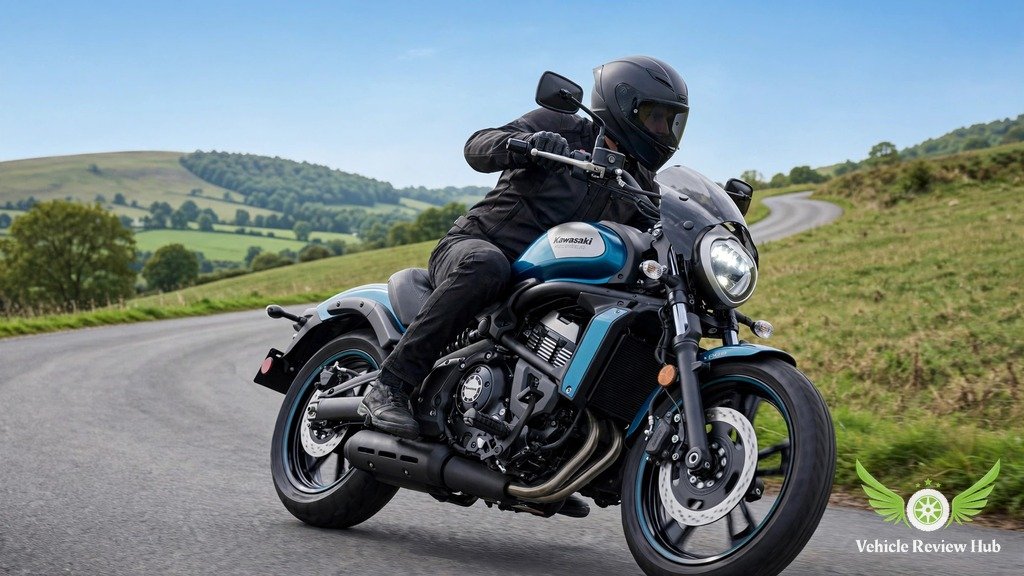
The preventive routine fits on one card: lubricate the chain every 400 miles and check its slack every 600, change the oil and filter every 7,500 miles, change the brake fluid every two years, inspect the valve clearances at 15,000 miles, and change the coolant every three years. Keep the tone rings clean, watch the ABS warning light at start-up, and check the deflector brackets and screen at every service. Keep the records — a stamped service book is worth more than any accessory. A pre-ride inspection takes two minutes: tyres, chain, brake feel, fluid level, and the ABS light going out. In this Kawasaki Vulcan S Cafe reliability guide, that routine is the whole secret: the bike was built to be maintained, not repaired.
MC24-01 Sits Under the Standard’s Name
A 2024 Kawasaki manufacturer communication is on the NHTSA file for the Vulcan S — under the standard “Vulcan S” name, not the “Vulcan S Cafe” name — and it is not a recall: the NHTSA recalls API returns Count:0 for 2024 under both names. The number parses as a 2024 communication, first of the year, in Kawasaki’s MC-plus-year-plus-sequence pattern. What the communication covers was not independently confirmed, and this Kawasaki Vulcan S Cafe reliability guide does not describe its contents or invent a subject for it. A manufacturer communication is a service bulletin, not a recall, and the Cafe’s own NHTSA rows show none. If a seller cites MC24-01 as a reason to worry, the record says otherwise.
Kawasaki Vulcan S Cafe Reliability: Frequently Asked Questions
These are the questions riders ask most about how the Cafe holds up, answered with the figures from this Kawasaki Vulcan S Cafe reliability guide.
Does the Vulcan S Cafe have any recalls?
In this Kawasaki Vulcan S Cafe reliability guide, no: the NHTSA recalls API returns Count:0 for every Cafe model year from 2016 to 2027, and the complaints API zero as well. The zero is the NHTSA search result; the same search has returned zero for a bike with a real recall, so it is not absolute proof.
How often does the Cafe need a valve check?
In this Kawasaki Vulcan S Cafe reliability guide, the valve-clearance inspection falls every 15,000 miles (24,000 km), at 15,000 and 30,000 miles. The 15,200-mile figure in some online summaries is a sloppy conversion with no source in any Kawasaki document.
How often should I change the oil on a Vulcan S Cafe?
In this Kawasaki Vulcan S Cafe reliability guide, engine oil and filter change every 7,500 miles or 12,000 km, or annually — SAE 10W-40, JASO MA/MA1/MA2, 1.8 litres with a filter change. The 6,000 km interval in some summaries misreads the chart and belongs to the India schedule.
What is the most common problem with the Vulcan S Cafe?
In this Kawasaki Vulcan S Cafe reliability guide, there is no documented defect pattern: no recalls, no complaint trend and no Cafe-specific mechanical item. The genuine wear items are a harsh rear suspension, exhaust surface corrosion, and chain and sprocket wear. The 2015 downshift complaint is owner-reported, not a recall.
Does the Cafe have any ABS faults?
In this Kawasaki Vulcan S Cafe reliability guide, no ABS fault pattern exists: the NHTSA record holds zero complaints, and the manual chart has no ABS modulator service interval. Keep the tone rings clean, and watch the ABS warning light — it must go out after start-up; a light that stays on means the ABS is disabled and the bike needs a dealer diagnostic.
How much does it cost to maintain a Vulcan S Cafe?
In this Kawasaki Vulcan S Cafe reliability guide, routine maintenance runs $150 to $400 a year by owner reports, a major service runs $500 to $800, and five years of maintenance runs $1,000 to $1,500. The only Cafe-only cost is a cracked deflector, at roughly $180 to $440 in parts.
Is the Cafe’s fly screen a reliability concern?
In this Kawasaki Vulcan S Cafe reliability guide, no screen fault reports were found — no NHTSA complaint, no forum thread and no review reporting a deflector failure. Check the fork brackets are tight, the screen uncracked, and the hardware the genuine Kawasaki kit.
How long does a Vulcan S Cafe engine last?
In this Kawasaki Vulcan S Cafe reliability guide, no published long-term mileage figure exists for the Cafe, so none is printed here. What the record shows is clean: zero recalls, zero complaints, and testers and owners reporting that major mechanical issues are rare, the engine called virtually bulletproof.
What should I check when buying a used Vulcan S Cafe?
In this Kawasaki Vulcan S Cafe reliability guide, check the service book first — the 600-mile first service, oil changes at 7,500 miles and the valve check — then the chain and sprockets, the brake-fluid age, the rear shock preload, and the deflector: brackets tight, screen dark-tinted and uncracked.
Is the Vulcan S Cafe reliable for daily riding?
In this Kawasaki Vulcan S Cafe reliability guide, yes: the 649cc twin is low-stress, the service schedule is light, and the NHTSA record is clean for every year from 2016 to 2027. The daily-riding wear item is the chain, which needs lubrication every 400 miles.
Does the Cafe need different maintenance than the standard Vulcan S?
In this Kawasaki Vulcan S Cafe reliability guide, no: the Cafe is mechanically identical to the standard Vulcan S ABS, so the service schedule, intervals and parts are the same. The only Cafe-only checks are the deflector mounting and originality checks.
What is MC24-01?
In this Kawasaki Vulcan S Cafe reliability guide, MC24-01 is a 2024 Kawasaki manufacturer communication on the NHTSA file under the standard “Vulcan S” name, not under the Cafe name. It is not a recall, and its contents were not independently confirmed.