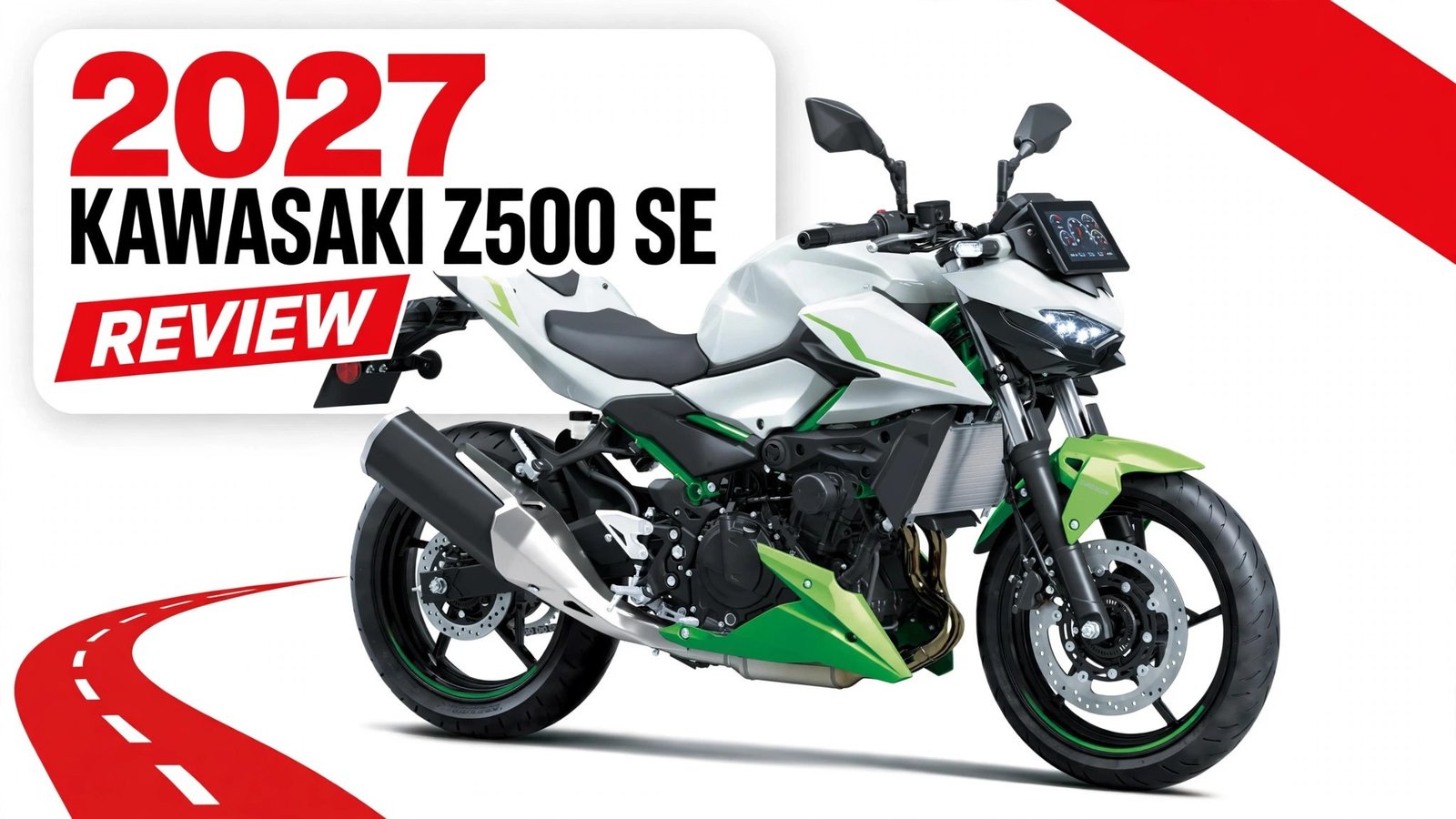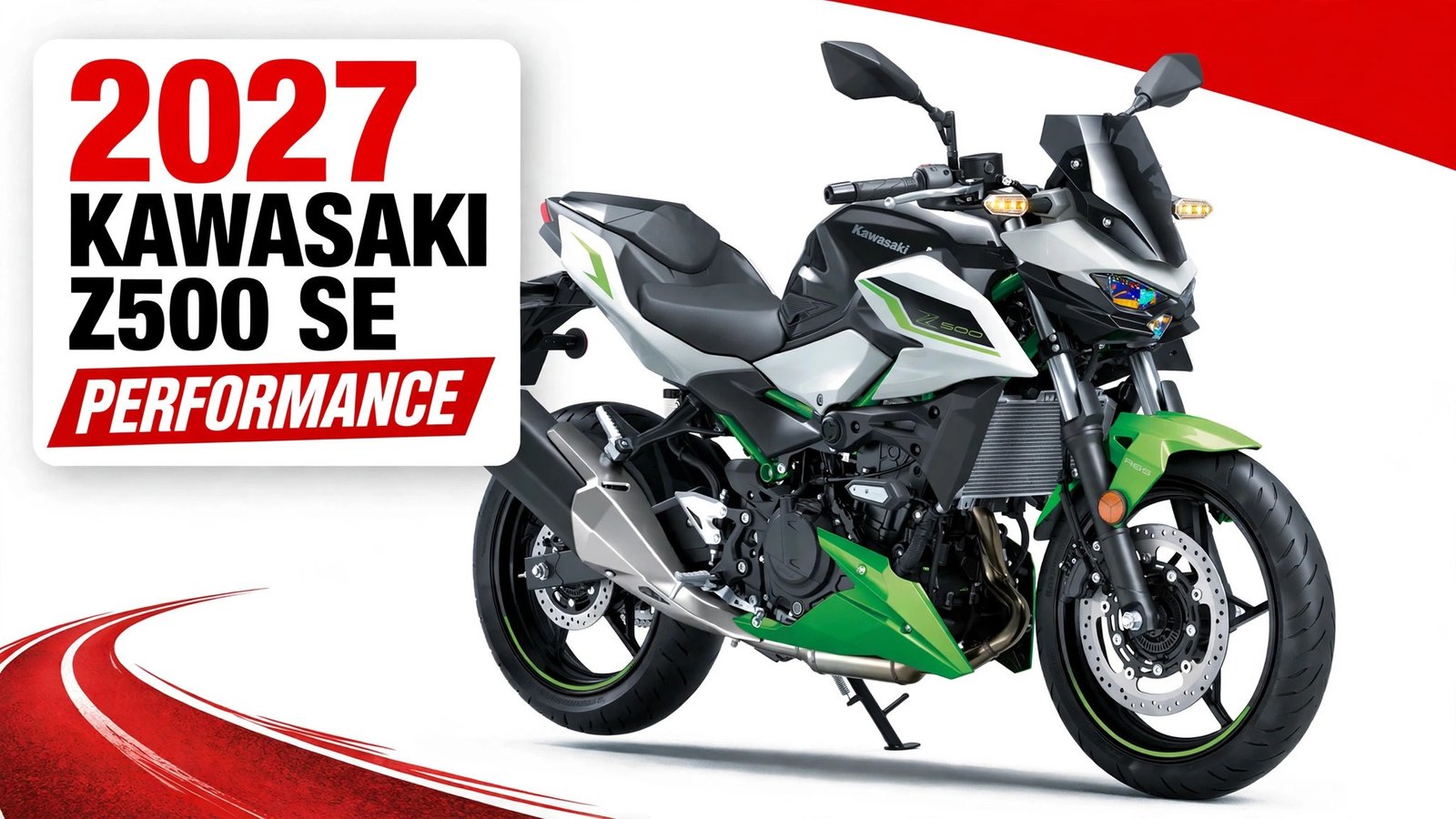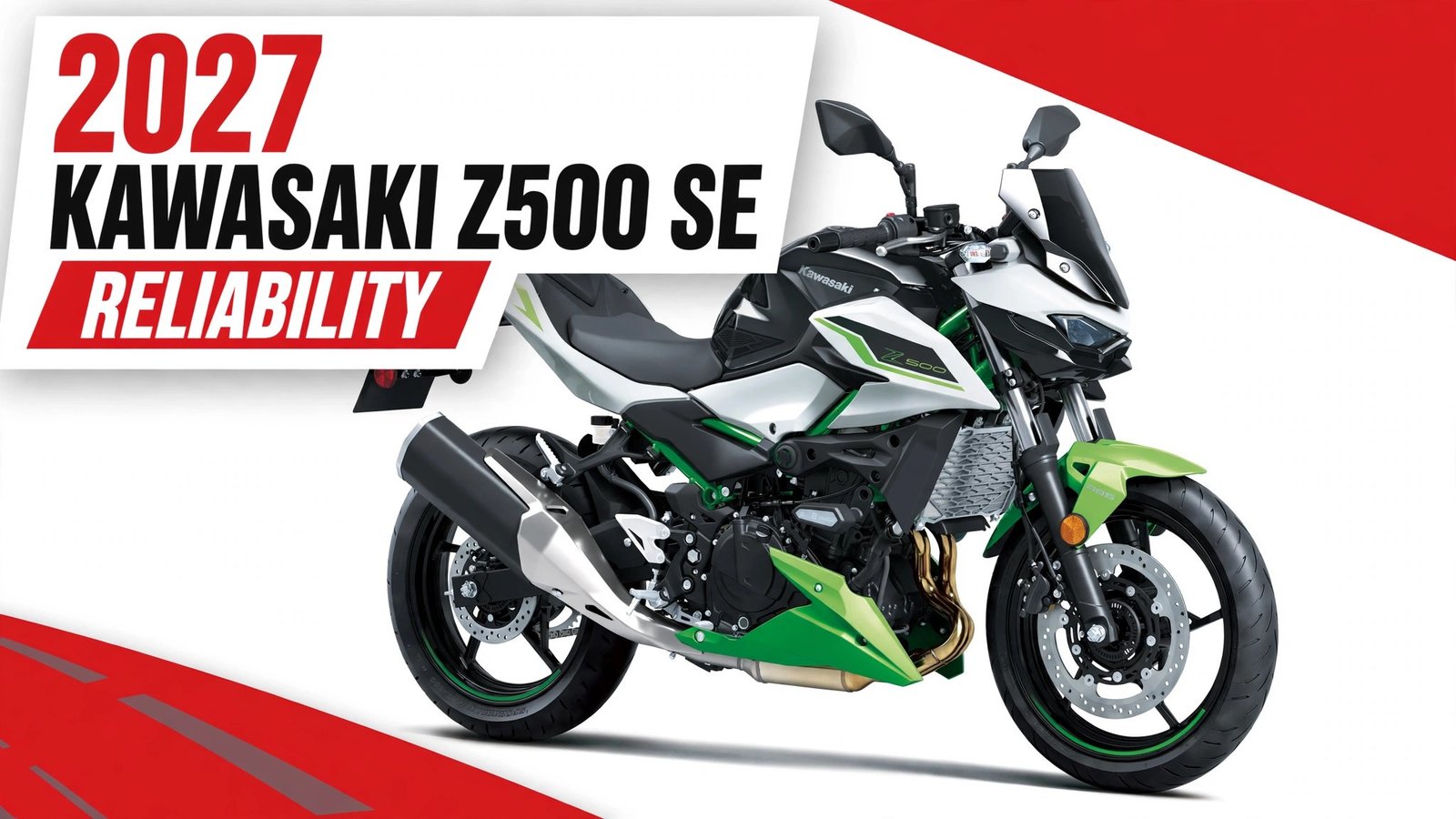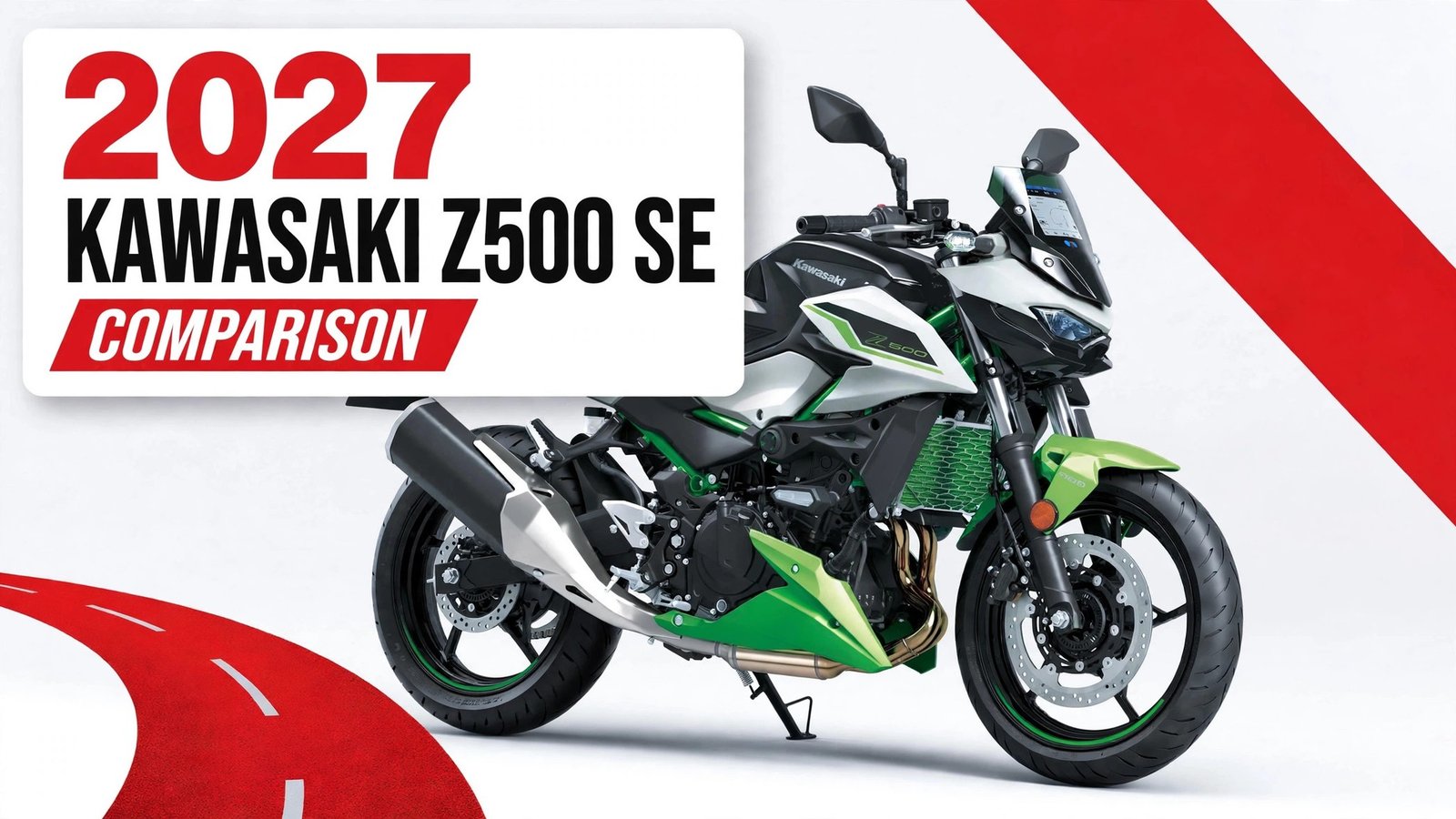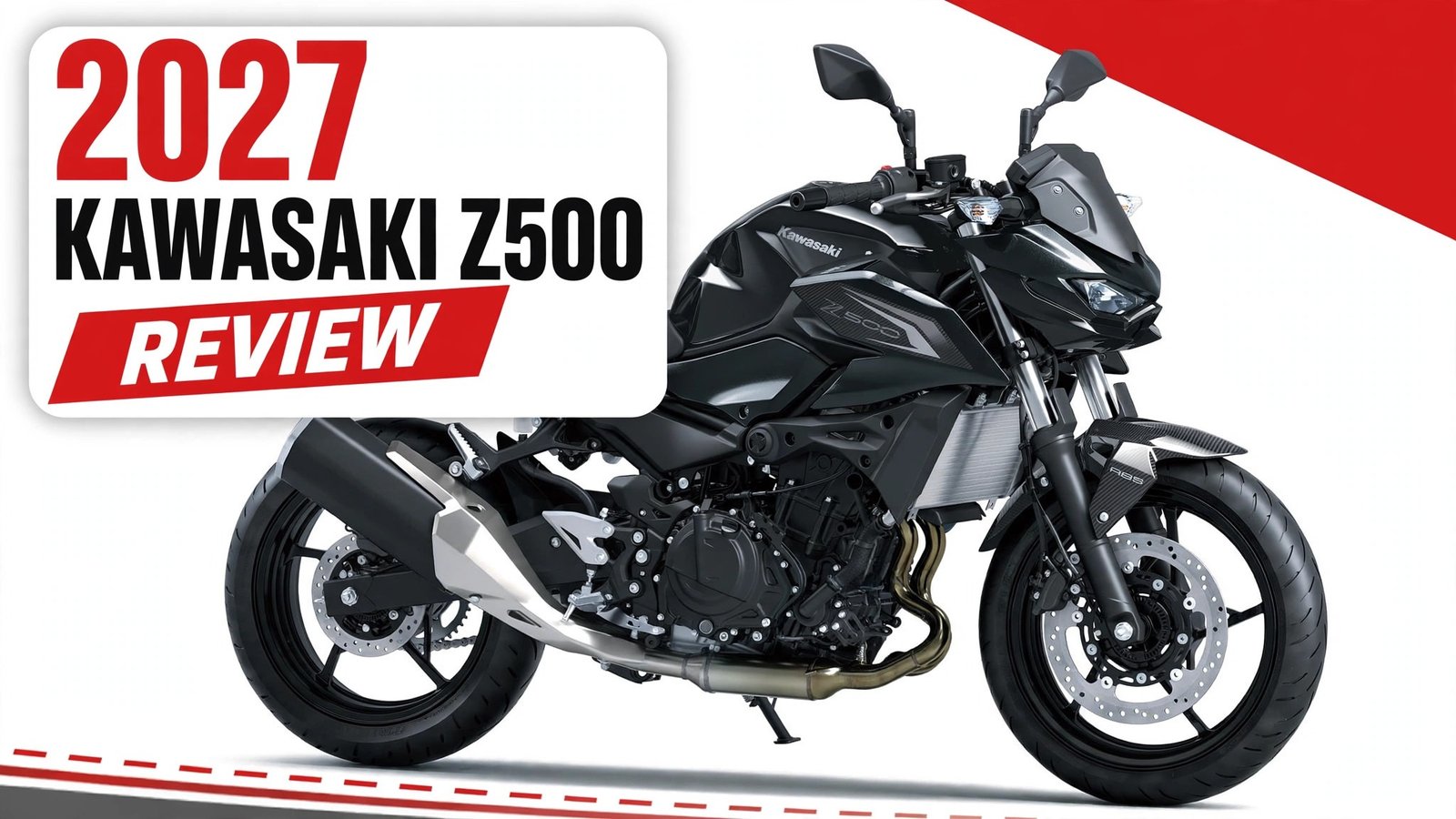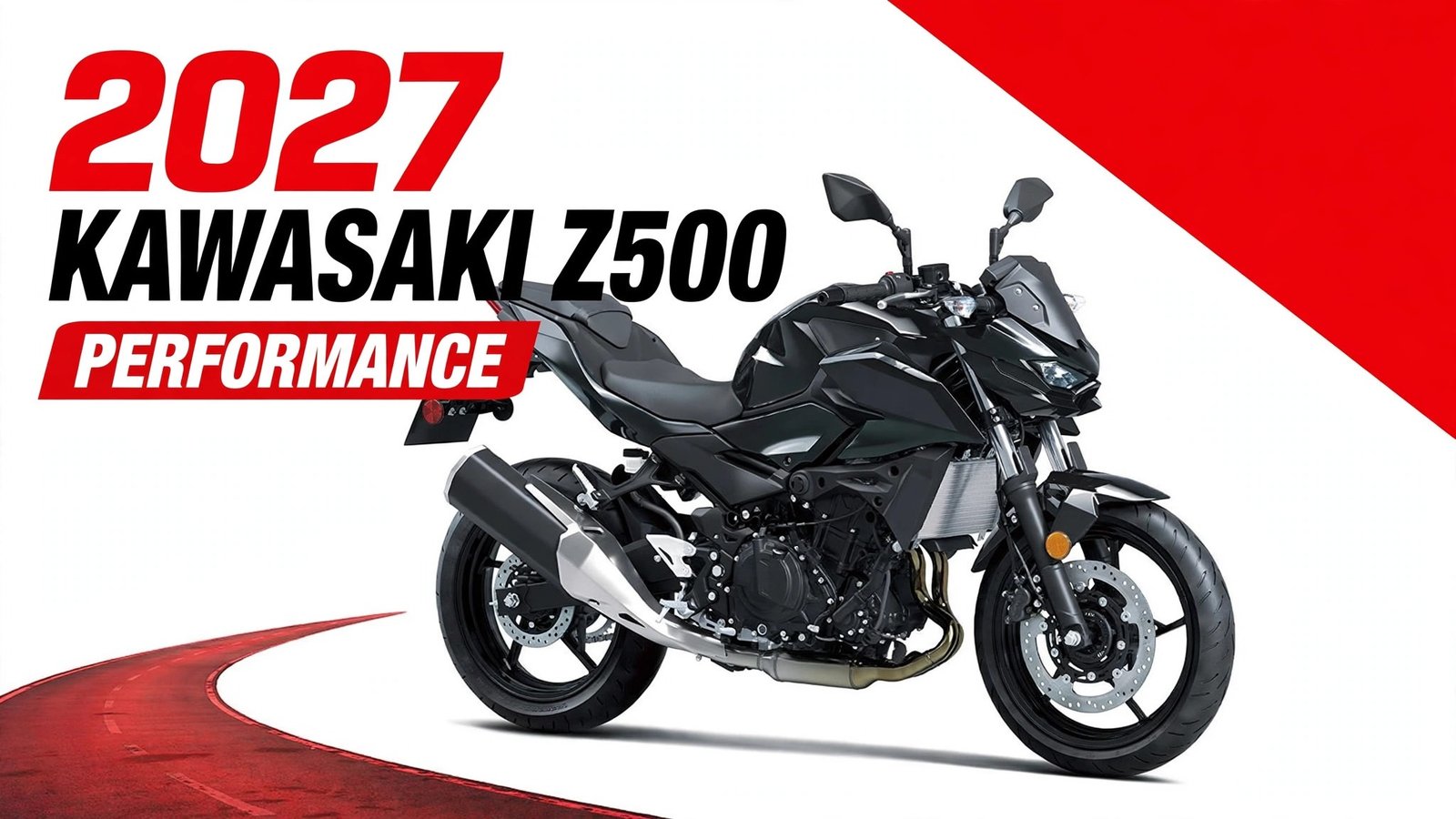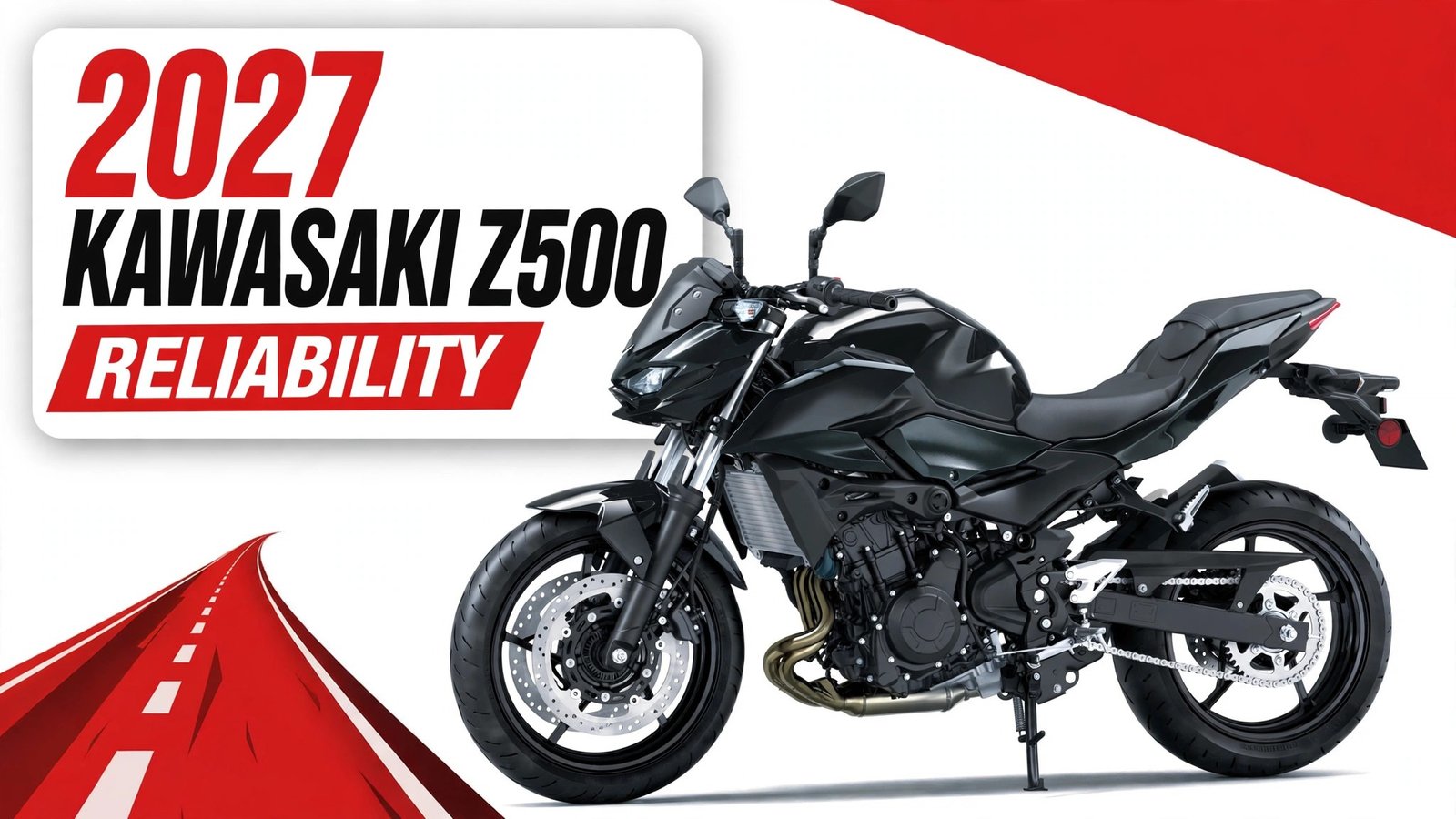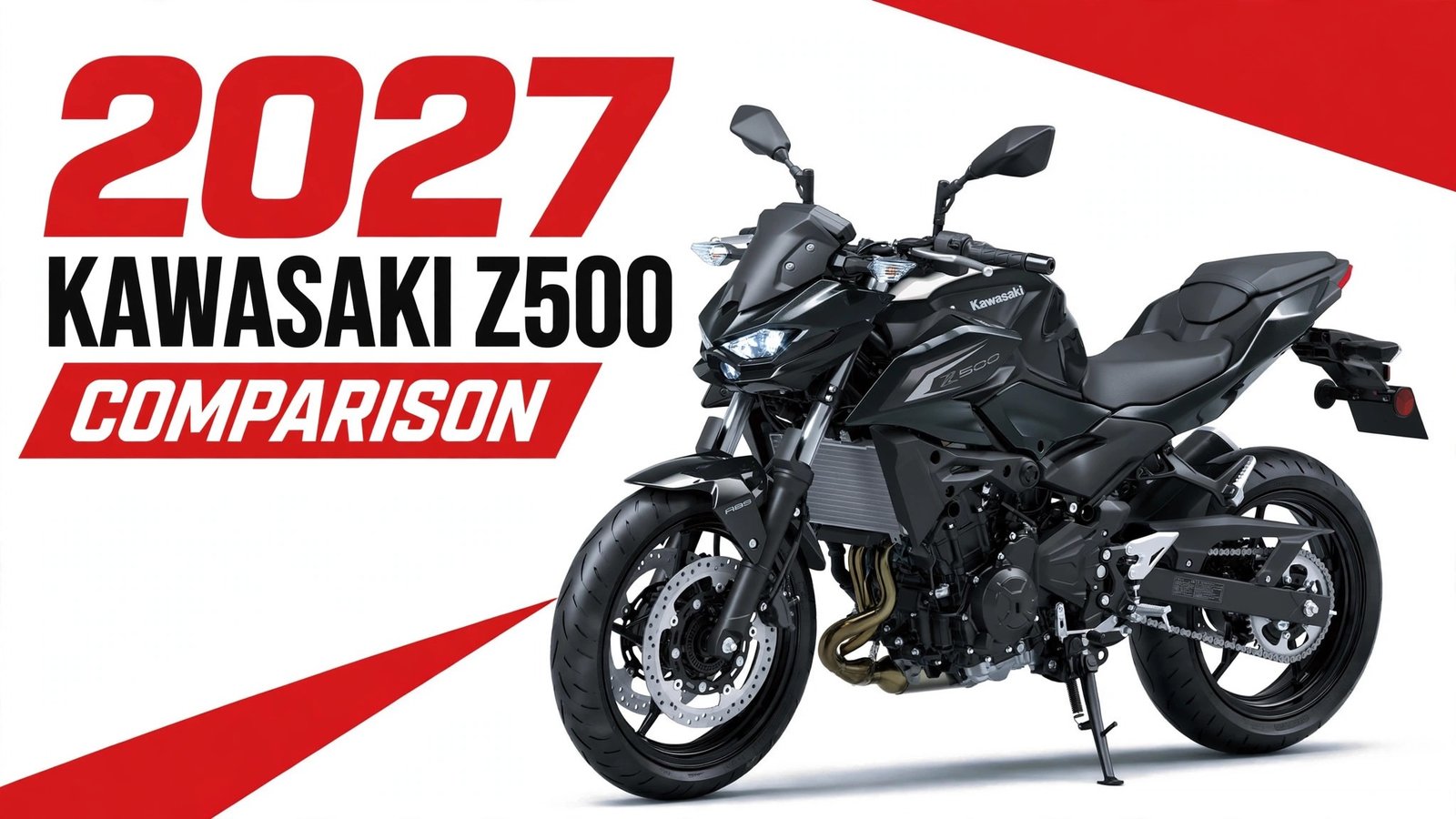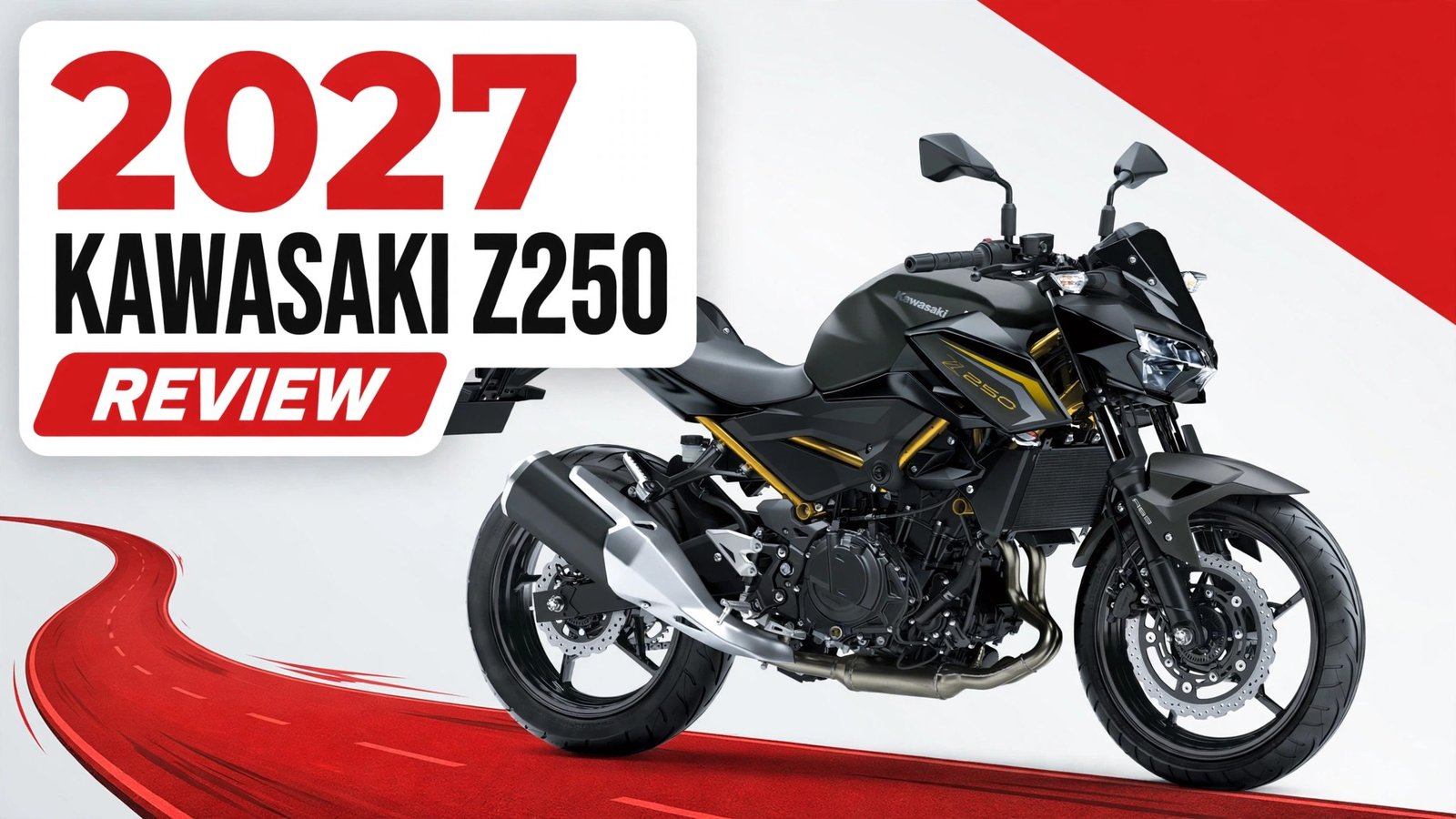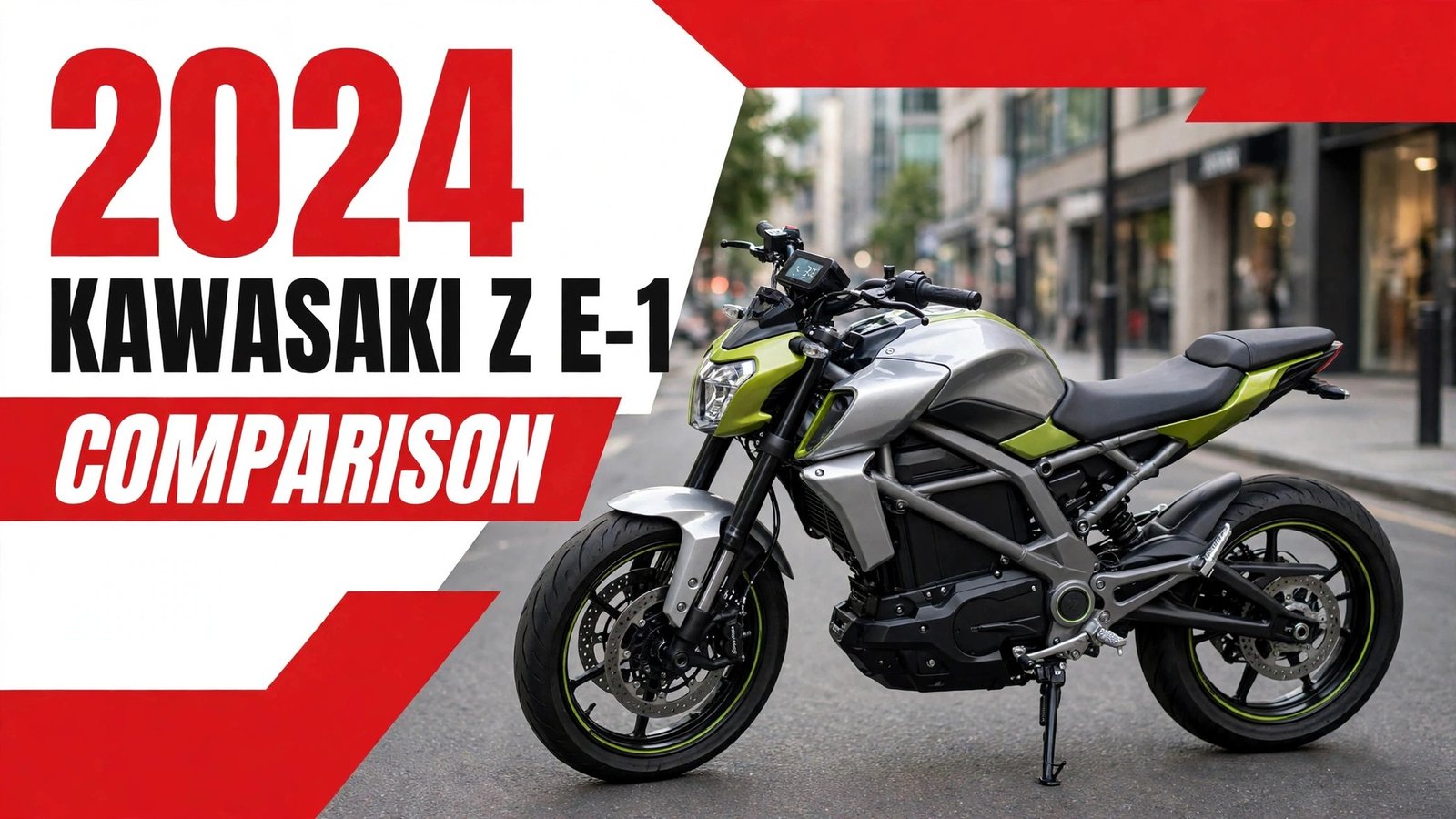
At its $7,599 list price the Kawasaki Z e-1 loses this comparison before it starts — the Ryvid Anthem costs $1,104 less and goes further and faster, and the petrol Ninja 500 costs $1,800 less delivered. At leftover prices near $4,000, the answer flips. This Kawasaki Z e-1 comparison puts the 2024 electric naked against its faired twin, the Ryvid Anthem and the Zero FXE — on price, range and top speed. The rest of this Kawasaki Z e-1 comparison works through each rival in turn, then prices the leftovers, then names the honest alternative.
Kawasaki Z e-1 Overview and Its Closest Rivals
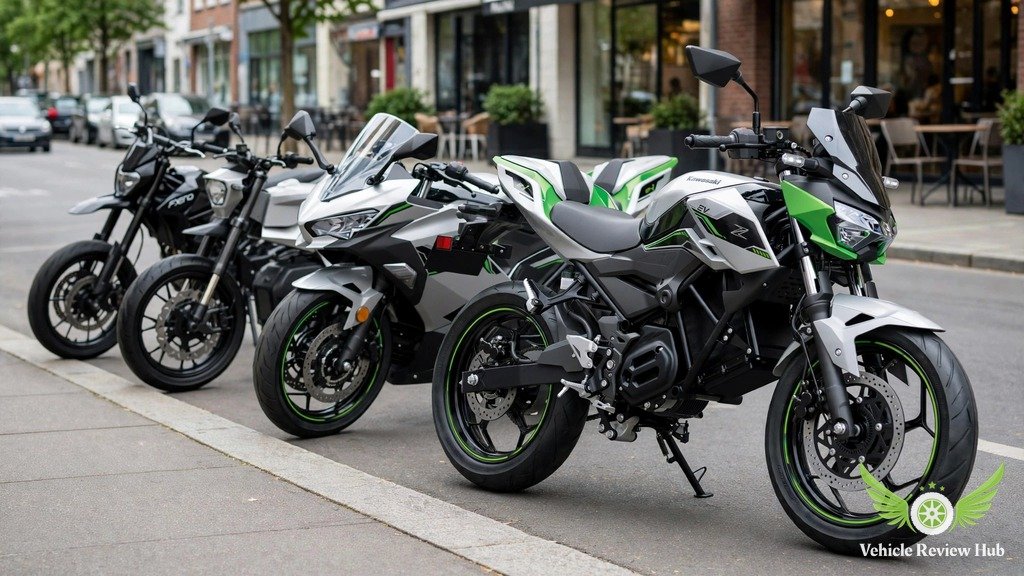
The four bikes in this Kawasaki Z e-1 comparison could hardly be more different: a one-year-only Kawasaki electric naked, its faired twin, a California startup’s commuter, and a proper electric motorcycle from Zero. The Z e-1 review covers the bike itself; this guide is about what else the money buys. That spread is what this Kawasaki Z e-1 comparison is built to explain.
List Price Never Made Sense
At $7,599 plus a $650 destination charge — $8,249 delivered — the Z e-1 cost more than a faster, longer-range petrol bike and more than a faster, longer-range electric rival. That is the first verdict of this Kawasaki Z e-1 comparison: at list price, the bike was priced out of its own market. The 2024 spec sheet prints the $7,599 figure, and Kawasaki’s own product page confirms the $650 destination.
That $300 rise is the first thing this Kawasaki Z e-1 comparison has to explain, because older guides still print the launch price. When Kawasaki announced the e-1 twins in November 2023 the Z e-1 was $7,299; by the time the bikes reached dealers in early 2024 the spec-sheet price was $7,599. The spec-sheet price governs — it is the price the bikes actually sold at.
How the Four Bikes Differ at a Glance
The table below is the whole Kawasaki Z e-1 comparison at a glance: four bikes, one price band, and a spread of range and speed that tells the story before any paragraph does. The Z e-1 performance guide explains the 53 mph and 41-mile figures.
| Bike | List price (MSRP) | Motor / power | Claimed range | Top speed |
|---|---|---|---|---|
| Kawasaki Z e-1 (2024) | $7,599 | 5.0 kW rated / 9.0 kW peak (6.7 / 12.1 hp) | 41 mi (ROAD, no cycle named) | 53 mph (63 mph e-boost) |
| Kawasaki Ninja e-1 (2027) | $7,899 | Same as Z e-1 | 41 mi (ROAD, no cycle named) | 55 mph (65 mph e-boost) |
| Ryvid Anthem | $6,495 | 20 kW peak (Sport) | 75 mi city | 75+ mph |
| Zero FXE (2024) | $12,495 | 34 kW peak (46 hp) | 105 mi city | 85 mph max |
Note: List prices are MSRP only. The Ninja e-1’s destination charge is unverified, so no delivered price is computed for it — and the same applies to the FXE. The Anthem sells direct, so there is no dealer destination to add. The Kawasaki Z e-1 comparison tables in this guide print only verified prices.
Kawasaki Z e-1 vs Kawasaki Ninja e-1
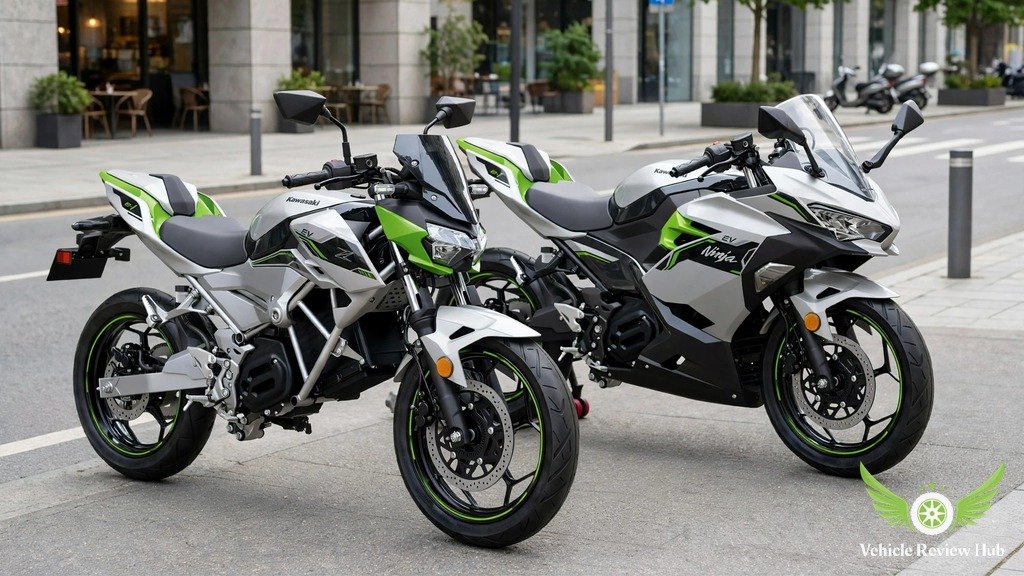
The faired twin is the easiest rival in this Kawasaki Z e-1 comparison to judge, because the two bikes are the same motorcycle under the bodywork. Same motor, same battery, same range, same charge time, same recall — the differences are a fairing, $300, two miles per hour and eleven pounds.
Motor, Specs and Performance Side by Side
On motor and specs, this Kawasaki Z e-1 comparison is almost a tie — and the tie is the point. Both bikes use the same air-cooled motor: 5.0 kW rated (6.7 hp) and 9.0 kW peak (12.1 hp) with e-boost, 29.7 lb-ft from a standstill, and the same two removable 1.5 kWh packs. Both claim 41 miles in Road mode and charge at 3.7 hours per pack from a 120 V outlet. The 2027 Ninja e-1 spec sheet confirms every figure in the table below.
The Ninja’s only performance advantage is aerodynamic. Its full fairing buys 2 mph: 55 mph continuous in Road mode against the Z’s 53 mph, and 65 mph with e-boost against the Z’s 63 mph. Eco mode is 40 mph on both, but the 2027 Ninja’s Eco boost is 47 mph against the Z’s 45 mph — the one figure that changed on the 2027 sheet. The Ninja is 11 lb heavier at 308.7 lb, narrower and taller, with the same length, wheelbase and seat. The same 25V-118 recall covers both bikes — 104 Z e-1s and 112 Ninja e-1s — and the fix is free. The twin is the baseline this Kawasaki Z e-1 comparison measures every other rival against.
| Item | Kawasaki Z e-1 (2024) | Kawasaki Ninja e-1 (2027) |
|---|---|---|
| List price (MSRP) | $7,599 | $7,899 |
| ROAD top speed | 53 mph (63 mph e-boost) | 55 mph (65 mph e-boost) |
| ECO top speed | 40 mph (45 mph e-boost) | 40 mph (47 mph e-boost) |
| Curb weight | 297.7 lb | 308.7 lb |
| Seat height | 30.9 in | 30.9 in |
| Width / height | 28.7 in / 40.7 in | 27.0 in / 43.5 in |
| Claimed range | 41 mi (ROAD, no cycle named) | 41 mi (ROAD, no cycle named) |
| Recall 25V-118 | 104 units | 112 units |
Note: The 47 mph Eco boost figure is the 2027 Ninja e-1’s — the 2024 Ninja e-1 and the Z e-1 both print 45 mph. The Kawasaki Z e-1 comparison uses the 2027 Ninja e-1 throughout, because it is the only one still sold new.
Price, Equipment and Which Suits Which Rider
At list prices the Ninja’s $300 premium buys the fairing and the future. The Ninja e-1 returned for 2027 at the same $7,899, announced in August 2026 with reservations through October 23, 2026 — the only e-1 still sold new. The Z e-1 is leftover-only: a leftover Z near $4,000 is the cheaper buy in practice.
At leftover prices, this Kawasaki Z e-1 comparison flips in the Z’s favour on price alone. But price is not the only difference a rider feels: the Z suits the rider who wants the upright naked position, the wider bars and city riding, while the Ninja suits the rider who wants the faired sport look, the extra 2 mph, and a bike with a future.
Kawasaki Z e-1 vs Ryvid Anthem
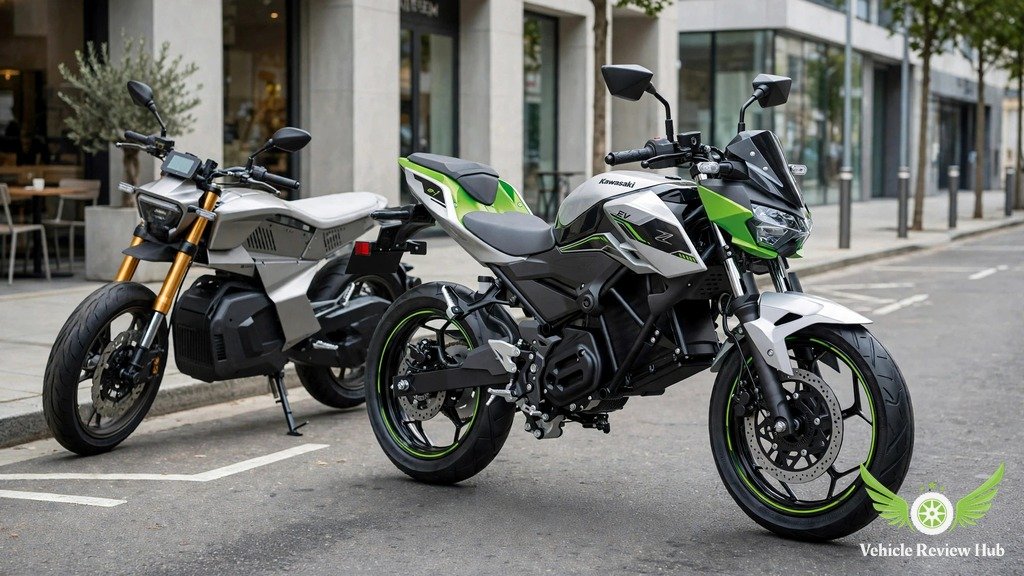
The Ryvid Anthem is the rival this Kawasaki Z e-1 comparison cannot dodge. It is a California startup’s urban commuter that beats the Z e-1 on every measure that matters — price, range, speed and charging — for less money. What it cannot offer is Kawasaki’s dealer network, a national service chain, or the certainty that the company will exist in five years.
Motor, Specs and Performance Side by Side
On paper, the Anthem wins this Kawasaki Z e-1 comparison on every measure that matters. Its 20 kW peak motor in Sport mode is more than double the Z e-1’s 9.0 kW peak, its removable 4.3 kWh battery is nearly half again the Z e-1’s 3.0 kWh total, and it claims 75 miles of city range against the Z e-1’s 41. Top speed is 75+ mph, and it hits 0–30 mph in 1.1 seconds. Ryvid’s own Anthem page confirms the 20 kW peak, the 4.3 kWh pack and the 75-mile city range.
The Anthem’s hardware is as different from the Z e-1 as its business model. It rides on a folded stainless-steel monocoque frame, its seat adjusts electronically from 31 to 34 inches at the push of a button, and its battery rolls indoors for charging. The New Atlas Anthem test calls it a genuinely capable commuter at $6,495 — the price this guide prints.
| Item | Kawasaki Z e-1 (2024) | Ryvid Anthem |
|---|---|---|
| List price (MSRP) | $7,599 | $6,495 |
| Peak power | 9.0 kW (12.1 hp) | 20 kW (Sport mode) |
| Battery | 3.0 kWh (2 × 1.5 kWh removable) | 4.3 kWh removable |
| City range (claimed) | 41 mi (ROAD, no cycle named) | 75 mi |
| Top speed | 53 mph (63 mph e-boost) | 75+ mph |
| Charging | 120 V only, 3.7 hr per pack | Level 2, 3.3 kW onboard charger |
| Curb weight | 297.7 lb | ~240 lb (Ryvid) — disputed |
Note: The Anthem’s weight and 20–80% charge time are disputed: Ryvid says about 240 lb and about 30 minutes on Level 2, while one guide lists 313 lb and about 75 minutes. No torque figure for the Anthem was verified from Ryvid’s own page, so this Kawasaki Z e-1 comparison prints none. The $6,495 price is confirmed by current 2026 guides; a $7,995 figure that appeared in one guide and in Ryvid’s homepage code is not supported by any current source as the base price.
Price, Equipment and Which Suits Which Rider
At list prices the Anthem is $1,104 cheaper and better on every riding measure. That gap is the number this Kawasaki Z e-1 comparison keeps coming back to. Launch pre-orders were $7,800 and the Launch Edition $8,995 before the cut to $6,495 in mid-2024.
At leftover prices, this Kawasaki Z e-1 comparison flips again — a Z e-1 near $4,000 undercuts the Anthem by about $2,500, and that is before the value of the Kawasaki dealer network and the 24-month warranty with a national service chain. The honest split is simple: the Anthem is the better electric motorcycle, and the Z e-1 is the safer purchase.
Kawasaki Z e-1 vs Zero FXE
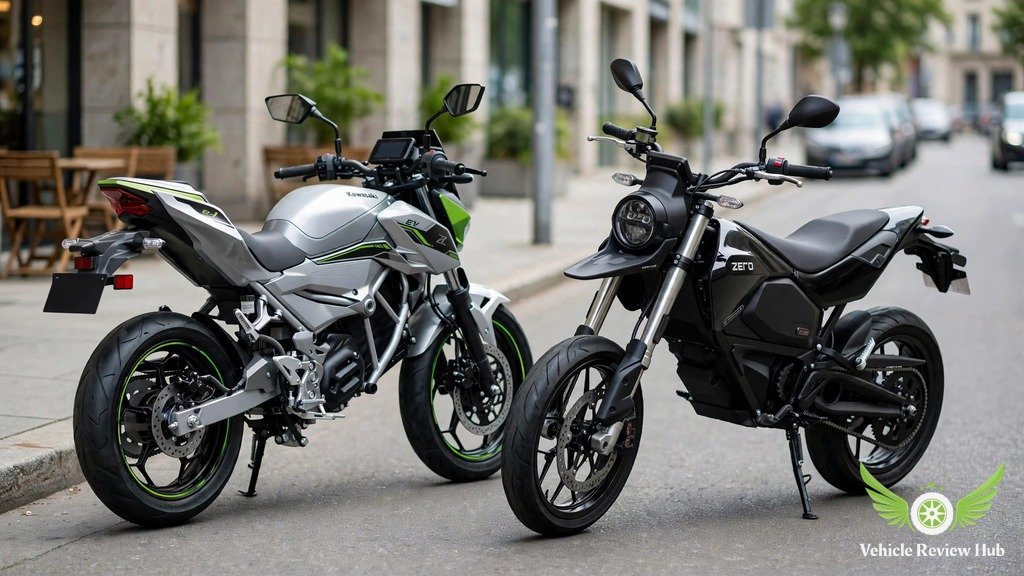
The Zero FXE is the real electric motorcycle in this Kawasaki Z e-1 comparison. It is nearly four times the Z e-1’s peak power, with two and a half times the city range, highway speed, a belt drive, and a five-year battery warranty. At list price it costs $4,896 more than the Z e-1 — but as a leftover it costs about the same, and that is what makes this pairing the most dangerous one for the Kawasaki.
Motor, Specs and Performance Side by Side
On motor and specs, this Kawasaki Z e-1 comparison is not close. The FXE’s Z-Force 75-5 motor makes 46 hp (34 kW) at 4,300 rpm and 78 lb-ft of torque, against the Z e-1’s 12.1 hp peak and 29.7 lb-ft. Its 7.2 kWh battery (6.3 kWh nominal) claims 105 miles of city range and 59 miles at high highway speed — further than the Z e-1’s claimed 41 miles. Motorcycle.com’s FXE review confirms the 46 hp, 78 lb-ft and five-year power-pack warranty; TotalMotorcycle confirms the $12,495 list price.
The FXE’s real-world range is shorter than its claim, but still far ahead of the Z e-1. Cycle World’s real-world test returned 60–70 miles against the 105-mile claim. The FXE charges in 9.7 hours on 110 V, drives the rear wheel with a belt, and weighs about 309 lb — barely heavier than the Z e-1 despite more than double the battery. The Cycle World e-1 first ride showed under 40 miles on the Z e-1’s dash.
| Item | Kawasaki Z e-1 (2024) | Zero FXE (2024) |
|---|---|---|
| List price (MSRP) | $7,599 | $12,495 |
| Peak power | 9.0 kW (12.1 hp) | 34 kW (46 hp @ 4,300 rpm) |
| Torque | 29.7 lb-ft @ 500 rpm | 78 lb-ft (106 Nm) |
| Battery | 3.0 kWh (2 × 1.5 kWh removable) | 7.2 kWh max (6.3 kWh nominal) |
| City range (claimed) | 41 mi (ROAD, no cycle named) | 105 mi |
| Top speed | 53 mph (63 mph e-boost) | 85 mph max / 75 mph sustained |
| Charge time | 3.7 hr per pack (120 V) | 9.7 hr, 100% (110 V) |
| Curb weight | 297.7 lb | ~309 lb |
| Battery warranty | No separate term published | 5 years, unlimited miles |
Note: The FXE’s five-year power-pack warranty is confirmed by Motorcycle.com’s spec table and TopSpeed; the standard motorcycle warranty is two years on both bikes. The FXE’s destination charge is unverified, so this Kawasaki Z e-1 comparison prints no delivered FXE price. The Z e-1’s only wins in this table are its lower weight, its removable packs and its Kawasaki dealer network.
Price, Equipment and Which Suits Which Rider
At list prices the FXE costs $4,896 more than the Z e-1, and for that money it buys a motorcycle the Z e-1 cannot pretend to be: highway-capable, belt-driven, with a battery warranty two and a half times the Z e-1’s whole-bike warranty. That premium is the price of a real motorcycle, and this Kawasaki Z e-1 comparison prices it honestly.
As a leftover, this Kawasaki Z e-1 comparison changes completely. A new leftover 2024 FXE was listed at $7,999 in Milwaukee — $4,496 under list, only $400 more than the Z e-1’s list price. At that price the FXE is the better buy for almost any rider, and the Z e-1’s case rests on just three things: it is 11 lb lighter, its packs lift out for off-bike charging, and its dealer network is Kawasaki’s.
Kawasaki Z e-1 Price and Value Compared
Price is where this Kawasaki Z e-1 comparison is decided, because the bike’s list price and its leftover price tell two different stories. At $7,599 the Z e-1 loses to the Anthem and to the petrol Ninja 500; at about $4,000 it undercuts every bike in this guide except nothing at all.
Leftovers Near Half Price
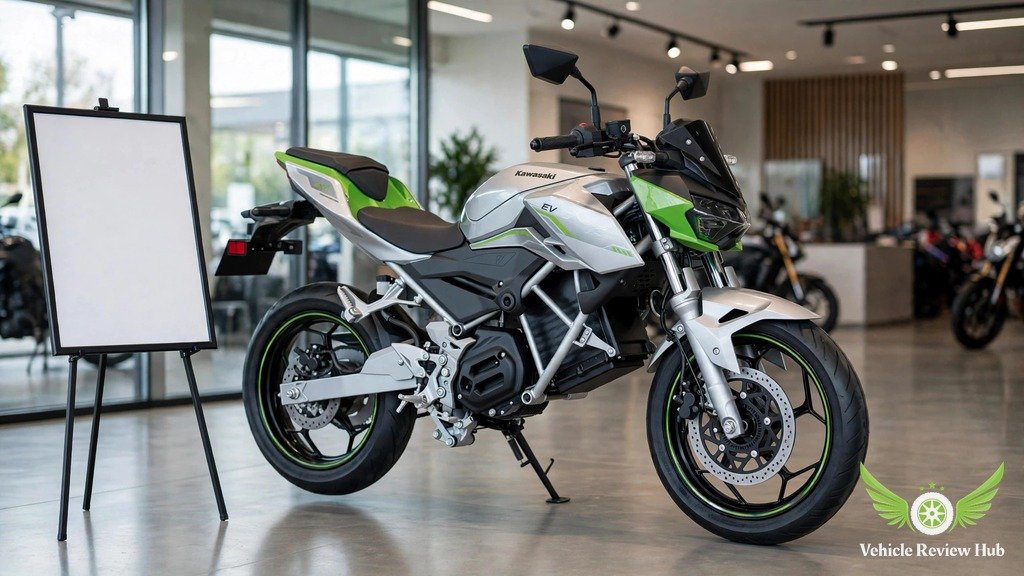
The leftover story starts at Columbia Powersports in Tennessee, where a new 2024 Z e-1 was listed at $3,995 after offers in November 2026 — $3,604 off the $7,599 retail price, or 47% off. Motorsports International listed another at $5,249, and Power Lodge in Florida listed one at $2,999. Those three listings are the reason this Kawasaki Z e-1 comparison ends in a leftover, not a showroom. Kawasaki’s own live page currently shows $1,250 of savings on the 2024 Z e-1 as well. The leftover Ninja e-1 runs about $3,999 against its $7,899 retail, and the leftover Zero FXE was listed at $7,999 in Milwaukee.
| Bike | MSRP | Destination | Delivered |
|---|---|---|---|
| Kawasaki Z e-1 (2024) | $7,599 | $650 | $8,249 |
| Kawasaki Ninja e-1 (2027) | $7,899 | Unverified | Do not compute |
| Ryvid Anthem | $6,495 | n/a (direct sales) | n/a |
| Zero FXE (2024) | $12,495 | Unverified | Do not compute |
Note: Delivered prices are computed only where the destination charge is verified. This Kawasaki Z e-1 comparison never prints a delivered price for the Ninja e-1 or the FXE — the Ninja e-1’s 2027 destination charge is unverified, and the FXE’s is too.
| Bike | Leftover price (Nov 2026) | Discount vs list |
|---|---|---|
| Kawasaki Z e-1 (Columbia Powersports, TN) | $3,995 after offers | 47% off ($7,599 → $3,995) |
| Kawasaki Z e-1 (Motorsports International, MA) | $5,249 after offers | 31% off |
| Kawasaki Z e-1 (Power Lodge, FL) | $2,999 | 61% off ($7,599 → $2,999) |
| Kawasaki Ninja e-1 (2024, US dealers) | ~$3,999 | ~49% off ($7,899 → $3,999) |
| Zero FXE (2024, Cycle Trader Milwaukee) | $7,999 | 36% off ($12,495 → $7,999) |
Note: Leftover prices are November 2026 dealer listings and change — re-check before buying. The Kawasaki Z e-1 comparison prices in this table are the listings as found in November 2026, with the Columbia $3,995 figure re-verified on a brochure dated November 21, 2026.
Running Costs and Resale Value Compared
Running costs are the one comparison the Z e-1 wins outright, and the margin is wide. It burns no fuel, needs no oil, no coolant, no valves and no spark plugs — a full charge is about 3.0 kWh from a household outlet, and the service list is a chain, brakes, tyres and terminal inspections. No dollar figure for electricity or servicing was verified, so this Kawasaki Z e-1 comparison prints none: the honest statement is that the running costs are minimal and mostly unpriced. Low running costs are the one clear win in this Kawasaki Z e-1 comparison.
Resale is the other side of the same coin, and here the Z e-1 has no case to make. A one-year-only bike with a 104-unit recall population is a curiosity, not an investment: no used-price trend exists yet, and the only data points are the leftover prices above. The Kawasaki Z e-1 comparison treats the leftover price as both the purchase price and the resale warning: buy it to ride it, not to sell it on.
Kawasaki Z e-1 Comparison Verdict and US Alternatives
The verdict of this Kawasaki Z e-1 comparison is two verdicts, because the bike has two prices. At $7,599 the Z e-1 is the wrong buy; at about $4,000 it is the cheapest way into a new Kawasaki with a warranty.
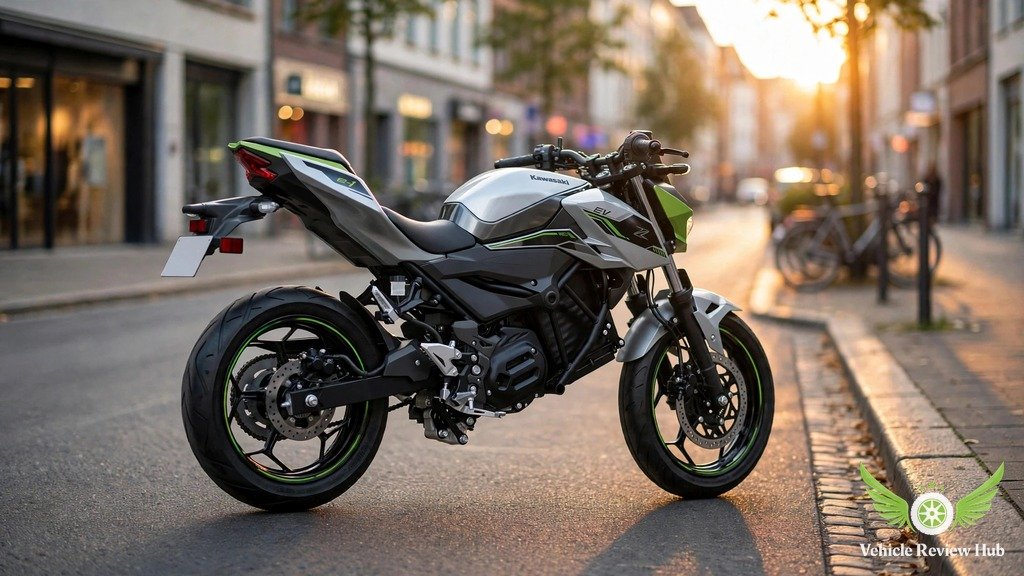
Verdict: Buy the Leftover
At list price, no: the Anthem and the Ninja 500 both offer more for less. At leftover prices near $4,000, yes — if the buyer is an urban commuter who charges at home and never needs a highway. The leftover Z e-1 is a new Kawasaki with a 24-month warranty, a dealer network, and running costs close to zero, at a price no other new motorcycle in this guide can touch. The recall behind it is universal and free to fix — the Part 573 report for campaign 25V-118 is the source, and a buyer should ask for the remedy record by name.
That is the whole of this Kawasaki Z e-1 comparison in one sentence: buy the leftover, never the list price. The conditions are narrow and the guide will not widen them — city riding only, home charging, the recall remedy done, the charger in the box.
Ninja 500 Is the Control
The petrol control is the 2026 Ninja 500 ABS at $5,799 plus $650 destination — $6,449 delivered, or $1,800 less than the Z e-1’s delivered list price. Its 451cc twin makes 51.0 hp, cruises at highway speed, and goes about four times as far between fill-ups. The Ninja 500 comparison puts it against the same rivals from the petrol side, and the Ninja 500 review covers the bike itself.
For most US buyers the 500 is the better buy, and this Kawasaki Z e-1 comparison says so plainly. The Z e-1’s wins are narrow: zero emissions, zero oil changes, silent running, twist-and-go simplicity, Walk-mode reverse, and the novelty of riding electric. The petrol Z500 and the Ninja 650 are the other honest alternatives. That is the honest control this Kawasaki Z e-1 comparison is built around. The e-1 is for the urban commuter who charges at home, never needs a highway, and wants an EV — and at leftover prices near $4,000, the e-1’s case finally closes.
Kawasaki Z e-1 Comparison: Frequently Asked Questions
Buyers shopping this Kawasaki Z e-1 comparison ask the same six questions, and most of them have the same answer: the list price loses, the leftover price wins, and the petrol Ninja 500 is the control. The answers below give the verified figures.
Which is cheaper, the Z e-1 or the Ninja e-1?
The Z e-1, by $300 at list: $7,599 vs the Ninja e-1’s $7,899. But the Ninja e-1 returned for 2027 at the same $7,899, while the Z e-1 is leftover-only — a leftover Z e-1 near $4,000 is the cheaper buy in practice.
Is the Ryvid Anthem better than the Z e-1?
On paper, yes: $6,495 at list, 75 miles of city range, 75+ mph and Level 2 charging, against the Z e-1’s 41 miles and 53 mph. What the Anthem cannot offer is Kawasaki’s dealer network and 24-month warranty — Ryvid sells direct with no dealer network.
Is the Zero FXE better than the Z e-1?
Yes, by a wide margin: 46 hp, 78 lb-ft, 85 mph and 105 miles of city range against the Z e-1’s 12 hp peak, 29.7 lb-ft, 63 mph and 41 miles. At list the FXE costs $4,896 more ($12,495 vs $7,599) — but leftover 2024 FXEs were listed at $7,999, about the Z e-1’s list price.
Should I buy a leftover Z e-1?
At ~$4,000, yes — if you are an urban commuter who charges at home and never needs a highway. At the $7,599 list price, no: the Ryvid Anthem and the petrol Ninja 500 both offer more for less money.
What is the best petrol alternative to the Z e-1?
The Ninja 500 ABS: $5,799 plus $650 destination ($6,449 delivered), 51 hp, highway-capable, with four times the Z e-1’s range between fill-ups and a dealer on every corner. It costs $1,800 less delivered than the Z e-1 at list price.
Should I buy the Z e-1 or the Ninja e-1?
Buy the Ninja e-1 if you want a new bike with a 2027 warranty start date and a fairing — it is the only e-1 still sold new. Buy the leftover Z e-1 if you want the naked position and the lowest price. The two share the same motor, battery, range and recall.