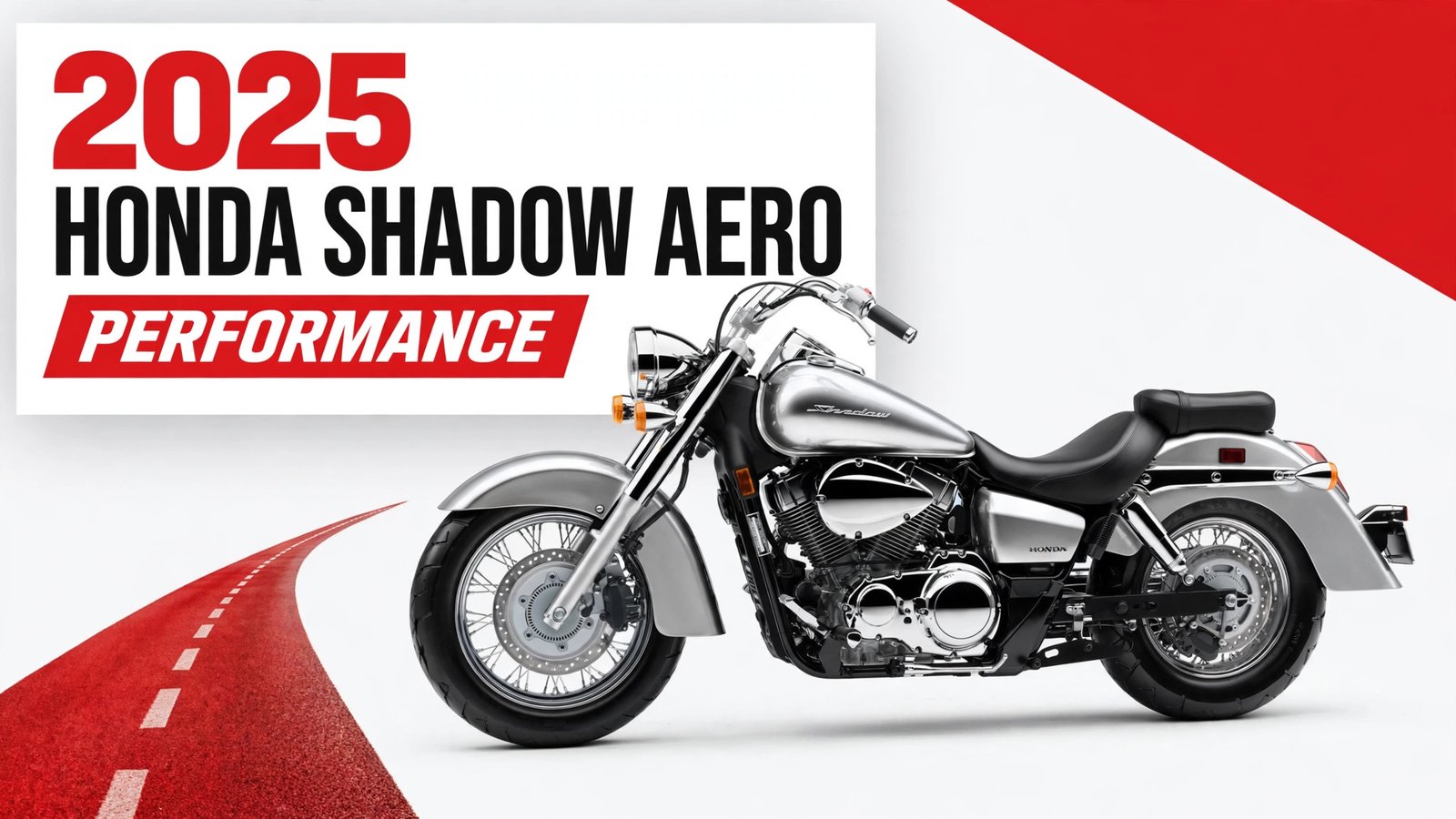
Honda Shadow Aero performance is not about big numbers. It is about a 745cc V-twin that pulls cleanly from low revs, returns over 50 mpg in testing, and carries two people without strain. Honda Shadow Aero performance figures are modest: 39.9 hp at the rear wheel, about 87 mph observed top speed, and a Honda-published 56 mpg. This guide separates verified test data from web estimates, explains the carburetor-to-fuel-injection change, and compares Honda Shadow Aero performance with the Phantom and Vulcan S. For the full model story, see our Shadow Aero review.
Honda Shadow Aero Engine Performance and Power Delivery
Honda Shadow Aero performance starts with an engine that has barely changed in twenty years, and that is a compliment. The liquid-cooled 52-degree V-twin displaces 745cc, breathes through three valves per cylinder with a single overhead camshaft, and drives through a five-speed gearbox and a shaft final drive. Honda has never published a horsepower figure for the Aero, so Honda Shadow Aero performance claims come from dyno tests or estimates.
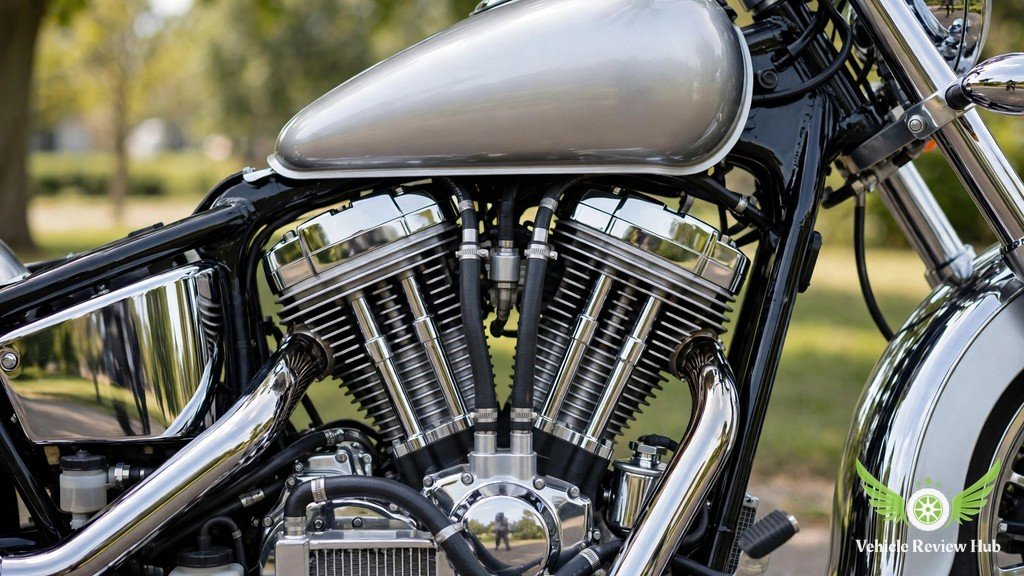
Rider Dyno 39.9 HP at 5,600 RPM and 44.7 lb-ft in 2013
The only instrumented power figure comes from Rider’s 2013 comparison test, dyno-run by Jett Tuning. Honda Shadow Aero performance on the dyno: 39.9 hp at 5,600 rpm and 44.7 lb-ft of peak torque, with over 40 lb-ft from 2,200 to 5,000 rpm. That flat torque spread defines Honda Shadow Aero performance: the bike does not need revs to move, it pulls from just above idle and keeps pulling through the midrange. These are rear-wheel figures, measured at the tire, not crankshaft claims.
Do not compare Honda Shadow Aero performance directly with the Phantom’s Rider 2010 dyno reading of 38 hp and 43 lb-ft. Both bikes share the 745cc platform, but the tests ran three years apart on different dynamometers and different test bikes. The small gap is test-to-test variation, not proof that the Aero is stronger. Both tests agree: strong low-end torque, gentle top end.
Carburetor 2004-2009 Against Fuel Injection From 2011
Early Honda Shadow Aero performance came from a single 34mm constant-velocity carburetor, complete with a retro choke knob. Rider’s 2004 test praised its smooth response from idle to redline. That carburetor served Honda Shadow Aero performance from the 2004 redesign through 2009. Then the Aero vanished from Honda’s United States lineup for 2010, even though the Phantom and RS arrived that year with fuel injection. The Aero returned for 2011 with Honda’s PGM-FI system replacing the carburetor, at $7,999, and every Aero since has been fuel injected.
For a buyer, the split matters more for maintenance than speed. A carbureted 2004-2009 Aero can suffer gummed jets after sitting, while Honda Shadow Aero performance on 2011-and-later bikes starts cleanly and meters fuel precisely at any altitude. Neither version is meaningfully faster: bore and stroke, 79.0 x 76.0mm, never changed. Fuel-system care is covered in our reliability and maintenance guide.
Honda Shadow Aero Top Speed and Acceleration
Honda Shadow Aero performance at the top end is the weakest-documented part of the bike, and honest coverage should say so. No major American magazine has published an instrumented top-speed run or a timed acceleration test of Honda Shadow Aero performance. What exists is one contemporary observation plus web estimates and copied numbers.
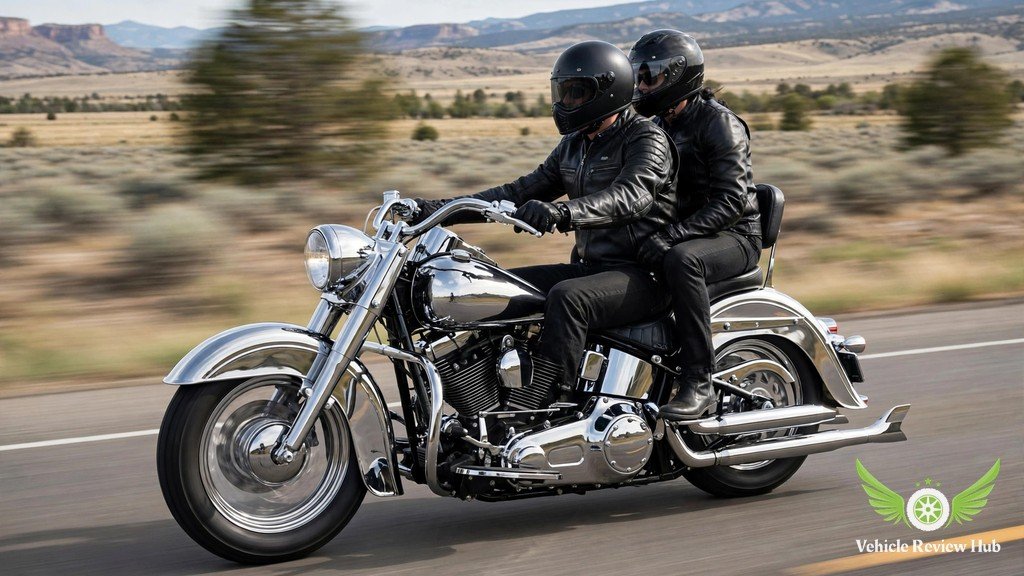
Indicated Around 87 MPH Near Top in a 2004 Test Explained
The 87 mph Honda Shadow Aero performance figure traces to a 2004 OneWheelDrive test, whose rider felt bar vibration only “up around 140 kph, near where the bike tops out” under his 200-pound weight. Converted, 140 kph is 87 mph. This is an indicated-speed observation, read off the bike’s own tank-mounted speedometer, not a GPS or radar run. Still, it sets a realistic ceiling: an 85-90 mph motorcycle, not a 100 mph one.
The Aero has only five gears, no sixth overdrive, and a tall, upright riding position with no wind protection. Rider’s 2004 test noted Honda Shadow Aero performance feels busy at highway speeds, typical of a short-geared five-speed twin near its limit. The bike holds freeway speed all day, but comfort ends well before its top speed.
Why 95 to 100 MPH Web Figures and 0-60 Times Are Estimates
Search the web and you will find Aero top speeds quoted at 95 mph, 100 mph, and even 111 mph. None comes from an instrumented test. The 95 mph figure is a retailer estimate for the ABS model; higher numbers are aggregator copies. No verified run supports any of them. Treat them all as estimates, with the 2004 indicated 87 mph as the grounded reference for Honda Shadow Aero performance.
The same warning applies to acceleration. No verified 0-60 mph or quarter-mile time exists for the Aero. Rider’s tests report no acceleration times, and forum numbers are borrowed or guessed. One widely repeated 8-second figure belongs to a 600cc Shadow, a different bike. Until a magazine publishes a timed run, Honda Shadow Aero performance off the line feels brisk for a 560-pound cruiser, but no trustworthy 0-60 figure exists.
Honda Shadow Aero Mileage and Fuel Economy
If top speed is the Aero’s weakest documented area, fuel economy is its strongest. Honda Shadow Aero performance includes genuinely excellent mileage, confirmed by two Rider tests a decade apart and by Honda’s own published figure. The numbers cluster around 50 mpg, outstanding for a shaft-drive cruiser.
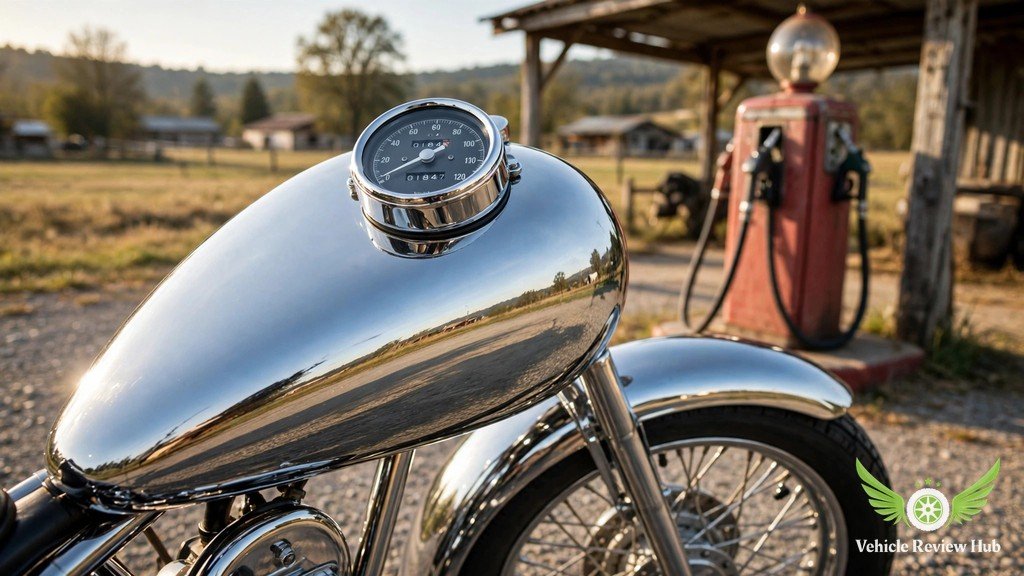
Honda Published 56 MPG for the Aero and the Tank Size Conflict
Honda’s published combined figure for the Aero is 56 mpg, listed on the manufacturer’s specification pages for the fuel-injected models. That Honda Shadow Aero performance figure is Aero-specific, not borrowed from another model. Rider’s independent tests returned lower real-world numbers, as expected from controlled-condition figures.
Honda’s figure is 3.7 gallons including a 0.9-gallon reserve, consistent across Honda sheets and both Rider tests. The 3.9-gallon figure on some aggregator pages is the Shadow Phantom’s tank, copied onto the Aero by mistake; the two bikes do not share a tank. A stray 3.5-gallon claim contradicts every Honda and Rider figure. For Honda Shadow Aero performance, use 3.7 gallons, with the low-fuel warning lighting when roughly 0.9 gallon remains. At 56 mpg, the arithmetic range is about 207 miles; real riding returns less.
Rider Tested Around 51.3 MPG and 191 Mile Range
Rider’s 2013 test gives the most useful Honda Shadow Aero performance numbers for a fuel-injected Aero. Its spec box recorded 52.3 mpg best, 51.5 average, and 50.2 worst, with a 191-mile range. The article text rounds the average to 51.3 mpg, a small inconsistency inside Rider’s own piece; either way, Honda Shadow Aero performance in mixed riding sits just above 51 mpg. The arithmetic checks out: 51.5 times 3.7 equals 190.6, rounding to 191 miles.
The older carbureted bike was thirstier. Rider’s 2004 test averaged 46 mpg, with a best tank of 47 mpg, a calculated range to empty of 170 miles, and reserve typically reached at about 133 miles. So fuel injection bought roughly 5 mpg, worth about 20 miles per tank. A 2023 Cycle Insider owner review independently reports over 50 mpg for Honda Shadow Aero performance, matching Rider.
Honda Shadow Aero Real-World Riding Performance
Honda Shadow Aero performance in daily use is defined by a low seat, light steering, and torque that arrives early, wrapped in a motorcycle weighing about 560 pounds. Easy to ride slowly, willing at normal speeds, with clear limits at speed.

City Riding, Traffic Performance and Everyday Acceleration
Around town, the Aero is in its element. Rider’s 2004 test found Honda Shadow Aero performance easy in town: light, stable steering, low clutch effort, and smooth shifting. Honda Shadow Aero performance city riding starts with a 25.9-inch seat that lets most riders plant both feet flat, and second and third gear cover nearly all city riding. Fuel injection on 2011-and-later bikes makes traffic smoother still.
Everyday Honda Shadow Aero performance is adequate: brisk away from lights, undramatic merging, but no surprises. Its weight shows at parking-lot speeds, where the long wheelbase makes tight turns deliberate. A 2023 Cycle Insider owner review praised its 50-plus mpg and smooth power, while noting the seat becomes painful after an hour. That is Honda Shadow Aero performance in the city: a confidence-building commuter, seat upgrade first.
Highway Riding, Passing Ability and 403 lb Load Capacity
On the highway, Honda Shadow Aero performance is competent within its limits. Honda Shadow Aero performance holds 65 to 75 mph all day, but passing needs planning: with five gears and no overdrive, the rider drops a gear for midrange torque. With no cruise control or factory windscreen, sustained high-speed riding means wind blast and a busy engine. An accessory windscreen and better seat transform it for longer trips.
Rider’s 2013 spec box lists a 403-pound load capacity against a 963-pound gross vehicle weight rating, with a 560-pound wet weight. Two adults plus light luggage stay within the rating, and the two-up seat and shaft drive make Honda Shadow Aero performance two-up realistic. Overloading dulls the soft rear suspension and lengthens stopping distances. The video below walks around a 2019 Aero.
Honda Shadow Aero Handling, Braking and Stability
Honda Shadow Aero performance in corners and braking reflects its retro brief: long, low, stable, with modest clearance and brakes improved in 2024. Its steel-tube frame has a 34-degree rake and 6.3 inches of trail, explaining its straight-line calm and slow direction changes.
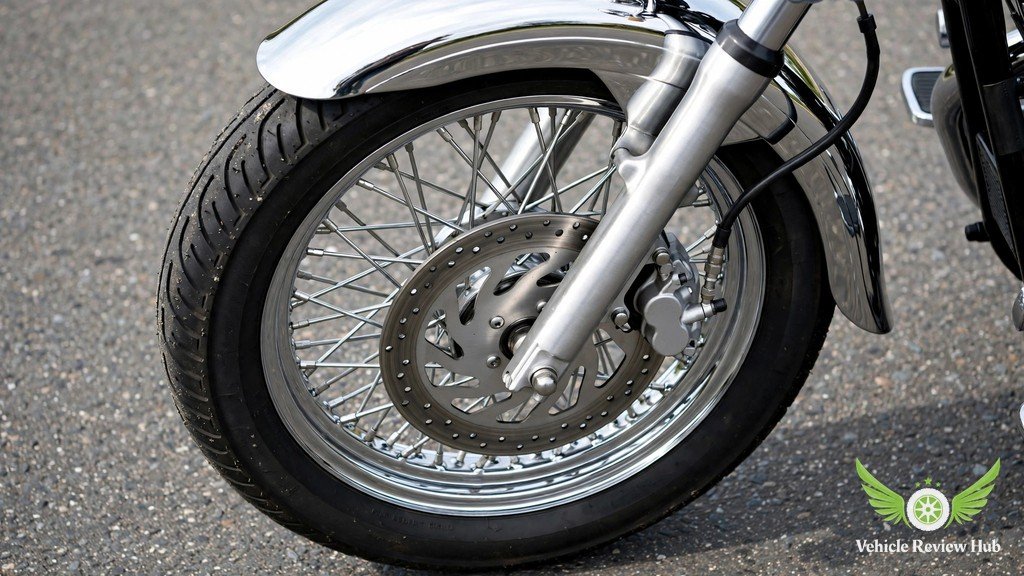
Long Fenders, Spoked Wheels, Suspension and Cornering Clearance
The 17-inch front and 15-inch rear spoked wheels carry tube-type tires, 120/90-17 front and 160/80-15 rear. Honda Shadow Aero performance suspension is simple: a non-adjustable 41mm front fork and dual rear shocks with five-position preload. Through 2023, travel was 4.6 inches front and 3.5 rear, per Rider’s 2004 and 2013 tests.
For 2024, Honda Shadow Aero performance tables list 3.6 inches of rear travel, up from 3.5, while front travel is listed at 5.5 inches in some coverage and 5.1 inches in others. That text-versus-table split mirrors the Phantom, whose 2024 front travel is 5.1 inches, and some articles even copy the Phantom’s 25.6-inch seat onto the Aero, whose own seat is 25.9 inches. Treat 2024 front travel as 5.1 to 5.5 inches and rear travel as 3.5 to 3.6 inches.
Cornering clearance is limited. Rider’s 2004 test found that “the footpegs touch the pavement rather easily in tight turns,” and a 2006 review agreed the pegs can touch with little effort, while adding there is more clearance than the low stance suggests. No lean-angle figure has been published for the Aero. For Honda Shadow Aero performance in corners, the advice is simple: the bike corners happily at normal road speeds, but aggressive lean grinds the peg feelers.
Front 296mm Disc and Rear Drum to Disc Change in 2024
Honda Shadow Aero performance braking starts with a single 296mm front disc and two-piston caliper, found satisfactory by Rider’s 2004 test. The rear brake was a 180mm drum from 2004 through 2023, among the last sold in America. Rider’s testers found the drum worked “better than expected,” but a drum fades sooner than a disc.
For 2024, Honda Shadow Aero performance braking gained a 276mm rear disc as standard on both Aeros. Some dealer sheets misprint it as a “276mm drum”; it is a disc. ABS history needs care: an ABS Aero existed by 2013, listed at $9,240 in black only, and for 2024 both trims were sold, California restricted to ABS. Buyers should check for the rear disc, the ABS ring, and the code: VT750C standard, VT750CS ABS.
Honda Shadow Aero Performance Compared With Other Retro Cruisers
Against its closest rivals, Honda Shadow Aero performance trades outright speed for ease, economy, and price. The Aero is not the quickest bike in this comparison, but it is the most relaxed and cheapest to run.
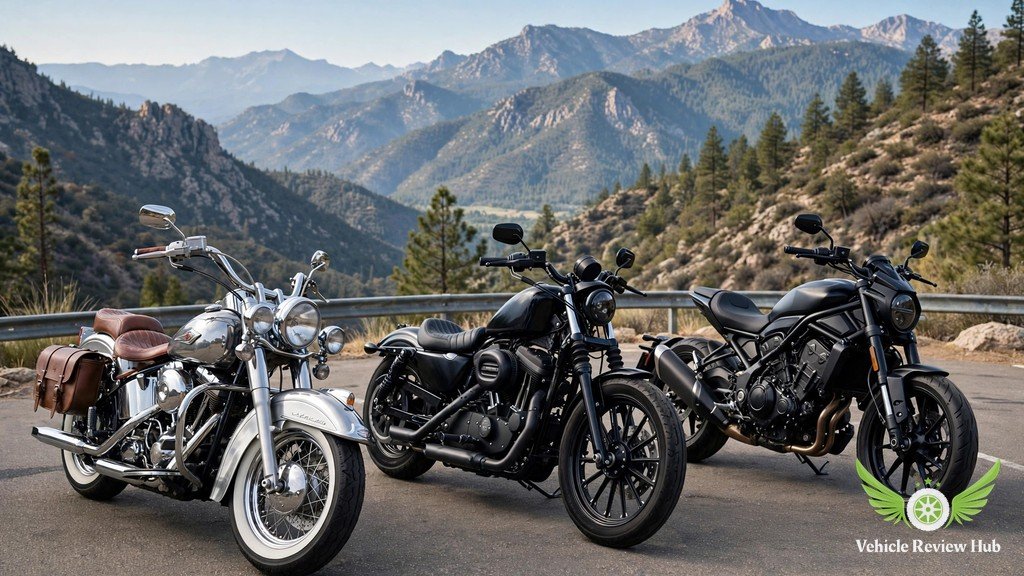
Honda Shadow Aero vs Shadow Phantom and Kawasaki Vulcan S
The Shadow Phantom performance story runs on the identical 745cc V-twin and five-speed shaft-drive layout, but the Phantom is a blacked-out bobber with a solo seat, mid-mount pegs, a 25.6-inch seat, and a 3.9-gallon tank, priced at $8,699 for 2025. Its Rider 2010 dyno reading, 38 hp and 43 lb-ft, is effectively the same as the Aero’s once test variation is allowed for. The real Honda Shadow Aero performance differences are practical: the Aero’s two-up seat and 403-pound capacity suit passengers, while the Phantom’s solo seat suits solo urban riding.
The Kawasaki Vulcan S is the modern alternative for Honda Shadow Aero performance buyers. Its 649cc parallel twin claims 60 hp at 7,500 rpm and 46.5 lb-ft, drives through a six-speed gearbox and chain, and weighs 492 pounds without ABS, 498 with ABS. Those are curb weights, not the dry weights some listings quote. The Vulcan S is quicker, lighter, and more agile than the Aero, but it gives up the Aero’s shaft drive, full-fender styling, and 25.9-inch seat; the Vulcan’s seat is 27.8 inches. The 2026 Vulcan S runs $7,649, or $8,149 with ABS, plus $685 destination, against the Aero’s 2024 $7,949 and $8,249 plus $600.
| Specification | Shadow Aero (2024) | Shadow Phantom (2025) | Vulcan S (2026) |
|---|---|---|---|
| Engine | 745cc V-twin | 745cc V-twin | 649cc parallel twin |
| Gearbox / final drive | 5-speed / shaft | 5-speed / shaft | 6-speed / chain |
| Seat height | 25.9 in | 25.6 in | 27.8 in |
| Wet / curb weight | 560 / 570 lb ABS | 543 / 553 lb ABS | 492 / 498 lb ABS |
| Fuel tank | 3.7 gal | 3.9 gal | 3.9 gal |
| Base price + destination | $7,949 + $600 | $8,699 + $600 | $7,649 + $685 |
Is the Honda Shadow Aero Suitable for Beginners and Daily Riding?
Yes, with two honest reservations. Honda Shadow Aero performance suits beginners: gentle power, a 25.9-inch seat, light steering, and shaft drive with no chain maintenance. Rider’s 2004 test concluded the bike should “build confidence, especially in new or re-entry riders,” For daily riding, 50-plus mpg and a low purchase price keep running costs down.
The reservations are weight and comfort. At 560 pounds, it is heavy to pick up if tipped, so practice low-speed handling in a parking lot first. The stock seat draws complaints past an hour, as one 2023 owner reported. Both argue for a test ride, a training course, and a budget for a better seat. For a beginner wanting a cruiser that still feels right after two years, Honda Shadow Aero performance is pitched right: friendly at first, satisfying later.
Honda Shadow Aero Performance FAQs
The questions buyers and owners ask most about Honda Shadow Aero performance, answered from test data. Where no verified figure exists, the answer says so.
How much horsepower does the Honda Shadow Aero make?
Verified Honda Shadow Aero performance: 39.9 hp at 5,600 rpm at the rear wheel, measured by Jett Tuning for Rider’s 2013 test, with 44.7 lb-ft of torque. Honda publishes no horsepower figure.
What is the top speed of the Honda Shadow Aero?
No instrumented top speed exists. The best evidence is a 2004 observation of about 87 mph indicated, with a 200-pound rider aboard. Treat 95 to 100 mph web figures as estimates.
Does the Honda Shadow Aero have a verified 0-60 time?
No. No magazine has published a timed 0-60 or quarter-mile run, and Rider’s tests report no acceleration times. Online figures are borrowed or guessed.
What MPG does the Honda Shadow Aero get?
Honda publishes 56 mpg combined. Rider’s 2013 Honda Shadow Aero performance test returned 52.3 best, 51.5 average, 50.2 worst. The carbureted bike averaged 46 mpg in 2004.
How big is the Shadow Aero fuel tank, 3.7 or 3.9 gallons?
The Aero’s tank is 3.7 gallons including a 0.9-gallon reserve, per Honda sheets and both Rider tests. The 3.9-gallon figure is the Phantom’s tank, copied onto Aero listings.
How far can a Shadow Aero go on a tank?
Rider’s 2013 test calculated 191 miles from 51.5 mpg and the 3.7-gallon tank. The carbureted 2004 bike managed 170 miles, reserve at about 133 miles.
Is the Shadow Aero carbureted or fuel injected?
The 2004 to 2009 Aero used a single 34mm carburetor. There was no United States 2010 Aero. From 2011 onward, every Aero uses Honda’s PGM-FI fuel injection.
Was there a 2010 Honda Shadow Aero?
No, not in the United States. The Aero skipped 2010 and returned for 2011 with fuel injection at $7,999. The fuel-injected 2010 Shadows were the Phantom and RS.
How much weight can a Shadow Aero carry?
Rider’s 2013 spec box lists 403-pound load capacity, against a 963-pound gross rating and 560-pound wet weight. Two adults plus light luggage stay within it.
Does the Shadow Aero have ABS?
ABS dates to at least 2013, when the ABS model cost $9,240 in black only. For 2024, both the VT750C and ABS VT750CS were sold, California restricted to ABS.
Is the Shadow Aero good on the highway?
Competent up to about 75 mph, but not relaxed beyond it. The five-speed has no overdrive, the engine sounds busy at freeway speed, and there is no windscreen or cruise control.
Is the Shadow Aero a good beginner motorcycle?
Yes, for most new riders. The 25.9-inch seat, gentle torque, light steering, and shaft drive build confidence, as Rider’s 2004 test said. Caveats: 560 pounds and a stock seat many owners replace.
Shadow Aero vs Shadow Phantom, which is faster?
Neither, in any meaningful sense. Both share the 745cc V-twin and shaft drivetrain, and their dyno readings fall within test variation. Choose on seating and styling, not speed.
What changed for the 2024 Shadow Aero?
Braking: a 276mm rear disc replaced the 180mm rear drum used since 2004. Prices: $7,949 standard, $8,249 ABS, plus $600 destination.
Is the Honda Shadow Aero still made?
No. The last new model year was 2025, just under $8,000, and Honda has announced no 2026 Aero. Low-mileage 2024 and 2025 examples sold from around $6,000 in late 2026, per TopSpeed. For used pricing, see our buying guide.