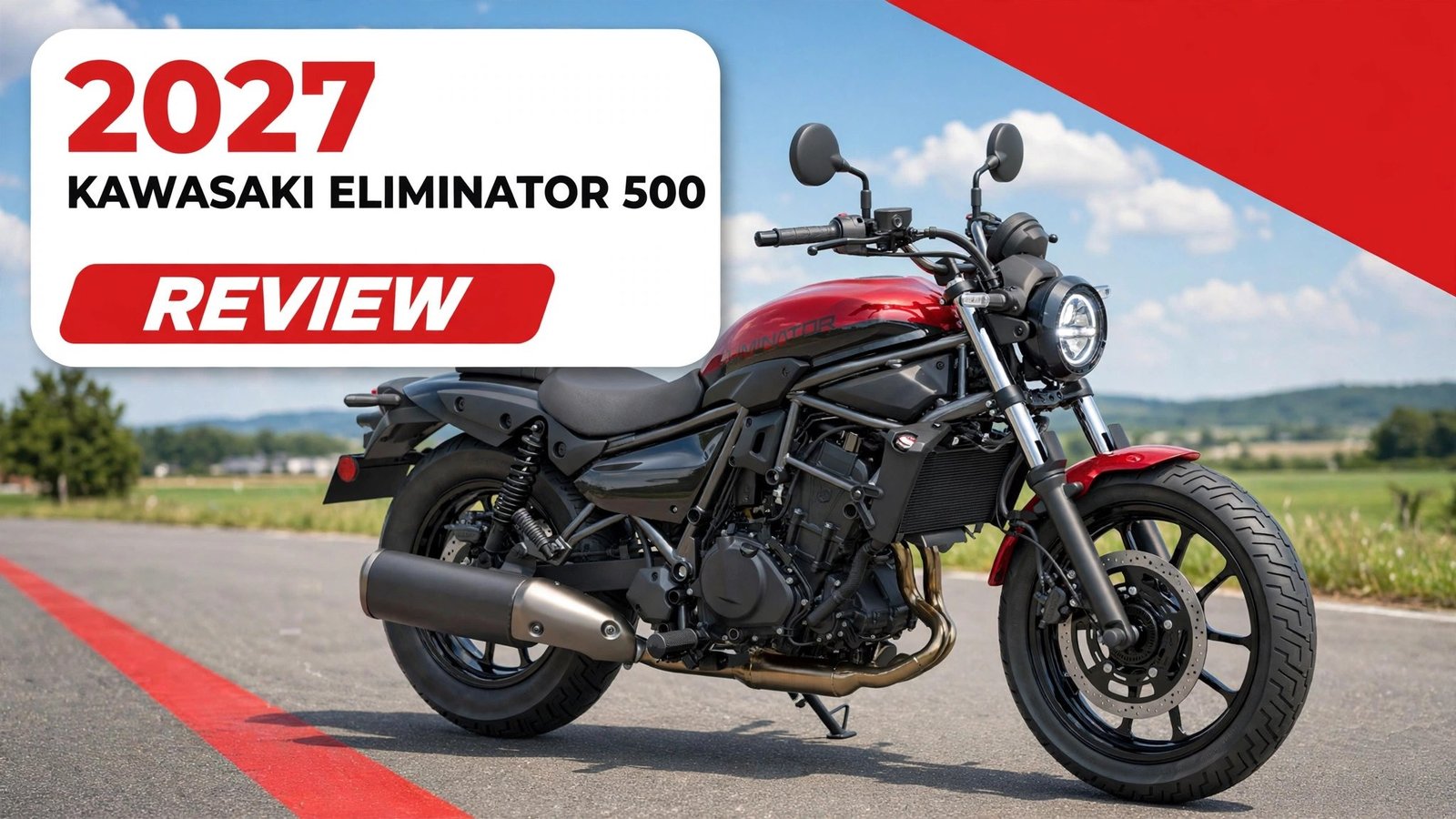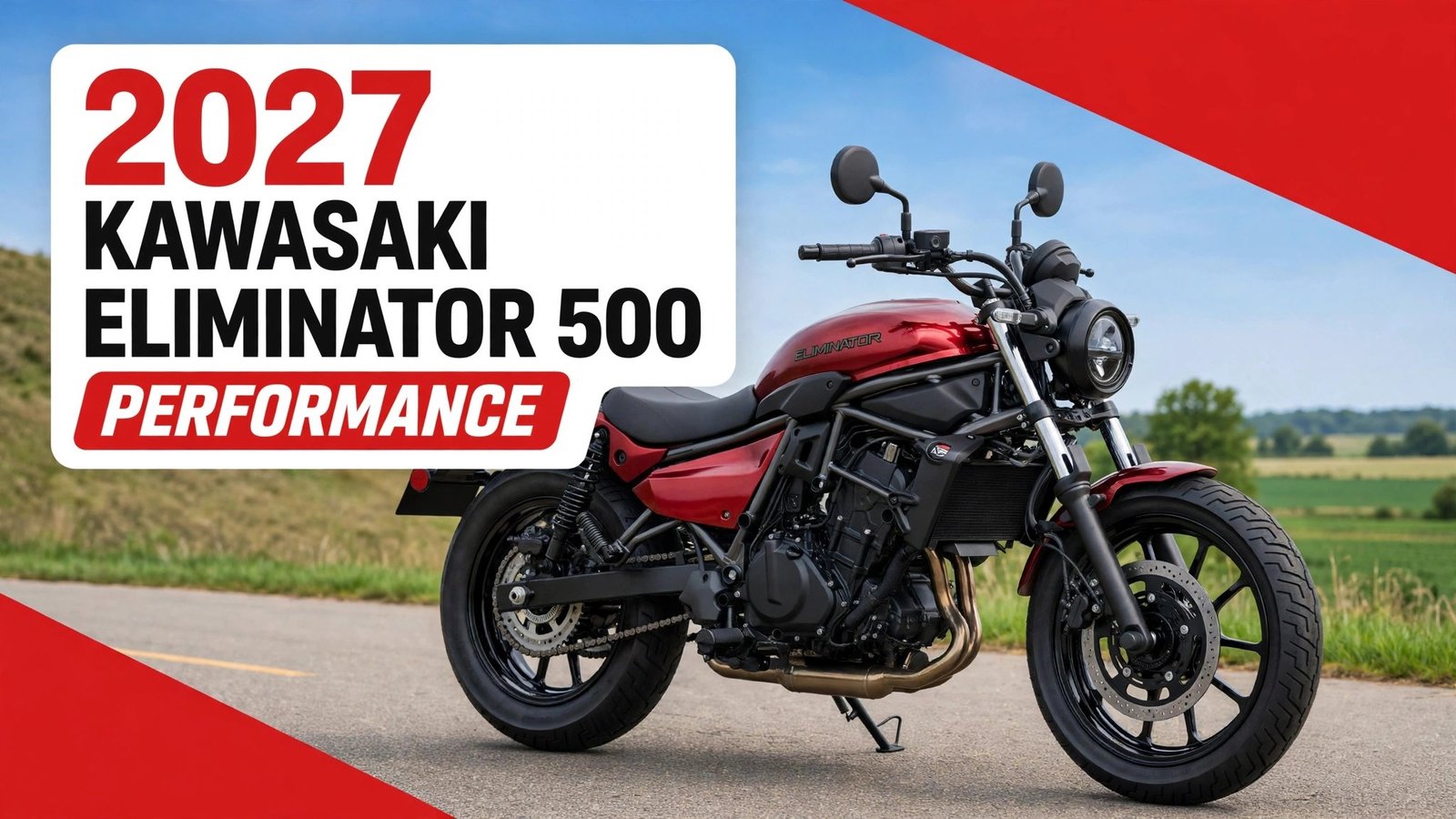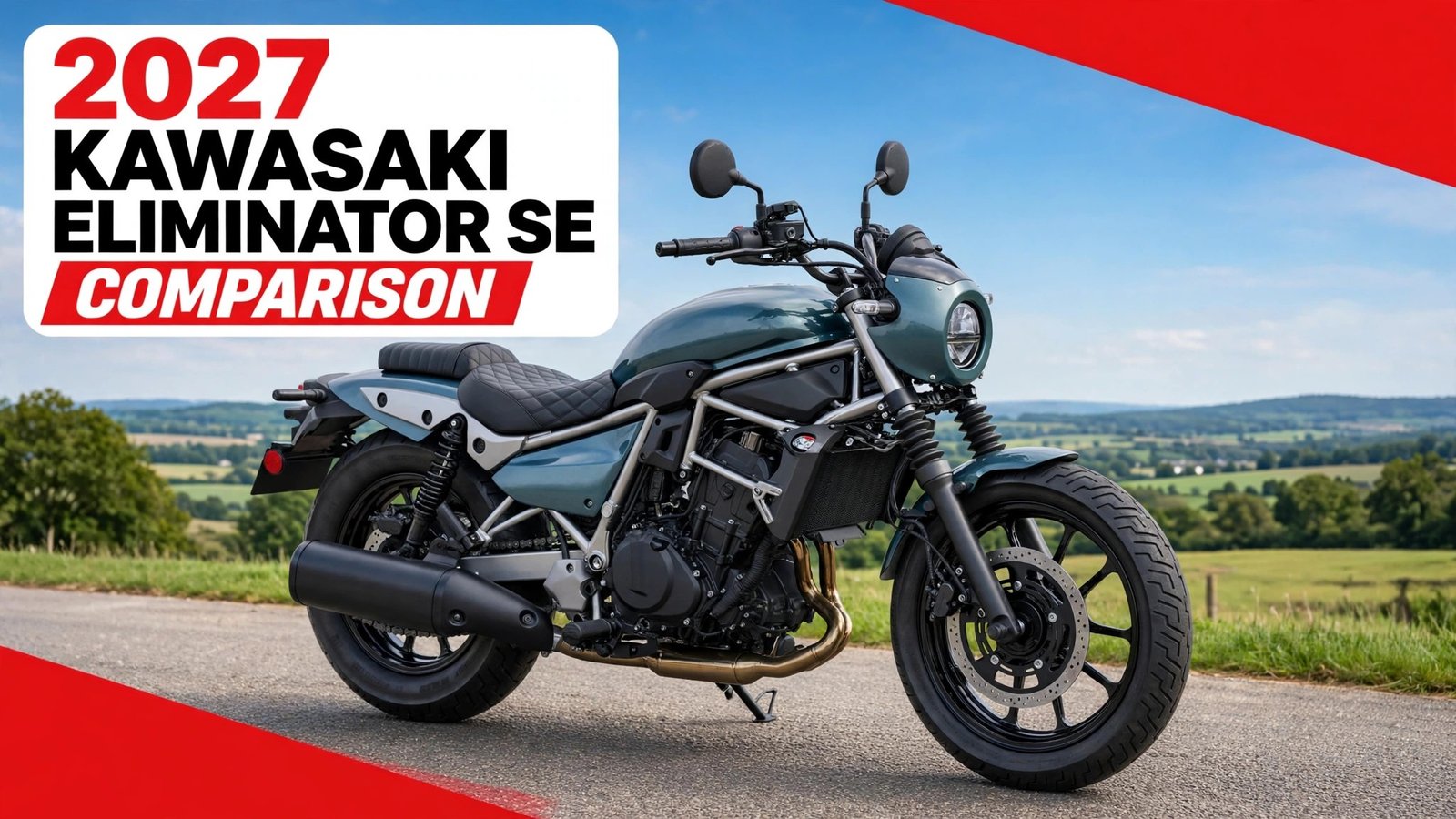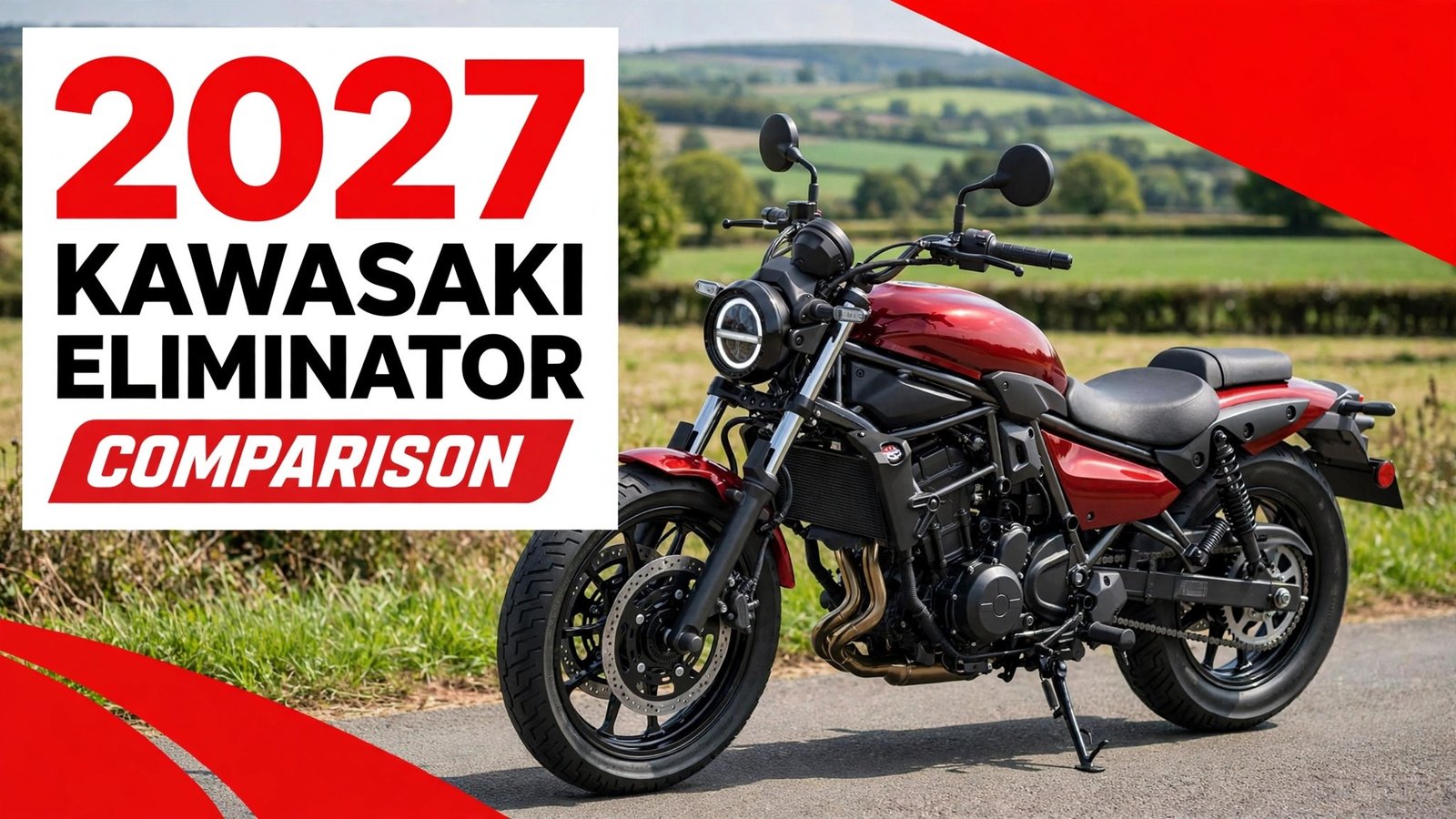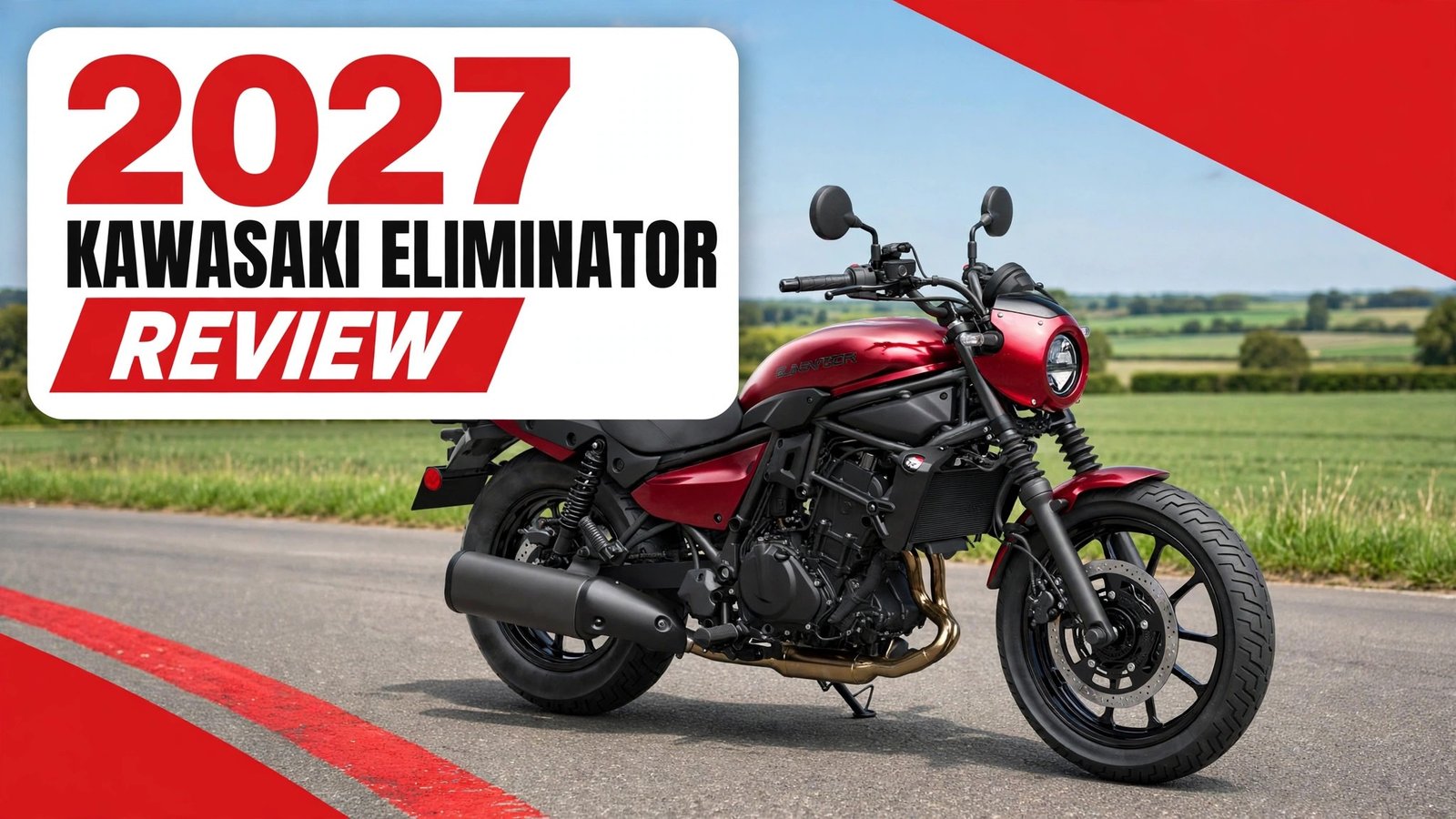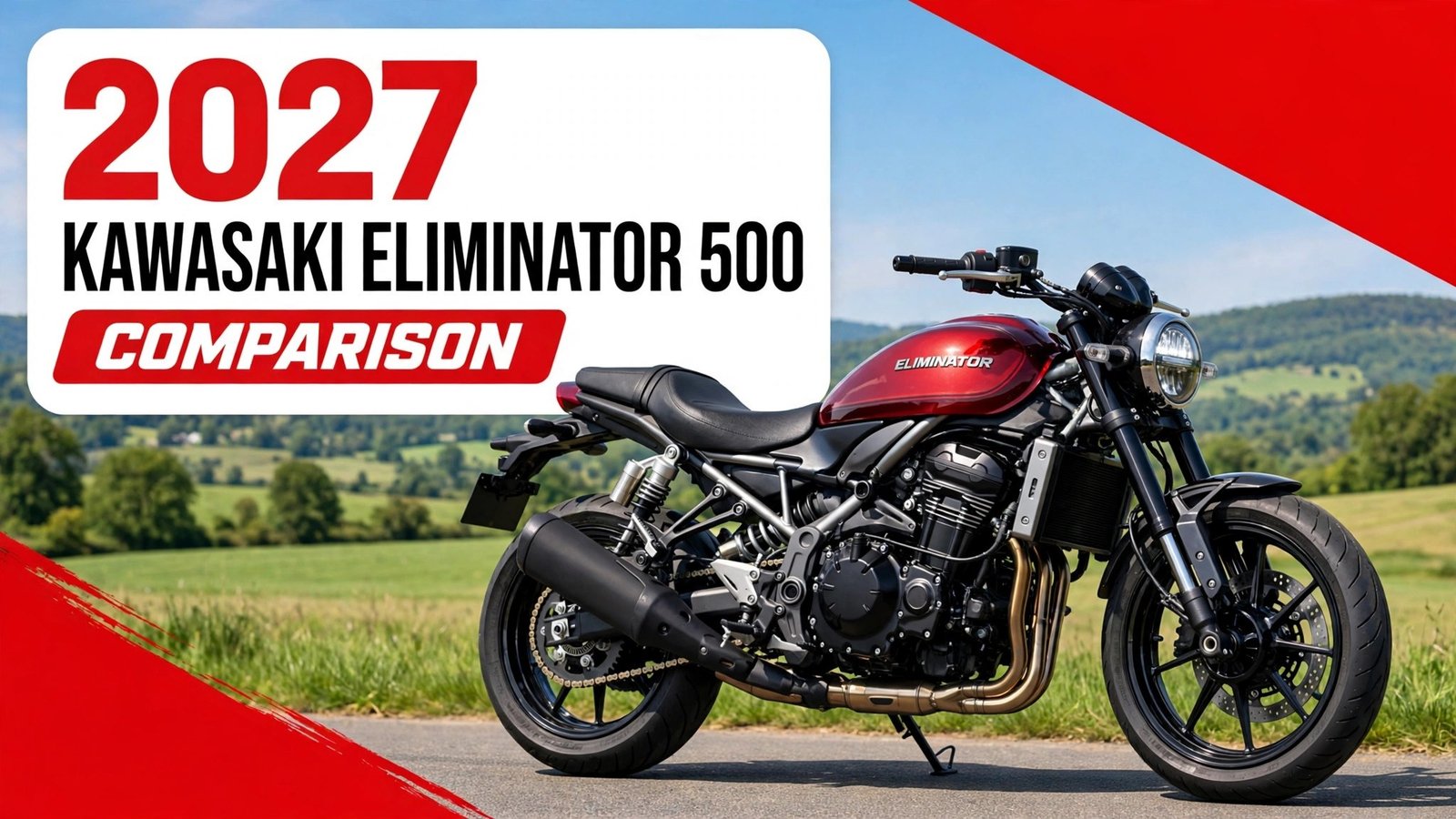
The 2027 Kawasaki Eliminator 500 is the cheapest way into a new middleweight cruiser with standard ABS, and this Kawasaki Eliminator 500 comparison puts it against the three rivals a buyer actually cross-shops: the Honda Rebel 500, the Kawasaki Vulcan S and the Royal Enfield Super Meteor 650. The Eliminator 500 ABS costs $6,799 before a $650 destination charge, or $7,449 delivered, and it is the lightest bike in the group at 388.1 pounds with the lowest seat at 28.9 inches. The Rebel 500 is the closest fight on price, the Vulcan S is the most powerful bike here, and the Super Meteor 650 is the heaviest and the most relaxed. This Kawasaki Eliminator 500 comparison uses delivered prices and labelled model years throughout, because the Rebel figures are 2026 and the others are 2027, and the Rebel is $50 cheaper delivered.
Kawasaki Eliminator 500 Overview and Its Closest Rivals

The four bikes in this Kawasaki Eliminator 500 comparison all arrive with ABS as standard equipment, and there is no non-ABS bargain trim hiding at the bottom of any price list. The Eliminator 500 is the 2027 rename of the Eliminator, the same 451cc motorcycle with a new name, no base trim and new ABS colours. The Rebel 500 is Honda’s long-running 471cc twin, the Vulcan S is Kawasaki’s own 649cc middleweight, and the Super Meteor 650 is Royal Enfield’s 648cc air-oil-cooled twin. The video below is Moto Journo Kris’s overview of the 2024 Eliminator, and it is an overview of one bike in the small-beginner-cruiser class, not a head-to-head comparison — it is here because it frames the class the Eliminator 500 sits in, and the bike on screen is a 2024, not a 2027.
Three Rivals, All With ABS Standard
Every bike in this Kawasaki Eliminator 500 comparison has ABS as standard, and that is a genuine change from a few years ago, when a non-ABS trim was the cheap way in. The Rebel 500 has ABS standard on all trims on Honda’s own 2026 pages. The Vulcan S is ABS-only for 2027 in the US, so there is no non-ABS Vulcan S to cross-shop. The Super Meteor 650 has dual-channel ABS standard on Royal Enfield’s own spec sheet. The Eliminator 500 follows the same rule: the base trim is deleted for 2027, ABS is standard, and the only choice is Ebony at $6,799 or Metallic Imperial Red at $6,999. A buyer who wants the cheapest ABS cruiser in this group is choosing between the Eliminator 500 and the Rebel 500, and the price gap between them is $50.
How the Four Bikes Differ at a Glance
The table below is the whole Kawasaki Eliminator 500 comparison on one screen: engine, power, weight, seat height, tank and delivered price. Read it as a shape test first and a price test second. The Eliminator 500 is the lightest and the lowest, the Rebel 500 is the closest rival on price and weight, the Vulcan S is the heaviest and the most powerful, and the Super Meteor 650 is the heaviest of all and the only one with a three-year warranty. The numbers are the manufacturers’ own figures unless labelled, and the Rebel price is a labelled 2026 figure because no verified 2027 Rebel price exists.
| Bike | Engine / Power | Curb Weight | Seat Height | Tank | Delivered Price |
|---|---|---|---|---|---|
| Eliminator 500 ABS 2027 | 451cc twin, 51 hp | 388.1 lb | 28.9 in | 3.4 gal | $7,449 |
| Honda Rebel 500 2026 | 471cc twin, ~46 hp est. | 414 lb | 27.2 in | 3.0 gal | $7,399 |
| Kawasaki Vulcan S ABS 2027 | 649cc twin, 60 hp | 498.3 lb | 27.8 in | 3.7 gal | $8,784 |
| Royal Enfield Super Meteor 650 2026 | 648cc twin, 47 hp | 531.3 lb | 29.1 in | 4.2 gal | $8,444 |
Notes: the figures in this Kawasaki Eliminator 500 comparison table are the manufacturers’ own US figures unless a label says otherwise. The Rebel 500 price is a labelled 2026 figure; no verified 2027 Rebel 500 price exists.
Kawasaki Eliminator 500 vs Honda Rebel 500

The Rebel 500 is the rival this Kawasaki Eliminator 500 comparison keeps coming back to, because the two bikes share a $6,799 MSRP and the delivered gap between them is $50. Both are light, low, chain-drive twins aimed at new and returning riders, and both have ABS standard. The differences are small on paper and real on the road: the Eliminator 500 is lighter and has more power on the spec sheet, while the Rebel 500 has the lower seat and the longer dealer network behind it.
Engine, Specs and Performance Side by Side
The Eliminator 500’s 451cc twin makes 51 hp at 10,000 rpm and 31.7 lb-ft at 7,500 rpm on Kawasaki’s US spec sheet, and the only dyno figure in this Kawasaki Eliminator 500 comparison is Cycle World’s 47.22 hp at 10,430 rpm and 29.03 lb-ft at 7,510 rpm, measured on a 2024 SE ABS. The Rebel 500’s 471cc twin has no US horsepower figure at all, because Honda publishes none; the best available number is an independent-test estimate of about 46 hp. No outlet has tested a 2027 bike of either model, so every measured figure here carries a 2024 year label. Neither bike has an instrumented top speed, and the 102.5 mph figure sometimes quoted for the Eliminator is editorial, from a YouTube night run with no GPS check. On fuel, the RevZilla 45 mpg dash reading on a 2024 Eliminator ABS is the only named-source figure, and the range estimate from it is not to be trusted.
Price, Equipment and Which Suits Which Rider
The price story in this Kawasaki Eliminator 500 comparison is the $50 gap: the Eliminator 500 ABS is $6,799 plus $650 destination, or $7,449 delivered, while the Rebel 500 is $6,799 plus $600 destination, or $7,399 delivered, and those Rebel figures are labelled 2026 because no verified 2027 Rebel price exists. The MSRPs are identical, so the gap is purely the destination charge. The SE trims tell the same story the other way: the Eliminator 500 SE is $7,099 plus $650, or $7,749 delivered, against the Rebel 500 SE at $6,999 plus $600, or $7,599 delivered. On equipment the Rebel 500 has the lower seat at 27.2 inches against 28.9, and the bigger tank is the Eliminator’s at 3.4 gallons against 3.0. The Eliminator 500 suits the rider who wants the lighter bike and the stronger spec-sheet engine; the Rebel 500 suits the rider who wants the lowest seat and Honda’s dealer network.
| Item | Eliminator 500 ABS 2027 | Rebel 500 2026 |
|---|---|---|
| MSRP | $6,799 | $6,799 |
| Destination | $650 | $600 |
| Delivered | $7,449 | $7,399 |
| Engine | 451cc twin | 471cc twin |
| Power | 51 hp @ 10,000 rpm | ~46 hp, independent est. |
| Curb weight | 388.1 lb | 414 lb |
| Seat height | 28.9 in | 27.2 in |
| Tank | 3.4 gal | 3.0 gal |
| Brakes | 310 mm / 220 mm, ABS | 296 mm / 240 mm, ABS |
Notes: the figures in this Kawasaki Eliminator 500 comparison table are the manufacturers’ own US figures, with the Rebel 500 price labelled 2026. The $50 delivered gap is purely the destination charge; the MSRPs are identical.
Kawasaki Eliminator 500 vs Kawasaki Vulcan S
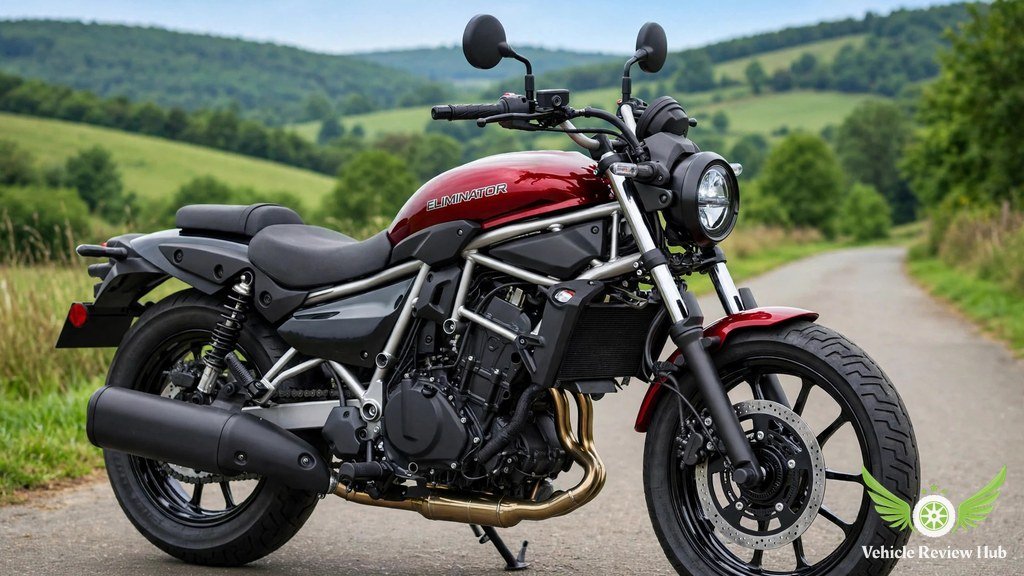
The Vulcan S is the Eliminator 500’s own stablemate and the most powerful bike in this Kawasaki Eliminator 500 comparison, and the live US trim is the Vulcan S ABS at $8,099 plus $685 destination, or $8,784 delivered — $1,335 more delivered than the Eliminator 500 ABS. The non-ABS Vulcan S is not sold new in the US for 2027, so there is no cheaper Vulcan S to step down to. The question is whether the bigger engine and the Ergo-Fit adjustability are worth $1,335 and 110 pounds.
Engine, Specs and Performance Side by Side
The Vulcan S runs a 649cc twin making 60 hp at 7,500 rpm and 46.5 lb-ft at 6,600 rpm, against the Eliminator 500’s 51 hp at 10,000 rpm and 31.7 lb-ft at 7,500 rpm, and the gap shows on the dyno too: Cycle World’s Cafe ABS trio test measured 53.5 hp at 7,150 rpm and 42.7 lb-ft at 5,650 rpm for the Vulcan S, against 47.22 hp at 10,430 rpm and 29.03 lb-ft at 7,510 rpm for the 2024 Eliminator SE ABS. The Vulcan S also has the only instrumented acceleration figures in this Kawasaki Eliminator 500 comparison, with a 13.40-second quarter mile at 93.57 mph, a 4.3-second 0–60 run and 130 feet from 60 mph on the brakes. The Vulcan S is the faster bike in every measured respect, and it is also the heavier one at 498.3 pounds against 388.1, which is why the Eliminator 500 still feels lighter at parking speeds.
Price, Equipment and Which Suits Which Rider
The $1,335 delivered gap buys more than power: the Vulcan S has Ergo-Fit, Kawasaki’s adjustable footpeg, seat and handlebar system, and a 3.7-gallon tank. The Vulcan S seat is lower at 27.8 inches against 28.9, which partly offsets the extra weight for shorter riders. Both bikes are chain drive with a six-speed gearbox, and both have ABS standard. This Kawasaki Eliminator 500 comparison puts the choice plainly: the Eliminator 500 suits the rider who wants the lightest, cheapest bike in the class and does not need the extra power, while the Vulcan S suits the rider who wants the stronger engine, the adjustable ergonomics and the longer-legged feel, and is willing to pay $1,335 more and carry 110 extra pounds for it.
| Item | Eliminator 500 ABS 2027 | Vulcan S ABS 2027 |
|---|---|---|
| MSRP | $6,799 | $8,099 |
| Destination | $650 | $685 |
| Delivered | $7,449 | $8,784 |
| Engine | 451cc twin | 649cc twin |
| Power | 51 hp @ 10,000 rpm | 60 hp @ 7,500 rpm |
| Curb weight | 388.1 lb | 498.3 lb |
| Seat height | 28.9 in | 27.8 in |
| Tank | 3.4 gal | 3.7 gal |
| Dyno (2024 bike) | 47.22 hp @ 10,430 rpm | 53.5 hp @ 7,150 rpm |
Notes: the figures in this Kawasaki Eliminator 500 comparison table are the manufacturers’ own US figures and Cycle World dyno tests on 2024 bikes. The non-ABS Vulcan S is not sold new in the US for 2027.
Kawasaki Eliminator 500 vs Royal Enfield Super Meteor 650

The Super Meteor 650 is the odd one out in this Kawasaki Eliminator 500 comparison: the heaviest bike here at 531.3 pounds, the most relaxed engine, the biggest tank at 4.2 gallons, and the only one with a three-year warranty. It is also the only air-oil-cooled twin in the group, and it is the only rival whose 2027 destination charge is unverified, so its 2026 delivered price is the figure this comparison uses, labelled as such.
Engine, Specs and Performance Side by Side
The Super Meteor 650’s 648cc twin makes 47 hp at 7,250 rpm and 38.6 lb-ft, against the Eliminator 500’s 51 hp at 10,000 rpm and 31.7 lb-ft at 7,500 rpm, and the two engines feel very different on the road: the Royal Enfield pulls lower and earlier, while the Kawasaki needs revs to give its best. The Super Meteor’s extra torque does not make up for its extra weight, because it carries 143.2 pounds more than the Eliminator 500, and its 320 mm front and 300 mm rear discs with dual-channel ABS are the biggest brakes in this Kawasaki Eliminator 500 comparison. The Super Meteor has the tallest seat here at 29.1 inches, against 28.9 for the Eliminator 500, and the longest range on paper, because its 4.2-gallon tank is the biggest in the group.
Price, Equipment and Which Suits Which Rider
The Super Meteor 650 cost $7,899 plus a $545 destination charge in 2026, or $8,444 delivered, which is $995 more than the Eliminator 500 ABS delivered. For 2027 Royal Enfield lists the bike from $7,999 as an MSRP only, with the destination charge unverified, so this Kawasaki Eliminator 500 comparison does not print a 2027 delivered figure for it. One price trap to avoid: the $7,499 and $7,299 figures that still circulate online are 2024 prices for the Celestial and Interstellar trims, not a live cut. The Super Meteor’s real advantage is its 36-month warranty, three times the 12 months on the other three bikes. The Super Meteor suits the rider who wants the most relaxed, most classic-feeling cruiser and the longest warranty; the Eliminator 500 suits the rider who wants the lighter, sharper bike for $995 less.
| Item | Eliminator 500 ABS 2027 | Super Meteor 650 2026 |
|---|---|---|
| MSRP | $6,799 | $7,899 |
| Destination | $650 | $545 |
| Delivered | $7,449 | $8,444 |
| Engine | 451cc liquid-cooled twin | 648cc air-oil-cooled twin |
| Power | 51 hp @ 10,000 rpm | 47 hp @ 7,250 rpm |
| Torque | 31.7 lb-ft @ 7,500 rpm | 38.6 lb-ft |
| Weight | 388.1 lb curb | 531.3 lb wet |
| Seat height | 28.9 in | 29.1 in |
| Tank | 3.4 gal | 4.2 gal |
| Warranty | 12 months | 36 months |
Notes: the figures in this Kawasaki Eliminator 500 comparison table are the manufacturers’ own US figures, with the Super Meteor 650 price labelled 2026. The 2027 Super Meteor destination charge is unverified, so no 2027 delivered price is printed.
Kawasaki Eliminator 500 Price and Value Compared

On delivered price the Eliminator 500 is the cheapest bike in this Kawasaki Eliminator 500 comparison, and the only rival within $1,000 of it is the Rebel 500. The table below lines up every delivered price in the group, and the pattern is simple: the Eliminator 500 and the Rebel 500 fight at the bottom, the Super Meteor 650 sits just under $1,000 above them, and the Vulcan S sits $1,335 above the Eliminator 500.
Rebel Is $50 Cheaper, Same MSRP
The $50 gap is the most quoted number in this Kawasaki Eliminator 500 comparison, and it is worth stating exactly: the Eliminator 500 ABS is $6,799 plus $650 destination, or $7,449 delivered, while the Rebel 500 is $6,799 plus $600 destination, or $7,399 delivered. The MSRPs are identical at $6,799, so the entire gap is the destination charge, and the Rebel figures are labelled 2026 because no verified 2027 Rebel 500 price exists. The SE trims widen the gap the other way: the Eliminator 500 SE is $7,099 plus $650, or $7,749 delivered, against the Rebel 500 SE at $6,999 plus $600, or $7,599 delivered, so the Rebel SE is $150 cheaper delivered. A buyer choosing on price alone should also remember the colour charge: Metallic Imperial Red costs $200 more than Ebony on the Eliminator 500 ABS.
Running Costs and Resale Value Compared
On running costs this Kawasaki Eliminator 500 comparison has to be honest about what it cannot print: no verified US dollar figure exists for any routine service item on the Eliminator 500, and no verified resale percentage exists for any of these four bikes, so no resale figure is printed here. What can be compared is fuel and service rhythm. The Eliminator 500’s only named-source fuel figure is the RevZilla 45 mpg dash reading on a 2024 ABS over 75 highway miles, and one owner averaged 52.5 US mpg over a year; both are labelled 2024 figures. The Eliminator 500 service chart is oil and filter plus spark plugs every 7,600 miles, with a valve check every 15,200 miles, and the Vulcan S follows a similar rhythm with its valve check at 15,000 miles. All four bikes are chain drive, so chain care is a shared cost, and all four carry a 12-month warranty except the Super Meteor 650, which carries 36 months.
| Bike | MSRP | Destination | Delivered |
|---|---|---|---|
| Eliminator 500 ABS 2027 (Ebony) | $6,799 | $650 | $7,449 |
| Eliminator 500 ABS 2027 (Red) | $6,999 | $650 | $7,649 |
| Eliminator 500 SE ABS 2027 | $7,099 | $650 | $7,749 |
| Honda Rebel 500 2026 | $6,799 | $600 | $7,399 |
| Honda Rebel 500 SE 2026 | $6,999 | $600 | $7,599 |
| Kawasaki Vulcan S ABS 2027 | $8,099 | $685 | $8,784 |
| Royal Enfield Super Meteor 650 2026 | $7,899 | $545 | $8,444 |
| Royal Enfield Super Meteor 650 2027 | from $7,999 | Unverified | MSRP only |
Notes: the figures in this Kawasaki Eliminator 500 comparison table are delivered prices from the manufacturers’ own US figures. The Rebel 500 and Super Meteor 650 prices are labelled 2026; no verified 2027 price exists for the Rebel 500, and no 2027 destination exists for the Super Meteor 650.
Kawasaki Eliminator 500 Comparison Verdict and US Alternatives

The verdict of this Kawasaki Eliminator 500 comparison is that the cheapest bike in the group is also the lightest, and the only rival that beats it on delivered price is the Rebel 500 by $50. The Eliminator 500 wins on weight, on spec-sheet power and on price; the Rebel 500 wins on seat height and dealer network; the Vulcan S wins on power and adjustability; the Super Meteor 650 wins on warranty and relaxed character.
Verdict: Same Bike, Honest New Name
The 2027 rename is honest: the Eliminator 500 is the same motorcycle the Eliminator was, with a new name, no base trim, ABS standard and new ABS colours, and this Kawasaki Eliminator 500 comparison finds the buy decision unchanged from before. A buyer who would have bought the 2026 Eliminator ABS should buy the 2027 Eliminator 500 ABS, and a buyer torn between the Eliminator 500 and the Rebel 500 should ride both, because $50 and 26 pounds separate them on paper and the riding position separates them more. The Vulcan S is the step up for riders who want more power, and the Super Meteor 650 is the step sideways for riders who want the most relaxed bike and the longest warranty.
SE ABS Alternative, $300 Up
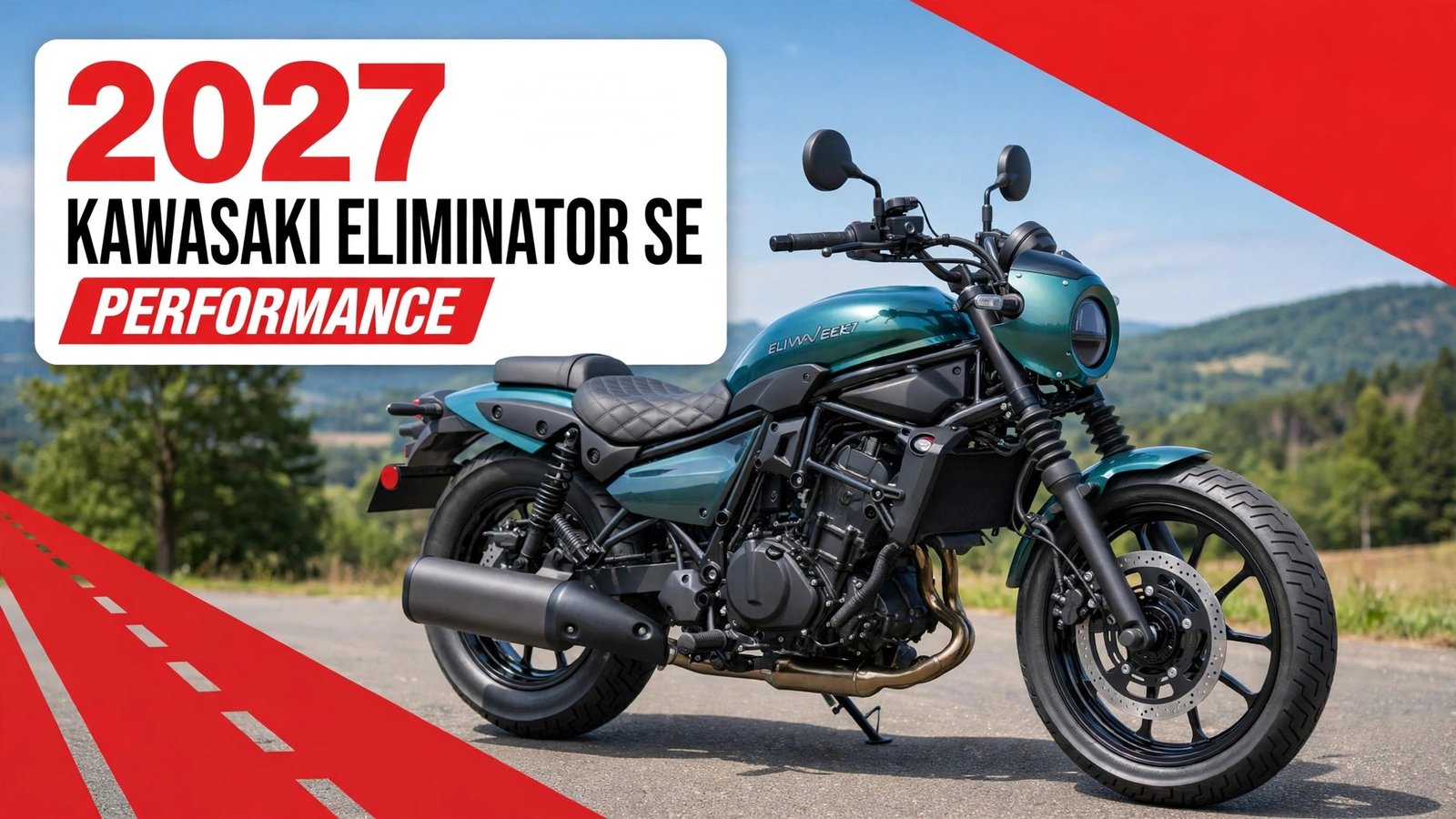
The Eliminator 500 SE ABS is the in-family alternative at $7,099 plus $650 destination, or $7,749 delivered, which is exactly $300 over the ABS, the same premium as every year. The SE adds a headlight cowl, fork boots, a two-pattern seat cover, a waterproof USB-C outlet and exclusive Metallic Bluish Green paint, and nothing mechanical changes: same engine, same chassis, same brakes, same 2.2-pound weight difference. This Kawasaki Eliminator 500 comparison treats the SE as a styling choice, not a performance one, and the $300 is fair value for a buyer who wants the cowl and the USB-C outlet fitted from the factory rather than as accessories.
Kawasaki Eliminator 500 Comparison FAQ
The questions below are the ones buyers actually ask after reading a Kawasaki Eliminator 500 comparison, answered on the verified figures in this guide.
Which bike is cheapest in this comparison?
The Rebel 500, by $50 delivered: $7,399 against $7,449 for the Eliminator 500 ABS, using labelled 2026 Rebel figures, says this Kawasaki Eliminator 500 comparison.
Is the Rebel 500 really $50 cheaper?
Yes, delivered. Both MSRPs are $6,799, so the gap is purely the destination charge: $650 for Kawasaki against $600 for Honda, notes this Kawasaki Eliminator 500 comparison.
Is the Eliminator 500 faster than the Rebel 500?
On the spec sheet, yes: 51 hp against an independent estimate of about 46 hp. No instrumented acceleration figure exists for either bike, says this Kawasaki Eliminator 500 comparison.
Is the Vulcan S worth $1,335 more?
It is worth it for riders who want the stronger 649cc engine and Ergo-Fit adjustability. For riders who do not need the extra power, the Eliminator 500 is the better buy, says this Kawasaki Eliminator 500 comparison.
Which bike is best for a beginner?
The Eliminator 500 and the Rebel 500 are the two beginner picks in this Kawasaki Eliminator 500 comparison: both are light, low, ABS-equipped and cheap to buy. The Eliminator 500 is the lighter of the two.
Which bike is the lightest?
The Eliminator 500 ABS at 388.1 pounds, against 414 for the Rebel 500, 498.3 for the Vulcan S ABS and 531.3 for the Super Meteor 650.
Does the Super Meteor 650 have a longer warranty?
Yes. The Super Meteor 650 carries a 36-month warranty, three times the 12 months on the other three bikes in this Kawasaki Eliminator 500 comparison.
Is the Eliminator 500 the same bike as the Eliminator?
Yes. The 2027 rename is name only: same 451cc engine, same chassis, same brakes. The base trim is deleted, ABS is standard and the ABS colours changed, says this Kawasaki Eliminator 500 comparison.
Should I buy the SE instead of the ABS?
Buy the SE if you want the headlight cowl, fork boots, seat cover and USB-C outlet fitted from the factory. It is $300 more and nothing mechanical changes, says this Kawasaki Eliminator 500 comparison.
What is the cheapest ABS cruiser?
On delivered price, the Rebel 500 at $7,399, then the Eliminator 500 ABS at $7,449. Both have ABS standard, notes this Kawasaki Eliminator 500 comparison.
Which bike has the lowest seat?
The Rebel 500 at 27.2 inches, then the Vulcan S at 27.8, the Eliminator 500 at 28.9 and the Super Meteor 650 at 29.1.
Is there a 2027 Rebel 500 price yet?
No. No verified 2027 Rebel 500 price exists, so this Kawasaki Eliminator 500 comparison uses labelled 2026 figures for the Rebel 500 throughout.