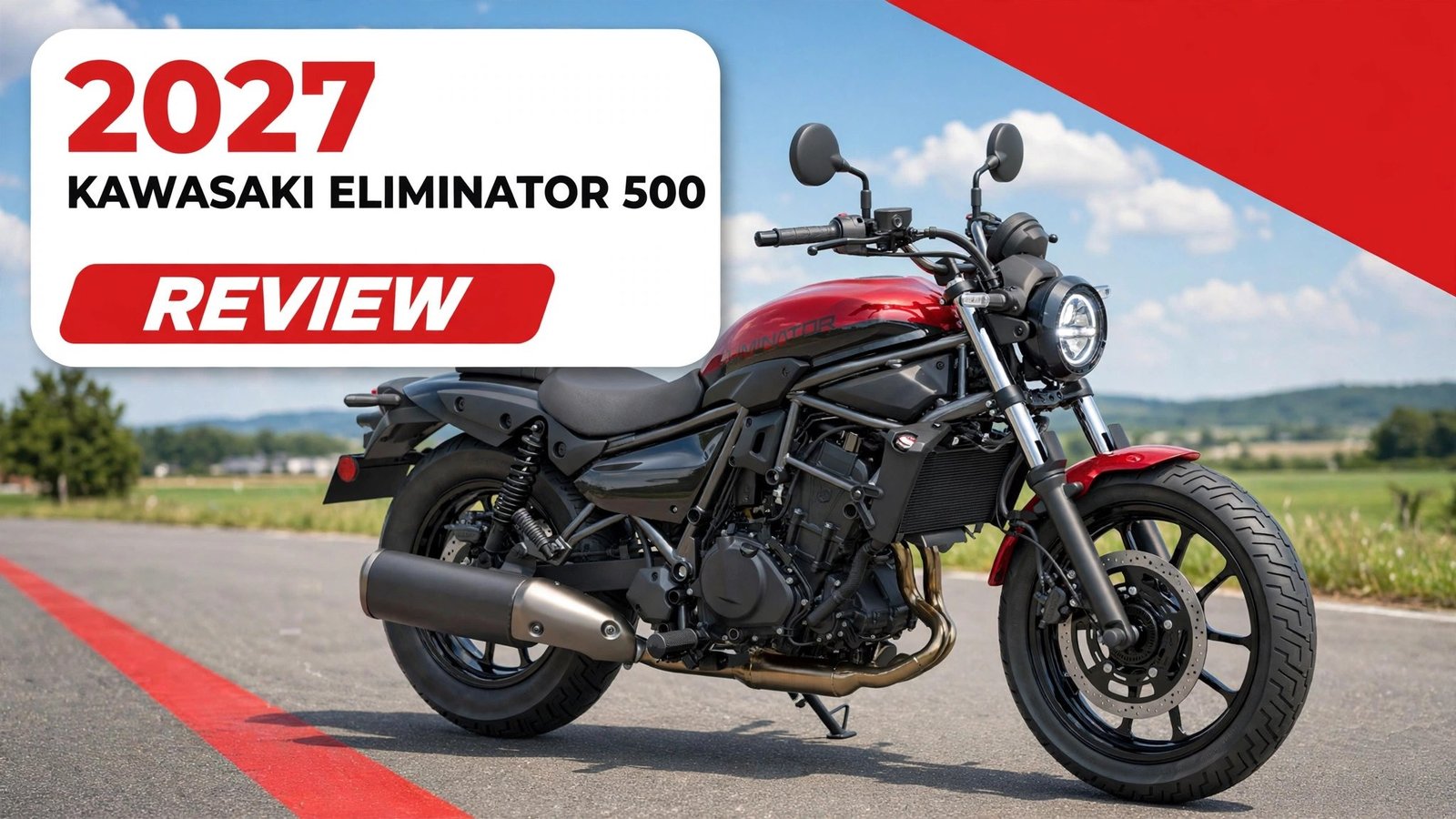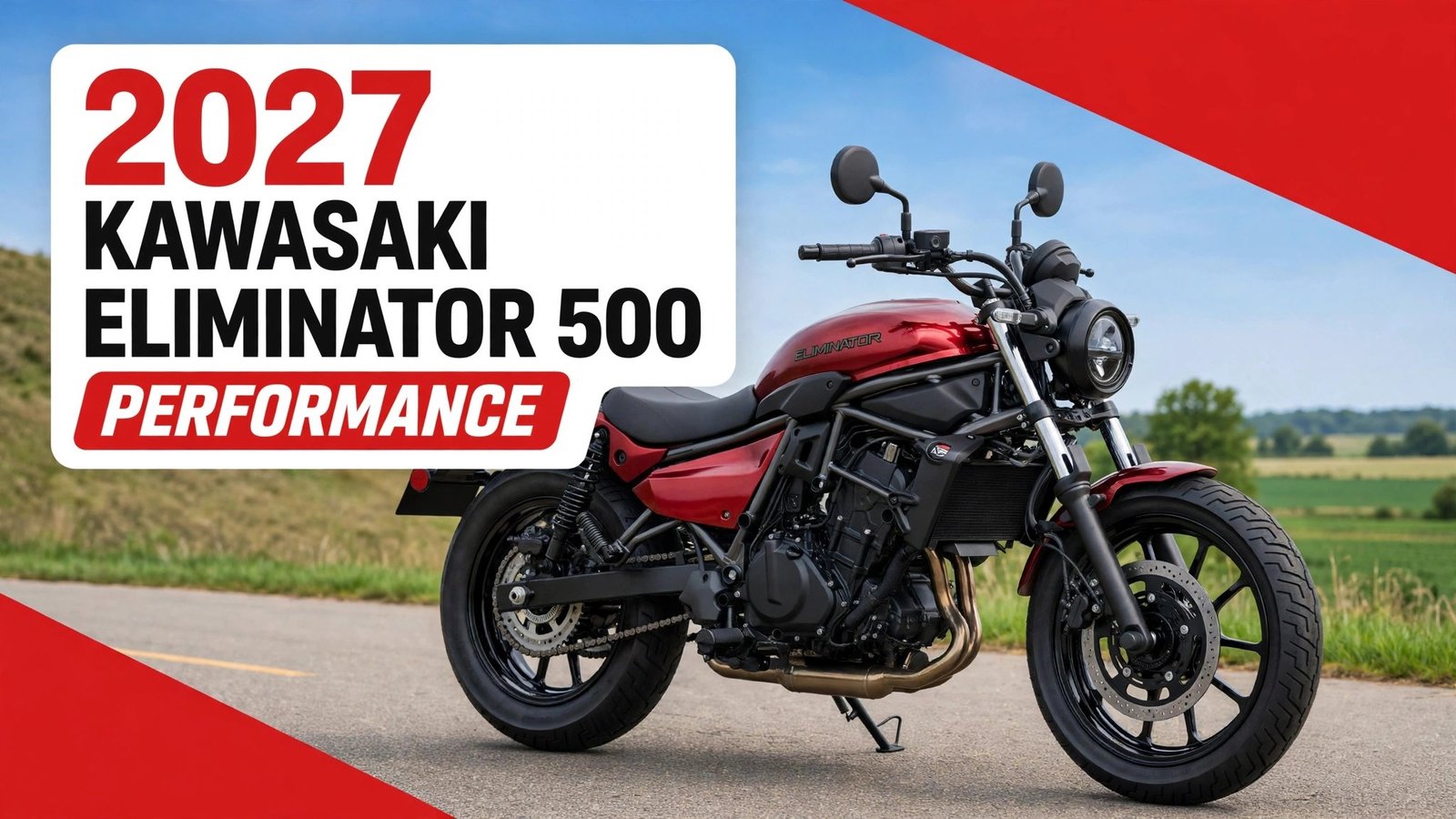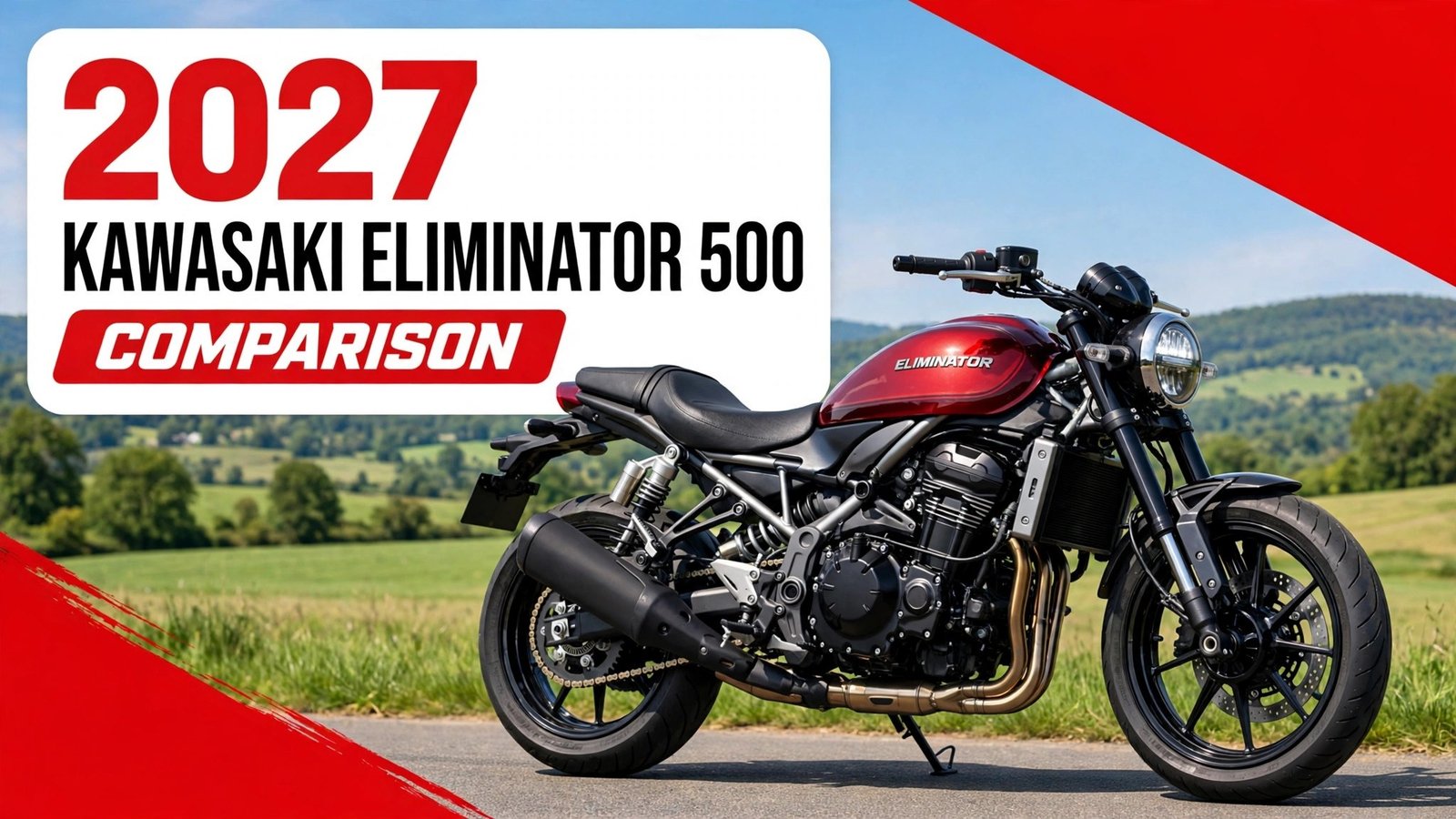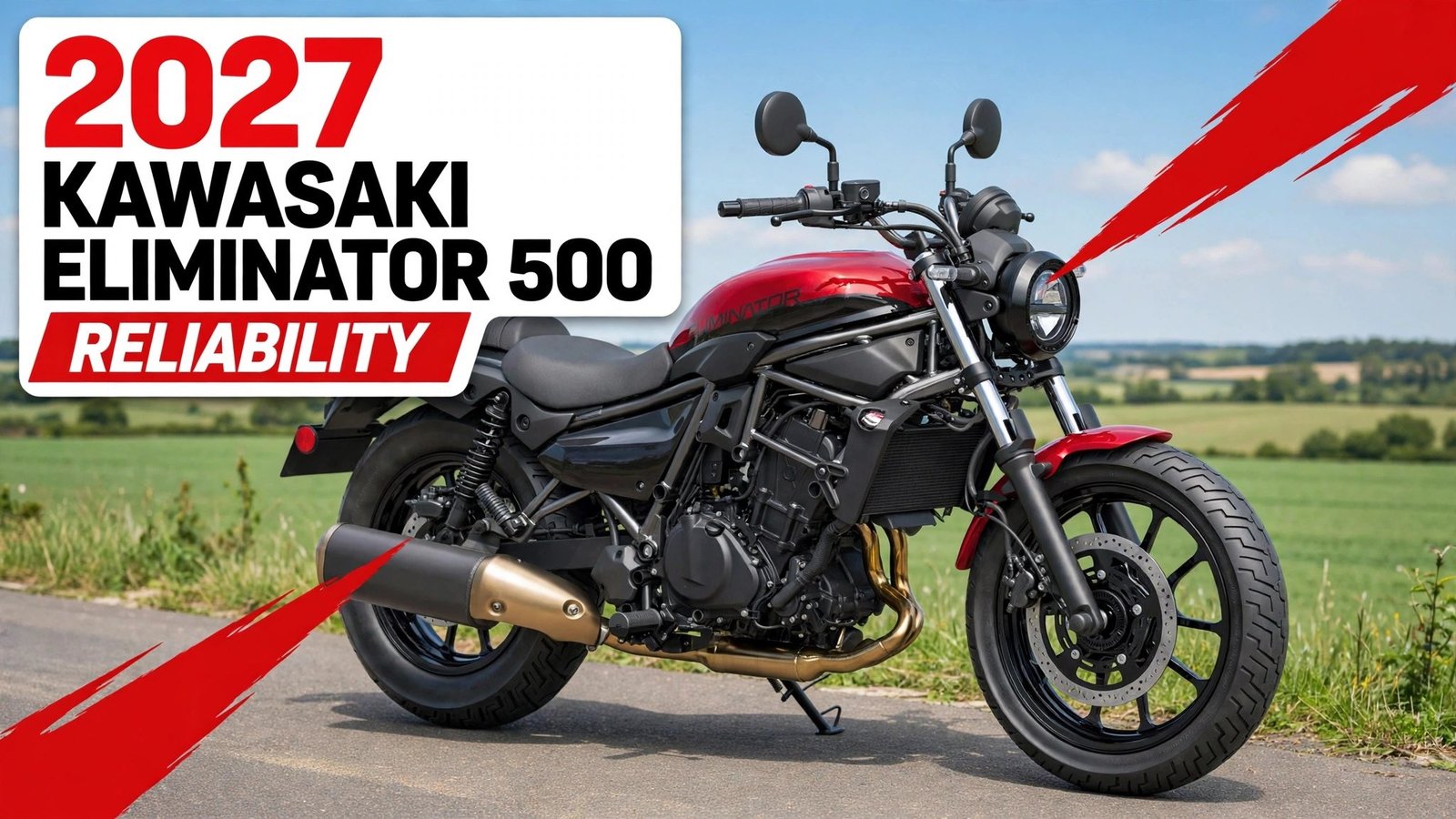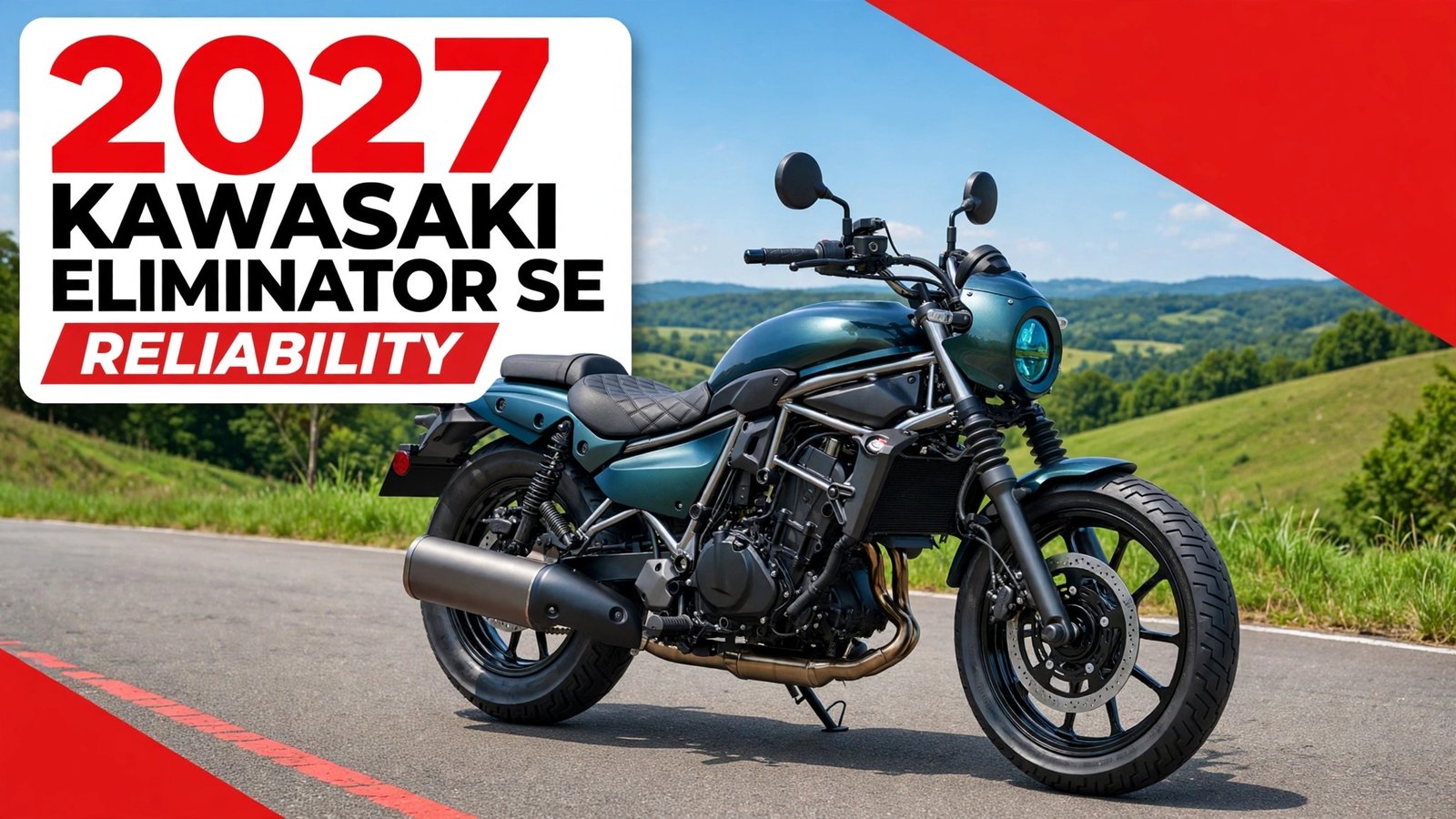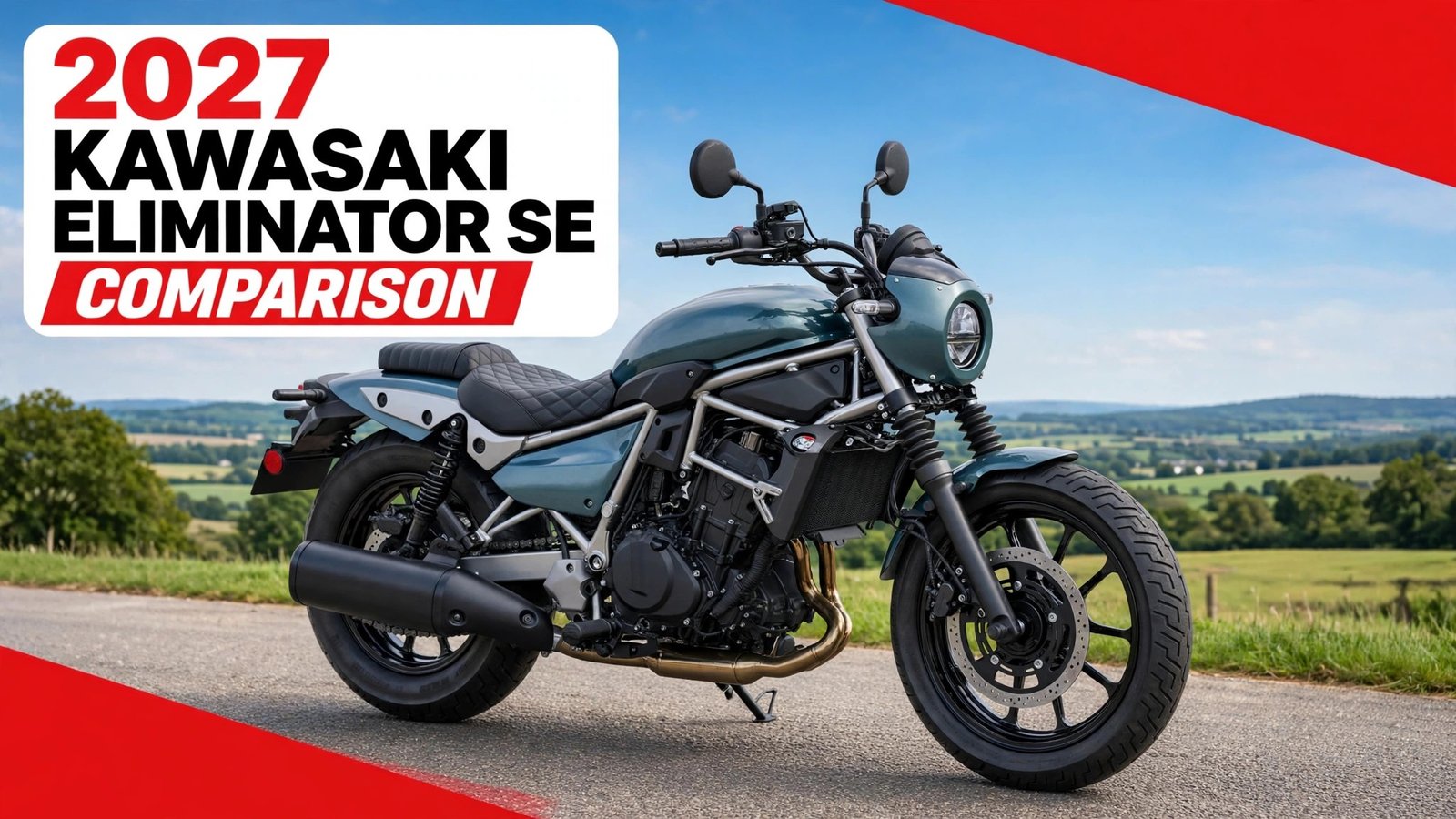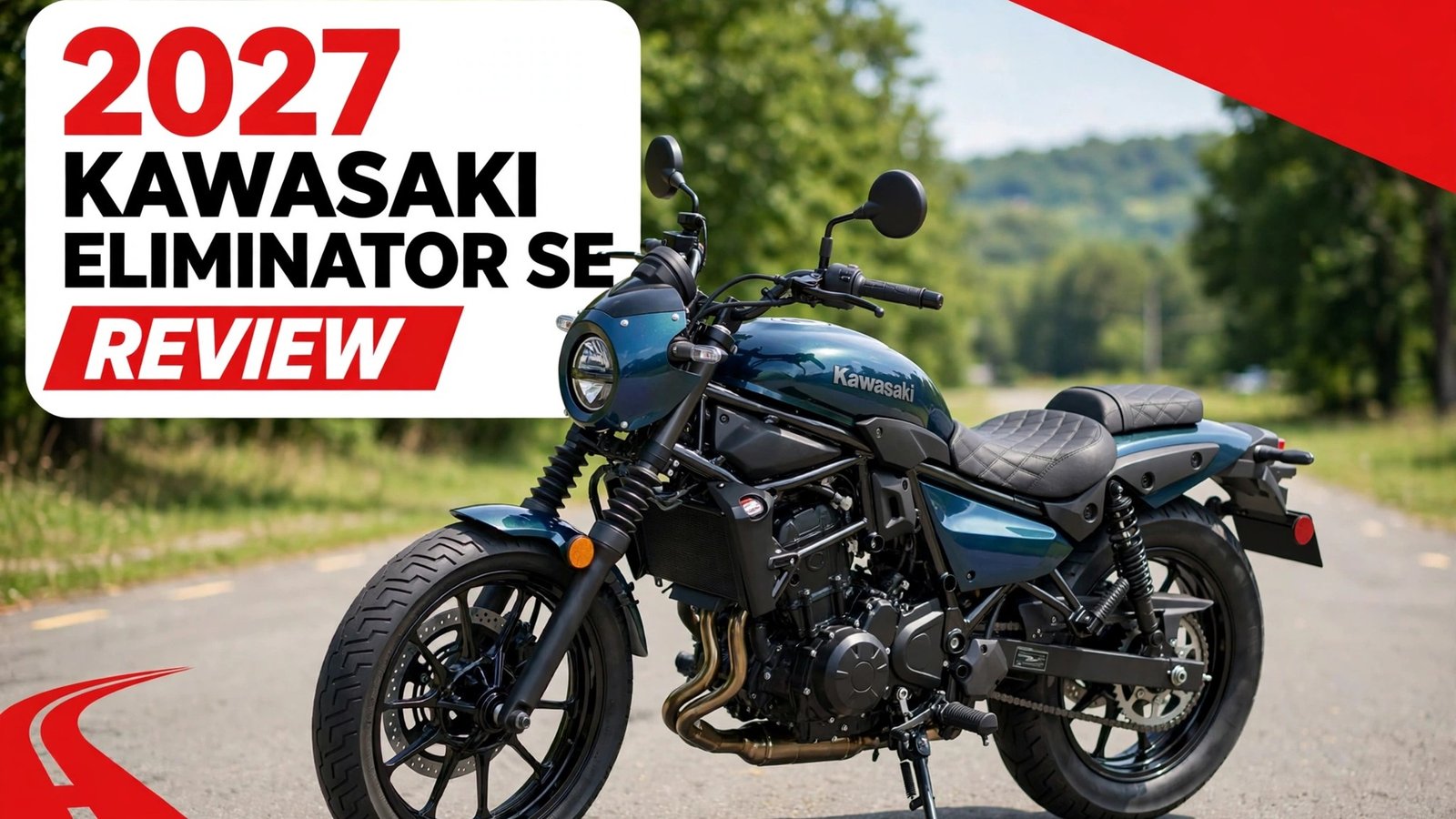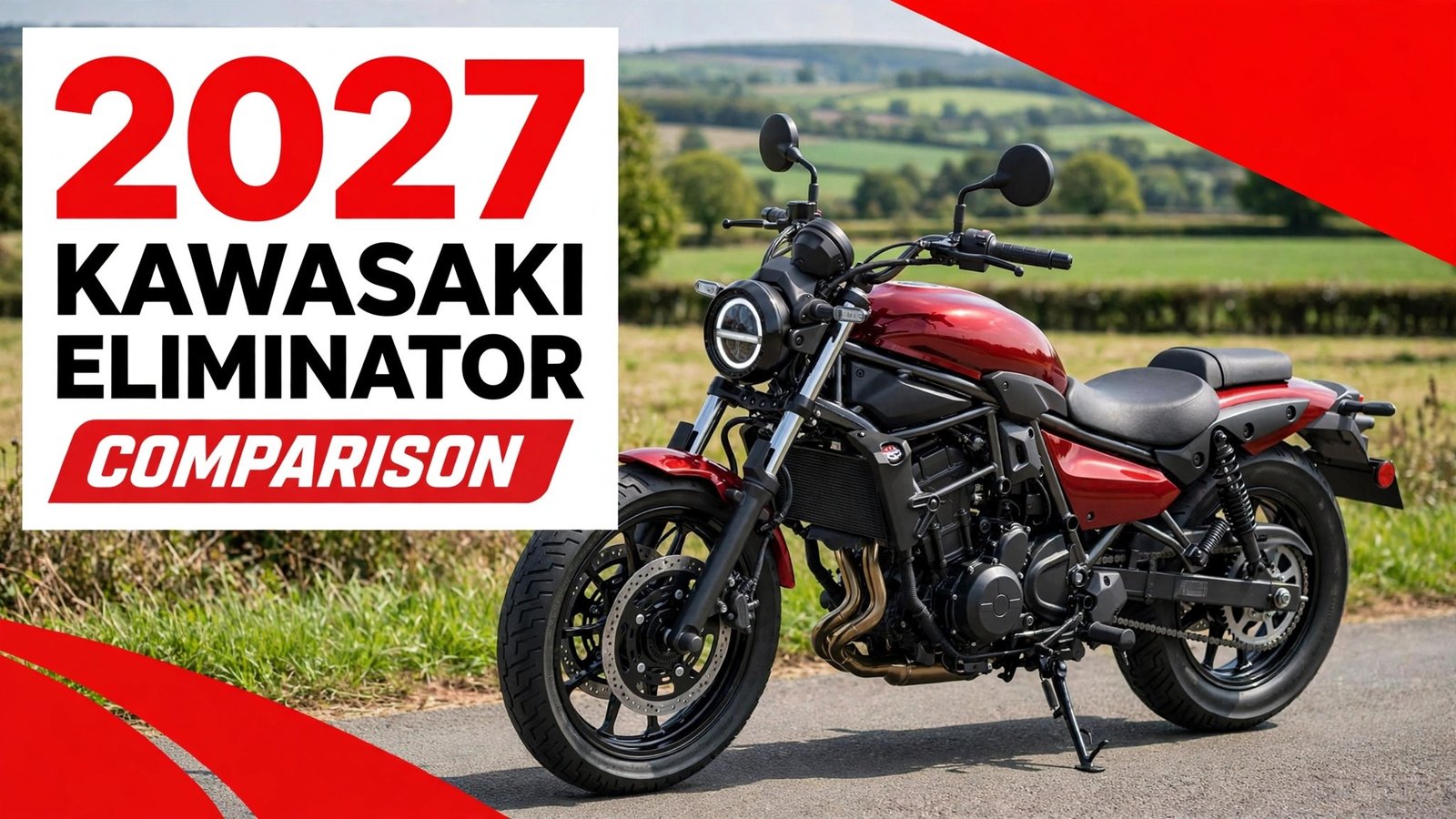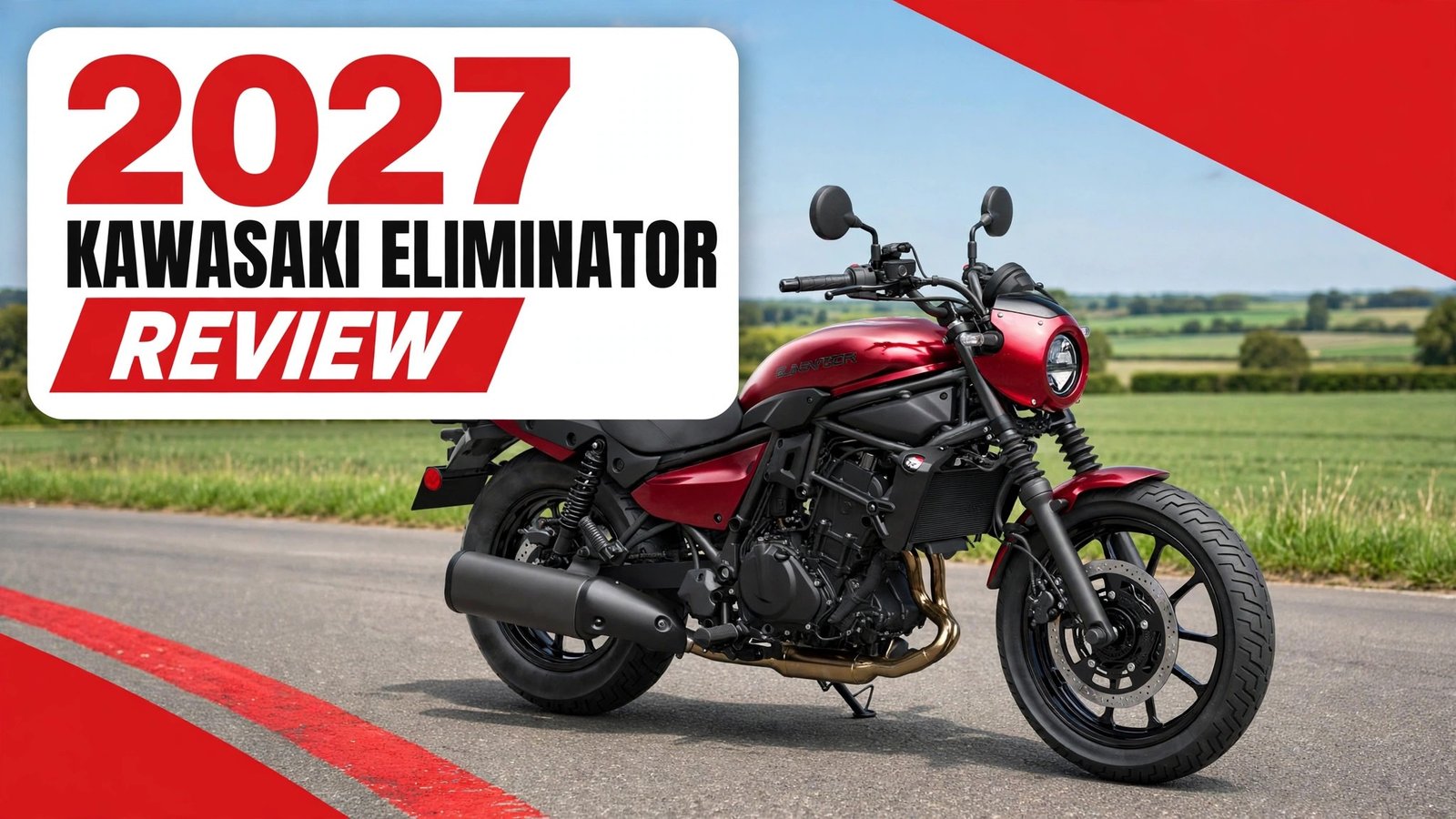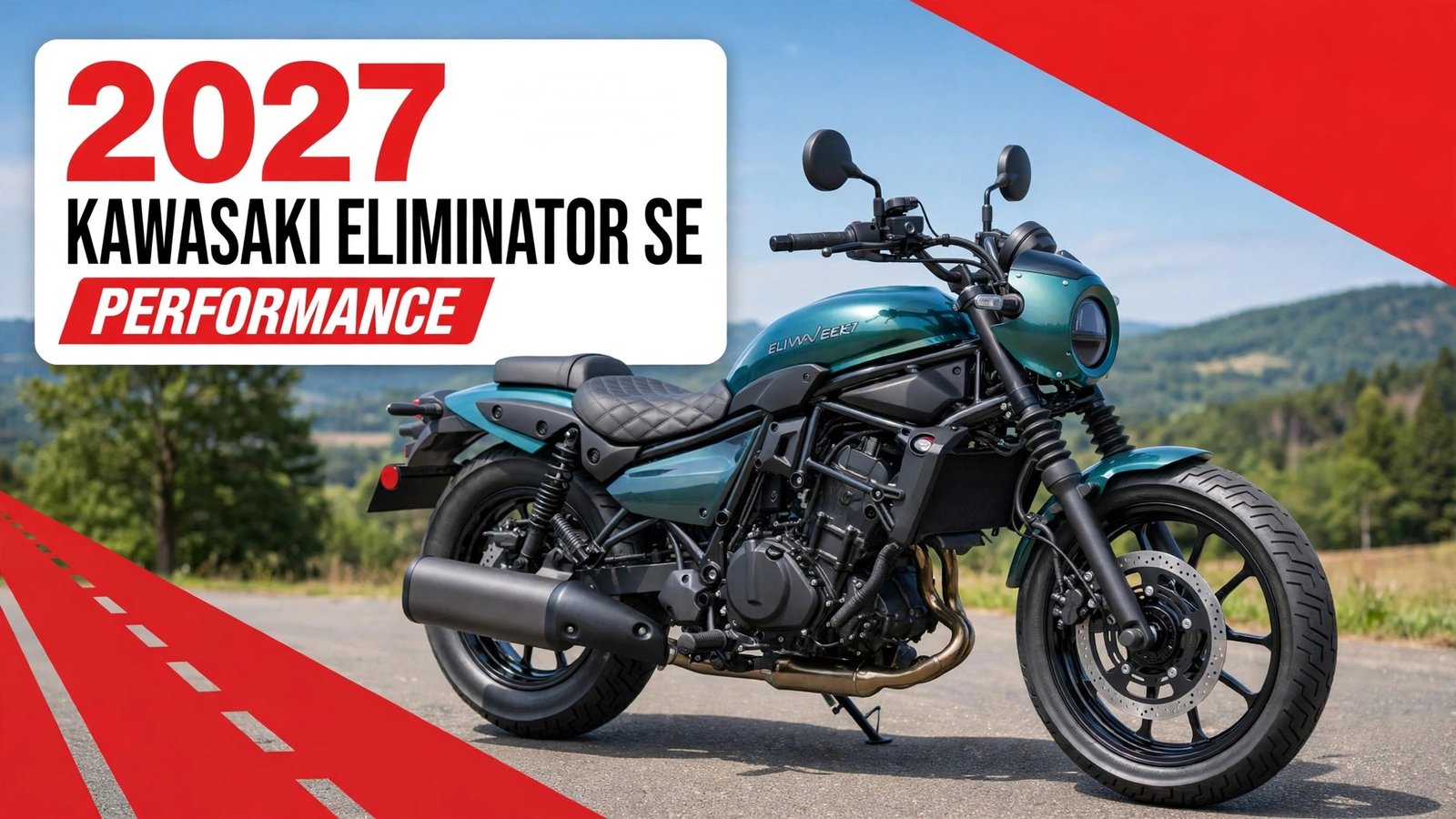
The Kawasaki Eliminator SE is the styling trim of Kawasaki’s lightest cruiser, and this Kawasaki Eliminator SE performance guide starts with the fact that matters most: the SE’s performance is the platform’s performance, because nothing mechanical changed. The one instrumented figure in this Kawasaki Eliminator SE performance guide is the Cycle World dyno run, and it was measured on an SE, so it is this trim’s own number. Top speed, quarter mile, 0–60 and braking distance have never been instrumented for any Eliminator trim, and this guide says so plainly. The SE makes the same 51 hp as the ABS trim and weighs 2.2 lb more, so the honest question is whether the $300 premium buys anything a rider feels on the road.
Kawasaki Eliminator SE Engine Performance and Power Delivery
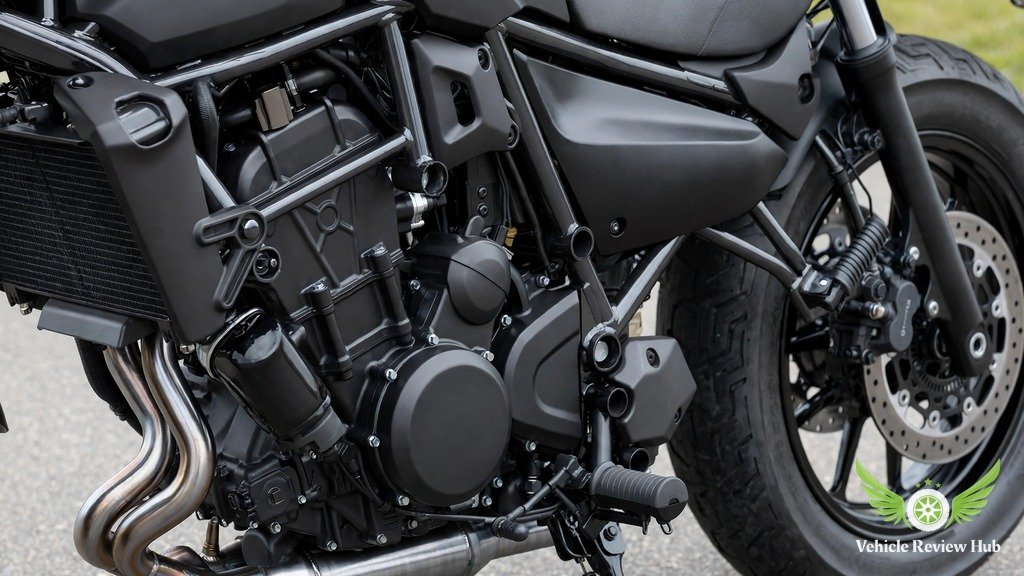
The SE’s engine is the ABS trim’s engine, and the dyno figure below proves it: the test bike was an SE. This Kawasaki Eliminator SE performance guide works through the dyno run first, then untangles the three claimed power figures, so a buyer never mistakes one for another.
The Dyno Bike Was an SE: 47.22 HP
Cycle World’s dyno test of March 21, 2024 ran on a 2024 Eliminator SE ABS, and that detail is the whole point of this section. The rear wheel measured 47.22 hp at 10,430 rpm and 29.03 lb-ft at 7,510 rpm, about 3.8 hp lost to the drivetrain. No dyno of the base or ABS trim exists separately, so the SE’s dyno run is the platform’s dyno run. The Cycle World dyno test is the only published wheel-horsepower record for this bike, and this Kawasaki Eliminator SE performance guide treats it as the anchor for every power claim that follows. Cycle World’s scales read 395 lb for the SE test bike, and the 47.22 hp peak arrives high in the rev range, at 10,430 rpm.
Three Power Figures, Never Blended
Three power figures circulate for this bike, and this Kawasaki Eliminator SE performance guide prints all three once and never blends them, because blending them is how a 45 hp European bike becomes a 52 hp American one in a forum post. Kawasaki’s US spec sheet claims 51 hp at 10,000 rpm and 31.7 lb-ft at 7,500 rpm under ISO 4106. The certificate of origin that RevZilla quoted lists 52 hp at 10,000 rpm and 32 lb-ft at 8,000 rpm — a different measurement of the same engine, not a different engine. The European version makes 45 hp at 9,000 rpm, which is 33.4 kW or 45.4 PS, with 42.6 Nm of torque. RevZilla’s own Daily Rider video spec text says “Claimed power: 52 hp @ 10,000 rpm” — the certificate figure, not the spec-sheet one. A buyer should use the 51 hp US figure and the 47.22 hp wheel figure, and treat the other two as the same engine measured under different rules.
| Figure | Kawasaki Eliminator SE |
|---|---|
| Engine | 451cc liquid-cooled parallel twin, DOHC, 8 valves |
| Claimed power (US spec sheet, ISO 4106) | 51 hp @ 10,000 rpm |
| Wheel dyno (Cycle World, 2024 SE ABS) | 47.22 hp @ 10,430 rpm / 29.03 lb-ft @ 7,510 rpm |
Notes: the figures in this Kawasaki Eliminator SE performance table are the verified US figures for the SE ABS trim, with the certificate-of-origin and EU figures shown separately. The dyno figure is Cycle World’s 2024 SE ABS test, the only published wheel dyno.
Kawasaki Eliminator SE Top Speed and Acceleration
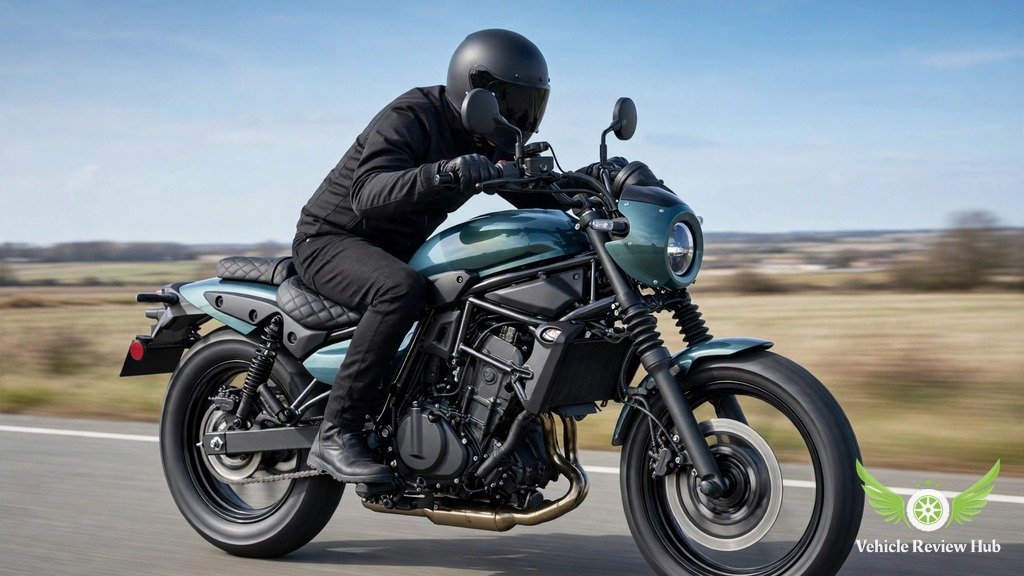
This is the section where a Kawasaki Eliminator SE performance guide earns its keep, because the honest answer is that no instrumented top speed exists. The video below is the closest thing to evidence — one owner’s night-time run, not a test. MotoSnax filmed a 2024 Eliminator reaching 165 km/h on a public highway under the cover of darkness, and the video’s own description admits “I was unable to check it with GPS at the time”, despite the “TOP SPEED WITH GPS” title. Watch it for what it is — a real bike on a real road at night — not an instrumented top-speed test.
No Instrumented Figures for Any Trim
No instrumented top speed, no quarter mile, no 0–60 time and no braking distance exists for any Eliminator trim — not the SE, not the ABS, not the base. No magazine has published one, and Kawasaki has published none. This Kawasaki Eliminator SE performance guide says so plainly, because the alternative is printing an owner’s claim as a tested figure, and that is how a 115 mph guess becomes a “tested top speed” in a buyer’s guide. The magazines that test this 51 hp entry cruiser spend their pages on the dyno run, the riding position and the price, not on a drag strip. A buyer who wants a tested quarter mile will not find one in any trim, and a seller who quotes one is quoting an owner, an aggregator, or a guess.
102.5 MPH Is Editorial, Not Tested
The 102.5 mph figure comes from SlashGear, in an article of August 30, 2024, which wrote that in April of 2024 MotoSnax “released video evidence of a Kawasaki Eliminator reaching 165 km/h (102.5 mph) on a public highway under the cover of darkness.” That is an editorial write-up of an owner’s night-time video run — the same video embedded above — and it is not an instrumented test. The video’s title claims GPS, but its own description admits the rider was unable to check the speed with GPS at the time, so the figure rests on the bike’s own speedometer in a night-time clip. This Kawasaki Eliminator SE performance guide prints the figure because buyers will find it, and labels it editorial. One single owner, riding for a year, reports a top speed of 115–118 mph and a 0–60 time of 4.5–5.5 seconds, labelled here as one owner’s claims, never as tests.
Kawasaki Eliminator SE Mileage and Fuel Economy

Fuel economy is the one area where the SE’s sameness is a strength — but the family figure is a family figure, not an SE figure, and this Kawasaki Eliminator SE performance guide keeps that label on it. The SE carries the same 3.4-gallon tank, the same engine, and 2.2 lb more weight, so its economy will be the family’s economy, and the only measured number comes from the ABS press-launch bike.
45 MPG Is Family Data, Not SE Data
RevZilla’s 45 mpg dash reading was recorded on the press-launch ABS bike over 75 highway miles. It is family data, not SE data, because no magazine has tested the SE’s economy separately, and this Kawasaki Eliminator SE performance guide labels it that way. The range arithmetic is simple and labelled as arithmetic: 45 mpg times the 3.4-gallon tank works out to about 150 miles. RevZilla’s own range estimate is “not to be trusted”, their verbatim words. One single owner, riding for a year with about 40 percent town riding, reports 52.5 US mpg on average and 150–170 miles of range. The same piece also lists 26.3 km/L in its spec table — about 62 US mpg — a spec-table figure, not the owner’s measured average. The tank is 3.4 gallons; the 3.7-gallon figure in some tables copies the Ninja 500’s capacity.
Rider Tested the ABS Trim Instead
Rider magazine’s first ride lists “Price as Tested: $6,949 (w/ ABS)”, which means Rider tested the ABS trim, not the SE — and that matters for this Kawasaki Eliminator SE performance guide, because Rider’s riding impressions are family data too. The RevZilla first ride is the source of the 45 mpg dash reading and the certificate-of-origin 52 hp figure, and both belong to the press-launch ABS bike. Nothing in either ride changes for the SE: the same 451cc twin, the same 51 hp, the same chassis, the same 28.9-inch seat, and the same light clutch. A buyer reading Rider’s praise of the engine’s midrange or the clutch’s lightness is reading about the SE as well, because the bikes are mechanically identical.
| Figure | Kawasaki Eliminator SE |
|---|---|
| Fuel economy (RevZilla, ABS press-launch bike) | 45 mpg dash reading, 75 highway miles |
| Owner average (single owner, one year) | 52.5 US mpg; range 150–170 miles |
Notes: the figures in this Kawasaki Eliminator SE performance table are family data from the ABS press-launch bike and one single owner, labelled as such — no SE-specific fuel-economy test exists.
Kawasaki Eliminator SE Real-World Riding Experience

Riding the SE is riding the Eliminator, and every impression here applies to the whole family. The 28.9-inch seat puts most riders flat-footed at a stop, the 390.3 lb curb weight is light for a cruiser, and the assist and slipper clutch makes the revs easy to use. This Kawasaki Eliminator SE performance guide leans on the press-launch rides — the only published rides — and says which trim each one tested.
No US Verdict on the Premium Exists
No credible US outlet has ruled on whether the SE’s $300 premium is worth it. Rider’s “worthwhile” verdict was about the $300 ABS add, not the SE premium: the ABS add buys an anti-lock braking system, while the SE premium buys a cowl, fork boots, a seat cover, a USB outlet and an exclusive colour. One online piece does give the 2026 SE a “strong recommendation”, but it prints the wrong $6,599 MSRP, the wrong 3.7-gallon tank, the wrong 55–60 mpg, European 45 hp figures as if they were American, and claims the bike has no Bluetooth when RIDEOLOGY Bluetooth is standard — so this Kawasaki Eliminator SE performance guide does not cite it for anything. The honest position is that the premium has no published verdict, and the value judgement in this Kawasaki Eliminator SE performance guide rests on the accessory maths in the next section.
Value Judgement Rests on Accessory Maths
The $300 premium buys five factory-fitted items and an exclusive colour, and the maths is simple: $300 for a colour-matched headlight cowl, black rubber fork boots, a two-pattern seat cover, a waterproof USB-C outlet and a colour no other Eliminator wears. No verified accessory prices were found for those items as a kit, so this Kawasaki Eliminator SE performance guide cannot price them one by one — and it says so plainly rather than inventing dollars. The USB kit’s part numbers are confirmed in Kawasaki’s parts diagrams — USB outlet type-C 99994-1906, connector cord 59221-0022, accessory relay 99994-1727, cover 14093-1458 — but no verified price for the kit was found, so no dollar figure is printed for it here. The cowl and the fork boots are the two items a buyer sees from across a parking lot, the seat cover is the easiest item to check on a used bike, the USB outlet is the only item with a practical job, and the exclusive colour cannot be added later. A buyer who wants the finished look pays $300 and gets it from the factory, fitted and covered as factory equipment. A buyer who does not care about the look saves $300 on the ABS trim and rides the same motorcycle.
Kawasaki Eliminator SE Handling, Braking and Stability
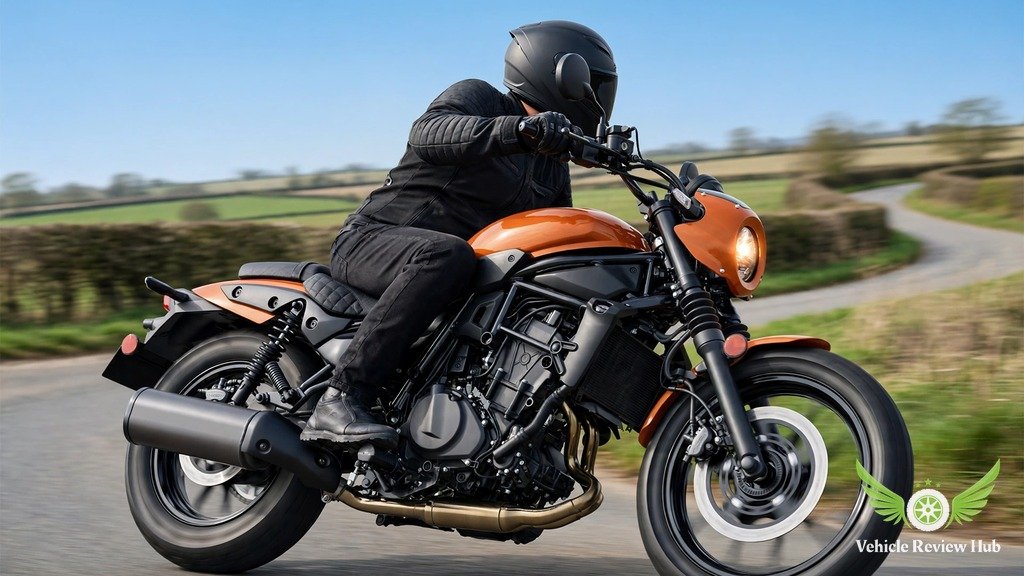
The SE handles like the Eliminator, because it is the Eliminator: a steel trellis frame, a 41 mm fork with 4.7 inches of travel, twin rear shocks with 3.5 inches of travel, a 59.8-inch wheelbase, and a low 28.9-inch seat. This Kawasaki Eliminator SE performance guide keeps the handling criticism mild and sourced, and the one genuine conflict is the rear shock preload, presented from both sides below.
Handling, Braking and Stability on the Road
The twin rear shocks take mild criticism only — budget units on a budget cruiser. The front is a single 310 mm petal disc with a twin-piston calliper, and the US rear is a single 220 mm disc with a single-piston calliper, both with a Nissin ABS unit. No instrumented braking distance exists for any trim, so this Kawasaki Eliminator SE performance guide prints no stopping figure. The one-finger clutch is the handling story the testers agree on — MCN, MoreBikes, Motorcycle.com and Rider all praise it. Motorcycle.com’s press-launch first ride covers the family’s handling character in full, and its impressions match the SE exactly, because the bikes are mechanically identical. The 18-inch front and 16-inch rear wheels give the bike a long, low stance, and the mid-mount footpegs put the rider’s feet under the seat rather than forward.
Rear Shock Preload: Sources Conflict
The rear shock preload is a genuine source conflict, and this Kawasaki Eliminator SE performance guide presents both sides without picking a winner. Kawasaki’s own spec sheet says the twin rear shocks are 5-way preload adjustable, and 1000PS says the rear preload is adjustable in 5 stages, motorcyclespecs lists “Dual shocks 5-way spring preload”, and Autocar India lists “5-Step Adjustable Preload” — four sources, all saying five steps. ZigWheels’ comparison table says the opposite: “Rear Suspension Preload Adjustment Not Available” for the Eliminator. One of the two sides is wrong, and the sources available cannot settle it. A buyer who plans to adjust the preload should check the shocks on the actual bike before buying.
Kawasaki Eliminator SE Performance Compared With Other Cruisers
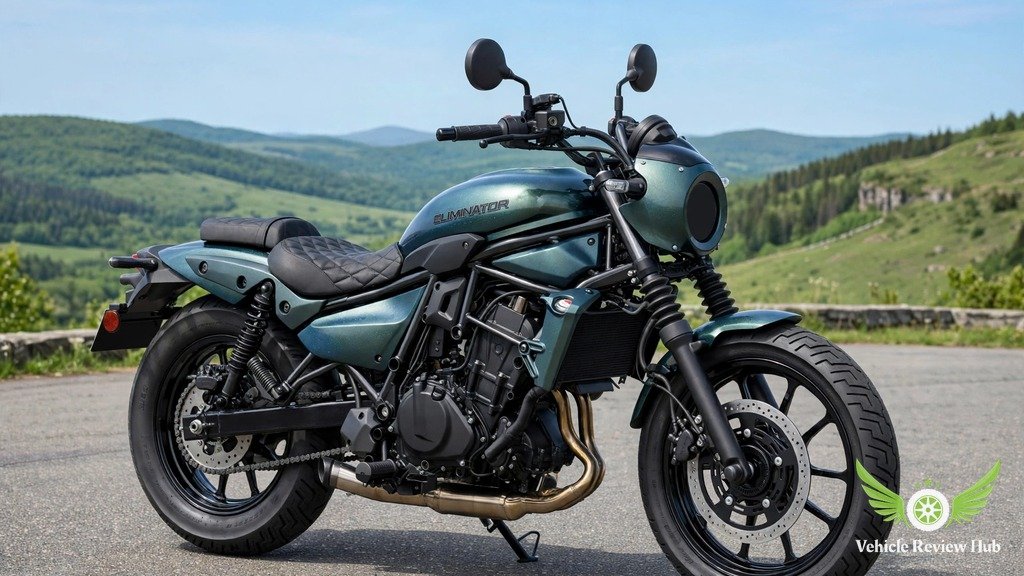
The SE’s first rival is its own ABS trim, and that comparison is the whole performance story in one line: $300 and 2.2 lb for five factory-fitted items, with nothing else changed. This Kawasaki Eliminator SE performance guide compares the SE with the ABS trim first, because that is the decision most buyers actually face, then answers the beginner question from the verified facts. Our Kawasaki Eliminator SE review covers the trim’s prices, colours and model codes in full, and our Kawasaki Eliminator performance guide covers the platform’s figures from the base bike’s side.
Kawasaki Eliminator SE vs Kawasaki Eliminator ABS
The SE and the ABS trim are the same motorcycle with different equipment, and the table below is the proof. The same 451cc twin makes the same 51 hp and 31.7 lb-ft in both, the same 6-speed, the same 310 mm front and 220 mm rear brakes with the same Nissin ABS, the same fork and shocks, the same 28.9-inch seat, the same 3.4-gallon tank and the same 59.8-inch wheelbase. The only differences are the five SE items — cowl, fork boots, two-pattern seat cover, USB-C outlet, exclusive colour — and 2.2 lb of curb weight: 390.3 lb for the SE against 388.1 lb for the ABS trim. The dyno figure belongs to the SE, because Cycle World’s test bike was a 2024 SE ABS, so the ABS trim has no dyno of its own — but it would measure the same. This Kawasaki Eliminator SE performance guide calls the $300 premium the price of the look, and the 2.2 lb the proof of the trim’s nature.
| Figure | Eliminator SE ABS | Eliminator ABS |
|---|---|---|
| Claimed power | 51 hp @ 10,000 rpm | 51 hp @ 10,000 rpm |
| MSRP (2027) | $7,099 | $6,799 |
| Delivered (2027) | $7,749 | $7,449 |
Notes: the figures in this Kawasaki Eliminator SE performance table are the verified 2027 US figures for both trims. The SE is 2.2 lb heavier and $300 dearer, and nothing else differs.
Is the Kawasaki Eliminator SE Suitable for Beginner Riders?
Yes, and the answer comes from the verified facts, not from invented riding experience. The SE has a 28.9-inch seat that puts most riders flat-footed at a stop, a 390.3 lb curb weight that is light for a cruiser, ABS as standard in every model year, a light assist and slipper clutch, a Positive Neutral Finder, and 51 hp with no riding modes to manage. The power arrives high in the rev range, at 10,430 rpm on the dyno, so the bike is gentle at low revs and only quick when the rider asks it to be — a forgiving shape for a first bike. The 3.4-gallon tank gives about 150 miles of range. A beginner should buy the ABS trim if the $300 matters, and the SE if the finished look matters more — the same advice this Kawasaki Eliminator SE performance guide gives in the verdict, because the bikes ride identically either way.
Kawasaki Eliminator SE Performance FAQ
The questions below are the ones buyers actually ask after reading a Kawasaki Eliminator SE performance guide, answered on the verified figures in this guide.
How much horsepower does the Eliminator SE make?
The US spec sheet claims 51 hp at 10,000 rpm and 31.7 lb-ft at 7,500 rpm, and the rear wheel measured 47.22 hp at 10,430 rpm and 29.03 lb-ft at 7,510 rpm on Cycle World’s dyno — and the dyno bike was a 2024 SE ABS, so that wheel figure is the SE’s own. The certificate of origin lists 52 hp and the European version makes 45 hp.
What is the Eliminator SE top speed?
No instrumented top speed exists for any Eliminator trim, and this Kawasaki Eliminator SE performance guide says so plainly. The 102.5 mph figure comes from a SlashGear editorial write-up of one owner’s night-time video run, not a test, and one single owner reports 115–118 mph. Neither figure is a tested top speed.
Does the SE have a quarter-mile time?
No. No instrumented quarter mile, 0–60 time or braking distance exists for any Eliminator trim, and this Kawasaki Eliminator SE performance guide labels the one owner’s 0–60 claim of 4.5–5.5 seconds as one owner’s claim, never as a test result.
Is the SE faster than the ABS Eliminator?
No. The SE has the same 451cc parallel twin making the same 51 hp, and it is 2.2 lb heavier. The Cycle World dyno figure of 47.22 hp was measured on an SE, so it is the SE’s own figure — and the ABS trim would measure the same. The premium buys a look, not speed, says this Kawasaki Eliminator SE performance guide.
What is the Eliminator SE fuel economy?
No SE-specific fuel-economy test exists. The family figure is RevZilla’s 45 mpg dash reading over 75 highway miles on the press-launch ABS bike, which works out to about 150 miles on the 3.4-gallon tank. One single owner reports 52.5 US mpg on average. This Kawasaki Eliminator SE performance guide labels both as family or owner data, not SE data.
How far can the Eliminator SE go on a tank?
About 150 miles by the arithmetic: 45 mpg times the 3.4-gallon tank is 153 miles. One single owner reports 150–170 miles, and this Kawasaki Eliminator SE performance guide notes RevZilla’s own range estimate is “not to be trusted”, their verbatim words.
Does the SE have ABS?
Yes. The SE is ABS-only in every model year, with a Nissin ABS unit, a single 310 mm front disc and a single 220 mm rear disc. From 2027 ABS is standard on every Eliminator, because the base trim ends, and this Kawasaki Eliminator SE performance guide notes the SE was ABS-only from the start.
Is the rear shock preload adjustable?
The sources conflict, and this Kawasaki Eliminator SE performance guide presents both sides. Kawasaki’s spec sheet, 1000PS, motorcyclespecs and Autocar India all say the twin rear shocks are 5-way preload adjustable, while ZigWheels’ comparison table says preload adjustment is not available. A buyer who plans to adjust it should check the shocks on the bike.
Is the Eliminator SE good for a beginner?
Yes. It has a 28.9-inch seat, a 390.3 lb curb weight, ABS as standard, a light assist and slipper clutch, and 51 hp with no riding modes to manage. The power arrives high in the rev range, so the bike is gentle at low revs and only quick when the rider asks it to be — and this Kawasaki Eliminator SE performance guide calls that a forgiving shape for a first bike.
What is the difference between the SE and the ABS trim?
The five SE items — headlight cowl, fork boots, two-pattern seat cover, USB-C outlet and exclusive colour — and 2.2 lb of curb weight, says this Kawasaki Eliminator SE performance guide. Nothing mechanical differs. The SE costs $300 more in every model year.
Is the $300 SE premium worth it?
No credible US outlet has ruled on it, so this Kawasaki Eliminator SE performance guide judges the premium on the accessory maths: $300 for five factory-fitted items and an exclusive colour, fitted at the factory and covered as factory equipment. Buy the SE if you want the finished look; save $300 on the ABS trim if you do not — the bikes ride identically.
What engine does the Eliminator SE have?
A 451cc liquid-cooled parallel twin, the Ninja 400’s 399cc engine with the stroke lengthened 6.8 mm, from 51.8 to 58.6 mm. It makes 51 hp at 10,000 rpm and 31.7 lb-ft at 7,500 rpm, with a 6-speed, an assist and slipper clutch, a Positive Neutral Finder, and a sealed chain drive — the same engine in every Eliminator trim, and this Kawasaki Eliminator SE performance guide notes it is the Ninja 500’s engine family too.