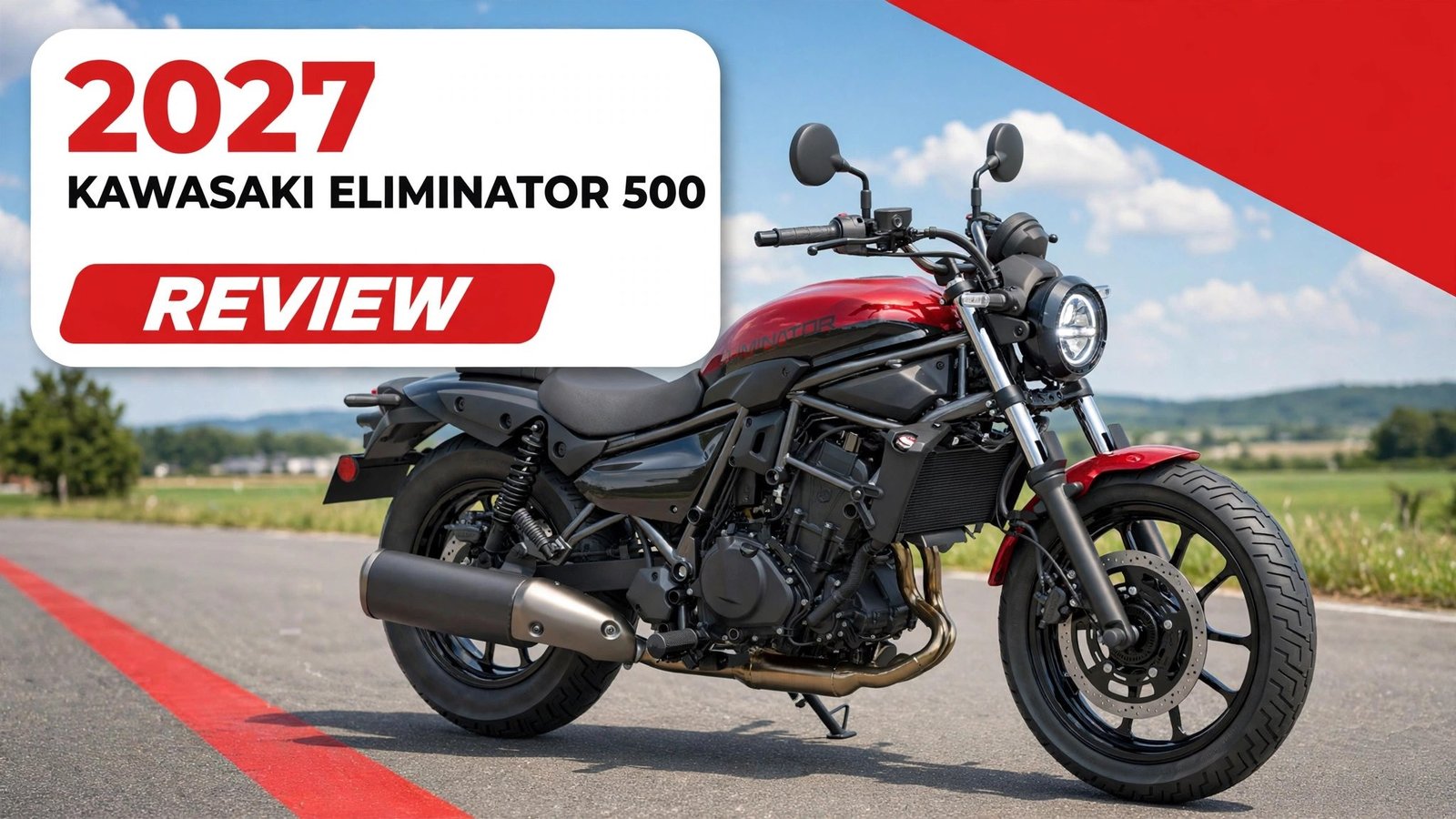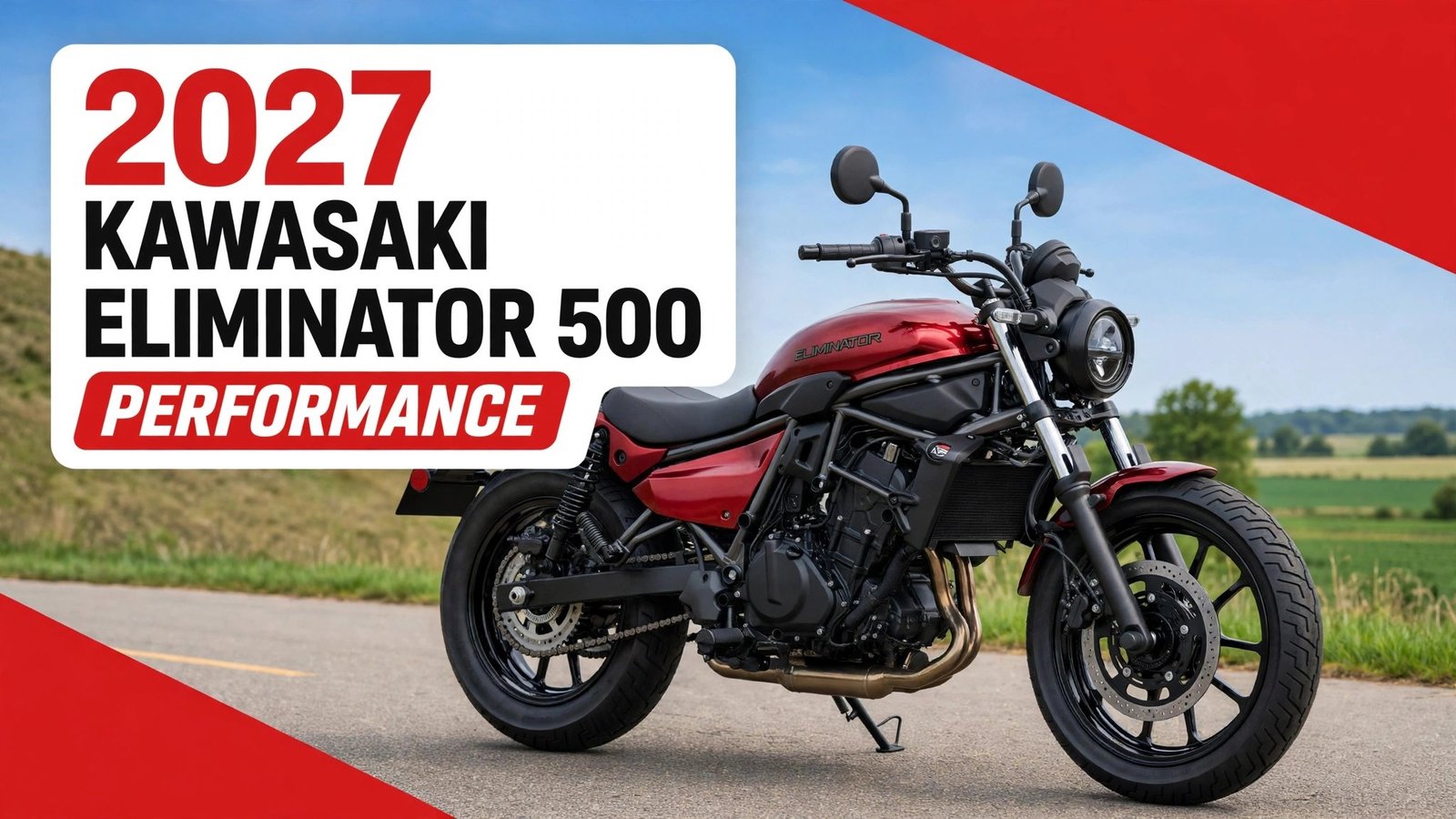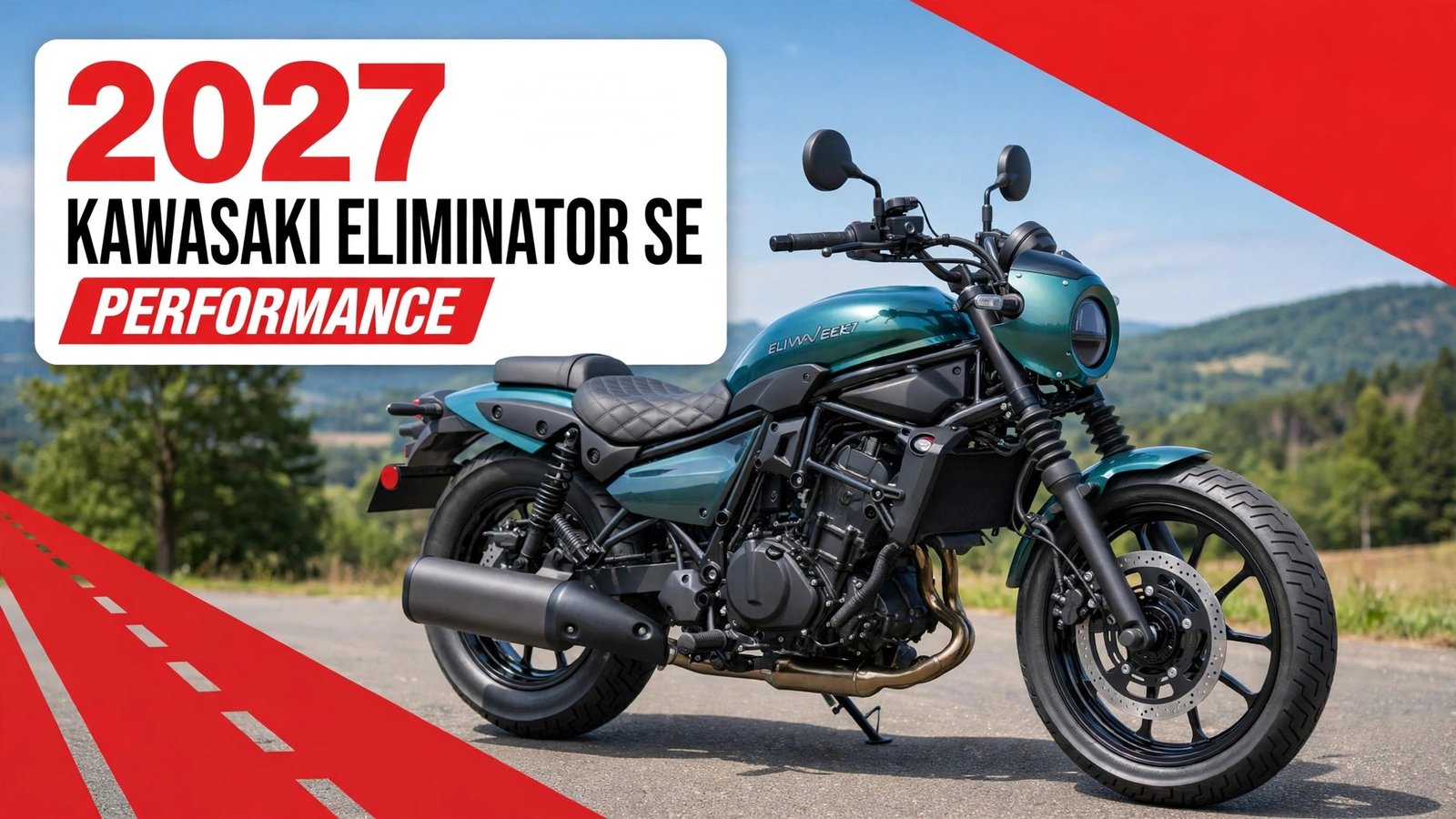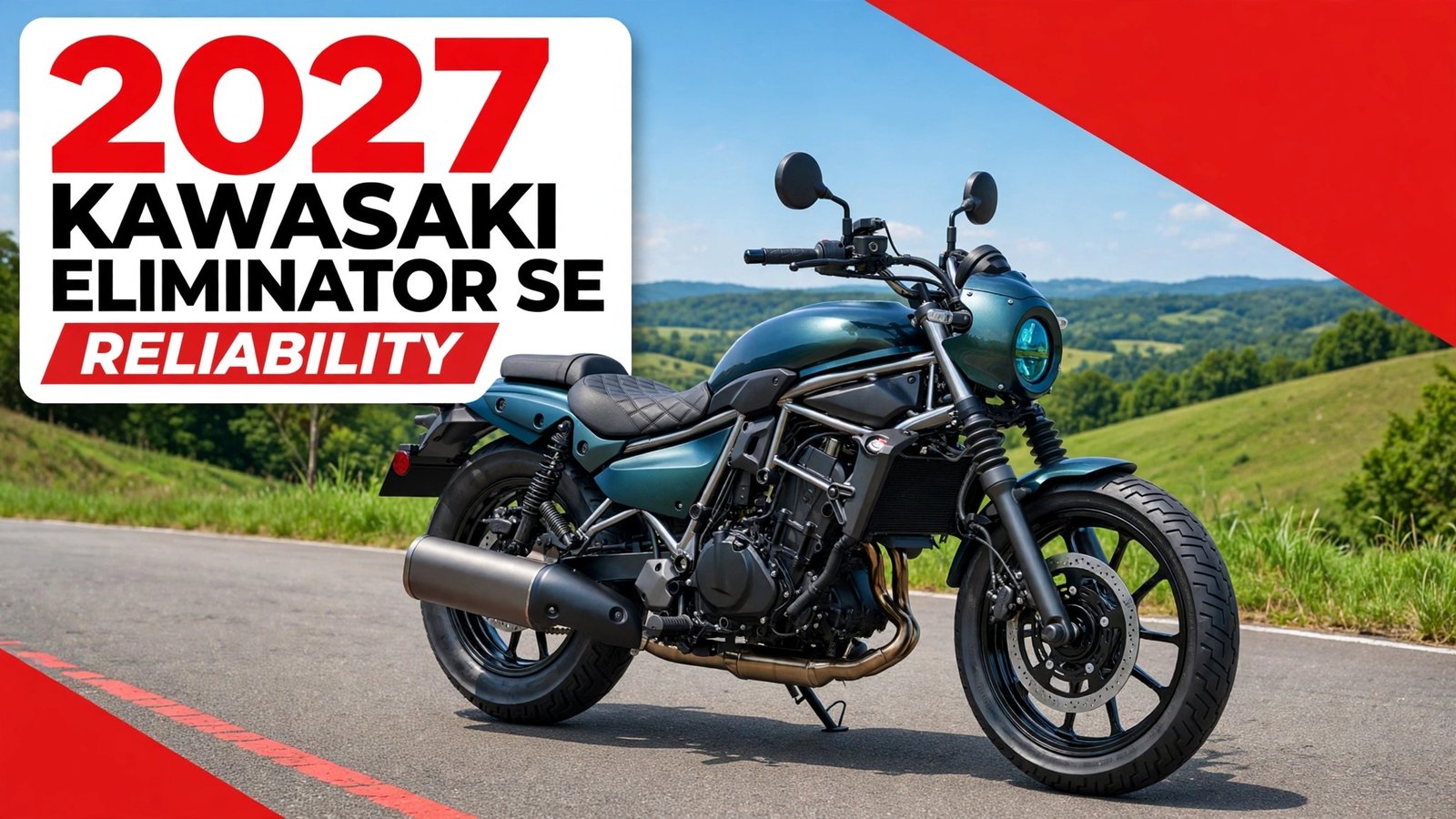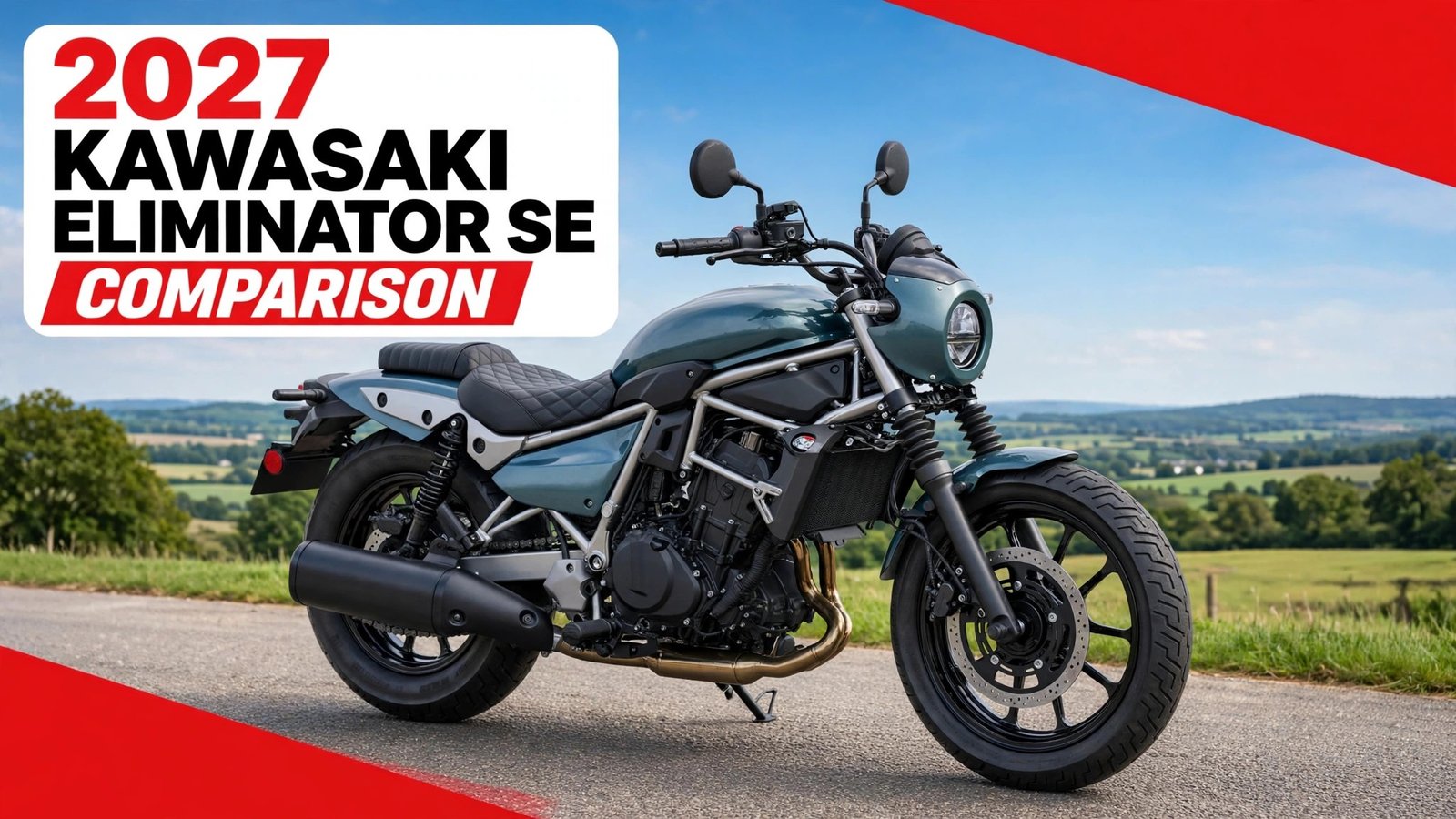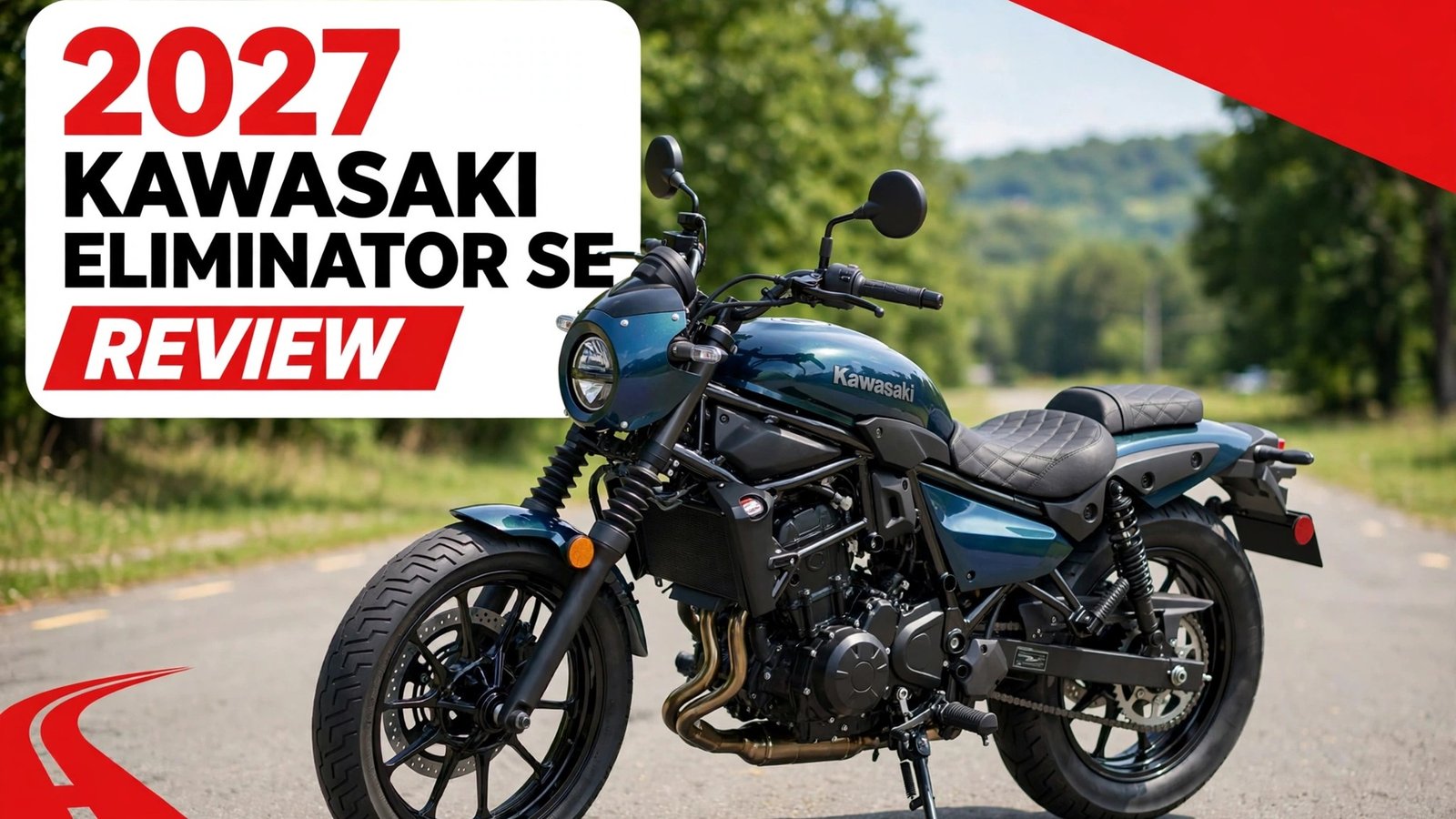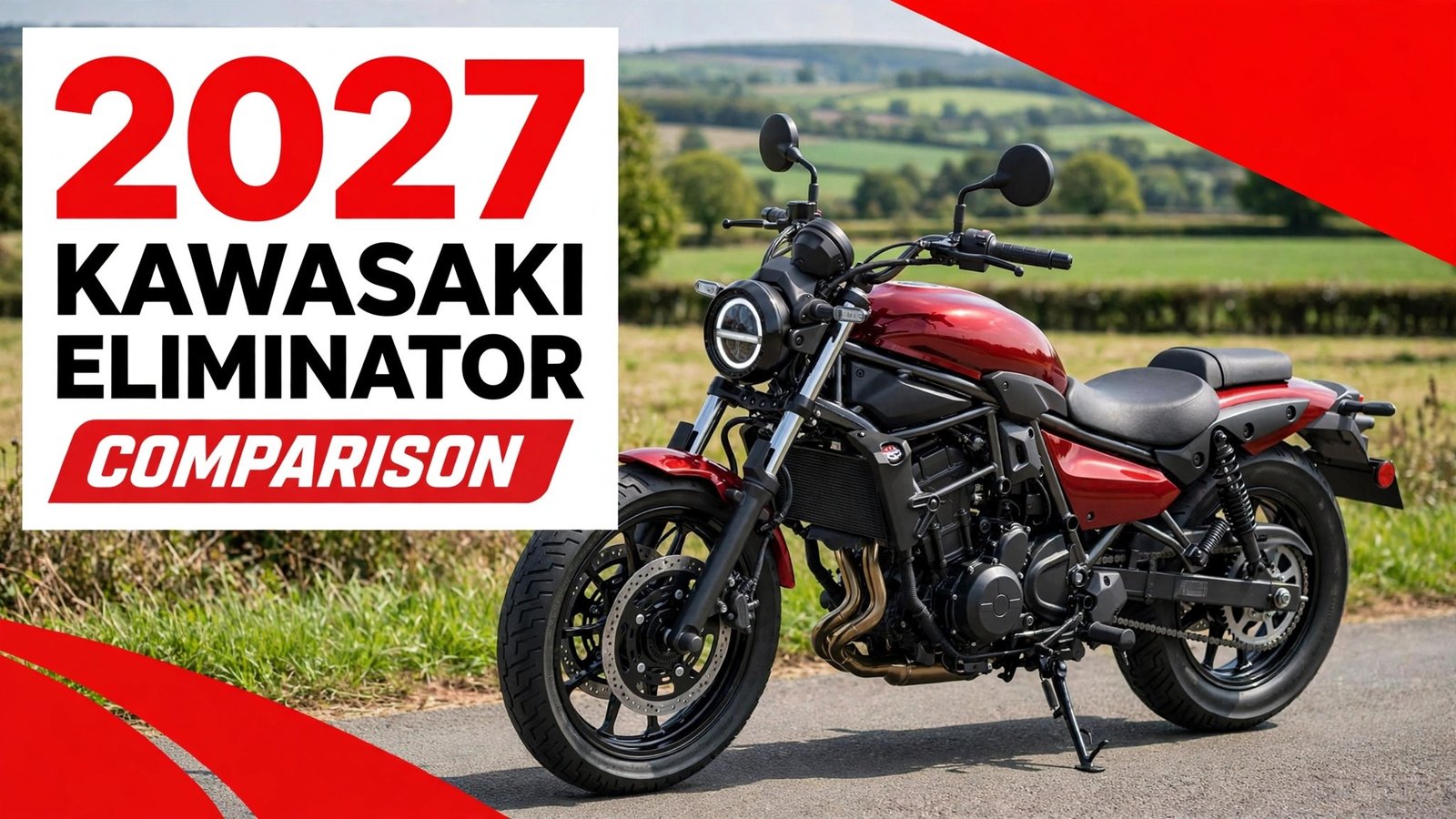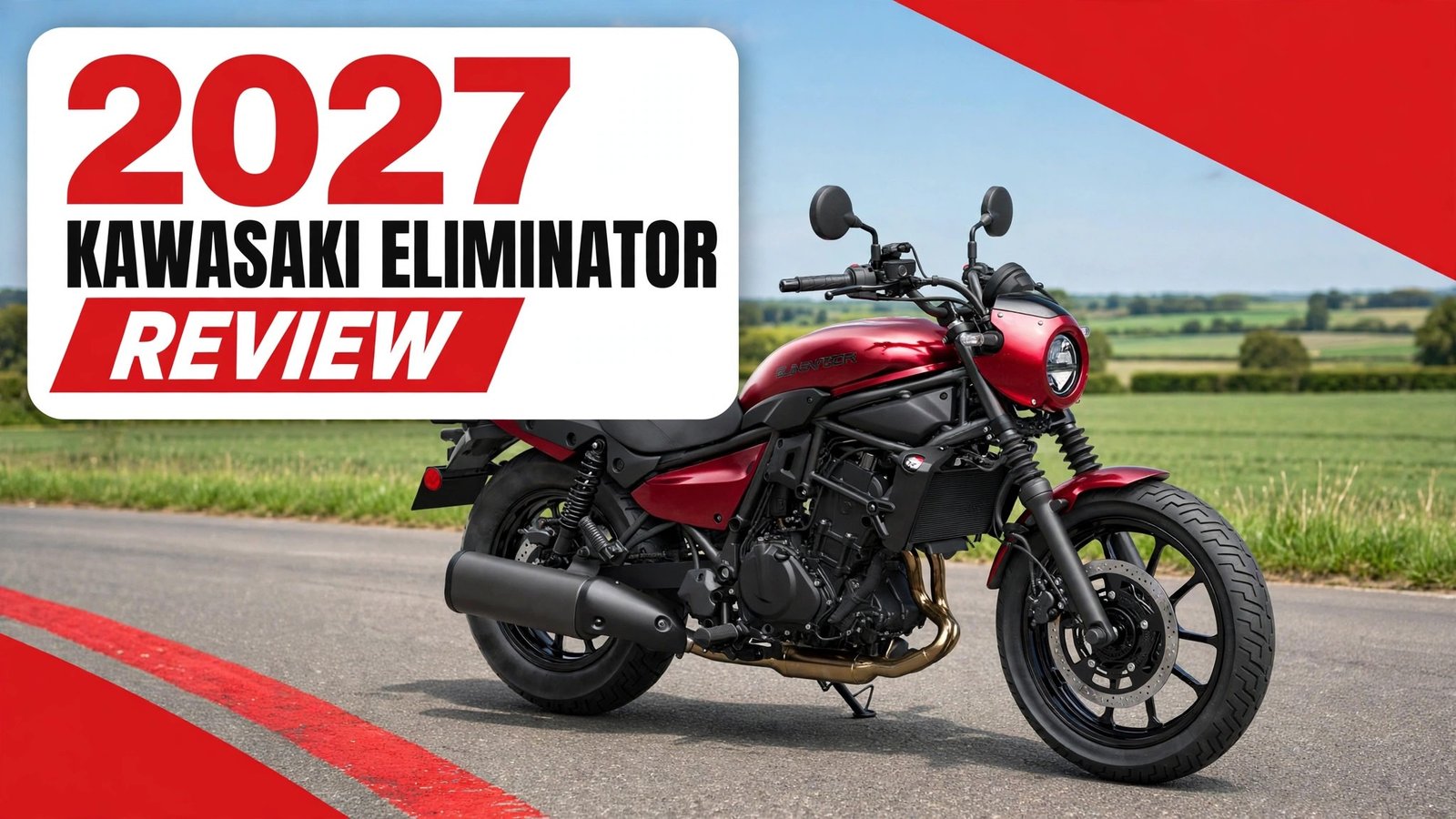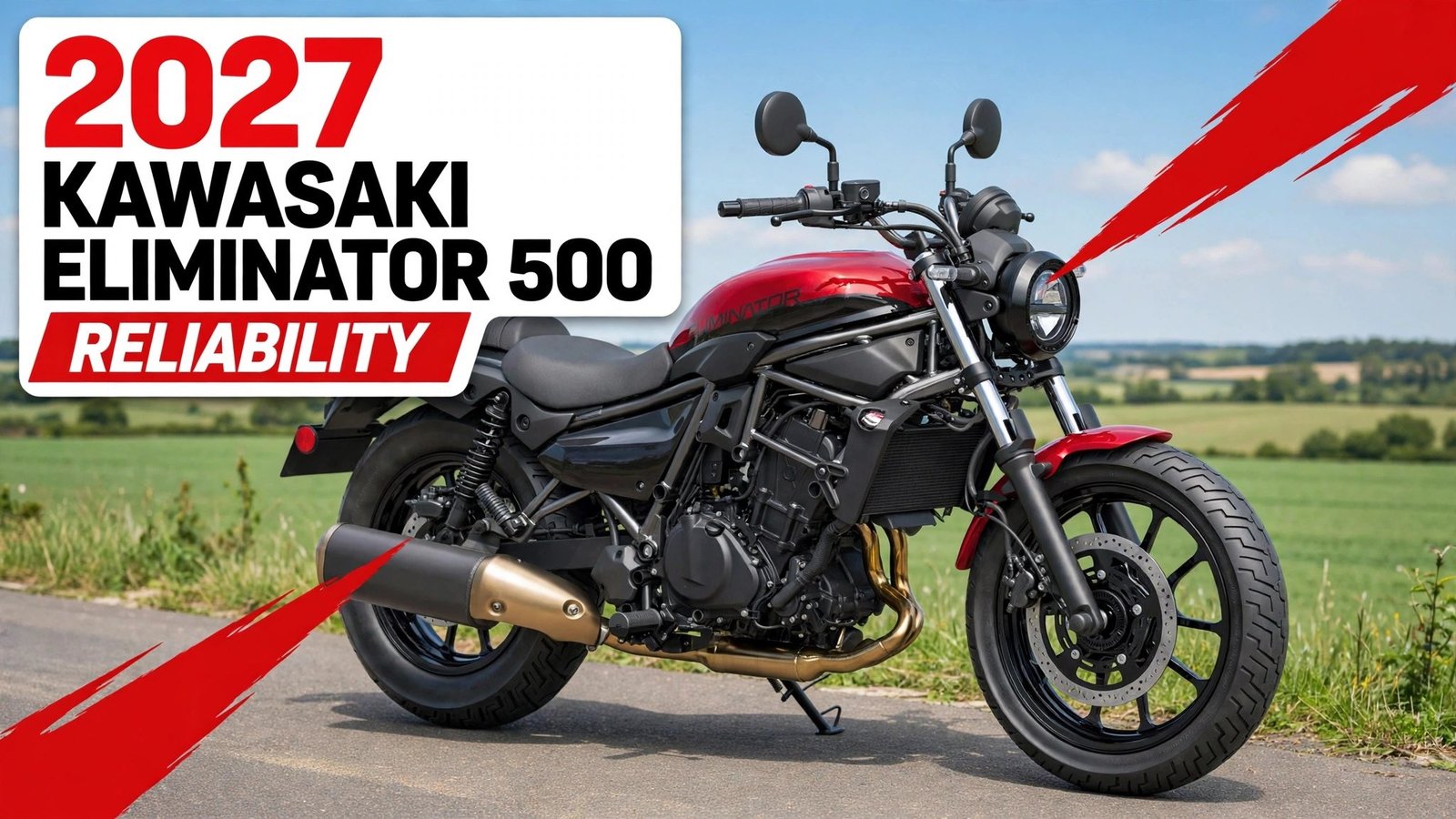
The 2027 Kawasaki Eliminator 500 has no recalls under either of its names, and this Kawasaki Eliminator 500 reliability guide starts with that fact because it is the strongest thing the record says. The NHTSA search returns zero recalls for the Eliminator family from 2024 through 2027 and zero under the “Eliminator 500” name for 2027, and the zero is meaningful because the same search returns one recall for the 2024 Ninja 500. This Kawasaki Eliminator 500 reliability guide prints the recall search, the one platform watch item, and the full maintenance chart, so a buyer can judge the bike on what is actually documented.
Kawasaki Eliminator 500 Reliability Overview
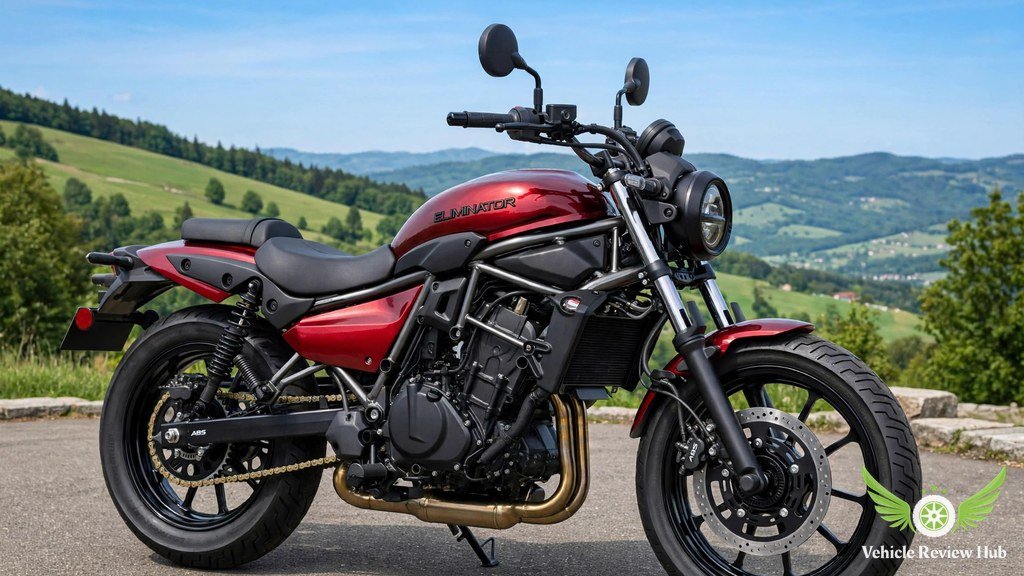
The reliability picture for this Kawasaki Eliminator 500 reliability guide’s subject is short and clean: a three-year-old platform with no recalls, no documented failure pattern, and a simple maintenance chart shared with the Ninja 500. The 451cc twin is a Ninja 400-derived unit that has been in production since 2018 in one form or another, and the Eliminator wraps it in a simple steel-trellis cruiser with no rider modes, no electronic suspension and nothing exotic to fail.
Zero Recalls Under Either Name
The NHTSA recalls API returns a Count of zero for the Eliminator for every model year from 2024 through 2027, and it returns zero again for the “Eliminator 500” name for 2027. That zero is meaningful rather than an artefact of the search, because the same API call for the 2024 Ninja 500 returns a Count of one — campaign 25V146000, the clutch recall covered below. The control proves the search works, so the Eliminator’s zero is a real result, and this Kawasaki Eliminator 500 reliability guide frames it as a search result with the control named, not as absolute proof that nothing will ever go wrong. The Eliminator reliability guide covers the same record for the pre-rename bike.
How Mileage, Storage and Previous Care Affect Reliability
With only three model years on the road, the biggest reliability variable is not the bike but how its first owner treated it. A 2024 bike with high mileage and a full service history is a safer buy than a low-mileage bike that sat unridden in a damp garage, because a chain that was never lubed and brake fluid that was never changed age worse than miles do. This Kawasaki Eliminator 500 reliability guide treats a missing service record as a price negotiation, not a deal-breaker, but the buyer should price the catch-up service into the deal.
| Item | Result | Year and Source |
|---|---|---|
| NHTSA recalls, Eliminator | 0 | 2024–2027, NHTSA API |
| NHTSA recalls, “Eliminator 500” | 0 | 2027, NHTSA API |
| NHTSA recalls, Eliminator SE | 0 | 2024, NHTSA API |
| NHTSA recalls, Ninja 500 (control) | 1 — campaign 25V146000 | 2024, NHTSA API |
| NHTSA complaints, Eliminator family | 0 | 2024–2027, nhtsa.gov checks |
| Clutch recall 25V-146 | Not an Eliminator recall | Ninja 500 + Z500 only, 2024 |
| Documented failure pattern | None found | 2024–2026 owner record |
Notes: the figures in this Kawasaki Eliminator 500 reliability table are the NHTSA API results re-run on 2026-11-19, with the Ninja 500 control named so the zero can be judged as a search result. The zero is meaningful because the control returns one, not because the search was empty.
Kawasaki Eliminator 500 Common Problems and Wear Items
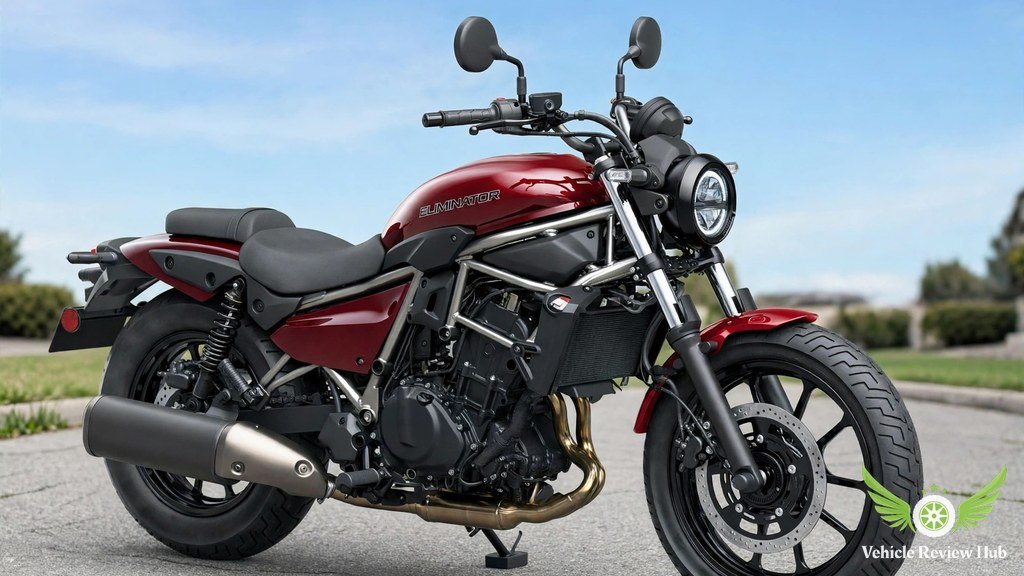
There is no documented common problem on the Eliminator 500, and this Kawasaki Eliminator 500 reliability guide says so plainly rather than inventing one to fill a section. What exists is one platform watch item that is sometimes misread as an Eliminator recall, plus the ordinary wear items every chain-drive cruiser has: chain, tyres, brake pads and fork seals. The watch item deserves a full explanation because it appears in searches.
Platform Clutch Item Does Not List It
Clutch recall 25V-146 is the one item that confuses buyers, and the confusion is understandable: it covers the same 451cc engine family. The recall, Kawasaki bulletin MC25-04, covers 3,742 units of the 2024 Ninja 500 and Z500 only — the clutch release shaft was not properly welded and the clutch lever can break apart. The production window is January 22 to February 6, 2024, the remedy is a free clutch release shaft replacement, and owner letters were mailed on March 24, 2025. The Part 573 vehicle list for the campaign contains no EL450 code, which means no Eliminator or Eliminator 500 is listed, and this Kawasaki Eliminator 500 reliability guide calls 25V-146 a platform watch item, not an Eliminator recall, every time it appears.
Owner Record Spans Three Years Only
The owner record for this platform spans three model years — 2024, 2025 and 2026 — and no longer record exists yet. In that window no failure pattern has been documented for the Eliminator in owner forums, magazine long-term tests or the NHTSA record: no stator failures, no fuel-pump failures, no gearbox complaints and no electrical gremlins with a name. That is a genuinely clean three years, but three years is not ten, and this Kawasaki Eliminator 500 reliability guide does not pretend otherwise. The 1980s ZL900 and ZL1000 Eliminators are different motorcycles with different engines, and their issues belong to them, not to this bike. Neither is a reliability issue.
| Item | Status | Detail |
|---|---|---|
| Clutch recall 25V-146 | Watch item only | Ninja 500 + Z500, 3,742 units, 2024 |
| EL450 code in Part 573 list | Not listed | No Eliminator in the campaign |
| Production window | Jan 22 – Feb 6, 2024 | Bulletin MC25-04 |
| Remedy | Free shaft replacement | Owner letters Mar 24, 2025 |
| Documented failure pattern | None found | 2024–2026 owner record |
| Chain | Wear item | Lube 400 mi, slack 600 mi |
| Tyres (IRC GS-23) | Wear item | 130/70-18 front, 150/80-16 rear |
| Brake pads | Wear item | 310 mm front, 220 mm US rear |
Notes: the figures in this Kawasaki Eliminator 500 reliability table are the verified campaign details for 25V-146 and the platform wear items. The clutch item is a watch item only — no EL450 code appears in the campaign’s vehicle list.
Kawasaki Eliminator 500 Maintenance Schedule and Servicing
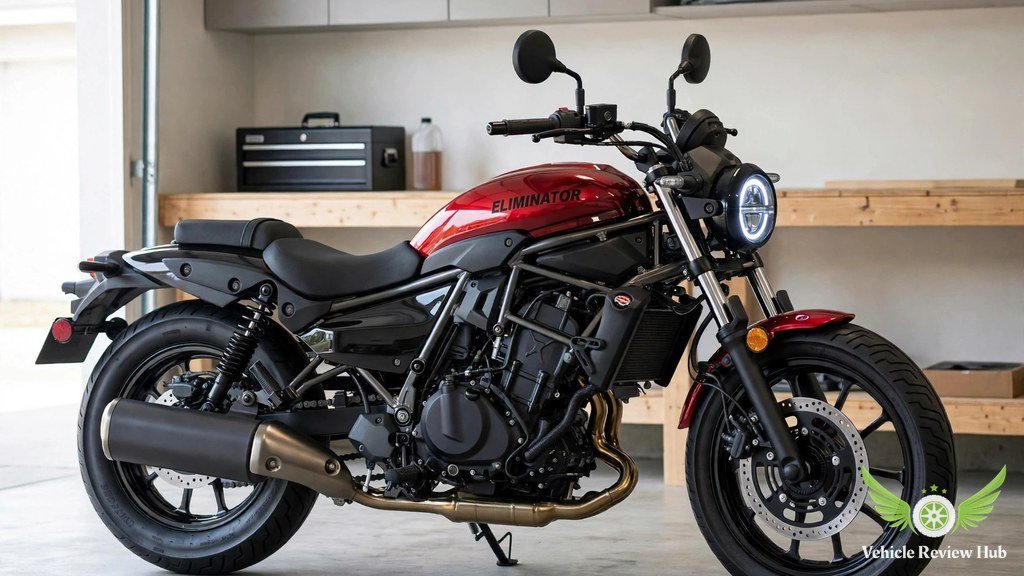
The maintenance chart for the Eliminator 500 is short, cheap and identical for every trim and every model year, which is part of why this Kawasaki Eliminator 500 reliability guide is a short read. The chart below is the owner’s manual chart, and the two numbers that matter most are the first service at 600 miles and the valve check at 15,200 miles.
First Service at 600 Miles
The first service falls at 600 miles and it matters more than any later one, because it is the service that catches anything the factory or the dealer missed. The oil and filter are changed, the chain slack is set, the fasteners are checked and the brakes are inspected. This Kawasaki Eliminator 500 reliability guide treats a missing first-service record as the single most useful warning sign on a used Eliminator, and a bike with the stamp and a clean VIN is the one to buy.
Valve Check Every 15,200 Miles
The valve clearance check falls every 15,200 miles on the chart, and the chart figure governs. Some manual prose rounds the interval to 15,000 miles, and the two figures describe the same service — the chart’s 15,200 is the number to follow, and this Kawasaki Eliminator 500 reliability guide notes the split once so it is never mistaken for a disagreement. At the same 7,600-mile rhythm the oil and filter are changed and the spark plugs are replaced, using NGK LMAR9G plugs. The Cycle World dyno test bike was a 2024 SE ABS, and its measured 47.22 hp shows the engine holds its performance when the chart is followed.
| Service Item | Interval | Detail |
|---|---|---|
| First service | 600 miles | Oil + filter, chain, fasteners, brakes |
| Oil + filter | Every 7,600 miles | 2.3 L SAE 10W-40 |
| Spark plugs | Every 7,600 miles | NGK LMAR9G |
| Valve clearance check | Every 15,200 miles | Chart figure; prose rounds to 15,000 |
| Chain lube check | Every 400 miles | Sealed chain, lube as needed |
| Chain slack check | Every 600 miles | Target slack 20–30 mm |
| Brake fluid | Every 2 years | Per owner’s manual |
| Coolant | Every 3 years | Liquid-cooled twin |
Notes: the figures in this Kawasaki Eliminator 500 reliability table are the owner’s manual maintenance chart, identical for every trim and every model year. The 15,200-mile valve figure is the chart figure; the 15,000-mile rounding in some prose describes the same service.
Kawasaki Eliminator 500 Tires, Brakes and Suspension Maintenance

The wear items on the Eliminator 500 are the ones every chain-drive cruiser has, and none of them is expensive or unusual. The chain is the only item that needs the owner’s regular attention, and the tyres and brakes follow the same replacement rhythm as any light middleweight. This Kawasaki Eliminator 500 reliability guide covers the three systems together because they are inspected together at every service.
Chain Lubed Every 400 Miles
The sealed chain needs its lube checked every 400 miles and its slack checked every 600 miles, with a target slack of 20 to 30 mm. That is the single most frequent maintenance item on the bike, and it is also the one most often skipped, because a sealed chain looks after itself until it does not. A dry chain wears the sprockets, a tight chain wears the output shaft bearing, and a loose chain slaps the swingarm — all three are avoidable with a five-minute check. This Kawasaki Eliminator 500 reliability guide puts the chain first in this section for that reason: the chain is the cheapest part on the bike to maintain and the most expensive to ignore.
Tire, Brake and Suspension Checks That Matter
The stock tyres are IRC GS-23s — 130/70-18 at the front and 150/80-16 at the rear — run at 29 psi front and 32 psi rear when cold, and the pressures matter more than the brand because the bike is light enough that a few psi changes the handling. The brakes are a single 310 mm front petal disc with a twin-piston calliper and a single 220 mm US rear disc with a single-piston calliper, both worked by a Nissin ABS unit, and the US rear disc is the figure to use — the 240 mm two-piston rear disc is the European specification. The twin rear shocks are 5-way preload adjustable according to most sources, while ZigWheels lists preload as “Not Available”, so this Kawasaki Eliminator 500 reliability guide prints both and settles neither.
| Item | Specification | Check Interval |
|---|---|---|
| Front tyre | 130/70-18, IRC GS-23, 29 psi cold | Before every ride |
| Rear tyre | 150/80-16, IRC GS-23, 32 psi cold | Before every ride |
| Front brake | 310 mm petal disc, twin-piston, Nissin ABS | Every oil change |
| Rear brake (US) | 220 mm disc, single-piston, Nissin ABS | Every oil change |
| Rear brake (EU) | 240 mm disc, two-piston | Not a US specification |
| Chain lube | Sealed chain | Check every 400 miles |
| Chain slack | Target 20–30 mm | Check every 600 miles |
| Fork seals | 41 mm fork | Check for weeping at service |
| Rear shocks | Twin shocks, 5-way preload (sources conflict) | Set once for rider weight |
Notes: the figures in this Kawasaki Eliminator 500 reliability table are the verified US specifications and check intervals. The 220 mm rear disc is the US figure; the 240 mm disc is European only, and the preload figure carries the source conflict.
Kawasaki Eliminator 500 Maintenance and Ownership Costs
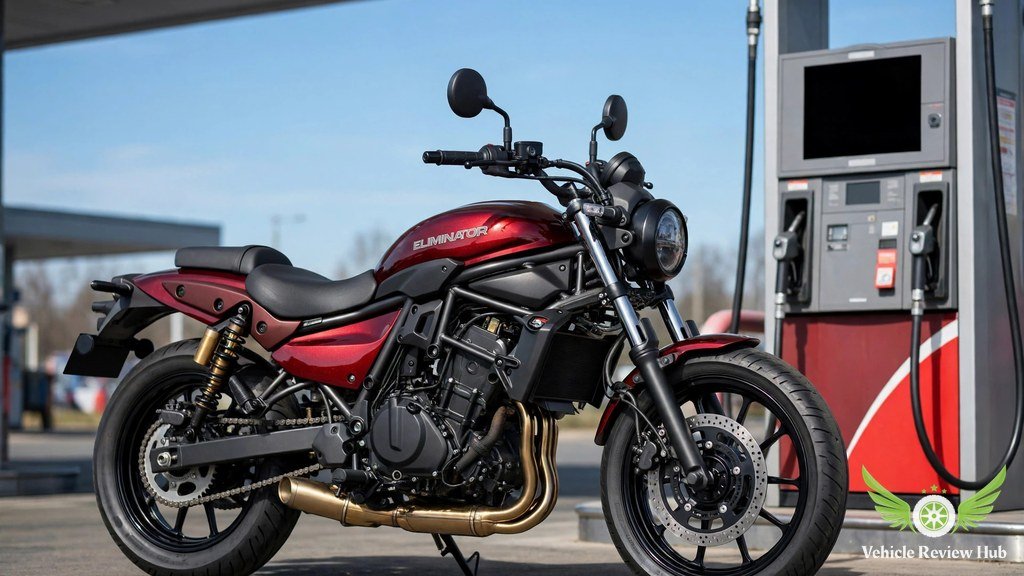
Ownership costs for the Eliminator 500 are low for the class, and this Kawasaki Eliminator 500 reliability guide states that plainly while refusing to print a dollar figure it cannot verify. No verified US dollar figure exists for any routine service item on this platform, so the costs table below prints intervals and part numbers only — the honest version of a costs table.
Fuel, Routine Servicing, Tires and Replacement Parts
Fuel economy is the only running cost with a named source and a named method. RevZilla’s 2024 first ride recorded 45 mpg on the dash over 75 highway miles on the ABS trim, and a single owner averaged 52.5 US mpg over a year of riding a 2024 bike. Neither number is a 2027 figure, because no 2027 bike has been tested, and both are labelled as 2024-bike figures. Replacement parts worth knowing are the NGK LMAR9G spark plugs and the USB kit part numbers — 99994-1906, 59221-0022, 99994-1727 and 14093-1458. No price is printed for the USB kit, because no verified price was found, and this Kawasaki Eliminator 500 reliability guide will not repeat the unverified figure that circulates online.
Oil and Plugs Every 7,600 Miles
The 7,600-mile service is the rhythm of this bike’s ownership: oil and filter plus spark plugs, every 7,600 miles, with 2.3 litres of SAE 10W-40. The plugs are NGK LMAR9G, and the oil-filter part number for the EL450 is not verified, so this guide does not print one — the Vulcan S filter is a different bike’s part and must not be carried across. The valve check at 15,200 miles is the only service that needs a dealer or a confident home mechanic, and everything else on the chart is an afternoon’s work with basic tools.
| Item | Interval | Part Number |
|---|---|---|
| Engine oil | Every 7,600 miles | 2.3 L SAE 10W-40 |
| Oil filter | Every 7,600 miles | Not verified for the EL450 |
| Spark plugs | Every 7,600 miles | NGK LMAR9G |
| Valve clearance check | Every 15,200 miles | Chart service, no part |
| Front tyre | As worn | 130/70-18, IRC GS-23 |
| Rear tyre | As worn | 150/80-16, IRC GS-23 |
| USB outlet (SE accessory) | Accessory fitment | 99994-1906 |
| USB cord | Accessory fitment | 59221-0022 |
| USB relay | Accessory fitment | 99994-1727 |
| USB cover | Accessory fitment | 14093-1458 |
Notes: the figures in this Kawasaki Eliminator 500 reliability table are intervals and part numbers only — no dollar figures, because none is verified for this platform in the US. The oil-filter part number is not verified for the EL450, and no price is printed for the USB kit.
How to Keep a Kawasaki Eliminator 500 Reliable
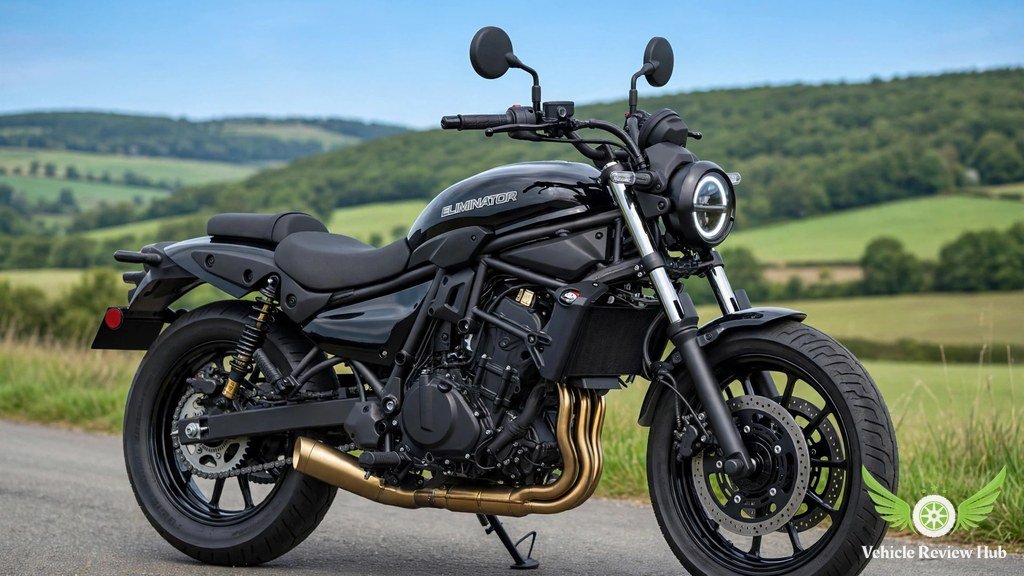
Keeping an Eliminator 500 reliable is mostly a matter of doing the small things on time. The bike asks for very little — a chain check every 400 miles, oil and plugs every 7,600 miles, a valve check every 15,200 miles. This Kawasaki Eliminator 500 reliability guide closes with the two habits that matter most: keeping records, and checking the VIN before money changes hands.
Preventive Maintenance, Records and Regular Inspections
Preventive maintenance on this bike is a short list done on schedule. Lube the chain every 400 miles and check the slack every 600 miles, because the chain is the one item that punishes neglect. Change the oil, filter and plugs every 7,600 miles, and keep the receipts — a stamped service book is worth more than any seller’s promise, and it is the first thing a second buyer will ask for. Inspect the tyres, brake pads and fork seals at every oil change, and check the tyre pressures before every ride, because the bike is light enough that a few psi changes how it handles. None of this is difficult, and this Kawasaki Eliminator 500 reliability guide lists it because the bikes that last are the ones whose owners did it.
VIN Check Settles the Model Year
The VIN settles the model year, and the 10th character is the one to read: R is 2024, S is 2025, T is 2026 and V is 2027. Every Eliminator VIN starts with ML5, the Thailand prefix, and a 2027 Eliminator 500 ABS reads ML5ELFA with V in the 10th position, while the SE reads ML5ELFB. The Cycle World first-ride review covers the 2024 bike this platform launched as, and the Eliminator 500 review covers the rename, the prices and the colours. The verdict of this Kawasaki Eliminator 500 reliability guide is simple: zero recalls under either name, one platform watch item that does not list the bike, and a short maintenance chart that a careful owner can follow for years. That is as clean a reliability record as a three-year-old motorcycle can have, and the only honest caveat is that three years is not ten.
Kawasaki Eliminator 500 Reliability FAQ
The questions below are the ones buyers actually ask after reading a Kawasaki Eliminator 500 reliability guide, answered on the verified figures in this guide.
Does the Eliminator 500 have any recalls?
No. The NHTSA search returns zero recalls for the Eliminator family from 2024 through 2027 and zero under the “Eliminator 500” name for 2027. This Kawasaki Eliminator 500 reliability guide frames that as a search result with the Ninja 500 control named.
Is the clutch recall a problem for the Eliminator 500?
No. Clutch recall 25V-146 covers the 2024 Ninja 500 and Z500 only — 3,742 units — and the Part 573 vehicle list contains no EL450 code. It is a platform watch item, not an Eliminator recall, says this Kawasaki Eliminator 500 reliability guide.
How often does the Eliminator 500 need servicing?
The first service is at 600 miles, then oil and filter plus spark plugs every 7,600 miles, and a valve check every 15,200 miles. Brake fluid is every two years and coolant every three years, per this Kawasaki Eliminator 500 reliability guide.
When is the first service due?
At 600 miles. The oil and filter are changed, the chain slack is set, the fasteners are checked and the brakes are inspected. A missing 600-mile stamp is the most useful warning sign on a used bike, says this Kawasaki Eliminator 500 reliability guide.
How often should the chain be lubed?
The lube is checked every 400 miles and the slack every 600 miles, with a target slack of 20 to 30 mm. It is the most frequent maintenance item on the bike and the one most often skipped, notes this Kawasaki Eliminator 500 reliability guide.
What spark plugs does the Eliminator 500 use?
NGK LMAR9G, replaced every 7,600 miles with the oil and filter. The oil-filter part number for the EL450 is not verified, so this Kawasaki Eliminator 500 reliability guide prints none — confirm it against the VIN with the dealer.
What tires does the Eliminator 500 use?
IRC GS-23s: 130/70-18 at the front and 150/80-16 at the rear, run at 29 psi front and 32 psi rear when cold. Check the pressures before every ride, advises this Kawasaki Eliminator 500 reliability guide.
Are the brakes different in the US and Europe?
Yes, at the rear. The US bike has a single 220 mm rear disc with a single-piston calliper; the European bike gets a 240 mm disc with a two-piston calliper. The front is a 310 mm petal disc on both, says this Kawasaki Eliminator 500 reliability guide.
How do I check the model year of an Eliminator 500?
Read the 10th character of the VIN: R is 2024, S is 2025, T is 2026 and V is 2027. Every VIN starts with ML5. Check the character, not the badge or the listing title, says this Kawasaki Eliminator 500 reliability guide.
How much does it cost to maintain an Eliminator 500?
No verified US dollar figure exists for any routine service item on this platform, so this Kawasaki Eliminator 500 reliability guide prints intervals and part numbers only. Fuel is the one running cost with a published figure: 45 mpg on the RevZilla dash reading.
Is the Eliminator 500 a reliable first bike?
Yes. Zero recalls, no documented failure pattern in three years, a short maintenance chart and a 28.9-inch seat with standard ABS make it a sound first bike. The only caveat is that three years is not ten, says this Kawasaki Eliminator 500 reliability guide.
Should I buy a leftover 2026 Eliminator instead?
A leftover 2026 ABS is the same motorcycle for the same $6,799, so a discounted 2026 is a good buy if the price is genuinely below MSRP. Check the VIN’s 10th character — T for 2026, V for 2027 — that is the advice of this Kawasaki Eliminator 500 reliability guide.