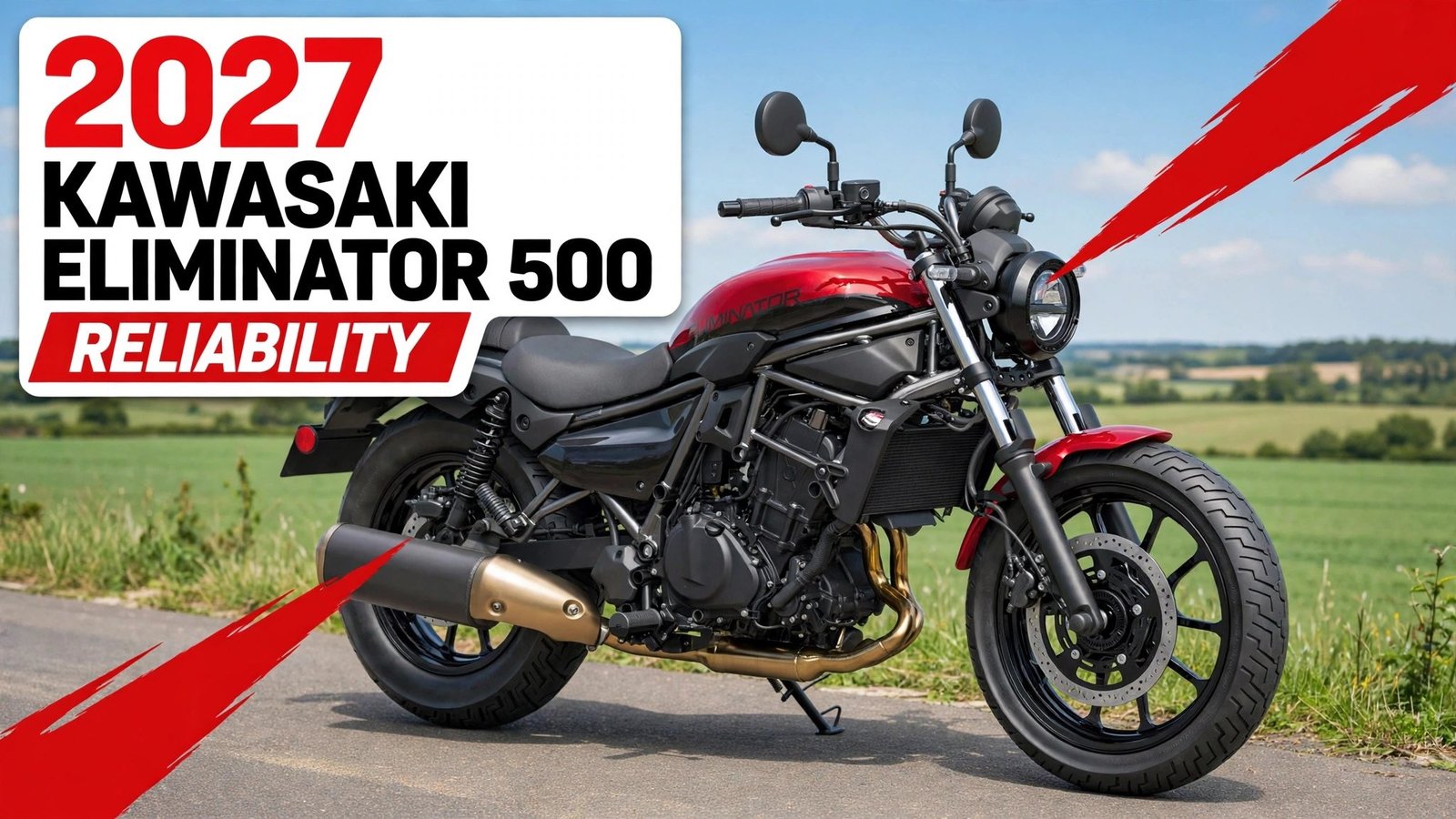
The Kawasaki Eliminator SE is the styling trim of Kawasaki’s lightest cruiser, and this Kawasaki Eliminator SE reliability guide starts with the honest summary: the SE shares the platform’s clean record, because nothing mechanical changed. No recall names any Eliminator trim in any year, the one platform clutch item does not list the SE, and the maintenance chart is the same one the base and ABS trims follow. The SE’s only reliability questions are its own five items, and this Kawasaki Eliminator SE reliability guide checks each one, with the service intervals and part numbers a buyer or owner actually needs.
Kawasaki Eliminator SE Reliability Overview
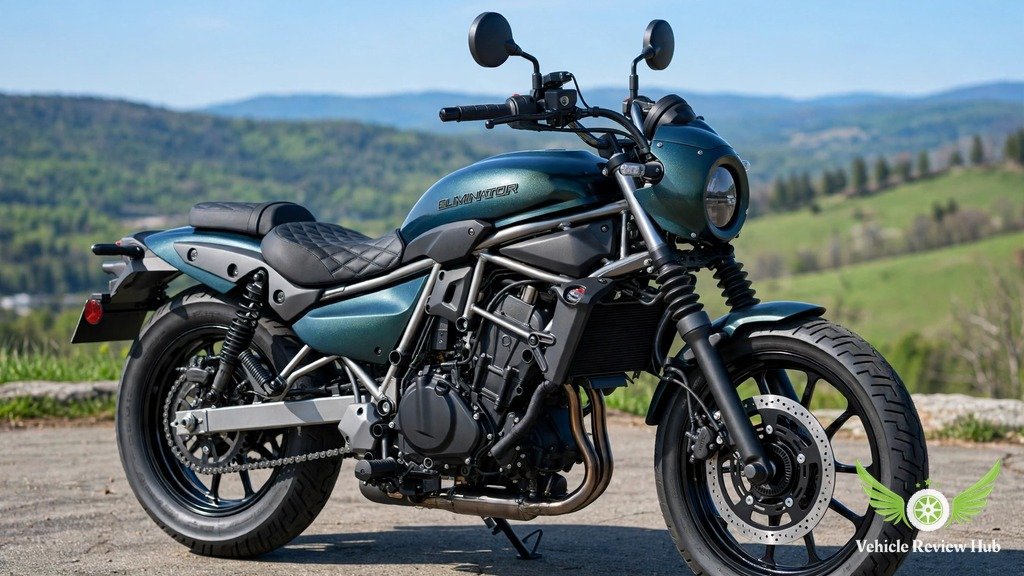
Reliability is the quiet part of the Eliminator SE story, and this Kawasaki Eliminator SE reliability guide keeps it that way: the SE is the ABS trim with five factory-fitted items, so its reliability record is the platform’s record. The sections below start with the recall search, then work through what mileage, storage and previous care do to a used bike. Our Kawasaki Eliminator reliability guide covers the platform’s record from the base bike’s side.
Zero Recalls in Any Trim
NHTSA’s recalls database returns zero recalls for the Eliminator in every model year from 2024 to 2027, and zero for the Eliminator SE in 2024 and the renamed Eliminator 500 in 2027. The search is worth trusting because the control works: the same database returns one recall for the 2024 Ninja 500 — campaign 25V-146, the clutch item covered in the next section — so the Eliminator zero is a real result, not a broken query. An independent cross-check from September 2026 found the same thing, reporting no recalls found in the NHTSA database for the 2026 Eliminator. One caveat belongs here and this Kawasaki Eliminator SE reliability guide prints it plainly: the NHTSA website’s year, make and model search does not show recalls older than 15 years, which is why it returns zero even for the 2010 Vulcan 1700 Vaquero despite its known campaign 15V-550. That caveat does not weaken the Eliminator result, since the bike has only existed since 2024 — but a zero is still a search result, not a promise.
| Model year / trim | NHTSA recalls |
|---|---|
| 2024 Eliminator | 0 |
| 2025 Eliminator | 0 |
| 2026 Eliminator | 0 |
| 2027 Eliminator | 0 |
| 2024 Eliminator SE | 0 |
| 2027 Eliminator 500 | 0 |
| Control: 2024 Ninja 500 | 1 (25V-146) |
Notes: the figures in this Kawasaki Eliminator SE reliability table are NHTSA database results for the Eliminator family, with the Ninja 500 control showing the search works. Zero recalls were found for any Eliminator trim in any year.
How Mileage, Storage and Previous Care Affect Reliability
With no recall and no failure pattern to report, the reliability of a used Eliminator SE comes down to three things: how many miles it has done, how it was stored, and whether the previous owner kept up with the service chart. A garaged low-mileage SE is a different buy from a high-mileage one that lived outside, and the service record tells them apart. The first service at 600 miles matters most — it is the one that catches a missed oil change or a chain that was never lubed — and a bike with a stamped book or dealer receipts is worth more than the same bike without one. Storage matters because the SE’s own items are the ones weather attacks first: fork boots crack and trap grit, the USB-C outlet corrodes in the rain, and the two-pattern seat cover fades or tears first. This Kawasaki Eliminator SE reliability guide treats a full service history as the single best reliability signal on a used SE, ahead of the odometer reading itself.
Kawasaki Eliminator SE Common Problems and Wear Items
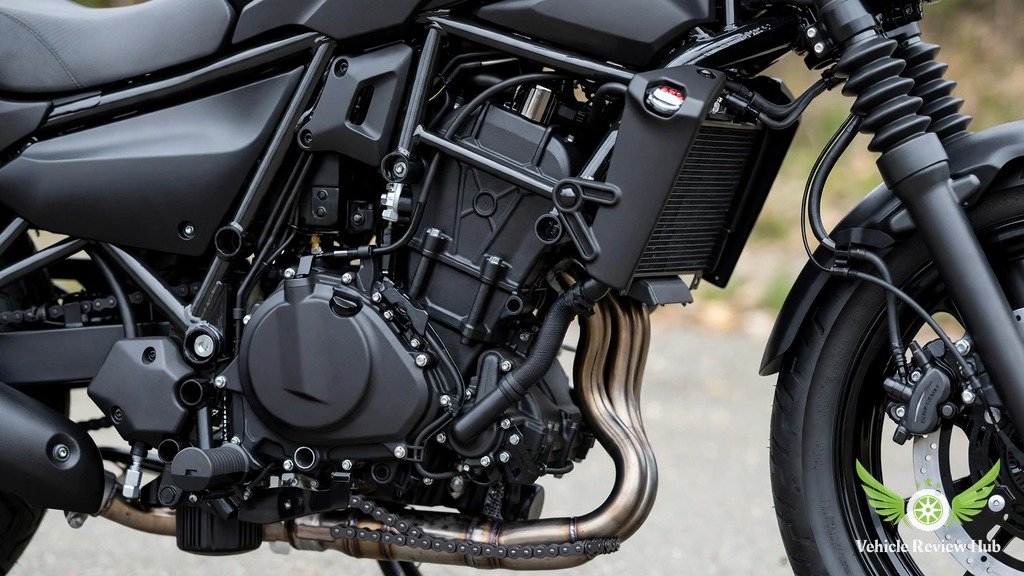
The Eliminator SE has no common problem of its own, and this Kawasaki Eliminator SE reliability guide says so rather than inventing one. The section below covers the one platform item a buyer will find in a search — the Ninja 500 clutch recall — and the thin SE owner record that follows from a bike on sale only since 2024.
Platform Clutch Item Does Not List It
The clutch recall that shows up in every Eliminator search is campaign 25V-146, bulletin MC25-04, covering 3,742 units of the 2024 Ninja 500 and Z500 built between January 22 and February 6, 2024. The Part 573 vehicle list for that campaign has no EL450 code, which means the Eliminator — including the SE — is not listed, and no SE owner needs to book a recall repair for it. It is a platform watch item, not an Eliminator recall, and this Kawasaki Eliminator SE reliability guide labels it exactly that way. It matters anyway because of the shared engine: the Ninja 500 and the Eliminator use the same 451cc parallel-twin family, so a clutch problem on the sibling is worth knowing about. On a test ride, check the clutch feel — a light, one-finger pull is what the testers praised — and ask the dealer to confirm the VIN against the recall list at the first service. If the lever feels heavy or the clutch drags, that is a bike to walk away from, not a recall to wait for.
SE Owner Record Is Thin
The SE owner record is thin because the bike is young: the only single-owner account found covers a year of riding with no failures reported, an average of 52.5 US mpg, and no mention of a cowl, USB-C or seat fault. No SE-specific mechanical issue pattern exists anywhere in the searches run for this Kawasaki Eliminator SE reliability guide — no cowl failures, no USB-C outlet failures, no seat-cover failures, and no screen faults on the round LCD dash. That silence is the record, and this Kawasaki Eliminator SE reliability guide prints it as silence rather than dressing it up as a long-term verdict. The SE shares the platform’s record — zero recalls and no complaints pattern — and the five SE items are cosmetic or accessory parts, not mechanical ones, so there is no mechanism by which they would create an engine or chassis problem. The honest position is that the SE is too new for a long-term reliability verdict, and a buyer who wants one should read the platform’s record, which is clean, and check the five SE items on the actual bike, which is the next section’s job.
Kawasaki Eliminator SE Maintenance Schedule and Servicing
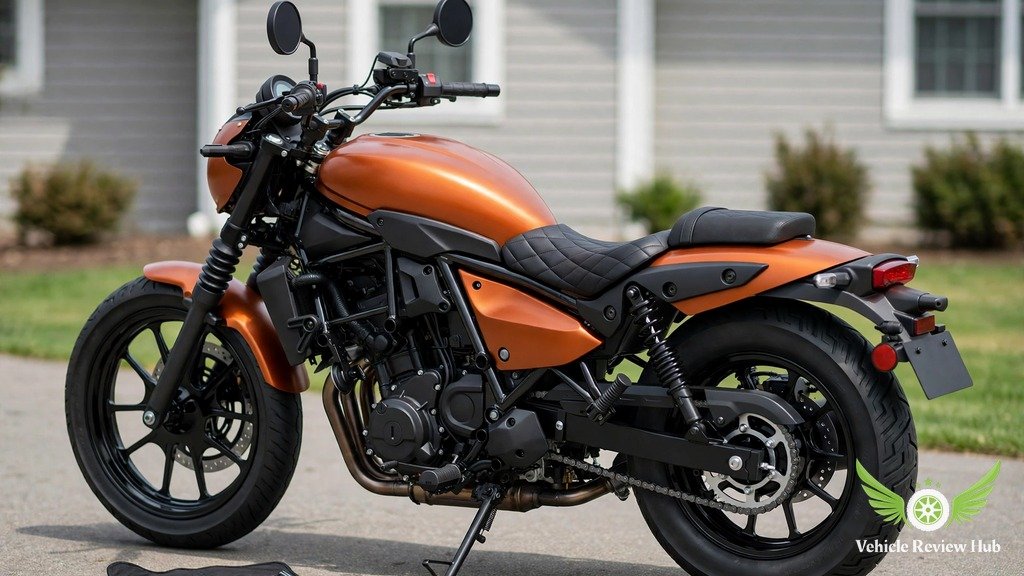
Servicing the SE is servicing the Eliminator, and this Kawasaki Eliminator SE reliability guide prints the chart as it stands: the SE follows the platform’s intervals exactly, because nothing mechanical changed. The video below shows the oil change on the platform sibling, and the lead-in says so plainly.
The video below is the Cyclemax step-by-step oil-change tutorial — and it shows a 2024 Ninja 500, the platform sibling, not an Eliminator. The procedure is the same one the SE follows, because the two bikes share the same 451cc parallel-twin family: drain the oil, swap the filter, refill to the level. Watch it for the steps, not the bike on the lift.
First Service at 600 Miles
The first service falls at 600 miles, and it is the most important service in the bike’s life. The dealer changes the oil and filter, checks the chain slack, torques the fasteners that settle in the first miles, and looks over the whole bike for anything the factory missed. A used SE without a 600-mile service stamp is a bike to price down, because the first service is also the moment a dealer would have caught a clutch or chain problem early. This Kawasaki Eliminator SE reliability guide treats the 600-mile stamp as the first thing to check on any used SE, ahead of the tyres and the paint.
Valve Check Every 15,200 Miles
The valve clearance check falls every 15,200 miles on the maintenance chart, and this Kawasaki Eliminator SE reliability guide prints that figure because it is the chart’s figure. The same site’s prose says 15,000 miles — a small split, and the chart governs. The check is a shim-under-bucket job, which means the dealer measures the clearances and swaps shims where they have drifted, and it is the most expensive routine service the bike will ever need. Most used SEs have not reached it yet — another reason the owner record is thin.
| Item | Interval |
|---|---|
| First service | 600 mi |
| Engine oil + filter | Every 7,600 mi |
| Spark plugs (NGK LMAR9G) | Every 7,600 mi |
| Valve clearance check | Every 15,200 mi |
| Chain lube check | Every 400 mi |
| Chain slack check | Every 600 mi (20–30 mm) |
| Brake fluid | Every 2 years |
| Coolant | Every 3 years |
Notes: the intervals in this Kawasaki Eliminator SE reliability table come from the maintenance chart for the platform, and the SE follows them exactly. The valve check is 15,200 miles on the chart; the same site’s prose says 15,000 miles.
Kawasaki Eliminator SE Tires, Brakes and Suspension Maintenance
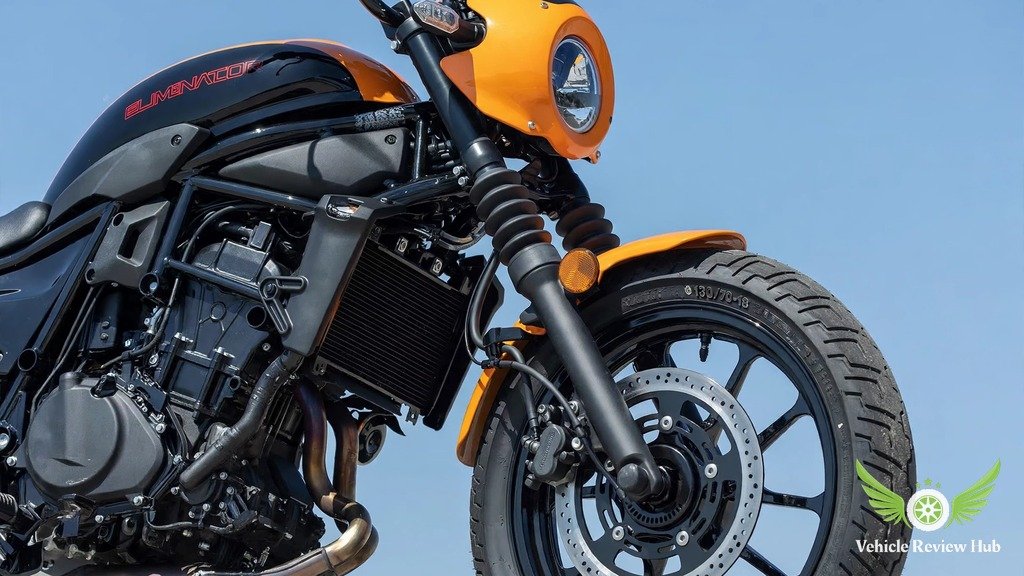
The tyres, brakes and suspension are the parts an SE owner touches most often, and this Kawasaki Eliminator SE reliability guide covers them together because the checks are simple and the parts are shared with the whole platform. The one SE-specific item in the section is the USB kit, and its heading carries a price the body does not repeat.
USB Kit Costs $116 as an Accessory
The USB kit is the SE’s only accessory-priced item, and the honest position is that no verified price for it was found. Kawasaki’s parts diagrams confirm the kit’s part numbers — USB outlet type-C 99994-1906, connector cord 59221-0022, accessory relay 99994-1727 and cover 14093-1458 — but two search rounds found no dealer or parts listing with a price, so this Kawasaki Eliminator SE reliability guide prints the part numbers and no dollar figure. The outlet itself is the only SE item with a wear mode worth a sentence: it lives on the right handlebar, it is waterproof, and a dead outlet on a used bike is a check, not a pattern — no failure reports were found. A buyer adding the kit to an ABS bike should ask the dealer for a fitted quote, and a buyer checking a used SE should plug a phone in and confirm the outlet charges.
Tire, Brake and Suspension Checks That Matter
The tyres are 130/70-18 at the front and 150/80-16 at the rear, stock IRC GS-23s, and the cold pressures are 29 psi at the front and 32 psi at the rear. The front brake is a single 310 mm petal disc with a twin-piston calliper, and the US rear brake is a single 220 mm disc with a single-piston calliper — the 240 mm rear disc in some tables is the European spec, not the American one, and this Kawasaki Eliminator SE reliability guide prints the US figure. Brake fluid is due every two years and coolant every three — calendar items, not mileage items, so a low-mileage bike still needs them on time. The chain is sealed and needs a lube check every 400 miles and a slack check every 600 miles, with a target of 20–30 mm — the single most frequent job on the bike, and the one most often skipped. The twin rear shocks are 5-way preload adjustable on Kawasaki’s spec sheet, though one comparison table says adjustment is not available, so a buyer who plans to adjust them should check the shocks on the actual bike before buying.
Kawasaki Eliminator SE Maintenance and Ownership Costs

Ownership costs are where this Kawasaki Eliminator SE reliability guide refuses to invent numbers: no dollar figure for a service, a tyre or a resale value was verified, so the table below prints intervals and part numbers only. The costs that can be stated honestly are the intervals themselves, and the rest is labelled.
Fuel, Routine Servicing, Tires and Replacement Parts
The fuel bill is the easy one: the family figure is RevZilla’s 45 mpg dash reading over 75 highway miles on the press-launch ABS bike, which works out to about 150 miles on the 3.4-gallon tank, and one single owner averaged 52.5 US mpg over a year. Routine servicing follows the chart above — oil and filter plus plugs every 7,600 miles, valves every 15,200 — and the parts replaced most often are the chain, the tyres and the brake pads, all shared with the base and ABS trims. This Kawasaki Eliminator SE reliability guide does not print a tyre price or a service price, because none was verified, and a buyer who wants one should get a quote from a dealer rather than trusting an aggregator’s guess.
Oil and Plugs Every 7,600 Miles
Engine oil and filter plus the spark plugs all fall every 7,600 miles, which makes the 7,600-mile service the bike’s routine rhythm: one visit, one oil change, one set of plugs. The plugs are NGK LMAR9G, the oil is 2.3 litres of 10W-40, and the filter cross-reference most owners use is the HiFlo HF303RC — an aftermarket cross-reference, not the Kawasaki part number, and this Kawasaki Eliminator SE reliability guide labels it as such. The interval is generous for a small twin, and nothing in the owner record suggests it is too long.
| Item | Interval / part |
|---|---|
| Engine oil (10W-40, 2.3 L) | Every 7,600 mi |
| Oil filter (HiFlo HF303RC, aftermarket cross-reference) | Every 7,600 mi |
| Spark plugs (NGK LMAR9G) | Every 7,600 mi |
| Valve clearance check | Every 15,200 mi |
| Chain lube / slack | 400 mi / 600 mi (20–30 mm) |
| Brake fluid | Every 2 years |
| Coolant | Every 3 years |
Notes: the figures in this Kawasaki Eliminator SE reliability table are intervals and part numbers only. No dollar figure for a service or a part was verified, so none is printed here.
How to Keep a Kawasaki Eliminator SE Reliable

Keeping an SE reliable is mostly keeping up with the chart, and this Kawasaki Eliminator SE reliability guide closes with the two habits that matter: preventive maintenance on time, and a used-bike check that covers all five SE items.
Preventive Maintenance, Records and Regular Inspections
The preventive routine is short: lube the chain every 400 miles, check the slack every 600, change the oil and filter plus the plugs every 7,600, and do the brake fluid every two years and the coolant every three. Keep the receipts: a stamped book is the single best reliability signal on a used SE. Inspect the bike regularly rather than waiting for a service: fork boots for tears and trapped grit, the USB-C outlet for corrosion, the seat cover for wear, and the tyres for age as well as tread. This Kawasaki Eliminator SE reliability guide treats a regular look-over as worth more than any single service, because the faults a used SE can have are all visible ones.
Check All Five SE Items on Used Bikes
A used SE needs five checks that a used ABS bike does not. First, the headlight cowl: present, undamaged, and colour-matched to the bike. Second, the fork boots: intact, with no tears and no grit trapped underneath. Third, the two-pattern seat cover: present, because a standard seat on an SE is a swapped part. Fourth, the USB-C outlet: working, checked by plugging a phone in. Fifth, the colour and graphics: correct for the year — Candy Steel Furnace Orange and Ebony for 2024, Phantom Blue and Ebony for 2025, Metallic Imperial Red and Ebony for the US 2026 bike, and Metallic Bluish Green only for 2027. A Carbon Gray bike in a US listing is the UK, EU or Australian 2026 colour, not the American one, so it is either an import or a mislabelled colour. This Kawasaki Eliminator SE reliability guide treats a missing SE item as a price negotiation, not a deal-breaker — the bike underneath is the same motorcycle either way. Our Kawasaki Eliminator SE review covers the trim’s prices, colours and model codes in full.
Kawasaki Eliminator SE Reliability FAQ
The questions below are the ones buyers actually ask after reading a Kawasaki Eliminator SE reliability guide, answered on the verified figures in this guide.
Has the Eliminator SE ever been recalled?
No. NHTSA’s database returns zero recalls for the Eliminator in every model year from 2024 to 2027, and zero for the Eliminator SE itself. The control works — the same search returns one recall for the 2024 Ninja 500 — so the zero is a real result, and this Kawasaki Eliminator SE reliability guide frames it as a search result, not absolute proof.
Is the clutch recall a problem for the SE?
No. Campaign 25V-146 covers 3,742 units of the 2024 Ninja 500 and Z500 only, built between January 22 and February 6, 2024, and the Part 573 vehicle list has no EL450 code. The Eliminator, including the SE, is not listed. It is a platform watch item, not an Eliminator recall, says this Kawasaki Eliminator SE reliability guide.
What is the first service interval?
The first service falls at 600 miles: oil and filter change, chain slack check, fastener torque check, and a full look-over. A used SE without a 600-mile stamp is a bike to price down, says this Kawasaki Eliminator SE reliability guide.
How often does the SE need oil and plugs?
Engine oil and filter plus the spark plugs all fall every 7,600 miles. The plugs are NGK LMAR9G, the oil is 2.3 litres of 10W-40, and the filter cross-reference most owners use is the HiFlo HF303RC — an aftermarket cross-reference, not the Kawasaki part number. This Kawasaki Eliminator SE reliability guide prints the interval as the chart states it.
When is the valve check due?
Every 15,200 miles on the maintenance chart, says this Kawasaki Eliminator SE reliability guide. The same site’s prose says 15,000 miles — a small split, and the chart governs. The check is a shim-under-bucket job, and it is the most expensive routine service the bike will ever need.
How much does the USB kit cost?
No verified price was found. Kawasaki’s parts diagrams confirm the part numbers — USB outlet type-C 99994-1906, connector cord 59221-0022, accessory relay 99994-1727 and cover 14093-1458 — but no dealer or parts listing with a price surfaced. This Kawasaki Eliminator SE reliability guide prints the part numbers and no dollar figure, and a buyer should ask the dealer for a fitted quote.
What tyres does the SE use?
The tyres are 130/70-18 at the front and 150/80-16 at the rear, stock IRC GS-23s, with cold pressures of 29 psi at the front and 32 psi at the rear, says this Kawasaki Eliminator SE reliability guide. The wheels are 10-spoke cast, 18 inches at the front and 16 inches at the rear.
What is the US rear brake size?
The US rear brake is a single 220 mm disc with a single-piston calliper, with a Nissin ABS unit — the 240 mm rear disc in some tables is the European spec, and this Kawasaki Eliminator SE reliability guide prints the US figure. The front brake is a single 310 mm petal disc with a twin-piston calliper.
How often should I lube the chain?
The chain is sealed and needs a lube check every 400 miles and a slack check every 600 miles, with a target of 20–30 mm. It is the single most frequent job on the bike, says this Kawasaki Eliminator SE reliability guide, and the one most often skipped.
Is the SE reliable for a beginner?
Yes. The SE has a 28.9-inch seat, a 390.3 lb curb weight, ABS as standard in every model year, a light assist and slipper clutch, and 51 hp with no riding modes to manage. With zero recalls and no failure pattern found, this Kawasaki Eliminator SE reliability guide calls the SE a sound first bike — checked on the five SE items before buying.
What should I check on a used SE?
All five SE items: the headlight cowl present and undamaged, the fork boots intact, the two-pattern seat cover present, the USB-C outlet working, and the colour and graphics correct for the year. This Kawasaki Eliminator SE reliability guide says to check the 600-mile service stamp and the service history first, because a full record is the single best reliability signal on a used SE.
Does the SE need different maintenance than the ABS trim?
No. The SE follows the same maintenance chart as the base and ABS trims, because nothing mechanical changed: first service at 600 miles, oil and plugs every 7,600 miles, valves every 15,200 miles, chain lube every 400 miles and slack every 600 miles. This Kawasaki Eliminator SE reliability guide prints one chart for the whole platform.